
Heirlooms and Heritage: The Significance of Family Treasures in Feudal Japan

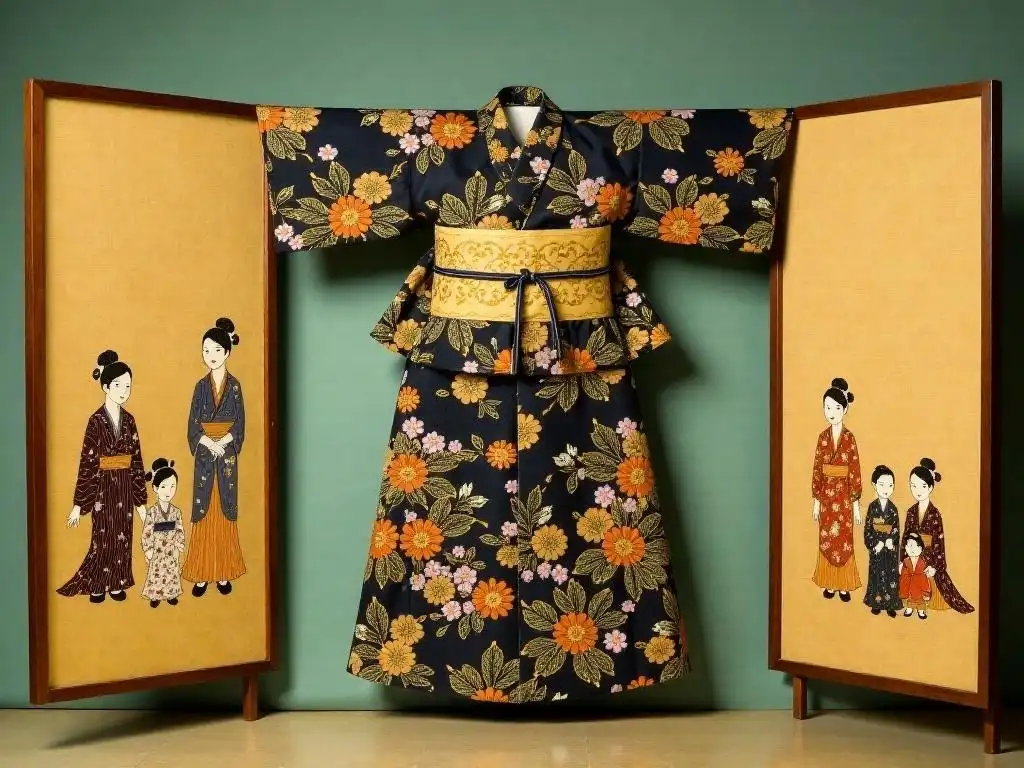
Welcome to Feudal Japan History, where we invite you to embark on a captivating journey through the intricate tapestry of Japan's feudal era. Dive deep into the significance of family treasures during this fascinating period, as we unravel the stories behind heirlooms that shaped identities and legacies. Discover how these cherished artifacts not only reflect the cultural and societal values of feudal Japan but also hold secrets waiting to be uncovered. Are you ready to explore the treasures that tell tales of honor, lineage, and resilience? Join us as we delve into the rich heritage that awaits within!
Campo_por_completar
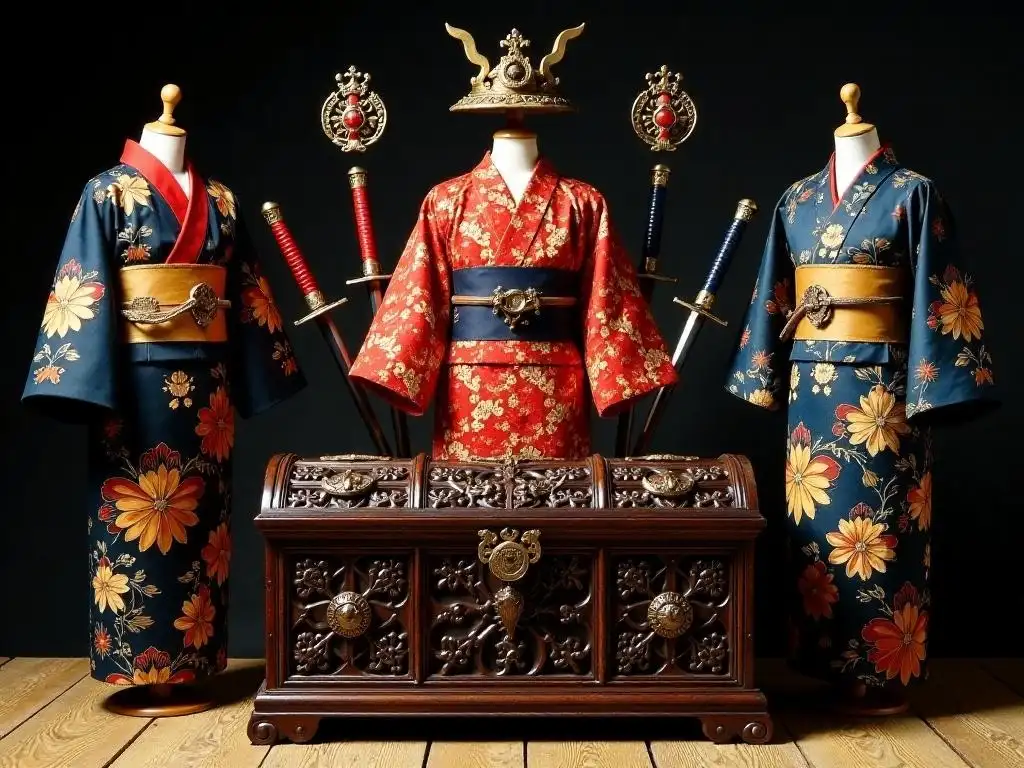
The concept of family treasures in feudal Japan is deeply rooted in the cultural, social, and historical fabric of the era. These heirlooms were not merely material possessions; they represented the legacy, values, and identity of families across generations. Understanding the significance of these treasures requires an exploration of their definitions, the historical context of feudal Japan, and their importance within Japanese familial structures.
Definition of Family Treasures
Family treasures, or "mukashibanashi", are traditionally viewed as heirlooms that hold both material and sentimental value within a family. They can encompass a variety of items, including:
- Ceremonial artifacts: Items used during significant family rituals or celebrations, such as wedding kimonos or ceremonial swords.
- Artistic creations: Paintings, calligraphy, or pottery that reflect the artistic heritage of a family.
- Documents and scrolls: Historical records, family trees, or letters that trace the lineage and achievements of ancestors.
- Functional objects: Tools or utensils passed down, which embody the craftsmanship and skills of previous generations.
These treasures served as a tangible connection to the past, embodying the family's history and the virtues they upheld.
Overview of Feudal Japan's Historical Context
Feudal Japan, spanning from the late 12th century to the early 19th century, was characterized by a strict hierarchical society dominated by the samurai class. This period saw the rise of powerful clans and a complex system of land ownership. The social structure was defined by loyalty, honor, and the importance of lineage, which played a crucial role in the significance of family treasures.
During this time, the Tokugawa shogunate (1603-1868) established a relatively peaceful era known as the Edo period. This tranquility allowed for the flourishing of art, culture, and the codification of social customs. Family treasures became emblematic of a family's status and were often displayed as symbols of pride and heritage. The preservation of these heirlooms ensured that the values, traditions, and memories of ancestors were carried forward, reinforcing familial bonds and identity.
Importance of Heritage in Japanese Families
Heritage in Japanese families during the feudal era was integral to maintaining social order and cultural continuity. Family treasures played a pivotal role in this respect for several reasons:
- Cultural Identity: Heirlooms reinforced a family's identity, linking them to their ancestors and the broader cultural narrative of Japan. They served as reminders of the family’s contributions to society and their adherence to cultural norms and values.
- Ritual Significance: Many family treasures were integral to rituals and ceremonies, such as weddings or memorial services. Their presence during these events emphasized the continuity of family traditions and the importance of honoring one’s lineage.
- Social Status: Possessing certain family treasures could elevate a family's standing within the community. Items such as ornate armor or beautifully crafted kimonos not only showcased wealth but also demonstrated a family's historical significance and connection to powerful ancestors.
- Emotional Bonds: Family treasures fostered emotional connections across generations, as they often carried stories and memories that were shared during family gatherings. This storytelling reinforced familial ties and encouraged younger generations to appreciate their heritage.
Family treasures in feudal Japan were much more than possessions; they were vital to the identity and continuity of families. The interplay of cultural significance, historical context, and emotional connections underscores their enduring legacy in Japanese society, even beyond the feudal era.
- Definition of Family Treasures
- Overview of Feudal Japan's Historical Context
- Importance of Heritage in Japanese Families
The Role of Family Treasures in Feudal Society
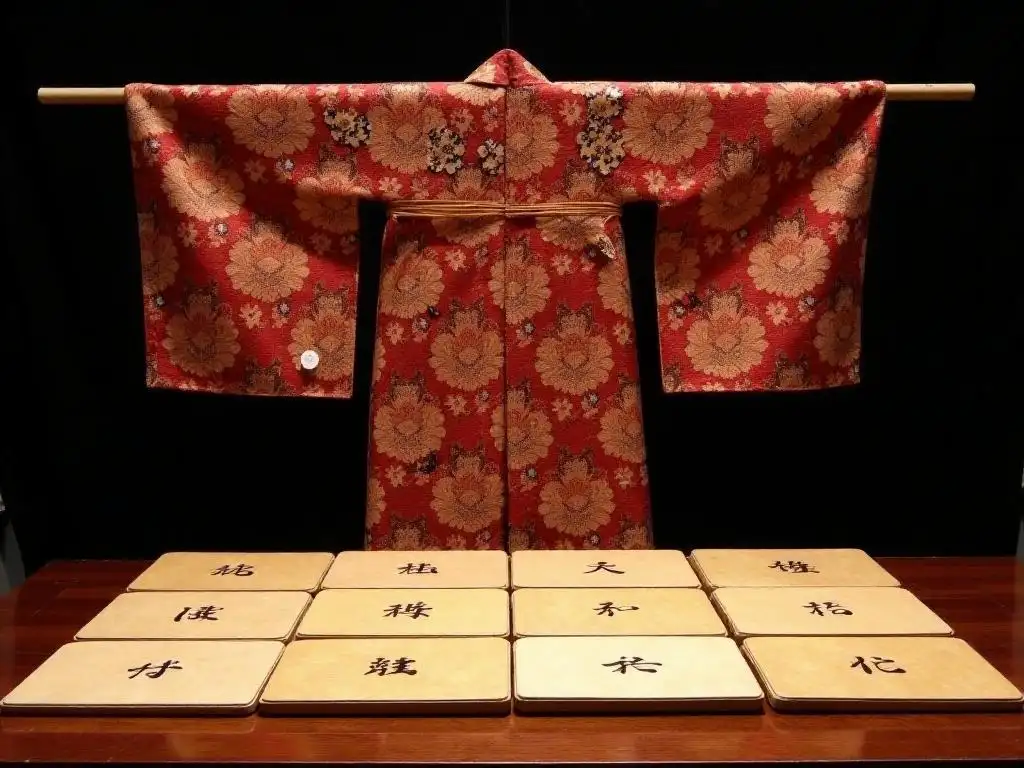
Family treasures in feudal Japan played a pivotal role in shaping the social dynamics and cultural identity of the era. These heirlooms were not merely objects of value; they were carriers of history, tradition, and familial pride. In a society that emphasized lineage and social hierarchy, family treasures served multiple functions, from asserting status to preserving cultural narratives.
Symbolism of Family Heirlooms
Family heirlooms in feudal Japan were imbued with deep symbolic meanings that extended beyond their physical presence. Often crafted with meticulous attention to detail, these items represented the values and beliefs of the family lineage. For instance:
- Spiritual Significance: Many treasures, such as kamidana (household shrines) or ceremonial swords, were believed to harbor spiritual energy, connecting the family to their ancestors and the divine.
- Historical Continuity: Heirlooms served as tangible links to the past, embodying the family's history and achievements. They were often passed down through generations, symbolizing the continuity of family lineage.
- Cultural Narratives: The stories behind these items—be it a unique kimono or an ornate tansu—often reflected significant historical events or personal family milestones, thus preserving cultural heritage.
These symbols were not only prized possessions; they became integral to the family's identity, reminding members of their roots and responsibilities.
Family Treasures as Status Symbols
In the hierarchical society of feudal Japan, status was a crucial aspect of daily life, and family treasures often served as status symbols. Wealthy families would display their possessions, such as intricately designed wakizashi (short swords) or exquisite byobu (folding screens), to signify their social standing. This aspect can be explored through several dimensions:
- Display of Wealth: Ownership of rare and valuable items, such as netsuke (small carvings), indicated financial prosperity. Families often commissioned unique pieces to showcase their affluence.
- Political Significance: Certain heirlooms held political value, such as mon (family crests) that identified samurai clans. These crests were prominently featured on armor and clothing, marking allegiance and rank.
- Ceremonial Importance: During significant events, such as weddings or festivals, families would display their heirlooms as a way of asserting their status and reinforcing communal bonds.
The importance of these treasures in establishing and maintaining social hierarchies illustrates how material culture intertwined with the social fabric of feudal society.
Preservation of Cultural Identity Through Heirlooms
Family treasures also played a crucial role in the preservation of cultural identity during feudal Japan. As the nation faced various political and social changes, heirlooms became essential in maintaining a sense of continuity and belonging. Key points include:
- Culinary Heritage: Items such as chaki (tea ceremony utensils) not only represented the art of tea but also encapsulated the philosophies and aesthetics of Japanese culture. Families often passed down these items to ensure the continuation of cultural practices.
- Artistic Expression: The craftsmanship involved in creating heirlooms reflected the artistic styles and traditions of specific periods. For example, urushi (lacquerware) showcased regional artistry, further solidifying local identities.
- Rituals and Traditions: Heirlooms were often integral to family rituals and celebrations, reinforcing shared values and history. Whether through the passing of a family scroll or the use of a traditional obi during ceremonies, these treasures helped families connect with their heritage.
Family treasures in feudal Japan were far more than mere possessions; they were vital components in the preservation of cultural identity, embodying the essence of familial bonds and societal values. Their significance resonates through history, illustrating the intricate relationship between material culture and the social landscape of feudal Japan.
Types of Family Treasures in Feudal Japan
Common Types of Heirlooms
In feudal Japan, family treasures served as vital links between generations, encapsulating the values, status, and legacy of a family. These heirlooms were often categorized into several types, each bearing unique significance and craftsmanship.
Samurai Armor and Weapons
One of the most revered types of family treasures in feudal Japan was samurai armor and weapons. These items were not merely tools of war but symbols of honor, identity, and social status within the samurai class.
- Katana: The katana, or long sword, was the quintessential weapon of the samurai. It represented not only martial skill but also a family’s honor. Many katanas were passed down through generations, each with its own unique story and craftsmanship, often featuring intricate designs and inscriptions that highlighted the lineage of the warrior.
- Armor Sets: Samurai armor, or yoroi, was meticulously crafted to offer protection while also showcasing the family’s wealth and prestige. Each piece often bore clan insignias and was adorned with elaborate motifs. Families would preserve these armors as a testament to their ancestors’ bravery and loyalty.
Ceremonial Artifacts
Ceremonial artifacts also comprised a significant category of family treasures. These items were integral to rituals and celebrations, reflecting the cultural heritage and spiritual beliefs of the family.
- Tea Ceremony Utensils: In the tradition of the chanoyu (tea ceremony), various utensils such as tea bowls, kettles, and tea whisks were often treasured heirlooms. These items, typically passed down through generations, were not just functional but also artistic, often crafted by renowned artisans. Each utensil carried with it stories of family gatherings and rituals.
- Religious Relics: Families often held onto religious artifacts like Buddha statues, amulets, or family altars ( butsudan). These items were seen as protective and were venerated in family rituals. Their presence in the household reinforced the family's spiritual lineage and commitment to their beliefs.
Unique Family Treasures and Their Stories
Beyond common heirlooms, feudal Japan was rich with unique family treasures that held extraordinary stories and cultural significance.
Famous Heirlooms and Their Historical Significance
Numerous heirlooms have transcended time, becoming symbols of historical importance. For instance:
- The Kusanagi Sword: This legendary sword, one of the three Imperial Regalia of Japan, is steeped in myth and history. It is said to embody the spirit of the samurai and serves as a symbol of the legitimacy of the imperial family. The story of its creation and its role in Japanese mythology has made it a revered family treasure for those claiming descent from the imperial line.
- The Soga Brothers’ Armor: The armor of the Soga brothers, famous for avenging their father’s death, is a poignant reminder of loyalty and honor. This treasure not only represents the valor of the samurai but also serves as a narrative of familial duty that resonates through Japan’s history.
Anecdotes of Family Treasures Passed Down Through Generations
The legacy of family treasures is often enriched by personal anecdotes that highlight their emotional significance.
- The Tale of the Family Katana: One notable story involves a katana that was passed down through generations of a samurai family. Each owner engraved their name on the blade, along with the date it was handed down. This katana witnessed countless battles and was a silent witness to the family’s trials and triumphs, symbolizing resilience and loyalty.
- The Heirloom Tea Set: A beautifully crafted tea set, used in family ceremonies for over 200 years, tells the tale of a family’s dedication to the art of tea. The set became a central part of family gatherings, with stories shared over cups of tea, making it not just a treasure of material value, but one of cherished memories and unity.
In feudal Japan, family treasures were more than possessions; they were vessels of heritage, carrying forward the legacies of honor, tradition, and familial bonds through time.
Passing Down Family Treasures: Traditions and Practices
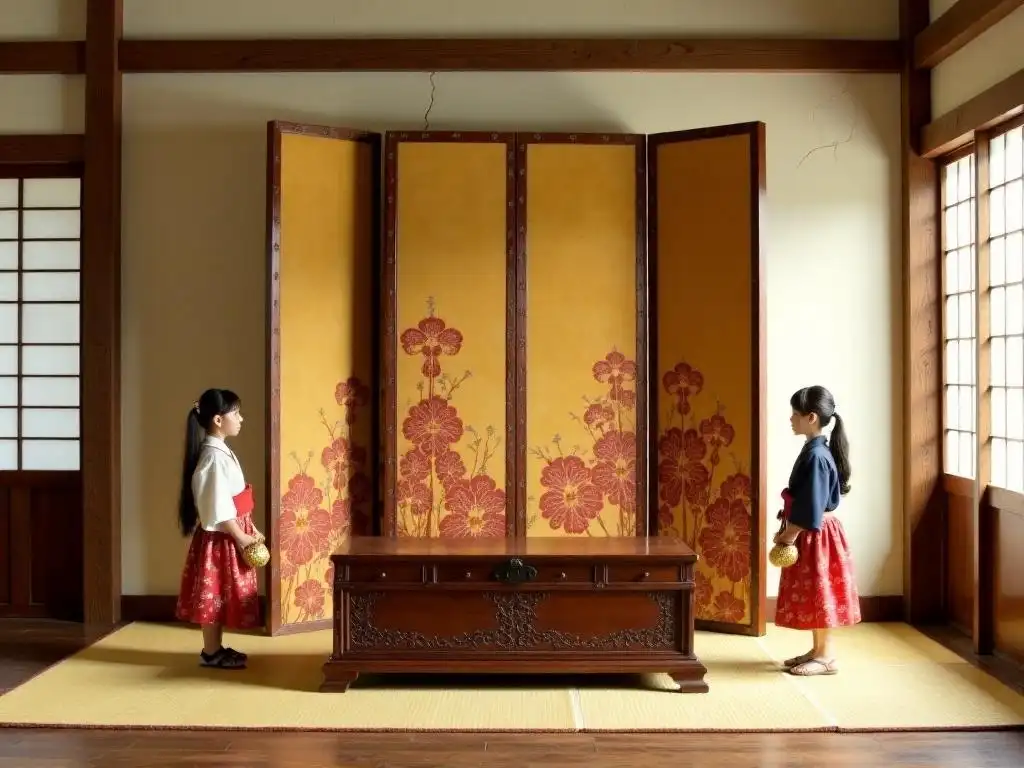
In feudal Japan, family treasures held immense significance, serving as tangible connections to heritage, identity, and social status. The act of passing down these treasures was steeped in ritual and tradition, reflecting the values and beliefs of the time. Families would often meticulously preserve items such as swords, scrolls, pottery, and ceremonial garments, each embodying the spirit of their ancestors and the family's history.
The process of transferring family treasures was not merely a practical matter but a ceremonial one, often marked by specific rituals that highlighted the importance of the heirlooms. These rituals would vary depending on the family's social class and regional customs, but they generally encompassed a series of steps designed to honor the past while preparing the next generation for their responsibilities.
Rituals Surrounding Heirloom Transfer
The transfer of family treasures often involved elaborate ceremonies, which could include:
- Ceremonial Presentations: During significant family gatherings, such as weddings or Coming of Age ceremonies, elders would formally present heirlooms to the next generation. This act was accompanied by speeches recounting the history of the items and their importance to the family lineage.
- Ritual Cleansing: Before passing down an heirloom, families often performed a cleansing ritual, which could involve purifying the item with water or incense. This practice was believed to remove any negative energies and to bless the heirloom for its future bearer.
- Token Offerings: In some cases, families would offer prayers or small tokens to the spirits of ancestors, seeking their blessings for the heirloom's safe passage to the next generation. This could involve placing the item on an altar along with food offerings or symbolic items.
- Written Records: Many families maintained written records of their heirlooms, detailing their origins, significance, and the names of those who had previously possessed them. These documents served not only as a history of the treasures but also as a guide for future generations about their responsibilities regarding these items.
The Role of Elders in Heritage Preservation
In feudal Japan, elders were revered figures within families, often serving as the primary custodians of family treasures. Their role extended beyond merely passing down heirlooms; they were also responsible for educating younger family members about the significance of these items and the family's history.
- Storytellers: Elders would often share stories and lessons associated with family treasures, instilling a sense of pride and responsibility in the younger generation. These narratives often included tales of bravery, honor, and the values that the family upheld throughout its history.
- Decision-Makers: Elders typically made decisions regarding the preservation and transfer of heirlooms. They would assess the readiness of younger family members to inherit these treasures, ensuring that those entrusted with them understood their importance and the family's traditions.
- Cultural Representatives: As the keepers of family heritage, elders played a crucial role in representing family values within the broader community. Their actions and guidance often set the tone for how family treasures were perceived and respected by others.
Legal Aspects of Inheriting Family Treasures
The inheritance of family treasures in feudal Japan also had legal implications, rooted in the societal structures of the time. Several key aspects governed this process:
- Primogeniture: In many cases, the oldest son was designated as the primary heir to family treasures, a practice known as primogeniture. This custom ensured that heirlooms remained within the direct lineage and were not divided among multiple heirs, which could dilute their significance and value.
- Legal Documentation: Families often created legal documents that outlined the inheritance of family treasures. These documents served to prevent disputes between heirs and to clarify the responsibilities associated with the items.
- Protection of Heirlooms: Legal frameworks existed to protect family treasures, particularly those of significant cultural or historical value. This protection ensured that such items could not be sold or disposed of without the consensus of the family, preserving their legacy for future generations.
The traditions and practices surrounding the passing down of family treasures in feudal Japan reflect a deep-seated reverence for heritage and identity. Through rituals, the guidance of elders, and legal customs, families ensured that their treasures were honored and preserved, allowing the legacies of their ancestors to endure across generations.
The Emotional and Cultural Significance of Heirlooms
Attachment to Family Treasures
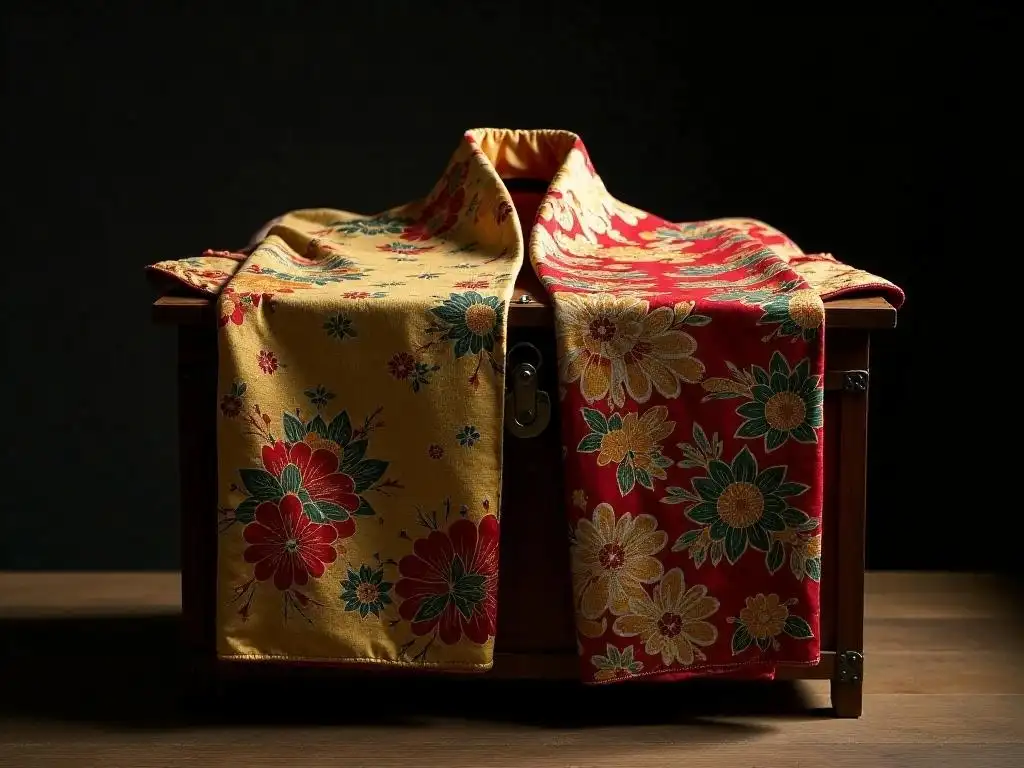
In feudal Japan, family treasures—referred to as syozoku—not only served as material possessions but also as vessels of emotional connection and cultural identity. These heirlooms often included samurai swords, ceremonial garments, or scrolls that were passed down through generations. The attachment to these items was deeply rooted in the belief that they held the spirits and memories of ancestors, thereby enhancing their emotional value. For many families, possessing such treasures was a matter of pride, reflecting their lineage and status within society.
The connection to these heirlooms was not merely sentimental; it was also spiritual. Families believed that their ancestors continued to influence their lives through these objects. The act of preserving and honoring these treasures was seen as a way to maintain a bond with the past. The following points highlight the aspects of attachment:
- Symbol of Continuity: Heirlooms acted as tangible links to family history, providing a sense of continuity across generations.
- Cultural Identity: These treasures often encapsulated the unique cultural practices and stories of a family, reinforcing their identity within the broader context of Japanese society.
- Rituals and Ceremonies: Heirlooms played a crucial role in family rituals, such as weddings and memorial services, where they were displayed or used, reinforcing their significance.
Impact on Family Bonds and Identity
Family treasures in feudal Japan were pivotal in shaping family dynamics and identity. The transmission of heirlooms often involved specific rituals that emphasized their importance in maintaining family cohesion and loyalty. These practices contributed significantly to the development of strong family bonds, characterized by mutual respect and shared values.
- Strengthening Relationships: The act of passing down heirlooms reinforced relationships among family members. For instance, a parent imparting a treasured item to a child was an expression of trust and responsibility, fostering a sense of belonging and shared heritage.
- Embodiment of Values: Many heirlooms were imbued with values such as honor, courage, and fidelity—traits that families aspired to uphold. By owning and cherishing these items, individuals internalized these values, which shaped their identities within the family and society.
- Conflict and Resolution: In some cases, disputes arose over family treasures, revealing their significance in defining family hierarchies and roles. Such conflicts often necessitated mediation, thereby creating opportunities for dialogue and reconciliation, reinforcing familial ties.
Heirlooms in Modern Japanese Culture: A Continuation of Tradition
The legacy of family treasures in feudal Japan continues to resonate in contemporary Japanese culture. While the societal structures have evolved, the significance of heirlooms remains a vital aspect of familial relationships and cultural heritage. Today, many Japanese families still hold on to heirlooms, recognizing their worth not only as historical artifacts but also as symbols of familial connection.
- Preservation Efforts: Various organizations and museums in Japan are dedicated to preserving these heirlooms, ensuring that future generations can appreciate their cultural significance. Initiatives such as exhibitions and educational programs aim to raise awareness about the importance of family heritage.
- Modern Interpretations: Contemporary Japanese artists and craftsmen often draw inspiration from traditional heirlooms, creating new works that honor the past while adapting to modern aesthetics. This blending of tradition with innovation showcases the enduring relevance of family treasures.
- Cultural Celebrations: Festivals and events celebrating family heritage encourage the sharing of heirlooms among community members, fostering a collective appreciation for shared history and values.
Family treasures in feudal Japan were integral not only to individual families but also to the broader cultural fabric of society. Their emotional significance, impact on family bonds, and continuing legacy in modern Japan illustrate the profound role that these heirlooms play in shaping identities and preserving cultural heritage.
Challenges in Preserving Family Treasures
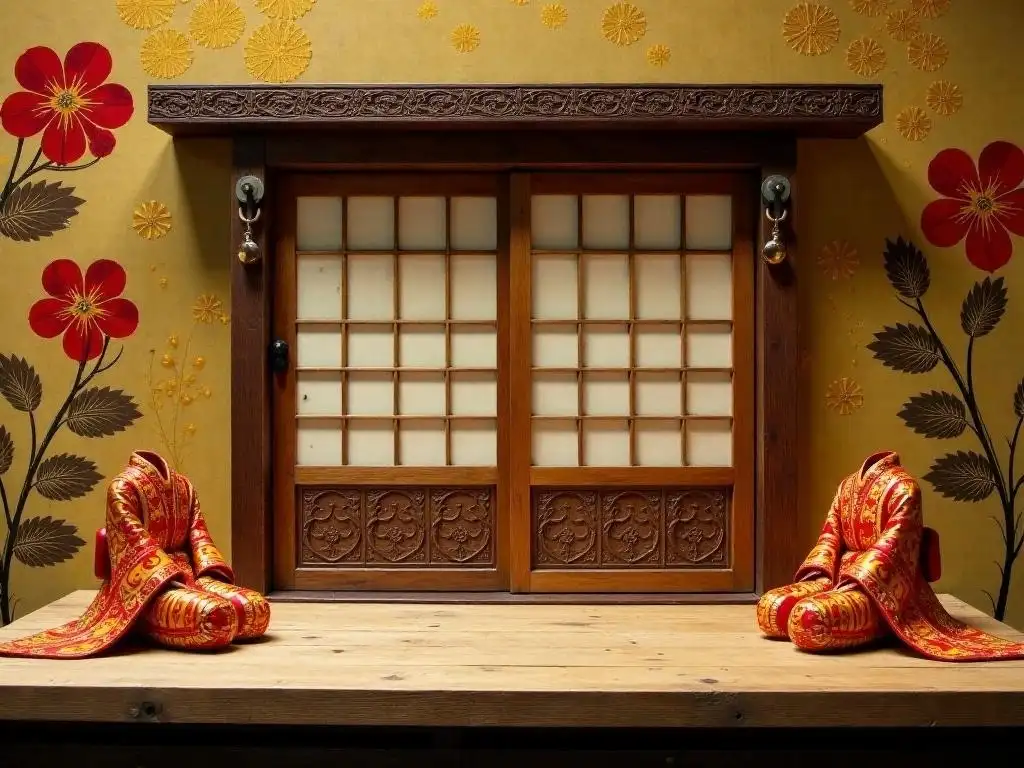
The preservation of family treasures in feudal Japan presents a complex landscape shaped by various challenges. These heirlooms, which often symbolize the lineage and social standing of families, have faced numerous threats over the centuries. Understanding these challenges is essential for grasping the importance of family treasures in the context of Japan's feudal society and the ongoing efforts to protect these irreplaceable artifacts.
Threats to Heirlooms: Natural Disasters and War
Natural disasters and warfare have historically posed significant threats to family treasures in feudal Japan. The archipelago's geographical location makes it prone to earthquakes, tsunamis, and typhoons. These natural calamities can lead to the destruction of homes, temples, and the invaluable heirlooms within them. For instance, the Great Kanto Earthquake of 1923 devastated countless structures and their contents, resulting in the loss of numerous artifacts that had been cherished for generations.
In addition to natural disasters, warfare has played a pivotal role in the destruction of family treasures. The Sengoku period (1467-1603), marked by constant conflict among feudal lords, saw many castles and homes ransacked or burned. Heirlooms, such as swords and ceremonial garments, were often lost, stolen, or destroyed during these turbulent times. The aftermath of the Meiji Restoration also saw the dismantling of feudal structures and the appropriation of family treasures as symbols of old regimes.
The Impact of Modernization on Heritage
The transition from feudalism to modernization in Japan brought about significant shifts in societal values and the perception of family treasures. The Meiji Restoration initiated a wave of Western influence that transformed the cultural landscape. Many traditional practices and artifacts were discarded in favor of modern innovations, leading to a decline in the appreciation for ancestral heirlooms.
As Japan embraced industrialization, the focus shifted towards progress and development, often at the expense of historical preservation. This transition has resulted in a disconnect for many younger generations, who may not recognize the importance of preserving family treasures. Consequently, there is an increasing risk of these heirlooms being neglected or disposed of, as they are not seen as relevant to contemporary life.
Strategies for Preservation and Education
To combat the threats facing family treasures in feudal Japan, various strategies for preservation and education have emerged. Awareness campaigns are essential to highlight the significance of these heirlooms, not only as tangible links to the past but also as vital components of cultural identity.
- Community Engagement: Local communities are encouraged to organize workshops and exhibitions that showcase family treasures. This fosters a sense of pride and responsibility towards preserving cultural heritage.
- Documentation and Archiving: Families are urged to document their heirlooms through photographs, written histories, and genealogical records. This creates a lasting legacy and ensures that knowledge about these treasures is passed down through generations.
- Collaboration with Museums: Partnerships between families and museums can facilitate the preservation of heirlooms. Museums can provide expertise in conservation techniques and a platform for public appreciation of these artifacts.
- Educational Programs: Schools and cultural organizations can implement programs that educate children about the importance of family treasures. By instilling a sense of heritage from an early age, future generations are more likely to value and protect these heirlooms.
While family treasures in feudal Japan face numerous challenges, proactive strategies can help ensure their preservation for future generations. The collective effort to recognize, protect, and educate about these heirlooms will play a crucial role in maintaining the rich tapestry of Japan's cultural heritage.
Conclusion: The Enduring Legacy of Family Treasures in Feudal Japan
Summary of the Importance of Heirlooms
Family treasures in feudal Japan served as vital links between generations, embodying the values, traditions, and achievements of the family lineage. These heirlooms were not merely objects; they were repositories of history, often imbued with deep personal and cultural significance.
- Cultural Identity: Heirlooms played a crucial role in shaping a family's identity. Items such as kimono, swords, and ceramics often carried stories of ancestral pride and were passed down to instill a sense of belonging and continuity.
- Status and Prestige: Certain family treasures signified social status, reflecting a family's wealth and influence within the feudal hierarchy. For instance, finely crafted tansu chests and decorative armors were symbols of noble heritage.
- Ritual and Tradition: Heirlooms were often integral to family rituals and celebrations, reinforcing bonds among family members. They were used in ceremonies such as weddings and coming-of-age events, thus perpetuating cultural practices.
The significance of these treasures was not limited to their material worth but extended to their ability to convey moral lessons, heritage, and continuity through storytelling.
The Relevance of Family Treasures in Contemporary Japan
In modern Japan, the legacy of family treasures remains strong, influencing cultural practices and family dynamics. While the context has evolved, the reverence for heirlooms persists.
- Cultural Preservation: Many families actively seek to preserve their feudal-era treasures as a means of maintaining their cultural heritage. Museums and cultural organizations often collaborate with families to document and display these artifacts, ensuring their stories are told.
- Symbol of Resilience: In a rapidly changing society, family treasures symbolize resilience and stability. They remind contemporary Japanese individuals of their roots and the enduring values of their ancestors.
- Inter-generational Connection: Heirlooms continue to serve as bridges between generations, fostering discussions about family history and encouraging younger members to appreciate their cultural legacy. This connection can be vital in instilling respect and understanding for one’s heritage.
Reflection on the Value of Heritage in Today's Society
The significance of family treasures extends beyond their historical context; they play a pivotal role in shaping societal values in contemporary Japan.
- Cultural Dialogue: Engaging with heirlooms invites a dialogue about cultural identity in a globalized world. As Japan navigates modernity, the treasures serve as anchors, prompting reflection on what it means to be Japanese.
- Educational Opportunities: Family treasures offer educational insights into Japan’s feudal past. Schools and community programs often incorporate these discussions, fostering a deeper understanding of Japan's history among students.
- Emotional Connection: Heirlooms evoke strong emotional responses, reminding individuals of family legacies and the emotional ties that bind them to their heritage. This connection enhances community bonds and the collective memory of societies.
Family treasures in feudal Japan have left an indelible mark on cultural practices, identity, and the very fabric of society. Their relevance today underscores the importance of heritage and the lessons that can be drawn from the past as communities continue to evolve.
Frequently Asked Questions
What were family treasures in feudal Japan?
Family treasures in feudal Japan referred to heirlooms passed down through generations, symbolizing both status and cultural identity within families.
Family treasures often included artifacts, weapons, and ceremonial items that were indicative of a family's wealth and position in the feudal hierarchy.
Why were family treasures important in feudal society?
These treasures served not only as symbols of heritage but also as a means of preserving family history and maintaining social connections across generations.
What types of items were considered family treasures?
Common family treasures included samurai swords, scrolls, traditional clothing, and ceramics, each holding significant cultural and historical value.
How did the perception of family treasures evolve over time?
As Japan transitioned from the feudal era to modern times, the perception of these treasures shifted from mere status symbols to valued cultural artifacts representing Japan's rich history.
Final Reflection: The Enduring Legacy of Family Treasures in Feudal Japan
In exploring the significance of family treasures in feudal Japan, we uncover not only the material value of these heirlooms but also their profound cultural and emotional resonance. Today, as we navigate a world increasingly detached from tangible heritage, the importance of preserving and honoring our familial legacies has never been more relevant. The treasures passed down through generations serve as a bridge connecting us to our ancestors, reminding us of the values, struggles, and triumphs that shaped our identities.
The influence of family treasures extends beyond mere artifacts; they are symbols of continuity and resilience within our cultural landscape. These heirlooms encapsulate stories that enrich our understanding of history and identity. As we reflect on the enduring impact of these treasures, we recognize that they foster a sense of belonging and continuity in an ever-changing world. Heritage is not just about the past; it is a living part of our present and future.
This quote resonates deeply as we consider how the legacies of feudal Japan continue to inspire and inform contemporary values around family, honor, and tradition.
As you ponder the significance of family treasures in your own life, I invite you to reflect on the heirlooms that hold meaning for you. What stories do they tell? How do they shape your understanding of your heritage? Embrace the opportunity to connect with your past, and consider how you might preserve and pass on these treasures to future generations. In doing so, you not only honor your lineage but also contribute to the rich tapestry of human experience that transcends time and place.
Unearth Your Heritage and Embrace Your Treasures!
Thank you for diving into the fascinating world of family heirlooms in Feudal Japan! We hope you gained valuable insights into how these treasures shape our identities and connect us across generations. Now, let’s take your newfound knowledge and explore practical ways to honor your own heritage.
- Start your own family heirloom project: Gather your family stories and memorabilia. Create a digital scrapbook or family tree to preserve and share your unique history.
- Explore your local museums or cultural sites: Many offer programs or exhibitions on heirlooms and traditions that could further enrich your understanding.
- Share your journey and inspire others: Whether through a blog, social media post, or community group, let others know what you’ve discovered about your heritage!
What family treasures do you cherish, and how have they shaped your understanding of your roots? We invite you to share your thoughts below!