
The Role of Women in Household Education: Teaching the Next Generation

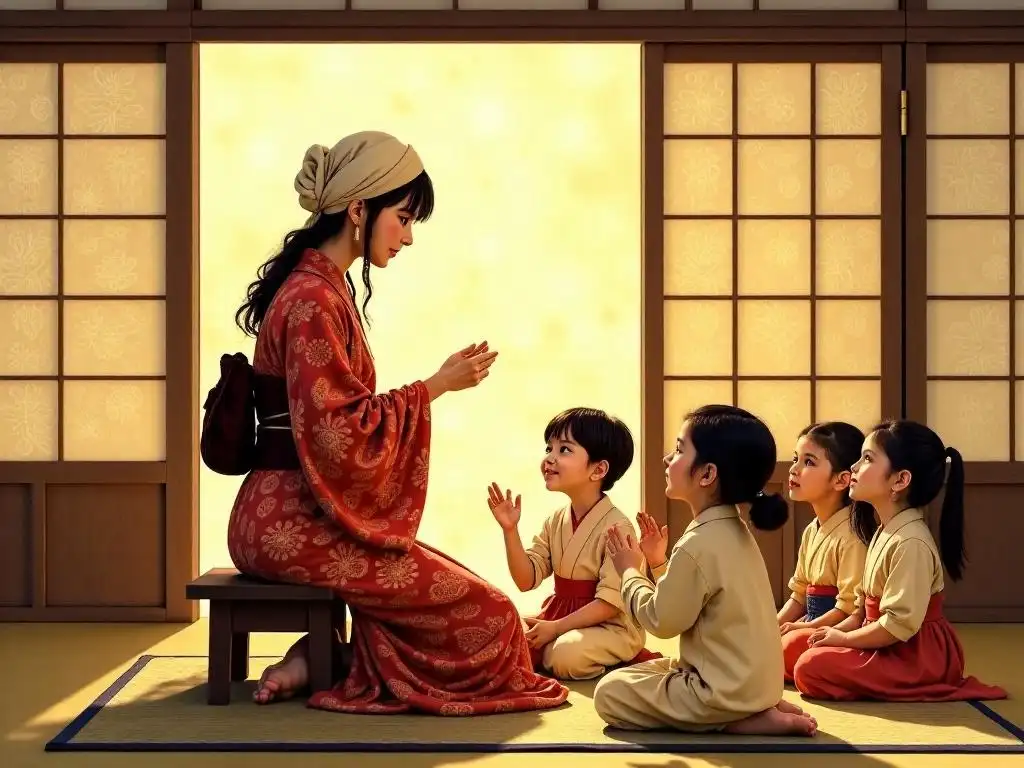
Welcome to Feudal Japan History, where we delve deep into the fascinating tapestry of Japan's feudal era! In our exploration today, we shine a light on a pivotal yet often overlooked aspect: Women in Feudal Japan Education. Discover how these remarkable women shaped the foundations of household learning and influenced generations. What secrets lie within the walls of their homes, and how did their educational roles challenge societal norms? Join us as we unravel the intricate layers of daily life and society in feudal Japan, igniting your curiosity to learn more about their enduring legacy.
Introduction to Women in Feudal Japan Education
The role of women in feudal Japan, particularly in the realm of education, is a complex and often underappreciated aspect of Japanese history. While much focus tends to be placed on the samurai class and their male counterparts, women played a crucial role in shaping the educational landscape of their households.
In a society deeply rooted in hierarchy and tradition, women were not merely passive figures; they were the primary educators of the next generation, responsible for imparting both practical skills and moral values to their children. This article delves into the multifaceted role of women in household education during the feudal era, exploring their influence on family dynamics, societal norms, and the legacy they left for future generations.
In feudal Japan, education was not limited to formal institutions; it was a vital component of daily life, particularly within the confines of the home. Women, especially mothers, were tasked with the essential duty of teaching their children the skills necessary for survival and success in a rigidly structured society. From the arts of etiquette and household management to the principles of Confucian philosophy, the breadth of knowledge that women conveyed to their children was significant. This exploration will highlight the importance of women's contributions to education and the lasting impact they had on Japanese culture.
The Importance of Education in Feudal Japan
Education in feudal Japan was crucial for maintaining societal order and cultural continuity. It was primarily conducted within the family unit, where parents instilled values and knowledge in their children. While formal education was predominantly available to the male elite, women were instrumental in educating both boys and girls at home. Here are some key aspects of the educational importance during this era:
- Moral and Ethical Instruction: Women taught children the importance of ethics and proper conduct, often drawing from Confucian texts which emphasized loyalty, respect, and filial piety.
- Practical Skills: Household education included essential skills such as cooking, weaving, and budgeting, ensuring that children were prepared for their future roles within the family and society.
- Cultural Transmission: Women were responsible for passing down cultural traditions, stories, and practices, preserving the rich tapestry of Japanese heritage.
- Literacy and Arts: While literacy rates among women varied, many were educated enough to read and write, enabling them to engage with literature, poetry, and the arts, which they also shared with their children.
The educational landscape of feudal Japan was heavily influenced by women, who played a pivotal role in nurturing the next generation. Their contributions to household education not only shaped individual families but also laid the foundation for the broader societal values that would resonate throughout Japan's history.
Overview of Women’s Roles in Society
In feudal Japan, women's roles were complex and multifaceted, deeply intertwined with the social structure and cultural expectations of the time. While women were often relegated to domestic duties, they held significant responsibilities within the household, particularly in terms of education. Women's primary role in society was that of a wife and mother, responsible for nurturing children and managing household affairs. This domestic sphere, however, did not limit their influence; women played crucial roles in transmitting cultural values and knowledge to the next generation, thereby shaping the future of Japanese society.
Women in feudal Japan were expected to embody virtues such as loyalty, obedience, and modesty, which were integral to their roles as educators within the family. This societal expectation created a framework where women not only taught practical skills, such as cooking and textile production, but also instilled moral values and the principles of Confucianism in their children. Despite the limitations imposed on them, many women exercised a degree of agency through their educational roles, fostering a legacy of learning that would influence generations.
Social Structure and Gender Roles
The social structure of feudal Japan was highly stratified, with distinct classes that outlined the roles and expectations for both men and women. At the top were the samurai, followed by farmers, artisans, and merchants. Each class had specific roles that dictated the responsibilities and educational opportunities available to women. For example, women from the samurai class were often educated in the arts and literature, allowing them to contribute to cultural life and manage their households effectively. In contrast, women from lower classes focused primarily on domestic tasks and practical skills, with limited access to formal education.
Gender roles were firmly established, with men regarded as the primary breadwinners and decision-makers, while women were often seen as subordinate. However, this dynamic began to shift during certain periods, particularly in the Edo period, when economic growth allowed some women to acquire education and engage in commerce. The roles of women in education were thus influenced by their social status, with upper-class women enjoying more educational opportunities than their lower-class counterparts. This disparity in access to education significantly impacted the knowledge and skills passed down through generations.
Impact of the Samurai Class on Women’s Education
The samurai class had a profound influence on the education of women in feudal Japan. Samurai women were often educated in a manner that emphasized not only domestic skills but also the arts and literature. This educational approach was rooted in the belief that a well-educated woman could effectively manage her household and contribute to the family's honor and status. Samurai women were taught to read and write, as well as to appreciate poetry and prose, which allowed them to engage in cultural exchanges and maintain their family's reputation.
Moreover, the samurai code of conduct, known as bushido, emphasized the importance of loyalty, honor, and integrity. These values were instilled in women as well, influencing how they educated their children. Samurai women played a pivotal role in teaching their offspring about ethical behavior and the responsibilities of their social status. The education provided by these women often extended beyond basic skills, fostering a sense of identity and belonging that was crucial for the continuation of samurai traditions.
Historical Context of Women in Education
The historical context of women's education in feudal Japan reveals a gradual evolution influenced by various cultural, economic, and political factors. Initially, education for women was primarily informal and conducted within the family context. Mothers were responsible for teaching daughters essential skills for managing the household and instilling moral values. However, as Japan moved through different periods, particularly during the Kamakura and Edo periods, the landscape of women's education began to shift.
During the Edo period, the establishment of terakoya (temple schools) provided greater educational opportunities for both boys and girls, although the curriculum for girls often focused on domestic skills. The rise of merchant classes also contributed to changes in women's roles, as economic necessity led to increased participation in trade and business. This shift allowed some women to pursue education that was previously unavailable, creating a more diverse landscape of female education.
Traditional Education Practices for Women
Traditional education practices for women in feudal Japan were primarily centered around the home. Mothers were the primary educators, teaching daughters skills necessary for managing a household, such as cooking, sewing, and child-rearing. These practical skills were vital in preparing young women for their future roles as wives and mothers. Additionally, moral education was emphasized, with teachings focused on virtues like obedience and respect for elders, which were considered essential for maintaining harmony within the family.
In upper-class households, women had access to more formal education. They were often educated in the arts, literature, and music, which allowed them to participate in cultural activities. This education was not merely for personal enrichment but served to elevate the family's status within society. Young women learned to compose poetry, play instruments, and engage in discussions about literature, all of which were valued skills in samurai culture.
Influence of Confucian Ideals on Female Education
Confucian ideals had a significant influence on female education in feudal Japan, shaping the expectations and roles of women within society. Confucian philosophy emphasized the importance of hierarchy, filial piety, and moral education, which were reflected in the education of women. Women were taught to uphold family values and maintain social harmony, with their education focusing on the cultivation of virtues such as loyalty, humility, and obedience.
The Confucian model established distinct roles for men and women, often relegating women to the domestic sphere. However, this framework also provided women with a sense of purpose within their roles as educators. They were seen as the primary transmitters of cultural values, responsible for instilling Confucian principles in their children. As a result, while women's education was often limited in scope, it was deeply rooted in the cultural and moral fabric of feudal Japan, allowing women to play a pivotal role in shaping future generations.
Women as Educators in the Household

In Feudal Japan, women played a vital role in the education of their children, particularly in the household setting. While formal education was often reserved for boys and predominantly conducted in temples or by samurai tutors, women were the primary educators of younger children. They instilled the foundational values, skills, and knowledge necessary for navigating daily life in a complex society. This informal education focused on practical skills, moral teachings, and cultural traditions, shaping the character and intellect of future generations.
The role of women as educators was influenced by their societal status, which varied across different classes. In samurai families, women were expected to educate not only their children in practical virtues but also in the arts and etiquette befitting their social standing. Conversely, in the peasant class, education often revolved around agricultural skills and community responsibilities. Regardless of their class, women were essential in cultivating a sense of identity, belonging, and cultural continuity.
Responsibilities of Women in Family Education
Women in Feudal Japan had multifaceted responsibilities when it came to family education. Their duties included:
- Teaching Domestic Skills: Women were responsible for teaching their daughters household management skills, such as cooking, weaving, and sewing. These skills were crucial for maintaining the household and ensuring the family's survival.
- Passing Down Cultural Traditions: Mothers played a key role in imparting cultural practices, folklore, and social norms. This included storytelling, rituals, and festivals that connected children to their heritage.
- Moral and Ethical Guidance: Women emphasized the importance of virtues such as respect, humility, and diligence, laying the groundwork for the moral compass of their children.
- Literacy and Basic Education: Although formal education was limited, some women took it upon themselves to teach their children basic reading and writing skills, often using materials like hyakumanto (woodblock printed texts) and oral teachings.
Methods Employed by Women to Teach Children
The methods employed by women in household education were often informal yet effective. Some of the key approaches included:
- Storytelling: Through engaging narratives, mothers conveyed moral lessons, historical events, and cultural values, making learning enjoyable and memorable.
- Role-Playing and Practical Demonstrations: Women often used role-playing scenarios to teach children about social interactions and responsibilities, allowing them to learn through experience.
- Repetition and Routine: Daily activities provided natural opportunities for teaching. Women would incorporate learning into everyday chores, using repetition to reinforce skills and knowledge.
- Songs and Poetry: Traditional songs and poems were employed not only to entertain but also to teach language, rhythm, and cultural narratives, enhancing children's creativity and understanding of their environment.
The Significance of Moral and Ethical Education
Moral and ethical education was paramount in the upbringing of children in Feudal Japan. Women recognized that instilling values such as loyalty, respect, and perseverance was essential for their children's future roles in society. This education was not merely about compliance with societal norms but also about fostering a sense of integrity and character.
The teachings of Confucianism, which greatly influenced Japanese society, emphasized virtues that women were tasked with imparting. By focusing on moral education, women aimed to prepare their children to become responsible members of their community, capable of contributing positively to society. This emphasis on ethics ensured that children understood their roles and responsibilities within their family and society at large.
Key Figures in Women’s Education
Throughout Japan's feudal era, several remarkable women emerged as key figures in the realm of education, influencing societal attitudes toward women's roles and the importance of education in general. These women demonstrated that education was not solely the domain of men and that women could contribute significantly to the intellectual growth of society.
Prominent Women Educators in Feudal Japan
Some notable women educators included:
- Kamakura Period Figures: Women such as Murasaki Shikibu, the author of The Tale of Genji, although primarily recognized for her literary contributions, also influenced the education of young women through her writings, promoting literacy and cultural awareness.
- Zen Buddhist Nuns: During the Muromachi period, many female Zen Buddhist nuns became educators, teaching young girls about philosophy, ethics, and the arts, thereby enhancing the role of women as intellectual figures in society.
- Writers and Poets: Women like Sei Shonagon and Chiyo-ni not only contributed to literature but also shaped educational practices by encouraging the appreciation of poetry and aesthetics among their peers and students.
Contributions of Women to Educational Practices
Women made significant contributions to educational practices in Feudal Japan through various means:
- Development of Educational Materials: Women contributed to the creation of didactic texts and materials that reflected their values and teachings, which were used to educate children at home.
- Formation of Educational Networks: Women often collaborated with one another to share knowledge and teaching techniques, creating informal educational networks that supported the growth of literacy and moral education among girls.
- Advocacy for Education: Some women advocated for the education of girls, challenging the norms of their time and seeking to provide equal educational opportunities for future generations.
These contributions laid the groundwork for the evolving educational landscape in Japan, illustrating the essential role women played in shaping not only individual lives but also the broader societal framework during the feudal era. Their influence continues to be recognized and celebrated in the history of Japanese education.
Challenges Faced by Women in Education
The role of women in education during the feudal era of Japan was multifaceted and fraught with challenges. While women were pivotal in the early educational frameworks of their families, they encountered numerous societal and institutional barriers that limited their capacity to educate effectively. These challenges were rooted in the prevailing gender norms and the socio-political landscape of feudal Japan, which often relegated women to secondary roles in both the domestic sphere and public life.
Societal Barriers and Limitations
In feudal Japan, the societal expectations placed upon women were restrictive and defined by a patriarchal structure. Women were often viewed primarily as caretakers and homemakers, with their roles in education frequently overshadowed by their responsibilities in the household. The Confucian ideals that permeated society during this time emphasized obedience and subservience, further limiting women's access to formal education.
Many women were denied the opportunity to pursue scholarly teachings or participate in public education systems. Instead, the education they provided was largely informal, focusing on domestic skills, moral instruction, and cultural traditions. This meant that while women were crucial in imparting knowledge to children, particularly daughters, their influence was often unrecognized and undervalued. The lack of formal recognition in educational roles meant that their contributions did not receive the same historical acknowledgment as those of male educators.
The Impact of War and Instability on Women’s Roles in Education
The tumultuous periods of war and instability, such as the Sengoku period (1467–1603), significantly impacted women's roles in education. During these times of conflict, many families faced dislocation, leading to shifts in traditional household dynamics. Women often found themselves in positions of increased responsibility, assuming roles as heads of households in the absence of men who were away fighting.
This shift sometimes allowed women to take on a more significant educational role, as they became the primary caregivers and educators of their children. However, the pervasive instability also meant that educational opportunities were further diminished. Schools were often disrupted, and the focus on survival overshadowed the importance of education. Consequently, while women adapted to the challenges posed by war, their ability to provide comprehensive education to their children was severely hampered.
Legacy of Women in Feudal Japan Education
Despite the barriers faced, the legacy of women in education during feudal Japan is profound and lasting. Their contributions laid the groundwork for educational practices that would evolve over centuries, influencing not only their immediate descendants but also the broader educational landscape of Japan.
Lasting Influence on Modern Japanese Education
The educational practices established by women in feudal Japan have left a significant imprint on modern Japanese education. The emphasis on moral education, cultural transmission, and the nurturing of interpersonal skills can be traced back to the informal teachings of mothers and grandmothers. These foundational elements continue to be integral to Japanese educational philosophy today.
Moreover, the resilience and resourcefulness exhibited by women during this era have inspired contemporary movements advocating for gender equality in education. The recognition of women's historical roles has rekindled interest in their contributions, encouraging a more inclusive narrative within the broader context of Japanese history.
Continuation of Educational Practices Passed Down Through Generations
The practices and values instilled by women in feudal Japan have been passed down through generations, creating a lineage of educational traditions that persist in various forms. Many of the domestic skills and cultural teachings women imparted to their children have become ingrained in Japanese society, manifesting in customs, festivals, and family rituals.
Furthermore, the strong emphasis on family and community education remains a vital component of Japanese culture. The informal teaching methods employed by women, such as storytelling and experiential learning, continue to influence contemporary educational approaches, blending traditional wisdom with modern pedagogical practices. This continuity highlights the enduring impact of women in the educational framework of Japan, ensuring that their legacy is recognized and celebrated in the fabric of modern society.
Conclusion: The Enduring Impact of Women in Household Education
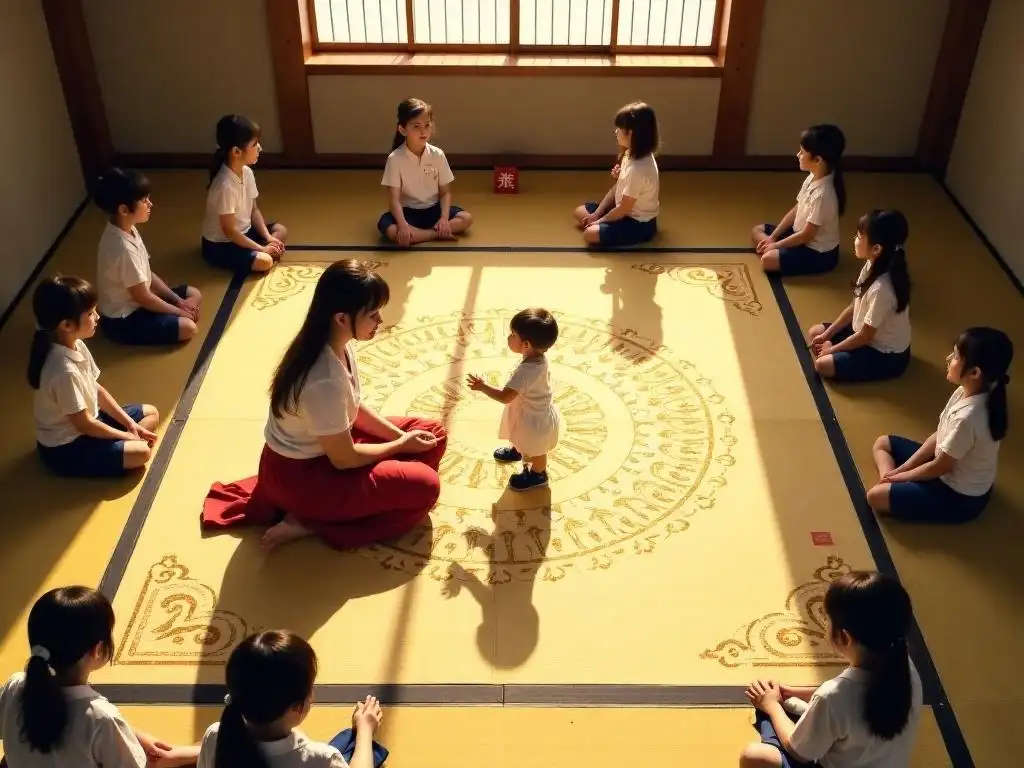
The role of women in household education during Feudal Japan was not merely a supporting one; it was foundational to the cultural, social, and moral development of the society. Women, primarily mothers and grandmothers, were entrusted with the education of children, imparting essential values, skills, and knowledge. This informal education encompassed not only basic literacy and numeracy but also the transmission of cultural traditions, ethical principles, and social responsibilities.
The educational influence of women extended beyond their immediate families, as they often served as role models within their communities. Their teachings contributed to the formation of societal norms and expectations, shaping the character of future generations. Even in a patriarchal society, the impact of women in household education created a lasting legacy, fostering a sense of identity and continuity in Japanese culture.
Reflections on Women’s Roles in Shaping Future Generations
The influence of women in the educational sphere cannot be understated. In Feudal Japan, women played a crucial role in shaping the future by instilling values such as respect, diligence, and loyalty in their children. Mothers were responsible for teaching not only practical skills, such as weaving and cooking, but also moral lessons derived from folklore and family traditions.
These teachings were vital for preparing children for their roles in society. Daughters learned domestic skills to become competent wives and mothers, while sons were educated to fulfill their duties as future leaders or warriors. The educational practices of women were thus tailored to ensure that each generation was equipped to uphold and advance the values of feudal society.
The reflections on women’s roles reveal a narrative often overlooked in historical discourse. By acknowledging the educational contributions of women, we gain a deeper understanding of how societal structures were maintained and evolved over time. Their influence extends beyond the household, demonstrating that education is a multifaceted endeavor that transcends formal schooling.
The Importance of Recognizing Women’s Contributions to Education in History
Recognizing the contributions of women to education in Feudal Japan is essential for a comprehensive understanding of the historical landscape. Women were not passive observers in the educational domain; they were active participants whose influence shaped the moral and cultural fabric of society.
Historically, the narratives surrounding education often highlight male figures, overshadowing the critical roles women played in nurturing and educating future generations. By revisiting these narratives, historians and scholars can illuminate the significant impact women had on education and culture.
Moreover, acknowledging these contributions fosters a more inclusive historical perspective, allowing for a richer appreciation of the complexities of feudal society. It emphasizes that education was a communal effort, deeply rooted in familial and societal relationships, where women were central to the process. Recognizing these roles is not only a matter of historical accuracy but also a tribute to the resilience and strength of women throughout history.
The legacy of women in household education during Feudal Japan is profound and enduring. Their contributions to the education of the next generation should be celebrated and integrated into the broader narrative of Japanese history, ensuring that their vital roles are remembered and honored.
- Introduction to Women in Feudal Japan Education
- The Importance of Education in Feudal Japan
- Overview of Women’s Roles in Society
- Historical Context of Women in Education
- Women as Educators in the Household
- Key Figures in Women’s Education
- Challenges Faced by Women in Education
- Legacy of Women in Feudal Japan Education
- Conclusion: The Enduring Impact of Women in Household Education
- Reflections on Women’s Roles in Shaping Future Generations
- The Importance of Recognizing Women’s Contributions to Education in History
- What was the role of women in household education during feudal Japan?
- How did societal norms affect women's educational responsibilities?
- Were women in feudal Japan allowed to pursue formal education?
- How did the education provided by women influence cultural transmission?
- What legacy did women's roles in education leave in modern Japan?
Frequently Asked Questions
What was the role of women in household education during feudal Japan?
Women primarily managed domestic education, teaching their children essential skills such as morality, household management, and basic literacy, thus influencing the next generation significantly.
How did societal norms affect women's educational responsibilities?
In feudal Japan, societal norms dictated that women were primarily responsible for raising and educating children at home, which often limited their own access to formal education.
Were women in feudal Japan allowed to pursue formal education?
While some women from noble classes had access to formal education, the majority, especially from lower classes, focused on informal education at home, emphasizing practical skills over academic pursuits.
How did the education provided by women influence cultural transmission?
The education that women provided was crucial for cultural transmission, ensuring that values, traditions, and skills were passed down through generations, thereby shaping societal identity.
What legacy did women's roles in education leave in modern Japan?
The legacy of women's roles in household education during feudal Japan can be seen in modern Japan, where many women continue to play a key role in family education and child-rearing, maintaining cultural continuity.
Final Reflection: The Enduring Legacy of Women in Education
The role of women in household education during feudal Japan is not just a historical footnote; it is a vital thread in the fabric of our contemporary understanding of education and family dynamics. Today, as we navigate the complexities of modern education systems, the lessons learned from the past remind us of the profound impact that women have had on shaping the values, knowledge, and skills of future generations.
The strength and resilience of these women serve as a powerful reminder that education begins at home and is often nurtured by those who may not always be recognized in the broader narrative.
The influence of women in education continues to resonate through our cultural and social landscapes, shaping the way we view gender roles and responsibilities in teaching. Their contributions have laid the groundwork for the educational advancements we see today. The hand that rocks the cradle is the hand that rules the world.
This quote encapsulates the essence of women's roles in education, emphasizing that the nurturing and teaching that occurs within the household has far-reaching implications for society as a whole. As we reflect on the past, we must acknowledge the silent yet powerful legacy of these women who educated not just their children, but entire communities.
As we look toward the future, let us take a moment to reflect on our own roles within our families and communities. Consider how you can embody the spirit of these pioneering women by actively engaging in the education of the next generation. Whether through formal teaching, mentorship, or simply sharing knowledge and values, each of us has the opportunity to contribute to a brighter future. Embrace the lessons of the past and inspire those around you, for the legacy of women in education is not just history; it is a call to action for all of us.
Empower Future Generations Through Household Education!
Thank you for exploring the vital role women played in household education during feudal Japan! Your interest in this enriching topic highlights the significance of family and education in shaping societies across generations. Now, it’s time to take the lessons learned and turn them into action.
Here are some clear steps you can take to honor and continue this legacy:
- Explore resources on the impact of women in education. Discover books, documentaries, and websites dedicated to the historical contributions of women.
- Share your insights! Discuss this article with friends or engage in community conversations about the importance of family education.
- Start a project! Consider forming a small group focused on educating children about history through creative storytelling or interactive workshops.
What do you believe is the most impactful lesson from the role of women in household education that we can apply in today’s society?