
The Shogunate's Military Strategies: How the Tokugawa Maintained Control

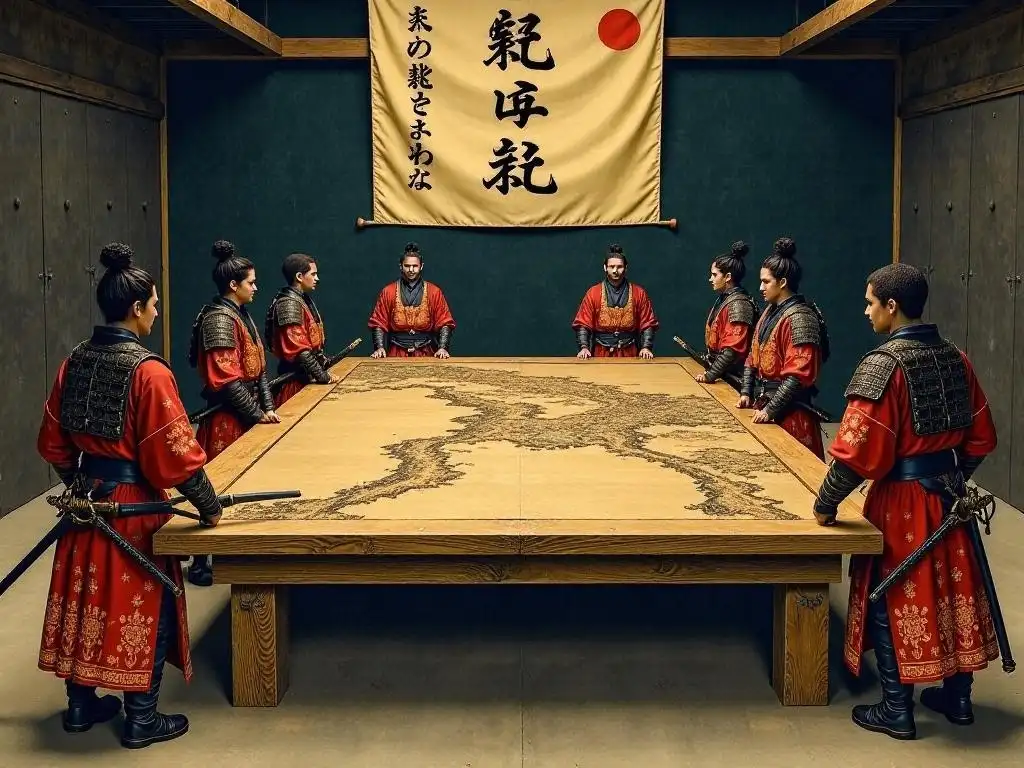
Welcome to Feudal Japan History, where we invite you to embark on a captivating journey through the intricate tapestry of Japan's feudal era. Delve into the realm of the Tokugawa shogunate military strategies, a crucial aspect of how the Tokugawa clan maintained their formidable grip on power. What tactics did they employ to navigate the turbulent waters of political intrigue and warfare? As you explore our expertly crafted articles, you’ll uncover the secrets behind their enduring dominance. Join us as we unravel the complexities of this fascinating period—your adventure into the past begins here!
The Tokugawa shogunate, which ruled Japan for over 250 years from 1603 to 1868, is renowned not only for its political stability but also for its adept military strategies that ensured control over a fragmented nation. This era marked a pivotal shift in Japanese history, characterized by the unification of the country under a centralized feudal system.
Understanding the military strategies of the Tokugawa shogunate is crucial to grasping how they maintained authority, managed conflicts, and established a lasting legacy that influenced Japan's political landscape. This article will delve into the intricacies of these military strategies, exploring the tactical, cultural, and societal elements that contributed to the shogunate's effective governance.
The Foundation of Tokugawa Military Strategies
The Tokugawa shogunate was built upon a foundation of strategic planning that emphasized stability and control. The leaders, particularly Tokugawa Ieyasu, recognized that military power was essential for maintaining peace and order in a country that had experienced centuries of civil strife.
-
Centralized Authority
The shogunate established a centralized political structure that allowed for efficient governance. This included:
- Daimyo Control: The shogunate required daimyos (feudal lords) to pledge loyalty, effectively reducing their military autonomy.
- Hostage System: By taking family members of daimyos as hostages in Edo (modern-day Tokyo), the shogunate ensured compliance and loyalty.
-
Military Innovations
The Tokugawa shogunate also embraced military innovations that enhanced their strategic advantages:
- Gunpowder Weapons: The integration of firearms changed the dynamics of warfare, allowing for more effective combat strategies.
- Fortifications: Strategic construction of castles and fortifications provided defensive capabilities while projecting power.
Tokugawa Military Doctrine
The military doctrine of the Tokugawa shogunate was characterized by a focus on deterrence rather than aggressive expansion. The shogunate prioritized the following strategies:
- Peaceful Coexistence: Rather than pursuing constant warfare, the shogunate sought to maintain peace through diplomatic relations and alliances with daimyos.
- Control of Information: By regulating the flow of information and employing censorship, the shogunate could prevent dissent and maintain a unified narrative.
Conclusion
The military strategies of the Tokugawa shogunate were instrumental in establishing a long-lasting period of peace known as the Edo period. The combination of centralized authority, military innovations, and a doctrine focused on stability allowed the Tokugawa to effectively manage Japan's diverse feudal landscape. Understanding these strategies provides valuable insights into how the Tokugawa shogunate maintained control and influenced the course of Japanese history during its reign.
- What were the primary military strategies of the Tokugawa shogunate?
- How did the Tokugawa shogunate ensure loyalty among its samurai?
- What role did the daimyos play in Tokugawa military strategies?
- How did the Tokugawa shogunate handle foreign threats?
- What impact did the Tokugawa military strategies have on Japan's stability?
Introduction to the Tokugawa Shogunate
The Tokugawa Shogunate, which ruled Japan from 1603 to 1868, was a period marked by significant political stability and cultural flourishing. Established by Tokugawa Ieyasu after his victory at the Battle of Sekigahara, this shogunate brought an end to the Warring States period (Sengoku Jidai) and initiated what is known as the Edo period. This era is characterized by the consolidation of power, the enforcement of strict social hierarchies, and a focus on internal peace, which was crucial for Japan's development during this time.
Overview of the Tokugawa Era
The Tokugawa era was defined by the shogunate's centralized feudal system, which organized the country into domains (han) governed by daimyo (feudal lords). The Tokugawa shoguns employed a variety of military strategies to maintain control over these domains and to suppress any potential uprisings. Key elements of this era included:
- The Sankin-kotai System: This policy required daimyo to alternate their residence between their domains and Edo (now Tokyo), effectively limiting their power and reinforcing loyalty to the shogunate.
- Military Preparedness: The Tokugawa shogunate maintained a well-trained standing army, known as the "shogunal forces," which was essential for quelling rebellions and enforcing the will of the shogunate.
- Surveillance and Intelligence Networks: The shogunate established an extensive network of spies and informants to monitor the activities of the daimyo and other potential threats.
The stability of the Tokugawa era allowed for economic growth and cultural developments, such as the rise of ukiyo-e (woodblock prints) and kabuki theater, contributing to a unique Japanese identity.
The Importance of Military Strategies in Feudal Japan
Military strategies played a vital role in sustaining the Tokugawa shogunate's power and ensuring the long-term stability of Japan. The strategic approaches taken included:
- Control of the Samurai Class: The shogunate implemented policies to regulate the samurai class, including restrictions on their ability to engage in warfare. This not only minimized potential rebellion but also integrated the samurai into the bureaucratic framework of the state.
- Defensive Tactics: Unlike previous shogunates that often engaged in aggressive military campaigns, the Tokugawa shogunate favored a defensive posture. This included fortifying castle towns and establishing a network of military alliances to deter external threats.
- Diplomatic Maneuvering: The Tokugawa shogunate engaged in diplomatic strategies to create peace with neighboring countries, such as Korea and China, thereby avoiding costly conflicts that could destabilize their rule.
- Economic Control: By controlling trade routes and implementing economic policies that favored the shogunate, they ensured that resources were available for military needs while also pacifying the populace through improved living conditions.
- Cultural Integration: The Tokugawa shogunate promoted a culture of loyalty and duty among the samurai and the populace through education and cultural policies, which helped to maintain social order and allegiance to the shogunate.
The military strategies of the Tokugawa shogunate were not solely focused on warfare; they encompassed a comprehensive approach that included political, economic, and cultural elements. This multifaceted strategy enabled the Tokugawa to maintain control over Japan for more than 250 years, creating a period of unprecedented peace and stability in Japanese history.
Historical Context of the Tokugawa Shogunate
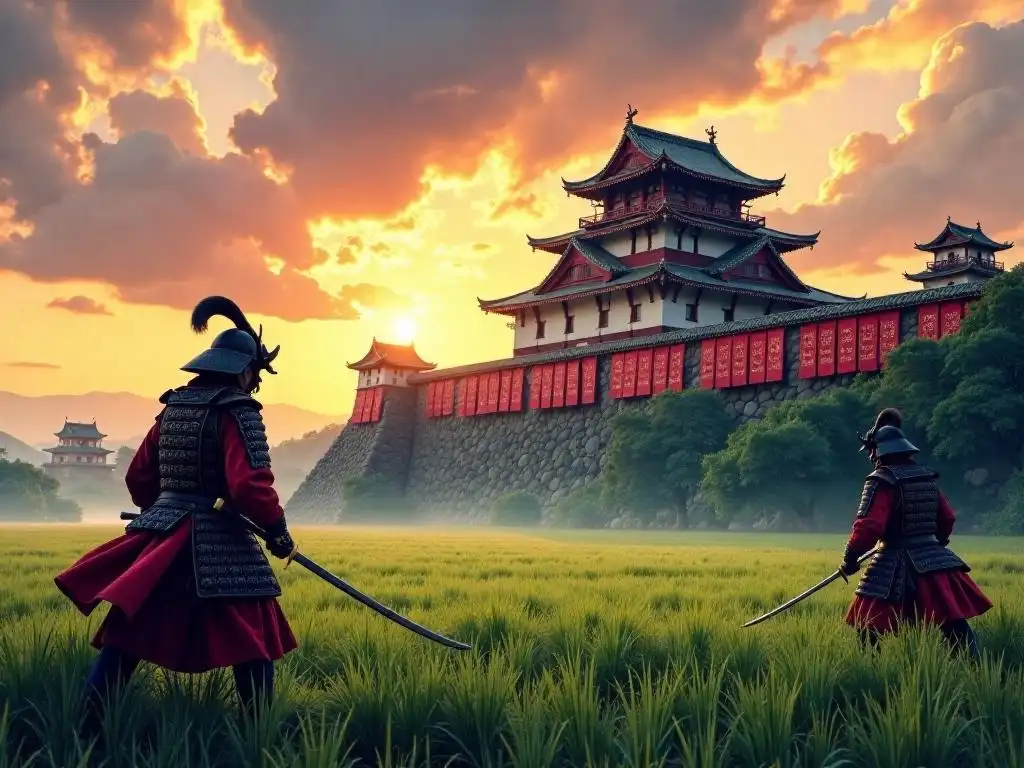
The Tokugawa Shogunate, which ruled Japan from 1603 to 1868, marked a significant period in Japanese history characterized by political stability, economic growth, and cultural flourishing. Understanding the historical context of this shogunate is crucial to grasping its military strategies and their effectiveness in maintaining control over Japan during this era.
Rise to Power: Key Events Leading to the Tokugawa Shogunate
The Tokugawa Shogunate emerged from a turbulent period known as the Sengoku, or Warring States period, which lasted from the mid-15th century to the late 16th century. This era was marked by constant military conflict among various feudal lords, known as daimyōs, who sought to expand their territories and consolidate power. Key events leading to the rise of the Tokugawa Shogunate include:
- The Battle of Sekigahara (1600): This pivotal battle saw Tokugawa Ieyasu defeat the opposing forces of Ishida Mitsunari, consolidating his power and paving the way for the establishment of the shogunate. This victory was not just a military triumph but also a demonstration of Ieyasu's political acumen in forming alliances and manipulating rival factions.
- The Edict of 1603: Following his victory, Tokugawa Ieyasu was granted the title of shōgun by the Emperor, officially establishing the Tokugawa Shogunate. This marked the beginning of centralized feudal governance in Japan, where the shōgun held ultimate military and political authority.
- The Implementation of the Sankin-kōtai System: Instituted in 1635, this policy required daimyōs to alternate their residence between their domains and Edo (modern-day Tokyo). This strategy effectively weakened the power of the daimyōs by forcing them to spend considerable resources on travel and residence in the capital, while also allowing the shogunate to monitor and control them more closely.
These events not only facilitated the Tokugawa's rise to power but also laid the groundwork for their military strategies that would sustain their rule for over two centuries.
The Role of Warfare in Establishing Control
Warfare played a critical role in the establishment and maintenance of control by the Tokugawa Shogunate. While the shogunate is often associated with peace, particularly during the Edo period, its initial rise and subsequent consolidation of power were heavily influenced by military strategies and practices.
- Formation of the Samurai Class: The Tokugawa shogunate solidified the samurai's role as the ruling military class, giving them a defined status in society. By doing so, the shogunate ensured loyalty from these warriors, who were essential for enforcing the shogunate's laws and maintaining order. The samurai were not only warriors but also served as administrators and local leaders, creating a structured military hierarchy.
- Strategic Use of Alliances: The Tokugawa shogunate adeptly employed alliances to strengthen their military position. Through marriages and diplomatic ties with powerful daimyōs, they expanded their influence without engaging in direct conflict. This approach reduced the need for constant warfare, allowing the shogunate to focus on governance and stability.
- Centralized Military Command: The shogunate implemented a centralized military command structure, with the shōgun at its helm. This centralization allowed for coordinated military strategies and rapid mobilization of forces when necessary. The shogunate maintained a standing army and a network of loyal retainers ready to respond to any threats, ensuring that control over the realm remained firmly in Tokugawa hands.
- Suppression of Rebellions: The Tokugawa shogunate faced several uprisings and challenges to its authority, notably the Shimabara Rebellion (1637-1638). The shogunate's military response involved a combination of force and psychological tactics, including the display of overwhelming power to deter future dissent. This approach instilled fear and reinforced the shogunate's dominance.
The Tokugawa shogunate's military strategies were fundamental in establishing and maintaining control over Japan during its rule. By leveraging warfare, alliances, and a strong military command, the shogunate not only secured its power but also shaped the socio-political landscape of Japan for generations to come.
Core Military Strategies of the Tokugawa Shogunate
Centralized Military Command Structure
The Tokugawa Shogunate, established in 1603 by Tokugawa Ieyasu, implemented a highly centralized military command structure that was crucial for maintaining control over Japan during its feudal era. This system was designed to minimize the power of individual daimyo (feudal lords) and ensure loyalty to the shogunate.
The Role of the Shogun in Military Affairs
At the apex of this command structure was the shogun, who held supreme military authority. The shogun was not only the political leader but also the commander-in-chief of the armed forces, overseeing all military operations and strategies. This centralization allowed for a unified approach to warfare and defense, in stark contrast to the previous periods of civil war where individual clans often acted independently.
The shogunate established a comprehensive military hierarchy that included various ranks and roles, ensuring that orders flowed smoothly from the shogun down to the samurai. This clear chain of command enabled rapid mobilization and coordination during conflicts, reinforcing the shogunate's power and influence throughout Japan.
Importance of Daimyo Loyalty
To maintain this centralized structure, the Tokugawa shogunate placed significant emphasis on securing the loyalty of the daimyo. One of the primary strategies was the sankin-kōtai system, which required daimyo to alternate their residence between their domains and Edo (modern-day Tokyo). This not only facilitated oversight but also forced daimyo to invest heavily in their Edo residences, thereby reducing their military resources at home.
Additionally, the shogunate employed a variety of incentives, including military support and economic privileges, to encourage daimyo loyalty. By establishing a system where loyalty was rewarded with favorable treatment, the Tokugawa shogunate effectively neutralized potential threats from powerful feudal lords.
Strategic Use of Alliances and Marriages
The Tokugawa shogunate also adeptly utilized alliances and political marriages as core military strategies. These tactics were essential in fortifying their power and mitigating conflict among the various clans.
Political Marriages as Military Strategy
Political marriages were a fundamental aspect of the Tokugawa military strategy, serving as a means to solidify alliances and ensure peace among rival clans. By marrying off daughters of the Tokugawa family to influential daimyo, the shogunate created familial ties that discouraged rebellion.
These marriages not only strengthened political alliances but also facilitated the exchange of military strategies and resources. For instance, when Tokugawa Ieyasu married his daughter to a prominent daimyo, it helped to stabilize relations and foster cooperation during military campaigns.
Alliances with Other Clans
In addition to marital alliances, the Tokugawa shogunate forged strategic partnerships with other clans. By forming coalitions, the shogunate could present a united front against external threats, such as foreign invasions or internal uprisings.
One notable example is the alliance with the Date clan, which was instrumental during conflicts against the Toyotomi clan. These alliances were often formalized through treaties that outlined mutual defense agreements, thus ensuring that allied clans would come to each other’s aid in times of military need.
This strategic use of alliances not only enhanced the military strength of the Tokugawa shogunate but also played a significant role in maintaining peace and stability throughout Japan during their rule.
Implementation of a Strong Defensive System
The Tokugawa shogunate recognized the importance of a robust defensive system to maintain its power and stability throughout Japan. This system was designed to deter potential invasions and internal uprisings, ensuring that the shogunate could effectively control its territories. The implementation of a strong defensive system involved a combination of strategic location choices, innovative architectural designs, and a well-organized military presence.
One of the key aspects of the Tokugawa defensive strategy was the establishment of a network of castles. These castles served not only as military fortifications but also as administrative centers that helped enforce the shogunate's authority. By carefully selecting locations for these castles, the Tokugawa could monitor and control key routes, waterways, and border areas, effectively enhancing their defensive posture.
In addition to castles, the Tokugawa shogunate invested in the development of a well-structured military infrastructure. This included the construction of roads and communication networks that facilitated the rapid movement of troops and resources. The shogunate's emphasis on defensive strategies contributed significantly to its ability to maintain peace and order during the Edo period, a time known as the Pax Tokugawa.
Castle Construction and Fortification
Castle construction during the Tokugawa period was a hallmark of their military strategy, reflecting both architectural prowess and strategic foresight. The shogunate commissioned the building of numerous castles, with notable examples including Edo Castle (the shogunate's seat of power), Nagoya Castle, and Himeji Castle. These structures were designed to withstand sieges and attacks, featuring thick stone walls, moats, and strategically placed towers.
The design of Tokugawa castles often incorporated advanced fortification techniques. For instance, they employed a system of concentric walls that made it difficult for attackers to breach the inner sanctum. The use of stone as a primary building material increased durability, while the layout of the castles was carefully planned to provide clear lines of sight for defenders. Towers, known as tenshu, not only served as lookout points but also housed the lord's family and important officials.
Furthermore, the Tokugawa shogunate emphasized the importance of maintaining a well-trained garrison within these castles. The presence of samurai and other warriors ensured that each castle could respond quickly to threats. The strategic placement of these fortified structures throughout Japan allowed for efficient defense and control over vast territories, contributing to the overall stability of the shogunate.
Development of Military Infrastructure
The development of military infrastructure was a critical component of the Tokugawa shogunate's strategy to maintain control over Japan. This infrastructure included roads, bridges, and supply depots that facilitated the movement of troops and resources across the country. The Tokugawa recognized that an effective military could not function without a reliable means of transportation and communication.
One of the most significant achievements in this area was the improvement and expansion of the country's road networks. The most famous of these roads was the Tōkaidō, which connected Edo (modern-day Tokyo) to Kyoto. This road was not only vital for trade and travel but also allowed for the swift mobilization of troops in times of crisis. Along these routes, post stations were established to provide rest and supplies for travelers and soldiers.
In addition to roads, the Tokugawa shogunate invested in the construction of bridges and the maintenance of waterways. These enhancements ensured that military forces could move quickly and efficiently, whether by land or water. The establishment of supply depots and arsenals further supported military operations, ensuring that troops had access to weapons, food, and other necessary provisions.
All these elements combined to create a formidable military infrastructure that allowed the Tokugawa shogunate to maintain order and control, ultimately leading to over two centuries of relative peace known as the Edo period.
Tactical Innovations by the Tokugawa
Adoption of Western Military Techniques
The Tokugawa shogunate, which ruled from 1603 to 1868, recognized the necessity of military innovation to maintain its power amidst shifting dynamics both domestically and internationally. One of the most significant aspects of their military strategy was the adoption of Western military techniques, a response to the changing nature of warfare influenced by European advancements.
Influence of European Warfare
The influx of European traders and missionaries in the 16th century introduced new military concepts and technologies to Japan. The Tokugawa shogunate capitalized on this by studying European military strategies and adapting them to fit their context. For instance, the use of fortified positions and new siege tactics were integrated into their military doctrine, enhancing their defensive capabilities against potential insurrections and foreign invasions.
Integration of Firearms into Military Tactics
Firearms, particularly matchlocks, became a pivotal element in the Tokugawa military arsenal. By the early 17th century, the shogunate had effectively integrated these weapons into their military tactics.
- Formation Changes: Troop formations were adjusted to maximize the effectiveness of gunfire. Troops were trained to fire in volleys, allowing continuous fire while maintaining order during battle.
- Artillery Deployment: Cannons and other artillery pieces were strategically placed to provide cover during sieges and to break the morale of enemy forces.
The Tokugawa's mastery of firearms not only revolutionized their battlefield strategy but also reinforced their dominance over rival clans.
The Role of Samurai in Tokugawa Military Strategy
The samurai were the backbone of the Tokugawa military strategy, serving both as warriors and enforcers of the shogunate's rule. Their role evolved significantly during this period, especially in the context of maintaining peace and order.
Samurai Training and Code of Conduct
Training for samurai was rigorous and comprehensive, emphasizing not only martial skills but also the ethical and philosophical dimensions of warfare. The Bushido code, which outlined the samurai's moral principles, played a crucial role in shaping their identity.
- Combat Skills: Samurai engaged in extensive training in various martial arts, swordsmanship, and strategies of warfare. They were expected to master the use of both traditional weapons and firearms.
- Ethical Conduct: The Bushido code instilled values of loyalty, honor, and discipline, which were vital for maintaining the societal structure and loyalty to the Tokugawa regime.
This dual focus on combat readiness and ethical behavior ensured that the samurai were not only effective soldiers but also guardians of the peace, contributing to the stability of Tokugawa rule.
The Samurai’s Role in Maintaining Order
In the Tokugawa era, the samurai took on the additional responsibility of enforcing the shogunate's laws and maintaining social order. Their role was multifaceted:
- Local Governance: Samurai were often appointed as local lords (daimyō) and tasked with overseeing the administration of their territories, which included tax collection and law enforcement.
- Conflict Resolution: As respected figures in society, samurai mediated disputes among commoners, thus preventing potential uprisings and maintaining the shogunate's authority.
Through their military prowess and governance, the samurai played an essential role in securing the Tokugawa shogunate's control over Japan, ensuring a relatively stable period known as the Edo period.
The Impact of Tokugawa Military Strategies on Japanese Society
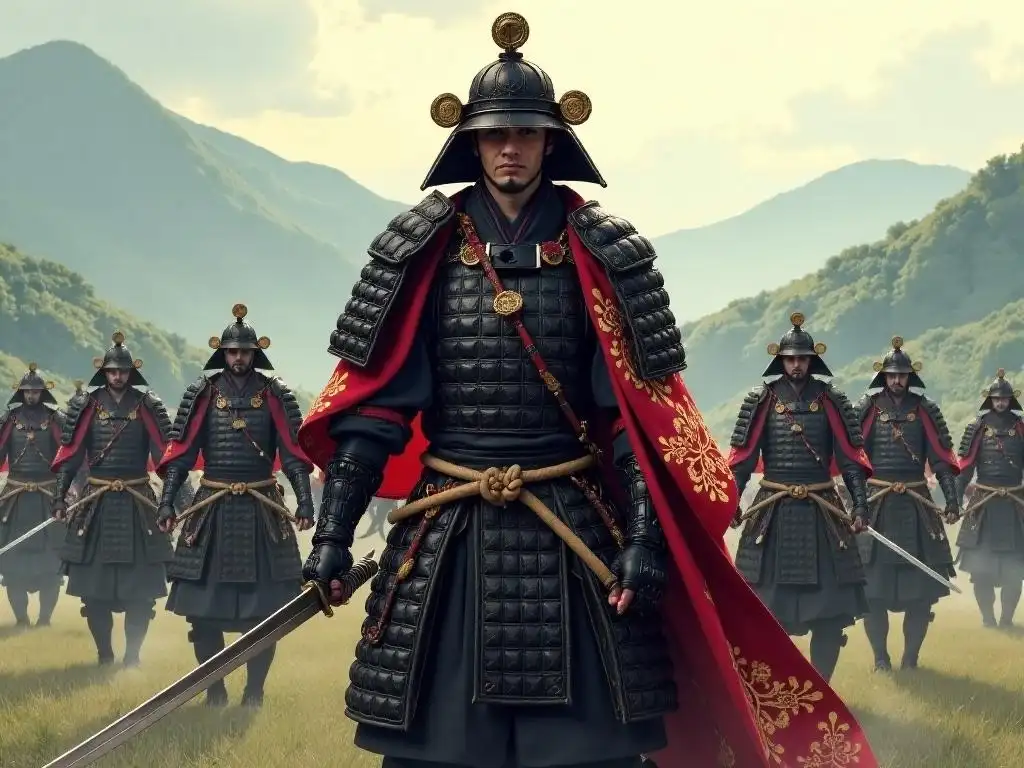
The military strategies employed by the Tokugawa shogunate not only shaped the battlefield but also significantly influenced the social structure of Japan during the Edo period (1603-1868). The implementation of a rigid social hierarchy was one of the most profound impacts of these military strategies, establishing a clear delineation between the ruling elite and the common populace.
The Samurai Class as a Ruling Elite
At the top of this hierarchy was the samurai class, which was elevated to a position of power and privilege through the Tokugawa military strategies. The shogunate relied heavily on this warrior class to maintain order and enforce its policies across the archipelago. To solidify their loyalty, the Tokugawa instituted a system known as sankin-kōtai, requiring daimyo (feudal lords) to alternate their residence between their domains and Edo (modern-day Tokyo). This practice not only ensured the shogunate's control over the daimyo but also reinforced the samurai's status as the ruling elite.
- Military Training and Ideology: The samurai were not just soldiers; they were also expected to embody virtues such as loyalty, honor, and discipline. The Tokugawa era emphasized the bushido code, a set of ethical guidelines that further cemented their role as moral leaders in society.
- Privileged Class: The samurai enjoyed numerous privileges, including stipends, land ownership, and exemption from certain taxes. This financial stability allowed them to focus on martial training and administrative duties, further entrenching their elite status.
Effects on Peasants and Commoners
While the samurai thrived under the Tokugawa military strategies, the peasant class faced a starkly different reality. The shogunate's focus on military power and control led to increased taxation and labor demands from the agricultural sector.
- Economic Burden: Peasants were subjected to heavy taxes, which often amounted to as much as 40% of their harvest. This financial strain led to widespread poverty and occasional uprisings, although such rebellions were typically suppressed with military force.
- Social Mobility: The rigid social structure left little room for upward mobility. Commoners were largely restricted to their roles, with few opportunities to transition into the samurai class, reinforcing the divisions within society.
Long-term Consequences of Tokugawa Military Control
The military strategies of the Tokugawa shogunate had lasting effects that extended well beyond their immediate political and military context. These strategies laid the groundwork for a stable society, albeit at a cost, and fostered significant cultural developments.
Stability and Peace in the Edo Period
One of the most notable long-term consequences of Tokugawa military control was the maintenance of peace and stability throughout the Edo period. This era, often referred to as the Pax Tokugawa, was characterized by a significant reduction in large-scale conflict, allowing for economic growth and cultural flourishing.
- Centralized Governance: The shogunate established a centralized government that effectively managed the various daimyo and their territories. This system of governance enabled the Tokugawa to exert control over their feudal lords and minimize internal strife.
- Security Measures: The shogunate's military strategies included the establishment of a network of castles and fortifications that served both defensive and administrative purposes. This infrastructure facilitated the rapid deployment of forces in response to any disturbances.
Cultural Developments During Tokugawa Rule
The peace and stability brought about by Tokugawa military strategies created a fertile ground for cultural developments. The restriction of external influences and the promotion of domestic culture led to a unique flowering of arts and literature during this period.
- Arts and Entertainment: The Edo period saw the rise of various art forms, including ukiyo-e (woodblock prints), kabuki theater, and traditional tea ceremonies. The samurai, as patrons of the arts, played a crucial role in this cultural renaissance.
- Philosophy and Education: The shogunate encouraged the development of Neo-Confucianism, which emphasized moral governance and ethical behavior. Educational institutions flourished, allowing for a more educated populace that could engage with and support the shogunate's policies.
The Tokugawa shogunate's military strategies not only shaped the political landscape of Japan but also had profound social and cultural implications that would resonate throughout Japanese history. The samurai class emerged as a powerful elite, while the peasant class grappled with the realities of a rigid social order. Ultimately, the era of peace fostered by these military strategies laid the groundwork for significant cultural advancements that defined the Edo period.
Conclusion
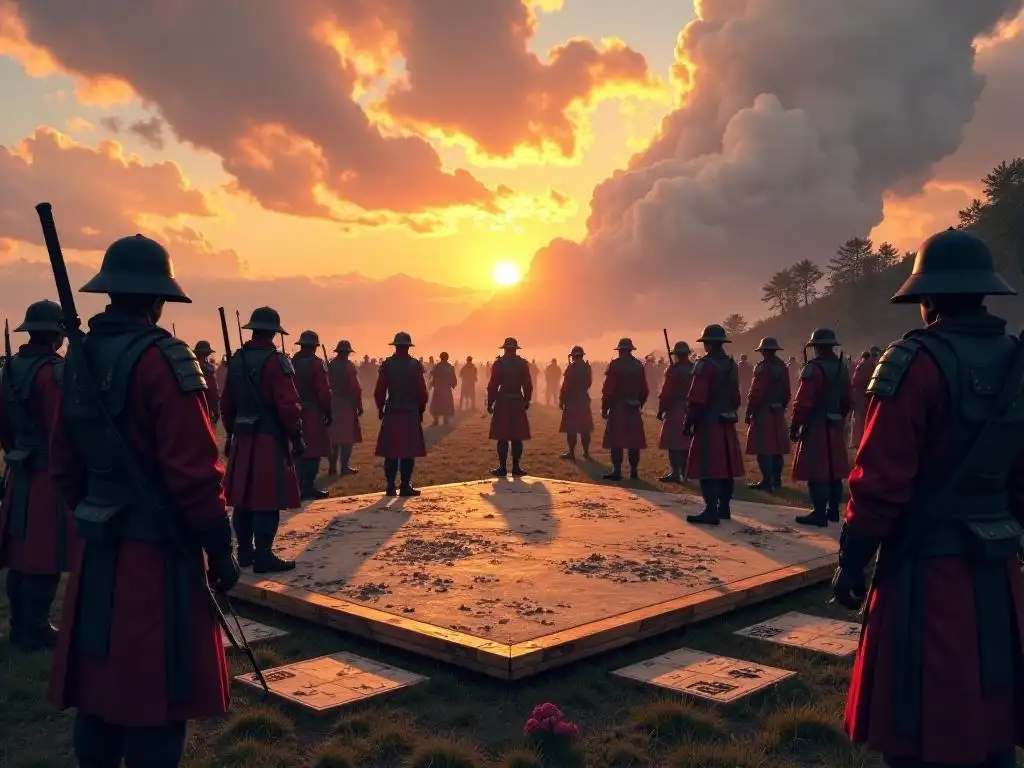
The Tokugawa shogunate military strategies were pivotal in cementing the shogunate's power and maintaining a prolonged period of peace known as the Edo period (1603-1868). By integrating various military tactics, political maneuvers, and a deep understanding of societal dynamics, the Tokugawa ensured both control over Japan and a stable environment that allowed for economic and cultural growth.
Summary of Tokugawa Shogunate Military Strategies
The strategies employed by the Tokugawa shogunate can be summarized into several key components:
- Centralized Military Command:
- The shogunate established a strict hierarchy within its military structure, ensuring that loyalty and obedience were paramount. This centralization allowed for efficient decision-making and resource allocation.
- Strategic Alliances:
- The Tokugawa formed alliances with powerful daimyos (feudal lords) through marriage and diplomacy. This tactic not only secured military support but also neutralized potential threats from rival clans.
- Use of Fortifications:
- The construction of castles fortified strategic locations across Japan. These defensive structures served as military bases and administrative centers, reinforcing the shogunate's presence throughout the nation. Notable examples include Himeji Castle and Nagoya Castle.
- Innovative Warfare:
- The Tokugawa adapted to changing warfare technology by incorporating firearms and modern tactics into their military strategies. This adaptability allowed them to maintain superiority over rival factions that relied on traditional methods.
- Social Control Mechanisms:
- The shogunate implemented policies such as the sankin-kōtai system, requiring daimyos to spend alternate years in Edo. This practice not only ensured the loyalty of the daimyos but also served to monitor their activities closely.
- Cultural Integration:
- By promoting a culture of peace and stability, the Tokugawa shogunate diminished the need for military conflict. The flourishing of arts and commerce during this period helped to cement their control without constant reliance on military might.
The Legacy of Tokugawa Military Tactics in Japanese History
The legacy of the Tokugawa shogunate's military strategies extends far beyond their rule. Their approach to governance and military affairs laid the groundwork for modern Japan's political landscape. Here are some key aspects of that legacy:
- Influence on Modern Military Doctrine: The organizational structures and strategies developed during the Tokugawa period influenced subsequent military reforms in Japan, particularly during the Meiji Restoration.
- Cultural Preservation: The peace established by the Tokugawa allowed for the preservation and development of Japanese culture, which continues to be celebrated today. The arts flourished, and traditional practices were safeguarded.
- Political Stability: The centralized control and effective management of daimyos created a model of governance that has influenced Japan's political systems, promoting the importance of unity and stability in governance.
- Historical Reflection: The strategic decisions made during the Tokugawa era are studied for their insights into conflict resolution, diplomacy, and governance, making them relevant in discussions of contemporary military and political strategies.
The Tokugawa shogunate's military strategies were not merely defensive tactics but a comprehensive system of governance that shaped the fabric of Japanese society and its historical trajectory. The effectiveness of these strategies ensured a lasting peace that would define the era, leaving a profound impact on Japan's future developments.
References
Key Sources and Further Reading on Tokugawa Military Strategies
Understanding the Tokugawa shogunate military strategies requires delving into a range of scholarly sources that provide insights into this complex period of Japanese history. Below is a curated list of key sources and further reading that can enhance your knowledge of the military tactics employed by the Tokugawa shogunate.
- Books
- "The Tokugawa World" by James L. McClain
- This comprehensive work provides a detailed analysis of the Tokugawa era, including military strategies and their impact on Japan's political landscape.
- "War and State Formation in Ancient China and Early Modern Japan" by Victoria Tin-bor Hui
- A comparative study that offers insights into the military strategies of the Tokugawa period, exploring how these strategies were pivotal in state formation.
- "Samurai and the Sacred" by Michael C. H. Chikako
- This book examines the intertwining of religion and military practices during the Tokugawa period, shedding light on how spiritual beliefs influenced military strategies.
- "The Tokugawa World" by James L. McClain
- Academic Journals
- "The Journal of Japanese Studies"
- A leading academic journal that features articles on various aspects of Japanese history, including military strategies during the Tokugawa shogunate.
- "The Journal of Asian Studies"
- This journal often includes papers that focus on the military, cultural, and political dimensions of the Tokugawa period.
- "The Journal of Japanese Studies"
- Online Resources
- The Tokugawa Institute for Cultural and Historical Studies
- An online repository of research papers and articles dedicated to the Tokugawa period, offering a wealth of information on military strategies.
- Japan Society's Digital Archive
- A resource that houses various documents and articles related to Japanese history, including military tactics from the Tokugawa shogunate.
- The Tokugawa Institute for Cultural and Historical Studies
- Documentaries and Lectures
- "The Samurai: The Last Warrior" (Documentary)
- This documentary provides a visual representation of the samurai culture and military strategies during the Tokugawa shogunate.
- Online Lectures from the University of Tokyo
- Various lectures available online delve into the political and military strategies of the Tokugawa shogunate, presented by leading historians.
- "The Samurai: The Last Warrior" (Documentary)
- Primary Sources
- "The Book of Five Rings" by Miyamoto Musashi
- Written by the famous swordsman, this text includes insights into martial arts and strategy that reflect the military ethos of the Tokugawa era.
- "Hagakure: The Book of the Samurai"
- A foundational text that discusses the philosophy and ethics of samurai warfare, providing context for the military strategies of the era.
- "The Book of Five Rings" by Miyamoto Musashi
By leveraging these sources, readers can gain a deeper understanding of the Tokugawa shogunate military strategies, their implementation, and their long-term effects on Japan's political and social structure during this pivotal period.
Frequently Asked Questions
What were the primary military strategies of the Tokugawa shogunate?
The Tokugawa shogunate utilized various military strategies including defensive fortifications, diplomacy, and intelligence networks to maintain control over Japan and suppress potential uprisings.
How did the Tokugawa shogunate ensure loyalty among its samurai?
The shogunate implemented a system of feudal obligations and reward structures, ensuring that samurai remained loyal through land grants, titles, and military service in exchange for their loyalty.
What role did the daimyos play in Tokugawa military strategies?
Daimyos were powerful feudal lords who were crucial to the Tokugawa military strategies. They maintained personal armies and were essential in enforcing the shogunate's policies across their domains.
How did the Tokugawa shogunate handle foreign threats?
The shogunate employed isolationist policies to limit foreign influence, while also maintaining a strong navy and intelligence operations to counter potential threats from abroad.
What impact did the Tokugawa military strategies have on Japan's stability?
The Tokugawa military strategies contributed significantly to national stability during the Edo period, creating a relatively peaceful environment that lasted over two centuries, known as the Pax Tokugawa.
Final Reflection: The Enduring Legacy of Tokugawa Shogunate Military Strategies
The military strategies of the Tokugawa shogunate are not just relics of the past; they are a testament to the intricate balance of power and control that defines governance even today. In a world where political stability is often achieved through strategic maneuvering and calculated diplomacy, the lessons from the Tokugawa era resonate profoundly. Their ability to maintain control over Japan for over two centuries through innovative military tactics and social policies serves as a reminder of the importance of adaptability and foresight in leadership.
Culture and society are shaped by the strategies employed by those in power, and the Tokugawa shogunate's influence is still palpable in modern Japan. The shogunate's military strategies not only ensured their dominance but also laid the groundwork for a unique social order that has influenced Japanese identity. As historian John W. Hall noted, The Tokugawa period was a time of relative peace and stability, but it was also a time of profound social transformation.
This transformation continues to inform contemporary discussions around governance, conflict resolution, and the role of military power in society.
As we reflect on the Tokugawa shogunate's military strategies, let us consider how these historical lessons can be applied to our own lives and communities. How can we learn from their approach to balance power and maintain harmony? I invite you to think critically about the strategies you employ in your personal and professional relationships. Embrace the opportunity to cultivate peace and stability in your own spheres of influence, drawing inspiration from the past to shape a more harmonious future.
Empower Your Understanding of Ancient Strategies!
Thank you for taking the time to dive into the fascinating world of the Tokugawa Shogunate! You've explored how their military strategies upheld control during a pivotal period in Japanese history. Now, it's time to take your newfound knowledge further and deepen your connection with this rich legacy.
Here’s how you can get involved and expand your understanding:
- Engage with your community by joining forums or social media groups focused on Feudal Japan. Share your insights and learn from others!
- Explore further by reading additional articles or books on military strategies throughout history. This could unveil surprising tactics you didn't know about!
- Create a personal project: consider writing a blog or initiating a discussion on how historical military strategies could influence modern leadership.
What aspect of the Tokugawa Shogunate’s military strategies inspires you the most to apply in today's world?