
The Art of Selecting Training Equipment for Traditional Japanese Martial Arts

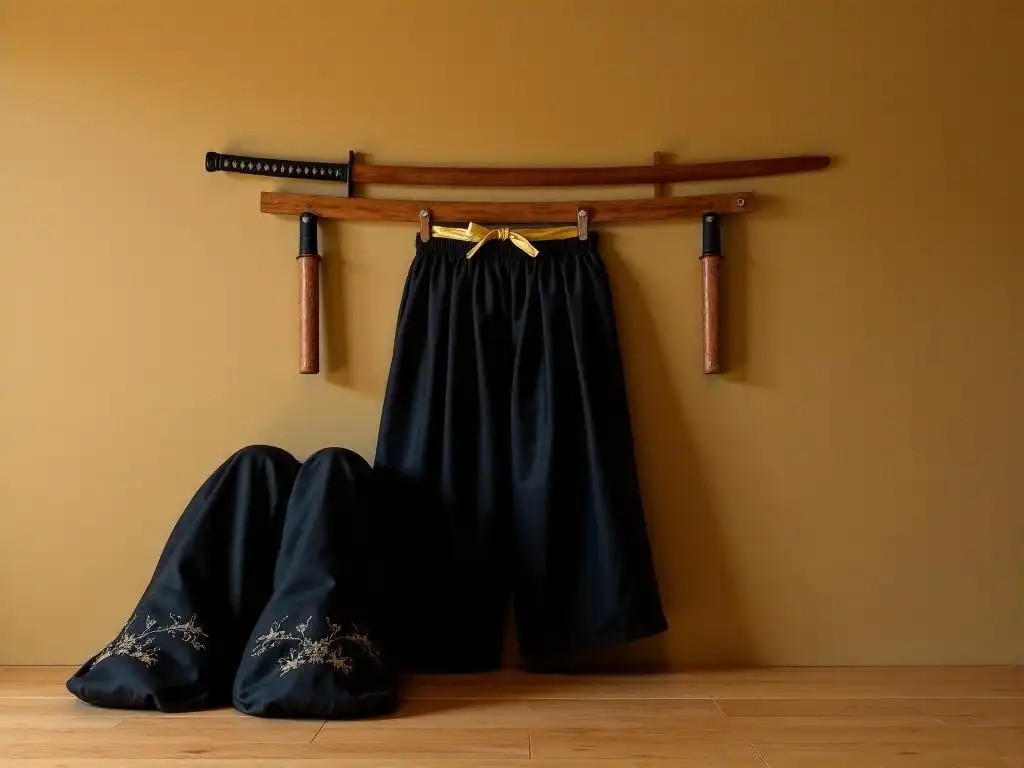
Welcome to Feudal Japan History, where we delve into the rich tapestry of Japan’s feudal era! Here, you’ll embark on an intriguing journey through the historical, cultural, and societal aspects that shaped this remarkable period. In our latest article, "The Art of Selecting Training Equipment for Traditional Japanese Martial Arts," we uncover the essential insights for choosing martial arts training gear.
Get ready to discover the secrets behind the art of martial training and equip yourself with knowledge that is both practical and deeply rooted in tradition. Are you prepared to take your practice to the next level? Explore further to unlock the wisdom of the ages!
Introduction to Choosing Martial Arts Training Gear
Selecting the right training equipment is a crucial aspect of practicing traditional Japanese martial arts. This process goes beyond merely picking up a sword or slipping on a gi; it involves understanding the unique requirements of each martial discipline, the materials used, and how these choices impact both performance and safety. In this guide, we will delve into the art of choosing martial arts training gear, providing you with insights that empower your practice, enhance your skills, and uphold the traditions of Japanese martial arts.
The feudal era of Japan laid the foundation for many of the martial arts we recognize today, reflecting a rich tapestry of culture, philosophy, and technique. As practitioners, it is essential to honor this legacy by selecting gear that not only meets our needs but also respects the historical significance of the art forms we pursue. From the choice of uniforms to protective gear and weapons, each piece of equipment contributes to the overall training experience, making informed selections vital for any serious martial artist.
Understanding the Essentials of Martial Arts Training Gear
When embarking on the journey of choosing martial arts training gear, it is important to understand the various components that make up the essentials. Each piece of equipment serves a specific purpose and influences the practitioner's ability to train effectively. Below, we will explore the key components of training equipment, helping you make more informed decisions as you prepare for your martial arts journey.
Key Components of Training Equipment
- Uniforms (Gi)
- Material: Typically made from cotton or a blend for breathability and durability.
- Fit: Ensure a comfortable fit that allows for a full range of motion.
- Protective Gear
- Types:
- Headgear: Protects against strikes, essential for sparring.
- Chest Guards: Shields the torso during practice.
- Shin Guards: Safeguards legs during kicks and footwork.
- Types:
- Weapons
- Types:
- Bokken: Wooden swords used in training for safety and technique.
- Jo: A wooden staff, often employed in various martial arts.
- Material: Choose quality wood that offers durability and a comfortable grip.
- Types:
- Training Aids
- Focus Mitts: For practicing strikes and improving accuracy.
- Heavy Bags: Helps build strength and striking power.
- Footwear
- Type: Depending on the martial art, options may include traditional slippers or specialized shoes for grip and support.
By carefully considering each of these components, practitioners can ensure that their training gear not only enhances their performance but also protects their well-being throughout their martial arts journey. In the following sections, we will offer further insights into specific choices and considerations for selecting the best gear for your practice.
Factors to Consider When Choosing Martial Arts Training Gear
Selecting the right training equipment for traditional Japanese martial arts is crucial for both safety and performance. Here are some key factors to consider:
Skill Level and Experience
Your skill level and experience in martial arts play a significant role in determining the type of gear you need. Beginners should focus on basic, durable equipment that offers adequate protection and support as they learn the fundamentals. This includes:
- Basic Gi or Hakama: A simple uniform that allows for movement while providing comfort.
- Protective Gear: Essential for preventing injuries, especially during sparring sessions.
As you progress and gain more experience, you may require specialized gear tailored to your chosen martial art. Advanced practitioners might invest in higher-quality materials that enhance performance, such as:
- Lightweight Gi: Designed for agility and speed.
- Customized Protective Gear: Tailored to fit personal preferences for comfort and mobility.
Type of Martial Art
Different styles of traditional Japanese martial arts, such as Kendo, Aikido, or Iaido, have specific gear requirements. Understanding the nuances of your chosen discipline is vital in making informed decisions about what to purchase. For example:
- Kendo: Requires a bogu (armor set), shinai (bamboo sword), and a kendo uniform.
- Aikido: Generally needs an Aikido gi and a bokken (wooden sword) for practice.
- Iaido: Focuses on the use of a katana; practitioners need an iaito (practice sword) and typically wear a hakama with a gi.
Each martial art has its unique gear, and selecting equipment specifically designed for your discipline will enhance your training experience.
Material and Durability
The material and durability of training gear are essential factors to consider. High-quality materials not only improve performance but also ensure safety during practice. Here are some common materials and their benefits:
- Cotton: Often used in uniforms for its breathability and comfort. It is suitable for beginners but may wear out over time.
- Polyester Blends: These offer increased durability and are often easier to clean, making them popular among advanced practitioners.
- Foam Padding: Used in protective gear; it should be resilient to absorb impacts effectively.
- Leather: Common in training weapons and some protective gear, leather provides durability but requires proper maintenance.
Investing in quality materials can significantly affect your training experience, leading to better performance and longevity of the gear.
Recommendations for Specific Martial Arts Training Gear
Best Uniforms for Traditional Japanese Martial Arts
When choosing uniforms for traditional Japanese martial arts, it's essential to select the right style and fit. Here are some recommended options based on various martial arts:
- Kendo: A traditional Kendo Gi made from breathable cotton, paired with a Hakama. Look for a gi that has reinforced stitching for durability.
- Aikido: An Aikido Gi that is lightweight but durable, allowing for ease of movement during techniques. A well-fitted hakama enhances the aesthetic and functional aspect of practice.
- Iaido: An Iaido Gi and Hakama made of high-quality cotton or polyester blends that allow for smooth movement when drawing the sword.
It's crucial to ensure that the uniforms fit well and allow for full range of motion.
Essential Protective Gear for Safe Training
Safety is paramount in martial arts training, and the right protective gear can significantly reduce the risk of injury. Recommended protective equipment includes:
- Headgear: For Kendo, a men (helmet) protects the head and face during sparring.
- Chest Protector: A padded vest for Aikido practitioners to safeguard against impacts during practice.
- Mouthguard: Essential for any martial art that involves sparring to protect teeth and jaw.
- Shin Guards: Lightweight and durable shin guards help absorb impacts during training sessions.
Selecting high-quality protective gear ensures safety without compromising mobility.
Training Weapons for Authentic Practice
Training weapons are essential for mastering techniques in traditional Japanese martial arts. Here are some recommendations based on the discipline:
- Kendo: A Shinai (bamboo sword) for practicing strikes and footwork.
- Aikido: A Bokken (wooden sword) for practicing kata and techniques safely.
- Iaido: An Iaito (practice sword) is ideal for beginners and advanced practitioners to practice drawing techniques.
When choosing training weapons, ensure they are made from high-quality materials, suitable for your skill level, and match your martial art's requirements. Proper care and maintenance of these weapons are also essential for longevity.
Where to Buy Quality Martial Arts Training Gear
When it comes to investing in martial arts training gear, knowing where to purchase your equipment is crucial. The right gear not only enhances your training experience but also ensures safety and performance. Two primary avenues for acquiring martial arts gear include online retailers and local stores, each offering unique advantages and disadvantages.
Online Retailers vs. Local Stores
Online Retailers
Purchasing training gear online provides access to a vast selection of products from various brands. Here are some benefits of shopping online:
- Convenience: Shop from the comfort of your home, with 24/7 availability.
- Diversity of Choices: Online platforms often feature a broader range of items, including specialized equipment that may not be available in local stores.
- Price Comparisons: Easily compare prices between different retailers to find the best deals.
However, there are drawbacks:
- Inability to Try Before You Buy: Sizing and fit can be challenging to assess without trying items in person.
- Shipping Times: Depending on the retailer's location, you may have to wait for your gear to arrive.
Local Stores
Shopping at local martial arts supply stores offers its own set of advantages:
- Personalized Assistance: Staff can provide advice and recommendations based on your needs and experience level.
- Immediate Gratification: You can take your gear home immediately without waiting for shipping.
- Try Before You Buy: You can physically assess the quality, fit, and comfort of the gear.
Nonetheless, local stores may have limitations:
- Limited Selection: Smaller stores might not carry the extensive variety found online.
- Higher Prices: Local retailers often have to charge more to cover overhead costs.
Ultimately, the choice between online retailers and local stores depends on your preferences, specific needs, and comfort level with purchasing gear.
How to Evaluate a Martial Arts Gear Seller
Evaluating a seller is vital to ensure you are purchasing high-quality training gear. Here are some key factors to consider:
- Reputation: Research the seller's reputation through reviews, ratings, and word-of-mouth recommendations. Reputable sellers often have a history of customer satisfaction.
- Return Policy: A good seller will offer a fair return policy, allowing you to return or exchange items that do not meet your expectations.
- Product Quality: Look for sellers that provide detailed descriptions and specifications for their products, including materials used and manufacturing standards.
- Customer Service: Assess the responsiveness and helpfulness of customer service. A seller that values customer support can make your buying experience smoother.
- Expertise: Sellers with a background in martial arts or a deep understanding of the equipment can offer invaluable guidance.
By taking these considerations into account, you can make informed decisions when choosing a seller for your martial arts training gear.
Maintaining Your Martial Arts Training Gear
Proper maintenance of your training gear is essential for longevity and performance. Regular care ensures that your equipment remains in optimal condition, protecting both you and your training partners.
Care and Maintenance Tips
- Regular Cleaning: Clean your gear after each use. For cloth items like uniforms, wash them according to the manufacturer's instructions. For harder materials like pads or gloves, use a damp cloth with mild soap.
- Drying: Always allow your gear to dry completely before storing it. Damp environments can promote mold and bacteria growth.
- Storage: Store your gear in a cool, dry place, away from direct sunlight. Use breathable bags for uniforms and pads to allow air circulation.
- Inspection: Regularly check your equipment for signs of wear and tear, such as fraying, cracks, or other damage. Address any issues immediately to prevent injuries.
- Replacement: Understand the life expectancy of your gear. For example, gloves should be replaced when the padding is compressed or the fabric shows significant wear.
By following these care and maintenance tips, you can ensure your martial arts training gear remains safe and effective, allowing you to focus on your training and development.
Conclusion: The Impact of Choosing the Right Training Gear
Selecting the appropriate training equipment for traditional Japanese martial arts is crucial not only for enhancing performance but also for ensuring safety during practice. The right gear can significantly impact a martial artist's ability to execute techniques effectively, as well as their overall training experience. High-quality equipment, such as properly fitting uniforms (keiko-gi), protective gear, and weapons, can foster better learning and skill development.
Moreover, investing in suitable training gear can prevent injuries. For instance, using correctly sized protective gear, such as chest protectors and shin guards, can help mitigate the risk of bruises and impacts during sparring sessions. Not only does this allow practitioners to train with confidence, but it also encourages longer and more productive training sessions.
Additionally, the psychological impact of wearing the right gear cannot be overstated. Practitioners often report feeling more empowered and focused when they don high-quality equipment that aligns with their martial arts discipline. This sense of belonging and professionalism can enhance motivation and commitment to training, leading to a more profound understanding and appreciation of the martial art itself.
Choosing the right training gear plays a pivotal role in shaping a martial artist's journey. It is an investment in one's practice that yields dividends in performance, safety, and overall satisfaction in the art.
Call to Action
Are you ready to elevate your training experience in traditional Japanese martial arts? Start by assessing your current gear and identifying areas for improvement. Whether you're a seasoned practitioner or just beginning your journey, the right equipment can make all the difference.
- Explore reputable suppliers: Look for vendors that specialize in martial arts gear to ensure you receive quality products tailored to your needs.
- Join community forums: Engage with fellow martial artists to gather insights and recommendations on the best gear for your specific discipline.
- Prioritize safety and comfort: Always choose equipment that fits well and offers adequate protection to enhance your training sessions.
Take the first step towards mastering your martial art today! Embrace the art of choosing the right training gear and watch your skills flourish. 🥋
- Introduction to Choosing Martial Arts Training Gear
- Understanding the Essentials of Martial Arts Training Gear
- Factors to Consider When Choosing Martial Arts Training Gear
- Recommendations for Specific Martial Arts Training Gear
- Where to Buy Quality Martial Arts Training Gear
- Maintaining Your Martial Arts Training Gear
- Conclusion: The Impact of Choosing the Right Training Gear
- Call to Action
- What is the importance of selecting the right training gear for Japanese martial arts?
- How does the choice of material affect martial arts training gear?
- Are there specific brands recommended for traditional Japanese martial arts gear?
- What factors should beginners consider when purchasing training equipment?
- How can one ensure their training gear is authentic to their chosen martial art?
Frequently Asked Questions
What is the importance of selecting the right training gear for Japanese martial arts?
Choosing the correct training gear is crucial as it enhances performance, ensures safety, and fosters a deeper connection to the tradition of the martial art.
How does the choice of material affect martial arts training gear?
The material of training gear influences durability, comfort, and overall performance. High-quality materials can withstand rigorous training and provide better protection.
Are there specific brands recommended for traditional Japanese martial arts gear?
Yes, certain brands are renowned for their quality in traditional Japanese martial arts gear, such as Shureido and Mizuno, which are known for their craftsmanship and reliability.
What factors should beginners consider when purchasing training equipment?
Beginners should focus on fit, comfort, and budget when selecting gear. It's essential to choose equipment that allows for freedom of movement and adheres to the art's standards.
How can one ensure their training gear is authentic to their chosen martial art?
To ensure authenticity, purchase gear from specialized retailers, seek recommendations from instructors, and research the specific requirements and traditions of the martial art being practiced.
Final Reflection: Embracing Tradition through Thoughtful Gear Selection
In the realm of traditional Japanese martial arts, the importance of selecting the right training equipment cannot be overstated. As practitioners, we are not just choosing gear; we are honoring centuries of tradition and discipline that shape our practice. The choices we make in our training gear today resonate with the values of respect, dedication, and mastery that have been passed down through generations. Choosing the right martial arts training gear is not merely a practical decision; it is a commitment to the art itself.
The influence of our gear extends beyond the dojo, shaping our cultural identity and the way we connect with others in the martial arts community. As we don our uniforms and wield our weapons, we embody the spirit of our ancestors, fostering a sense of belonging and continuity. The gear we choose serves as a bridge between the past and the present, reminding us of the rich history that informs our practice. The martial arts are a way of life, a path to self-discovery and personal growth.
This ongoing dialogue between tradition and modernity enriches our experience and reinforces the significance of thoughtful selection in our training.
As you reflect on your own journey in martial arts, consider how the gear you choose can enhance not only your physical practice but also your connection to the art form. Take a moment to evaluate your training equipment and its alignment with your values and goals. Let this be an invitation to embrace the wisdom of tradition while making informed choices that elevate your practice. Remember, every piece of gear you select is a step toward mastering not just the techniques, but also the profound lessons that martial arts impart.
Unveil Your Journey into Martial Arts Mastery!
Thank you for taking the time to explore the nuances of selecting training equipment for traditional Japanese martial arts. Your newfound insights are just the beginning of an exciting journey toward mastering the art and discipline of these ancient practices. Now, let’s turn that knowledge into action!
- Start your equipment journey today: Evaluate your current gear and **invest in a new piece** of training equipment that enhances your practice.
- Join a local dojo or online community: Connect with fellow martial artists to share tips, experiences, and recommendations for gear that works best.
- Share your insights: Post about your gear choices on social media, inspiring others to explore the world of traditional martial arts!
What new piece of training equipment will you choose to elevate your martial arts practice? Let’s discuss in the comments!