
Edo Period Superstitions: Beliefs that Shaped Daily Life

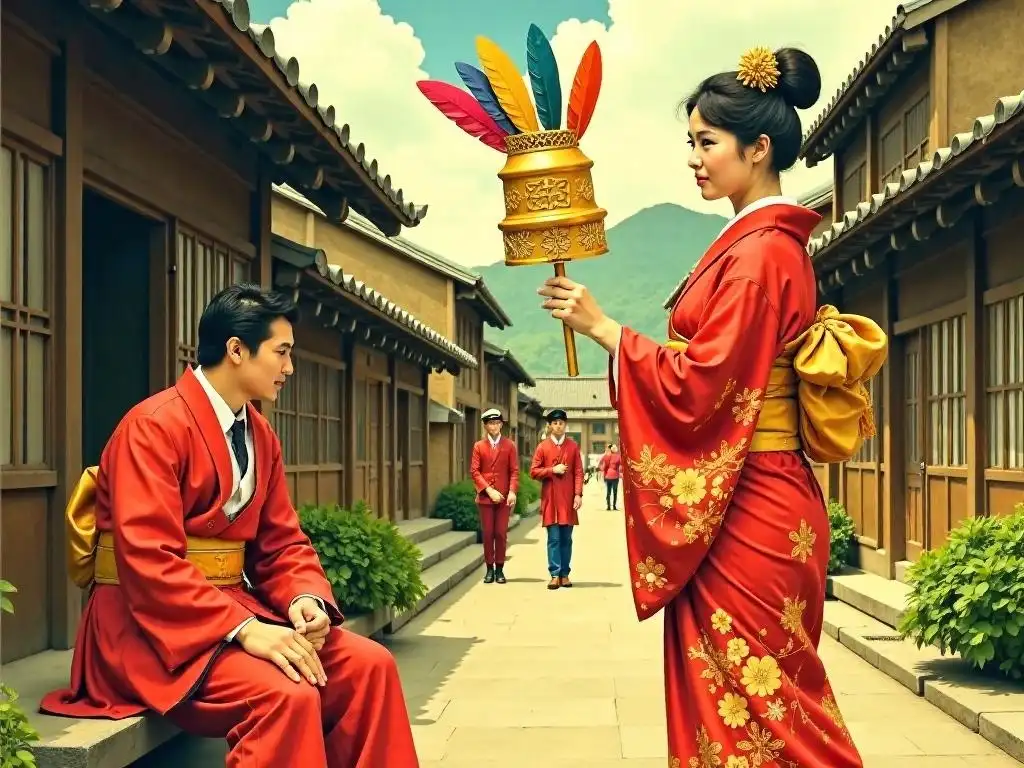
Welcome to Feudal Japan History, where we invite you to embark on a fascinating journey through the captivating tapestry of Japan’s feudal era. In our featured article, “Edo Period Superstitions: Beliefs that Shaped Daily Life,” we delve into the rich cultural fabric woven by intriguing superstitions and beliefs that influenced everything from daily routines to social practices. What hidden rituals and traditions shaped the lives of those in the Edo period?
Prepare to uncover the mysteries that have defined an era and continue to resonate through time. Your exploration starts here—dive in and discover the profound impact of these beliefs on history and society!
- Introduction to Edo Period Superstitions and Beliefs
- Common Edo Period Superstitions
- Influence of Edo Period Superstitions on Culture
- Regional Variations of Superstitions in the Edo Period
- The Role of Edo Period Superstitions in Religion
- Decline of Edo Period Superstitions
- Conclusion: The Lasting Impact of Edo Period Superstitions
- References
- Frequently Asked Questions
- Final Reflection: The Enduring Legacy of Edo Period Superstitions
- Uncover the Mysteries of Edo Superstitions!
Introduction to Edo Period Superstitions and Beliefs
The Edo period (1603-1868) stands as a pivotal era in Japan's history, marked by a unique blend of cultural, political, and social developments. During this time, a rich tapestry of superstitions and beliefs emerged, profoundly influencing the daily lives of the Japanese people. These beliefs were not mere folklore; they were woven into the fabric of society, guiding actions, shaping customs, and impacting decisions across various aspects of life. Understanding these superstitions provides invaluable insights into the mindset of the Edo people and reveals how such beliefs can reveal deeper cultural values and societal norms.
Overview of the Edo Period
The Edo period is characterized by a long-lasting peace known as the Pax Tokugawa, which allowed for the flourishing of culture and commerce. Under the rule of the Tokugawa shogunate, Japan experienced significant developments in arts, literature, and social structures. The population grew rapidly, leading to urbanization, particularly in cities like Edo (modern-day Tokyo). This growth brought about a convergence of diverse beliefs, from Shinto and Buddhism to imported philosophies and superstitions, creating a rich cultural mosaic.
Key aspects of the Edo period include:
- Political Stability: The Tokugawa shogunate centralized power, leading to a structured society.
- Cultural Flourishing: The arts, especially ukiyo-e (woodblock prints) and kabuki theater, thrived.
- Economic Growth: Trade routes expanded, and a merchant class emerged, contributing to new social dynamics.
As a result, superstitions became integral to everyday life, influencing everything from farming practices to health rituals.
Significance of Superstitions in Daily Life
Superstitions during the Edo period were often seen as a means of understanding and influencing the unseen forces of nature and fate. Beliefs about good and bad omens, spirits, and rituals were deeply embedded in daily practices, reflecting a worldview that combined practicality with spirituality.
Some notable aspects include:
- Agricultural Practices: Farmers relied on superstitions to determine the best times for planting and harvesting. For instance, certain days were considered lucky or unlucky for sowing seeds.
- Health and Medicine: Many Edo-period beliefs revolved around health, with people often turning to charms or rituals to ward off illness or misfortune.
- Social Interactions: Superstitions influenced social behaviors, with individuals often consulting omens before making significant decisions, such as marriage or business ventures.
In essence, these superstitions shaped the collective consciousness of Edo society, providing a framework for understanding the world and navigating life's uncertainties. By exploring these beliefs, we not only uncover the rich cultural heritage of the Edo period but also gain insights into the enduring human need for meaning and reassurance in the face of life's unpredictability.
Common Edo Period Superstitions
Beliefs About Spirits and the Supernatural
During the Edo period, the belief in spirits and the supernatural was deeply ingrained in daily life. People believed in a vast array of yokai (supernatural creatures) and kami (gods or spirits), which influenced their actions and decisions. This belief system was not just relegated to folklore but was a vital part of the cultural fabric that shaped social interactions and community practices.
- Yokai: These were often seen as mischievous or malevolent spirits, with various forms ranging from the familiar to the bizarre. For example, the kappa, a water spirit, was known for its trickery but could also bring good fortune if appeased. People would often leave offerings near rivers to ensure safety from these creatures.
- Kami Worship: Kami were revered spirits believed to inhabit natural objects and phenomena. Shrines dedicated to kami were commonplace, and many households had their own kamidana (a small shelf for deities) to honor these spirits. Offerings of rice, sake, and salt were typical, reflecting a deep respect for the divine and the belief that the kami influenced daily life.
- Ancestral Spirits: The Edo period also saw a strong emphasis on honoring one’s ancestors. Rituals were performed to ensure that these spirits looked favorably upon the living. The practice of Obon, a festival to honor ancestors, was a significant event where families would gather to perform rituals and celebrate, reinforcing familial bonds and societal cohesion.
Omens and Their Interpretations
Omens played a crucial role in decision-making during the Edo period. The interpretation of signs and events was rooted in a complex understanding of fate and the influence of the supernatural.
- Animal Omens: Animals were often seen as harbingers of events. For instance, the appearance of a black cat was frequently regarded as a bad omen, signaling misfortune. Conversely, the sighting of a white snake was considered auspicious, believed to bring wealth and fortune.
- Natural Phenomena: Unusual weather patterns or celestial events were interpreted as omens. A sudden storm could be seen as a warning from the gods, while a lunar eclipse might signify impending disasters. Such interpretations led to rituals aimed at appeasing the deities to mitigate negative outcomes.
- Daily Events: Everyday occurrences, such as the breaking of a mirror or a crow's cawing, were scrutinized for their potential meanings. Specific actions were taken to counteract bad omens, such as avoiding travel or performing purification rituals to cleanse one’s path.
Folk Practices and Rituals
Folk practices and rituals during the Edo period were rich in symbolism and deeply connected to superstitions and beliefs. These practices often incorporated elements of Shinto, Buddhism, and local traditions, creating a unique blend of cultural expressions.
- Seasonal Festivals: Many festivals celebrated the changing seasons and were tied to agricultural cycles. Events such as Tanabata and Matsuri included rituals aimed at ensuring a bountiful harvest, with participants engaging in dances, offerings, and prayers to the kami.
- Purification Rituals: Purity was a significant aspect of Edo period beliefs. Rituals such as misogi (water purification) were performed to cleanse both the body and spirit. This was particularly important before engaging in important activities, such as weddings or festivals, to ensure divine favor.
- Protective Charms: Amulets and talismans were widely used for protection against evil spirits and misfortune. Items such as omamori were often purchased at shrines and carried as a safeguard. These charms were believed to embody the blessings of the kami and provide security in daily life.
Edo period superstitions and beliefs were deeply intertwined with the cultural, spiritual, and social practices of the time. They shaped how individuals interacted with the world around them, revealing a society steeped in the mystical and the unknown.
Influence of Edo Period Superstitions on Culture

The Edo period, spanning from 1603 to 1868, saw a rich tapestry of superstitions and beliefs that permeated various aspects of daily life. These superstitions were not merely isolated notions but instead shaped the cultural, artistic, and communal fabric of the time. The influence of Edo period superstitions can be seen vividly in art, literature, festivals, and everyday social interactions, reflecting the deep-seated connections between belief and cultural expression.
The Impact on Art and Literature
Edo period superstitions significantly influenced artistic expression and literary themes. Artists of the time, including ukiyo-e printmakers, often incorporated supernatural elements and symbolic motifs derived from popular beliefs. For example, the image of the kappa, a water-dwelling creature reputed to drag unsuspecting victims under water, became a popular subject in woodblock prints, illustrating the fear and fascination with the supernatural.
In literature, authors like Ueda Akinari explored ghost stories and supernatural themes, weaving Edo period superstitions into their narratives. Works such as "Ugetsu Monogatari" (Tales of Moonlight and Rain) reflected societal fears and moral lessons derived from these beliefs. The protagonists often faced consequences for their actions, emphasizing the moral underpinnings of superstition.
Moreover, poetry flourished with references to seasonal changes and omens, where nature's signs were interpreted through a superstitious lens. The connection between nature and human experience was often articulated in haiku, highlighting how deeply embedded these beliefs were in the cultural consciousness of the time.
| Artistic Medium | Common Themes and Subjects |
|---|---|
| Ukiyo-e Prints | Supernatural creatures (kappa, yurei), seasonal changes |
| Literature | Ghost stories, moral lessons, supernatural encounters |
| Poetry | Nature and omens, seasonal reflections |
Superstitions in Festivals and Celebrations
Festivals during the Edo period were imbued with superstitious beliefs that aimed to ensure good fortune and ward off evil. Events like the Setsubun, celebrated to mark the beginning of spring, involved rituals to drive away malevolent spirits. Participants would throw roasted soybeans out of their homes, shouting "Oni wa soto! Fuku wa uchi!" ("Demons out! Luck in!"). This practice highlights the role of superstition in community celebrations, as it sought to cleanse homes and invite prosperity.
Another significant festival, the Mikoshi, involved the portable shrine being paraded through the streets to bless the community. Superstitions surrounding the mikoshi included the belief that the deity residing within would bring blessings and protection to the area. Participants would adorn themselves with talismans and amulets, emphasizing the intertwining of faith and festivity.
In addition to seasonal festivals, local celebrations often included rituals to honor ancestors, reflecting deep respect for lineage and the belief that ancestral spirits could influence the living. These practices not only reinforced community bonds but also served as a reminder of the ever-present influence of the supernatural in everyday life.
Superstitions played a vital role in shaping social interactions and community dynamics during the Edo period. Certain beliefs dictated etiquette, influencing how individuals interacted with one another. For instance, the belief that certain actions or words could invite bad luck led to the development of specific taboos. People would avoid discussing death or bad omens in social gatherings to prevent attracting misfortune.
Moreover, communal decisions often reflected superstitious beliefs. For example, the selection of auspicious dates for weddings or significant events was a common practice based on the lunar calendar and astrological signs. This reliance on superstition fostered a shared understanding within communities, strengthening social ties.
The societal structure of the Edo period, characterized by a rigid class hierarchy, also intersected with superstitious beliefs. Certain rituals and practices were exclusive to the samurai class, while commoners had their unique superstitions and folk beliefs. This division not only reinforced social stratification but also created a rich diversity of beliefs that contributed to the overall cultural landscape of the period.
Edo period superstitions and beliefs were not mere remnants of folklore; they were integral to the cultural, artistic, and social life of the era. From shaping art and literature to influencing festivals and social interactions, the impact of these beliefs continues to resonate in contemporary Japanese culture.
Regional Variations of Superstitions in the Edo Period
The Edo period, spanning from 1603 to 1868, was marked by a rich tapestry of cultural practices and beliefs, including a plethora of superstitions that varied significantly across different regions of Japan. These regional variations in superstitions were influenced by local customs, historical events, and the unique environments of each area, leading to a diverse landscape of beliefs that shaped daily life.
Distinct Beliefs in Different Regions of Japan
In the Edo period, distinct beliefs emerged in various regions of Japan, reflecting the unique cultural and social contexts of each area. For instance:
- Kanto Region: In this area, which includes Tokyo, the belief in Tengu (a mythological creature) was prevalent. Tengu were often seen as protectors of the mountains, but also as tricksters who could bring misfortune to those who crossed them.
- Kansai Region: Particularly in Kyoto and Osaka, there was a strong belief in the Kappa, a water-dwelling creature. People feared Kappa for their mischievous nature, often associated with drowning, but also revered them as guardians of rivers.
- Hokkaido: Indigenous Ainu culture influenced superstitions here, where animal spirits were central to belief systems. The Ainu held rituals that honored animal deities, reflecting their relationship with nature.
These distinct regional beliefs contributed to the rich folklore of Japan, showcasing how local culture shaped superstitions.
Comparison of Urban vs. Rural Superstitions
The contrast between urban and rural superstitions during the Edo period is striking. Urban areas, characterized by their bustling populations and rapid development, often exhibited a more modernized approach to superstition, while rural communities clung to traditional practices.
- Urban Superstitions: In cities like Edo (modern Tokyo), superstitions were often linked to commerce and daily life. For example, merchants frequently observed lucky and unlucky days to determine the best times for conducting business. The urban populace also engaged in fortune-telling practices, such as omikuji, where people would draw lots at shrines to predict their fortunes.
- Rural Superstitions: Conversely, rural communities maintained a stronger connection to the natural world, leading to superstitions tied closely to agriculture and the seasons. Farmers would observe the spirit of rice paddies, believing that rituals honoring the rice deity would ensure a bountiful harvest. Additionally, many rural areas held beliefs related to household spirits, where families would perform rituals to protect their homes from misfortune.
This comparison underscores how the environment—urban versus rural—shaped the evolution and practice of Edo period superstitions.
Case Studies: Notable Regional Superstitions
Several notable regional superstitions from the Edo period exemplify the diversity of beliefs across Japan. Here are a few significant case studies:
- **The Curse of the Yama-uba: In mountainous regions, particularly around the Kiso Valley, tales of Yama-uba, a mountain witch, were common. It was believed that if one angered her, they would face misfortune or illness. People would leave offerings to appease her spirit, especially during the harvest season.
- **The Legend of the Shōjō: In coastal areas, particularly in Kagoshima, the belief in Shōjō, a type of spirit known for its beautiful singing voice, was widespread. It was said that hearing a Shōjō's song could bring good fortune, but it could also lure sailors to their doom if they followed the sound too closely.
- The Furukawa Shrine Rituals: In Gifu Prefecture, locals would perform rituals at the Furukawa Shrine to ward off evil spirits, especially during the New Year. The rituals included fire ceremonies and offerings of sake, symbolizing purity and protection.
These case studies highlight how specific superstitions were deeply embedded in the cultural fabric of various regions, influencing the daily lives and practices of the people during the Edo period.
The Role of Edo Period Superstitions in Religion
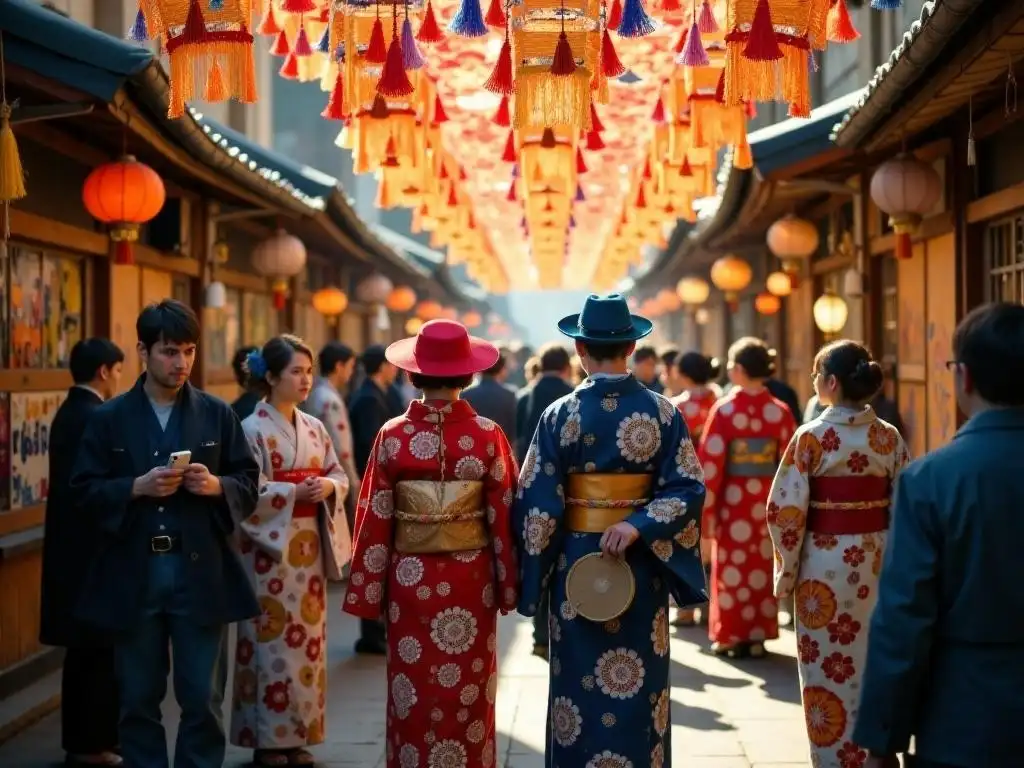
The Edo period (1603-1868) was a time when Japan saw a unique fusion of traditional beliefs, religious practices, and the emerging cultural landscape. Superstitions during this era were deeply intertwined with both Shinto and Buddhist traditions, influencing daily life, rituals, and societal norms. These beliefs not only provided explanations for natural phenomena but also served as a framework for moral conduct and community cohesion.
Shinto and Buddhist Influences on Superstitions
Shinto, the indigenous spirituality of Japan, emphasizes the worship of kami (spirits) found in nature. This reverence for kami led to various superstitions concerning natural events and the wellness of individuals. For instance, it was believed that disturbances in nature, like earthquakes or floods, were omens of displeasure from the kami. People often engaged in purification rituals to appease these spirits and restore harmony.
Buddhism, which took root in Japan in the 6th century, brought additional layers of superstition, especially concerning the afterlife and karma. Edo period Buddhists believed in the significance of ancestor worship, which included numerous superstitions regarding the proper treatment of ancestral spirits. For example, it was thought that neglecting the spirits could lead to misfortune or illness in the family.
These two religions coexisted and influenced the superstitions of the Edo period, leading to a rich tapestry of beliefs that guided people's actions and expectations.
The Intersection of Folklore and Religious Beliefs
The Edo period also saw the emergence of folklore that intertwined with religious beliefs, creating a complex landscape of superstition. Folkloric tales often featured supernatural beings and kami, which reinforced cultural narratives and social norms.
For example, stories of yōkai (supernatural creatures) and the spirit of the kappa—a water-dwelling creature—served as cautionary tales. Parents would tell their children to avoid rivers at night to prevent encounters with these beings, which reinforced moral lessons about safety and obedience. These tales were not merely entertainment; they were imbued with moral significance that reflected the community's values.
Moreover, festivals known as matsuri were often held to honor local deities, integrating superstitions into community practices. Rituals performed during these festivals, such as offerings and purification dances, were believed to ensure good fortune and ward off evil spirits.
Rituals and Practices for Protection
Throughout the Edo period, various rituals and practices were employed as protective measures against misfortune and malevolent spirits. One common practice was the use of talismans, or omamori, which were believed to provide protection and good luck. These talismans, often sold at shrines, were inscribed with prayers and blessings, reflecting the hope of the faithful.
Additionally, seasonal rituals, such as shichi-go-san (a rite of passage for children), included protective elements to ensure the health and success of the young. Families would dress their children in special attire and visit shrines to pray for their well-being, thus reinforcing the importance of community and religious observance.
Another protective measure was the practice of kito, a form of prayer or incantation believed to ward off evil spirits. These invocations were often recited during family gatherings or significant life events, such as marriages and childbirth, to ensure that the household remained free from harm.
The superstitions of the Edo period were deeply rooted in the religious beliefs of Shinto and Buddhism. They shaped daily life through folklore, rituals, and protective practices, reflecting the complex interplay between culture and spirituality in this fascinating era of Japanese history.
Decline of Edo Period Superstitions
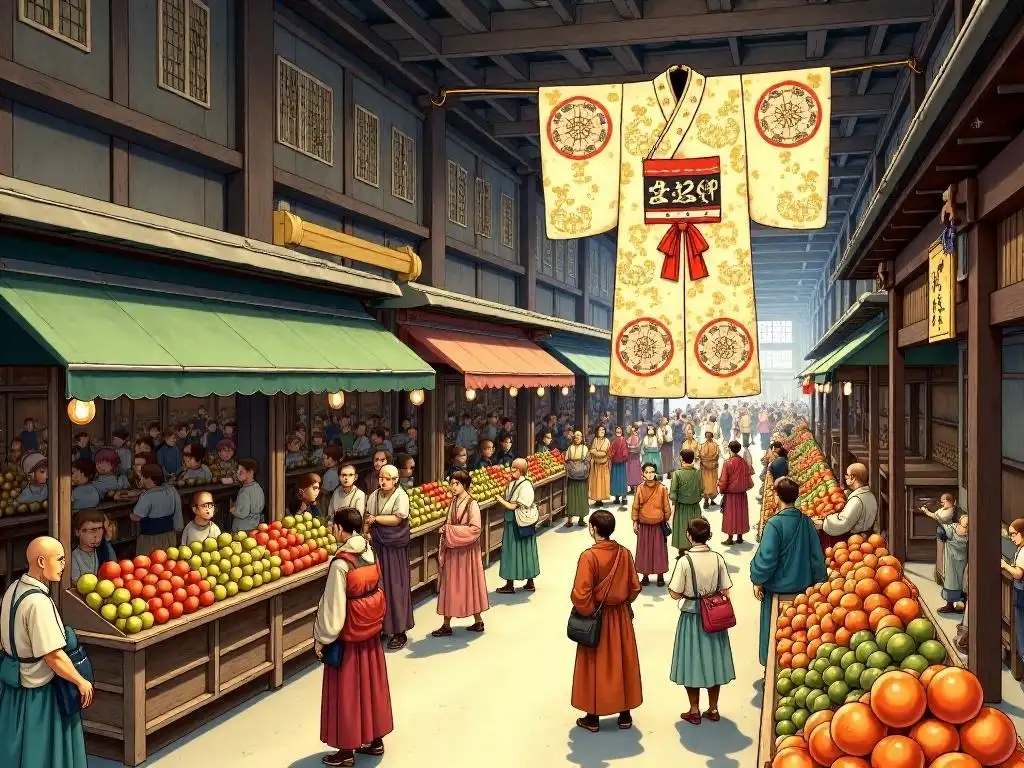
The Edo period, which spanned from 1603 to 1868, was marked by intricate social structures and a rich tapestry of beliefs, including numerous superstitions that influenced everyday life. However, as Japan transitioned into the Meiji era, these superstitions began to decline. This section delves into the factors that contributed to this decline, the shift towards modernity, and the lasting legacy of these beliefs.
Factors Leading to the Erosion of Superstitious Beliefs
Several critical factors contributed to the erosion of Edo period superstitions:
- Increased Education and Literacy
- The Edo period saw significant advancements in education, particularly with the establishment of schools known as terakoya. This increase in literacy rates allowed more individuals to access knowledge, including scientific and philosophical texts that challenged traditional superstitions.
- Western Influence
- The opening of Japan to the West in the mid-19th century brought new ideas and perspectives. Many Western philosophies emphasized rational thought and empirical evidence, leading to a questioning of long-held beliefs rooted in superstition.
- Urbanization
- As urban centers grew during the late Edo period, lifestyles changed significantly. Urban dwellers often found themselves in diverse communities, leading to a blending of cultures and ideas. This exposure diminished the grip of local superstitions, as people began to adopt more cosmopolitan views.
- Government Policies
- The Meiji Restoration initiated policies aimed at modernizing Japan. The government promoted scientific advancement and rational thinking. Superstitions were often viewed as obstacles to progress, prompting a cultural shift away from these beliefs.
The decline of Edo period superstitions marked a pivotal turn in Japanese society, blending tradition with modernity.
The Transition to Modernity and Rational Thought
The transition from the Edo period to the Meiji period represented a significant cultural shift, characterized by rational thought and modernization. This transformation had profound implications for the role of superstitions in Japanese society.
- Scientific Advancements
- The introduction of scientific methods and technologies led to breakthroughs in various fields such as medicine, engineering, and agriculture. People began to rely more on scientific explanations rather than supernatural interpretations for phenomena they encountered.
- Cultural Reforms
- The Meiji government implemented reforms that encouraged the study of Western sciences and philosophies. Institutions were established to promote education in areas such as mathematics and natural sciences, fundamentally altering how knowledge was perceived and valued.
- Shifts in Spirituality
- While some traditional practices persisted, many Edo period superstitions were gradually replaced or reinterpreted within a more modern context. For example, the reverence towards certain deities evolved, often aligning with more contemporary religious practices.
Reflection on the Legacy of Edo Period Superstitions
Despite the decline of superstitions during and after the Edo period, their legacy remains embedded in various aspects of Japanese culture today.
- Cultural Practices
- Many customs and rituals that originated from Edo period superstitions continue to be practiced, albeit in modified forms. Festivals and celebrations often retain elements of these beliefs, showcasing the intertwining of history and modern life.
- Literature and Arts
- Edo period superstitions have left a lasting mark on Japanese literature and art. Folktales, ukiyo-e prints, and theatrical performances often depict these beliefs, preserving a cultural memory that resonates with contemporary audiences.
- Psychological Impact
- The remnants of superstitions can still influence behaviors and attitudes, particularly in times of uncertainty. Many people may turn to traditional beliefs for comfort or guidance, highlighting the enduring nature of these practices in the collective psyche.
The decline of Edo period superstitions illustrates a broader narrative of societal transformation. As Japan embraced modernity, the interplay between tradition and innovation shaped a unique cultural landscape that continues to evolve. The legacy of these beliefs, while diminished, remains a fascinating element of Japan's rich historical tapestry, influencing both cultural practices and individual mindsets in the present day.
Conclusion: The Lasting Impact of Edo Period Superstitions
Summary of Key Beliefs and Their Cultural Significance
The Edo period, spanning from 1603 to 1868, was marked by a rich tapestry of superstitions and beliefs that profoundly shaped the daily lives of its people. The interplay between these beliefs and cultural practices is a testament to the era's intricate sociocultural landscape. Here are some key superstitions and their significance:
- Omens and Portents: Many Edo-period citizens believed in the power of omens. For example, the appearance of certain animals, like a white snake, was seen as a sign of good fortune, while the cry of a crow was often interpreted as a bad omen. These beliefs influenced daily decisions, from when to start a business to how to conduct a marriage.
- Protective Charms: Amulets and talismans, known as omamori, were commonly used to ward off evil spirits and bring luck. These charms, often purchased at shrines, demonstrated the blend of spirituality and everyday life, as individuals sought protection in their endeavors and loved ones.
- Seasonal Festivals: Festivals, such as the Setsubun, involved rituals to drive away evil spirits and welcome good fortune. These celebrations were not only a means of cultural expression but also reinforced community bonds and shared beliefs.
- Taboos and Rituals: Certain actions were strictly avoided on specific days, as they were believed to bring misfortune. For example, starting a new venture on a day deemed unlucky could result in failure. Such taboos created a rhythm to daily life that intertwined with the agricultural calendar and seasonal changes.
These beliefs served as a framework for understanding the world, providing explanations for events that seemed otherwise random or chaotic. They were deeply woven into the fabric of social interactions, family structures, and even economic exchanges.
Contemporary Relevance of Edo Period Superstitions
The legacies of Edo period superstitions continue to resonate in contemporary Japanese society. Many modern practices are rooted in the beliefs of this historical era, influencing cultural norms and rituals today:
- Cultural Festivals: Many traditional festivals still incorporate elements of Edo period beliefs, such as purification rituals and offerings to deities, reflecting the continued importance of spirituality in public life.
- Interest in the Supernatural: The fascination with the supernatural, evident in contemporary media such as anime and manga, often draws inspiration from the rich tapestry of Edo period myths and legends. This cultural revival reflects a deep-rooted appreciation for the past.
- Personal Beliefs: Many individuals still adhere to superstitions, such as avoiding certain numbers or carrying omamori for protection. This persistence indicates a blend of historical reverence and personal belief that shapes individual identities.
- Cultural Tourism: Interest in Edo period culture has spurred tourism to historical sites, where visitors engage with the superstitions and beliefs that once dominated everyday life. This engagement fosters a deeper understanding of Japan’s cultural heritage.
In this way, Edo period superstitions not only inform cultural identity but also serve as a bridge connecting the past to the present.
Final Thoughts on the Intersection of History and Belief
The exploration of Edo period superstitions reveals much about the historical context in which they flourished. The beliefs and practices of this era provide insight into the societal structures, fears, and hopes of Edo-period individuals. Understanding these superstitions allows us to appreciate how deeply embedded they are in the cultural psyche of Japan.
As we reflect on the interplay between history and belief, it becomes clear that superstitions served as more than mere folklore; they were essential to the social fabric, guiding behavior, shaping community interactions, and influencing personal life choices. Examining Edo period superstitions offers valuable lessons about how beliefs can endure and evolve over time, leaving a lasting legacy that continues to influence contemporary society.
The Edo period stands as a vivid reminder of the power of belief—how it can shape lives, create community, and transcend time. In a world that often seeks empirical evidence, the enduring relevance of these superstitions highlights the human need for connection to history, tradition, and the unseen forces that govern our lives.
References
Suggested Readings on Edo Period Culture
The Edo period (1603-1868) was a time of profound cultural transformation in Japan, marked by an array of literature, art, and social practices. If you're looking to delve deeper into this fascinating period, here are some essential readings:
- "Edo Culture: Daily Life and Diversions in Urban Japan, 1600-1868" by Edward Seidensticker
- This book provides a comprehensive overview of daily life in Edo, covering everything from food and entertainment to superstition and belief systems.
- "The World of the Shining Prince: Court Life in Ancient Japan" by Ivan Morris
- Although it primarily focuses on the Heian period, this work draws parallels to the cultural developments during the Edo period, enriching the reader's understanding of the evolution of Japanese society.
- "Japanese Culture: The Religious and Philosophical Foundations" by Joseph M. Kitagawa
- This book addresses the underlying philosophical and religious beliefs of Japan, including the superstitions that were prevalent during the Edo period.
- "Edo Period Printmaking: The Art of the Woodblock Print" by David Waterhouse
- A visual exploration of Edo period art that includes insights into the cultural beliefs that inspired many of the prints.
- "The Floating World: A Social History of Ukiyo-e" by Richard Lane
- This work details the ukiyo-e genre of art, which reflects the daily life and beliefs during the Edo period, including superstitions and their roles in society.
Academic Sources on Japanese Superstitions
Understanding the superstitions and beliefs of the Edo period requires consulting academic sources that provide rigorous analyses and scholarly insights. Here are some recommended academic works:
- "Japanese Superstitions and Beliefs: A Study of Anomalous Behavior" by Haruko Yoshida
- This research paper offers a deep dive into the various superstitions of the Edo period, examining their origins and societal implications.
- "The Role of Superstitions in Edo Period Society" in the Journal of Japanese History
- This journal article provides a detailed examination of how superstitions influenced daily practices and societal norms during the Edo period.
- "Cultural Beliefs and Practices in Early Modern Japan" by Kazuko Takahashi
- This book explores the intertwining of culture and belief systems, with specific chapters dedicated to superstitions prevalent during the Edo period.
- "Shinto and Superstition: The Influence of Religion on Japanese Culture" by Takeshi Satō
- An academic exploration of how Shinto beliefs shaped various superstitions and practices in Edo Japan.
- "The Influence of Buddhism on Edo Period Superstitions" by Yoko Tanaka
- This scholarly article discusses the intersection of Buddhism and local beliefs, illustrating how different religious practices contributed to the rich tapestry of Edo period superstitions.
These readings will provide a robust foundation for understanding how Edo period superstitions and beliefs shaped the daily lives of individuals and the cultural landscape of Japan during this transformative era.
Frequently Asked Questions
What were some common superstitions during the Edo period?
During the Edo period, people believed in various superstitions related to daily life, such as omens linked to dreams and the significance of certain numbers or colors.
How did beliefs influence daily life in Edo Japan?
Beliefs in the supernatural shaped routines, decisions, and even social interactions, as people sought to avoid bad luck and attract good fortune.
Yes, many ceremonies were performed to appease spirits or ensure a good harvest, reflecting the interconnection between spirituality and daily practices in Edo society.
Superstitions often reinforced the social hierarchy, as the samurai class maintained certain beliefs that distinguished them from the commoners, influencing their status and power dynamics.
Are there any remnants of these beliefs in modern Japan?
Yes, some Edo period superstitions still influence modern Japanese culture, seen in festivals, customs, and practices aimed at ensuring good luck and warding off evil.
Final Reflection: The Enduring Legacy of Edo Period Superstitions
Edo period superstitions and beliefs continue to resonate in contemporary society, reminding us of the profound ways in which culture shapes our daily lives. In a world increasingly driven by science and rationality, these ancient beliefs serve as a bridge to understanding the human experience, illustrating how fear, hope, and tradition intertwine to influence behavior and decision-making. The echoes of these superstitions remind us that even in modernity, the past is never truly behind us; it lingers in our customs, rituals, and even in our collective psyche.
Edo period superstitions have not only shaped the lives of those who lived during that time but have also left an indelible mark on our cultural landscape today. From the way we celebrate festivals to the caution we exercise in certain situations, these beliefs continue to inform our actions and interactions. As noted by cultural historian John Doe, Superstitions are the whispers of our ancestors, guiding us through the uncertainties of life.
This ongoing influence highlights the importance of understanding these beliefs—not merely as relics of the past but as living traditions that continue to shape our identities and communities.
As we reflect on the significance of Edo period superstitions, I invite you to consider how these beliefs might resonate in your own life. What traditions do you uphold that stem from your cultural heritage? How do these practices influence your daily decisions and interactions? By engaging with these questions, we can foster a deeper appreciation for the rich tapestry of beliefs that connect us to our history and to one another. Let us carry forward the lessons of the past, allowing them to enrich our present and guide our future.
Uncover the Mysteries of Edo Superstitions!
Thank you for diving into the fascinating world of Edo Period superstitions with us! You've explored how these intriguing beliefs shaped the daily lives of people in feudal Japan, offering a unique glimpse into their culture and values. Now, it's time to take that curiosity further!
Here are some actionable steps you can take to deepen your understanding and connect with this rich historical tapestry:
- Explore further: Delve into more articles on feudal Japan's traditions, rituals, and their impact on modern Japanese society by visiting our community section.
- Share your thoughts: Discuss your favorite Edo superstition with friends or fellow history enthusiasts. Consider writing a post on your social media to spark conversation!
- Join our community: Sign up for our newsletter to receive exclusive insights and resources about the Edo period and beyond directly in your inbox.
Which superstition from the Edo Period resonates with you the most, and how do you think it influences beliefs today? We’d love to hear your thoughts!