
Edo Gardens: Nature’s Harmony in Urban Landscapes

Welcome to Feudal Japan History, where we invite you to embark on an enthralling journey through the captivating tales of Japan’s feudal era. Here, you’ll uncover the intricate tapestry of historical, cultural, and societal developments that shaped this unique period. Our featured article, "Edo Gardens: Nature’s Harmony in Urban Landscapes," delves into the art of Edo period garden design, revealing how these serene spaces blend nature and urbanity in breathtaking harmony. Are you ready to explore the delicate balance of beauty and functionality that defined an era? Dive in and discover the secrets of Edo gardens that await you!
Introduction to Edo Period Garden Design
The Edo period, spanning from 1603 to 1868, marked a significant era in Japanese history characterized by relative peace, economic growth, and cultural flourishing under the Tokugawa shogunate. During this time, the art of garden design evolved into a refined practice that harmonized nature with urban landscapes.
Edo gardens serve as a testament to the intricate relationship between humans and nature, reflecting the philosophical ideals of wabi-sabi (the beauty of imperfection) and mono no aware (the pathos of things). This article delves into the essence of Edo period garden design, highlighting its historical context, cultural significance, and unique characteristics that continue to influence modern Japanese aesthetics.
Overview of the Edo Period (1603-1868)
The Edo period was a transformative time in Japan, where the shogunate established a centralized government, leading to long-lasting peace and stability. This era fostered the growth of cities, particularly Edo (modern-day Tokyo), which became a bustling metropolis.
Key aspects of the Edo period include:
- Political Stability: The Tokugawa shogunate maintained order through strict social hierarchies and a policy of isolation from foreign influence.
- Cultural Flourishing: The arts, including theater, literature, and tea ceremonies, thrived, as did the appreciation for nature and aesthetics.
- Urban Development: As cities expanded, so did the necessity for green spaces, leading to the creation of gardens that offered respite from urban life.
The gardens created during this time not only served as recreational spaces but also embodied the cultural values and philosophies of the era, merging beauty with functionality.
Significance of Gardens in Japanese Culture
Gardens have long played an essential role in Japanese culture, serving as spaces for contemplation, celebration, and connection with nature. In the context of the Edo period, gardens represented:
- Spiritual Spaces: Many gardens were designed to evoke a sense of tranquility and reflection, often incorporating elements that symbolize harmony and balance.
- Cultural Identity: The design and aesthetics of Edo gardens reflected Japanese values, traditions, and the evolving understanding of nature’s role in human life.
- Social Status: Gardens often showcased the wealth and sophistication of their owners, with elaborate designs that demonstrated mastery of the art of landscape gardening.
Through their intricate designs and serene environments, Edo gardens became vital to the cultural fabric of Japan, influencing not only aesthetics but also social interactions.
Characteristics of Edo Period Gardens
Edo period gardens are distinguished by their carefully curated landscapes, which feature an array of design elements that promote harmony and tranquility. The following sections explore these characteristics in depth.
Elements of Traditional Japanese Garden Design
The design of Edo gardens is grounded in traditional Japanese aesthetics, emphasizing natural beauty and a sense of balance. Key elements include:
- Water Features: Ponds, streams, and waterfalls are commonly integrated, symbolizing purity and the flow of life.
- Stones and Gravel: These materials serve as pathways and represent mountains or islands, creating a miniature landscape.
- Plants and Trees: Carefully selected flora not only enhances beauty but also reflects the changing seasons, embodying the concept of shakkei (borrowed scenery).
- Architecture: Tea houses, bridges, and lanterns are strategically placed to complement the garden's design and provide spaces for social interaction and contemplation.
Each element is intentionally chosen to create a cohesive environment that invites visitors to engage with nature.
Types of Gardens in the Edo Period
Edo period gardens can be classified into several distinct types, each reflecting unique design philosophies and purposes:
- Chaniwa (Tea Gardens): These gardens are specifically designed for tea ceremonies, emphasizing simplicity and natural beauty.
- Karesansui (Dry Landscape Gardens): Utilizing rocks, gravel, and sand, these gardens symbolize landscapes without the use of water, encouraging meditation.
- Kaiyushiki (Circuit Gardens): Designed for strolling, these gardens feature winding paths that lead visitors through various scenic viewpoints.
- Kyuushiki (Formal Gardens): These gardens are characterized by their symmetrical layouts and meticulously trimmed plants, often found in the residences of the samurai elite.
Each garden type serves a unique purpose, reflecting the diverse ways in which nature was appreciated and integrated into daily life during the Edo period.
Philosophical Foundations of Edo Garden Design
Edo period garden design is deeply rooted in the philosophical traditions that prevailed during Japan's feudal era. At its core, Edo gardens reflect a harmonious relationship between nature and human creativity, embodying principles of balance, tranquility, and reflection. These gardens serve as spaces for contemplation and meditation, allowing individuals to connect with nature while providing a retreat from the hustle and bustle of urban life.
The philosophical foundations of Edo gardens can be traced back to various influences, including Shinto beliefs, which emphasize a reverence for nature, and the aesthetic principles of Wabi-Sabi, which cherish imperfection and the beauty of transience. This blend of philosophies resulted in gardens that are not merely ornamental but are imbued with deeper meanings, inviting visitors to experience a sense of peace and introspection.
Influence of Zen Buddhism on Garden Aesthetics
Zen Buddhism played a pivotal role in shaping the aesthetics of Edo gardens. The principles of Zen emphasize simplicity, minimalism, and the importance of nature as a source of inspiration and reflection. As a result, many Edo gardens were designed to evoke a sense of serenity and contemplation, with carefully arranged elements that encourage mindfulness.
Zen gardens, or "karesansui," are particularly emblematic of this influence. These dry landscape gardens use rocks, gravel, and sand to represent natural elements like mountains and rivers, creating a miniature world that invites viewers to meditate on the essence of nature. The meticulous arrangement of these elements reflects the Zen belief in the interconnectedness of all things, creating a space where time seems to stand still, allowing for a deeper connection with one's thoughts and surroundings.
Symbolism in Nature: Water, Stones, and Plants
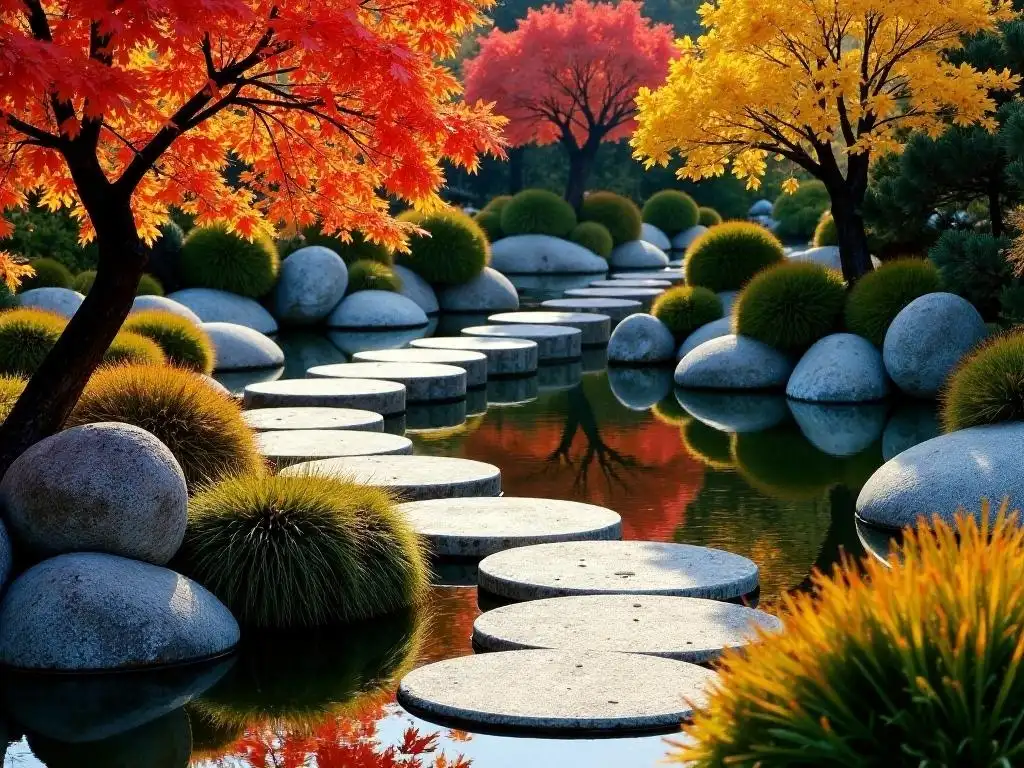
In Edo garden design, natural elements are laden with symbolism, each serving to convey specific meanings and themes. Water, for instance, symbolizes purity and renewal. It is often represented in various forms, such as ponds, streams, or even through carefully raked gravel that mimics the ripples of water. This element not only enhances the aesthetic appeal of the garden but also invites reflection on the transient nature of life.
Stones are another vital component, symbolizing stability, endurance, and the permanence of nature. Their placement is often intentional, representing mountains or islands within the garden's landscape. Different types of stones can signify various aspects of the natural world, each contributing to the overall harmony of the design.
Plants, too, carry significant meaning within Edo gardens. Each species is chosen not only for its beauty but also for its symbolic associations. For instance, cherry blossoms (sakura) represent the fleeting nature of life, while pine trees symbolize longevity and resilience. The thoughtful arrangement of these elements creates a narrative that speaks to the cyclical nature of existence and the harmony between humanity and the natural world.
Famous Edo Period Gardens
Kenrokuen: The Garden of Six Attributes
Kenrokuen, located in Kanazawa, is often regarded as one of Japan's most beautiful gardens, embodying the ideal of Edo period garden design. Its name, which translates to "The Garden of Six Attributes," refers to the six essential qualities that define its beauty: spaciousness, tranquility, artificiality, antiquity, water, and scenic views. These attributes create a harmonious environment that invites visitors to explore its picturesque landscapes.
The garden features a diverse array of plants, ponds, and walking paths, all meticulously designed to reflect the changing seasons. Notable elements include the iconic Yuyama Lantern and the Kasumiga-ike Pond, both of which enhance the garden's serene atmosphere. Kenrokuen serves as a testament to the artistry and philosophical depth underlying Edo garden design.
Koshien: A Historical Perspective
Koshien, famous not only for its gardens but also for its baseball stadium, has a rich historical context that reflects the evolution of Edo garden design. The area was originally developed as a leisure space during the Edo period, showcasing the integration of natural beauty and recreational activities. The gardens here were designed to provide a space for relaxation and enjoyment, embodying the cultural values of the time.
Over the centuries, Koshien has undergone transformations, blending traditional Edo garden elements with modern influences. The careful preservation of specific garden features highlights the ongoing appreciation for Edo aesthetics, bridging the historical significance of the area with contemporary practices. Koshien stands as a reminder of how Edo garden design continues to influence modern landscapes.
Shinjuku Gyoen: A Fusion of Styles
Shinjuku Gyoen is a remarkable example of a garden that represents a fusion of various styles, combining traditional Japanese aesthetics with Western influences. Originally established during the Edo period as an imperial garden, it offers a unique glimpse into the evolution of garden design in Japan.
The garden features distinct sections, including a traditional Japanese landscape area, a French formal garden, and an English landscape garden. This diversity allows visitors to experience multiple design philosophies within a single space. The careful selection of trees, plants, and pathways creates a picturesque environment that changes with the seasons, making Shinjuku Gyoen a cherished destination for both locals and tourists alike.
The famous Edo period gardens reflect the rich philosophical foundations and aesthetic principles that characterized this era, showcasing the enduring legacy of Edo garden design in Japan's cultural landscape.
Edo Gardens and Urban Development
During the Edo period (1603-1868), Japan witnessed significant urban development, with cities expanding rapidly due to population growth and economic prosperity. Edo, now known as Tokyo, became the political center and a bustling metropolis. Within this urban landscape, gardens played a crucial role in maintaining a connection to nature amidst the concrete and wood of the emerging city life. Edo gardens were not merely decorative; they served as vital components of urban planning, offering respite, promoting leisure, and enhancing the aesthetic quality of the environment.
The design of these gardens reflected the principles of harmony and balance, key elements in Japanese aesthetics. Integrating natural features like ponds, hills, and flora into the urban setting allowed for a seamless transition between natural and built environments. As a result, these gardens became sanctuaries where citizens could engage with nature, fostering a sense of peace and tranquility amid the bustling city life.
The Role of Gardens in Urban Planning
Gardens in Edo played a multifaceted role in urban planning, serving both practical and cultural functions. They were strategically located to enhance public spaces, providing areas for relaxation and social interaction, which were essential in densely populated urban centers. The layout of gardens often incorporated pathways that connected different parts of the city, promoting accessibility and encouraging communal use.
Moreover, gardens were designed with an eye for aesthetics and landscape harmony. Designers employed techniques such as asymmetry and the careful placement of rocks, trees, and water features to create visually stunning environments that reflected the natural world. This approach not only beautified the city but also instilled a deeper appreciation for nature among the urban populace, reinforcing cultural values centered on the respect for the environment.
Gardens as Public Spaces in Edo Cities
Edo gardens often served as vital public spaces where citizens could gather, socialize, and participate in cultural activities. Parks and gardens, such as the famous Ueno Park, were designed for public enjoyment, hosting events like tea ceremonies, poetry readings, and seasonal festivals. These gatherings promoted a sense of community and allowed individuals from various social backgrounds to interact, bridging gaps between classes.
The accessibility of these gardens was paramount; they were typically located near temples, shrines, and important civic buildings, making them easy to reach. The presence of gardens in urban areas not only enriched the everyday lives of Edo residents but also played a role in the cultural identity of the city, emphasizing the importance of nature in a rapidly modernizing society.
Maintenance and Seasonal Changes in Edo Gardens

The maintenance of Edo gardens was a meticulous endeavor, requiring careful planning and seasonal adjustments to ensure their beauty throughout the year. Gardeners, known as "niwashi," were skilled artisans who understood the nuances of plant care and landscape design. They practiced techniques that allowed gardens to thrive in harmony with the changing seasons, highlighting the cyclical nature of life.
Seasonal changes brought distinct transformations to the gardens, with different plants coming into bloom or shedding leaves, creating a dynamic visual experience. This ever-changing landscape was celebrated in art and literature, reflecting the deep cultural appreciation for nature's rhythms.
Seasonal Planting and Care Techniques
Seasonal planting and care were critical aspects of maintaining the beauty of Edo gardens. Each season required specific planting techniques and care routines to ensure that the garden flourished. In spring, cherry blossoms (sakura) were celebrated, and careful attention was given to pruning and nurturing these trees to maximize their bloom.
In summer, vibrant foliage and aquatic plants were emphasized, with techniques such as water management to maintain the health of ponds and streams. Autumn brought the changing colors of leaves, prompting gardeners to focus on the aesthetic arrangement of chrysanthemums and other seasonal flowers. Winter maintenance involved protecting delicate plants from frost and ensuring that the garden retained its structural beauty even in the cold months.
Festivals and Events Celebrating Nature
Festivals and events celebrating nature were integral to the cultural fabric of Edo society, with gardens serving as prime venues for these activities. The Hanami festival, for instance, was a popular event where people gathered to appreciate the fleeting beauty of cherry blossoms. This tradition not only highlighted the beauty of the gardens but also fostered community spirit and cultural expression.
Additionally, seasonal festivals such as the Matsuri were celebrated in gardens, featuring traditional performances, food stalls, and rituals that honored the changing seasons. These events reinforced the connection between the community and nature, emphasizing the importance of gardens as spaces for cultural gatherings and seasonal celebrations. Through these festivities, Edo gardens became living symbols of harmony, reflecting the deep-rooted appreciation for nature that characterized the era.
Modern Influence of Edo Period Garden Design
The Edo period, spanning from 1603 to 1868, was a transformative era for Japanese garden design, characterized by an intricate balance between nature and human craftsmanship. This influence continues to resonate in contemporary landscaping, shaping both public parks and private gardens. The principles of harmony, simplicity, and seasonal change that defined Edo gardens are increasingly integrated into modern designs, emphasizing the enduring relevance of these historical aesthetics.
Modern landscape architects often draw inspiration from the Edo period's unique elements, such as water features, stone arrangements, and carefully curated plant selections. These elements not only enhance visual appeal but also promote tranquility, reflecting the Japanese philosophy of finding peace within nature. As urban spaces become more congested, the demand for gardens that evoke the serene qualities of Edo landscapes has grown, leading to a renaissance in traditional Japanese garden principles.
Revival of Traditional Techniques in Contemporary Landscaping
In recent years, there has been a notable revival of traditional Edo period techniques within contemporary landscaping practices. Garden designers are increasingly looking to historical methods of construction and plant management, recognizing their effectiveness in creating sustainable and aesthetically pleasing environments.
- Use of Natural Materials: Traditional Edo gardens emphasize the use of materials found in nature, such as bamboo, stone, and wood. Modern designers are adopting these materials to create structures that blend seamlessly with their surroundings.
- Principles of Asymmetry: The Edo aesthetic often favors asymmetrical layouts, which reflect the natural world more authentically. Contemporary gardens are embracing this principle, moving away from rigid geometric designs.
- Seasonal Planting: Edo gardens are designed to showcase seasonal changes, and this practice is being revived in modern gardens to allow for a dynamic visual experience throughout the year.
The incorporation of these traditional techniques not only honors the historical significance of Edo gardens but also enhances the ecological and aesthetic value of modern landscapes.
Edo Gardens in Today’s Urban Spaces
Edo gardens have found a new life in today's urban environments, serving as a vital connection to nature amidst bustling city life. Various cities in Japan and beyond have adapted the principles of Edo garden design to create urban oases that promote mental well-being and community engagement.
- Public Parks: Many urban parks now feature elements inspired by Edo gardens, such as koi ponds, tea houses, and winding pathways, encouraging visitors to engage with nature.
- Community Gardens: Some neighborhoods are establishing community gardens that reflect the essence of Edo design, fostering social interaction and a shared appreciation for gardening.
- Corporate Spaces: Companies are increasingly recognizing the benefits of incorporating Edo-style gardens into their office landscapes, enhancing employee satisfaction and productivity through serene environments.
These adaptations not only preserve the legacy of Edo garden design but also advocate for sustainable practices that benefit both human and environmental health.
Conclusion: The Enduring Legacy of Edo Gardens
The legacy of Edo period gardens is profound, influencing not only the aesthetics of landscape architecture but also the cultural fabric of Japan. By harmonizing nature with urban living, these gardens serve as a reminder of the importance of preserving natural spaces in an ever-evolving world. The principles rooted in Edo garden design continue to inspire contemporary practices, ensuring that the essence of this historical era remains alive in modern landscapes.
The Impact of Edo Period Gardens on Japanese Culture
The influence of Edo period gardens extends beyond mere aesthetics; they have played a significant role in shaping Japanese culture and identity. These gardens became spaces for reflection, art, and poetry, symbolizing the deep connection between people and nature.
- Cultural Practices: Tea ceremonies, poetry writing, and other cultural activities were often conducted in gardens, reinforcing their importance as spaces for social and spiritual engagement.
- Art and Literature: Edo gardens have been depicted in various art forms, from ukiyo-e prints to modern photography, highlighting their aesthetic allure and cultural significance.
This cultural impact has fostered a strong appreciation for nature in Japanese society, influencing various aspects of daily life and contributing to a collective identity centered around harmony and beauty.
The Future of Edo Garden Design in Urban Landscapes
Looking ahead, the principles of Edo garden design are poised to play a crucial role in addressing contemporary urban challenges. As cities grapple with issues like climate change, biodiversity loss, and mental health concerns, the integration of these gardens into urban planning can provide viable solutions.
- Sustainable Practices: The emphasis on native plants and natural water management in Edo gardens offers valuable lessons for sustainable landscaping in urban areas.
- Community Engagement: Future designs can foster community participation, encouraging local stewardship of green spaces and strengthening community ties.
- Mental Well-Being: As awareness of the mental health benefits of nature grows, the role of Edo-inspired gardens in promoting mental well-being will likely become even more significant.
The timeless principles of Edo period garden design will continue to influence urban landscapes, fostering a deeper connection between people and nature as society navigates the complexities of modern life.
- Introduction to Edo Period Garden Design
- Characteristics of Edo Period Gardens
- Philosophical Foundations of Edo Garden Design
- Influence of Zen Buddhism on Garden Aesthetics
- Symbolism in Nature: Water, Stones, and Plants
- Famous Edo Period Gardens
- Edo Gardens and Urban Development
- Maintenance and Seasonal Changes in Edo Gardens
- Modern Influence of Edo Period Garden Design
- Conclusion: The Enduring Legacy of Edo Gardens
Frequently Asked Questions
What is the Edo period in Japanese history?
The Edo period (1603-1868) was a time of peace and stability in Japan under the Tokugawa shogunate, marked by cultural flourishing and urban development.
How did garden design evolve during the Edo period?
During the Edo period, garden design transformed to incorporate natural elements, reflecting harmony with nature, and emphasizing aesthetics through asymmetry and balance.
What are the key features of Edo period gardens?
Edo period gardens typically include ponds, bridges, and stone lanterns, designed to evoke a sense of tranquility and natural beauty within urban settings.
How do Edo gardens reflect Japanese culture?
Edo gardens embody Japanese cultural values such as simplicity, appreciation of nature, and the pursuit of spiritual harmony, often serving as spaces for meditation and reflection.
Why is Edo period garden design significant today?
The principles of Edo period garden design continue to influence modern landscaping, promoting the idea of creating spaces that foster connection with nature in urban environments.
Final Reflection: Embracing Nature’s Harmony in Urban Spaces
The principles of Edo period garden design resonate profoundly in today’s urban landscapes, reminding us of the essential balance between nature and human development. As cities continue to expand and evolve, the need for green spaces that promote tranquility and connection to nature has never been more critical. The intricate designs of Edo gardens serve as a timeless blueprint for creating urban sanctuaries that foster well-being and community.
The influence of Edo period garden design extends beyond aesthetics; it shapes our cultural and social interactions with nature. In a world increasingly dominated by concrete and technology, these gardens invite us to pause, reflect, and appreciate the beauty around us. They remind us that nature is not just a backdrop but an integral part of our lives. As the renowned landscape architect Frederick Law Olmsted once said, The enjoyment of scenery employs the mind without fatigue and yet exercises it; tranquilizes it and yet enlivens it.
This sentiment encapsulates the enduring legacy of Edo gardens, urging us to cultivate spaces that nurture both our spirits and our communities.
As we look to the future, let us take inspiration from the harmonious designs of the Edo period and commit to integrating nature into our urban environments. I invite you to reflect on how you can incorporate elements of these gardens into your own life, whether through creating a small green space, advocating for urban parks, or simply taking time to appreciate the natural world around you. Together, we can foster a deeper connection with nature, ensuring that our cities not only thrive but also resonate with the beauty and serenity that Edo gardens exemplify.
Embrace Nature’s Beauty — Take Action Today!
Thank you for exploring the captivating world of Edo Gardens and their profound impact on urban landscapes! We hope you feel inspired by how nature can harmoniously blend into our everyday lives. Now is the perfect time to take that inspiration and make it actionable.
Here are a few steps you can take to connect with the essence of Edo Gardens:
- Transform your space: Start a small garden at home or in a community area to bring a piece of nature into your life!
- Explore local gardens: Visit nearby parks, botanical gardens, or historical sites to experience the tranquility and beauty they provide.
- Share your journey: Document your gardening experiences or visits to local gardens on social media to inspire your friends and family!
Having discovered the beauty of urban nature, what unique ways will you find to incorporate this harmony into your own life? We’d love to hear your thoughts!