
Power and Prestige: The Samurai's Role in the Japanese Feudal System

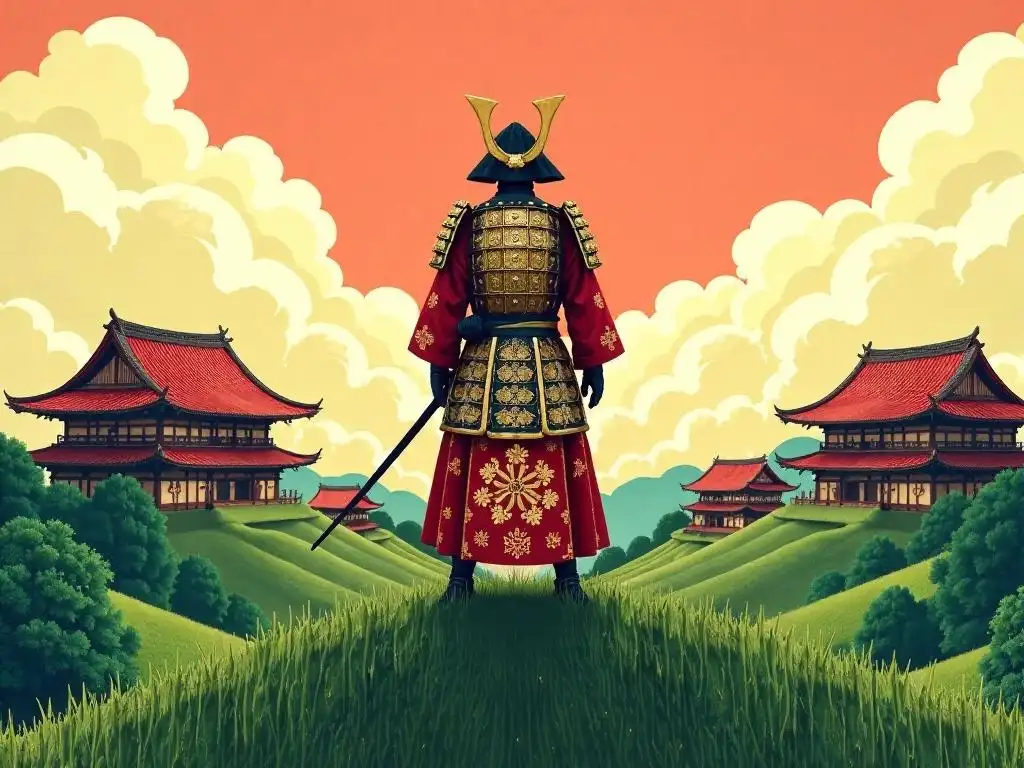
Welcome to Feudal Japan History, where we embark on a captivating journey through the intricate tapestry of Japan's feudal era. Dive deep into the power and prestige of the Samurai, whose influence shaped not only the political landscape but also the very fabric of Japanese society. As you explore our expert-driven articles, you'll uncover the profound impact these warriors had on governance, culture, and honor. What secrets lie behind their legendary status? Join us as we unravel the layers of history and discover how the Samurai forged a legacy that continues to resonate today.
Introduction to the Samurai Influence in Feudal Japan
The samurai, a distinct warrior class in Japan’s feudal era, wielded a profound influence that shaped not only the political landscape but also the cultural and social fabric of the nation. With their roots tracing back to the late Heian period (794-1185), the samurai evolved from provincial warriors into pivotal figures in the governance and military strategies of feudal Japan. This article aims to provide a comprehensive exploration of the samurai's role and the intricate dynamics of their influence within the feudal system, highlighting their contributions to Japan's historical narrative.
Overview of the Samurai Class
The samurai class, known for its strict code of honor and martial prowess, became a symbol of loyalty and strength in feudal Japan. Initially serving local lords, or daimyos, these warriors were distinguished by their unique armor, weapons, and the infamous katana. The samurai's identity was deeply intertwined with the principles of Bushido, the way of the warrior, which emphasized virtues such as loyalty, courage, and honor.
- Roles and Responsibilities:
- Protecting the daimyos and their territories
- Administering justice within their domains
- Engaging in military campaigns
- Serving as advisors and leaders in governance
The samurai's rise to prominence marked a significant shift in Japan's social hierarchy, as they transitioned from mere warriors to influential political entities.
Importance of Samurai in Japanese History
The samurai's significance in Japanese history cannot be overstated. They were not only warriors but also cultural icons who fostered the development of various art forms and philosophies. Their influence extended beyond the battlefield, impacting literature, politics, and even religion.
- Cultural Contributions:
- Patronage of the arts, including Noh theater and ink painting
- Development of Zen Buddhism, which emphasized discipline and meditation
- Establishment of ethical codes that influenced Japanese society
The samurai's role as both protectors and culture bearers solidified their place in history, making them a focal point of Japan's feudal narrative.
Historical Context of the Feudal System in Japan
To fully understand the samurai's influence, one must delve into the historical context of Japan's feudal system. This system, characterized by a hierarchical structure of land ownership and loyalty, provided the framework within which the samurai thrived.
Emergence of Feudalism in Japan
Feudalism in Japan emerged during a time of political instability and warfare, particularly in the late Heian period. As central authority weakened, local lords began to assume greater power, leading to the formation of a decentralized political structure. This shift allowed the samurai to gain prominence, as they became essential in maintaining order and protecting lands.
- Key Features of Feudalism:
- Decentralized power held by daimyos
- Vassalage agreements between samurai and lords
- Land as the primary source of wealth and power
The decline of the imperial court's influence and the rise of regional powers set the stage for the samurai's ascendance.
Key Influences Leading to the Rise of the Samurai
Several factors contributed to the rise of the samurai class within the feudal structure. Economic changes, military needs, and social dynamics played critical roles in shaping their rise to power.
- Influential Factors:
- Agricultural Surplus: Increased productivity allowed local lords to support and maintain larger samurai retinues.
- Military Conflicts: Continuous warfare necessitated skilled warriors, leading to the prominence of samurai in battles.
- Political Alliances: Strategic marriages and alliances among the samurai solidified their positions and expanded their influence.
The convergence of these factors not only elevated the samurai but also transformed them into essential players in the political and military arenas of feudal Japan.
The Role of Samurai in the Japanese Feudal Hierarchy
The samurai class played a crucial role in the Japanese feudal hierarchy, serving as the backbone of military and political power from the late 12th century until the mid-19th century. Their status derived not only from their martial skills but also from the ethical code known as bushido, which emphasized loyalty, honor, and discipline. The samurai were not merely warriors; they were integral to the governance of feudal Japan, influencing both military strategy and political dynamics.
Hierarchical Structure of Feudal Japan
The feudal system in Japan was characterized by a strict hierarchical structure, where land and power were exchanged for military service. At the top of this hierarchy was the emperor, who held a symbolic position of authority but wielded little political power. Below the emperor were the shoguns, the military leaders who effectively ruled the country. They were supported by daimyos, powerful feudal lords who governed specific territories and maintained their own samurai armies.
- Emperor: The revered spiritual leader and figurehead.
- Shogun: The military dictator with actual governing power.
- Daimyos: Feudal lords controlling land and vassals.
- Samurai: The warrior class serving the daimyos and shogun.
- Peasants: The working class, primarily farmers, providing sustenance.
This hierarchy ensured that the samurai were positioned as both protectors and enforcers of the daimyos' will, lending them significant influence over the political landscape of feudal Japan.
Position of Samurai within the Feudal System
Within the feudal system, samurai were not only warriors but also vassals to the daimyos. Their loyalty was paramount, and in return for their military service, they received stipends and land, which solidified their status and wealth. The samurai’s position was often hereditary, creating a noble class distinct from the peasantry.
Samurai were expected to uphold the values of bushido, which dictated their conduct in both war and peace. This code also shaped their roles beyond the battlefield, influencing their participation in politics, culture, and society. They were often involved in administrative duties, overseeing the governance of the lands they were entrusted with, further embedding them into the fabric of feudal society.
The Socio-Political Influence of Samurai
The socio-political influence of samurai extended far beyond their military capabilities. As the enforcers of the daimyos’ power, they played a pivotal role in maintaining order and stability throughout Japan. Their influence was evident in various aspects of governance, land ownership, and law enforcement.
Samurai as Military Leaders in Feudal Japan
In times of conflict, samurai were the military leaders who commanded troops and strategized battles. Their training in martial arts and combat tactics prepared them for the harsh realities of warfare in feudal Japan. Samurai were often at the forefront of significant battles, such as the Genpei War, which led to the establishment of the Kamakura shogunate.
Their military prowess not only secured their positions within the feudal hierarchy but also allowed them to gain additional territory and influence through conquest. The samurai’s role as military leaders established them as key figures in the defense of their lords’ domains and the expansion of their territories.
Political Power and Land Ownership among Samurai
Land ownership was a fundamental aspect of samurai power. Through the feudal system, samurai were granted land, or han, by their daimyos, which in turn provided them with the resources necessary to maintain their status. This ownership allowed them to collect taxes from the peasantry, further entrenching their power.
In addition to land, samurai could also gain political power through alliances and marriages. By marrying into powerful families or forming strategic alliances, they could enhance their influence and secure their positions within the political landscape of feudal Japan. This interplay of land ownership and political connections solidified the samurai’s role as a dominant force in the socio-political sphere.
Samurai's Role in Governance and Law Enforcement
The samurai's influence extended into governance and law enforcement, as they often served as local rulers and enforcers of the law. They were responsible for maintaining order in their territories and ensuring that the daimyos' decrees were followed. This role necessitated a degree of administrative skill, as samurai managed everything from tax collection to dispute resolution among the peasantry.
Furthermore, samurai acted as judges in local courts, applying the law and administering justice. Their position allowed them to uphold the values of bushido and ensure that societal norms were maintained. This governance role not only reinforced their authority but also solidified their importance within the feudal structure of Japan, demonstrating how the samurai were integral to both military and civic life.
Cultural Impact of the Samurai in Feudal Japan
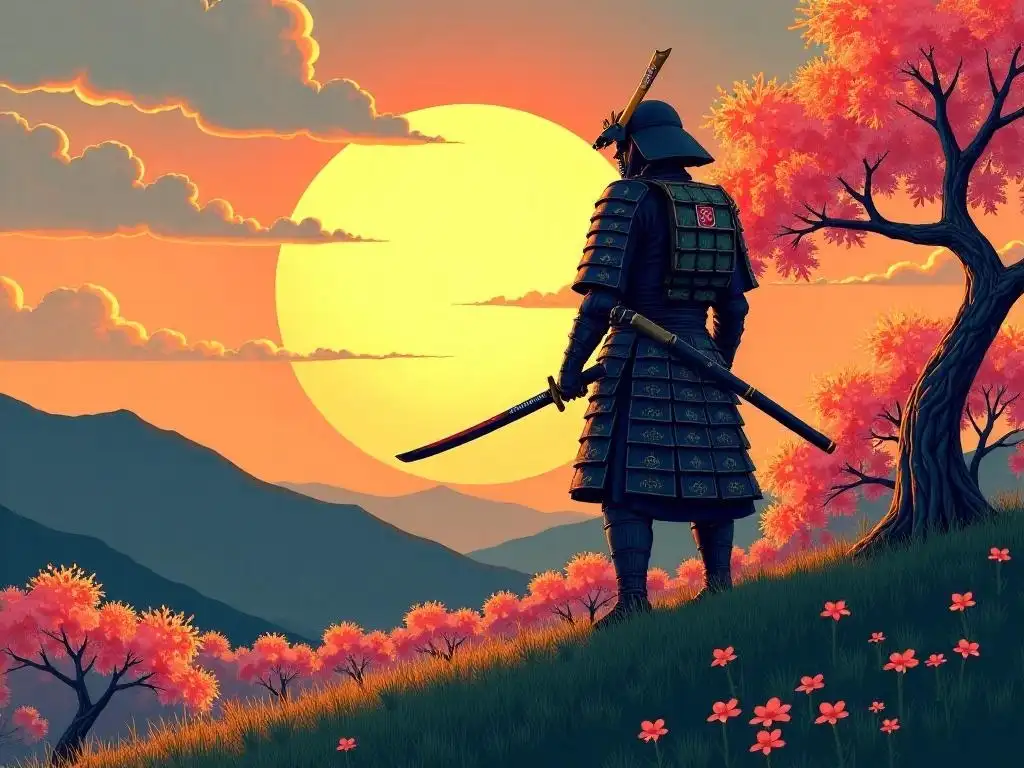
The samurai, as the warrior class of feudal Japan, played a pivotal role in shaping the cultural landscape of the country. Their influence extended beyond the battlefield and into various aspects of Japanese society, including religion, arts, and social values. The samurai's dedication to their lords and their adherence to a strict code of ethics not only defined their conduct but also permeated the cultural fabric of Japan, promoting ideals of loyalty, honor, and discipline.
The samurai's cultural impact can be seen in the way they patronized the arts. They were instrumental in the development of traditional Japanese practices such as tea ceremonies, flower arranging (ikebana), and calligraphy. Many samurai were also skilled poets and writers, contributing to the rich tapestry of Japanese literature. The samurai’s cultural legacy is a testament to their multifaceted role in shaping not only military prowess but also the aesthetic and moral values of the society they served.
Samurai Code of Conduct: Bushido and Its Significance
Bushido, literally translating to "the way of the warrior," was the ethical code that governed the behavior and actions of samurai. This code emphasized virtues such as loyalty, honor, bravery, and self-discipline. Adhering to Bushido was considered essential for maintaining one's status within the samurai class and for earning the respect of peers and the populace.
The significance of Bushido lies in its profound influence on Japanese culture and society. It fostered a sense of honor that permeated all aspects of life, encouraging samurai to act with integrity and valor. This moral framework helped shape the samurai's identity and established an enduring legacy that continued to influence Japanese values long after the feudal era. The principles of Bushido can still be seen today in modern Japanese culture, where respect, loyalty, and discipline remain highly valued traits.
The Influence of Samurai on Japanese Arts and Literature
The samurai's influence on Japanese arts and literature is a significant aspect of their cultural impact. As patrons of the arts, samurai supported various artistic endeavors, leading to the development of distinctive styles and forms. For instance, the martial arts were not merely about combat but also encompassed aesthetic movements, such as the practice of calligraphy and poetry.
Literature flourished during the feudal period, with samurai contributing to the creation of classic works. Notable examples include the "Tale of the Heike," an epic recounting the struggles between the Taira and Minamoto clans, which reflects the samurai ethos of honor and loyalty. Moreover, the samurai's portrayal in Noh theater and Kabuki has immortalized their ideals and experiences, allowing subsequent generations to appreciate and learn from their legacy.
The Economic Contributions of Samurai in Feudal Japan
The economic contributions of samurai in feudal Japan were significant, particularly in terms of land management and the promotion of trade. While their primary role was as warriors, samurai were also landowners and administrators, which placed them at the center of the economic structure of their domains. This duality allowed them to influence agricultural production and economic policies effectively.
Land Management and Agricultural Production
Samurai were often tasked with overseeing vast estates and managing agricultural production. Their ability to cultivate and organize land not only ensured a stable food supply for their retainers and the local populace but also generated wealth for their lords. Samurai utilized various agricultural techniques, enhancing productivity and ensuring that their lands were efficiently managed.
Moreover, samurai were responsible for the implementation of irrigation systems and crop rotation practices that improved yields. Their focus on land management led to advancements in agricultural techniques, which played a crucial role in the overall economic stability of feudal Japan. The prosperity of their estates directly influenced their power and prestige, reinforcing the samurai's importance within the feudal hierarchy.
Trade and Economic Policies Influenced by Samurai
In addition to agricultural contributions, samurai influenced trade and economic policies during the feudal era. They played a crucial role in establishing trade routes and facilitating commerce between regions. By protecting merchants and ensuring safe passage, samurai helped to stimulate economic growth and foster relationships between different domains.
The samurai class also impacted the development of economic policies that governed trade practices. Their understanding of the economy, combined with their political power, allowed them to implement regulations that benefited their interests and maintained stability. This interplay between military and economic authority solidified their role as key figures in shaping Japan's feudal economy, ultimately contributing to the evolution of the nation’s economic landscape.
Decline of the Samurai Influence in the Late Feudal Period
The decline of samurai influence in the late feudal period of Japan was a significant transformation that reshaped the country's political landscape. By the late 19th century, numerous factors converged to diminish the samurai's power, marking the end of an era steeped in tradition and martial valor. This decline was not abrupt but rather a gradual process influenced by internal and external pressures that altered the samurai's role in society.
As Japan opened up to the world, the samurai found themselves increasingly at odds with the changing socio-political climate. The Meiji Restoration in 1868 signaled a monumental shift towards modernization, which included the dismantling of the feudal system that had long upheld the samurai's status. The once-noble warriors were soon viewed as impediments to progress, leading to their marginalization in favor of a new, centralized government.
Factors Leading to the Decline of Samurai Power
Several critical factors contributed to the decline of samurai power during this period:
- Economic Changes: The rise of a merchant class and the increasing importance of commerce undermined the samurai's traditional reliance on land and agriculture. As the economy shifted towards trade and industry, the samurai's income and status began to wane.
- Political Reforms: The Meiji government implemented sweeping reforms aimed at modernizing Japan. This included the abolition of the feudal hierarchy and the samurai's stipends, which were replaced with a conscript army. The samurai's military monopoly was thus replaced by a national army composed of commoners.
- Cultural Shifts: The samurai's values, such as bushido (the way of the warrior), began to clash with the emerging modern values of individualism and capitalism. As Japan embraced Western ideas, the samurai's code of honor became less relevant in a rapidly changing society.
- Internal Conflicts: The samurai themselves were divided on how to respond to modernization. Some embraced the changes, while others resisted, leading to internal strife and weakening their collective power.
Transition to Modern Japan: The End of the Samurai Era
The transition to modern Japan was marked by the dissolution of the samurai class and the formal end of their privileges. The 1871 abolition of the han system, where samurai were tied to feudal lords, was a pivotal moment. This change not only stripped the samurai of their legal status but also led to the loss of their traditional roles in governance and military service.
The Satsuma Rebellion of 1877, led by disenchanted samurai, was one of the last stand against the Meiji government. Although ultimately unsuccessful, this rebellion highlighted the desperation of the samurai to retain their influence and the deep-seated resistance to change. The defeat of the rebels further solidified the power of the new government and marked a definitive end to the samurai's role in Japanese society.
Conclusion: Legacy of Samurai Influence in Feudal Japan
The legacy of samurai influence in feudal Japan is profound and multifaceted, extending beyond their military prowess to shape various aspects of Japanese culture and societal values. While their political power faded, the samurai's impact on Japan's identity and ethos continued to resonate.
Lasting Effects on Japanese Society and Culture
The samurai's legacy can be observed in various cultural elements that persist in modern Japan. Their emphasis on loyalty, honor, and discipline has influenced Japan's societal norms and continues to be celebrated in literature, film, and the arts. The bushido code, although evolved, still inspires contemporary interpretations of ethics and conduct.
Moreover, the samurai's historical narratives have become integral to Japanese national identity. They are often romanticized in popular culture, serving as symbols of bravery and moral integrity. Festivals and reenactments of samurai battles still attract interest, reflecting a deep-seated respect for this warrior class.
Reflections on the Samurai's Role in Shaping Modern Japan
The samurai's transition from power to symbolic legacy is a testament to their adaptability and enduring influence. As Japan modernized, the principles that guided the samurai found new expressions in various fields, including business and governance. The emphasis on hard work, loyalty, and social responsibility can be traced back to samurai ideals.
The samurai's story serves as a crucial chapter in Japan's history, reminding us of the complexities of power, honor, and cultural identity. Their contributions have left an indelible mark on the nation, shaping the values and principles that continue to guide Japanese society today. As we reflect on their role, it is clear that the samurai's legacy remains a vital part of understanding Japan's past and present.
- Introduction to the Samurai Influence in Feudal Japan
- Historical Context of the Feudal System in Japan
- The Role of Samurai in the Japanese Feudal Hierarchy
- The Socio-Political Influence of Samurai
- Cultural Impact of the Samurai in Feudal Japan
- The Economic Contributions of Samurai in Feudal Japan
- Decline of the Samurai Influence in the Late Feudal Period
- Conclusion: Legacy of Samurai Influence in Feudal Japan
Frequently Asked Questions
What was the role of the samurai in feudal Japan?
The samurai served as warriors and military leaders, upholding the code of bushido, which emphasized loyalty, honor, and bravery in service to their lords.
How did samurai influence Japanese culture?
The samurai greatly impacted Japanese culture through arts, literature, and spirituality, promoting values such as discipline and aesthetic appreciation that are still evident today.
What is the code of bushido?
The code of bushido is a strict ethical code followed by samurai, encompassing principles like loyalty, honor, and self-discipline, guiding their conduct both in battle and in daily life.
How did the samurai contribute to the feudal system?
The samurai were instrumental in maintaining the feudal system by providing military service to landowners in exchange for protection and land, thus ensuring social order and stability.
Samurai held a privileged position in the social hierarchy of feudal Japan, often ranking above peasants, artisans, and merchants, as they were seen as the elite class dedicated to martial prowess and governance.
Final Reflection: The Enduring Legacy of Samurai Influence in Feudal Japan
The intricate relationship between power and prestige in feudal Japan, embodied by the samurai, continues to resonate profoundly in today’s society. As we navigate a world often defined by hierarchy and influence, the samurai's role serves as a compelling reminder of how honor, loyalty, and martial prowess shaped not only a nation but also the very ideals we aspire to uphold. The samurai's influence in feudal Japan is not merely a historical footnote; it is a lens through which we can examine contemporary issues of leadership, duty, and societal structure.
Culturally, the samurai ethos has permeated various aspects of modern life, from literature and film to business practices and personal conduct. The values of discipline, respect, and commitment that defined the samurai are echoed in the principles of many successful individuals and organizations today. As the philosopher Yamamoto Tsunetomo once said, The way of the samurai is found in death.
This stark reminder of the samurai's dedication to their code of honor underscores the ongoing relevance of their legacy, challenging us to reflect on our own commitments and the sacrifices we are willing to make for our beliefs.
As we conclude this exploration of samurai influence in feudal Japan, I invite you to reflect on how these timeless values can be integrated into your own life. Consider what it means to embody honor and loyalty in your personal and professional relationships. Let the lessons of the samurai inspire you to cultivate a sense of purpose and integrity, ensuring that the spirit of the samurai continues to thrive in the modern world. Embrace the challenge of living with intention, and carry forward the legacy of those who came before us, shaping a future that honors their profound influence.
Embrace the Legacy of the Samurai!
Thank you for dedicating your time to explore the fascinating world of the samurai and their integral role in the Japanese feudal system. We hope you’ve gained valuable insights into their power, prestige, and the significant impact they had on shaping Japan’s history. Now, it’s time to take this knowledge and dive deeper into the legacy of these remarkable warriors!
Here are a few actions you can take right now:
- Visit our curated collection of samurai artifacts to learn about their significance in Japanese culture.
- Join our community forum to share your thoughts and connect with fellow enthusiasts. Engage in discussions about the samurai and explore diverse perspectives.
- Challenge yourself to read a book or watch a documentary on the samurai. Discover lesser-known stories that can further enrich your understanding.
What aspect of samurai culture drives your curiosity the most? Is it their code of honor, their martial skills, or perhaps their influence on modern Japan? Let's discuss!