
The Interplay Between War and Peace in the Tokugawa Period

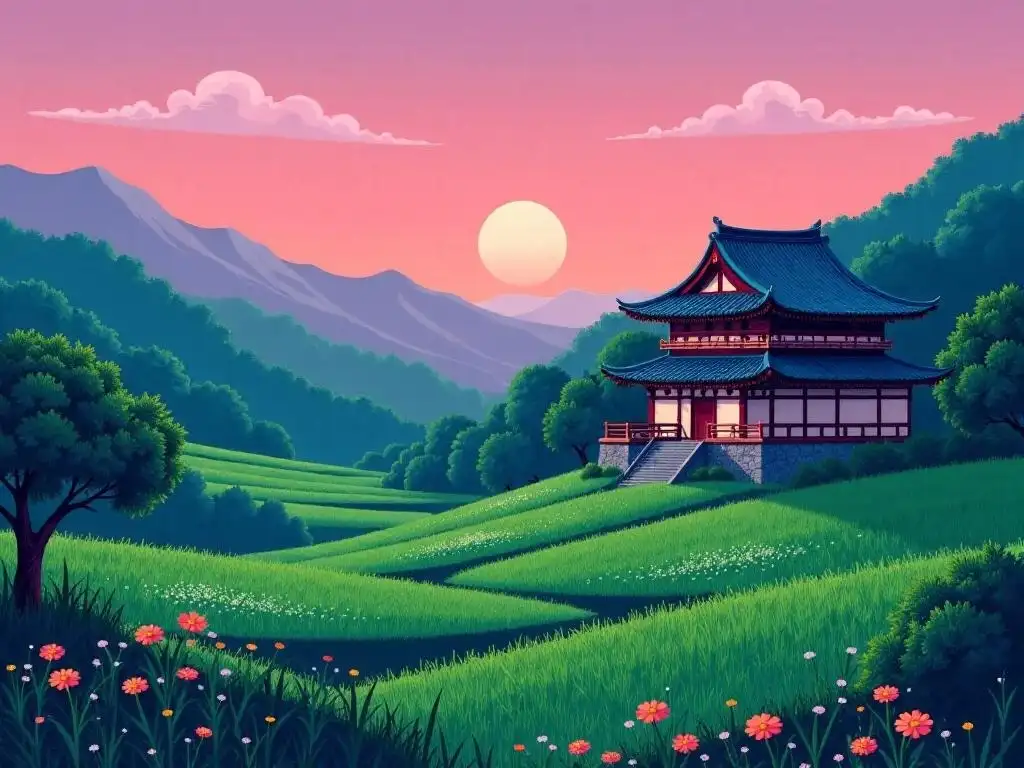
Welcome to Feudal Japan History, where we embark on a captivating journey through the intricate tapestry of Japan's feudal era. Dive into our featured article, "The Interplay Between War and Peace in the Tokugawa Period," as we unravel the complexities of this pivotal time in history. Discover how the delicate balance between conflict and harmony shaped not only the political landscape but also the cultural heartbeat of the nation.
Are you ready to explore the profound impact of the Tokugawa period on Japan's path to peace? Join us as we delve deeper into this rich narrative and uncover the secrets that lie within!
Introduction to the Tokugawa Period
The Tokugawa Period, spanning from 1603 to 1868, marks a significant era in Japanese history characterized by an intricate balance between war and peace. This period was defined by the governance of the Tokugawa Shogunate, which established a centralized feudal system that sought to maintain stability and order after centuries of chaos during the Sengoku Jidai, or Warring States Period. The interplay between war and peace during this time reflects the complexities of a society transitioning from conflict to relative tranquility, highlighting the socio-political strategies employed by the Tokugawa rulers to consolidate power and suppress dissent.
Overview of the Tokugawa Shogunate
The Tokugawa Shogunate, founded by Tokugawa Ieyasu, was the last feudal Japanese military government. It represented a pivotal shift in governance, moving away from the factional wars that characterized the Sengoku Jidai. The shogunate implemented a strict social hierarchy and a system of governance that included the daimyō (feudal lords), samurai, and peasants, which ensured loyalty and stability within the realm. Under the Tokugawa regime, Japan experienced a prolonged period of peace known as the Pax Tokugawa, which allowed for cultural and economic developments that shaped modern Japan.
Significance of War and Peace in Feudal Japan
Understanding the significance of war and peace in feudal Japan is essential to comprehending the dynamics of the Tokugawa Period. War often served as a means for political power, territorial expansion, and the assertion of authority. In contrast, peace brought about economic growth, cultural flourishing, and the consolidation of power. The Tokugawa Shogunate's ability to maintain peace while simultaneously suppressing potential uprisings and dissenting factions was crucial for its longevity. This duality of conflict and harmony laid the groundwork for Japan's future trajectory, influencing its transition into the modern age.
Historical Context of the Tokugawa Period
The historical context of the Tokugawa Period is foundational for understanding the interplay of war and peace during this era. The transition from the chaos of feudal warfare to a centralized government created a unique environment in which the Tokugawa Shogunate could thrive.
The End of the Sengoku Jidai (Warring States Period)
The Sengoku Jidai, or Warring States Period, was marked by continuous military conflict among competing feudal lords. This era saw the rise and fall of numerous clans, each vying for dominance. The conclusion of this tumultuous period was a significant turning point, leading to the establishment of a unified Japan under the Tokugawa regime. Understanding the brutal realities of the Sengoku Jidai provides insight into the motivations behind the Tokugawa Shogunate's policies aimed at maintaining peace and preventing a return to chaos.
Establishment of the Tokugawa Shogunate
Following the decisive Battle of Sekigahara in 1600, Tokugawa Ieyasu emerged victorious, leading to the official establishment of the Tokugawa Shogunate in 1603. This marked the beginning of a centralized feudal government that sought to stabilize Japan by implementing strict laws and a rigid social structure. The shogunate's policies not only focused on governance but also on the suppression of the samurai class's militaristic tendencies, fostering an environment where peace could flourish in the absence of widespread conflict.
Key Figures in the Tokugawa Era
The Tokugawa Period was shaped by several key figures whose actions and decisions influenced the trajectory of Japan during this time. Notable among them were:
- Tokugawa Ieyasu: The founder of the Tokugawa Shogunate, whose strategic acumen and political maneuvering laid the foundation for a stable regime.
- Tokugawa Hidetada: Ieyasu's son, who continued his father's policies and further solidified the shogunate's power.
- Tokugawa Iemitsu: The third shōgun, known for his isolationist policies and efforts to suppress Christianity, which reflected the shogunate’s desire to maintain control and cultural integrity in Japan.
These figures, among others, played pivotal roles in navigating the delicate balance between conflict and peace, shaping not only the Tokugawa Period but also the future of Japan.
The Dynamics of War During the Tokugawa Period
The Tokugawa period, spanning from 1603 to 1868, was characterized by a complex interplay between war and peace. The establishment of the Tokugawa Shogunate marked the end of a century of civil wars and unrest in Japan, yet the shadow of military conflict lingered throughout much of this era. The shogunate's military policies and the regional daimyōs (feudal lords) maintained a delicate balance, influencing the societal structures of the time.
The Tokugawa regime emphasized a centralized feudal system where the shogunate wielded significant power over the daimyōs, many of whom had their own samurai armies. This system was designed to prevent large-scale conflicts, yet skirmishes and power struggles occasionally erupted, particularly in border regions and among rival clans. The regime's military readiness was evident through the maintenance of a standing army and fortifications, which were crucial for both defense and the enforcement of shogunate control.
Major Conflicts and Battles
While the Tokugawa period is often associated with peace, several notable conflicts did occur. One such conflict was the Shimabara Rebellion (1637-1638), a peasant uprising fueled by economic distress and religious persecution, particularly against Christians. This rebellion showcased the Tokugawa government's reliance on military force to suppress dissent and maintain order.
Another significant conflict was the Battle of Sekigahara in 1600, which effectively set the stage for Tokugawa rule. This decisive battle involved a coalition of Tokugawa Ieyasu's forces against the Western army led by Ishida Mitsunari. The outcome solidified Ieyasu’s power and marked the beginning of the Tokugawa Shogunate.
The Boshin War (1868-1869), although occurring at the end of the period, represented the clash between forces loyal to the Tokugawa Shogunate and those seeking to restore imperial rule. The eventual defeat of the Tokugawa forces signaled the end of feudal Japan and the beginning of the Meiji Restoration.
Impact of Warfare on Society and Culture
The warfare of the Tokugawa period significantly influenced Japanese society and culture. Military conflicts, though relatively few, instilled a sense of martial pride among the samurai class, shaping their identity and societal role. The samurai were not only warriors but also became cultural figures, engaging in arts such as calligraphy, poetry, and tea ceremonies, which were often reflective of their warrior ethos.
Additionally, the suppression of conflicts through effective governance fostered a culture of peace that allowed for the flourishing of commerce and urbanization. Cities like Edo (modern-day Tokyo) became bustling centers of trade and culture, showcasing the transition from a war-torn society to one of relative stability.
The Era of Peace in the Tokugawa Period
The Tokugawa period is often heralded as a time of unprecedented peace, known as the Pax Tokugawa. This peace was largely a result of the shogunate's effective policies and military strategies that mitigated the risks of large-scale warfare.
The Pax Tokugawa: A Time of Stability
The Pax Tokugawa led to a remarkable period of stability in Japan. With a firm grip on power, the Tokugawa Shogunate implemented a policy of sakoku, or national seclusion, which limited foreign influence and trade. This created a stable internal environment conducive to economic growth and cultural development. The strict class hierarchy, with the samurai at the top, further solidified social order, allowing for the establishment of a relatively peaceful society.
The shogunate's governance also encouraged agricultural development, leading to increased food production and population growth. This improved economic stability became the foundation for a vibrant merchant class, which began to thrive during the latter half of the Tokugawa period.
Cultural Flourishing During Peace
The era of peace allowed for significant cultural flourishing in Japan. The arts thrived during the Tokugawa period, with advancements in literature, theater, and visual arts. The rise of Ukiyo-e (floating world pictures) exemplified the era's cultural richness, capturing the lives of the urban populace, landscapes, and kabuki theater.
Literature also saw a boom, with notable works such as The Tale of Genji and the Tales of Ise being celebrated. The period also gave rise to popular forms of entertainment, including kabuki and bunraku (puppet theater), which reflected the societal changes and the experiences of the common people.
The Tokugawa period, while marked by moments of conflict, ultimately fostered a unique environment where peace allowed for profound cultural and societal advancements. The interplay between war and peace shaped not only the political landscape of Japan but also its rich cultural heritage.
The Interplay Between War and Peace

The Tokugawa period, lasting from 1603 to 1868, marked a significant era in Japanese history characterized by a complex relationship between war and peace. This period was initiated by Tokugawa Ieyasu's unification of Japan following a century of civil strife known as the Sengoku period. Under the Tokugawa Shogunate, Japan experienced relative peace, known as the Edo period, yet this peace was deeply influenced by the wars that preceded it. The interplay between war and peace during this time was not merely a backdrop but a driving force in shaping policies, social structures, and economic systems.
The Tokugawa Shogunate established strict social hierarchies and codes of conduct, which were influenced by the need to maintain order in a previously war-torn society. The legacy of samurai warfare and the ethos of the warrior class permeated the peaceful era, leading to a rich cultural development that embraced both martial and peaceful ideals. Thus, the interplay between war and peace was not just a historical phenomenon but a foundational aspect of Japanese identity during the Tokugawa period.
How War Influenced Peace Policies
War significantly shaped the peace policies of the Tokugawa Shogunate in several ways. The constant threat of rebellion and the historical context of civil wars prompted the shogunate to implement rigorous control measures over the daimyōs (feudal lords) and their samurai. The shogunate's governance model was heavily influenced by the lessons learned from the Sengoku period, leading to the establishment of a centralized bureaucratic system that emphasized loyalty and stability.
To prevent uprisings, the Tokugawa government employed a system known as sankin-kōtai, which required daimyōs to alternate their residence between their domains and Edo (modern-day Tokyo). This policy not only served to limit the power of the daimyōs by keeping them under the shogunate's watchful eye but also fostered a network of communication and trade that contributed to the economic stability of the region.
Additionally, the shogunate's military policies were influenced by the need to maintain a formidable presence. The samurai class, although largely inactive in warfare during this period, was trained in martial arts and military tactics, ensuring that they remained prepared for potential conflicts. This military readiness was a crucial component of maintaining peace, as it acted as a deterrent against both internal and external threats.
Peace Treaties and Their Significance
Throughout the Tokugawa period, peace treaties played a vital role in stabilizing Japan after years of conflict. One of the most notable agreements was the Kōan Treaty, established in the early 17th century, which sought to resolve territorial disputes between rival daimyōs. Such treaties were significant as they formalized boundaries, reduced the likelihood of conflicts, and promoted diplomatic relations among the feudal lords.
These treaties not only contributed to the consolidation of power by the Tokugawa Shogunate but also reflected a shift from military confrontation to diplomatic engagement. By fostering alliances and establishing peace agreements, the shogunate created a framework that allowed for economic growth and cultural exchange, which flourished during the Edo period.
Furthermore, the emphasis on diplomacy over warfare during the Tokugawa period set a precedent for future generations, reinforcing the idea that peace could be maintained through negotiation and collaboration rather than solely through military might.
The Lasting Legacy of the Tokugawa Period
The Tokugawa period has left an indelible mark on Japan's historical and cultural landscape. The interplay of war and peace during this era influenced not only the immediate societal structure but also the long-term development of Japanese identity and governance.
The Influence of War and Peace on Modern Japan
Modern Japan continues to feel the influence of the Tokugawa period's approach to governance and societal organization. The practices developed during this time, such as bureaucratic administration and a focus on social harmony, have persisted into contemporary Japanese society. The emphasis on consensus and group cohesion can be traced back to the Tokugawa ethos, which sought to prevent conflict through strong leadership and community engagement.
Moreover, the Tokugawa legacy is evident in Japan's modern pacifism, particularly in the post-World War II constitution, which renounces war as a sovereign right. This principle echoes the peace-oriented policies established during the Tokugawa era, wherein the horrors of war led to a collective desire for stability and tranquility.
Reflection on the Tokugawa Era in Contemporary Society
In contemporary society, the Tokugawa period is often reflected upon as a time of cultural flourishing and social stability, despite its authoritarian governance. The arts, including literature, theater, and visual arts, thrived during this time, influencing modern Japanese culture. Festivals and traditional practices rooted in the Tokugawa period continue to be celebrated, showcasing a cultural continuity that bridges historical and modern Japan.
As Japan faces new challenges in the global arena, the lessons learned from the Tokugawa interplay of war and peace serve as a reminder of the importance of diplomacy, social cohesion, and the pursuit of stability. The reflections on this era contribute to a deeper understanding of Japan's historical narrative, highlighting the enduring impact of the Tokugawa Shogunate on the nation's identity and values.
Conclusion
The Tokugawa period, lasting from 1603 to 1868, is a fascinating era that exemplifies the complex relationship between war and peace in Japan's history. The shogunate's innovative strategies to maintain peace, such as the implementation of the policy of sakoku (national isolation), significantly reduced the frequency of internal conflict and external threats. However, this period was not devoid of strife; the underlying tensions between samurai classes and the ruling elite, along with the economic disparities, sowed seeds of discord that would eventually lead to upheaval.
Summary of the Interplay Between War and Peace in the Tokugawa Period
The Tokugawa Shogunate's approach to governance was characterized by a calculated blend of military strength and diplomatic strategies aimed at ensuring a prolonged era of peace, known as the Edo period. The shogunate effectively utilized a feudal structure that balanced power among the daimyōs (feudal lords) while maintaining overall control. Key factors in this interplay included:
- Strict Social Hierarchy: The rigid class structure diminished the potential for rebellion, as the samurai were bound to their lords and had little motivation to instigate conflict.
- Economic Growth: A focus on agriculture and trade led to increased prosperity, which helped to stabilize society and reduce the motivations for war.
- Cultural Flourishing: The peace fostered by the Tokugawa regime allowed for advancements in arts, literature, and philosophy, contributing to a rich cultural tapestry that further promoted stability.
- Military Preparedness: Despite the emphasis on peace, the shogunate maintained a well-trained military. This duality allowed them to quell any potential uprisings swiftly.
The Tokugawa period's legacy highlights how war and peace can coexist, with the former often serving as a catalyst for the latter, creating a unique socio-political landscape.
Final Thoughts on the Historical Impact of the Tokugawa Shogunate
The Tokugawa Shogunate's influence on Japan's history is profound and far-reaching. Its ability to maintain relative peace for over two centuries shaped not only the political landscape but also the cultural and social frameworks of Japan. The policies enacted during this time laid the groundwork for Japan's modernization in the late 19th century, as the nation transitioned from a feudal society to a more centralized state.
The interplay between war and peace during the Tokugawa period serves as a critical study of governance, showcasing the importance of balance in leadership. By understanding this dynamic, historians can better appreciate the complexities of Japan's past and the ways in which the Tokugawa Shogunate navigated the challenges of its time. The ramifications of their strategies continue to resonate in modern Japan, making this era a pivotal point in the nation's historical narrative.
- Introduction to the Tokugawa Period
- Historical Context of the Tokugawa Period
- The Dynamics of War During the Tokugawa Period
- The Era of Peace in the Tokugawa Period
- The Interplay Between War and Peace
- The Lasting Legacy of the Tokugawa Period
- Conclusion
Frequently Asked Questions
What was the Tokugawa period known for?
The Tokugawa period, lasting from 1603 to 1868, is characterized by political stability, economic growth, and the enforcement of strict social hierarchies that maintained peace in Japan after centuries of warfare.
How did the Tokugawa shogunate achieve peace?
The Tokugawa shogunate implemented policies such as the Sankin-kōtai, requiring daimyo to alternate their residence between their domains and Edo, which helped to dissuade rebellion and promote centralized control.
What were the cultural impacts during the Tokugawa period?
The era saw a flourishing of arts and culture, including the development of literature, theater, and visual arts, largely due to the stability and economic prosperity that followed prolonged peace.
How did war influence the Tokugawa period?
The history of conflict prior to the Tokugawa period shaped the shogunate's governance strategies, as they aimed to avoid the chaos of war by establishing a strict legal system and promoting cultural norms that emphasized harmony.
What led to the end of the Tokugawa period?
The Tokugawa period ended due to a combination of internal strife, economic challenges, and external pressures, particularly from Western powers, leading to the Meiji Restoration and a shift away from feudalism.
Final Reflection: The Enduring Legacy of War and Peace in the Tokugawa Period
The interplay between war and peace during the Tokugawa period remains profoundly relevant today, as it highlights the delicate balance societies must maintain to foster stability and progress. In an era marked by conflict and upheaval, the lessons learned from the Tokugawa period serve as a reminder of the importance of diplomacy and governance in achieving lasting peace. The historical narrative of this period, characterized by its unique approach to conflict resolution and societal order, resonates with our contemporary struggles for harmony in a world often divided by strife.
Cultural and social landscapes are continually shaped by the legacies of past conflicts and resolutions. The Tokugawa period exemplifies how periods of peace can emerge from the ashes of war, influencing not only the immediate society but also future generations. As we reflect on this historical context, we recognize that the principles of unity and resilience established during this time continue to inspire movements for peace and reconciliation today. Peace cannot be kept by force; it can only be achieved by understanding.
– Albert Einstein. This quote encapsulates the essence of the Tokugawa period, where understanding and strategic governance paved the way for a long-lasting peace.
As we contemplate the lessons of the Tokugawa period, I invite you to reflect on your own role in fostering peace within your community. Consider how the principles of diplomacy, understanding, and resilience can be applied to your daily interactions and broader societal issues. By embracing these values, we can contribute to a more harmonious world, ensuring that the legacy of the Tokugawa period continues to inspire future generations in their pursuit of peace amidst conflict.
Unleash Your Curiosity: Dive Deeper into the Tokugawa Era!
Thank you for engaging with this exploration of the intricate relationship between war and peace during the Tokugawa period. Understanding this pivotal era not only enriches your knowledge of Japanese history but also offers insights into the complexities of power and society. Now, let’s take that knowledge further with some actionable steps!
- Join a community discussion: Connect with fellow history enthusiasts on our forums to share your thoughts and ask questions about the Tokugawa period!
- Visit a local museum: Look for exhibitions on Japanese history in your area. Many museums feature fascinating artifacts from this era that can deepen your understanding.
- Share this article with friends or on social media to spark conversations about the historical interplay of war and peace!
What aspect of the Tokugawa period captivates you the most—its political strategies, cultural developments, or perhaps its lasting legacy on modern Japan?