
Choosing the Right Weight for Your Training: A Guide to Martial Arts Equipment

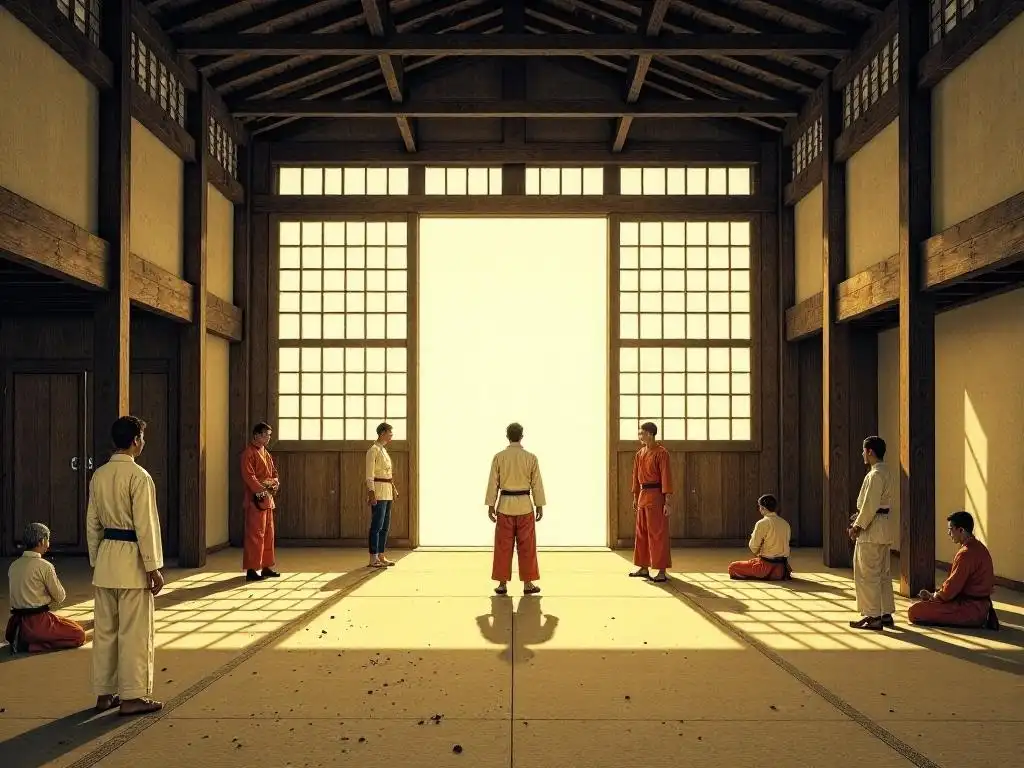
Welcome to Feudal Japan History, where we delve deep into the captivating world of Japan’s feudal era. Join us on a journey through time as we explore the intricate tapestry of historical, cultural, and societal aspects that defined this fascinating period. In our featured article, “Choosing the Right Weight for Your Training: A Guide to Martial Arts Equipment,” we unveil essential insights into the martial arts training equipment that shaped the warriors of the past.
What secrets lie within the right weight of your gear? Discover how these choices can impact your training and mastery of martial arts as you continue your exploration with us!
Introduction to Martial Arts Training Equipment Guide
In the realm of martial arts, selecting the appropriate training equipment is crucial for honing skills and enhancing performance. Whether you are a novice practitioner or a seasoned martial artist, understanding the various types of equipment available can significantly influence your training outcomes. This comprehensive guide aims to navigate you through the essential aspects of martial arts training equipment, providing insights into how different tools can support your journey. By focusing on factors such as weight selection and the use of protective gear, you will be empowered to make informed decisions that align with your training goals. 🥋
Understanding the Different Types of Martial Arts Training Equipment
To effectively engage in martial arts training, it's important to familiarize yourself with the various equipment options available. Each type serves a unique purpose, and understanding these can enhance your practice. Below are two primary categories of martial arts training equipment that are essential for any practitioner.
1. Weights and Resistance Gear
Weights and resistance gear are fundamental for building strength, improving endurance, and developing power in martial arts. Here are some common types:
- Dumbbells: Versatile for various exercises, they can be used to target specific muscle groups.
- Kettlebells: Excellent for dynamic movements and improving grip strength, they are often used in explosive training routines.
- Resistance Bands: These provide varying levels of resistance and are great for flexibility, strength training, and rehabilitation.
- Weighted Vests: Wearing a weighted vest during training can increase the intensity of workouts, enhancing overall strength and endurance.
Selecting the right weight in these categories is vital. Consider factors such as your current fitness level, specific martial arts discipline, and training objectives to determine the appropriate weight for your needs.
2. Protective Gear
Safety is paramount in martial arts training, making protective gear an essential component. Common types of protective gear include:
- Mouthguards: These protect your teeth and jaw during sparring sessions.
- Headgear: Used to shield the head from impacts, headgear is crucial in contact sports.
- Shin Guards: Protect the shins during kicks and blocks, reducing the risk of injury.
- Chest Protectors: Often used in sparring to shield the torso from strikes.
When selecting protective gear, ensure that it fits properly and meets the standards required for your specific martial arts discipline. High-quality protective gear can significantly reduce the risk of injury while allowing you to focus on your training.
Understanding the different types of martial arts training equipment and making informed choices can enhance your training experience, promote safety, and support your overall development as a martial artist.
Factors to Consider When Choosing Weight for Martial Arts Training
Choosing the right weight for your martial arts training is crucial for maximizing performance while minimizing the risk of injury. Several factors come into play when selecting the appropriate weights, including your skill level, the type of martial arts you practice, and your specific training goals. Understanding these elements can guide you in making informed decisions about your training equipment.
1. Skill Level: Beginner, Intermediate, or Advanced
Your skill level significantly influences the weight you should use during training.
- Beginners: If you are new to martial arts, it's essential to start with lighter weights. This allows your body to adapt to the movements and ensures you learn proper techniques without risking injury. Focus on developing your foundational skills before gradually increasing the weight.
- Intermediate: As you progress and gain more experience, you can start to incorporate heavier weights. At this stage, you should have a better understanding of your body's mechanics and capabilities, allowing you to challenge yourself while still maintaining proper form.
- Advanced: For advanced practitioners, selecting the right weight becomes more nuanced. You may need to experiment with different weights to target specific muscle groups or enhance your performance in particular techniques. Advanced training often includes periodization, where weights are adjusted based on training cycles to optimize strength and endurance.
2. Type of Martial Arts Practiced
The type of martial arts you practice also plays a critical role in determining the appropriate weight for your training regimen.
- Striking Arts (e.g., Karate, Muay Thai): Practitioners in striking arts might benefit from weights that enhance explosive power and speed. Focus on lighter weights that allow for quick movements, as too much weight can hinder agility.
- Grappling Arts (e.g., Judo, Brazilian Jiu-Jitsu): In grappling sports, the emphasis is often on strength and control. Here, you may opt for heavier weights to build the necessary strength for holds and throws, but ensure that this does not compromise your technique and flexibility.
- Mixed Martial Arts (MMA): Those training in MMA should balance their weight training to accommodate both striking and grappling aspects. A varied approach incorporating both lighter and heavier weights is ideal to develop a well-rounded skill set.
3. Training Goals: Strength, Endurance, or Technique
Your training goals significantly shape your choice of weights.
- Strength: If your objective is to build strength, you should focus on heavier weights with lower repetitions. This approach targets muscle growth and enhances your overall power, which is beneficial for striking and grappling.
- Endurance: For endurance, lighter weights with higher repetitions are recommended. This method helps improve your stamina, which is vital for prolonged bouts of training or competition.
- Technique: When the goal is to refine your technique, consider using very light weights or no weights at all. This allows you to concentrate on form and precision, ensuring that your movements are sharp and effective without the distraction of heavy equipment.
Best Practices for Weight Training in Martial Arts
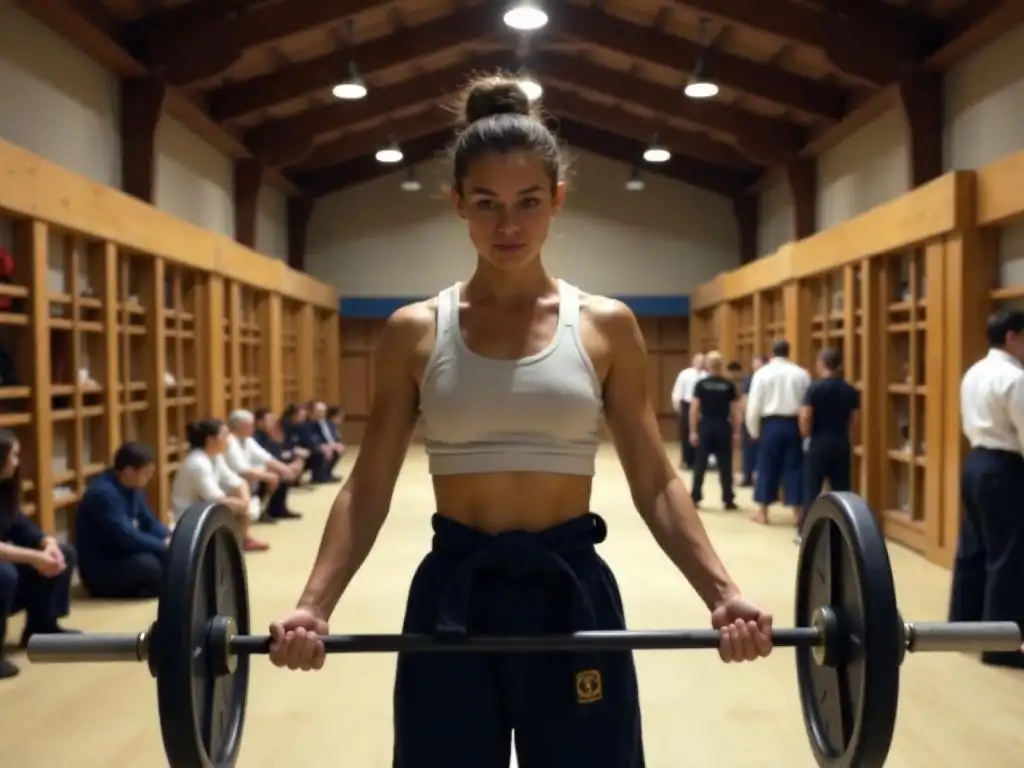
To optimize your martial arts training with weights, adhering to best practices is essential. These guidelines can help you train effectively while reducing the risk of injury.
1. Proper Form and Technique
Maintaining proper form and technique is paramount in weight training for martial arts.
- Ensure that you understand the correct movements associated with each exercise. Poor form can lead to injuries, particularly in martial arts where precision is critical.
- Consider working with a coach or experienced practitioner who can provide feedback on your technique. Utilizing mirrors or recording your sessions can also help you identify areas for improvement.
- Always warm up before training and cool down afterward to prepare your muscles and reduce soreness.
2. Incorporating Weights into Your Training Routine
Integrating weights into your martial arts training routine should be done thoughtfully.
- Start Slow: Gradually introduce weights into your training. Begin with basic exercises that complement your martial arts movements.
- Mix It Up: Use a variety of weight training exercises to engage different muscle groups and keep your workouts balanced. Include exercises that simulate martial arts movements to enhance your skills.
- Listen to Your Body: Pay attention to how your body responds to weight training. Adjust the weights and repetitions as needed to ensure you are challenging yourself without overexerting.
By considering these factors and following best practices, you can effectively enhance your martial arts training and achieve your fitness goals.
Recommended Martial Arts Training Equipment
When it comes to martial arts training, having the right equipment can make a significant difference in your performance and overall strength development. Whether you’re a beginner or an experienced practitioner, understanding which tools to incorporate into your training regimen can lead to more effective workouts and better results. Below, we explore some of the best options available for martial artists looking to enhance their training.
1. Best Dumbbells for Martial Arts Training
Dumbbells are versatile and essential for building strength and endurance in martial arts. When selecting dumbbells, consider the following options:
- Bowflex SelectTech 552 Adjustable Dumbbells: These compact adjustable dumbbells allow you to switch weights easily, ranging from 5 to 52.5 pounds. They are perfect for both strength training and endurance exercises, enabling you to perform various martial arts drills effectively.
- PowerBlock Elite Dumbbells: Known for their unique design, these adjustable dumbbells can be configured to weight increments of 2.5 to 50 pounds. Their compact size is beneficial for training spaces with limited room.
- CAP Barbell Rubber Hex Dumbbells: Ideal for traditional strength training, these dumbbells are durable and have a rubber coating to prevent floor damage. They come in various weights, accommodating different strength levels.
2. Top Kettlebells for Strength Training in Martial Arts
Kettlebells are excellent for developing functional strength, endurance, and explosive power, all of which are crucial in martial arts. Here are some top kettlebell options:
- Rogue Kettlebells: Renowned for their high quality, Rogue kettlebells come in various weights and are made from solid cast iron. Their smooth handle allows for comfortable gripping during dynamic movements.
- Titan Fitness Kettlebells: These kettlebells are designed with an ergonomic handle and a durable finish. They provide a great value for those looking to incorporate kettlebell training into their martial arts routine.
- Onnit Kettlebells: Featuring a unique design, Onnit kettlebells come in various shapes and sizes, allowing for diverse training styles. Their powder-coated finish ensures a solid grip during intense workouts.
3. Best Resistance Bands for Martial Arts Conditioning
Resistance bands are a fantastic tool for conditioning and improving flexibility. They can be used for a variety of exercises, particularly for enhancing mobility and strength in martial arts. Here are some top picks:
- TheraBand Resistance Bands: These bands are color-coded by resistance level and are suitable for different strength training and rehabilitation exercises. They are ideal for martial artists looking to enhance their flexibility and core strength.
- Fit Simplify Resistance Loop Bands: Perfect for mobility drills, these loop bands are durable and come in a variety of resistance levels. They are great for warming up and improving muscle activation before training.
- WOD Nation Resistance Bands: These bands are ideal for both strength training and mobility work. They are designed for heavy-duty use and can support a wide range of exercises, making them an excellent addition to any martial artist's gear.
Common Mistakes to Avoid When Choosing Weights
Selecting the appropriate weights for your martial arts training can be challenging. Many practitioners fall into common traps that hinder their progress. Here are two critical mistakes to avoid:
1. Overestimating Your Strength Level
One significant error is selecting weights that are too heavy for your current strength level. It's essential to start with manageable weights and gradually increase the resistance as your strength improves. Overestimating can lead to incorrect form, increased risk of injury, and suboptimal performance. Instead, focus on mastering your techniques with lighter weights before progressing to heavier loads.
2. Ignoring the Importance of Flexibility and Mobility
Another common mistake is neglecting to incorporate flexibility and mobility exercises into your strength training routine. Many martial artists focus solely on building strength, often overlooking the importance of maintaining flexibility. A well-rounded training program should include stretching and mobility work to enhance range of motion and prevent injuries. Remember, strength without flexibility can lead to stiffness and decreased performance in martial arts.
Conclusion: Making Informed Decisions for Your Martial Arts Training
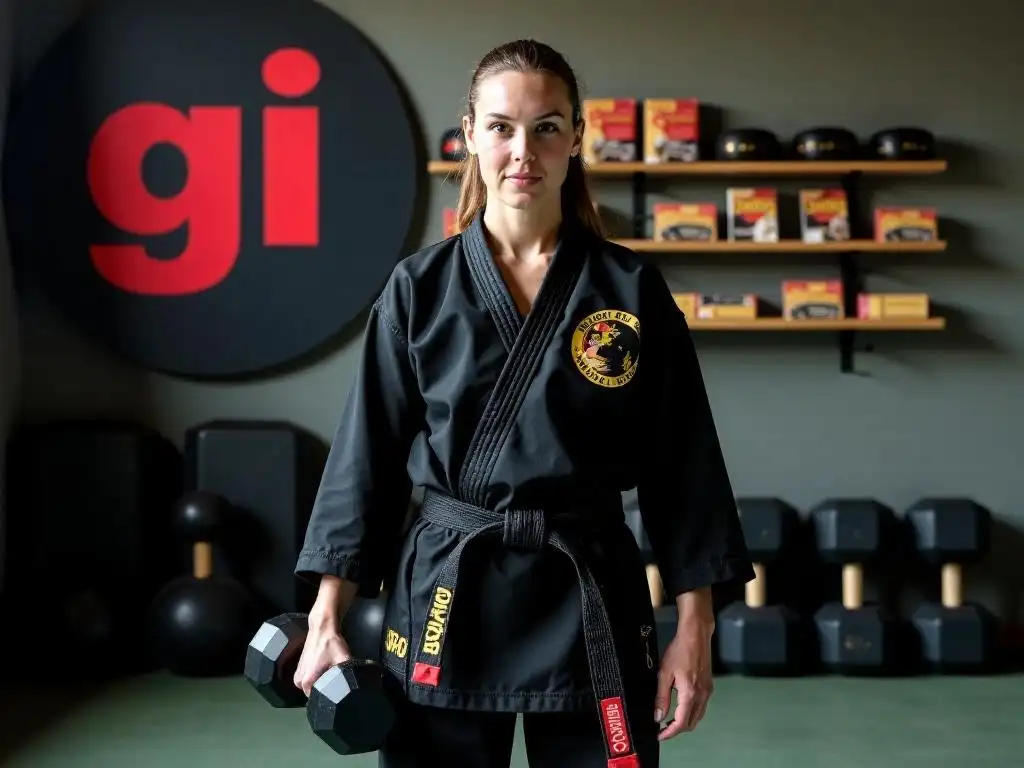
Choosing the right weight for your martial arts training is not merely a matter of picking up the heaviest equipment available. It requires thoughtful consideration of your skill level, training goals, and physical condition. Understanding the nuances of different weights and their impact on your performance can significantly enhance your training regimen.
When selecting martial arts training equipment, prioritize quality over quantity. Invest in gear that is durable, comfortable, and specifically designed for the type of martial arts you practice. Remember, the goal is to improve your skills while minimizing the risk of injury. Whether you are honing your techniques, building strength, or increasing endurance, the right equipment is essential for achieving optimal results.
By taking the time to evaluate your options and making informed choices, you will not only enhance your training experience but also foster a deeper understanding of your body’s capabilities and limitations. This approach will ultimately lead to more effective training sessions and greater overall satisfaction in your martial arts journey.
Additional Resources for Martial Arts Training
1. Online Courses and Tutorials on Weight Training
Online platforms offer a wealth of resources for martial artists seeking to improve their training through proper weight management. Many websites and YouTube channels provide comprehensive tutorials that cover a range of topics, including:
- Weight Selection: Understanding how to choose the right weights for different exercises and techniques.
- Training Regimens: Structured programs that integrate weight training with martial arts practice.
- Technique Demonstrations: Visual guides on how to perform exercises safely and effectively, emphasizing proper form to prevent injuries.
Popular platforms such as Udemy, Coursera, and even specialized martial arts sites often feature courses taught by experienced instructors. These resources can be invaluable for practitioners of all levels, from beginners looking to build a solid foundation to advanced martial artists aiming to fine-tune their skills.
2. Community and Forums for Martial Arts Practitioners
Engaging with fellow martial artists through online communities and forums can greatly enhance your training experience. These platforms provide opportunities to share insights, ask questions, and receive feedback from others who are on similar journeys. Some benefits of participating in these communities include:
- Knowledge Sharing: Members often discuss their experiences with different training equipment, making it easier to find recommendations based on real-life use.
- Support Networks: Connecting with others can provide motivation and encouragement, especially when facing challenges in training.
- Event Notifications: Many forums provide updates on local competitions, seminars, or training camps, offering additional opportunities for growth.
Popular forums and community websites, such as Reddit’s martial arts subreddit, offer a vast array of discussions and resources. Joining these platforms can help you stay informed and inspired as you navigate your martial arts training journey.
Final Thoughts on Choosing the Right Weight for Your Training
Choosing the right weight for your martial arts training is a crucial aspect that can significantly influence your performance and overall progression. It's essential to understand that the weight you select should align with your personal goals, physical capabilities, and the specific discipline you are practicing. Here are a few key points to consider:
- Assess Your Current Fitness Level: Before committing to a weight, it's vital to evaluate your current strength and conditioning. If you're new to martial arts or returning after a break, start with lighter weights to avoid injury and build a solid foundation. Gradually increase the weight as your strength improves.
- Focus on Technique Over Heaviness: In martial arts, technique is paramount. Using weights that are too heavy can compromise your form, leading to bad habits and potential injuries. Prioritize mastering techniques with appropriate weights, and only increase the load when you're confident in your execution.
- Experiment to Find Your Optimal Weight: Every practitioner is unique, and what works for one individual may not suit another. Don’t hesitate to experiment with different weights to find what feels best for your body. Pay attention to how your body responds during and after training sessions.
- Consider Your Training Goals: Are you looking to build strength, increase endurance, or enhance flexibility? Your training goals should dictate your weight choice. For strength building, heavier weights with fewer repetitions are ideal, while lighter weights with more repetitions can enhance endurance.
- Incorporate Variety: Using a variety of weights in your training can prevent plateaus and keep your workouts engaging. Consider incorporating resistance bands, dumbbells, or weighted vests to diversify your training regimen.
- Listen to Your Body: Finally, always listen to your body. If you experience pain or discomfort beyond normal muscle fatigue, reassess your weight choice. It's crucial to prioritize your health and well-being throughout your training journey.
Selecting the right weight for your martial arts training is not a one-size-fits-all approach. Take the time to assess your needs, prioritize technique, and adapt your training as you progress. By being thoughtful about your weight choices, you can enhance your skills and enjoy a more fulfilling martial arts experience.
- Introduction to Martial Arts Training Equipment Guide
- Understanding the Different Types of Martial Arts Training Equipment
- Factors to Consider When Choosing Weight for Martial Arts Training
- Best Practices for Weight Training in Martial Arts
- Recommended Martial Arts Training Equipment
- Common Mistakes to Avoid When Choosing Weights
- Conclusion: Making Informed Decisions for Your Martial Arts Training
- Additional Resources for Martial Arts Training
- Final Thoughts on Choosing the Right Weight for Your Training
- What types of weight training equipment are essential for martial arts?
- How do I determine the right weight for my training?
- Can I use home equipment for martial arts training?
- What is the importance of proper form when using training equipment?
- How often should I incorporate weight training into my martial arts routine?
Frequently Asked Questions
What types of weight training equipment are essential for martial arts?
Essential weight training equipment includes dumbbells, kettlebells, and barbells. These tools help improve strength and conditioning, which are crucial for martial arts performance.
How do I determine the right weight for my training?
To find the right weight, consider your current fitness level and experience. Start with lighter weights to master form before gradually increasing the weight as your strength improves.
Can I use home equipment for martial arts training?
Yes, you can use home equipment like resistance bands and bodyweight exercises. They provide an effective way to enhance strength and flexibility without needing a gym.
What is the importance of proper form when using training equipment?
Proper form is essential to prevent injuries and ensure effective workouts. It maximizes the benefits of your training and promotes safe practice while enhancing your martial arts skills.
How often should I incorporate weight training into my martial arts routine?
Incorporate weight training into your routine 2-3 times per week. It complements your martial arts practice by building strength, improving endurance, and enhancing overall performance.
Final Reflection: The Weight of Choice in Martial Arts Training
Choosing the right weight for your martial arts training equipment is not just a matter of physical capability; it is a crucial decision that can significantly impact your performance and growth. In today's fast-paced world, where martial arts enthusiasts are constantly seeking ways to optimize their training, understanding the nuances of equipment selection has never been more relevant. The right weight can enhance your technique, boost your confidence, and ultimately lead to greater mastery of your craft.
Cultural and social landscapes are shaped by the tools we choose to wield, and martial arts is no exception. The evolution of training equipment reflects our understanding of physicality and discipline, influencing how practitioners approach their training. As we navigate this journey, we must remember the words of Bruce Lee: The successful warrior is the average man, with laser-like focus.
This quote encapsulates the essence of our choices; it is not merely about the equipment we use, but how we use it to sharpen our focus and elevate our skills.
As you reflect on your own martial arts journey, consider how the decisions you make regarding your training equipment can transform your practice. Are you choosing weights that challenge you while allowing for proper technique? I invite you to take a moment to assess your current training setup and envision how the right choices can propel you toward your goals. Embrace the power of informed decision-making, and let it guide you on the path to becoming the martial artist you aspire to be.
Elevate Your Training Today!
Thank you for exploring our guide on selecting the right weight for your martial arts training. We hope you found valuable insights to enhance your practice and maximize your performance. Now, let’s put that knowledge into action!
Here are some steps to take next:
- Assess Your Current Equipment: Take a moment to evaluate your existing gear and consider if it aligns with your training goals. Are you ready to take your skills to the next level?
- Join a Local Training Group: Connect with fellow martial arts enthusiasts in your community. Exchanging experiences and tips can enrich your journey and inspire you to push your limits.
- Create a Training Schedule: Establish a consistent training routine that incorporates your newly selected weights. Challenge yourself to adhere to this schedule for at least one month to see noticeable improvements!
What new techniques are you excited to explore with your updated training weight? We’d love to hear your thoughts in the comments below!