
Rice Cultivation in Feudal Japan: The Heart of the Economy


Welcome to Feudal Japan History, where we embark on an intriguing journey through the captivating tapestry of Japan’s feudal era. Here, we delve deep into the historical, cultural, and societal aspects that shaped this remarkable period. In our featured article, "Rice Cultivation in Feudal Japan: The Heart of the Economy," we uncover the vital role that rice farming played in sustaining and driving the economy of feudal Japan.
What secrets lie beneath the surface of this essential crop? Join us as we explore the intricate connections between agriculture, society, and power, and discover how rice cultivation was more than just farming—it was the lifeblood of a nation. Dive in to satisfy your curiosity and broaden your understanding of this pivotal era!
- Introduction to Rice Farming in Feudal Japan
- Historical Context of Rice Cultivation in Japan
- The Techniques of Rice Farming in Feudal Japan
- The Societal Impact of Rice Farming
- Economic Aspects of Rice Farming
- Challenges Faced by Rice Farmers
- The Cultural Significance of Rice in Feudal Japan
- Conclusion: The Legacy of Rice Farming in Feudal Japan
-
Frequently Asked Questions
- What role did rice farming play in feudal Japan's economy?
- How did the geography of Japan influence rice cultivation?
- What were the techniques used in rice farming during this era?
- How did rice farming affect social structures in feudal Japan?
- Were there any cultural practices associated with rice farming in feudal Japan?
- Final Reflection: The Enduring Legacy of Rice Farming in Feudal Japan
- Explore the Roots of Rice Culture Today!
Introduction to Rice Farming in Feudal Japan
Rice farming in feudal Japan was not merely an agricultural practice; it was the backbone of the entire economy and a fundamental aspect of Japanese society. During the feudal era, which lasted from the 12th to the 19th century, rice cultivation shaped social hierarchies, influenced political power, and defined cultural practices.
With rice as a staple food, its cultivation and distribution were intricately linked to the wealth and stability of the samurai class and the peasantry alike. This article will explore the multifaceted role of rice farming in feudal Japan, delving into its historical significance, cultural importance, and contributions to the agrarian economy.
Overview of Agriculture's Role in Feudal Japan
Agriculture in feudal Japan was predominantly centered around rice cultivation, which served as the primary source of sustenance for the population. The agricultural landscape was characterized by the following key elements:
- Feudal Land Ownership: Land was controlled by the samurai class, who granted parcels to peasants in exchange for labor and a portion of the harvest.
- Technological Advancements: Innovations in irrigation and farming techniques, such as the use of paddies, greatly improved yield and efficiency.
- Rural Communities: Villages were organized around rice farming, fostering a sense of community and cooperation among farmers.
Rice farming not only sustained the population but also provided the necessary resources for trade and taxation, reinforcing the economic structure of feudal Japan.
Importance of Rice as a Staple Crop
Rice was more than just food in feudal Japan; it was a symbol of wealth and power, integral to various aspects of life, including:
- Dietary Foundation: As a staple crop, rice was a primary source of nutrition for the majority of the population, forming the basis of most meals.
- Cultural Significance: Rice held ceremonial importance, featuring prominently in Shinto rituals and festivals, symbolizing prosperity and fertility.
- Economic Indicator: The amount of rice produced influenced social status and wealth distribution, with landowners and samurai often measured by their rice holdings.
Rice farming in feudal Japan was crucial not only for survival but also for the socio-economic fabric of the era, impacting every layer of society from the peasant farmers to the ruling elite. Understanding this agricultural practice provides insight into the broader historical narrative of Japan's feudal system.
Historical Context of Rice Cultivation in Japan

Pre-Feudal Rice Farming Practices
Before the establishment of the feudal system, rice farming in Japan was already a well-developed agricultural practice, rooted in the ancient Jomon period (circa 14,000–300 BCE). Early cultivation methods primarily relied on rain-fed agriculture, with farmers using primitive tools such as wooden hoes and sticks. By the Yayoi period (300 BCE–300 CE), rice farming became more sophisticated, incorporating wet-rice cultivation techniques that greatly enhanced yield.
- Cultural Significance: Rice was not merely a staple food; it held profound cultural and religious significance. It was often viewed as a gift from the gods and featured prominently in rituals and festivals.
- Technological Advances: The introduction of iron tools and improved irrigation systems during the Yayoi period revolutionized rice farming. Farmers began to construct paddy fields, leveraging the natural landscape to maximize water retention and crop output.
- Regional Variations: Rice cultivation practices varied significantly across different regions. In areas with abundant water supply, such as the Kanto and Kansai regions, farmers excelled in rice production, while arid regions developed alternative grains like millet.
The Rise of Rice as Currency in the Feudal Economy
With the establishment of the feudal system in the late 12th century, rice transitioned from being a mere food source to a critical economic asset. This change was pivotal in shaping the feudal economy of Japan.
- Koku System: The koku was a unit of measurement that represented the amount of rice sufficient to feed one person for a year (approximately 180 liters). This system became a standard for taxation and wealth assessment among the samurai class and landowners.
- Taxation and Tribute: Feudal lords (daimyos) collected rice as a form of tribute from their vassals and serfs, reinforcing their economic power. The amount of rice collected directly correlated to the daimyo's status and influence, making rice an essential component of feudal hierarchy.
- Market Dynamics: As rice became a form of currency, markets began to develop, facilitating trade not just in rice but also in other goods and services. This economic shift encouraged the rise of a merchant class, leading to a more complex economy.
The importance of rice farming in feudal Japan cannot be overstated; it became the backbone of the economy, influencing social structures, political power, and cultural practices. Understanding these historical contexts helps elucidate the intricate relationship between agriculture and the evolution of Japanese society during the feudal era.
The Techniques of Rice Farming in Feudal Japan
Traditional Cultivation Methods
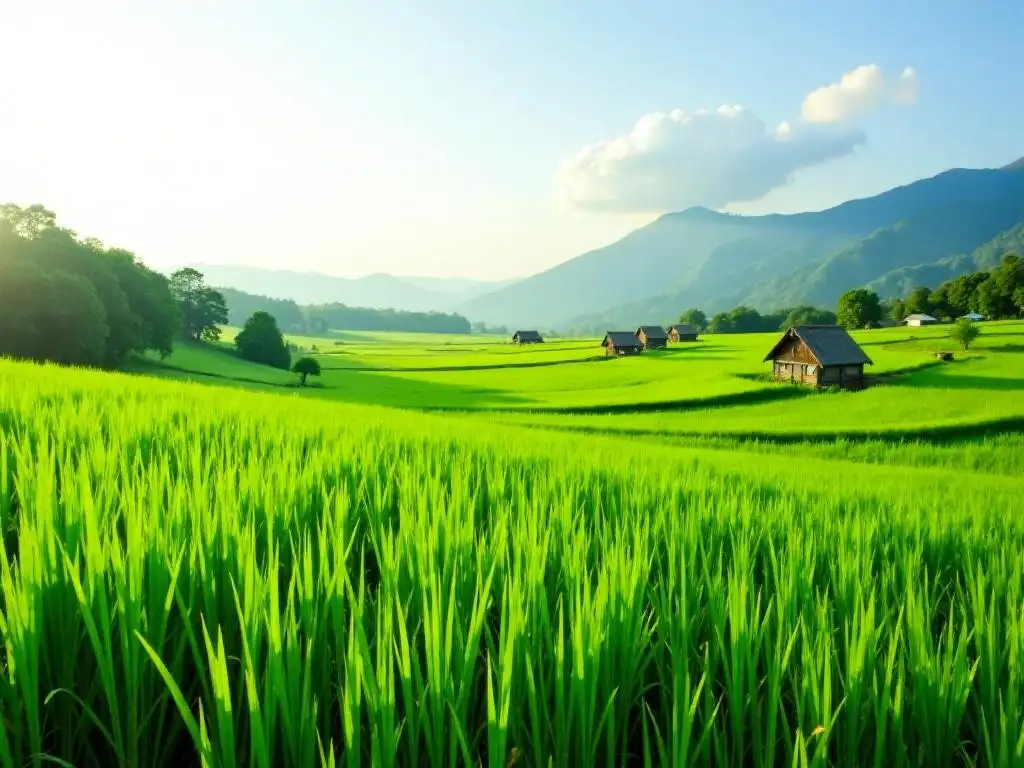
Rice farming in feudal Japan was characterized by a variety of traditional cultivation methods that were deeply rooted in the agricultural practices of the time. The primary technique employed was wet rice cultivation, which involved flooding fields with water to create ideal growing conditions for rice. This method not only enhanced rice yield but also helped control weeds and pests. Farmers would prepare their fields by tilling and leveling the soil, followed by the construction of bunds, or earthen dikes, to retain water.
To ensure optimal growth, farmers practiced crop rotation and utilized intercropping techniques. These methods enhanced soil fertility and reduced the risk of crop failure. For instance, legumes were often planted alongside rice crops to fix nitrogen in the soil, thereby enriching it for subsequent rice plantings. This sustainable approach to agriculture was critical in maintaining soil health in the long run.
Wet Rice Cultivation Techniques
Wet rice cultivation techniques were central to the agricultural landscape of feudal Japan. Farmers would typically start the cultivation process by soaking seeds in water for several days to promote germination. Once sprouted, seedlings were carefully transplanted into flooded paddies, a method known as “tanemaki.”
Farmers relied heavily on the natural water supply, utilizing rivers and rainfall to maintain the necessary water levels in the paddies. The flooding of fields not only created a conducive environment for rice but also served a dual purpose of providing habitat for aquatic life, which contributed to the ecosystem's balance.
Seasonal Planting and Harvesting Cycles
The rice farming calendar in feudal Japan was meticulously aligned with the seasons. Generally, the planting season began in late April to early May, coinciding with the start of the rainy season. Farmers would carefully monitor weather patterns to determine the best time for planting.
Harvesting typically occurred in late September to early October, when the rice grains had matured. This cyclical nature of rice farming emphasized the importance of timing and environmental awareness among farmers. A successful harvest not only ensured food security for the community but also contributed to the economic stability of the samurai class, who relied on the agricultural surplus.
Tools and Technology Used in Rice Farming
The efficiency of rice farming in feudal Japan was significantly enhanced by various tools and technologies that evolved over time. These implements were designed to improve productivity and reduce labor intensity, reflecting the ingenuity of Japanese farmers.
Farming Implements and Their Evolution
Various farming implements were utilized in rice cultivation, including the yoke, plow, and sickle. The yoke was essential for harnessing oxen to plow rice fields, which allowed for deeper soil tillage and improved aeration.
The traditional Japanese plow, known as the “kuri,” was made from wood and featured a curved blade that effectively turned the soil. Over time, advancements in metallurgy led to the development of iron tools, which increased the durability and efficiency of farming implements.
Farmers also employed sickles for harvesting rice, a tool that allowed for swift cutting of the rice stalks. The introduction of these tools revolutionized rice farming practices and contributed to higher yields.
Water Management Systems
Effective water management was crucial in the practice of rice farming. Farmers developed intricate irrigation systems to control the water levels in their fields. This included the use of canals, ditches, and embankments to channel water from nearby rivers or streams.
The construction of reservoirs allowed for the storage of excess water, which could be utilized during drier periods. Such systems not only ensured a consistent water supply but also mitigated the impact of droughts or floods, which were common challenges in agricultural practices.
The techniques of rice farming in feudal Japan were not merely about cultivation; they represented a sophisticated understanding of the environment and an adaptation to the challenges of agriculture during the era. The combination of traditional methods, advanced tools, and effective water management created a robust agricultural foundation that sustained the economy and culture of feudal Japan.
The Societal Impact of Rice Farming
Rice farming in feudal Japan was not only a cornerstone of the economy but also profoundly influenced the social structure and cultural practices of the time. The cultivation of rice shaped relationships between various classes, dictated land ownership, and even impacted the political landscape. Understanding these dynamics reveals the intricate ways in which rice farming was intertwined with the fabric of Japanese society during the feudal era.
Rice and the Samurai Class
The samurai class, revered as the warrior elite of feudal Japan, had a complex relationship with rice farming. While samurai were primarily known for their martial prowess, they also played a significant role in land management and agricultural oversight.
- Land Ownership: Many samurai were granted land as part of their feudal obligations, which they managed to produce rice. This land was often inherited and became a source of income and sustenance for the samurai and their households.
- Taxation and Revenue: Samurai collected taxes from the peasants who worked the land, typically in the form of rice. This system of taxation not only provided the samurai with a steady income but also reinforced their status as landowners. The amount of rice produced directly correlated to the wealth and power of the samurai, leading to competition among them for fertile land.
Rice was not just food; it was the lifeblood of feudal society, regulating power dynamics and class hierarchies.
The Role of Peasants in Rice Production
Peasants formed the backbone of rice farming in feudal Japan. Their labor, skills, and knowledge of agricultural practices were vital for successful rice cultivation.
- Labor Force: The majority of the population consisted of peasants who worked the fields. They were responsible for the labor-intensive processes of planting, tending, and harvesting rice, which required a deep understanding of seasonal cycles and local conditions.
- Community Structure: Peasant communities were often organized into cooperative groups known as "sō" or "dō," where families worked together to share resources, tools, and labor. This communal approach not only improved efficiency but also fostered a sense of solidarity among the peasants.
- Social Mobility and Struggles: While peasants were typically at the bottom of the social hierarchy, their role in rice production sometimes allowed for limited social mobility. Successful farmers could accumulate wealth and gain recognition, although they were often still subject to the whims of the samurai class and the burdens of taxation.
Rice as a Symbol of Wealth and Power
In feudal Japan, rice transcended its role as a staple food; it became a powerful symbol of wealth and authority.
- Economic Indicator: The amount of rice produced was used as a measure of a domain's prosperity. Regions that could boast abundant rice harvests were seen as economically stable and influential. This factor played a crucial role in political negotiations and alliances among clans.
- Cultural Significance: Rice was also embedded in the cultural practices and religious rituals of the time. It was offered to deities and used in festivals, symbolizing fertility and prosperity. The importance placed on rice in daily life reflected its status as a divine gift, reinforcing its significance in Japanese culture.
- Status Symbols: The possession of rice was often associated with social status. The wealthier classes, particularly the samurai and nobility, would showcase their rice stores as a testament to their power. In contrast, a poor harvest could lead to famine and social unrest, highlighting the precarious balance of wealth dictated by agricultural success.
Rice farming in feudal Japan shaped not only the economy but also the societal structures and cultural values of the time. The connections between the samurai, peasants, and the symbolic nature of rice underscore its central role in the historical narrative of feudal Japan.
Economic Aspects of Rice Farming
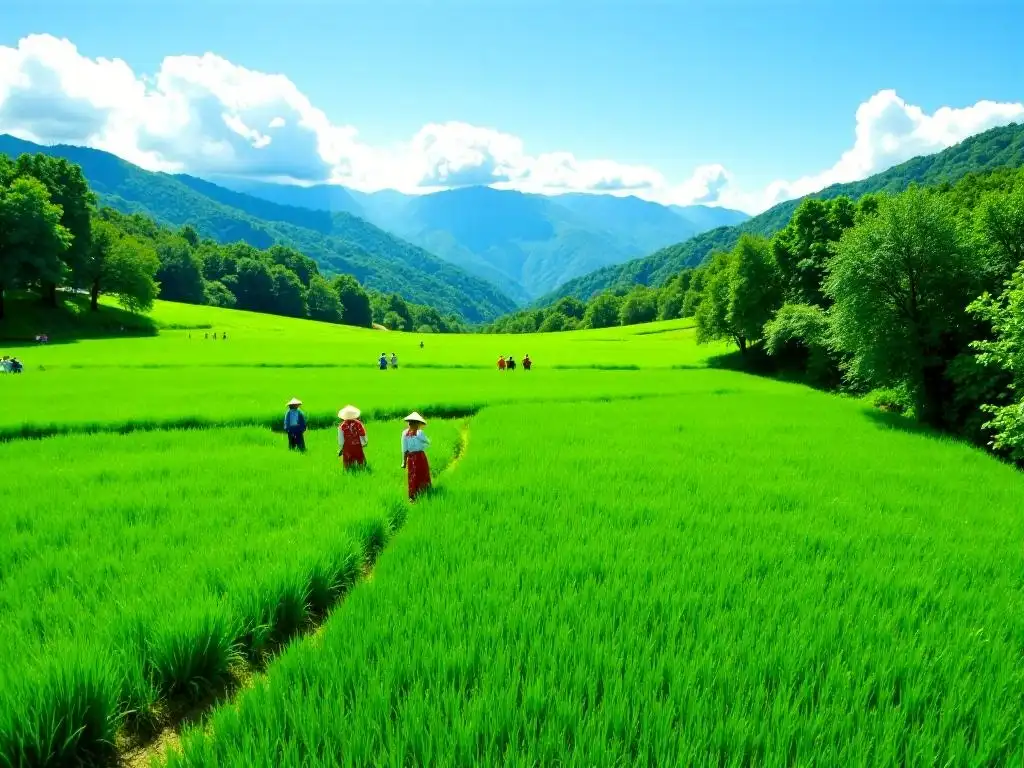
Rice farming in feudal Japan was not just a means of sustenance; it was the backbone of the economy, influencing social structures, wealth distribution, and trade practices. The cultivation of rice shaped the lives of the samurai, farmers, and merchants alike, intertwining agricultural practices with the very fabric of society.
Rice as a Measure of Wealth in Feudal Japan
In feudal Japan, rice was more than food; it was a symbol of wealth and status. The amount of rice a lord controlled directly correlated with their power and influence. Wealth in this era was often quantified in koku, a term that represented the amount of rice needed to feed one person for a year—approximately 180 liters. Landowners, particularly samurai and daimyōs, measured their prosperity by the koku of rice produced from their estates.
- Social Hierarchy: The samurai class, who managed vast tracts of land, accumulated wealth through rice cultivation. Their status was reinforced by the rice they produced, which they spent on maintaining their armies and securing their lands.
- Land Ownership: The highest-ranking feudal lords often controlled the most productive rice fields. This accumulation of land led to greater power dynamics among the ruling classes and influenced territorial disputes during this period.
The concept of rice as a measure of wealth also extended to the common people. Farmers, who dedicated their lives to rice cultivation, sought to produce surplus rice to increase their economic standing. This surplus allowed them to participate in the local economy, purchasing goods and paying taxes.
The Role of Rice in Trade and Barter Systems
Rice farming in feudal Japan significantly influenced the trade and barter systems of the time. As a staple food, rice became a crucial commodity, serving as currency in various transactions.
- Barter Economy: In many regions, rice was used directly in bartering. For instance, farmers would trade rice for tools, clothing, and other necessities, establishing a local economy centered around agricultural output.
- Long-Distance Trade: Larger quantities of rice were also shipped to urban centers, where it played a vital role in the broader economy. The demand for rice in cities stimulated trade routes, contributing to the prosperity of merchant classes.
- Rice Markets: The establishment of rice markets became common as surplus rice from rural areas was exchanged for goods and services. Notably, cities like Edo (modern-day Tokyo) became bustling trade hubs, with rice being a primary commodity driving economic activity.
The integration of rice into the trade system also encouraged the development of transportation networks, including roads and river routes, further linking rural producers with urban consumers.
Taxation and Rice: The Kokudaka System
The kokudaka system was a pivotal aspect of rice farming in feudal Japan, directly linking agricultural output to taxation and governance. Under this system, the amount of rice produced on a given piece of land determined the tax obligations of the landowner.
- Assessment of Land: Land was assessed based on its productivity, and the kokudaka indicated how much rice could be expected from that land. This assessment established the basis for taxation, with more fertile lands incurring higher taxes.
- Feudal Obligations: The samurai were often paid in rice, which was used to support their households and military endeavors. The kokudaka system ensured that the ruling class received their dues in the form of rice from the farmers, reinforcing the hierarchical structure of feudal society.
- Impact on Farmers: Farmers were expected to produce a certain amount of rice to meet their tax obligations. Failure to do so could lead to severe penalties, including loss of land or forced labor. This pressure shaped the agricultural practices of the time, pushing farmers to maximize yields.
Rice farming in feudal Japan was a multifaceted economic engine that influenced various aspects of society. From serving as a measure of wealth to playing a critical role in trade and taxation, rice cultivation was indeed the heart of the feudal economy, shaping the lives of many across the archipelago.
Challenges Faced by Rice Farmers
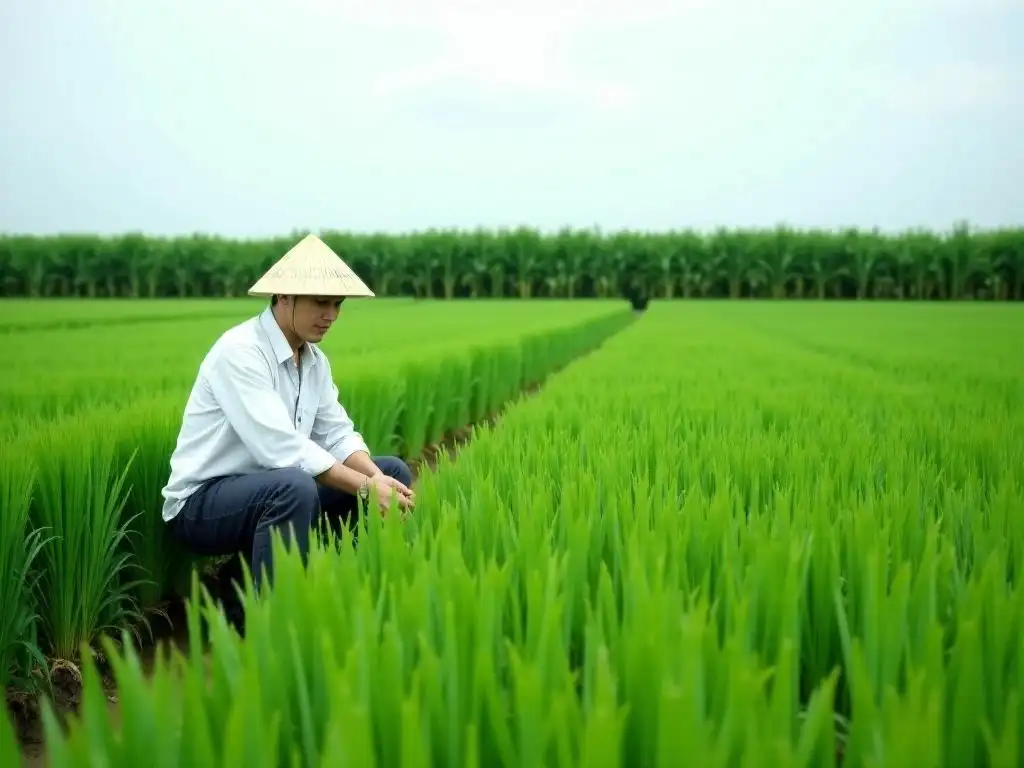
Rice farming in feudal Japan was not only a crucial component of the economy but also an endeavor fraught with various challenges. Farmers had to navigate a complex landscape of natural disasters, pest infestations, and societal pressures that could significantly impact their yields. Understanding these challenges provides insight into the resilience and adaptability of rice farmers during this pivotal era.
Natural Disasters and Their Impact on Rice Cultivation
Natural disasters were among the most formidable challenges faced by rice farmers in feudal Japan. The region's diverse climate and geography made it susceptible to a range of calamities, including:
- Typhoons: These destructive storms could cause severe flooding, washing away young rice plants and inundating fields. The impact was often devastating, leading to crop failures and food shortages.
- Drought: Conversely, prolonged periods of drought could dry out rice paddies, crippling the growth cycle of the staple crop. Farmers relied heavily on seasonal rains, and a lack of water could result in significantly reduced yields.
- Earthquakes: Japan's geological instability meant that earthquakes could disrupt irrigation systems and damage infrastructure necessary for rice cultivation, such as storage facilities.
- Flooding: While rice plants thrive in wet conditions, excessive flooding from heavy rains could drown plants or lead to soil erosion, further complicating farming efforts.
The consequences of these natural disasters were not just immediate but also long-lasting. For instance, a single typhoon could lead to a famine that would affect entire communities for years. Rice farming was intrinsically linked to local economies, and when disaster struck, it often resulted in increased taxation and debt for farmers who struggled to meet the demands of their lords.
Pest Control and Agricultural Challenges
In addition to natural disasters, rice farmers in feudal Japan faced ongoing agricultural challenges, particularly concerning pest control. The following factors played a crucial role in determining the success of rice farming:
- Insect Infestations: Pests such as locusts and rice weevils could devastate crops. Farmers employed various traditional methods to combat these infestations, including introducing natural predators and using handmade barriers.
- Weed Management: Weeds competed with rice for nutrients and water. Farmers had to regularly tend to their fields to remove these invasive plants, often employing labor-intensive methods.
- Soil Fertility: Maintaining soil fertility was vital for successful rice cultivation. Farmers practiced crop rotation and the use of organic fertilizers, such as compost and fishmeal, to keep the soil rich in nutrients.
- Labor Shortages: The feudal system often resulted in a shortage of labor due to the rigid social hierarchy and obligations to landowners. This made it difficult for farmers to manage their fields effectively, especially during peak cultivation seasons.
To mitigate these challenges, farmers often formed cooperative groups, sharing labor and resources to enhance productivity. This collectivist approach not only improved crop yields but also fostered a sense of community among farmers, which was essential for their survival in an unpredictable environment.
Rice farming in feudal Japan was characterized by a multitude of challenges, from natural disasters to pest control issues. Understanding these hurdles sheds light on the resilience of farmers and the innovative strategies they employed to ensure the survival of their crops and communities.
The Cultural Significance of Rice in Feudal Japan
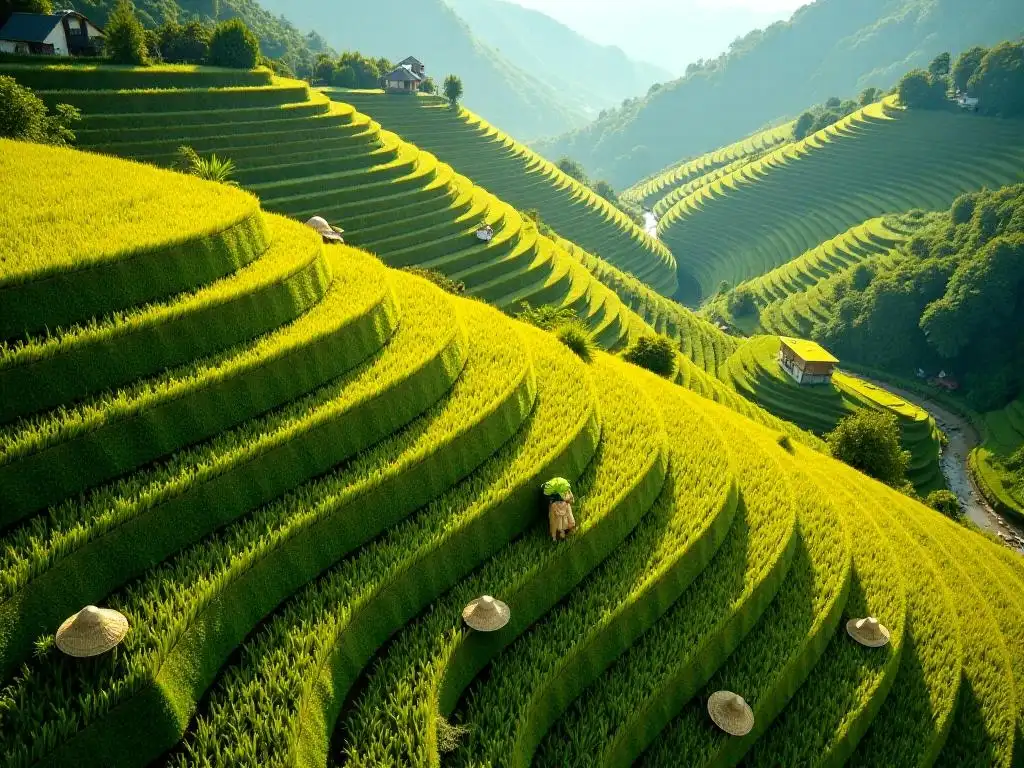
Rice farming in feudal Japan transcended mere agricultural practice; it became a linchpin of cultural identity and social structure. The significance of rice in Japan’s feudal society is manifold, rooted deeply in religious customs, culinary traditions, and the very fabric of daily life.
Rice in Religion and Rituals
Rice held a sacred status in the spiritual landscape of feudal Japan. From the earliest times, it was not just a staple food but also a symbol of prosperity and fertility. This reverence is evident in several religious practices and rituals:
- Shinto Beliefs: In Shinto, the indigenous spirituality of Japan, rice is considered a gift from the gods. The Kami, or spirits, are believed to inhabit rice fields, and offerings of rice are made to appease them. Festivals such as Inaho Matsuri celebrate the rice harvest with rituals that express gratitude to these deities.
- Agricultural Festivals: The Niiname-sai is a significant annual ceremony where the emperor presents the first rice harvest to the gods, highlighting the rice's role in maintaining the divine connection between the earth and the heavens. This festival illustrates the agricultural cycle's importance in Japanese spirituality.
- Ceremonial Uses: Rice is also integral to various rites of passage, such as weddings and funerals. For instance, shirogome (white rice) is often served at weddings, symbolizing purity and prosperity.
- Symbolism in Art and Literature: Throughout Japan's feudal history, rice has been depicted in poetry and visual arts, often as a metaphor for life, abundance, and the cycles of nature. The famous haiku poet Matsuo Bashō frequently incorporated rice imagery in his works, reflecting its importance in the cultural zeitgeist.
The Influence of Rice on Japanese Cuisine
Rice farming in feudal Japan not only shaped agricultural practices but also laid the foundation for the nation’s unique culinary identity. The centrality of rice in Japanese cuisine can be observed through various aspects:
- Staple Food: Rice, particularly kome (polished rice), became the cornerstone of the Japanese diet. It was often served at every meal, complemented by various side dishes such as tsukemono (pickled vegetables) and nitsuke (simmered dishes). The phrase "go han" (meal) literally means "cooked rice," demonstrating rice's paramount status in daily sustenance.
- Regional Varieties: Different regions in Japan cultivated distinct varieties of rice, adapting to local climates and cultures. For instance, Koshihikari from Niigata is renowned for its taste and texture, while Hinohikari is celebrated in the Kansai region. This diversity contributed to a rich culinary landscape that reflects regional identities.
- Seasonal Dishes: Rice’s versatility allowed for the creation of seasonal dishes that celebrated the bounty of nature, such as sakura mochi in spring, which incorporates rice flour and cherry blossoms, and kakigori (shaved ice) topped with sweet rice syrup during the summer.
- Culinary Techniques: The methods of cooking rice, such as steaming and using earthenware pots called donabe, became integral to Japanese culinary practices. Over time, the art of preparing rice evolved, leading to innovations such as sushi and onigiri (rice balls), which highlight rice's adaptability and importance in Japanese cuisine.
Rice farming in feudal Japan was not just about cultivation; it was deeply intertwined with the nation’s spirituality, cultural practices, and culinary traditions. This multifaceted role of rice underscores its significance as the heart of the economy and society in feudal Japan.
Conclusion: The Legacy of Rice Farming in Feudal Japan
Rice farming in feudal Japan was not just an agricultural practice; it was the backbone of the economy and a significant cultural symbol. The meticulous methods developed over centuries laid the groundwork for what would become an intricate agricultural system. The legacy of rice cultivation is palpable even today, influencing modern agricultural practices, economic structures, and cultural identities.
Lasting Effects on Modern Japanese Agriculture
The historical significance of rice farming has left a lasting impact on contemporary agricultural practices in Japan. Modern rice cultivation still utilizes traditional techniques, albeit with advancements in technology. For instance, the use of:
- Hybrid rice varieties: These are cultivated to increase yield while maintaining the quality that Japanese rice is known for.
- Sustainable practices: Many farmers today engage in eco-friendly farming methods that echo the natural cycles respected by feudal farmers.
Furthermore, irrigation systems developed during the feudal era, such as suirin (water management systems), remain relevant in current agricultural practices. The emphasis on rice as a staple food has persisted, with Japanese cuisine still heavily reliant on rice, showcasing the enduring legacy of feudal rice farming.
| Aspect | Traditional Practices | Modern Adaptations |
|---|---|---|
| Rice Varieties | Heirloom varieties | Hybrid and high-yield varieties |
| Farming Techniques | Hand planting and harvesting | Mechanized planting and harvesting |
| Irrigation | Manual diversion of water | Advanced irrigation technology |
| Environmental Practices | Crop rotation and natural fertilizers | Eco-friendly and organic farming methods |
Reflection on Rice Farming's Role in Shaping Japan's Economic History
Rice farming was a crucial driver of Japan’s economic history, influencing social structures and political power dynamics. The following points encapsulate its significance:
- Taxation and Wealth: The wealth of feudal lords was often measured in koku, a unit representing the amount of rice needed to feed one person for a year. This metric directly linked rice production to economic status and power.
- Social Hierarchy: The cultivation of rice contributed to the establishment of a rigid social hierarchy. Peasants, who worked the fields, were essential to the economy, yet they occupied the lowest social class, reflecting a complex relationship between agriculture and social status.
- Cultural Identity: Rice is more than just a staple food; it is embedded in Japanese culture, from religious rituals to seasonal festivals. The reverence for rice farming practices highlights its role in shaping cultural identity throughout Japan's history.
Rice farming in feudal Japan was a multifaceted enterprise that influenced not only the economy but also societal structures and cultural practices. Its legacy continues to resonate in modern Japan, underscoring the importance of understanding agricultural history to appreciate contemporary practices and cultural values.
Frequently Asked Questions
What role did rice farming play in feudal Japan's economy?
Rice farming was the foundation of the economy in feudal Japan, serving as a primary food source and a measure of wealth and power among the samurai class and landowners.
How did the geography of Japan influence rice cultivation?
Japan's climate and topography were conducive to rice farming, with paddy fields strategically developed in river valleys and coastal areas, allowing for efficient irrigation and high yields.
What were the techniques used in rice farming during this era?
Farmers employed traditional techniques such as wet-field cultivation, crop rotation, and the use of fertilizers, which helped maximize their rice production and maintain soil fertility.
Rice cultivation established a hierarchical society, where landowners controlled rice production and wealth, while peasants worked the fields, leading to a system that reinforced class distinctions.
Were there any cultural practices associated with rice farming in feudal Japan?
Yes, rice farming was intertwined with cultural rituals and festivals, reflecting its significance in Shinto beliefs and agricultural practices, emphasizing the spiritual connection between the land and its people.
Final Reflection: The Enduring Legacy of Rice Farming in Feudal Japan
Rice farming in feudal Japan was not merely an agricultural practice; it was the very backbone of the economy and society. Today, as we navigate a world increasingly disconnected from traditional agricultural roots, the lessons gleaned from the intricate systems of rice cultivation remind us of the profound relationship between food production and cultural identity. The meticulous methods and communal efforts of rice farming in feudal Japan serve as a powerful reminder of how agriculture shapes not only economies but also the very fabric of society.
The impact of rice cultivation during this era resonates deeply within our contemporary cultural landscape. The communal spirit and agricultural innovations that characterized rice farming fostered a sense of unity and purpose among the people of feudal Japan. This legacy continues to inspire modern agricultural practices and community-building efforts around the world. As the renowned Japanese philosopher Masanobu Fukuoka once said, The ultimate goal of farming is not the growing of crops, but the cultivation and perfection of human beings.
This perspective underscores the idea that our relationship with food production is a reflection of our values and community.
As we reflect on the significance of rice farming in feudal Japan, I invite you to consider how the principles of sustainability, community, and respect for nature can be integrated into your own life. How can you cultivate a deeper connection with the food you consume and the environment around you? By embracing these values, we can honor the legacy of those who came before us and contribute to a future where agriculture continues to nourish not just our bodies, but our communities and spirits as well.
Explore the Roots of Rice Culture Today!
Thank you for diving into the fascinating world of rice cultivation in Feudal Japan! Your interest in this critical economic foundation not only enriches your knowledge but also helps you understand the pivotal role agriculture played in shaping society. Now, let’s put this newfound knowledge into action!
- Dive deeper into the history of agricultural practices by exploring our collection of articles—expand your understanding of related topics!
- Join the conversation by sharing your thoughts and insights on rice cultivation in the comments below. What aspect intrigued you the most?
- Surprise yourself by experimenting! Try cooking a traditional Japanese rice dish and reflect on the cultural significance it holds.
What do you believe is the most vital lesson we can learn from the agricultural practices of Feudal Japan that remains relevant in today’s world?