
The Samurai’s Role in Diplomatic Relations: Allies and Adversaries

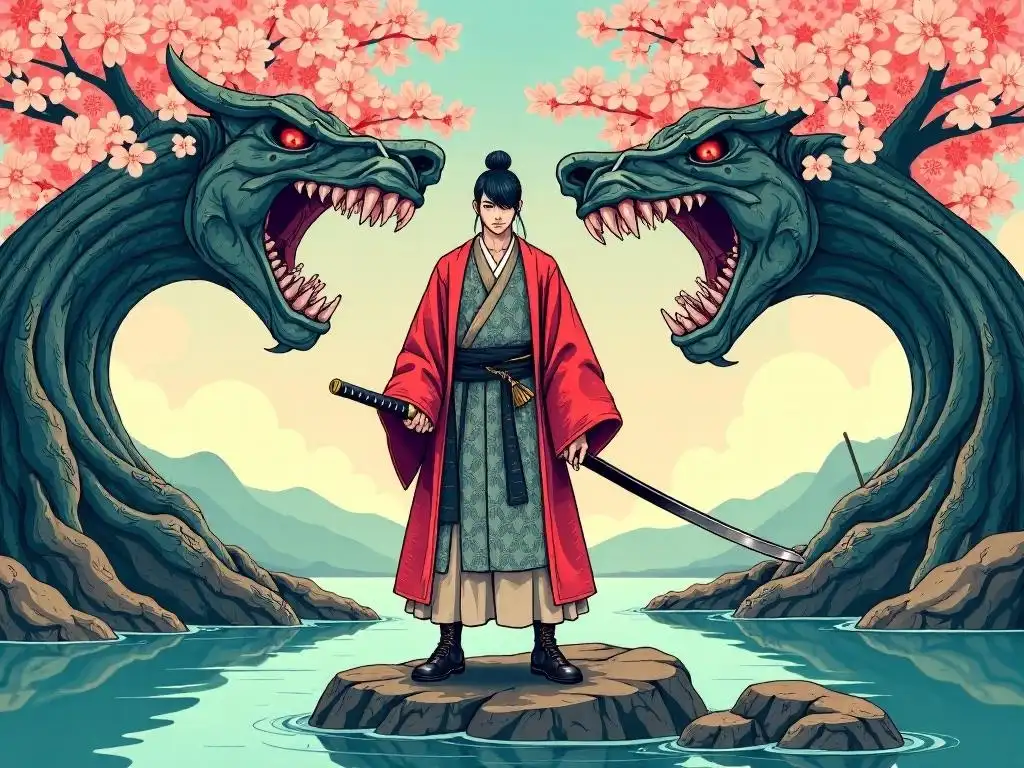
Welcome to Feudal Japan History, where we invite you to journey through the captivating world of Japan’s feudal era. Our exploration delves into the intricate tapestry of historical, cultural, and societal elements that defined this fascinating period. In our featured article, “The Samurai’s Role in Diplomatic Relations: Allies and Adversaries,” we uncover the pivotal role that samurai played not only as warriors but also as diplomats, navigating the complex web of alliances and rivalries.
What drove these noble fighters to engage in diplomacy, and how did their actions shape the course of history? Join us as we unveil the untold stories that lie within the shadows of feudal Japan.
Introduction to Samurai Diplomatic Relations History
The Samurai, an iconic symbol of Japan's feudal era, played a pivotal role not only on the battlefield but also in the realm of diplomatic relations. Their influence extended far beyond mere warfare; they were key actors in establishing alliances and navigating the complex web of political relationships that characterized feudal Japan.
Understanding the history of Samurai diplomatic relations provides insights into how these warriors contributed to the stability and governance of their time, fostering connections with both allies and adversaries. This article aims to dissect the intricate role of samurai in diplomacy, examining their strategies, motivations, and the historical context that shaped their actions.
Overview of Samurai’s Influence in Feudal Japan
The Samurai class emerged during the late Heian period (794-1185) and became the ruling elite in subsequent centuries. Their influence permeated various aspects of society, including military, political, and cultural realms. The samurai were not only warriors but also landowners and administrators, which positioned them uniquely to engage in diplomatic endeavors.
- Military Power: Samurai were esteemed for their martial skills, which allowed them to serve as protectors of their lords and territories.
- Political Maneuvering: Many samurai acted as advisors or emissaries, negotiating treaties and alliances that were crucial for maintaining peace or pursuing territorial expansion.
- Cultural Diplomacy: The samurai also facilitated cultural exchanges through their interactions with foreign envoys, contributing to a greater understanding of international relations in the region.
Importance of Diplomacy in Feudal Japan
Diplomacy during the feudal era was essential for several reasons:
- Maintaining Peace: With constant warfare among clans, diplomacy was vital for preventing conflicts and securing peace treaties.
- Strategic Alliances: Forming alliances allowed samurai to bolster their power and resources, making them formidable players in the political landscape.
- Cultural Exchange: Diplomatic interactions were also avenues for cultural exchange, enhancing Japan’s understanding of foreign customs, technology, and ideas.
The Evolution of Samurai Diplomatic Relations
The diplomatic landscape of feudal Japan evolved significantly over the centuries, shaped by various historical factors and key events.
Historical Context of Samurai Diplomacy
The samurai's role in diplomatic relations cannot be fully understood without considering the broader historical context:
- Rise of Feudalism: As feudalism took root, the decentralized power structure encouraged local lords (daimyō) to engage in diplomacy to protect their interests.
- Influence of Chinese Culture: Japan's early diplomatic relations with China and Korea influenced samurai practices, adopting Confucian principles that emphasized loyalty and hierarchy.
- Impact of European Encounters: The arrival of European traders and missionaries in the 16th century introduced new diplomatic dynamics that compelled samurai to reassess their strategies.
Key Events Shaping Samurai Diplomatic Relations History
Several key events have significantly shaped the course of samurai diplomatic relations:
- The Sengoku Period (1467-1603): A time of rampant civil war, this period saw increased diplomatic activities among warring states, with samurai leaders negotiating vital alliances to gain the upper hand.
- The Mission of the Tenshō Embassy (1582): This diplomatic mission to Europe demonstrated the samurai's role in fostering international relations, showcasing Japan's interest in global diplomacy.
- The Sakoku Policy (1635): While this policy eventually led to isolationism, it was a culmination of earlier diplomatic efforts and showcased the samurai's influence in shaping foreign policy.
Through these explorations, we will delve deeper into the multifaceted role of the samurai in diplomatic relations, uncovering how they navigated alliances and adversities throughout Japan's feudal history.
Allies: The Samurai as Diplomatic Envoys
The samurai were not only warriors but also played a crucial role as diplomatic envoys in feudal Japan. Their unique position in society allowed them to serve as intermediaries between powerful clans and foreign entities, bridging cultural divides. With their rigorous training in both martial skills and etiquette, samurai were well-suited to represent their lords in negotiations and peace treaties. Their presence often signified the seriousness of diplomatic missions, as samurai were respected figures who embodied loyalty and honor.
In many cases, samurai acted as emissaries to forge alliances, negotiate terms of peace, or secure trade agreements. They were adept at navigating the complexities of political landscapes, utilizing their skills in strategy and negotiation to achieve favorable outcomes. As Japan began to open up to foreign influences, particularly during the late Sengoku period and the Edo period, samurai increased their participation in diplomatic activities, facilitating cultural exchanges that would shape Japan's development.
Prominent Samurai Diplomats in History
Several samurai have left their mark as notable diplomats throughout Japanese history. One of the most recognized figures is Miyamoto Musashi, not only revered as a legendary swordsman but also known for his philosophical perspectives on strategy and conflict resolution. His insights influenced diplomatic approaches, emphasizing the need for adaptability and understanding in negotiations.
Another prominent figure is Date Masamune, the powerful daimyo of the early Edo period. Masamune was instrumental in establishing relations with foreign powers, particularly through his efforts to send envoys to Spain and the Vatican. His diplomatic missions aimed to secure trade routes and foster alliances, showcasing the samurai's role in expanding Japan's influence beyond its shores.
Successful Alliances Formed by Samurai
The samurai played pivotal roles in forming successful alliances that shaped Japan's political landscape. One significant example is the alliance between the Takeda and Uesugi clans during the late 16th century. This partnership was forged to strengthen their positions against common enemies and enabled them to share resources and military strategies.
Additionally, the alliance between Tokugawa Ieyasu and various clans during the Battle of Sekigahara in 1600 was crucial in establishing the Tokugawa shogunate. The samurai's ability to negotiate and secure the loyalty of various factions allowed Ieyasu to consolidate power, ultimately leading to over two centuries of relative peace in Japan.
Adversaries: The Samurai’s Role in Conflict and Rivalries
While the samurai were integral to forming alliances, they also played a prominent role in conflicts and rivalries that marked Japan's feudal era. Their participation in warfare was often driven by loyalty to their lords, leading to fierce battles and significant political shifts. The samurai's martial prowess and strategic acumen made them formidable adversaries, shaping the outcomes of numerous conflicts.
The rivalry between the Taira and Minamoto clans during the late Heian period exemplifies the conflict-driven nature of samurai politics. This rivalry not only resulted in the Genpei War but also set a precedent for the samurai's evolving role in Japanese society, ultimately leading to the establishment of the Kamakura shogunate.
The Samurai’s Involvement in Diplomatic Conflicts
The samurai's involvement in diplomatic conflicts often stemmed from the need to defend their interests and uphold their honor. One notable incident is the Mikado's conflict with the Hojo clan, where samurai were dispatched to negotiate peace but ultimately found themselves drawn into armed conflict when diplomatic efforts failed. This pattern of escalating tensions demonstrates how samurai were not only warriors but also key players in the diplomatic arena, often facing the challenge of balancing military action with negotiation.
Moreover, during the Nanban trade period, samurai were involved in conflicts arising from foreign interactions. The introduction of European powers led to competition over trade and influence, requiring samurai to navigate the complexities of diplomacy while defending their territories from external threats.
Notable Adversarial Relationships and Their Impacts
Several adversarial relationships in samurai history significantly impacted Japan's political landscape. The feud between the Hojo and Takeda clans illustrates how rivalries could lead to shifts in power dynamics. The downfall of the Hojo clan at the hands of the Takeda not only changed regional control but also demonstrated how military conflicts could influence diplomatic relations and alliances among other clans.
Additionally, the Sengoku period is characterized by numerous rivalries that ultimately led to the unification of Japan under the Tokugawa shogunate. The conflicts among various samurai clans, such as those involving Oda Nobunaga, Toyotomi Hideyoshi, and Tokugawa Ieyasu, underscored the samurai's dual role as both warriors and diplomats. These rivalries were not merely destructive; they also prompted negotiations and alliances that paved the way for a more cohesive political structure in Japan, marking the end of the feudal era and the beginning of a new age.
Cultural and Societal Impacts of Samurai Diplomacy

The role of samurai in diplomatic relations went far beyond mere military might; it significantly influenced the cultural and societal fabric of Japan. Samurai, as elite warriors, were often seen as embodiments of loyalty, honor, and discipline. Their involvement in diplomacy reflected these values, fostering a culture where respect and mutual understanding were paramount. This led to the establishment of formal protocols and rituals that governed interactions not only among samurai but also with foreign emissaries.
Moreover, the samurai's participation in diplomatic missions facilitated the exchange of ideas and customs between Japan and other nations. This interaction helped shape Japan's societal norms, blending foreign concepts with native traditions. The samurai’s unique status allowed them to act as cultural ambassadors, promoting Japanese arts, literature, and philosophical thought while also absorbing influences from abroad. As a result, samurai diplomacy played a crucial role in the evolution of Japanese society during the feudal era.
The Influence of Samurai on Japanese Political Structures
The samurai's role in diplomatic relations had profound implications for Japanese political structures. Their involvement in negotiations often reflected the power dynamics of the time. Samurai leaders wielded significant influence, and their decisions in diplomatic matters could alter the course of regional politics. For instance, alliances formed through marriage or treaties were often brokered by samurai, solidifying their power and ensuring stability within their domains.
As samurai became more integrated into the political landscape, they began to assume roles that extended beyond mere warriors. Many samurai became administrators, serving as advisors to daimyos (feudal lords) and even the shogun. This shift contributed to a more organized and centralized political structure, where diplomacy was not solely about warfare but also about governance. The intricate web of alliances and rivalries shaped by samurai diplomacy laid the groundwork for the political landscape that would dominate Japan for centuries.
Cultural Exchange Through Samurai Diplomacy
Samurai diplomacy served as a conduit for cultural exchange, allowing for the transmission of ideas, art, and technology between Japan and its neighbors. Notably, during the Muromachi period, the samurai facilitated trade and cultural exchanges with China and Korea. These interactions introduced new agricultural techniques, artistic styles, and philosophical ideas, enriching Japanese culture.
Additionally, samurai were instrumental in the introduction of Buddhism and Confucianism into Japan, which profoundly influenced Japanese spirituality and governance. Through diplomatic missions, samurai brought back texts and teachings that shaped the moral and ethical framework of society. This cultural exchange not only advanced Japanese civilization but also fostered a sense of identity that distinguished Japan from other nations.
The Legacy of Samurai Diplomatic Relations in Modern Japan
The legacy of samurai diplomatic relations is evident in modern Japan, where the principles of diplomacy established during the feudal era continue to resonate. The samurai's emphasis on honor, respect, and loyalty remains integral to Japan's diplomatic ethos. Contemporary diplomatic practices often reflect the values that were upheld by samurai, such as the importance of face-to-face negotiations and building long-term relationships.
Furthermore, the historical narratives surrounding samurai diplomacy have influenced Japan's national identity. The romanticized image of the samurai as honorable warriors who navigated complex political landscapes contributes to a sense of pride in Japan's rich history. This legacy shapes how modern Japan engages with the international community, providing a foundation for both cultural diplomacy and international relations.
Conclusion: The Lasting Impact of Samurai Diplomatic Relations History
The historical role of samurai in diplomatic relations has left an indelible mark on Japan’s political and cultural landscape. Their contributions were not only pivotal during the feudal era but also continue to influence contemporary diplomatic practices. The samurai's legacy is reflected in the principles of negotiation and respect that underpin Japan's interactions with other nations today.
Reflection on the Role of Samurai in Shaping Diplomatic Practices
Reflecting on the role of samurai, it becomes clear that they were not merely warriors but also skilled diplomats who navigated intricate political landscapes. Their ability to forge alliances and engage with adversaries laid the groundwork for diplomatic practices that prioritized stability and mutual respect. Understanding samurai diplomacy offers valuable insights into the evolution of Japan’s political systems and its approach to international relations.
Future Implications for Understanding Samurai History
The study of samurai diplomatic relations opens new avenues for understanding the complexities of samurai history. As scholars continue to explore this topic, it is crucial to recognize the multifaceted roles that samurai played in shaping Japan’s past. Future research can delve into the nuances of samurai diplomacy, examining how these historical precedents inform modern Japan's diplomatic identity and practices. This exploration not only enriches our understanding of the samurai era but also highlights its relevance in contemporary discourse on diplomacy and international relations.
References and Further Reading on Samurai Diplomatic Relations History
The history of samurai diplomatic relations is rich and multifaceted, encompassing a variety of alliances, conflicts, and cultural exchanges. A deeper exploration of this topic can provide valuable insights into the political landscape of feudal Japan and the samurai's crucial role within it. Below are some recommended resources that delve into these aspects.
Recommended Books and Articles
- "Samurai Diplomacy: The International Relations of the Samurai" by William Scott Wilson
- This book offers a comprehensive examination of the samurai's diplomatic endeavors, highlighting key figures and events that shaped Japan's international relations during the feudal era.
- "Warriors of Japan: The Samurai" by Michael Wert
- Wert explores the samurai's evolution as warriors and diplomats, discussing how their martial skills translated into diplomatic prowess.
- "The Samurai: A Military History" by Stephen Turnbull
- Turnbull provides an overview of the samurai class, including their roles in both warfare and diplomacy. This book is essential for understanding the contextual backdrop of samurai alliances.
- "Samurai: The Last Warrior" by John E. Allyn
- This biography of the last samurai, Saigo Takamori, sheds light on the samurai's influence in the political sphere and their interactions with foreign powers.
- "The Book of Five Rings" by Miyamoto Musashi
- While primarily a treatise on strategy and martial arts, Musashi's writings reveal insights into the mindset of samurai leaders, which influenced their diplomatic strategies.
Online Resources for Further Exploration
- The Samurai Archives
- A comprehensive online resource that provides historical documents, articles, and discussions related to samurai history, including their diplomatic actions.
- Japan Society: Samurai and Diplomacy
- This platform offers a collection of articles and educational materials focusing on the role of the samurai in diplomatic relations throughout history.
- National Diet Library of Japan
- The library's digital collections include a wealth of primary sources and historical texts about samurai diplomacy, available for public access.
- Stanford's "The Samurai and Diplomacy" Lesson Plan
- An educational resource that provides students and educators with materials to understand the complexities of samurai diplomacy in a classroom setting.
- JSTOR Articles on Samurai History
- A database of scholarly articles where researchers and history enthusiasts can find in-depth studies on various aspects of samurai diplomacy.
These resources collectively offer a solid foundation for understanding the intricate role of samurai in shaping Japan's diplomatic landscape throughout its feudal history.
- Introduction to Samurai Diplomatic Relations History
- The Evolution of Samurai Diplomatic Relations
- Allies: The Samurai as Diplomatic Envoys
- Adversaries: The Samurai’s Role in Conflict and Rivalries
- Cultural and Societal Impacts of Samurai Diplomacy
- Conclusion: The Lasting Impact of Samurai Diplomatic Relations History
- References and Further Reading on Samurai Diplomatic Relations History
- What was the role of Samurai in diplomatic relations during feudal Japan?
- How did Samurai influence foreign relations with other countries?
- What were some key alliances formed by Samurai during this period?
- Were there any notable adversaries faced by the Samurai in diplomatic contexts?
- How did the Samurai's diplomatic strategies evolve over time?
Frequently Asked Questions
What was the role of Samurai in diplomatic relations during feudal Japan?
The Samurai played a crucial role in diplomatic relations, often acting as envoys or warrior diplomats to negotiate alliances and treaties on behalf of their lords.
How did Samurai influence foreign relations with other countries?
Samurai influenced foreign relations by engaging in strategic alliances and military diplomacy, which helped to secure Japan’s interests and enhance its political power.
What were some key alliances formed by Samurai during this period?
Some key alliances included relationships with Korean and Chinese states, where Samurai facilitated trade, cultural exchange, and military partnerships, shaping the political landscape of the time.
Were there any notable adversaries faced by the Samurai in diplomatic contexts?
Yes, notable adversaries included European powers and rival Japanese clans, where Samurai diplomacy often involved both negotiation and conflict, reflecting their dual role as warriors and diplomats.
How did the Samurai's diplomatic strategies evolve over time?
The Samurai's diplomatic strategies evolved from primarily military-based interactions to more formalized diplomatic practices, influenced by changing political dynamics and the need for sustained peace and trade.
Final Reflection: The Enduring Legacy of Samurai in Diplomatic Relations
The intricate dance of diplomacy, shaped by the samurai's unique role in history, remains profoundly relevant today. As we navigate an increasingly interconnected world, understanding the past provides invaluable insights into how alliances and rivalries are forged. The samurai, with their code of honor and strategic acumen, exemplified the delicate balance of power and respect that continues to influence modern diplomatic relations.
The samurai's legacy extends beyond mere historical anecdotes; it has woven itself into the fabric of cultural and social dynamics. Their approach to diplomacy, characterized by loyalty and honor, serves as a reminder of the values that underpin successful international relations. As noted by historian John W. Hall, The samurai were not just warriors; they were diplomats who understood the importance of negotiation and respect in maintaining peace.
This perspective encourages us to reflect on how these principles can be applied in our contemporary interactions, both on a personal and global scale.
As we contemplate the lessons from the samurai's diplomatic endeavors, I invite you to consider how you can embody these values in your own life. Reflect on the importance of honor, respect, and strategic thinking in your relationships and interactions. Whether in personal connections or professional collaborations, let the samurai's legacy inspire you to approach diplomacy—both in its traditional sense and in everyday life—with a commitment to understanding and mutual respect.
Thank you for diving into the intriguing world of samurai diplomacy! Your interest in this rich history not only deepens your understanding but also brings alive the complex relationships of allies and adversaries in Feudal Japan. Now, let’s transform that knowledge into action!
Here are some steps you can take today:
- Join an online discussion group focused on Feudal Japan; share your insights and learn from others' perspectives!
- Expand your knowledge by reading about notable samurai figures and their diplomatic achievements – you might uncover surprising stories that aren't widely known.
- Share this article with friends or on social media to spark conversations about the influence of samurai in diplomatic relations!
Which samurai figure do you believe had the most remarkable impact on diplomacy in Feudal Japan, and what makes their story stand out to you?