
Shogunate Policies on Trade: The Influence of Foreign Relations on Domestic Politics

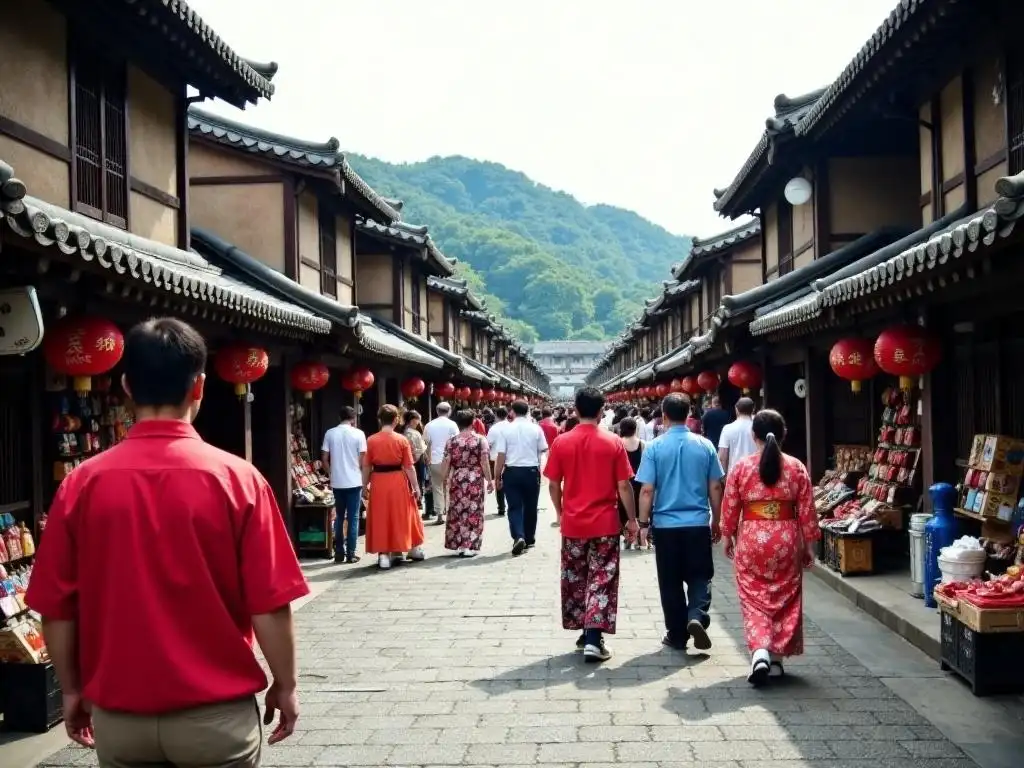
Welcome to Feudal Japan History, where we embark on a captivating journey through the intricate tapestry of Japan’s feudal era. Here, you’ll uncover the fascinating interplay of politics, culture, and society during one of the most transformative periods in Japanese history. Our featured article, “Shogunate Policies on Trade: The Influence of Foreign Relations on Domestic Politics,” delves into the shogunate trade policies that shaped not only commerce but also the very fabric of governance in Japan.
Prepare to be intrigued as we unravel the complexities of international relations and their profound impact on domestic affairs. Your exploration of this rich historical landscape begins now!
- Introduction to Shogunate Trade Policies in Japan
- Historical Context of Shogunate Trade Policies
- Major Shogunate Trade Policies
- Foreign Relations and Their Impact on Domestic Politics
- Case Studies of Trade Impact on Shogunate Governance
- The Legacy of Shogunate Trade Policies
- References and Further Reading on Shogunate Trade Policies
-
Frequently Asked Questions
- What were the main shogunate trade policies in Japan?
- How did foreign relations impact domestic politics during the shogunate?
- What role did the Tokugawa shogunate play in shaping trade?
- How did trade policies affect Japanese society during the feudal era?
- What were the consequences of Japan's isolationist trade policies?
- Final Reflection: The Enduring Legacy of Shogunate Trade Policies in Japan
- Unveil the Secrets of Feudal Japan's Trade Influence!
Introduction to Shogunate Trade Policies in Japan
During Japan's feudal era, the intricate web of political, social, and economic structures shaped the lives of its people and its relationships with foreign nations. Among these structures, shogunate trade policies played a pivotal role in influencing both domestic politics and international relations. The shogunate, as the military government of Japan, implemented various strategies to control trade, regulate foreign interactions, and preserve the stability of their rule.
Understanding these policies not only sheds light on the economic priorities of the time but also reveals how trade impacted Japan's societal dynamics and political landscape. This article aims to comprehensively explore the influence of shogunate trade policies on Japan's feudal society, examining how foreign relations fostered or hindered domestic governance.
Overview of Japan’s Feudal Era
The feudal era in Japan, spanning from the late 12th century to the mid-19th century, was characterized by a decentralized political structure where power was held by a series of military leaders known as shoguns. This period saw the rise of the samurai class and a complex network of feudal lords (daimyōs) who maintained control over their domains. The social hierarchy was rigid, with the emperor at the top, followed by the shogun, daimyōs, samurai, and peasants.
Trade during this era was not only a means of economic sustenance but also a tool for political maneuvering. The shogunate had to carefully navigate relationships with foreign entities, balancing domestic stability with the benefits and dangers that foreign trade could bring.
Importance of Trade in Feudal Japan
Trade was a crucial component of Japan's feudal economy, influencing everything from agriculture to the samurai's status. The availability of goods, such as silk, rice, and metals, was heavily dependent on trade, both within the archipelago and with foreign nations like China, Korea, and later, European powers.
- Economic Growth: Trade contributed significantly to economic development, allowing local economies to flourish and creating wealth for the ruling classes.
- Cultural Exchange: Through trade, Japan was exposed to new ideas, technologies, and cultural practices, which enriched its own traditions while simultaneously creating potential conflicts with traditional values.
- Political Stability: The shogunate used trade to bolster its power, ensuring that vital resources were controlled and distributed in a way that maintained loyalty among daimyōs and samurai.
Purpose of the Article on Shogunate Policies
This article seeks to delve into the complexities of shogunate trade policies in Japan, exploring how these strategies were shaped by foreign relations and how they, in turn, influenced domestic politics. By examining specific policies from different shogunates, we will uncover the motivations behind trade regulations and their impact on Japan's feudal society. Our goal is to provide a comprehensive understanding of the interplay between trade and governance in feudal Japan, highlighting the significance of shogunate policies in molding the nation’s historical narrative.
Historical Context of Shogunate Trade Policies

The Rise of the Shogunate and Trade
The establishment of the shogunate system in Japan during the late 12th century marked a pivotal shift in the nation’s political and economic landscape. The Kamakura shogunate, founded by Minamoto no Yoritomo in 1192, was the first military government that prioritized military stability over trade. However, as the shogunate structures evolved, particularly through the Ashikaga and Tokugawa periods, trade began to play a more significant role in the feudal economy.
During the Kamakura period, the focus was primarily on consolidating power and territory, which limited foreign trade interactions. Yet, the Ashikaga shogunate, established in the 14th century, began to see increased maritime trade through the ports of Hakata and Nagasaki, engaging with the Chinese and the Koreans. This shift was partly due to the necessity of economic stability to support the military and the growing merchant class, which gradually began to influence domestic policies.
In the Tokugawa shogunate (1603-1868), trade policies were formalized and extensively regulated. The shogunate implemented a policy of sakoku (鎖国), which restricted foreign influences and maintained strict control over trade. This isolationist stance was aimed at preserving Japanese culture and preventing foreign political interference, but it also paradoxically led to certain economic booms in domestic industries.
Influence of Foreign Relations on Economic Policies
The shogunate’s approach to foreign relations directly shaped its trade policies, oscillating between openness and restriction based on perceived threats and benefits. During the early Tokugawa era, relations with the Dutch were notably pragmatic; the Dutch were allowed to trade at Nagasaki under strict regulations. This relationship was crucial as it provided Japan with access to Western technology and knowledge without the destabilizing influence of missionaries, which the shogunate viewed as a threat to its authority.
The shogunate’s policies were also influenced by internal factors, such as the rising power of the merchant class (the chōnin) and local daimyō (feudal lords) who often sought to increase their economic power through trade. The need to balance these internal pressures with external threats led to a complex web of trade regulations. For example, foreign goods were heavily taxed, and trade was largely restricted to certain ports, which allowed the shogunate to maintain control while still benefiting from commerce.
Key Historical Events Shaping Trade Policies
Several key historical events critically shaped the trade policies during the shogunate periods:
- The Mongol Invasions (1274 and 1281): These invasions led to an increased focus on national defense, resulting in initial trade isolationism.
- The Sakoku Edict (1635): Issued by Tokugawa Iemitsu, this law enforced strict regulations on foreign contact and limited trade to the Dutch and Chinese. The aim was to curb the influence of Christianity and stabilize the shogunate's control.
- The Arrival of Commodore Perry (1853): Perry’s expedition to Japan forced the shogunate to reconsider its isolationist policies. The subsequent Treaty of Kanagawa in 1854 opened Japan to trade with the United States and marked the beginning of the end for the Tokugawa shogunate.
- The Meiji Restoration (1868): This pivotal event led to the collapse of the shogunate and the establishment of a new government that embraced modernization and international trade, fundamentally transforming Japan’s economic landscape.
These events illustrate how foreign relations and internal dynamics shaped the shogunate's trade policies, leading to an intricate balance between isolation and engagement that defined Japan's feudal era.
Major Shogunate Trade Policies

The trade policies implemented during Japan's shogunates significantly influenced the nation's economic landscape and its relations with neighboring countries. Each shogunate adopted distinct strategies that shaped Japan's engagement with foreign traders, ultimately impacting domestic politics and cultural exchanges.
The Kamakura Shogunate and Trade Practices
The Kamakura Shogunate (1185-1333) marked a pivotal era in Japan's political and economic history. During this period, trade practices began to evolve, reflecting the shogunate's approach to governance and its relationship with foreign powers.
Trade with China and Korea
The Kamakura period witnessed an increase in trade with China and Korea, primarily driven by demand for goods such as silk, ceramics, and spices. The shogunate established trade routes that allowed merchants to exchange these high-value commodities. Notable examples of trade interactions include:
- Silk Imports: Japan's growing elite sought luxurious silk garments from China, which became a symbol of status.
- Cultural Exchange: The influx of Chinese culture, including Buddhism and Confucian principles, influenced Japanese society.
Trade with Korea was also significant, particularly in the exchange of raw materials and cultural artifacts. The relationship was often complicated by political tensions, but trade continued to flourish, reflecting the interconnectedness of the region.
Restrictions on Foreign Trade
Despite the flourishing trade, the Kamakura Shogunate implemented restrictions to maintain control over foreign influences. Key restrictions included:
- Limited Trade Ports: Trade was concentrated in specific ports, such as Hakata, to regulate foreign access.
- Licensing of Merchants: The shogunate required merchants to obtain licenses, allowing them to monitor and control trade activities.
These restrictions were aimed at preserving Japanese sovereignty and minimizing the potential for foreign interference in domestic politics.
The Ashikaga Shogunate’s Approach to Trade
The Ashikaga Shogunate (1336-1573) adopted a more expansive and dynamic approach to trade compared to its predecessor. This era was characterized by a significant increase in trade activities, both domestically and internationally.
Expansion of Trade Routes
Under the Ashikaga Shogunate, trade routes were expanded, facilitating commerce with various regions, including Southeast Asia. This expansion was driven by several factors:
- Maritime Trade: The shogunate promoted maritime trade, leading to the establishment of trade networks with countries like China and the Ryukyu Islands.
- Increased Merchant Activity: The rise of powerful merchant classes, such as the Kōbō, enhanced trade activities and economic growth.
The expansion of trade routes led to greater economic prosperity, but it also introduced new challenges in terms of regulation and foreign influence.
Impact of the Ming Dynasty on Japanese Trade
The relationship with the Ming Dynasty (1368-1644) had a profound impact on Japan's trade policies during the Ashikaga period. The Ming government maintained strict regulations on foreign trade, which influenced Japan's approach. Key aspects included:
- Tributary Relations: Japan engaged in tributary trade with the Ming, allowing for privileged access to Chinese markets in exchange for recognition of the emperor's authority.
- Cultural Exchange and Influence: The influx of Chinese goods and cultural practices, such as porcelain and tea, enriched Japanese society and altered consumption patterns.
The policies of the Ming Dynasty fostered a complex interplay between trade and diplomacy, shaping Japan's economic landscape and contributing to the evolution of its shogunate trade policies.
The trade policies of the Kamakura and Ashikaga shogunates reflect a dynamic interplay between foreign relations and domestic politics, highlighting the importance of trade in shaping Japan's feudal history.
The Tokugawa Shogunate and Isolationist Policies
The Tokugawa Shogunate, which ruled Japan from 1603 to 1868, is often characterized by its strict isolationist policies, particularly through the implementation of the Sakoku system. This period marked a significant shift in Japan's approach to foreign relations and trade, as the shogunate sought to maintain social order and prevent external influences that could disrupt the feudal structure. The isolationist policies were rooted in a desire to consolidate power, control foreign interactions, and uphold the cultural integrity of Japan.
One of the key motivations behind these policies was the fear of Christianity and foreign ideologies that were seen as threatening to the traditional Japanese social order. By limiting contact with the outside world, the Tokugawa government aimed to fortify its control and eliminate any potential dissent. This led to a complex relationship with foreign nations, particularly regarding trade, which was heavily regulated to serve the interests of the shogunate.
The Tokugawa era also saw the development of a hierarchical trade system that favored specific foreign nations while excluding others. This careful balancing act was instrumental in shaping Japan's economy and its interactions with the world, ultimately leading to a unique form of trade that reflected the shogunate's broader political goals.
Sakoku: The Closed Country Edict
The Sakoku Edict, enacted in 1635, formalized Japan's isolationist stance and marked the beginning of an era where foreign relations were tightly controlled. This policy prohibited Japanese citizens from traveling abroad and restricted foreign nationals from entering Japan, with few exceptions. Those who attempted to leave the country faced severe penalties, including execution. The edict aimed to prevent the influence of foreign cultures, particularly European powers and Christianity, which the shogunate deemed disruptive.
Under Sakoku, foreign trade was limited to a few designated ports, with Nagasaki being the primary hub for international commerce. The Dutch and Chinese were the only nations granted the right to trade, leading to a highly regulated system that allowed the shogunate to monitor and control all foreign interactions. The strict enforcement of Sakoku also included the expulsion of missionaries, further solidifying the shogunate's commitment to maintaining Japan's cultural and religious autonomy.
Despite its isolation, the Sakoku policy did not completely sever Japan's ties with the outside world. The regulated trade with the Dutch and Chinese allowed for the exchange of goods, information, and technology, albeit in a controlled manner. This delicate balance enabled Japan to benefit from certain foreign influences while maintaining its own sovereignty and cultural identity.
Trade Regulations with the Dutch and Chinese
During the Tokugawa Shogunate, trade regulations with the Dutch and Chinese were pivotal in shaping Japan's economic landscape. The Dutch, who were allowed to trade through a single trading post in Nagasaki, provided the shogunate with access to European goods and knowledge without the religious and ideological baggage associated with other European nations. This relationship was carefully managed to ensure that the Dutch would not introduce disruptive ideas, allowing the shogunate to benefit from trade while minimizing potential risks.
The Chinese trade was also significant, as China was Japan's primary source of essential goods such as silk, ceramics, and medicinal herbs. The shogunate established strict protocols for conducting trade with Chinese merchants, requiring them to adhere to local regulations and customs. This control ensured that the shogunate could regulate the flow of goods and maintain a favorable balance of trade.
The trade regulations were not merely economic tools; they were also instruments of political power. By controlling foreign trade, the Tokugawa Shogunate reinforced its authority and ensured that commerce aligned with its interests. The profits from trade were essential for the maintenance of the shogunate's military and administrative apparatus, highlighting the interconnectedness of trade, politics, and society during this period.
The shogunate trade policies in Japan were characterized by a careful balance of isolation and selective engagement with foreign powers, particularly the Dutch and Chinese. These policies played a critical role in shaping Japan's political landscape and maintaining the stability that defined the Tokugawa era.
Foreign Relations and Their Impact on Domestic Politics

Diplomatic Relations and Trade Agreements
During the feudal era in Japan, the shogunate's approach to trade was heavily influenced by its diplomatic relations with foreign powers. These relationships not only shaped the economic landscape of Japan but also had profound implications for domestic politics. The shogunate recognized that establishing trade agreements was crucial for securing resources, acquiring foreign goods, and enhancing Japan's geopolitical standing.
Key Treaties and Their Implications
Several treaties in the shogunate period were instrumental in defining Japan's trade policies. Notable among these was the Treaty of Kanagawa in 1854, which marked Japan's entry into international trade. This treaty ended over two centuries of isolation under the Tokugawa shogunate, allowing American ships to enter Japanese ports. The implications of this treaty were far-reaching:
- Opening of Ports: The treaty mandated that ports such as Shimoda and Hakodate be opened to foreign vessels, dramatically increasing trade volume.
- Cultural Exchange: With trade came cultural exchange, introducing Western ideas and technology, which began to influence Japanese society.
- Political Pressure: The treaty also exemplified the pressure exerted by foreign powers, leading to internal dissent within Japan about the shogunate's authority and the direction of its foreign policy.
These treaties often came with unequal terms that favored foreign nations, creating domestic tensions as many Japanese viewed them as humiliating, which in turn fueled anti-shogunate sentiments.
The Role of European Powers in Japanese Trade
European powers played a significant role in shaping Japan's trade policies during the feudal era. Nations such as Portugal, the Netherlands, and later, Britain and France, sought to establish trade relations with Japan, each bringing different products and cultural influences. The arrival of the Portuguese in the 16th century introduced firearms, Christianity, and new trade routes, while the Dutch maintained a monopolistic grip on trade through the island of Dejima during the Edo period.
These interactions led to a complex web of relationships:
- Trade Goods: Japan imported textiles, machinery, and, later, Western technology, while exporting silk and other commodities.
- Cultural Influence: The influx of Western ideas and technologies began to challenge traditional Japanese practices and beliefs, directly influencing domestic policies and societal norms.
- Geopolitical Dynamics: The competition between European powers for influence in Asia meant that the shogunate had to navigate these relationships carefully, often adjusting trade policies to maintain sovereignty and avoid conflict.
Domestic Political Ramifications of Trade Policies
The shifting landscape of trade due to foreign relations had significant repercussions on Japan's internal political dynamics. The shogunate's trade policies not only affected economic conditions but also altered the power dynamics among various societal classes, particularly the samurai, merchants, and the ruling class.
Economic Benefits vs. Political Control
While foreign trade opened avenues for economic growth, it also presented challenges to the shogunate's control over the economy. The influx of wealth from trade led to the rise of a prosperous merchant class, which began to wield considerable influence. This prosperity enabled merchants to challenge the traditional power structures that had long favored the samurai and ruling elites.
- Wealth Distribution: The concentration of wealth among merchants resulted in a shift in power dynamics, with merchants gaining more political influence and advocating for reforms.
- Taxation and Revenue: The shogunate faced pressure to adjust its taxation policies, as increased trade revenue necessitated new regulations and oversight to maintain control over the burgeoning economy.
- Social Unrest: Disparities in wealth and power contributed to social unrest, as the samurai class felt threatened by the rising influence of merchants, leading to tensions that undermined the shogunate's authority.
The Influence of Merchants on Shogunate Politics
As trade expanded, the role of merchants in shaping domestic politics became increasingly pronounced. Their financial resources and growing influence allowed them to play a pivotal role in political affairs.
- Lobbying for Influence: Merchants began to lobby for policies that would favor trade, including lower tariffs and greater access to foreign markets, which often conflicted with the shogunate's restrictive policies.
- Political Alliances: Some merchants formed alliances with disaffected samurai and daimyos, creating a coalition that challenged the shogunate's authority. This coalition leveraged their economic power to push for political reforms.
- Crisis of Legitimacy: The growing influence of merchants and the challenges to traditional power structures led to a crisis of legitimacy for the shogunate, ultimately contributing to its decline and the rise of new political movements in the late 19th century.
The shogunate's trade policies were not just economic strategies but were deeply intertwined with the political fabric of feudal Japan. Understanding these dynamics is essential for grasping the complexities of Japan's transition from a feudal society to a modern nation-state.
Case Studies of Trade Impact on Shogunate Governance
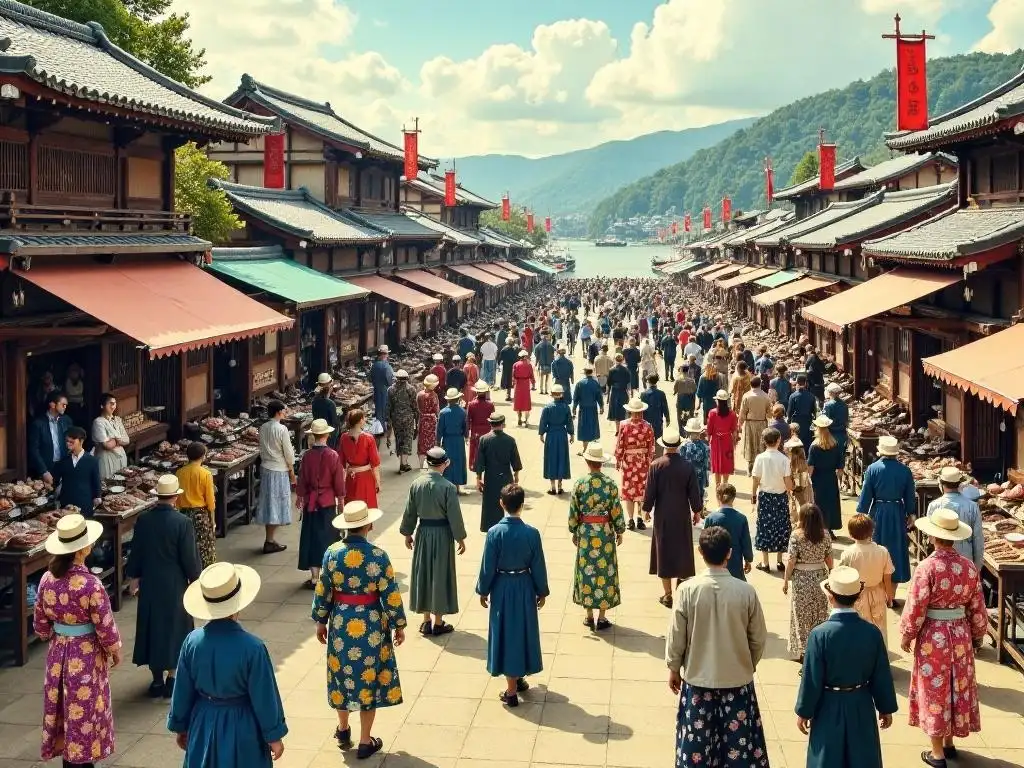
The Shogunate policies on trade during Japan's feudal era significantly influenced domestic politics and societal structures. By examining pivotal case studies, we can better understand how foreign relations shaped governance and internal dynamics. These case studies reveal the intricate web between trade, social structures, and military strategies, underscoring the multifaceted impact of economic interactions on the shogunate's rule.
Rise of the Merchant Class
The emergence of the merchant class was a direct consequence of the shogunate's trade policies. As Japan opened its ports to foreign trade, particularly during the Edo period (1603-1868), merchants began to accumulate wealth and influence. This economic shift catalyzed the following developments:
- Economic Mobility: The merchant class, previously seen as subordinate to the samurai and agricultural classes, gained economic power. With their wealth, they could invest in land, businesses, and even politics.
- Cultural Exchange: Increased trade facilitated cultural exchange, with merchants acting as intermediaries who brought foreign ideas, goods, and technologies into Japan. This exchange contributed to the development of a more cosmopolitan society in urban centers like Edo (modern-day Tokyo).
- Social Stratification: While the samurai class retained political power, the rise of the merchant class led to a reevaluation of social hierarchies. Wealth became a new measure of status, challenging the traditional feudal order.
Changes in Feudal Hierarchies
As trade flourished, the feudal system adapted to the changing economic landscape. The following changes were notable:
- Shift in Power Dynamics: Local daimyō (feudal lords) began to rely more on trade revenues, which altered their relationships with both the samurai and the peasant classes. Wealth generated from trade allowed daimyō to strengthen their armies and fortify their domains.
- Urbanization: Trade led to the growth of cities, which became centers of commerce and culture. This urban expansion diminished the exclusive power of rural samurai, as merchants and artisans gained prominence in city governance.
- Increased Taxation: To capitalize on trade revenues, shogunate policies imposed new taxes on merchants and urban populations, leading to tensions between classes and prompting occasional uprisings.
Trade and Its Role in Warfare and Diplomacy
Financing Military Campaigns through Trade
Trade played a crucial role in financing military endeavors throughout Japan's feudal era. By leveraging economic resources, the shogunate could:
- Secure Resources: Trade allowed the procurement of essential goods like weapons, armor, and food supplies, vital for sustaining military campaigns.
- Tax Revenues: Increased trade activity resulted in higher tax revenues, which could be allocated to military expenses. The shogunate utilized these funds to maintain a powerful standing army and to fund military expeditions against rival factions.
- Economic Warfare: The shogunate also engaged in economic warfare, disrupting trade routes of enemies to weaken their resources and morale.
Alliances Formed via Economic Interests
The shogunate's trade policies fostered alliances based on economic interests, significantly impacting diplomacy:
- Strategic Partnerships: The shogunate established relationships with foreign traders, such as the Portuguese and Dutch, allowing them to leverage these alliances for military and political gain. These partnerships provided not only trade opportunities but also access to advanced military technologies and knowledge.
- Inter-Daimyō Alliances: Within Japan, trade fostered alliances among daimyō. Economic interdependence encouraged cooperation, leading to political stability in certain regions while simultaneously sowing discord in others.
- Balance of Power: The shogunate used trade as a diplomatic tool to maintain a balance of power among regional clans. By favoring certain daimyō with trade privileges, the shogunate could manipulate relationships to ensure loyalty and stability.
The case studies of trade's impact on shogunate governance illustrate the profound influence of economic policies on Japan's feudal society. Understanding these dynamics provides valuable insights into the complexities of political history during this transformative period.
The Legacy of Shogunate Trade Policies

The shogunate trade policies of Japan, particularly during the Edo period (1603-1868), have left a profound legacy that continues to influence modern Japanese trade practices and international relations. These policies were not merely economic decisions; they were deeply intertwined with the political and social fabric of feudal Japan. Understanding this legacy requires a comprehensive analysis of both the long-term effects on modern Japanese trade and the historical lessons that can be drawn regarding governance and trade relations.
Long-term Effects on Modern Japanese Trade
The shogunate's restrictive trade policies, particularly the sakoku (closed country) policy, which limited foreign influence and trade to select nations, fundamentally shaped Japan's economic landscape. Under sakoku, Japan engaged primarily with the Dutch and Chinese, fostering unique trade relationships that emphasized control and regulation. This period of isolation had several long-term effects on modern Japanese trade:
- Foundation of Trade Practices:
- The practices established during the shogunate laid the groundwork for Japan's modern trade frameworks. Rigid regulation and oversight ensured that trade was conducted in a manner that prioritized national interests, a principle that remains relevant in contemporary trade agreements.
- Cultural Exchange and Hybridization:
- Despite the restrictions, the limited foreign interactions facilitated significant cultural exchange, leading to the development of unique Japanese styles in arts, crafts, and even technology. For instance, the importation of Western scientific knowledge during this period ultimately contributed to Japan's rapid modernization in the late 19th century.
- Influence on Trade Policy:
- The legacy of shogunate trade policies can be observed in Japan's modern trade strategies, which balance openness with protective measures. The cautious approach to foreign trade reflects historical experiences where excessive foreign influence posed threats to sovereignty.
- Global Positioning:
- Japan's historical isolation has also influenced its current role in global trade. The country has become a leading player in international markets while maintaining a strong sense of national identity, a balance that can be traced back to the shogunate's policies.
Historical Lessons on Trade and Governance
The shogunate trade policies offer valuable lessons regarding the interplay between trade and governance that remain relevant today:
- Control vs. Openness: The shogunate's approach highlights the delicate balance between controlling trade and allowing for openness to foreign markets. While excessive control can stifle economic growth, unregulated openness can lead to exploitation and loss of national identity.
- Strategic Alliances: The selective nature of foreign relations during the shogunate era demonstrates the strategic importance of alliances in trade. Japan's limited engagement with foreign powers allowed it to maintain sovereignty while still benefitting from essential goods and knowledge.
- Adaptation to Change: The eventual shift from isolation to active engagement with the global economy underscores the necessity for governance structures to adapt to changing circumstances. This adaptability is critical for modern nations seeking to thrive in an ever-evolving economic landscape.
- Impact of Domestic Policy on Trade: The shogunate's domestic policies directly influenced its trade relations. Understanding this relationship can provide insights for contemporary policymakers on how internal governance affects international trade dynamics.
Conclusion: The Enduring Influence of Shogunate Trade Policies
The shogunate trade policies of Japan have left an indelible mark on both historical and modern contexts. The principles established during the Edo period continue to shape Japan's approach to trade, offering a blend of protectionism and openness that reflects the nation's unique historical journey. The lessons learned from this era serve not only as a guide for Japan but also for other nations navigating the complexities of trade and governance in a globalized world. The enduring influence of these policies emphasizes the importance of historical context in understanding contemporary trade practices and diplomatic relations, ensuring that the legacy of the shogunate remains relevant in today's economic discussions.
References and Further Reading on Shogunate Trade Policies
Recommended Literature on Feudal Japan
-
"The Cambridge History of Japan, Volume 4: Early Modern Japan"
This comprehensive volume provides an in-depth analysis of Japan during the early modern period, including the socio-economic impact of shogunate trade policies. It explores how foreign relations influenced domestic political structures and cultural exchanges.
-
"Japan's Economic Ascent: International Trade, Power, and the Politics of Regionalism" by Richard J. Samuels
This book examines the evolution of Japan's trade policies, including the shogunate era's influence on contemporary economic strategies. Samuels highlights the interconnectedness of trade and political power, providing a framework for understanding historical and modern implications.
-
"Feudal Japan: The History and Legacy of the Samurai Era" by Charles River Editors
This accessible read offers a concise overview of feudal Japan, touching on the shogunate's role in shaping trade dynamics. It presents a narrative that connects the samurai's impact on society with the broader implications of trade policies.
-
"The Making of Modern Japan" by John Dower
Dower's work is essential for understanding the transformation of Japan, tracing the lineage of policies from the shogunate to modern times. The book provides insights into how trade and foreign relations have shaped Japan’s identity and governance.
Academic Articles on Trade and Politics in Japan
-
"Shogunate Trade Policies: The Regulation of Foreign Trade in Edo Japan" by Michael R. McCarty
This article delves into the specific trade regulations instituted by the Tokugawa shogunate. McCarty analyzes how these policies affected Japan’s economic landscape and its relations with foreign powers, providing a detailed historical context for the period.
-
"Cultural Exchange and Economic Policy: The Tokugawa Period" by Emiko Ohnuki-Tierney
Ohnuki-Tierney discusses the interplay between cultural exchange and economic policies during the Tokugawa era. This article emphasizes how trade was not merely an economic activity but a cultural exchange that influenced Japan's political dynamics.
-
"The Impact of Foreign Relations on Domestic Politics in Feudal Japan" by Andrew Gordon
This piece examines the relationship between Japan’s foreign relations and its internal political structure. Gordon argues that trade policies were a reflection of broader political strategies implemented by the shogunate to maintain control and stability.
-
"From Isolation to Engagement: Shogunate Trade Policies and Their Aftermath" by Noriko Kawamura
Kawamura explores the transition from the isolationist policies of the shogunate to the eventual opening of Japan to international trade. The article provides a nuanced perspective on how shogunate trade policies laid the groundwork for future economic developments.
Frequently Asked Questions
What were the main shogunate trade policies in Japan?
The shogunate trade policies primarily focused on controlling foreign trade to maintain political stability and isolation. These policies regulated which foreign nations could engage in trade and limited the exchange of certain goods.
How did foreign relations impact domestic politics during the shogunate?
Foreign relations significantly influenced domestic politics in Japan, as the shogunate's approach to trade often reflected its strategic interests. Diplomatic ties could strengthen political power or lead to internal conflicts over trade benefits.
What role did the Tokugawa shogunate play in shaping trade?
The Tokugawa shogunate implemented strict trade regulations that restricted foreign influence and promoted self-sufficiency. This era emphasized economic stability through controlled commerce with select foreign nations, particularly the Dutch and Chinese.
How did trade policies affect Japanese society during the feudal era?
Trade policies during the feudal era created a hierarchical society where wealth from trade influenced social structures. This led to the rise of merchant classes and increased urbanization in certain regions, altering traditional societal norms.
What were the consequences of Japan's isolationist trade policies?
Japan's isolationist trade policies resulted in limited foreign interaction, which fostered a unique cultural identity. However, it also delayed technological advancements and created challenges when Japan eventually opened up to the world in the 19th century.
Final Reflection: The Enduring Legacy of Shogunate Trade Policies in Japan
The intricate web of Shogunate trade policies not only shaped Japan's historical landscape but also resonates profoundly in today's globalized world. As we navigate an era marked by rapid international exchange and cultural intermingling, the lessons from Japan's past remind us of the delicate balance between isolation and engagement. The Shogunate's approach to foreign relations serves as a striking testament to how trade can influence domestic politics and societal structures.
Clearly, the Shogunate's trade policies have left an indelible mark on Japan's cultural and social fabric. The careful negotiation of foreign relations during this period not only facilitated economic growth but also fostered a unique cultural exchange that continues to influence Japan's identity today. As historian John W. Hall noted, The past is never dead. It's not even past.
This observation underscores the ongoing relevance of historical trade practices, as they inform contemporary discussions about globalization, national identity, and economic policy.
As we reflect on the Shogunate's legacy, I invite you to consider how the principles of trade and diplomacy can be applied in your own life. What lessons can we draw from the past to navigate our current global landscape? Embrace the opportunity to engage with diverse cultures and ideas, fostering understanding and collaboration. By doing so, we honor the complexities of our shared history and pave the way for a more interconnected future.
Unveil the Secrets of Feudal Japan's Trade Influence!
Thank you for diving deep into the fascinating world of Shogunate policies and their impact on trade and domestic politics. Your curiosity has unlocked insights into how foreign relations shaped Japan's history. Now, let’s put that knowledge into action!
- Engage with history: Join our online forum to discuss your thoughts on how trade influenced political decisions during the Shogunate era.
- Share your findings: Post about this article on social media and spark conversations with your friends and followers about the significance of foreign relations in shaping governance.
- Explore further: Discover more articles on our website that connect trade practices with political shifts in Feudal Japan.
What aspect of Shogunate trade policy surprised you the most, and how do you believe it continues to influence Japan today?