
How the Unification of Japan Changed the Samurai's Role in Society


Welcome to Feudal Japan History, where we embark on a captivating journey through the intricate tapestry of Japan's feudal era. Prepare to delve into the fascinating evolution of the samurai's role in unified Japan, a topic that unravels the complexities of power, culture, and societal change. As we explore how the unification reshaped the very fabric of samurai identity and influence, you'll uncover the profound impact these warriors had on Japan's political landscape. Join us as we unlock the secrets of this transformative period and inspire your curiosity to delve deeper into the rich history that defines modern Japan.
- Introduction to the Samurai Role in Unified Japan
- Historical Context of the Samurai Before Unification
- The Unification of Japan: Key Events and Figures
- Transformation of the Samurai Role Post-Unification
- The Samurai's New Identity in Unified Japan
- Economic and Social Changes Affecting Samurai
- The Decline of Samurai Power and Influence
- Conclusion: The Lasting Legacy of the Samurai in Unified Japan
-
Frequently Asked Questions
- What was the samurai's role before the unification of Japan?
- How did the unification of Japan impact the samurai class?
- What new responsibilities did samurai acquire after unification?
- Did the unification of Japan affect the samurai's code of conduct?
- How did the perception of samurai change after Japan's unification?
- Final Reflection: The Evolving Legacy of the Samurai in Unified Japan
- Embrace the Legacy: Take Action on Your Samurai Journey!
Introduction to the Samurai Role in Unified Japan
The unification of Japan during the late 16th century marked a pivotal turning point in the country's political and social landscape, significantly altering the role of the samurai within society. As the nation transitioned from a fragmented collection of warring states to a centralized and cohesive entity, the samurai, traditionally viewed as elite warriors, found their position evolving amidst these sweeping changes.
This article delves into the multifaceted implications of Japan's unification on the samurai's role, exploring how their responsibilities, societal status, and cultural significance transformed in response to new political realities. By examining the interplay between power consolidation and the samurai's adaptation to a changing world, we aim to illuminate the profound impact of this historical event on Japanese society as a whole.
Overview of the Unification of Japan
The unification of Japan was primarily achieved through the efforts of three influential leaders: Oda Nobunaga, Toyotomi Hideyoshi, and Tokugawa Ieyasu. Their combined military strategies, political acumen, and ability to forge alliances paved the way for a unified nation-state.
- Oda Nobunaga (1534-1582):
- Initiated the unification process by defeating rival clans and establishing a foothold in central Japan.
- Introduced innovative military tactics and firearms, which revolutionized warfare.
- Toyotomi Hideyoshi (1537-1598):
- Continued Nobunaga's work, consolidating power and implementing land surveys that strengthened governance.
- Promoted policies that encouraged social mobility among the samurai class.
- Tokugawa Ieyasu (1543-1616):
- Finalized the unification after winning the Battle of Sekigahara in 1600.
- Established the Tokugawa shogunate, which ushered in a period of peace and stability known as the Edo period (1603-1868).
This era witnessed a dramatic decline in the frequency of warfare, leading to a reevaluation of the samurai's role as mere warriors. Instead, they became integral to the administration and governance of the newly unified Japan.
Importance of the Samurai in Feudal Society
During the feudal era, the samurai were more than just skilled fighters; they were the embodiment of the bushido code, which emphasized loyalty, honor, and discipline. Their importance in society can be categorized into several key roles:
- Warrior Class:
- Initially, the samurai were the military elite, acting as the primary defenders of their lords' territories.
- Their martial skills and loyalty were essential for maintaining order and security in feudal Japan.
- Governance and Administration:
- Following unification, many samurai transitioned into bureaucratic roles, overseeing local governance and land management.
- They became vital in implementing the shogunate's policies and maintaining peace within their domains.
- Cultural Influencers:
- As peace prevailed, samurai increasingly engaged in cultural pursuits, sponsoring the arts, literature, and education.
- This shift contributed to the rich cultural tapestry of Edo Japan, where samurai patronage fostered creativity and scholarship.
- Social Status:
- The samurai class enjoyed elevated social standing, which was codified in the new social hierarchy established during the Tokugawa period.
- Their status as both warriors and administrators solidified their role as leaders within society.
The unification of Japan transformed the samurai from primarily warriors into multifaceted figures crucial to governance, culture, and social order, reshaping their identity and significance within a unified Japan.
Historical Context of the Samurai Before Unification
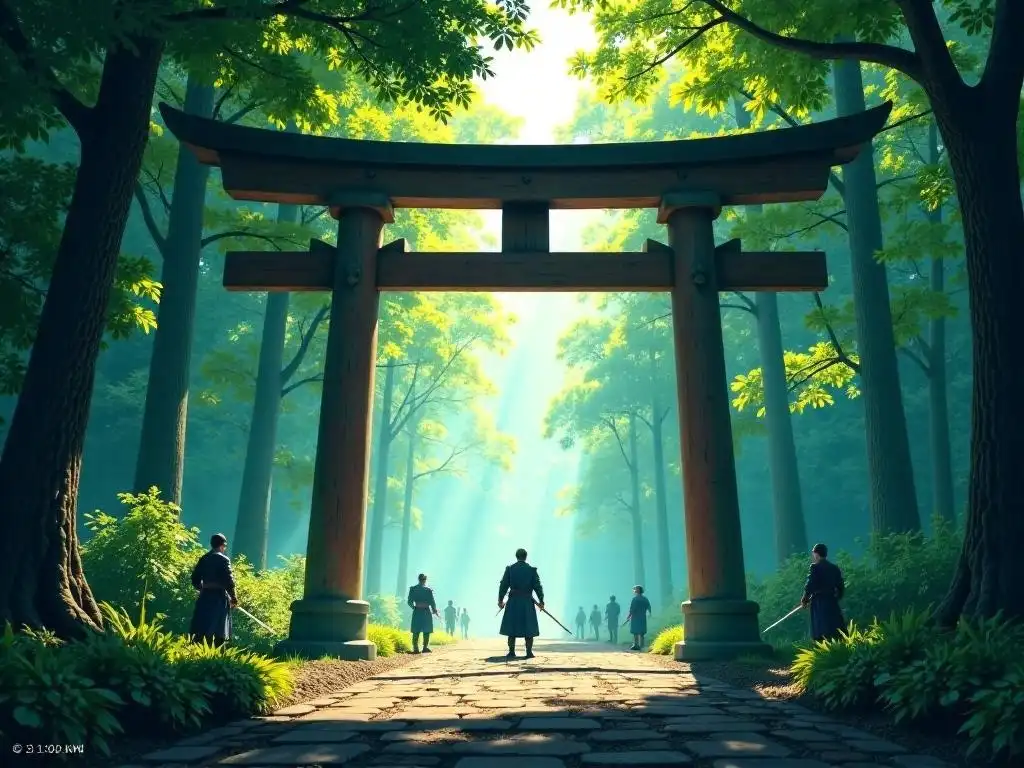
The historical context of the samurai before the unification of Japan is critical to understanding their evolving role in society. The era leading up to the unification was marked by a fragmented political landscape characterized by constant warfare among rival clans. This period, known as the Warring States Period (Sengoku period), spanned from the mid-15th century to the early 17th century and laid the foundation for the samurai's prominence in Japanese society.
The Role of Samurai in the Warring States Period
During the Warring States Period, the samurai emerged as the elite warrior class, serving as the backbone of military power within their respective clans. Their primary role was to engage in battle, defend their lord's territory, and uphold the clan's honor. This period saw the samurai develop a strong martial culture, emphasizing loyalty, discipline, and martial prowess.
Key aspects of the samurai's role during this time include:
- Military Leadership: Samurai were not just foot soldiers; many held positions of leadership, commanding troops in battle and strategic planning. The effectiveness of a samurai leader could determine the fate of their clan.
- Political Influence: As warriors, samurai had significant political power. They often acted as advisors to their lords, influencing decisions that extended beyond the battlefield. This dual role as both warrior and counselor heightened their status within the feudal hierarchy.
- Cultural Patronage: The samurai were instrumental in fostering the arts and culture during this tumultuous time. They practiced various forms of martial arts, poetry, and tea ceremonies, blending warfare with cultural refinement.
- Code of Conduct: The samurai adhered to a strict code of conduct known as Bushido, which emphasized virtues such as honor, loyalty, and bravery. This code shaped their identity and justified their actions in warfare.
As the Warring States Period progressed, the samurai's role became increasingly complex, leading to a transformation in their societal standing as the unification of Japan approached.
Societal Structure and the Influence of Samurai Clans
The societal structure of Japan during the Warring States Period was heavily influenced by the presence and power of samurai clans. These clans operated within a feudal system, where loyalty and land ownership were paramount.
Important elements of the societal structure include:
- Feudal Hierarchy: At the top of the hierarchy were the daimyō (feudal lords), who controlled large territories and maintained their own samurai armies. Below them were the samurai, serving as vassals and warriors, often receiving land in exchange for their military service.
- Clan Loyalty: Loyalty to one’s clan was essential. Samurai were bound by honor to serve their lords, and betrayal was met with severe consequences. This loyalty formed the basis for alliances and conflicts among clans, further complicating the political landscape.
- Economic Power: Samurai clans often controlled resources and land, which allowed them to maintain their armies and fund their activities. This economic power translated into political influence, as wealth equated to military strength.
- Cultural Identity: Each clan cultivated a distinct cultural identity, often defined by unique traditions, crests, and practices. This cultural differentiation contributed to the rivalries and alliances that characterized the Warring States Period.
The samurai's role in society before the unification of Japan was multifaceted, encompassing military, political, and cultural dimensions. Their influence was deeply embedded in the feudal system, setting the stage for the transformations that would occur as Japan moved towards unification, ultimately redefining their role in a more centralized state.
The Unification of Japan: Key Events and Figures
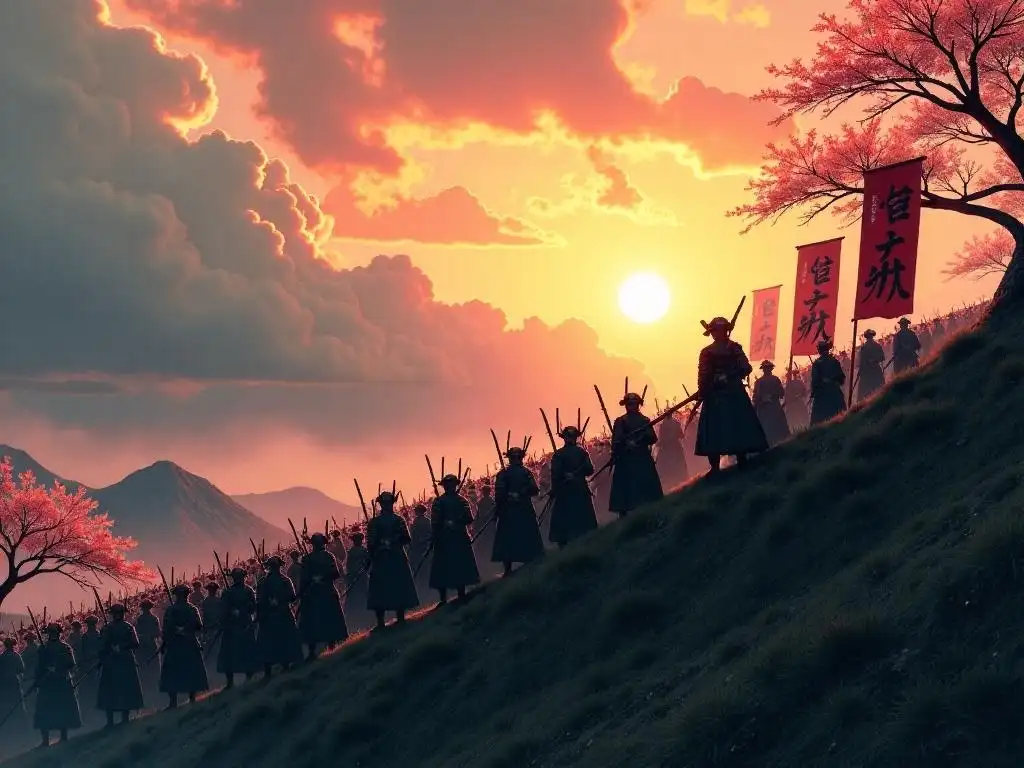
The unification of Japan in the late 16th century marked a pivotal transformation in the country’s political landscape and social structure, significantly altering the samurai role in unified Japan. This period, culminating in the establishment of the Tokugawa shogunate in 1603, was characterized by the end of the Sengoku period—an era of constant military conflict among various feudal lords (daimyō).
The process of unification involved several key events and influential figures who played crucial roles in consolidating power and establishing a centralized governance system. This transition not only reshaped the political hierarchy but also redefined the samurai's status and responsibilities within society.
Important Leaders in the Unification Process
-
Oda Nobunaga
As one of the first major leaders in the unification efforts, Oda Nobunaga (1534-1582) initiated a series of military campaigns to subdue rival daimyōs. His innovative tactics and use of gunpowder weaponry allowed him to defeat traditional samurai forces effectively. Nobunaga's ruthless approach paved the way for the future unification of Japan.
-
Toyotomi Hideyoshi
Following Nobunaga's death, Toyotomi Hideyoshi (1537-1598) continued the unification efforts, utilizing both military might and diplomacy. Hideyoshi is known for the Taiko Reforms, which included land surveys and tax reforms that reinforced the power of the samurai class while reducing the power of the daimyō. His policies helped stabilize Japan and further integrate the samurai into a more structured social order.
-
Tokugawa Ieyasu
The final unifier, Tokugawa Ieyasu (1543-1616), solidified control over Japan after his victory at the Battle of Sekigahara in 1600. Ieyasu established the Tokugawa shogunate, which lasted for over 250 years. His governance system centralized power in Edo (modern-day Tokyo) and instituted a strict class hierarchy, embedding the samurai's role as both warriors and bureaucrats in a peaceful society.
Major Battles and Treaties that Shaped Japan
The journey toward unification was fraught with significant battles and strategic treaties that played a crucial role in shaping Japan's political landscape.
-
Battle of Okehazama (1560)
This battle was a turning point for Oda Nobunaga, where he achieved a surprising victory against the much larger army of Imagawa Yoshimoto. The victory not only boosted Nobunaga’s reputation but also encouraged other daimyōs to consider alliances or submission.
-
Siege of Takamatsu (1582)
Hideyoshi's successful siege against the castle of Takamatsu demonstrated his military acumen and ability to subdue rival powers. This event was crucial for consolidating Hideyoshi's influence over the western part of Honshu.
-
Battle of Sekigahara (1600)
Often referred to as a decisive battle in Japanese history, Sekigahara led to Tokugawa Ieyasu's supremacy. The battle divided the country into factions and resulted in the establishment of the Tokugawa shogunate, marking the beginning of a long period of peace known as the Edo period.
-
Treaty of Kōan (1603)
Though not a battle, this treaty formalized the relationship between the Tokugawa shogunate and the various daimyōs, outlining the obligations and rights of both parties. This agreement was instrumental in ensuring the loyalty of the samurai and stabilizing the newly unified Japan.
The unification of Japan not only transformed the political sphere but also had profound implications for the samurai role in unified Japan. As Japan transitioned from a fractured society to a centralized state, the samurai began to adapt to new functions beyond mere warriors, evolving into administrators and peacekeepers within the Tokugawa framework. This shift ultimately laid the groundwork for the modernization of Japan in the 19th century.
Transformation of the Samurai Role Post-Unification
The unification of Japan during the late 16th century, primarily under the leadership of Oda Nobunaga, Toyotomi Hideyoshi, and Tokugawa Ieyasu, marked a significant turning point in the historical trajectory of the samurai class. As Japan transitioned from a fragmented collection of feudal domains to a centralized state, the role of the samurai evolved dramatically. This transformation not only affected their military functions but also reshaped their societal standing and responsibilities.
Changes in Military Functions of Samurai
With the establishment of a unified Japan, the samurai's military role underwent considerable changes. Previously, samurai were primarily engaged in constant warfare, serving as the military backbone of their respective daimyōs (feudal lords). However, as peace was established under the Tokugawa shogunate, particularly after the Battle of Sekigahara in 1600, the need for a standing army diminished.
- End of Frequent Warfare: The nearly 250 years of peace known as the Edo period significantly reduced the samurai's role as active combatants. The samurai were no longer required to engage in battles on a regular basis, leading to a decline in military training and preparedness.
- Formation of a New Military Structure: The Tokugawa shogunate introduced a new system of governance that included the establishment of a centralized military authority. The samurai transitioned from being independent warriors to a more organized military class under direct control of the shogunate.
- Duties in Policing and Enforcement: As military conflicts subsided, many samurai found their roles shifting towards maintaining order and enforcing the law. They became responsible for the policing of towns and villages, ensuring the stability and peace of the newly unified nation.
- Involvement in Local Governance: Samurai were appointed to various administrative roles within the shogunate's hierarchy. They began to take on responsibilities that included tax collection, judicial duties, and local governance, further diminishing their traditional warrior functions.
The Shift from Warriors to Administrators
The transformation of the samurai class from warriors to administrators marked a profound societal shift in unified Japan. This change was characterized by several key aspects:
- Education and Bureaucracy: With the focus on governance, samurai were encouraged to pursue education and develop bureaucratic skills. Confucian ideals became prominent, emphasizing the importance of scholars within the samurai class. This shift fostered a new identity where samurai were seen not just as warriors but also as educated officials.
- Cultural Patronage: As military duties waned, samurai began to patronize cultural and artistic endeavors, supporting the development of literature, theater, and the arts. This cultural engagement helped elevate the samurai’s status in society, aligning them with the cultural elite rather than merely as military leaders.
- Social Hierarchy and Class Structure: The samurai's transformation solidified their place within the social hierarchy of Japan. They transitioned from being the dominant military class to a privileged social status, often living in castle towns and enjoying various privileges that set them apart from the common populace.
- Identity and Legacy: The shift from warrior to administrator reshaped the samurai’s identity. While they retained their martial skills, their focus on governance and culture allowed them to leave a lasting legacy that influenced Japanese society and politics long after the dissolution of the samurai class in the late 19th century.
The unification of Japan brought about a fundamental transformation in the samurai's role within society. As the nation moved towards stability and centralized governance, the samurai adapted to their new responsibilities, transitioning from warriors to influential administrators and cultural patrons, thereby redefining their place in the historical narrative of Japan.
The Samurai's New Identity in Unified Japan
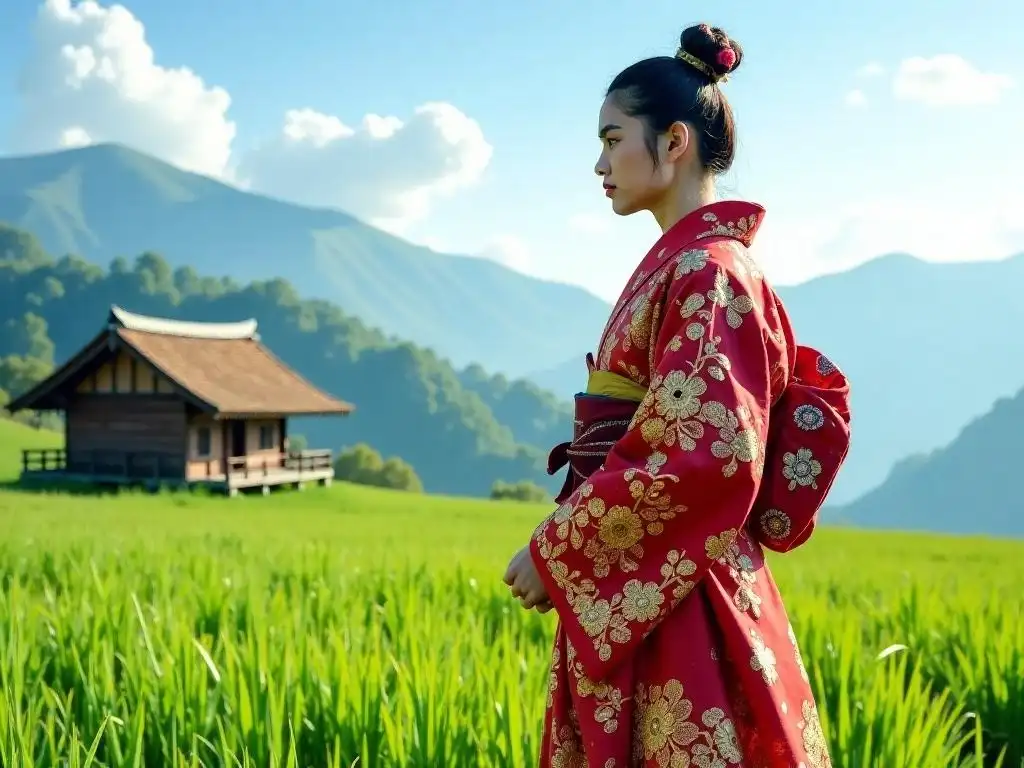
The unification of Japan during the late 16th and early 17th centuries dramatically transformed the role of the samurai in society. As political power consolidated under the Tokugawa shogunate, the samurai evolved from fierce warriors engaged in constant battles to a class with new responsibilities, values, and goals. This shift not only altered their martial duties but also redefined their identity within the broader context of Japanese society.
Emergence of the Samurai as Peacekeepers
With the establishment of a centralized government, the need for constant warfare diminished significantly. Consequently, the samurai's role transitioned from that of a warrior to that of a peacekeeper. The Tokugawa shogunate implemented a policy of pacification, which emphasized stability and order across the nation. This approach necessitated that samurai adopt new functions, including:
- Enforcers of Law and Order: Samurai became vital in maintaining peace and enforcing the law within their domains. They were tasked with suppressing uprisings, dealing with criminal activities, and ensuring the smooth operation of daily life.
- Bureaucratic Roles: Many samurai took on administrative roles within the feudal system. They served as governors, tax collectors, and judges, which required them to engage in governance rather than combat. This shift led to an increased emphasis on literacy and education among the samurai class.
- Cultural Guardians: As peace settled across Japan, samurai began to embrace roles as cultural custodians. They were responsible for preserving traditional arts, literature, and philosophy, ensuring that Japan's rich cultural heritage was maintained and flourished.
The need for military prowess diminished, and by focusing on maintaining internal order, samurai began to see themselves as protectors of the social fabric rather than mere warriors.
Cultural Contributions of Samurai in Unified Japan
The unification of Japan also allowed samurai to pivot towards cultural pursuits, leading to significant contributions that shaped Japanese society. Their influence extended into various domains, including:
- Literature and Philosophy: Samurai scholars began to produce significant literary works and embraced philosophical teachings. Notable figures, such as Miyamoto Musashi and Yamamoto Tsunetomo, wrote texts that explored the samurai ethos, strategy, and the way of life. These writings provided moral guidance and philosophical depth to the samurai's new identity.
- Traditional Arts: Samurai played a crucial role in the patronage and development of traditional Japanese arts, including tea ceremonies, calligraphy, and flower arranging (ikebana). These practices not only reflected their refined tastes but also served as outlets for self-discipline and personal expression.
- Martial Arts: With the shift away from warfare, martial arts evolved into a means of physical and spiritual training. Schools of martial arts such as kenjutsu (swordsmanship) and kendo emerged, emphasizing discipline, respect, and the philosophical aspects of combat. This not only preserved martial traditions but also transformed them into forms of cultural expression.
- Architecture and Gardens: The samurai's influence extended into the realms of architecture and landscape design. They commissioned the construction of castles, temples, and gardens, which reflected the aesthetics of the Edo period. These structures became symbols of power and culture, merging functionality with beauty.
The combination of these contributions established a new cultural landscape for Japan, where the samurai's legacy was not solely defined by their martial abilities but by their roles as scholars, artists, and cultural leaders. This multifaceted identity solidified the samurai's importance in unified Japan, ultimately leading to lasting impacts on Japanese culture and society.
Through this evolution, the samurai's role in unified Japan was fundamentally transformed, reflecting the broader societal changes that accompanied the end of warfare and the rise of a more peaceful, culturally rich era.
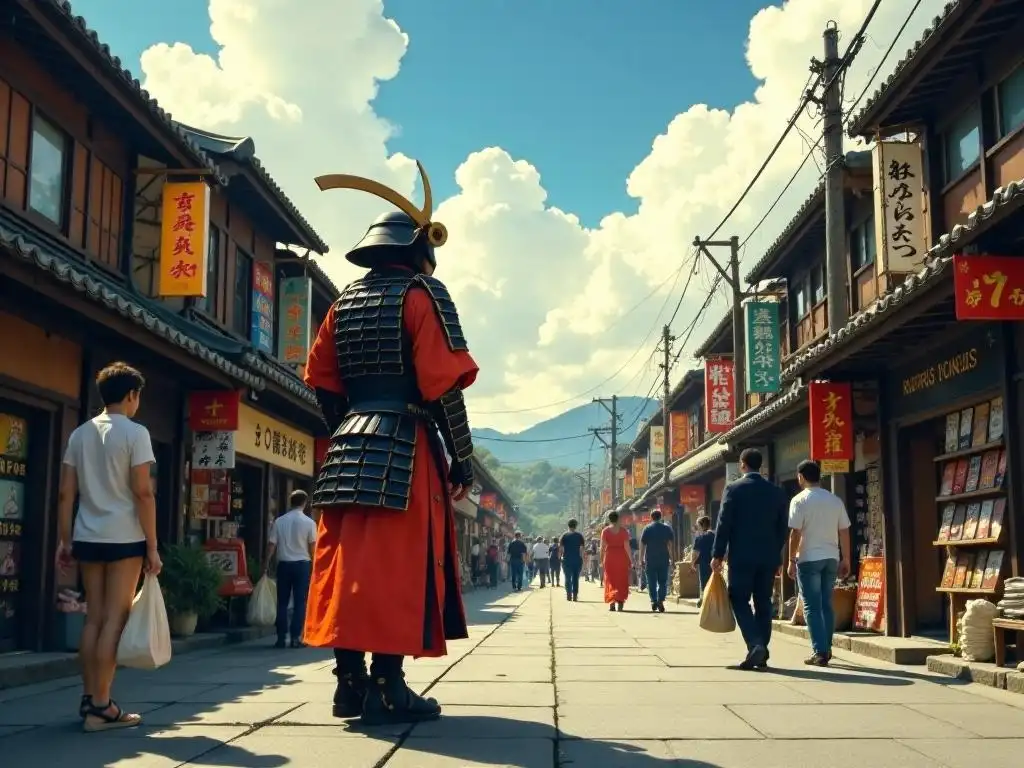
The unification of Japan in the late 16th century brought about profound economic and social changes that significantly influenced the samurai class. As the country transitioned from a period of disunity and constant warfare to a more centralized and stable governance, the role and status of the samurai evolved considerably. This transformation was marked by shifts in economic structures, societal expectations, and the samurai's place within the new order.
The Impact of Centralization on Samurai Class
Centralization under the Tokugawa shogunate (1603-1868) was a pivotal factor in redefining the samurai's role in society. The establishment of a centralized government allowed for the enforcement of a strict social hierarchy and the codification of the samurai's responsibilities. Key aspects of this centralization include:
- Reduction of Warfare: With the unification of Japan, the constant state of warfare diminished. The samurai, traditionally warriors, found fewer opportunities for combat. This shift forced many samurai to seek new roles in a peacetime society.
- Administrative Roles: Many samurai transitioned into bureaucratic positions within the shogunate or local domains. They became administrators, tax collectors, and local leaders, which solidified their influence in governance despite their martial roots.
- Land Ownership and Wealth: The centralization of power also led to the consolidation of land under feudal lords (daimyō) and the shogunate. Samurai were often granted stipends instead of land, which meant their economic stability was closely tied to the whims of their lords, shifting their focus from military service to economic management.
- Cultural Patronage: The peaceful era promoted cultural development. Samurai became patrons of the arts, fostering a rich cultural landscape that included literature, tea ceremonies, and martial arts—reflecting their adaptation to a more refined societal role.
The transformation of the samurai class during this period illustrates how the centralization of power redefined their identity from warriors to administrators and cultural figures within Japanese society.
Samurai in the Context of Japanese Economy
The economic environment of unified Japan had a profound impact on the samurai's status and livelihood. As trade and agriculture flourished, the samurai's role within the economy underwent significant changes:
- Stipends vs. Land: Unlike their predecessors who were often landowners, many samurai received stipends that provided them with a fixed income. This reliance on stipends made them vulnerable to economic fluctuations and the decisions of their lords.
- Emergence of Merchant Class: As the economy expanded, a wealthy merchant class emerged. The samurai, who had traditionally looked down upon merchants, began to recognize the importance of commerce. Some samurai even engaged in business ventures, leading to a blending of social classes that was previously unthinkable.
- Taxation and Resource Management: Samurai were responsible for managing agricultural production and taxation within their domains. This newfound responsibility required them to develop skills in resource management and economics, further distancing them from their original martial identity.
- Impact of Urbanization: The rise of castle towns (jokamachi) and urban centers created new economic opportunities for samurai. These towns became centers of commerce, and samurai often found themselves involved in local governance and trade.
The samurai's role in unified Japan was not just a transformation of their martial duties but also an adaptation to a changing economic landscape. As Japan moved towards a more centralized and economically complex society, the samurai had to navigate their place within this new order, balancing their martial heritage with the demands of governance and commerce.
The Decline of Samurai Power and Influence
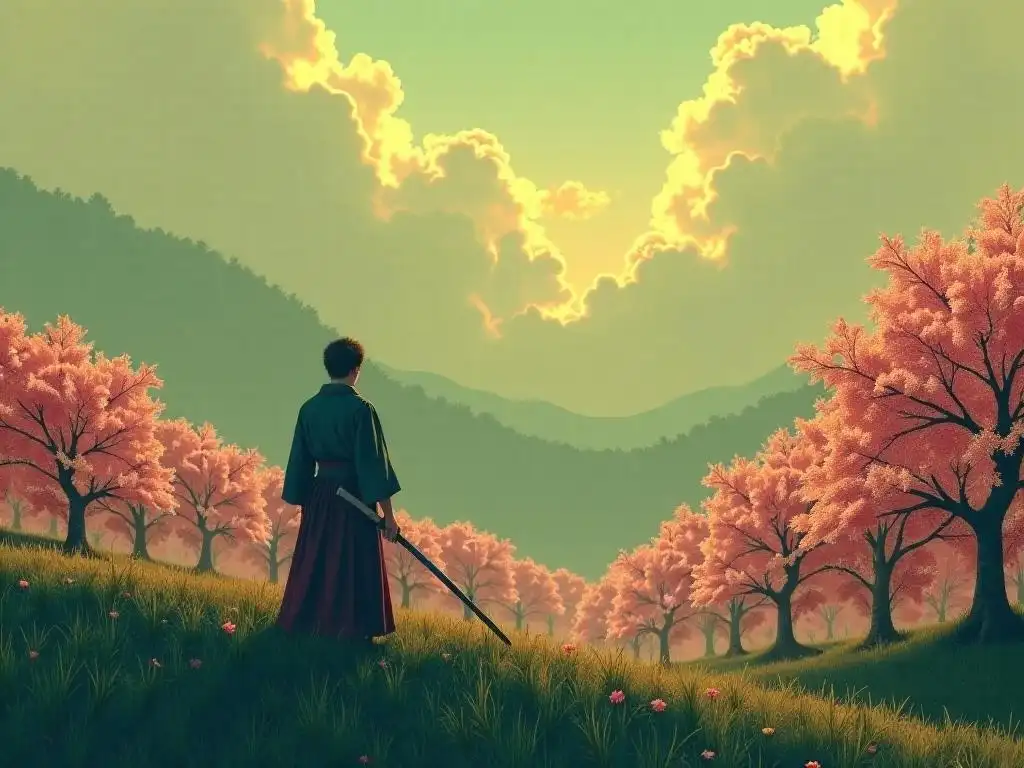
The unification of Japan in the late 16th century under leaders such as Oda Nobunaga, Toyotomi Hideyoshi, and ultimately Tokugawa Ieyasu fundamentally altered the landscape of power and society in Japan. As the country transitioned from a fragmented feudal system to a more centralized government, the samurai's role in society began to decline. This section will explore the factors contributing to this decline and the eventual transition to modernization that marked the end of the samurai era.
- Centralization of Power
- The establishment of the Tokugawa shogunate in 1603 led to a centralized feudal system where the shogun held significant authority over the daimyō (feudal lords) and their samurai. This centralization diminished the autonomous power that samurai previously wielded, as they became increasingly reliant on the shogunate for their status and livelihood.
- Economic Shifts
- The rise of a merchant class during the Edo period (1603-1868) changed the economic dynamics of Japan. As trade flourished, the merchants gained wealth and influence, which began to overshadow the samurai's traditional status as the ruling warrior class. The samurai, who were primarily landholders, found their economic power dwindling as wealth shifted from land ownership to commerce.
- Peasant Unrest and Social Change
- The increasing burden of taxation on peasants to support the samurai class led to widespread discontent. Frequent peasant uprisings during the Edo period highlighted the disconnect between the samurai and the common people. As the samurai struggled to maintain their authority amidst social unrest, their influence began to wane.
- Military Obsolescence
- The samurai's role as warriors was challenged by advancements in military technology, particularly firearms. The introduction of guns and cannons rendered traditional samurai warfare tactics less effective. As the need for a standing army diminished, the samurai’s military significance was further reduced, leading to a decline in their societal role.
The Transition to Modernization and the End of the Samurai Era
The Meiji Restoration of 1868 marked a pivotal turning point in Japan’s history, leading to the rapid modernization of the nation and the formal dissolution of the samurai class.
-
Dissolution of the Samurai Class
The new Meiji government sought to create a modern nation-state and recognized that the feudal system, including the samurai class, was an impediment to progress. In 1871, the government abolished the han (feudal domains) and replaced them with prefectures, effectively dismantling the samurai's political power.
-
The Impact of Conscription
The introduction of conscription in 1873 established a modern military force that included commoners, further diminishing the samurai’s exclusive status as warriors. This shift not only altered the military landscape but also diminished the social hierarchy that had placed samurai at the top.
-
Cultural Changes and Legacy
Despite their decline, the samurai's cultural legacy continued to influence Japanese society. The values of loyalty, honor, and discipline associated with the samurai were absorbed into the national ethos, contributing to the emerging identity of modern Japan. The romanticization of the samurai in literature and arts also preserved their image, ensuring that while their political power diminished, their cultural significance remained.
The unification of Japan catalyzed profound changes in the samurai's role within society. The factors leading to their decline were multifaceted, involving political, economic, and social transformations that ultimately paved the way for a modernized Japan, leaving behind a rich legacy that continues to be celebrated today.
Conclusion: The Lasting Legacy of the Samurai in Unified Japan
The unification of Japan in the late 16th century marked a pivotal transformation in the role of the samurai, transitioning them from a feudal warrior class to a more integrated part of the state apparatus. This shift not only influenced military and political structures but also left an indelible mark on Japan's cultural identity. As peace settled under the Tokugawa shogunate, the samurai's role evolved, leading to a legacy that still resonates in modern Japan.
Reflections on the Samurai Role in Modern Japanese Culture
Today, the samurai role in unified Japan is celebrated and romanticized in various aspects of Japanese culture. Their depiction in literature, film, and art highlights their virtues of loyalty, honor, and discipline. The ethos of bushido, or the "way of the warrior," continues to inspire modern Japanese values, emphasizing respect, duty, and integrity.
Key Cultural Elements:
- Literature: Samurai stories, such as those of Miyamoto Musashi, encapsulate the philosophical underpinnings of the samurai way, exploring themes of self-discipline and mastery.
- Film and Media: Movies like Seven Samurai and The Last Samurai portray the samurai's valor and struggles, contributing to a romanticized image that endures in popular culture.
- Martial Arts: Traditional Japanese martial arts, including kendo and iaido, trace their roots back to the samurai, preserving techniques and philosophies that emphasize respect and honor.
The lasting legacy of the samurai can also be seen in modern practices such as tea ceremonies and calligraphy, which echo the disciplined lifestyle of these warriors. This cultural heritage fosters a sense of national identity and pride, reminding present-day Japanese citizens of their historical roots.
The Historical Significance of Samurai in Japan's Political Evolution
The samurai played a crucial role in shaping Japan's political landscape, particularly during and after the unification process. As the country transitioned from warring states to a centralized government under leaders like Oda Nobunaga, Toyotomi Hideyoshi, and Tokugawa Ieyasu, samurai became integral to the establishment of order and governance.
Major Political Contributions:
- Military Leadership: Samurai commanders led troops in pivotal battles that established control over rival factions, paving the way for the unification of Japan.
- Feudal System: They maintained local governance and enforced the laws of the shogunate, ensuring loyalty and stability in their domains. This system laid the groundwork for a structured society.
- Cultural Diplomacy: Samurai also engaged in diplomatic missions, helping to foster relationships with foreign powers, which was essential for Japan’s future interactions with the West.
The transition of samurai from warriors to bureaucrats in a unified Japan illustrated the adaptability of this class in the face of changing political landscapes. Their influence persisted even as Japan modernized in the Meiji Restoration, where many former samurai transitioned into new roles within the emerging government and military structures.
While the role of the samurai in unified Japan underwent significant changes, their legacy continues to shape both the cultural and political fabric of Japan today. Understanding this evolution offers valuable insights into Japan's historical trajectory and the enduring impact of the samurai ethos.
Frequently Asked Questions
What was the samurai's role before the unification of Japan?
Before unification, samurai were primarily warriors serving individual daimyos, or feudal lords, focusing on local conflicts and maintaining power within their domains.
How did the unification of Japan impact the samurai class?
The unification of Japan led to a shift in the samurai's role, transforming them from feudal warriors into administrators and peacekeepers under a centralized government.
What new responsibilities did samurai acquire after unification?
Post-unification, samurai became involved in governance, law enforcement, and the promotion of cultural activities, reflecting their transition from mere soldiers to social leaders.
Did the unification of Japan affect the samurai's code of conduct?
Yes, the unification reinforced the bushido code, emphasizing loyalty, honor, and discipline, which became essential as samurai adapted to their new societal roles.
How did the perception of samurai change after Japan's unification?
Following unification, samurai gained a reputation as elite citizens, revered for their service to the state, which significantly enhanced their social status and influence in society.
Final Reflection: The Evolving Legacy of the Samurai in Unified Japan
The transformation of the samurai's role in unified Japan is not just a historical narrative; it is a profound reminder of how societal shifts shape identities and values. Today, as we navigate a world marked by rapid change and cultural evolution, the samurai's journey from warriors to bureaucrats illustrates the adaptability required to thrive in new realities. The samurai's story serves as a striking testament to the resilience of tradition amidst modernization.
Clearly, the samurai's transition has left an indelible mark on Japan's cultural and social landscape. Their evolution from feudal lords to civil servants reflects a broader theme of adaptation that resonates with contemporary society. As we witness the ongoing struggle between tradition and progress, we are reminded of the words of the philosopher Yoshida Shoin: A nation must be built upon the strength of its people, and the spirit of the samurai must guide them.
This sentiment underscores the importance of understanding our past to navigate our future, highlighting how the samurai's legacy continues to influence Japanese identity and values.
As we reflect on the lessons drawn from the samurai's transformation, I invite you to consider your own role in a rapidly changing world. How can you embody the spirit of adaptability and resilience in your life? Embrace the lessons of history, and let them inspire you to forge your own path, just as the samurai did. In doing so, we honor their legacy while shaping a future that values both tradition and innovation.
Embrace the Legacy: Take Action on Your Samurai Journey!
Thank you for exploring the fascinating transformation of the samurai's role during Japan's unification. We hope you now appreciate how this pivotal change shaped the course of history and the warrior's legacy. To deepen your understanding and connect with this rich heritage, here are some steps you can take:
- Dive deeper into your research: Explore historical texts or documentaries that offer more insights into the samurai's evolution. Websites like Feudal Japan History can guide you to valuable resources.
- Join a discussion group: Connect with fellow history enthusiasts online or in your local community. Sharing perspectives can illuminate new ideas and insights about the samurai tradition.
- Visit a museum or historical site: Experience the culture firsthand by visiting locations that honor samurai history or celebrate Japan’s unification period.
What aspect of the samurai's legacy resonates with you the most, and how do you think it influences modern society? We invite you to share your thoughts and reflections with us!