
The Daimyo’s Role in the Unification of Japan: A Historical Perspective

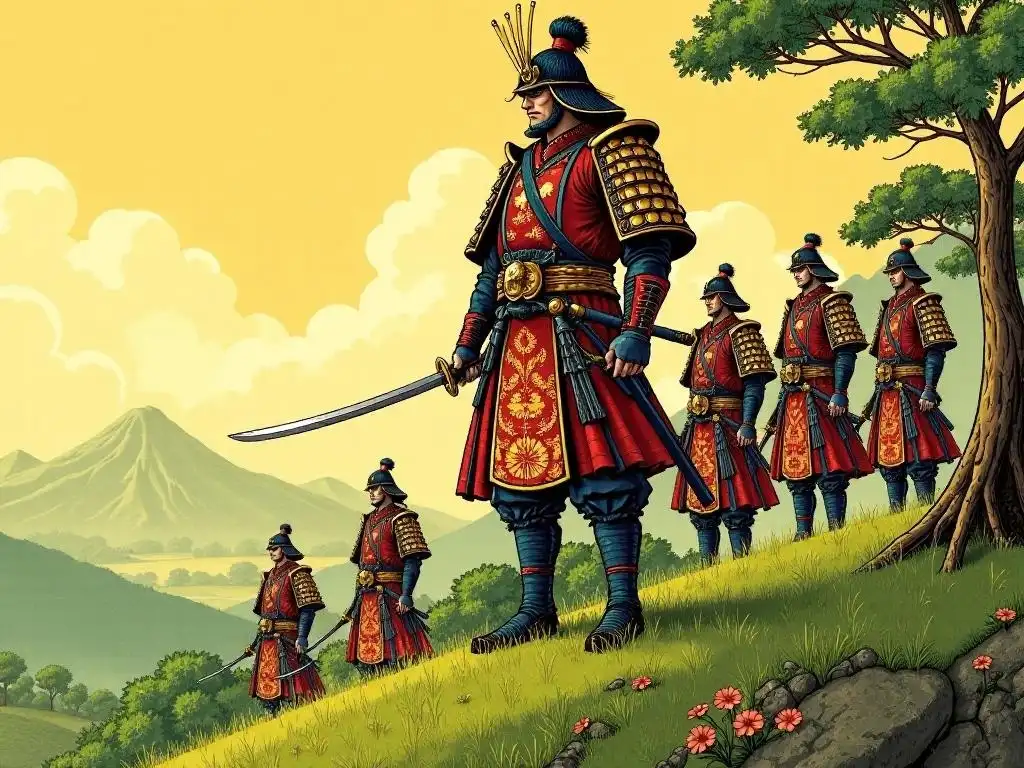
Welcome to Feudal Japan History, where we invite you to embark on an intriguing journey through the compelling narratives of Japan's feudal era. Here, we delve into the layers of history, culture, and society that shaped a nation. In our featured article, "The Daimyo’s Role in the Unification of Japan: A Historical Perspective," we unravel how these powerful feudal lords influenced the course of Japanese history and played a pivotal role in its unification.
Curious about the intricate web of alliances, conflicts, and strategies that defined this transformative period? Join us as we explore the fascinating dynamics of power and influence that ultimately shaped modern Japan. Your adventure into the past begins now!
Introduction to the Daimyo in Feudal Japan
The Daimyo played a pivotal role in the political and social landscape of Japan during its feudal era, particularly in the context of the country's unification. These powerful feudal lords governed expansive territories, wielding significant military and economic influence. Understanding the intricate relationship between the Daimyo and the processes of unification offers a comprehensive view of Japan's transformation from a fragmented collection of warring states into a unified nation. This article delves into the historical perspective of the Daimyo's role, exploring their significance, the broader context of Japan's feudal era, and the key events that shaped the unification process.
Definition of Daimyo and Their Significance
Daimyo, derived from the Japanese words dai (great) and myō (name), refers to the powerful feudal lords who ruled over specific domains during Japan's feudal period, which lasted from the 12th century until the 19th century. These lords were vassals of the shogun, the military leader of Japan, but they maintained considerable autonomy within their territories. The significance of the Daimyo extends beyond mere governance; they were also influential in:
- Military Organization: Daimyo commanded samurai warriors, forming the backbone of feudal Japan's military might.
- Economic Control: They managed agricultural production and trade within their domains, which were essential to their wealth and power.
- Cultural Patronage: Many Daimyo were patrons of the arts and culture, contributing to the rich tapestry of Japanese heritage.
The Daimyo's authority and responsibilities set the stage for their critical involvement in the unification of Japan, as they negotiated alliances, engaged in warfare, and participated in political maneuvers that ultimately led to the consolidation of power under a centralized government.
Overview of Japan's Feudal Era
Japan's feudal era, characterized by the rise of military governance and a decentralized political structure, began around the late 12th century. This period saw the emergence of the samurai class and the establishment of the shogunate, which dominated the political landscape. The key features of this era include:
- Decentralization: Power was dispersed among numerous Daimyo, each ruling their domains with varying degrees of autonomy.
- Warring States Period (Sengoku Jidai): From the mid-15th century to the early 17th century, Japan experienced intense conflict as rival clans vied for power, leading to widespread instability.
- Cultural Flourishing: Despite the chaos, this era also saw significant developments in Japanese culture, including the tea ceremony, Noh theater, and the rise of samurai ethics.
This complex backdrop sets the stage for understanding how the Daimyo influenced the unification process, forging alliances and engaging in conflicts that would shape the future of Japan.
Historical Context of Japan’s Unification
The unification of Japan in the late 16th century was not an isolated event but rather a culmination of centuries of political fragmentation, conflict, and social change. To appreciate the role of the Daimyo in this transformation, it is essential to examine the historical context leading to unification.
The Fragmentation of Japan Before Unification
Before the unification efforts of the late 16th century, Japan was divided into numerous domains governed by rival Daimyo. This fragmentation was characterized by:
- Constant Warfare: Daimyo engaged in incessant battles for territorial expansion, leading to a cycle of violence and instability.
- Loyalty and Betrayal: Alliances were often temporary, with Daimyo switching allegiances based on the shifting tides of power.
- Impact on Society: The ongoing conflict affected the peasantry, leading to economic hardship and social unrest.
This chaotic landscape created a fertile ground for ambitious leaders who sought to consolidate power and bring about unification.
Key Events Leading to Unification
Several key events and figures played crucial roles in the unification of Japan:
- Oda Nobunaga's Campaigns: Beginning in the 1560s, Nobunaga initiated military campaigns that significantly weakened rival Daimyo and laid the groundwork for unification.
- Toyotomi Hideyoshi's Ascendancy: Following Nobunaga's death, Hideyoshi continued the work of unification, employing both military and diplomatic strategies to bring various domains under control.
- Battle of Sekigahara (1600): This pivotal battle marked the decisive victory of Tokugawa Ieyasu, leading to the establishment of the Tokugawa shogunate and the final consolidation of power in Japan.
These events were instrumental in transforming the fragmented political landscape into a unified state, showcasing the critical role of the Daimyo throughout the process. As leaders, warriors, and negotiators, the Daimyo were central to the unification narrative, their actions resonating through the annals of Japanese history.
The Role of Daimyo in Political Landscape
The daimyo, as powerful feudal lords in Japan, played a crucial role in shaping the political landscape during the feudal era. With their vast lands and armies, they held significant influence over the governance and military strategies of their respective domains. The political fragmentation of Japan during the Sengoku period, a time of constant civil war and strife, saw the daimyo engaging in a fierce struggle for power. Their ambitions not only drove them to expand their territories but also forced them to forge alliances, betray rivals, and navigate the complexities of loyalty and warfare.
Daimyo were not just warlords; they were also administrators responsible for the welfare of their subjects. Their governance involved managing agricultural production, collecting taxes, and maintaining law and order. This dual role of military leader and local administrator meant that the daimyo had to balance their ambitions with the needs of their people. As they sought to consolidate power, the resulting political maneuvers significantly impacted the unification process of Japan, leading to the rise of notable figures who would ultimately reshape the country's future.
The Power Dynamics Among Daimyo
The power dynamics among the daimyo were characterized by a complex web of rivalries, alliances, and shifting loyalties. Each daimyo sought to enhance their influence and secure their territories, often at the expense of their neighbors. This competition led to a series of conflicts, alliances, and betrayals that defined the era. The relationships between daimyo were not static; they evolved based on political necessity and military strength.
Key to understanding these dynamics was the concept of kokka, or state formation, where stronger daimyo would absorb weaker ones, thereby consolidating power and resources. These power struggles often resulted in large-scale battles, with famous conflicts like the Battle of Sekigahara in 1600 marking pivotal moments in the unification process. The outcome of such battles often determined which daimyo would rise to prominence, influencing the overall political landscape and setting the stage for the eventual unification of Japan under a centralized authority.
Influence of Daimyo on Regional Governance
The influence of daimyo on regional governance was profound, as they acted as both military leaders and local rulers. Each daimyo administered their domain with considerable autonomy, implementing policies that impacted agriculture, trade, and taxation. The economic stability of their regions was closely tied to the daimyo's ability to manage resources effectively and maintain order.
Daimyo often employed samurai as retainers, who not only served as warriors but also as local officials overseeing the day-to-day governance of the land. This dual role helped create a structured hierarchy within the domains, where loyalty and service were paramount. Furthermore, the daimyo facilitated cultural and economic exchanges within their territories, fostering the development of local crafts, trade networks, and even artistic pursuits. This localized governance model played a crucial role in laying the groundwork for a unified Japan, as it allowed for the gradual standardization of laws, practices, and cultural norms across different regions.
Key Daimyo and Their Contributions to Unification
The path to unification in Japan was marked by the actions of several pivotal daimyo, each contributing uniquely to the consolidation of power and the establishment of a unified state. Their military prowess, strategic alliances, and innovative approaches to governance were instrumental in the eventual unification of the country.
Oda Nobunaga: The Innovator of Warfare
Oda Nobunaga emerged as a formidable force in the late 16th century, recognized for his innovative military strategies and ruthless ambition. He was one of the first daimyo to utilize gunpowder and firearms effectively in battle, revolutionizing traditional warfare. His victory at the Battle of Nagashino in 1575 showcased his tactical ingenuity, as he employed a three-line formation that maximized the effectiveness of his arquebusiers.
Nobunaga's approach to governance was equally transformative; he sought to dismantle the power of the Buddhist monasteries that had long held sway over regional politics. By defeating these institutions and integrating their lands into his domain, he significantly weakened the power of rival daimyo, paving the way for greater unification. His motto, "Tenka Fubu" (the realm is governed by military force), encapsulated his belief in the necessity of strong military leadership for effective governance.
Toyotomi Hideyoshi: The Unifier of the Realm
Following Nobunaga's death, Toyotomi Hideyoshi rose to power, continuing the work of unification with a different approach. Recognized for his exceptional diplomatic skills and methods of consolidation, Hideyoshi implemented policies that promoted loyalty and stability among the daimyo. His famous land surveys and tax reforms helped standardize governance across Japan, fostering economic growth.
Hideyoshi's most notable achievement was the unification of Japan in 1590, as he successfully brought numerous daimyo under his control through a combination of military conquest and strategic marriages. He is also remembered for his efforts to promote cultural exchange, including the introduction of the tea ceremony, which became a symbol of refined culture during his reign. His ambition to create a centralized government laid the foundation for future leaders, demonstrating the essential role of the daimyo in Japan's unification.
Tokugawa Ieyasu: The Stabilizer of Japan
Tokugawa Ieyasu, the final architect of Japan's unification, rose to prominence after his decisive victory at the Battle of Sekigahara in 1600. With this victory, he established the Tokugawa shogunate, which would govern Japan for over two and a half centuries. Ieyasu's leadership was characterized by a keen understanding of governance and the importance of stability.
His policies focused on maintaining peace and preventing civil strife, which marked a significant departure from the chaos of the previous era. By implementing a system of alternate attendance (sankin-kotai) for the daimyo, he effectively managed their power and influence, compelling them to spend every other year in Edo (modern-day Tokyo) while leaving their families there as hostages.
This strategy ensured loyalty and reduced the likelihood of rebellion. Ieyasu's legacy as a stabilizer of Japan is evident in the long-lasting peace of the Edo period, which allowed for cultural and economic flourishing across the nation, culminating in an era of relative tranquility and prosperity.
The Interaction of Daimyo with the Samurai Class
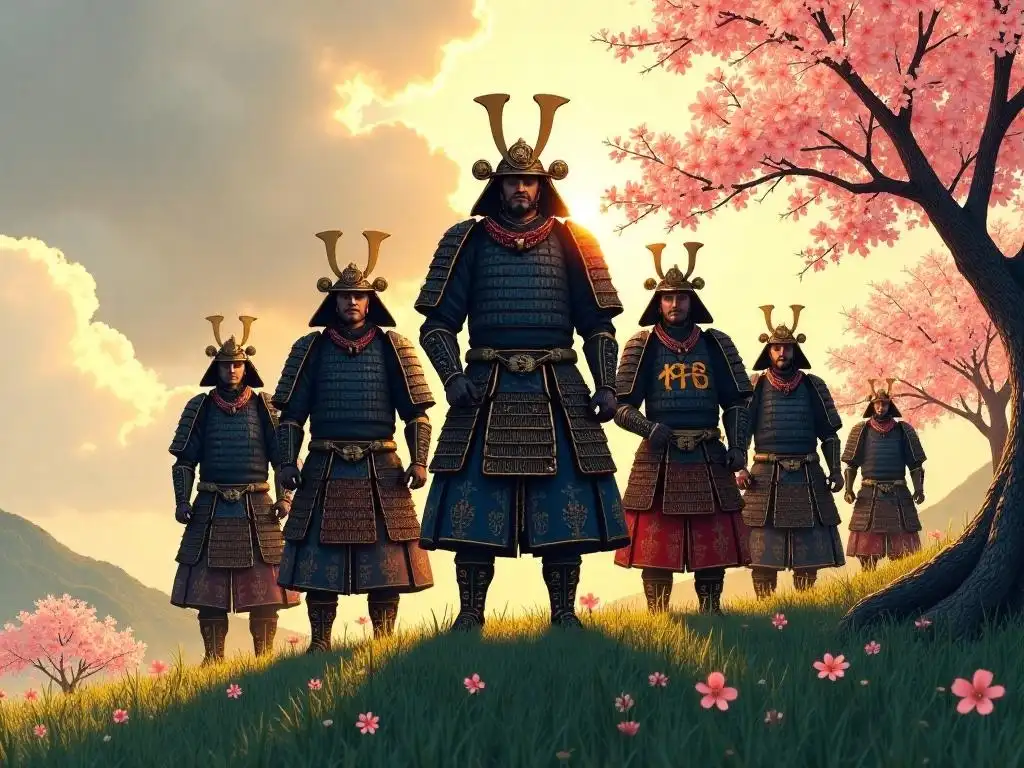
The relationship between the daimyo and the samurai class was pivotal in the political landscape of feudal Japan. This interaction not only shaped military strategies but also influenced social hierarchies and economic developments throughout the period. The daimyo, as powerful feudal lords, relied heavily on samurai for protection, governance, and the enforcement of their rule. Conversely, the samurai depended on the daimyo for land, sustenance, and social status. This interdependence created a unique dynamic that was essential for the stability and unification of Japan.
Relationship Between Daimyo and Samurai
The relationship between the daimyo and samurai was characterized by mutual obligation and loyalty. Samurai, as the warrior class, were sworn to serve their daimyo, often under a strict code of honor known as bushido. This code emphasized loyalty, bravery, and honor, guiding the samurai's actions and decisions. In return, daimyo granted samurai land, titles, and stipends, which provided them with the means to live and sustain their families.
As the political landscape evolved, particularly during the Sengoku period, the daimyo began to implement systems that further entrenched this relationship. They organized their samurai into retinues, creating a structured hierarchy that facilitated military campaigns and governance. This organization allowed daimyo to exert greater control over their domains while ensuring that loyal samurai were rewarded for their service.
The Role of Samurai in Supporting Daimyo’s Goals
Samurai played a crucial role in supporting the daimyo’s political and military objectives. As the primary military force, the samurai engaged in battles, defended territories, and expanded domains. Their skills in warfare were not only essential for the daimyo's survival but also for the consolidation of power during the turbulent periods of Japanese history.
In addition to military support, samurai also acted as local administrators and enforcers of the daimyo's laws. They were responsible for maintaining order, collecting taxes, and managing the agricultural production within their territories. This administrative role was vital for the economic stability of the daimyo’s domain and contributed significantly to the overall unification efforts across Japan. The loyalty and discipline of the samurai ensured that the daimyo could focus on broader strategies for unification and governance.
The economic and social structures under daimyo rule were instrumental in the unification of Japan. The policies and practices implemented by the daimyo not only boosted agricultural output but also restructured social hierarchies, paving the way for a more centralized and unified state.
Agricultural Reforms and Economic Growth
Daimyo initiated various agricultural reforms that significantly impacted economic growth. By improving irrigation systems, introducing new farming techniques, and promoting the cultivation of rice and other essential crops, they enhanced productivity across their domains. These reforms led to surplus production, which was crucial for supporting larger populations and feeding the armies that were essential for the unification campaigns.
Furthermore, the establishment of trade networks facilitated economic exchanges between different regions. Daimyo often invested in infrastructure such as roads and ports, which allowed for the efficient movement of goods. This not only stimulated local economies but also fostered inter-regional trade, contributing to a more interconnected political landscape. The economic prosperity generated from these reforms played a vital role in aiding the daimyo’s ambitions for power and control.
Social Structure and Class Systems Under Daimyo Rule
Under daimyo rule, Japan’s social structure became increasingly stratified, with distinct class systems emerging. At the top of this hierarchy were the daimyo themselves, followed by the samurai, who held significant status due to their military prowess and loyalty to their lords. Below them were the peasants, artisans, and merchants, each occupying specific roles within the feudal system.
This stratification was reinforced through legal and social norms that dictated the rights and privileges of each class. For example, samurai were often exempt from certain taxes and held authority over lower classes, which solidified their status and loyalty to the daimyo. The rigid class system, while initially a tool for maintaining order, ultimately contributed to the social cohesion necessary for the unification of Japan, as it fostered a clear structure of loyalty and service that was essential during periods of conflict.
The interaction between the daimyo and the samurai class, along with the economic and social factors influenced by daimyo policies, played a fundamental role in the unification of Japan. The complex relationships and structures established during this time laid the groundwork for a more centralized and cohesive nation.
The Impact of Daimyo Alliances and Conflicts
The alliances and conflicts among the daimyo were pivotal in shaping the political landscape of feudal Japan, particularly during the tumultuous period leading to the unification of the nation. These relationships often defined the power dynamics within Japan, influencing everything from territorial control to military strategies. The interplay between collaboration and rivalry among daimyo not only led to significant historical events but also played a critical role in the eventual emergence of a unified Japan under a central authority.
Strategic Marriages and Alliances Among Daimyo
One of the primary strategies employed by daimyo to solidify their power and influence was through strategic marriages. These unions were often more than mere personal alliances; they served as crucial political tools that could forge peace, secure territories, and strengthen claims to power. For example, the marriage between the powerful Takeda clan and the Uesugi clan exemplified how such alliances could shift the balance of power in specific regions.
Additionally, alliances formed through marriage allowed for the sharing of resources and military support, effectively creating a network of loyalty that could bolster a daimyo's standing against rival factions. The Oda clan, under Nobunaga, notably utilized strategic alliances to enhance its military capabilities and expand its territories, proving that such relationships were not only vital for personal gain but also for regional dominance.
Notable Conflicts and Their Role in Unification
Conflicts between daimyo, such as the famous battles of Nagashino and Sekigahara, were instrumental in the unification process of Japan. These battles showcased the intense rivalries that characterized the era, as various factions vied for supremacy. The Battle of Sekigahara in 1600, often viewed as a decisive conflict, ultimately led to the establishment of the Tokugawa shogunate, marking the beginning of a long period of peace known as the Edo period.
The outcomes of these conflicts not only determined territorial control but also influenced the political allegiance of various daimyo. The shifting alliances and enmities among the daimyo created a patchwork of loyalties that would eventually enable figures like Tokugawa Ieyasu to consolidate power and unify Japan under a centralized government. Thus, the conflicts among daimyo were not mere power struggles; they were critical events that laid the groundwork for the formation of a unified nation.
The Legacy of Daimyo in Modern Japan
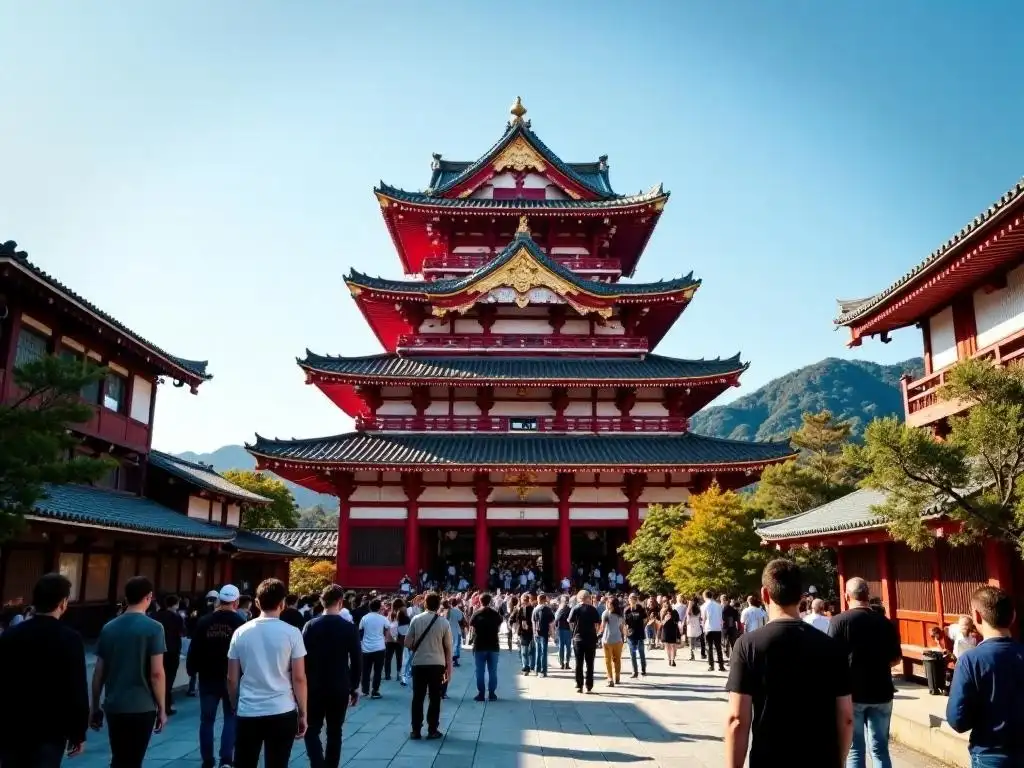
The legacy of the daimyo extends far beyond the feudal era, influencing various aspects of contemporary Japanese society, governance, and culture. Their impact can be seen in modern political structures, land ownership patterns, and even in social hierarchies that echo the past.
How Daimyo Influence Shaped Contemporary Japan
The political framework established during the daimyo era has left an indelible mark on modern Japan. The concept of regional governance, which was central to the daimyo's rule, can be seen in today's prefectural system, where local governors oversee districts that were once ruled by daimyo. Moreover, the emphasis on loyalty and duty, cultivated during feudal times, continues to resonate within Japanese corporate culture, reflecting the samurai ethos that defined the relationships between daimyo and their retainers.
Culturally, the arts and architectural styles that flourished under the patronage of daimyo have influenced modern Japanese aesthetics. Traditional practices such as tea ceremonies and martial arts can trace their origins back to the customs and disciplines fostered during the feudal period.
Lessons Learned from the Daimyo Era
The era of the daimyo offers valuable lessons in governance, diplomacy, and the complexities of power dynamics. The importance of alliances, both strategic and personal, underscores the necessity of collaboration in achieving broader objectives. Furthermore, the conflicts that arose from rivalries highlight the potential consequences of fragmentation within a society and the need for unity in governance.
As Japan continues to evolve in the modern world, the historical insights derived from the daimyo period serve as reminders of the importance of sustainable and cooperative leadership. The lessons learned from this era encourage contemporary leaders to prioritize dialogue and alliances, ensuring that the mistakes of the past are not repeated in the quest for stability and progress.
Conclusion: The Lasting Influence of Daimyo on Japan’s Unity
The role of the daimyo in the unification of Japan is a profound aspect of the nation’s political history that cannot be overstated. These feudal lords were not merely local rulers; they were pivotal figures whose actions and alliances shaped the trajectory of Japan from fragmentation to a centralized state. The power dynamics among the daimyo—characterized by rivalry, strategic marriages, and shifting allegiances—played a critical role in the eventual unification under the Tokugawa shogunate. Their influence extended beyond military might; they were also instrumental in the cultural and economic development of their domains, laying the groundwork for national cohesion.
The legacy of the daimyo continues to resonate in modern Japan. Their historical significance is reflected in contemporary governance structures and societal norms, illustrating how the past informs the present. The unification process, driven by these powerful lords, helped forge a national identity that remains a cornerstone of Japanese culture today.
Summary of the Daimyo's Role in Japan's Unification
The daimyo were central to the political landscape of feudal Japan, serving as both rulers and military leaders. During the late 15th to early 17th centuries, Japan was marked by the Sengoku period, a time of intense warfare and instability. The daimyo, controlling vast territories, engaged in conflict for power and resources, which inadvertently set the stage for unification. Key figures, such as Oda Nobunaga and Toyotomi Hideyoshi, rose to prominence by defeating rival daimyo and consolidating power.
The unification of Japan culminated in the early 17th century with Tokugawa Ieyasu's establishment of the Tokugawa shogunate after his victory at the Battle of Sekigahara in 1600. The Tokugawa regime effectively integrated the remaining daimyo into a centralized feudal system, stabilizing the nation and fostering economic growth. The daimyo's shifting roles from autonomous lords to vassals within the Tokugawa framework illustrate their complex but essential contributions to the unification process.
Reflection on the Importance of Daimyo in Historical Context
Reflecting on the historical context, the daimyo emerged as formidable political entities that shaped not only military alliances but also cultural and economic landscapes. Their governance styles varied, with some promoting agricultural advancements and others investing in infrastructure and trade. This diversity in leadership contributed to the regional identities that characterized Japan, ultimately enriching the nation’s unity.
Moreover, the daimyo's relationships with the samurai class were foundational in establishing loyalty and order within their domains. The code of bushido, emphasizing honor and discipline, was nurtured during this era, influencing Japanese society deeply. The daimyo were crucial in the transition from a fragmented feudal system to a more unified state, and their legacies continue to be evident in Japan’s social and political fabric.
References and Further Reading on Daimyo and Japanese History
Suggested Books and Articles for In-Depth Understanding
-
"The Samurai: A Military History" by Stephen Turnbull
This book offers insights into the samurai culture and the role of daimyo in shaping military strategies throughout Japan's history.
-
"Japan: A History" by John W. Dower
Dower's comprehensive history provides an overview of Japan's political transformations, including the influence of the daimyo.
-
"Daimyo: The Feudal Lords of Japan" by David C. H. Lueck
This work focuses specifically on the daimyo, their domains, and their impact on Japanese unification.
-
"The Rise of Modern Japan" by James L. McClain
This text contextualizes the daimyo's role within the broader scope of Japan's modernization and unification.
Online Resources for Further Exploration of Daimyo Role in Japan Unification
- The Samurai Archives: A rich resource for exploring topics related to samurai and daimyo, including detailed articles on prominent figures and events that led to unification.
- Japan Society: Offers a variety of resources, including lectures and articles, that delve deeper into the history of the daimyo and their impact on Japanese culture and politics.
- National Diet Library of Japan: Provides access to a vast collection of historical documents and literature related to the daimyo and the unification of Japan, ideal for researchers and history enthusiasts alike.
- The Tokugawa Institute for Medieval Studies: A specialized institute that hosts a wealth of academic papers and articles focusing on the Tokugawa period and the role of daimyo during Japan's unification.
By engaging with these resources, readers can gain a deeper understanding of the daimyo's pivotal role in Japan's historical unification and their lasting legacy in Japanese society.
- Introduction to the Daimyo in Feudal Japan
- Historical Context of Japan’s Unification
- The Role of Daimyo in Political Landscape
- Key Daimyo and Their Contributions to Unification
- The Interaction of Daimyo with the Samurai Class
- Economic and Social Factors Influenced by Daimyo
- The Impact of Daimyo Alliances and Conflicts
- The Legacy of Daimyo in Modern Japan
- Conclusion: The Lasting Influence of Daimyo on Japan’s Unity
- References and Further Reading on Daimyo and Japanese History
- What was the role of the Daimyo in the unification of Japan?
- How did the Daimyo influence the samurai class?
- What were the key historical events involving the Daimyo during Japan's unification?
- How did the Daimyo's relationships impact Japan's political alliances?
- What was the impact of the Daimyo on Japan's cultural development during the unification process?
Frequently Asked Questions
What was the role of the Daimyo in the unification of Japan?
The Daimyo were powerful feudal lords who played a crucial role in the political landscape of Japan, influencing alliances and military strategies that ultimately contributed to the unification of the country.
How did the Daimyo influence the samurai class?
The Daimyo served as patrons and leaders for the samurai, providing them with land and resources in exchange for loyalty and military service, thus reinforcing the feudal structure of Japan.
What were the key historical events involving the Daimyo during Japan's unification?
Key events include the Sengoku period, where Daimyo engaged in constant warfare, leading to the rise of unifying figures like Oda Nobunaga and Toyotomi Hideyoshi, who leveraged Daimyo power to achieve national unity.
How did the Daimyo's relationships impact Japan's political alliances?
The Daimyo often formed strategic alliances through marriage and diplomacy, which were essential for consolidating power and influencing the political dynamics necessary for Japan's unification.
What was the impact of the Daimyo on Japan's cultural development during the unification process?
The Daimyo contributed to cultural flourishing by sponsoring the arts, promoting literature, and supporting religious institutions, which helped shape the cultural identity of unified Japan.
Final Reflection: The Enduring Legacy of the Daimyo in Japan's Unification
The role of the daimyo in Japan's unification is not just a historical footnote; it is a powerful reminder of how leadership, strategy, and cultural identity can shape a nation. As we navigate the complexities of modern society, the lessons drawn from the daimyo's influence during a pivotal era in Japanese history resonate with our ongoing quest for unity and collaboration in an increasingly fragmented world. The actions and decisions of these feudal lords were instrumental in forging a cohesive Japan, demonstrating that effective leadership can transcend individual ambition for the greater good.
Culture and social dynamics are often influenced by historical figures, and the daimyo are no exception. Their legacy continues to inform contemporary discussions about governance, loyalty, and community. The intricate relationships between the daimyo and their vassals illustrate the importance of mutual respect and shared purpose, elements that remain vital in today's society. In the midst of chaos, there is also opportunity.
This quote encapsulates the transformative potential that arises from challenges, much like the unification of Japan emerged from the tumult of the Sengoku period.
As we reflect on the daimyo's role in Japan's unification, let us take a moment to consider how we can apply these historical lessons to our own lives. How can we embody the spirit of collaboration and leadership in our communities? Whether in our personal relationships, workplaces, or civic engagements, we have the power to foster unity and understanding. Embrace the challenge of building connections, just as the daimyo did in their pursuit of a unified Japan, and be a catalyst for positive change in your own sphere of influence.
Unveil the Legacy of the Daimyo – Take Action Now!
Thank you for diving into the fascinating history of the daimyo’s role in Japan's unification! You've uncovered the pivotal influence these powerful lords had on shaping the nation. Now, it's time to take that knowledge and transform it into impactful actions that deepen your understanding and connection to this extraordinary era.
Here are some ways you can continue this journey:
- Explore further: Delve into specific biographies of notable daimyo or key battles by visiting our resource page to enrich your historical knowledge.
- Engage with the community: Share your thoughts and insights on the role of the daimyo in Japanese unification in our discussion forum—your perspective is invaluable!
- Create a visual timeline: Document the major events influenced by the daimyo in your own words or through visuals. This is a great way to synthesize what you've learned!
Which daimyo do you believe had the most significant impact on unifying Japan, and why? We invite you to share your thoughts in the comments below!