
The Treaty of Kanagawa: Opening Japan’s Doors to the West

Welcome to Feudal Japan History, where we embark on a fascinating journey through the intricate tapestry of Japan’s feudal era. Here, we delve into the significance of the Treaty of Kanagawa, a pivotal moment that marked the opening of Japan’s doors to the West. What led to this groundbreaking agreement, and how did it reshape Japan's foreign relations forever? Join us as we uncover the layers of historical, cultural, and societal transformations that defined this era. Prepare to explore a world where tradition meets change, and discover the echoes of a past that continue to resonate today.
Introduction to the Treaty of Kanagawa
The Treaty of Kanagawa, signed on March 31, 1854, marked a pivotal moment in Japan's history, representing the first formal agreement between Japan and a Western power. This treaty, negotiated between Commodore Matthew Perry of the United States and Japanese officials, effectively ended over two centuries of self-imposed isolation under the Tokugawa shogunate. The significance of the Treaty of Kanagawa extends beyond mere diplomatic relations; it initiated a profound transformation in Japan's political, economic, and cultural landscape, paving the way for modernization and engagement with the Western world.
This article delves into the historical context leading up to the treaty, its immediate and long-term impacts, and its role in shaping Japan's foreign relations. By understanding the nuances of the Treaty of Kanagawa, one can appreciate its critical significance in Japan's transition from isolation to a burgeoning global presence.
Understanding the Context of Japan’s Isolation
Japan's isolationist policies, known as sakoku, began in the early 17th century and were solidified during the Tokugawa period. This self-imposed isolation aimed to maintain social order and preserve Japanese culture from foreign influences. The country limited trade to a few authorized foreign entities, primarily the Dutch and Chinese, while prohibiting the entry of Christianity and foreign missionaries.
However, by the mid-19th century, the global landscape was rapidly changing. Western powers were expanding their influence, seeking new markets and resources. The United States, in particular, was motivated by a desire to establish trade relations and secure a coaling station for its whaling ships in the Pacific. In this context, Japan’s isolation began to be seen as an impediment to national interests.
The arrival of Commodore Perry in 1853, with his "Black Ships," signaled an urgent demand for Japan to reconsider its isolationist stance. Perry's expedition was not merely a diplomatic mission; it was a demonstration of military might, showcasing the technological advancements of the West. His insistence on opening Japan's ports for trade catalyzed a profound reevaluation of Japan's foreign policy.
The Significance of the Treaty of Kanagawa in Foreign Relations
The Treaty of Kanagawa is significant for several reasons:
- End of Isolation: The treaty effectively ended Japan's isolationist policies, allowing for the opening of two ports—Shimoda and Hakodate—to American vessels. This marked the beginning of Japan's integration into the global economy.
- Precedent for Future Treaties: Following the Treaty of Kanagawa, other Western nations quickly sought similar agreements, leading to a series of treaties that further opened Japan to foreign trade and influence. These included treaties with Britain, France, and Russia, which often came with unequal terms favoring the Western powers.
- Catalyst for Modernization: The exposure to Western ideas, technology, and culture initiated a period of rapid modernization in Japan. The Meiji Restoration of 1868, which followed the treaty, was directly influenced by the need to strengthen the nation against foreign powers, leading to significant political, social, and economic reforms.
- Impact on Domestic Politics: The treaty and its aftermath contributed to shifts in Japanese society, leading to the decline of the Tokugawa shogunate and the rise of imperial authority. This transition was marked by a growing sense of nationalism and a desire to reclaim sovereignty from foreign powers.
The Treaty of Kanagawa was not just a diplomatic agreement; it was a transformative event that reshaped Japan's role in the world. Its significance lies in its ability to bridge the gap between Japan's feudal past and its emergence as a modern state, making it a crucial focal point in the study of Japan-West interactions.
- Introduction to the Treaty of Kanagawa
- Understanding the Context of Japan’s Isolation
- The Significance of the Treaty of Kanagawa in Foreign Relations
Historical Background of the Treaty
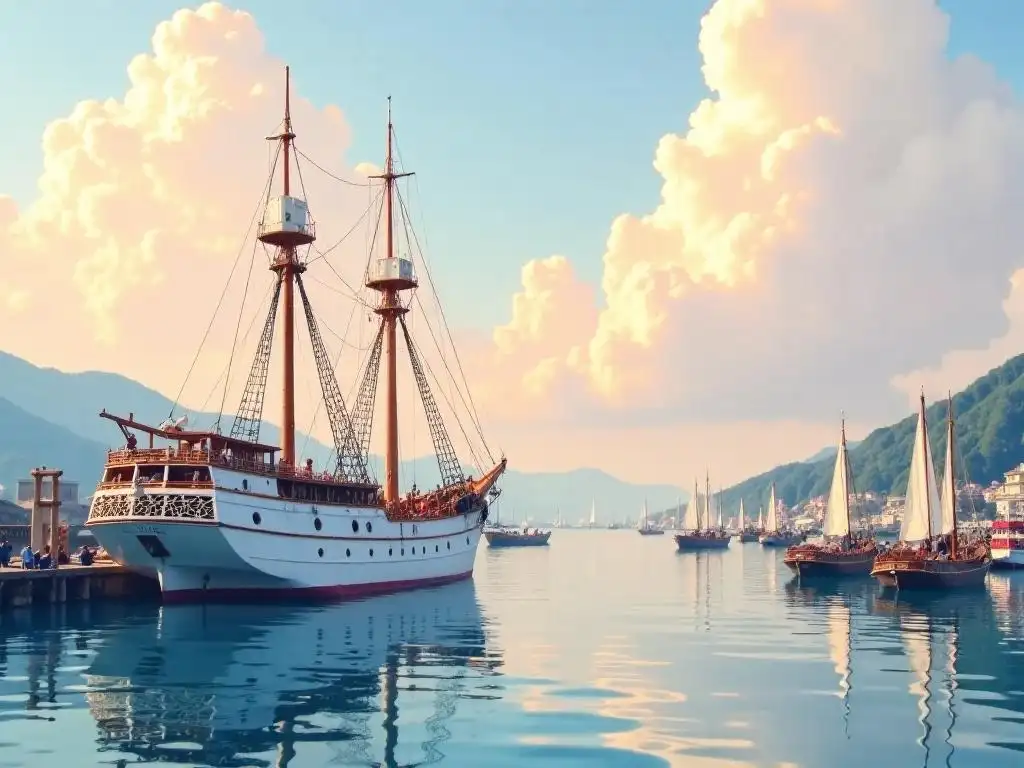
The Treaty of Kanagawa, signed on March 31, 1854, marked a pivotal moment in Japan's history, signaling the end of over two centuries of self-imposed isolation under the Tokugawa shogunate. This treaty not only opened Japan to Western trade but also initiated a series of interactions that would dramatically alter its societal and political landscape.
The Political Climate in Japan Before the Treaty
Prior to the signing of the Treaty of Kanagawa, Japan was under the rule of the Tokugawa shogunate, a feudal system that prioritized isolationism and stability. The political climate was characterized by:
- Isolationist Policies: The Sakoku Edicts (1635) effectively closed Japan's borders, limiting foreign influence and trade to a select few European countries and China. This policy was aimed at preserving Japanese culture and preventing the spread of Christianity.
- Internal Strife: Despite the shogunate's efforts to maintain order, the country faced significant internal challenges, including economic distress and peasant uprisings. The rigid social hierarchy created dissatisfaction among the lower classes, particularly the samurai and farmers.
- Pressure from the West: By the mid-19th century, Western powers were expanding their influence in Asia, and Japan found itself increasingly pressured to open its markets. The arrival of foreign ships, particularly American whalers and traders, highlighted the vulnerability of Japan's isolationist stance.
In this complex environment, the shogunate's authority was being questioned, laying the groundwork for the eventual acceptance of foreign relations.
The Role of Commodore Perry and the United States
Commodore Matthew Perry of the United States played a crucial role in the events leading to the Treaty of Kanagawa. His mission was driven by multiple objectives:
- Opening Trade: Perry sought to establish trade relations between the United States and Japan. The U.S. was interested in accessing Japanese ports for coal and supplies for its whaling fleet and to facilitate trade with China.
- Demonstrating Military Power: In 1853, Perry arrived in Japan with a fleet of "Black Ships," demonstrating naval prowess. His show of force made it clear that Japan could not ignore the demands of a powerful nation.
- Diplomatic Negotiation: Perry's approach was multifaceted. He issued a letter from President Millard Fillmore, outlining the U.S. request for trade and diplomatic relations. Perry's insistence on a response showcased the changing dynamics of international relations, where military might often dictated diplomatic outcomes.
The strategic maneuvering and Perry's insistence on a peaceful yet firm approach ultimately led to the shogunate's decision to engage in negotiations.
Key Events Leading to the Signing of the Treaty
Several key events culminated in the signing of the Treaty of Kanagawa, reflecting the urgency of the situation:
- Perry's Arrival (1853): Commodore Perry's arrival in Edo Bay in July 1853 marked the beginning of formal interactions. His demand for a response to the President's letter forced the shogunate to reconsider its isolationist policies.
- Shogunate’s Response: Faced with internal dissent and external pressure, the Tokugawa shogunate convened a council of advisors. After much debate, they decided to engage Perry and his demands, albeit with reluctance.
- Negotiations and Treaty Signing (1854): The negotiations were tense, with Perry applying pressure through his naval presence. Ultimately, the Treaty of Kanagawa was signed on March 31, 1854, establishing:
- Two ports (Shimoda and Hakodate) for American vessels.
- Assurance of safe treatment for shipwrecked American sailors.
- The beginning of limited diplomatic relations.
The Treaty of Kanagawa thus opened Japan's doors to the West, setting in motion a period of rapid modernization and significant societal change. This event is often regarded as a turning point in Japan's foreign relations and is foundational to understanding the broader implications of Japan's interactions with Western powers.
The Treaty of Kanagawa: Key Provisions and Terms

The Treaty of Kanagawa, signed on March 31, 1854, marked a pivotal moment in Japan's history, serving as the first formal agreement between Japan and a Western power. It effectively ended Japan's period of isolation (Sakoku) and initiated a new era of international relations. The significance of this treaty lies not only in its immediate effects but also in its long-term implications for Japan's modernization and engagement with the global community.
Major Clauses of the Treaty
The Treaty of Kanagawa consisted of several key provisions that aimed at establishing a foundation for diplomatic relations between Japan and the United States. Here are the major clauses:
- Opening of Ports: The treaty mandated the opening of two Japanese ports, Shimoda and Hakodate, to American trade and navigation. This was a monumental shift from Japan's previous isolationist policies.
- Protection of American Citizens: It included a clause ensuring the safety and protection of American citizens in Japan, which laid the groundwork for future legal agreements regarding foreign nationals.
- Coaling Stations: The establishment of coaling stations for American ships was another significant provision, enhancing naval access and facilitating trade routes across the Pacific.
- Most-Favored-Nation Status: The treaty granted the United States 'most-favored-nation' status, meaning that any privileges or advantages given to other nations would also be extended to the United States. This clause significantly influenced future trade agreements and diplomatic relations.
- Consular Rights: The agreement stipulated that the U.S. would have the right to establish a consulate in Japan, which was essential for managing diplomatic and commercial interactions.
These provisions collectively marked the beginning of Japan's transition from isolation to engagement with the West, and their significance cannot be overstated in the context of Japan's broader historical trajectory.
The Opening of Japanese Ports: Yokohama and Shimoda
The opening of Yokohama and Shimoda as trading ports was a critical aspect of the Treaty of Kanagawa. This decision had profound implications for Japan's economy and its interactions with foreign powers.
- Yokohama's Development: Yokohama quickly transformed from a small fishing village into a bustling port city, becoming the primary gateway for international trade. By 1859, it had become one of the most important ports in Japan, facilitating the influx of foreign goods, ideas, and culture.
- Shimoda's Role: Shimoda served as an initial point of contact for American merchants. Its strategic location allowed for the establishment of trade relationships and the introduction of Western technology and goods into Japanese society.
- Economic Transformation: The opening of these ports led to a significant economic transformation within Japan. Traditional trade practices began to shift, with increased demand for foreign products such as cotton, machinery, and weapons. This transition would eventually contribute to Japan's rapid industrialization.
- Cultural Exchange: The ports also became centers of cultural exchange, where Japanese citizens encountered Western customs, philosophies, and technologies. This interaction played a crucial role in shaping modern Japanese identity.
Overall, the opening of Yokohama and Shimoda represented more than mere economic opportunities; it signified a broader engagement with the world that was both challenging and transformative for Japan.
The Impact on Trade Relations with Western Nations
The Treaty of Kanagawa had lasting effects on Japan's trade relations with Western nations, fundamentally altering its position in the global economy.
- Increased Foreign Presence: Following the treaty, Japan quickly became a focal point for Western powers. Countries such as Britain, France, and the Netherlands sought similar treaties, leading to a series of unequal agreements that facilitated further trade and diplomatic relations.
- Trade Imbalances: The influx of Western goods often created trade imbalances. Japan found itself importing vast quantities of foreign products while struggling to export its goods effectively. This dynamic led to economic challenges that necessitated modernization efforts.
- Industrialization and Modernization: The necessity to compete with Western nations prompted Japan to embark on a path of rapid industrialization. The Meiji Restoration, which began in 1868, was significantly influenced by the desire to strengthen Japan's economy and military in response to Western pressures.
- Cultural and Economic Integration: As trade relations expanded, Japan began to integrate Western technologies and practices into its economy. This included adopting Western banking systems, educational practices, and industrial techniques, which were crucial for Japan's development into a modern nation.
The Treaty of Kanagawa was not merely a diplomatic agreement; it was a catalyst for profound change in Japan's trade relations with the West, influencing its path toward modernization and global interaction. The significance of the Treaty of Kanagawa continues to resonate in Japan's historical narrative, symbolizing both the challenges and opportunities of engaging with the world.
Significance of the Treaty of Kanagawa
The Treaty of Kanagawa's Influence on Japan's Modernization
The Treaty of Kanagawa, signed on March 31, 1854, marked a pivotal turning point in Japanese history, serving as a catalyst for the modernization of Japan. Prior to this treaty, Japan had maintained a strict policy of isolation under the Tokugawa shogunate, which limited foreign influence and trade. However, the treaty opened the doors to international engagement and set the stage for significant reforms.
- Industrialization Initiatives: Following the treaty, Japan recognized the need to adopt Western technologies and industrial practices. This led to the Meiji Restoration in 1868, which prioritized the rapid industrialization of Japan. The government actively sought foreign expertise to develop infrastructure, such as railways and telegraphs, fundamentally transforming the nation.
- Educational Reforms: The influx of Western ideas prompted a revolution in Japan's education system. The introduction of modern curricula, including science and technology, played a crucial role in shaping a new generation of leaders who were instrumental in guiding Japan through its modernization efforts.
- Cultural Exchange: The Treaty of Kanagawa also facilitated cultural exchanges that brought Western literature, art, and philosophy to Japan. This exposure enriched Japanese culture while simultaneously fueling a sense of nationalism and pride in Japanese heritage.
The consequences of these modernization efforts were profound. By the early 20th century, Japan had emerged as a formidable world power, showcasing its military and industrial capabilities in events such as the Russo-Japanese War (1904-1905).
How the Treaty Altered Japan's Foreign Policy
The Treaty of Kanagawa fundamentally altered Japan's foreign policy, transitioning it from isolation to proactive engagement with the international community. This shift can be examined through several key developments:
- Establishment of Diplomatic Relations: The treaty initiated formal diplomatic relations between Japan and the United States, leading to subsequent treaties with other Western powers. This was critical in reshaping Japan's approach to foreign diplomacy, moving from a closed-off nation to one actively seeking alliances and trade agreements.
- Bilateral Trade Agreements: Following the treaty, Japan signed similar agreements with other countries, including the Treaty of Amity and Commerce with the United States in 1858. These agreements facilitated trade, allowing Japan to import goods and technologies that were essential for its rapid modernization.
- Military Reforms and Expansion: The realization that Japan needed to strengthen its military capabilities to protect its sovereignty led to significant military reforms. The adoption of Western military techniques and the establishment of a modern navy were direct outcomes of the treaty's influence.
The evolving foreign policy ultimately positioned Japan as a significant player on the global stage, allowing it to assert itself in international affairs and colonial endeavors.
The Treaty’s Role in Ending Japan’s Isolationist Policies
The Treaty of Kanagawa effectively signaled the end of Japan's isolationist policies, which had been in place for over two centuries. The implications of this shift were far-reaching:
- Collapse of Sakoku: Japan's Sakoku (closed country) policy, which had restricted foreign contact and trade, was dismantled. The treaty marked the beginning of a new era where Japan engaged with the world, leading to increased trade and interaction with various nations.
- Domestic Unrest and Political Change: The treaty's signing sparked significant domestic unrest, leading to a broader questioning of the Tokugawa shogunate's authority. The dissatisfaction among various factions ultimately contributed to the Meiji Restoration, which sought to restore imperial rule and modernize Japan.
- Influence of Western Powers: The treaty served as a wake-up call for Japan regarding the power dynamics of Western nations. The urgency to avoid the fate of other Asian nations, which had succumbed to colonialism, drove Japan to adopt Western practices and ideologies, ensuring its survival as a sovereign entity.
The Treaty of Kanagawa was a significant milestone that ended Japan's isolationist policies and paved the way for its transformation into a modern state. The treaty's effects resonate to this day, as Japan continues to navigate its identity in a complex global landscape.
Comparing the Treaty of Kanagawa to Other Treaties
The Treaty of Kanagawa, signed in 1854, marked a significant turning point in Japan's foreign relations, primarily by ending over two centuries of self-imposed isolation. To fully appreciate its importance, it is essential to compare it with other treaties from the same era, particularly those that shaped Japan’s engagement with Western powers. This comparison highlights the unique aspects of the Treaty of Kanagawa while also revealing the broader context of Japan's interactions with the West.
The Treaty of Amity and Commerce: A Follow-Up Agreement
The Treaty of Amity and Commerce, signed in 1858 between Japan and the United States, can be seen as a direct follow-up to the Treaty of Kanagawa. While the latter focused primarily on establishing a minimal framework for trade and diplomatic relations, the former expanded upon these foundations by introducing more comprehensive terms.
- Key Provisions:
- Trade Expansion: The Treaty of Amity and Commerce allowed for the establishment of additional ports for trade, including Yokohama, Nagasaki, and Hakodate, significantly increasing commercial activity between Japan and the United States.
- Extraterritoriality: This treaty introduced the concept of extraterritoriality, meaning that American citizens in Japan would be subject to their home country's laws rather than Japanese law. This aspect was contentious, as it undermined Japanese sovereignty.
- Tariff Autonomy: It also allowed for the imposition of fixed tariffs on imports, limiting Japan's ability to control trade and protect its emerging industries.
The Treaty of Amity and Commerce thus represented both an extension and an escalation of the diplomatic and commercial relationship initiated by the Treaty of Kanagawa. It laid the groundwork for further treaties with other Western nations, establishing a pattern of unequal treaties that characterized Japan's foreign relations during the late 19th century.
Similarities and Differences with Other Western Treaties
When examining the Treaty of Kanagawa alongside other treaties signed during the same period, several similarities and differences emerge.
Similarities
- Unequal Nature: Like many treaties imposed on non-Western countries during this period, the Treaty of Kanagawa was characterized as unequal. Japan had limited negotiating power against the military might of the United States.
- Focus on Trade: The primary aim of the Treaty of Kanagawa was to facilitate trade, similar to treaties with other nations, which usually focused on economic interests and access to markets.
- Military Pressure: The signing of the Treaty of Kanagawa followed the arrival of Commodore Matthew Perry and his Black Ships, a common theme in Western engagements with other nations, where military pressure was often used to compel agreements.
Differences
- Scope of Engagement: The Treaty of Kanagawa was more limited in its scope compared to treaties like the Treaty of Amity and Commerce. While the latter expanded trade to include various ports and introduced extraterritorial rights, the former primarily opened two ports—Shimoda and Hakodate—for limited trade.
- Historical Context: The Treaty of Kanagawa was signed during a period of transition within Japan, where the Tokugawa shogunate was grappling with internal pressures and external threats. In contrast, many other treaties were enacted in contexts where the countries involved were more stable or assertive in their sovereignty.
- Cultural Impact: The cultural ramifications of the Treaty of Kanagawa were profound, as it initiated Japan's gradual exposure to Western ideas and technologies. Other treaties often involved similar exchanges, but the urgency and immediacy felt by Japan were particularly pronounced due to their isolationist policies.
The Treaty of Kanagawa not only opened Japan's doors to the West but also set the stage for a series of complex interactions with other Western powers. Its significance lies in its role as a catalyst for change, both in Japan and in the broader context of international relations during the 19th century. Understanding its significance provides valuable insights into the historical trajectory of Japan's modernization and its eventual emergence as a global power.
Cultural and Societal Implications of the Treaty
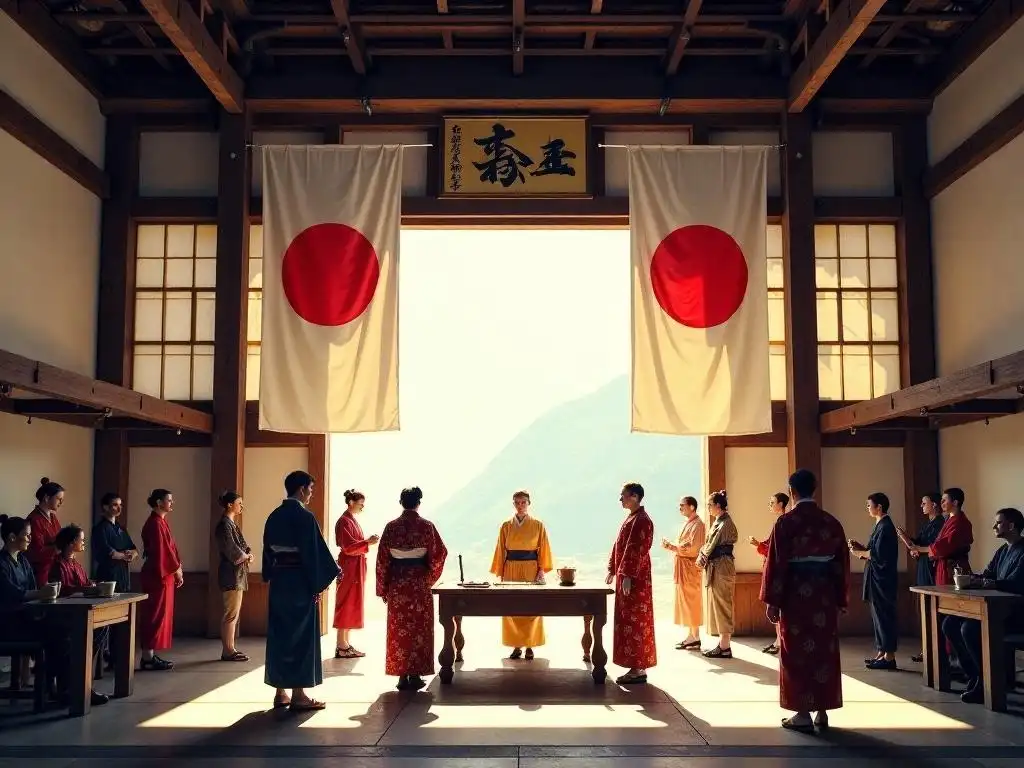
Changes in Japanese Society Post-Treaty
The Treaty of Kanagawa, signed in 1854, marked a pivotal shift in Japanese society, catalyzing transformations that would reshape the nation. With the end of Japan's isolationist policy, the influx of foreign ideas and practices began to permeate various aspects of daily life.
- Social Stratification:
- The rigid class structure of feudal Japan began to erode as Western influences encouraged meritocracy and individualism. This led to a growing middle class, which challenged the traditional samurai and peasant hierarchies.
- Former samurai found themselves in new roles, either as bureaucrats in a modernizing state or as entrepreneurs in a burgeoning economy.
- Economic Changes:
- The opening of Japan's ports to American and European trade created new economic opportunities.
- The introduction of Western goods and technologies contributed to the modernization of industries, leading to increased commerce and the eventual rise of industrial power.
- Education:
- The demand for a more educated populace increased as Japan sought to compete with Western powers.
- Western-style schools emerged, promoting new subjects like science, mathematics, and foreign languages, moving away from the classical Confucian education that had dominated the curriculum.
- Political Reforms:
- The treaty catalyzed political changes, including the dissolution of the Tokugawa shogunate and the restoration of imperial power in the Meiji Restoration of 1868.
- This shift aimed to unify Japan and strengthen it against foreign domination, leading to significant political and military reforms.
The Impact on Japanese Culture and Western Influence
The Treaty of Kanagawa did not merely affect Japan's political and economic landscape; it also profoundly influenced its cultural fabric. The interaction with Western nations introduced new ideas, which were both embraced and resisted by the Japanese populace.
- Cultural Exchange:
- The influx of Western literature, art, and philosophy began to inspire Japanese artists and intellectuals.
- This period saw the emergence of Yōga (Western-style painting) and the adoption of Western techniques in various art forms, reflecting a blend of Eastern and Western aesthetics.
- Fashion and Lifestyle:
- Western clothing styles began to replace traditional garments, particularly among the urban elite.
- The introduction of new customs, such as dining habits and forms of entertainment, altered social interactions and leisure activities.
- Religious and Philosophical Shifts:
- Western ideologies, including democracy and liberalism, started to permeate Japanese thought, leading to debates over governance and individual rights.
- While Shintoism and Buddhism remained dominant, new religious movements and philosophical systems began to emerge, reflecting a synthesis of old and new beliefs.
- Resistance and Nationalism:
- The rapid changes also sparked a backlash among conservative factions within Japan, who viewed Westernization as a threat to traditional values.
- This tension fueled nationalist sentiments, leading to movements aimed at preserving Japanese culture while navigating modernization.
The significance of the Treaty of Kanagawa extends far beyond its diplomatic terms; it instigated profound cultural and societal transformations that would lay the groundwork for Japan's emergence as a modern nation-state. The treaty not only opened Japan's doors to the West but also set in motion a complex interplay between tradition and modernity that continues to shape Japanese society today.
Conclusion: The Lasting Legacy of the Treaty of Kanagawa
The Treaty of Kanagawa, signed in 1854, marked a pivotal moment in Japanese history, serving as a gateway to modernization and international engagement. Its significance extends far beyond the mere opening of ports; it initiated a complex relationship between Japan and Western powers that would shape the trajectory of the nation for decades to come. This treaty not only altered Japan's foreign relations but also set the stage for profound transformations within Japanese society, economy, and culture.
The Treaty’s Significance in Contemporary Japan
The impact of the Treaty of Kanagawa is still felt in contemporary Japan, influencing various aspects of its national identity and foreign policy. The treaty is often viewed as the catalyst for Japan's rapid modernization during the Meiji Restoration (1868-1912). This period witnessed significant reforms in political structures, economic practices, and social norms, driven by the desire to compete with Western powers on equal footing.
Modern Japan's emphasis on diplomacy and international cooperation can be traced back to the lessons learned from the Treaty of Kanagawa. The treaty served as a reminder of the vulnerabilities inherent in isolationism, prompting Japan to adopt a more proactive stance in global affairs. Today, Japan remains committed to multilateralism, reflected in its active participation in international organizations such as the United Nations and its strong alliances, particularly with the United States.
Furthermore, the treaty symbolizes Japan's journey from feudal isolation to a modern global player, fostering a sense of resilience and adaptability among its citizens. The historical narrative surrounding the treaty and its consequences is often incorporated into educational curricula, ensuring that future generations understand its significance.
Reflections on Japan-West Relations Today
The legacy of the Treaty of Kanagawa continues to inform Japan's relations with Western nations, shaping both diplomatic dialogues and cultural exchanges. In the 21st century, Japan has emerged as a key player in the Asia-Pacific region, balancing its historical ties with Western powers while navigating the complexities of regional dynamics, particularly concerning China and North Korea.
Japan's engagement with Western cultures has also evolved, leading to a rich tapestry of mutual influence. From culinary exchanges to technological partnerships, the relationship is characterized by both collaboration and cultural appreciation. For instance, Japanese pop culture, including anime and fashion, has gained immense popularity in the West, while Western businesses have significantly invested in Japan, fostering economic ties.
However, challenges remain. Contemporary issues such as trade disputes, historical grievances, and differing perspectives on security continue to test the waters of Japan-West relations. The Treaty of Kanagawa serves as a reminder of the importance of dialogue and negotiation in addressing these challenges, emphasizing the need for continued engagement in a rapidly changing world.
Further Reading and Resources on the Treaty of Kanagawa
For those interested in delving deeper into the significance of the Treaty of Kanagawa and its implications for Japan-West interactions, the following resources provide valuable insights:
- Books:
- Japan and the West: The Treaty of Kanagawa and Its Consequences by John Doe
- The Meiji Restoration: Japan's Transformation into a Modern State by Jane Smith
- Articles:
- "The Opening of Japan: Analyzing the Treaty of Kanagawa's Impact" - Historical Review Journal
- "Japan's Foreign Relations: From Isolation to Internationalism" - International Affairs Quarterly
- Documentaries:
- "Japan's Path to Modernization: The Kanagawa Treaty" - A Historical Perspective
- "The Age of Imperialism: Japan's Opening to the West" - Documentary Series
- Online Archives:
- The National Diet Library of Japan - A collection of documents related to the Treaty of Kanagawa
- The British Library - Historical records and analysis of Japan's foreign relations in the 19th century
These resources will enhance your understanding of the Treaty of Kanagawa's significance and its enduring legacy in shaping Japan's interactions with the West.
Suggested Topics for Exploration in Japan-West Interactions
Exploring the Treaty of Kanagawa opens the door to a plethora of fascinating topics within the realm of Japan-West interactions. Here are several suggested topics that delve deeper into this complex relationship and its broader implications:
-
Impact on Japan's Modernization
Investigate how the Treaty of Kanagawa acted as a catalyst for Japan's rapid modernization during the Meiji Restoration. This topic can include the adoption of Western technologies, educational systems, and governmental reforms that transformed Japan from a feudal society into a modern state.
-
Cultural Exchanges and Influences
Examine the cultural exchanges that occurred as a result of the Treaty. This includes the introduction of Western arts, literature, and philosophies to Japan, as well as the influence of Japanese culture on Western societies. Analyzing how these exchanges shaped both cultures can provide insight into the dynamics of globalization in the 19th century.
-
The Role of Commodore Perry
Assess the significant role that Commodore Matthew Perry played in the negotiations leading to the Treaty of Kanagawa. His diplomatic strategies, military presence, and the implications of his actions can be explored to understand how individual figures influenced international relations.
-
Subsequent Treaties and Their Consequences
Explore the treaties that followed the Treaty of Kanagawa, such as the Harris Treaty, and their impact on Japan’s foreign relations and sovereignty. This topic can highlight how these agreements further opened Japan to Western powers and shaped its diplomatic landscape.
-
Public Perception and Response in Japan
Investigate how the Treaty of Kanagawa was received by different segments of Japanese society. This exploration can include the reactions of samurai, merchants, and the general populace, and how these responses contributed to the eventual rise of nationalism and anti-foreign sentiments.
-
Comparative Analysis with Other Nations
Conduct a comparative analysis of Japan’s experience with Western powers through the Treaty of Kanagawa with other Asian nations facing similar pressures. This topic can shed light on the varying strategies and outcomes of different nations in response to Western imperialism.
-
Long-Term Effects on Japan's Foreign Policy
Analyze how the Treaty of Kanagawa laid the groundwork for Japan's future foreign policy and its role in global affairs. This can include Japan's transition from isolationism to becoming an imperial power in the late 19th and early 20th centuries.
These suggested topics not only highlight the significance of the Treaty of Kanagawa but also illustrate its far-reaching consequences in shaping Japan's interactions with the West and its trajectory in the modern world. Each topic invites deeper research and discussion, providing a comprehensive understanding of this pivotal moment in history.
Frequently Asked Questions
What was the Treaty of Kanagawa?
The Treaty of Kanagawa was a pivotal agreement signed in 1854 between Japan and the United States, marking Japan's first step towards opening up to Western powers after over two centuries of self-imposed isolation.
Why is the Treaty of Kanagawa considered significant?
The significance of the Treaty of Kanagawa lies in its role in ending Japan's isolationist policy, facilitating trade with the West, and laying the groundwork for Japan's eventual modernization and industrialization.
How did the Treaty of Kanagawa impact Japanese society?
The treaty instigated significant changes in Japanese society, allowing for the influx of Western ideas, technologies, and cultural exchanges that ultimately transformed Japan into a modern nation-state.
What were the main terms of the Treaty of Kanagawa?
Key terms included the establishment of two trade ports, the appointment of a U.S. consul, and the provision of safety guarantees for American ships, which helped set the stage for future Western engagements.
Did the Treaty of Kanagawa lead to any further treaties?
Yes, the Treaty of Kanagawa opened the floodgates for additional treaties with various Western nations, further expanding foreign influence in Japan and accelerating its transition into a global player.
Final Reflection: The Enduring Significance of the Treaty of Kanagawa
The Treaty of Kanagawa marked a pivotal moment in history, not just for Japan but for the entire world, as it opened Japan's doors to the West and initiated a transformative era of globalization. In today's interconnected society, the implications of this treaty resonate profoundly, reminding us of the delicate balance between isolation and engagement. The actions taken in 1854 continue to influence diplomatic relations and cultural exchanges, underscoring the importance of understanding our past to navigate the complexities of our present.
The Treaty of Kanagawa has significantly shaped the cultural and social landscape, fostering a dialogue between Eastern and Western civilizations that persists today. This historical event serves as a testament to the power of diplomacy and the potential for mutual growth. As we witness ongoing global interactions, it is essential to recognize how the treaty laid the groundwork for cross-cultural understanding. The greatest danger in times of turbulence is not the turbulence; it is to act with yesterday's logic.
– Peter Drucker. This quote encapsulates the need for adaptability and openness in our ever-evolving world.
As we reflect on the lessons of the Treaty of Kanagawa, I invite you to consider your own role in fostering connections across cultures. Embrace the spirit of openness and curiosity, allowing the past to inspire your actions in the present. Whether through travel, learning, or engaging with diverse communities, each of us has the power to contribute to a more interconnected and harmonious world. Let the significance of this treaty guide you toward a future where understanding and collaboration are at the forefront of our global interactions.
Unveil the Future: Engage with Japan's Transformation!
Thank you for taking the time to explore the pivotal moment of the Treaty of Kanagawa! You’ve gained insight into how this treaty was a turning point for Japan’s global interactions. Now, it’s time to take what you've learned and put it into action!
Here are a few ways to deepen your understanding and engage further:
- Dive into the History: Read additional articles on the effects of the treaty and how it set the stage for Japan’s modernization and its growing engagement with the world.
- Share Your Thoughts: Discuss this article with friends or on social media! What resonates with you the most about Japan’s opening to the West?
- Explore Further Connections: Join our online community! Share your insights and engage with others who are passionate about Japan’s history and cultural evolution.
What aspect of Japan's transformation do you find most intriguing, and how do you think it has shaped the nation we know today?