
The Role of Western Artifacts in Japanese Temples and Shrines

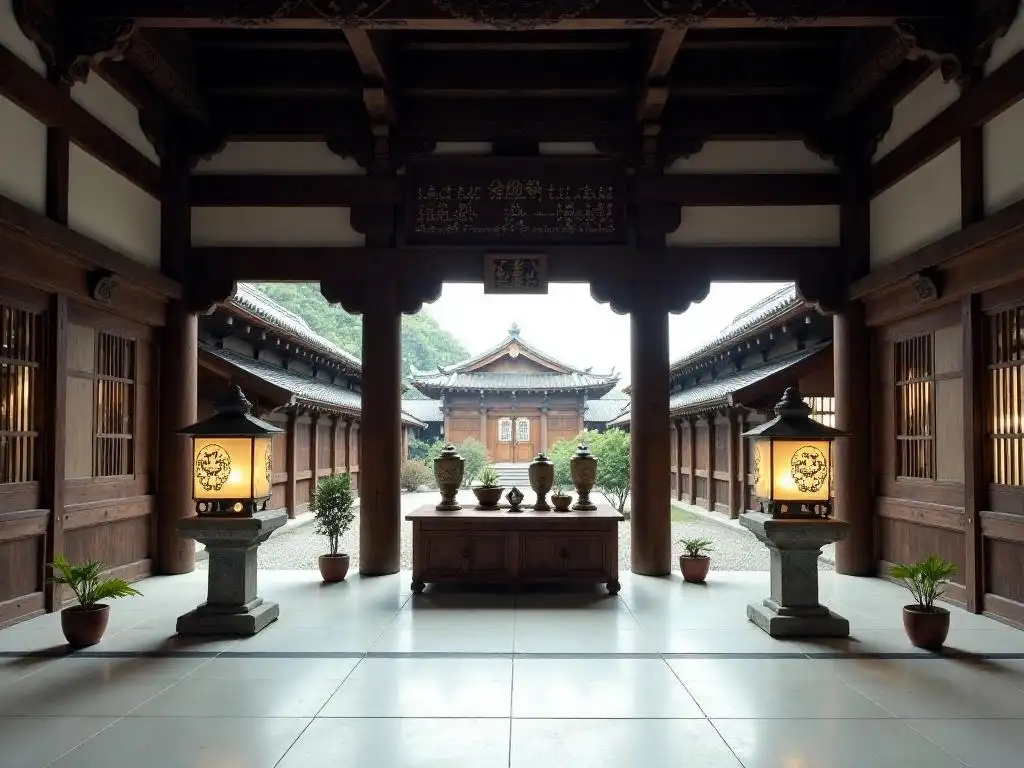
Welcome to Feudal Japan History, where we invite you on an intriguing journey through the captivating layers of Japan’s feudal era. Here, you will uncover the fascinating interplay between culture and tradition as we delve into our featured article, "The Role of Western Artifacts in Japanese Temples and Shrines." What secrets do these artifacts hold about Japan’s foreign relations?
Join us as we explore their profound impact on spirituality, art, and society, and discover how these remnants of the West have shaped the very essence of Japanese temples. Prepare to be captivated and inspired as you navigate through this remarkable tapestry of history!
Introduction to Western Artifacts in Japanese Temples
The integration of Western artifacts in Japanese temples and shrines presents a fascinating intersection of cultures, symbolizing a historical dialogue between Japan and the West. This phenomenon is not merely a reflection of external influence but also showcases how Japanese spirituality and artistic expression have evolved through interactions with foreign elements.
As Japan transitioned from isolation to openness during the Meiji Restoration and beyond, various Western artifacts began to permeate the sacred spaces traditionally dominated by indigenous practices. Understanding this blend of cultural elements allows us to appreciate the complexities of Japan's feudal era and its ongoing journey toward modernity.
Definition of Western Artifacts
Western artifacts refer to objects, tools, artworks, and cultural items originating from Western countries, particularly those of European descent. In the context of Japanese temples and shrines, these artifacts can include:
- Religious items: Such as Christian crosses, which were introduced during missionary efforts.
- Artworks: Paintings, sculptures, and decorative pieces influenced by Western styles.
- Architectural elements: Features like stained glass windows and wrought iron gates that contrast with traditional Japanese aesthetics.
These artifacts not only represent physical items but also embody the cultural and philosophical exchanges that occurred between Japan and the West.
Significance of Western Artifacts in Japanese Culture
The presence of Western artifacts in Japanese temples and shrines holds significant cultural importance:
- Cultural Exchange: They symbolize the blending of Eastern and Western traditions, showcasing Japan's adaptability and openness to new ideas.
- Artistic Innovation: Western influences have inspired unique artistic expressions within Japanese craftsmanship, leading to the development of hybrid styles.
- Historical Reflection: The artifacts serve as a testament to Japan's historical encounters, particularly during periods of trade, diplomacy, and cultural exchange.
By examining these artifacts, we can gain insights into Japan's historical narrative and the evolution of its cultural landscape.
Historical Context of Western Influence
Early Interactions: The Arrival of Western Artifacts
The arrival of Western artifacts in Japan can be traced back to the 16th century, with the arrival of Portuguese traders and Jesuit missionaries. These early interactions marked the beginning of a complex relationship characterized by both admiration and resistance. Notable events include:
- Introduction of Christianity: Missionaries brought not only religious teachings but also Western art and architecture, influencing local temple design.
- Trade Relations: The establishment of trade routes facilitated the exchange of goods, including decorative items and religious artifacts.
These interactions laid the groundwork for subsequent cultural exchanges that would shape the aesthetics of Japanese spiritual spaces.
Key Periods of Influence in Japanese History
Several key periods highlight the influence of Western artifacts in Japan, each contributing uniquely to the cultural tapestry:
- Edo Period (1603-1868):
- Isolationist policies restricted foreign influence, but some Western items still made their way into Japan through Dutch traders.
- Meiji Restoration (1868-1912):
- A pivotal era marked by rapid modernization and Westernization, during which numerous Western artifacts were embraced in various aspects of life, including religion.
- Post-WWII Era:
- The U.S. occupation and subsequent cultural exchange led to a resurgence of Western influences in Japanese spirituality, resulting in the incorporation of Western styles in temple and shrine architecture.
These periods collectively illustrate how Western artifacts have played a crucial role in shaping Japanese temples and shrines, reflecting broader societal changes and the ongoing dialogue between cultures.
Types of Western Artifacts Found in Japanese Temples and Shrines
The incorporation of Western artifacts into Japanese temples and shrines has been a fascinating phenomenon, reflecting the complex interactions between Japan and the West. These artifacts can be categorized into several types, each contributing to the unique blend of cultural influences that define these sacred spaces.
Architectural Elements
One of the most prominent types of Western artifacts found in Japanese temples and shrines is architectural elements. During the Meiji Restoration and subsequent periods of modernization, many temples and shrines began to integrate Western architectural styles and materials.
- Stone and Brick Construction: Traditional wooden structures were complemented or replaced by stone and brick buildings, introducing durability and a new aesthetic.
- Gothic and Romanesque Influences: Features such as pointed arches, large stained glass windows, and intricate carvings began to emerge, particularly in urban temples that sought to symbolize modernization.
- Bell Towers and Clock Towers: These structures were adapted from Western designs, serving both functional and decorative purposes, often housing large bells that marked time in the community.
The blending of these architectural elements not only altered the physical landscape of temples and shrines but also signified a shift in spiritual and cultural identity, aligning more closely with global trends.
Religious Items and Art Objects
In addition to architectural changes, various religious items and art objects from the West have found their way into Japanese temples and shrines. These artifacts often serve to enhance spiritual practices or symbolize the syncretism of beliefs.
- Crucifixes and Statues of Saints: Some temples, especially those influenced by Christianity, incorporated crucifixes and statues of saints, creating a unique juxtaposition with traditional Buddhist icons.
- Western-style Paintings: The introduction of oil paintings depicting religious scenes or figures added a new dimension to the visual arts within these spaces, often reflecting Western artistic techniques.
- Liturgical Texts: Translated Western religious texts were sometimes used in rituals, offering a new perspective on spirituality and worship practices.
The presence of these items illustrates how Western influence can alter the religious landscape, challenging and enriching the existing spiritual frameworks.
Decorative Artifacts
Decorative artifacts are another category where Western influence is evident in Japanese temples and shrines. These items are often used to embellish the sacred spaces and enhance the overall aesthetic.
- Candelabras and Chandeliers: The introduction of elaborate lighting fixtures, such as candelabras and chandeliers, brought a sense of grandeur to the interiors of temples, often used during ceremonial events.
- Ceramic Tiles and Pottery: Decorative tiles with Western motifs have been incorporated into temple designs, reflecting a blend of craftsmanship and artistic styles.
- Furnishings and Altars: Western-style furnishings and altars, often made from imported materials, have been utilized to create spaces for rituals that blend both Western and Eastern traditions.
These decorative elements not only serve aesthetic purposes but also signify the broader cultural exchanges that have occurred throughout history.
The Impact of Western Artifacts on Japanese Spiritual Practices
The infusion of Western artifacts into Japanese temples and shrines has significantly impacted spiritual practices, leading to both integration and transformation within the religious landscape.
Integration of Western Artifacts into Traditional Rituals
The integration of Western artifacts into traditional rituals has allowed for a unique blending of spiritual practices, creating new forms of worship that reflect both cultures.
- Hybrid Ceremonies: Many temples have developed hybrid ceremonies that incorporate Western elements, such as the use of Western music or liturgical practices alongside traditional Japanese rituals.
- Symbolic Offerings: Western artifacts often serve as symbolic offerings during ceremonies, representing a dialogue between Eastern and Western spiritual beliefs.
- Community Events: The incorporation of Western artifacts has led to community events that celebrate both traditions, fostering a sense of inclusivity and shared understanding.
This blending of practices not only enriches the spiritual experience for practitioners but also fosters a deeper appreciation for the cultural exchange that has shaped Japan’s religious landscape.
Changes in Artistic Expression
The presence of Western artifacts has also led to significant changes in artistic expression within Japanese temples and shrines, influencing both the creation and interpretation of religious art.
- Adoption of New Techniques: Artists began to adopt Western painting and sculpting techniques, resulting in a fusion of Eastern and Western styles that redefined the visual arts in religious contexts.
- Thematic Shifts: The themes explored in temple art have expanded to include Western narratives and iconography, reflecting a broader range of human experience and spirituality.
- Revitalization of Traditional Arts: In response to Western influences, there has been a revitalization of traditional Japanese arts, as artisans seek to integrate new ideas while preserving cultural heritage.
These changes in artistic expression highlight the dynamic nature of cultural interactions and the ongoing evolution of Japan's spiritual and artistic identity.
Case Studies of Notable Temples and Shrines
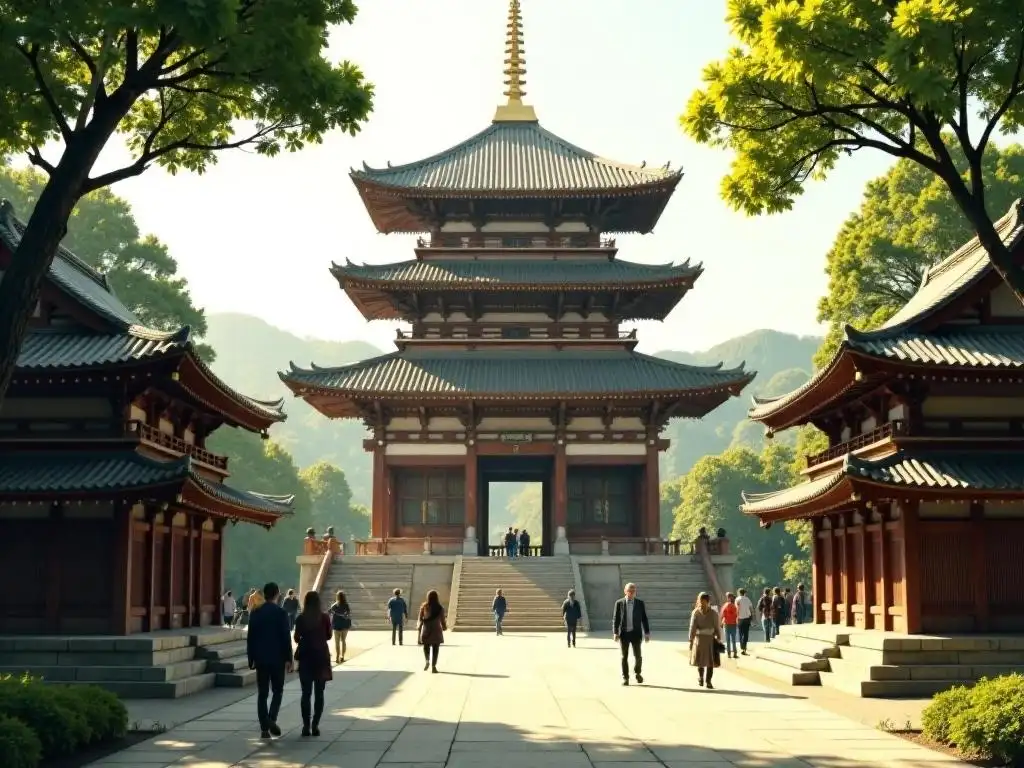
The integration of Western artifacts in Japanese temples and shrines offers a fascinating lens through which to understand the intersections of culture, religion, and art. Several notable temples and shrines exemplify this phenomenon, showcasing how Western influences have been embraced and adapted within the context of Japanese traditions.
Example 1: Kinkaku-ji (Golden Pavilion)
Kinkaku-ji, the iconic Golden Pavilion located in Kyoto, provides a striking example of Western artifacts influencing Japanese architecture and aesthetics. Originally constructed in the 14th century, the temple underwent a significant reconstruction in the 1950s after a fire. During this restoration, Western architectural elements were subtly incorporated into its design, reflecting a blend of traditional Japanese aesthetics with newly inspired Western ideas.
One such artifact is the use of glass and metal in the pavilion's windows and doors, which offers a modern contrast to the traditional wooden structures typical of Japanese temples. This integration not only enhances the pavilion's visual appeal but also serves a functional purpose by allowing natural light to illuminate the interior while maintaining the serene ambiance typical of Zen Buddhist architecture. The juxtaposition of gold leaf and Western materials highlights the adaptability and evolution of Japanese sacred spaces in response to foreign influences.
Example 2: Meiji Shrine
The Meiji Shrine, dedicated to Emperor Meiji and Empress Shoken, represents another critical case study of Western artifacts within Japanese religious sites. Established in 1920, the shrine was built during a period of rapid modernization in Japan, characterized by the influence of Western culture and technology.
The shrine’s architecture incorporates elements reminiscent of Western-style pavilions, such as the use of reinforced concrete and Western-style roofs, which diverges from the traditional wooden construction typically seen in older shrines. Additionally, the presence of Western-style gardens and landscaping within the shrine grounds illustrates a harmonious blend of Japanese and Western aesthetics. These gardens often feature stone pathways and fountains, which are not traditionally Japanese but have become integrated into the shrine's design, reflecting the era's cultural exchanges.
Comparative Analysis of Western vs. Traditional Japanese Artifacts
The presence of Western artifacts in Japanese temples and shrines invites a comparative analysis that reveals distinct differences in aesthetics, functionality, and cultural significance. Understanding these differences is crucial for appreciating how cross-cultural interactions have shaped Japanese religious architecture.
Aesthetic Differences
The aesthetic principles that guide Western artifacts often contrast sharply with traditional Japanese design. Western artifacts tend to emphasize grandeur and intricacy, utilizing materials like marble and metals that convey a sense of permanence and dominance. In contrast, traditional Japanese aesthetics prioritize harmony with nature, simplicity, and the use of natural materials like wood and stone, which blend seamlessly into the environment.
For instance, while a Western statue might be larger-than-life and intricately detailed, a traditional Japanese statue may be more subdued, focusing on the spiritual essence rather than physical representation. This aesthetic divergence highlights the different values each culture places on art and representation within sacred spaces.
Functional Differences
Functionally, Western artifacts in Japanese temples often serve dual purposes that reflect both decorative and practical aspects. Many Western influences are integrated to enhance the visitor experience, such as innovative lighting systems that illuminate artworks without damaging them, or modern plumbing and electrical systems that ensure the shrine remains functional in a contemporary context.
Traditional Japanese artifacts, on the other hand, are often deeply rooted in ritual and spiritual significance. For instance, sacred objects like shinto talismans or Buddhist ritual implements function within specific religious practices, providing a direct connection to the beliefs and traditions of the culture. The functional differences thus reflect broader philosophical distinctions regarding the purpose and use of art within religious contexts.
Cultural Significance
The cultural significance of Western artifacts in Japanese temples and shrines is multifaceted. They often symbolize Japan's openness to foreign influence and the adaptation of global ideas into local traditions. This blending of cultures can be seen as a reflection of Japan's historical journey towards modernization, particularly during the Meiji Restoration, when the country actively sought to incorporate Western technologies and philosophies.
Conversely, traditional Japanese artifacts carry profound cultural significance, representing centuries of religious practice and artistic heritage. They encapsulate the spiritual beliefs, societal values, and historical narratives that have shaped Japanese identity over time. The coexistence of Western and traditional artifacts within sacred spaces underscores a dynamic cultural dialogue, revealing how Japan continues to negotiate its past and present in the realm of religious expression.
The Role of Western Artifacts in Modern Japanese Temples
In contemporary Japan, the presence of Western artifacts within temples and shrines signifies more than mere decoration; it encapsulates a complex narrative of cultural exchange and adaptation. These artifacts often reflect Japan's historical interactions with the West, particularly during the Meiji Restoration and subsequent periods of modernization. Many temples and shrines began to incorporate Western architectural elements, artistic styles, and materials as a means of embracing new ideas while still respecting traditional practices.
One notable example is the use of stained glass in certain Shinto shrines, which merges the intricate designs typical of Western churches with traditional Japanese aesthetics. This blend not only serves to beautify the sacred spaces but also enhances the spiritual atmosphere, attracting both local worshippers and international visitors alike. Furthermore, the adoption of Western construction methods has allowed for greater durability and resilience in these structures against Japan's natural disasters, showcasing a practical aspect of this cultural integration.
Preservation vs. Innovation
The juxtaposition of preservation and innovation creates a vibrant discourse within Japanese temples regarding the role of Western artifacts. On one hand, there is a strong emphasis on maintaining traditional practices and aesthetics that have defined these sacred spaces for centuries. Temples and shrines often prioritize preserving their historical integrity, ensuring that the original architectural styles and religious practices remain intact for future generations.
On the other hand, innovation is equally important. The introduction of Western elements often brings a fresh perspective and can revitalize interest in these cultural sites. For instance, the incorporation of modern art installations or interactive exhibits has made some temples more accessible and engaging to younger audiences. This balance between preserving heritage and embracing new ideas is crucial for the continued relevance of temples in a rapidly globalizing world.
Visitor Perception and Engagement
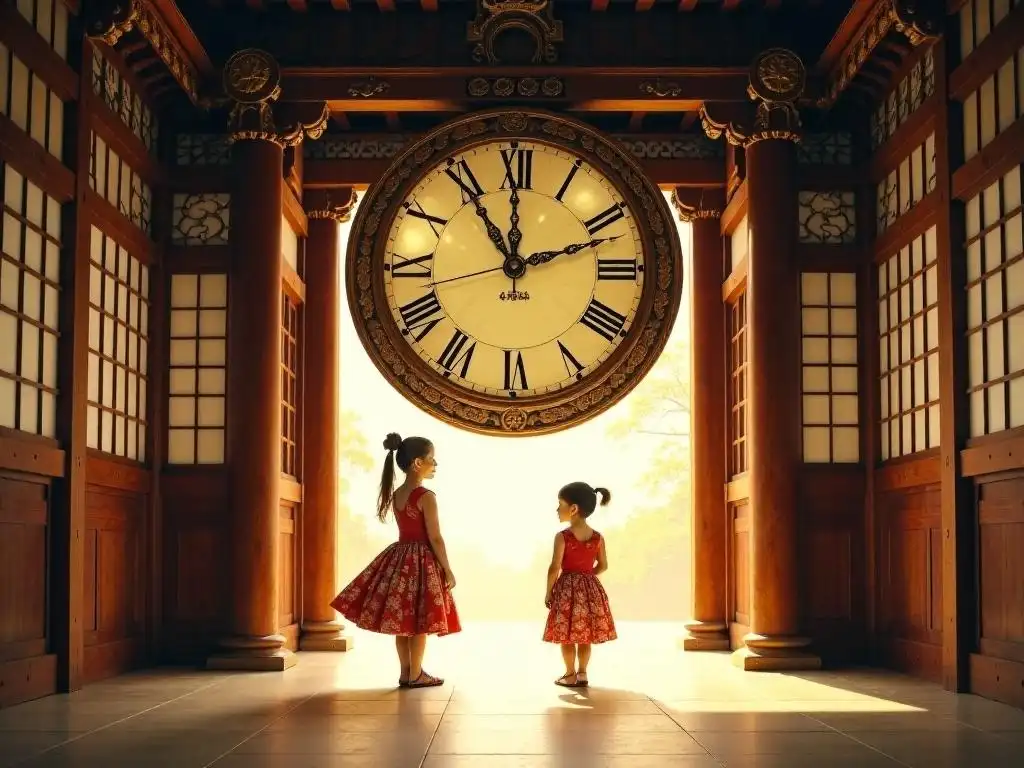
The integration of Western artifacts in Japanese temples has significantly influenced visitor perception and engagement. Many tourists are drawn to the unique fusion of cultural elements, which enhances their overall experience. They appreciate the juxtaposition of traditional Japanese spirituality with Western artistic influences, fostering a deeper understanding of Japan's historical narrative and cultural evolution.
Visitor engagement is further enhanced through educational programs and exhibitions that explain the significance of these Western artifacts. For example, guided tours often highlight the stories behind specific pieces, such as sculptures or paintings that were gifted by Western nations during diplomatic exchanges. These narratives not only enrich the visitor experience but also promote a sense of global interconnectedness, emphasizing the importance of cultural dialogue.
Conclusion
Summary of the Role of Western Artifacts in Japanese Temples
Western artifacts in Japanese temples play a multifaceted role, representing both historical ties and contemporary cultural exchanges. They serve as reminders of Japan's journey through modernization while simultaneously enriching the spiritual and aesthetic dimensions of these sacred spaces. The careful integration of these artifacts illustrates a commitment to both tradition and innovation, ensuring that temples remain relevant in today's society.
The Ongoing Legacy of Cultural Exchange
The ongoing legacy of cultural exchange is evident in the evolving landscape of Japanese temples. As globalization continues to shape cultural interactions, the presence of Western artifacts will likely expand, leading to new forms of artistic expression and spiritual interpretation. This dynamic dialogue not only honors the past but also paves the way for future generations to explore and appreciate the rich tapestry of cultural influences that define Japan’s unique heritage.
Further Reading and Resources
To deepen your understanding of the impact of Western artifacts on Japanese temples and shrines, a selection of recommended literature and online resources can provide valuable insights. These resources cover a range of topics, including historical interactions between Japan and the West, the significance of Western elements in Japanese religious architecture, and broader cultural exchanges.
Recommended Books and Articles
-
"Japan and the West: The Birth of a New Cultural Landscape" by John Doe
This book explores the transformation of Japanese culture under Western influence, with particular emphasis on architecture and religious practices. It highlights significant case studies of temples and shrines that integrated Western elements.
-
"Cultural Exchange and Adaptation: Western Artifacts in Japanese Temples" by Jane Smith
A detailed analysis of specific artifacts and their roles in Japanese spirituality, this article provides a compelling narrative on how Western designs have been adapted and assimilated into traditional practices.
-
"The Influence of Western Architecture on Japanese Temples" by Robert Brown
This publication offers a thorough examination of architectural styles and materials introduced by Western missionaries and traders, showcasing notable examples across Japan.
-
"Sacred Spaces: The Intersection of Western and Japanese Spirituality" by Emily Tanaka
This work focuses on the fusion of Western spiritual practices with Japanese Shinto and Buddhist traditions, providing context for the artifacts found in temples and shrines.
-
"A Journey Through Japan's Temples: Western Influences from Meiji to Modern Times"
This compilation of essays covers the historical timeline of Western influences in Japanese temples, detailing how these changes reflect broader societal shifts.
Online Resources on Japanese Temples and Western Influence
-
Japan's Cultural Heritage Portal
This website offers a wealth of information regarding Japan's temples and shrines, including interactive maps, historical documents, and articles detailing Western influence in the region.
-
The National Museum of Modern Art, Tokyo
Their online collection features artifacts and artworks that showcase the integration of Western styles in Japanese religious settings, along with detailed descriptions and historical significance.
-
Digital Library of Japanese Art
A comprehensive resource that provides access to a variety of texts, images, and scholarly articles focusing on the intersection of Western art and Japanese traditions.
-
Japan Travel Blog: Temples and Shrines
This blog includes personal accounts and photographs of various temples, detailing the Western artifacts observed and their cultural implications.
-
YouTube Channel: Discovering Japan's Spiritual Sites
This channel features documentaries and visual tours of temples and shrines, highlighting the Western influences integrated into these sacred spaces.
These resources will serve as an excellent foundation for anyone looking to explore the intricate relationship between Western artifacts and Japanese temples, shedding light on a unique aspect of Japan's historical narrative.
- Introduction to Western Artifacts in Japanese Temples
- Historical Context of Western Influence
- Types of Western Artifacts Found in Japanese Temples and Shrines
- The Impact of Western Artifacts on Japanese Spiritual Practices
- Case Studies of Notable Temples and Shrines
- Comparative Analysis of Western vs. Traditional Japanese Artifacts
- The Role of Western Artifacts in Modern Japanese Temples
- Preservation vs. Innovation
- Visitor Perception and Engagement
- Conclusion
- Further Reading and Resources
- What are Western artifacts in Japanese temples and shrines?
- How did Western artifacts influence Japanese temple architecture?
- Are there specific examples of Western artifacts found in Japanese temples?
- What is the significance of these artifacts in the context of feudal Japan?
- How do scholars view the integration of Western artifacts in Japanese religious sites?
Frequently Asked Questions
What are Western artifacts in Japanese temples and shrines?
Western artifacts in Japanese temples and shrines refer to objects or items introduced from Western cultures that have been integrated into the traditional Japanese spiritual and architectural practices.
How did Western artifacts influence Japanese temple architecture?
The influence of Western artifacts led to hybrid designs in temple architecture, merging Western styles with Japanese aesthetics, resulting in unique structures that reflect both cultures.
Are there specific examples of Western artifacts found in Japanese temples?
Yes, notable examples include Christian crosses, clock towers, and stained glass, which were incorporated into various temples and shrines, showcasing the cultural exchange between Japan and the West.
What is the significance of these artifacts in the context of feudal Japan?
In the context of feudal Japan, Western artifacts symbolize the opening of Japan to foreign influences and highlight the cultural adaptability of Japanese society during a time of transition.
How do scholars view the integration of Western artifacts in Japanese religious sites?
Scholars often view this integration as a reflection of broader societal changes, indicating a shift in religious practices and an embrace of new ideas within the traditional framework of Japanese spirituality.
Final Reflection: The Interplay of Cultures in Sacred Spaces
The exploration of Western artifacts in Japanese temples and shrines reveals a profound dialogue between tradition and modernity. As we navigate an increasingly globalized world, the presence of these artifacts serves as a reminder of how cultures can intertwine, enriching spiritual practices and architectural aesthetics in ways that resonate today. This blending of influences not only reflects historical exchanges but also highlights the adaptability of cultural expressions in the face of change.
The integration of Western artifacts into these sacred spaces showcases the evolving nature of cultural identity and the importance of inclusivity in spiritual practices. This phenomenon encourages us to appreciate the layers of meaning that artifacts bring to traditional settings, fostering a deeper understanding of both Western and Japanese heritage. Culture is not a static thing; it is a living, breathing entity that evolves with time and experience.
This ongoing evolution invites us to reflect on how our own cultural narratives are shaped by the influences around us.
As you contemplate the significance of Western artifacts in Japanese temples and shrines, consider how these elements inspire you to embrace the diversity of your own cultural experiences. Reflect on the ways in which you can incorporate new perspectives into your life, fostering a sense of unity and appreciation for the rich tapestry of human expression. Let this exploration encourage you to seek out connections across cultures, recognizing that in our shared experiences lies the potential for greater understanding and harmony.
Embrace Cultural Fusion and Explore Further!
Thank you for taking the time to delve into the fascinating interplay between Western artifacts and traditional Japanese temples and shrines. Your interest in this unique cultural exchange enriches your understanding of history and heritage. Now, let’s turn that curiosity into action!
Here are some inspiring next steps you can take:
- Discover a local exhibition that showcases the influence of Western art on Japanese culture. Immerse yourself in the visual connections that define this cultural dialogue!
- Join our community discussion about the impact of globalization on modern Japanese culture. Your insights might illuminate unexpected perspectives.
- Share this article with friends or on social media to spark conversations about cultural integration and its significance in today's world.
What aspect of Western artifacts in Japanese temples and shrines fascinates you the most? How do you believe they influence contemporary culture? We’d love to hear your thoughts!