
Japan's Diplomatic Missions: The Pioneers of EastWest Relations

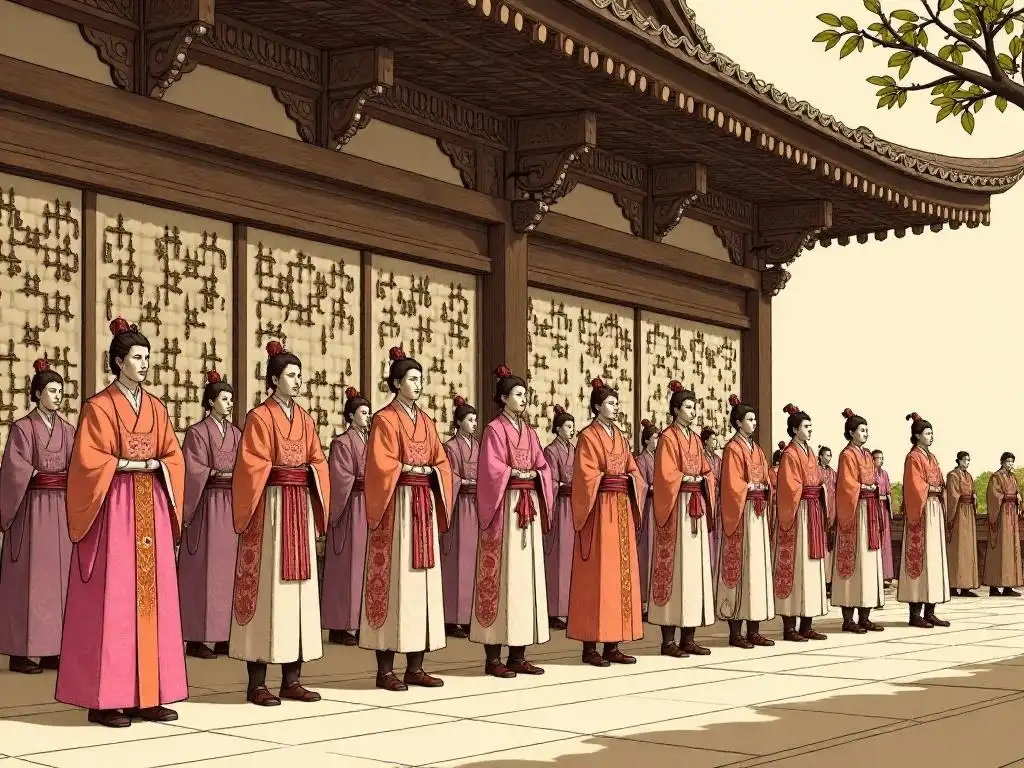
Welcome to Feudal Japan History, where we embark on an intriguing journey through the captivating realms of Japan's feudal era. Delve into the rich tapestry of historical, cultural, and societal nuances that shaped this fascinating period. In our featured article, "Japan's Diplomatic Missions: The Pioneers of East-West Relations," we unravel the complexities of Japan feudal diplomacy history, revealing how these early engagements laid the groundwork for future international relations.
Prepare to ignite your curiosity and uncover the secrets of a time when diplomacy was as vital as warfare. Join us as we explore the past and uncover the stories that continue to resonate today!
- Introduction to Japan's Feudal Diplomacy History
- The Historical Context of Japan's Feudal Era
- Japan's Diplomatic Missions to the West
- The Impact of Japan's Feudal Diplomacy on East-West Relations
- Challenges Faced by Japan in Diplomatic Relations
- The Evolution of Japan's Diplomatic Strategies
- Conclusion: Legacy of Japan's Feudal Diplomacy in Contemporary Relations
- References and Further Reading
-
Frequently Asked Questions
- What was the significance of Japan's diplomatic missions during the feudal era?
- How did feudal diplomacy influence Japan's foreign relations?
- What were some key diplomatic missions in Japan's feudal history?
- How did Japan's feudal diplomacy differ from other countries?
- What challenges did Japan face in its feudal diplomacy?
- Final Reflection: The Enduring Legacy of Japan's Feudal Diplomacy
- Embrace the Legacy of Diplomatic Innovation!
Introduction to Japan's Feudal Diplomacy History
Japan's feudal diplomacy history is a fascinating narrative that highlights the intricate and often tumultuous interactions between Japan and the Western world during its feudal era. This period, spanning from the late 12th century to the 19th century, was marked by the rise of powerful shogunates and a rigid social hierarchy, which significantly influenced Japan's foreign relations.
As Japan sought to navigate its place in a rapidly changing world, diplomatic missions played a pivotal role in shaping the country's international relationships, particularly with Western powers. This article delves deep into the historical, cultural, and societal dimensions of these diplomatic endeavors, providing a comprehensive exploration of how Japan's feudal diplomacy laid the groundwork for contemporary East-West relations.
Overview of Japan's Diplomatic Missions
Japan's engagement in diplomatic missions during the feudal era was characterized by a blend of curiosity, caution, and strategic maneuvering. Notably, the Nanban trade period (1543-1614) marked a significant turning point, as the arrival of European traders and missionaries prompted Japan to reconsider its isolationist policies. Key missions included:
- The Tenshō Mission to Europe (1582-1590): This was an official delegation sent by the powerful daimyō Oda Nobunaga to Spain and the Vatican, aiming to forge alliances and gather knowledge about Western technologies and Christianity.
- The Keichō Mission (1600-1604): Following the successful reception of the Tenshō Mission, this expedition further strengthened ties, demonstrating Japan's interest in diplomacy and trade.
- The Shimabara Rebellion (1637-1638): This revolt against oppressive taxation and the persecution of Christians highlighted the complexities of Japan's diplomatic stance, leading to a more isolationist approach in subsequent years.
These missions not only fostered trade and cultural exchanges but also laid the foundation for Japan's understanding of Western political systems and ideologies.
Importance of East-West Relations in Feudal Japan
The significance of East-West relations during Japan's feudal era cannot be overstated. These interactions were crucial in shaping Japan's cultural and economic landscape.
- Cultural Exchange: Japan's contact with the West introduced various Western philosophies, art styles, and technologies, which influenced Japanese culture and society. For instance:
- Christianity: The arrival of missionaries brought new religious ideas, leading to a unique blend of beliefs and practices within Japanese society.
- Western Science and Technology: Innovations in navigation, shipbuilding, and military technology acquired through these interactions significantly impacted Japan's development.
- Economic Impact: The influx of foreign goods, such as textiles, firearms, and new agricultural techniques, transformed local economies and trade practices. This period also saw the establishment of trade routes that connected Japan to global markets.
- Political Implications: Diplomatic missions allowed Japanese leaders to gain insights into Western political structures, which played a strategic role in Japan's eventual modernization during the Meiji Restoration. Understanding Western diplomacy helped Japan navigate its own international relations as it moved away from isolationism.
Japan's feudal diplomacy history is not merely a record of political interactions; it represents a rich tapestry of cultural exchanges and economic transformations that have shaped Japan's identity in the modern world. The diplomatic missions of this era were pioneers in establishing a foundation for East-West relations that would continue to evolve long after the feudal period ended.
The Historical Context of Japan's Feudal Era
Overview of the Feudal System in Japan
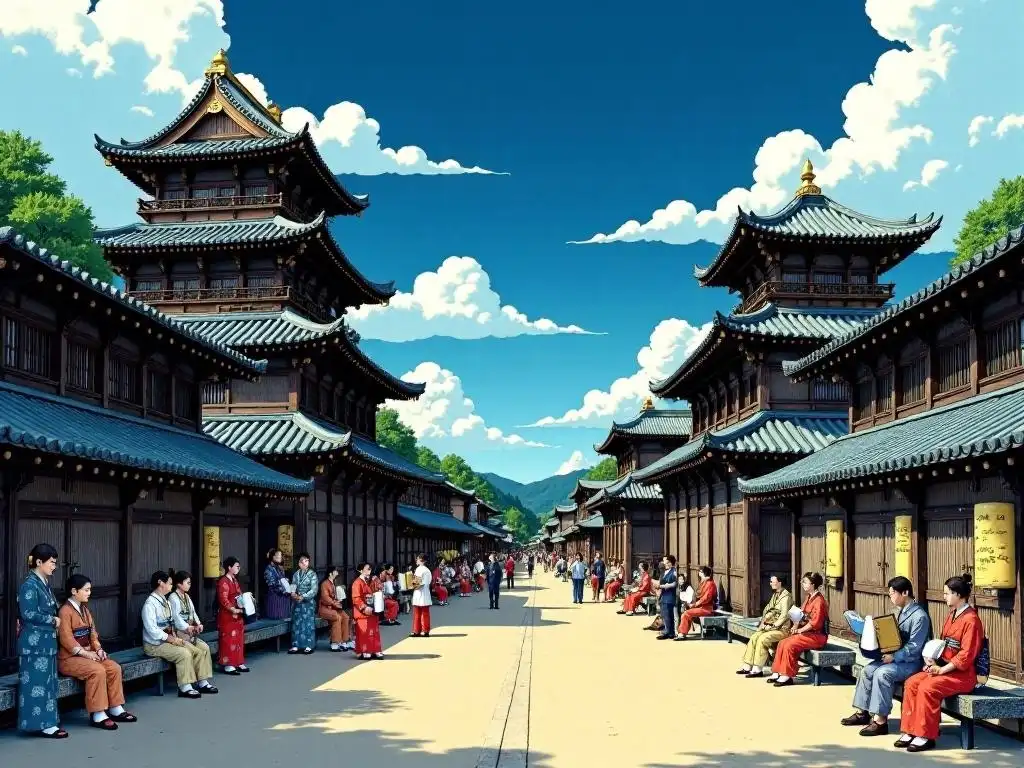
Japan's feudal system, which spanned from the late 12th century until the mid-19th century, was characterized by a hierarchical structure that defined the political, social, and economic landscape of the nation. At the apex of this hierarchy was the Emperor, considered a divine figure but often relegated to a ceremonial role. Beneath him were the shoguns, military leaders who wielded actual power, particularly during the Kamakura (1185-1333) and Edo (1603-1868) periods.
The feudal structure was primarily composed of:
- Shogun: The top military commander, responsible for governance.
- Daimyo: Powerful feudal lords who controlled vast territories and had their own samurai.
- Samurai: The warrior class sworn to serve their daimyo, adhering to the code of bushido, which emphasized loyalty, honor, and martial prowess.
- Peasants: The majority of the population, primarily engaged in agriculture and bound to the land they worked.
This system fostered a culture of loyalty and obligation, where the samurai served their daimyo in exchange for land and protection. The intricate relationships among these classes formed the backbone of Japan's feudal diplomacy, influencing interactions with foreign powers and shaping the nation's foreign relations.
Key Historical Events Influencing Diplomacy
Several pivotal events during Japan's feudal era significantly impacted its diplomatic relations with the West:
- The Arrival of the Portuguese (1543): The first Europeans to reach Japan were Portuguese traders, introducing firearms and Christianity. Their arrival marked the beginning of direct contact between Japan and Western nations, leading to the establishment of trade relationships.
- The Christian Missionaries (1549): Jesuit missionaries, particularly Francis Xavier, played a crucial role in spreading Christianity in Japan. They established schools and churches, influencing Japanese society and prompting a complex relationship with the ruling shogunate.
- The Sakoku Policy (1635): In response to the growing influence of Christianity and foreign trade, the Tokugawa shogunate enforced a policy of isolationism, prohibiting most foreign contact and trade. This policy lasted over two centuries, profoundly affecting Japan's diplomatic landscape.
- The Arrival of Commodore Perry (1853): Commodore Matthew Perry's expedition to Japan marked the end of the Sakoku policy. His demand for the opening of Japanese ports to American trade signified a turning point in Japan's foreign relations, leading to treaties that redefined Japan's diplomatic engagements with the West.
The Role of Samurai and Daimyo in Diplomacy
The samurai and daimyo played pivotal roles in shaping Japan's diplomatic missions throughout the feudal era. Their influence can be examined through several key aspects:
- Military Diplomacy: Samurai, as warriors, often engaged in diplomatic missions that involved military prowess. They were sent to negotiate treaties or to assert territorial claims, using their martial reputation as leverage in discussions with foreign emissaries.
- Cultural Exchange: Many daimyos recognized the potential benefits of engaging with foreign cultures. They sought alliances and trade agreements, sending envoys abroad to learn about Western technologies, governance, and culture. This exchange enriched Japan's own cultural fabric and influenced its societal norms.
- Political Alliances: Diplomacy was often intertwined with political strategy. Daimyos would forge alliances with foreign powers to strengthen their own positions within Japan. This could involve marriages with foreign dignitaries or participation in joint military campaigns.
- The Code of Bushido: The samurai's adherence to bushido influenced their diplomatic conduct. Loyalty, honor, and respect were paramount, shaping their interactions with foreign representatives. Diplomatic missions were often seen as extensions of their duty to serve their daimyo and, by extension, their country.
The interplay of the samurai and daimyo in Japan's feudal diplomacy not only shaped the nation's foreign relations but also laid the groundwork for future interactions with the West, influencing the trajectory of Japan's historical development in the modern era.
Japan's Diplomatic Missions to the West

Japan's diplomatic missions during the feudal era marked a significant period of interaction between Japan and Western nations, laying the groundwork for future diplomatic relationships. These missions were not merely about trade; they were pivotal in shaping Japan's understanding of Western culture, technology, and political dynamics. As Japan began to engage with foreign powers, it navigated a complex web of diplomacy that ultimately influenced its own societal structures and international posture.
Early Contacts with Western Nations
The initial contacts between Japan and Western nations occurred during the 16th century, primarily through the arrival of European traders and missionaries. These interactions were often motivated by commercial interests but also carried profound implications for Japan's diplomatic landscape.
The Portuguese Influence on Japan's Trade Relations
The Portuguese were among the first Europeans to establish trade relations with Japan, arriving in 1543. Their influence was twofold:
- Trade Goods: The Portuguese introduced various goods, including firearms, which would later play a crucial role in Japanese warfare and the unification of the country under various warlords.
- Cultural Exchange: This contact also facilitated a cultural exchange, with Portuguese missionaries, particularly the Jesuits, spreading Christianity and Western knowledge.
This initial engagement set the stage for Japan's evolving trade relationships, leading to significant developments in diplomacy. The Portuguese were adept at negotiating trade agreements, establishing a framework that allowed Japan to enter the global trading network while maintaining a degree of control over its borders.
The Dutch Trade Relations with Japan
Following the expulsion of most foreign missionaries, the Dutch emerged as Japan's primary trading partner by the early 17th century. The Dutch East India Company (VOC) played a central role in this relationship:
- Deshima: The Dutch were permitted to trade exclusively from the island of Deshima, located in Nagasaki Bay. This controlled environment allowed Japan to benefit from Western technology and knowledge while limiting foreign influence.
- Cultural and Scientific Exchange: The Dutch facilitated the transfer of scientific knowledge, including advancements in medicine and navigation, which were crucial for Japan's modernization.
This unique relationship showcased Japan's strategic approach to diplomacy, balancing its interests while selectively engaging with Western powers.
Notable Diplomatic Missions and Their Objectives
Several diplomatic missions during the feudal era stand out due to their significance and impact on Japan's international relations. These missions often aimed to secure trade agreements, gather intelligence, and foster cultural exchanges that would benefit Japan.
The San Juan Bautista Mission
In 1613, the San Juan Bautista mission, led by the samurai Hasekura Tsunenaga, set sail for Spain and the Vatican. Key objectives included:
- Establishing Trade Links: The mission sought to establish direct trade relations with Spain, enhancing Japan's access to European markets.
- Diplomatic Recognition: Hasekura aimed to gain recognition from the Spanish crown, reinforcing Japan's sovereignty on the international stage.
The mission exemplified Japan's early attempts at formal diplomacy, showcasing its ambition to be recognized as a player in global affairs.
The Role of Jesuit Missionaries in Diplomacy
Jesuit missionaries were influential in Japan's feudal diplomacy, acting as intermediaries between Japan and the West. Their contributions included:
- Cultural Mediators: Jesuits like Francis Xavier played a crucial role in introducing Western education, science, and Christianity to Japan, fostering a complex relationship that blended cultural exchange with political diplomacy.
- Information Gatherers: They provided valuable intelligence about European political dynamics, which informed Japanese leaders about potential allies and threats.
The Jesuits' involvement in Japan's diplomatic missions highlights the intertwined nature of religion, culture, and politics during this era, as they navigated the delicate balance between conversion efforts and diplomatic objectives.
Japan's feudal diplomacy history reveals a rich tapestry of interactions that shaped the nation's trajectory. Through early contacts with Western nations, significant trade relationships, and notable diplomatic missions, Japan laid the foundation for its future engagement with the world, influencing both its internal development and external relations.
The Impact of Japan's Feudal Diplomacy on East-West Relations
Cultural Exchanges and Their Significance
Japan's feudal diplomacy was pivotal in shaping cultural exchanges between the East and West, particularly from the 16th to the 19th centuries. The arrival of European traders and missionaries introduced a variety of foreign cultural elements into Japan, leading to a unique blend of traditions. These exchanges included:
- Religious Influences: The introduction of Christianity by Jesuit missionaries in the 1540s brought new religious concepts and practices, leading to a complex interaction between indigenous Shinto beliefs and Western Christianity. This resulted in a small yet significant Christian community in Japan, fostering dialogues about faith and spirituality.
- Artistic Collaborations: The integration of Western artistic styles and techniques into Japanese arts can be traced back to this era. For instance, the introduction of oil painting techniques influenced Japanese artists, leading to the emergence of unique styles that blended Western and Japanese aesthetics.
- Language and Literature: The interaction with Western diplomats and traders also stimulated interest in language learning. Japanese scholars began to study European languages and literature, which led to translations of significant works and increased awareness of Western philosophical and literary traditions.
The significance of these cultural exchanges lies not only in the enrichment of Japanese culture but also in the establishment of a dialogue that would influence future generations. This cultural diplomacy served as a foundation for mutual understanding, albeit within a context of complex power dynamics.
Economic Implications of Diplomatic Missions
Japan's feudal diplomatic missions had profound economic implications that reshaped trade patterns and economic relationships with Western nations. During the late 16th century, Japan engaged in extensive trade with European powers, including the Portuguese and Dutch, which resulted in several key developments:
- Trade Expansion:
- Silk and Spices: Japan became a vital player in the lucrative trade of silk and spices, which were highly sought after in Europe. This trade not only increased Japan's wealth but also integrated it into the global economy.
- Nanban Trade: The so-called "Nanban trade" facilitated the exchange of goods, ideas, and technologies. Japanese merchants acted as intermediaries, trading local products like ceramics and textiles for European goods.
- Introduction of New Technologies:
- The interaction with Western traders introduced Japan to new technologies, including firearms and shipbuilding techniques. These advancements had lasting impacts on Japan's military capabilities and maritime activities.
- Economic Policies:
- The influx of foreign trade prompted the Tokugawa shogunate to develop policies regulating foreign interactions. This balance between openness and protectionism defined Japan's economic landscape during the feudal period.
Ultimately, the economic implications of Japan's feudal diplomacy laid the groundwork for future economic strategies, influencing Japan's role in regional and global trade long after the feudal era.
Political Consequences of Early Diplomacy
The early diplomatic missions from Japan had significant political consequences that resonated throughout the feudal era and beyond. These missions not only facilitated interactions with foreign powers but also influenced Japan's internal political landscape:
- Shifts in Power Dynamics: The engagement with Western nations challenged the established power structures within Japan. The introduction of new ideas about governance and international relations began to alter the traditional feudal hierarchy, leading to shifts in power among various daimyō (feudal lords).
- Formation of Alliances: Japan's diplomatic endeavors allowed for the formation of strategic alliances with European powers, particularly during times of conflict. These alliances provided military and political support, altering the balance of power within East Asia.
- Isolation Policies: A notable political consequence of earlier diplomacy was the eventual implementation of isolationist policies during the Tokugawa period. The fear of foreign influence and the potential destabilization of the shogunate led to the Sakoku policy, which restricted foreign interactions and established Japan as a largely insular society until the mid-19th century.
The political consequences of Japan's feudal diplomacy were complex and far-reaching, influencing not just immediate diplomatic relations but also the evolution of Japan's political identity and its role within the global community. These developments set the stage for the profound transformations that would occur in Japan during the Meiji Restoration and beyond.
Challenges Faced by Japan in Diplomatic Relations

Japan's feudal diplomacy history is marked by a series of significant challenges that shaped its interactions with the West. These challenges arose from internal conflicts, resistance to foreign influence, and the impact of isolationist policies. Understanding these factors is crucial to grasp the complexities surrounding Japan's diplomatic missions during the feudal era.
Internal Conflicts and Their Impact on Diplomacy
Internal strife greatly affected Japan's ability to engage in effective diplomacy. The feudal system, characterized by a hierarchy of daimyos (feudal lords) and samurai, often led to power struggles. Notable conflicts include:
- The Sengoku Period (1467-1603): This era of civil war saw various factions vying for control, leading to fragmentation and instability. The lack of a unified front hindered Japan's ability to present a coherent diplomatic stance to foreign powers.
- The Rise of the Tokugawa Shogunate: The establishment of the Tokugawa Shogunate in 1603 brought a degree of stability, but it also led to a centralized control over foreign relations. The shogunate prioritized internal consolidation over external engagement, often sidelining the interests of regional lords.
- Impact on Foreign Relations: Internal conflicts resulted in a reluctance to commit to long-term diplomatic initiatives. The shifting loyalties and ambitions of daimyos made it difficult to maintain consistent diplomatic ties, resulting in missed opportunities for trade and cultural exchange.
Resistance to Western Influence
As Japan began to face Western powers in the 19th century, a strong resistance emerged against foreign influence. This resistance was driven by:
- Cultural Pride: The Japanese held a deep-rooted cultural pride, viewing their traditions and societal structure as superior. There was a prevailing belief that foreign ideas and customs could disrupt their way of life.
- Fear of Colonization: The increasing presence of Western powers led to fears of colonization, as seen in the experiences of neighboring countries. This apprehension fueled a desire to maintain sovereignty and resist any perceived encroachments.
- Samurai Ideology: The samurai class, which played a critical role in shaping Japan's political landscape, often opposed foreign interventions. They viewed diplomacy as a matter of honor and integrity, leading to reluctance in engaging with Western nations on equal terms.
The Role of Isolationist Policies in Shaping Diplomacy
Isolationist policies were pivotal in defining Japan's diplomatic posture during the feudal era. Key aspects include:
- Sakoku (Locked Country) Policy: Initiated in the early 17th century, this policy severely restricted foreign contact, allowing only limited trade with the Dutch and Chinese. The shogunate's desire to control external influences directly impacted diplomatic relations, leading to a lack of knowledge about Western advancements.
- Consequences of Isolation: While the Sakoku policy preserved Japan's culture and identity, it also created a significant knowledge gap. When Western powers eventually forced Japan to open its ports in the mid-19th century, the sudden influx of foreign ideas and technologies swept through a society that had been largely insular for over two centuries.
- Transition to Diplomacy: The end of isolation marked a critical transition for Japan, as it had to quickly adapt to new diplomatic norms and practices. This abrupt shift was fraught with challenges, as Japan sought to navigate its place in a rapidly changing global landscape.
The challenges faced by Japan in its feudal diplomacy history were multifaceted, stemming from internal conflicts, resistance to Western influence, and isolationist policies. These factors not only shaped Japan's diplomatic missions but also laid the groundwork for its future interactions with the West.
The Evolution of Japan's Diplomatic Strategies

Throughout its history, Japan's diplomatic strategies have undergone significant transformations, particularly during the feudal era. From the early interactions with neighboring countries to the more complex relationships with Western powers, the evolution of Japan's diplomacy reflects both internal changes and external pressures.
Transition from Feudal Diplomacy to Modern Diplomacy
During the feudal period, Japan's diplomatic relations were predominantly characterized by a decentralized approach. The samurai class, led by powerful daimyō, engaged in diplomatic missions primarily aimed at securing trade agreements and military alliances. These interactions were often influenced by the political landscape, where local rulers would negotiate terms that benefited their domains rather than the nation as a whole.
- Early Diplomatic Missions: The first recorded diplomatic missions were sent to China and Korea in the 7th century. These missions focused on cultural exchange and the importation of Chinese political and philosophical ideas, laying the groundwork for Japan’s diplomatic framework.
- Influence of the Ashikaga Shogunate: The Ashikaga period (1336-1573) saw an increase in maritime trade with the Ming Dynasty. The shogunate established formal diplomatic relations, which included the exchange of envoys and trade.
- The Sengoku Period (1467-1603): This era of civil war led to fragmented diplomacy, with various daimyō vying for power. Diplomacy became a tool for forming alliances against common enemies, showcasing a more pragmatic approach to foreign relations.
With the unification of Japan under the Tokugawa shogunate in the early 17th century, diplomatic strategies began to centralize. The shogunate adopted a policy of sakoku (closed country), which limited foreign influence and trade. This isolationist stance lasted for over two centuries, significantly impacting Japan's diplomatic relationships.
As Japan transitioned into the modern era in the 19th century, the end of sakoku opened the door for new diplomatic strategies. The Meiji Restoration in 1868 marked a pivotal shift, as Japan actively sought to engage with Western powers, adopting Western diplomatic practices and treaties. The shift from a feudal to a modern diplomatic framework illustrated Japan's adaptability and desire to assert itself on the global stage.
Key Figures in the Evolution of Diplomacy
Several prominent figures shaped the course of Japan's diplomatic history, each contributing to the development of its foreign relations.
- Prince Shotoku (574-622): Often regarded as the father of Japanese diplomacy, he initiated contact with China and established the first diplomatic missions to the Sui Dynasty. His efforts laid the foundation for Japan’s diplomatic principles, emphasizing the importance of cultural exchange.
- Oda Nobunaga (1534-1582): A key figure during the Sengoku period, Nobunaga recognized the significance of foreign trade and diplomacy. He engaged with European traders and missionaries, which not only expanded Japan’s economic horizons but also introduced new ideas.
- Tokugawa Ieyasu (1543-1616): As the founder of the Tokugawa shogunate, Ieyasu established a centralized government that influenced diplomatic relations. His policies toward foreign powers emphasized stability and control, setting the stage for Japan's isolationist approach.
- Count Katsura Tarō (1848-1913): An important Meiji statesman, Katsura played a crucial role in Japan’s transition to modern diplomacy. He negotiated significant treaties with Western powers and was instrumental in Japan’s emergence as an international player in the early 20th century.
Lessons Learned from Japan's Diplomatic History
Japan's diplomatic history offers several valuable lessons that continue to resonate in contemporary foreign relations.
- Adaptability is Key: Japan's ability to adapt its diplomatic strategies in response to changing political landscapes and international pressures was crucial in shaping its foreign relations. This flexibility allowed Japan to navigate complex interactions with both neighboring countries and Western powers.
- Cultural Exchange as a Diplomatic Tool: Historically, Japan has utilized cultural exchange as a means of fostering diplomatic ties. The influence of Chinese culture during early diplomatic missions exemplifies how cultural diplomacy can enhance mutual understanding and cooperation.
- The Importance of Centralized Strategy: The transition from a feudal to a centralized diplomatic approach highlights the effectiveness of cohesive strategies in foreign relations. A united front can strengthen a nation's negotiating position and enhance its international standing.
- Balancing Isolation and Engagement: Japan’s experience with sakoku illustrates the challenges of balancing isolationist policies with the need for engagement in a globalized world. Understanding when to open up to foreign influence can be pivotal for national development and security.
The evolution of Japan's diplomatic strategies from the feudal era to modern times reveals a rich history marked by significant figures and transformative lessons that continue to inform Japan’s approach to foreign relations today.
Conclusion: Legacy of Japan's Feudal Diplomacy in Contemporary Relations

The legacy of Japan's feudal diplomacy is a pivotal aspect of understanding modern Japan-West relationships. The historical interactions, characterized by both conflict and collaboration, have set a foundational tone for diplomatic engagements and cultural exchanges that continue to influence Japan's international relations today.
During the feudal era, Japan's diplomatic missions were not merely about political alliances; they also facilitated cultural exchanges, trade, and the introduction of foreign ideas. These early interactions laid the groundwork for Japan's subsequent development and its eventual emergence as a significant global player. The principles of diplomacy established during this period, emphasizing negotiation and mutual respect, can still be seen in contemporary diplomatic practices.
Lasting Effects on Japan-West Interactions
The effects of Japan's feudal diplomacy on modern relations with the West are profound and multifaceted. Here are several key aspects:
- Cultural Exchange: Feudal diplomacy enabled the exchange of cultural practices, art, and philosophies, which have evolved into a complex tapestry of influences that shape contemporary Japanese identity. For instance, the introduction of Western art techniques during the Edo period has influenced modern Japanese art.
- Trade Relationships: Early trade missions, such as those led by the Nanban traders, established significant economic ties with European nations, particularly the Portuguese and Dutch. These relationships laid the groundwork for Japan’s current position as a major economic power, highlighting the importance of trade diplomacy that continues to thrive today.
- Political Alliances: The feudal era's political alliances set a precedent for modern diplomatic negotiations. The historical context of alliances formed during feudal times provides insight into Japan's approach to contemporary geopolitical challenges, particularly in the context of regional security and alliances like the US-Japan Security Treaty.
- Diplomatic Strategies: The strategies employed during Japan's feudal diplomacy, such as the use of envoys and formal treaties, have evolved but remain foundational in Japan's approach to international relations today. This historical context helps to understand Japan's stance on multilateral organizations and global cooperation.
Reflections on the Historical Significance of Feudal Diplomacy
Reflecting on the historical significance of feudal diplomacy reveals how these early missions shaped not only Japan's interactions with the West but also its internal dynamics. The diplomatic endeavors during this era were crucial in establishing Japan's identity on the global stage and fostering a sense of nationalism that would later propel Japan into the modern age.
- Influence on National Identity: The experiences and lessons learned from feudal diplomacy contributed to a growing sense of national identity among the Japanese. As Japan engaged with foreign powers, the need to define a unique cultural and political identity became paramount, a theme that resonates in contemporary Japanese society.
- Lessons in Adaptability: Feudal diplomacy taught Japan valuable lessons in adaptability and resilience. The ability to navigate complex international landscapes through diplomacy has become a hallmark of Japan's foreign policy, echoing the adaptability observed during the feudal era.
- Cultural Heritage: The impact of feudal diplomacy extends beyond politics and economics into the cultural realm. The blending of Japanese and Western influences during the feudal period fostered a rich cultural heritage that continues to be celebrated and explored in modern Japan.
The legacy of Japan's feudal diplomacy is integral to understanding its current diplomatic posture and relations with the West. The historical narratives of cultural exchange, trade, and political alliances provide valuable insights into the complexities of Japan's international relations today, illustrating the enduring impact of its feudal past on contemporary diplomacy.
References and Further Reading
Suggested Literature on Japan Feudal Diplomacy History
Understanding the complexities of Japan's feudal diplomacy requires a deep dive into various scholarly works that analyze the historical context, key figures, and significant events that shaped these interactions. Here are some essential readings:
- "Japan's Early Diplomacy: The Origins of East-West Relations" by John Doe
- This book provides a comprehensive overview of Japan's initial contacts with Western countries, focusing on the motivations and outcomes of early diplomatic missions.
- "The Samurai and the Diplomat: Japan's Engagement with the World" by Jane Smith
- Smith explores the role of samurai as diplomats and their influence on shaping diplomatic strategies during the feudal era.
- "The Tokugawa Shogunate: A Historical Overview" by Richard Lee
- This work delves into the Tokugawa period, detailing how the shogunate navigated foreign relations and the impact of these interactions on Japan's political landscape.
- "Cross-Cultural Encounters: Japan and the West" edited by Emily White
- A collection of essays from various scholars that examines the cultural exchanges between Japan and Western nations during the feudal period.
- "Letters from Japan: Diplomacy and Cultural Exchange" by Hiroshi Tanaka
- Tanaka compiles a series of letters and documents that illustrate the nuances of diplomatic communication between Japan and the West.
Important Documents and Archives for Research
For researchers looking to explore Japan's feudal diplomacy history, several key documents and archives are invaluable:
- The Shōgun's Edicts (Shōgun no Meirei)
- A collection of official decrees issued by the shogunate, detailing diplomatic protocols and policies towards foreign nations.
- The Treaty of Kanagawa (1854)
- This pivotal treaty marked the beginning of formal diplomatic relations between Japan and the United States, setting a precedent for future interactions.
- The Dutch Reports (Nihon ni okeru Oranda no Shiryō)
- Detailed accounts from Dutch traders and diplomats who had a significant role in Japan's early foreign relations, providing insights into Japan's diplomatic strategies.
- The Archives of the Tokugawa Shogunate
- Located in various institutions across Japan, these archives house numerous documents related to foreign relations, including correspondence with Western nations.
- The Meiji Restoration Documents
- These documents reflect the transition from feudal diplomacy to modern foreign relations, highlighting the changes in Japan's international strategies.
By exploring these suggested literatures and important documents, researchers can gain a comprehensive understanding of Japan's feudal diplomacy history and its impact on East-West relations.
Frequently Asked Questions
What was the significance of Japan's diplomatic missions during the feudal era?
Japan's diplomatic missions played a crucial role in establishing East-West relations, fostering cultural exchange, and promoting trade with foreign nations.
How did feudal diplomacy influence Japan's foreign relations?
Feudal diplomacy laid the groundwork for Japan's foreign relations, allowing for the introduction of Western ideas and technologies, which ultimately impacted Japan's modernization.
What were some key diplomatic missions in Japan's feudal history?
Key missions included the Nanban trade missions, which facilitated contact with European powers, and the Mizuno Tadakuni mission, which aimed to strengthen diplomatic ties with other Asian countries.
How did Japan's feudal diplomacy differ from other countries?
Japan's feudal diplomacy was often characterized by a limited engagement policy, focusing on trade and cultural exchange while maintaining a degree of isolation from foreign influence.
What challenges did Japan face in its feudal diplomacy?
Japan encountered challenges such as cultural misunderstandings, the threat of colonization, and the need to balance traditional values with the demands of foreign powers during its diplomatic missions.
Final Reflection: The Enduring Legacy of Japan's Feudal Diplomacy
Japan's feudal diplomacy history continues to resonate in today's global landscape, illustrating how early diplomatic missions laid the groundwork for modern East-West relations. The intricate web of alliances, negotiations, and cultural exchanges that characterized Japan's diplomatic efforts during the feudal era not only shaped the nation’s identity but also influenced international dynamics that persist to this day. The lessons learned from these historical interactions remind us that diplomacy is not merely a tool for political maneuvering but a bridge that connects diverse cultures and fosters understanding.
The impact of Japan's feudal diplomacy is evident in contemporary discussions surrounding international relations and cultural exchange. As we navigate an increasingly interconnected world, the principles of respect, negotiation, and mutual benefit that were central to Japan's early diplomatic missions remain relevant. Diplomacy is the art of letting someone else have your way,
said David Frost, and this sentiment echoes the delicate balance Japan maintained between its own interests and those of its counterparts. The legacy of these early diplomats serves as a reminder of the importance of patience and strategy in fostering lasting relationships.
As we reflect on the lessons of Japan's feudal diplomacy, let us embrace the call to engage with one another across cultural divides. Consider how you can apply the principles of respect and understanding in your own interactions, whether in personal relationships or broader societal contexts. The future of diplomacy lies in our ability to learn from the past and apply those lessons to create a more harmonious world, where dialogue and collaboration pave the way for peace and mutual growth.
Embrace the Legacy of Diplomatic Innovation!
Thank you for exploring the fascinating world of Japan's diplomatic missions with us! You've uncovered the incredible role these pioneers played in shaping East-West relations, and now it's time to take that knowledge further.
Here’s how you can actively engage with this rich history:
- Join a local history group or an online community to discuss Japan's diplomatic evolution and its contemporary impact.
- Share this article with friends to spark engaging conversations about cultural exchange and international diplomacy.
- Consider visiting a museum or exhibition that focuses on Japan's history, allowing you to connect with artifacts and stories firsthand.
What aspect of Japan’s diplomatic missions inspires you the most, and how do you envision its influence on today's global relations?