
The Diplomatic Dance: Perry's Negotiations with Japanese Leaders

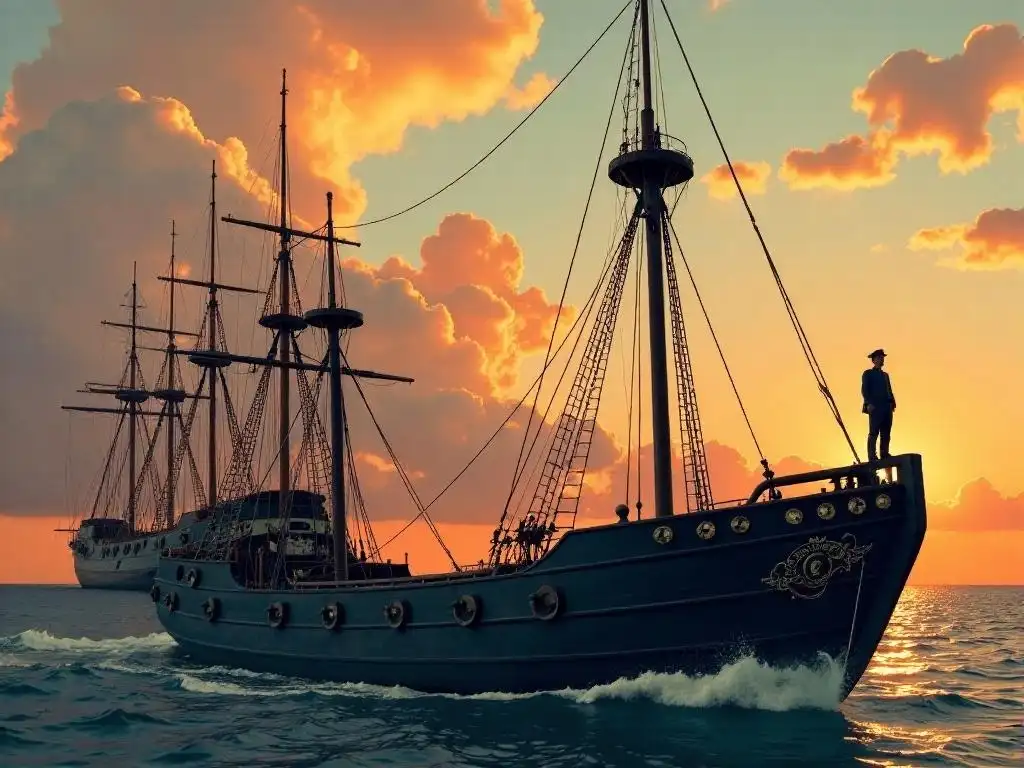
Welcome to Feudal Japan History, where the rich tapestry of Japan's feudal era comes to life through expert-driven insights and captivating narratives. In our featured article, "The Diplomatic Dance: Perry's Negotiations with Japanese Leaders," we delve into the intricate world of foreign relations during a time of profound transformation. What led to the pivotal exchanges between American envoy Commodore Perry and Japanese leaders? Join us as we unravel the complexities of these historic negotiations and their lasting impact on Japan's trajectory. Prepare to embark on a journey that will deepen your understanding of this fascinating period!
Introduction to Perry's Negotiations in Japan
The arrival of Commodore Matthew Perry in Japan during the mid-19th century marked a pivotal moment in the country's history, ushering in a new era of foreign relations that would dramatically alter the course of Japanese society. As Japan was firmly entrenched in its feudal system, the negotiations led by Perry to open Japanese ports to American trade and establish diplomatic relations were not merely a matter of politics; they were a complex interplay of cultural, societal, and historical factors.
This article delves into the intricate dynamics of Perry's negotiations, exploring their implications for Japan during the feudal era while highlighting the broader context of international relations at the time.
Overview of the Feudal Era in Japan
The feudal era in Japan, which spanned from the 12th century until the mid-19th century, was characterized by a hierarchical system of power and land ownership. At the top of this hierarchy were the shoguns, military leaders who exercised actual control over the country, while the emperor remained a figurehead with limited authority. Below them were the daimyos, powerful feudal lords who governed their own domains and maintained private armies.
- Key Features of the Feudal Era:
- Samurai Class: The samurai, or warrior class, upheld a strict code of conduct (bushido) and were integral to the feudal system.
- Agrarian Economy: The economy was primarily agrarian, with rice as the principal currency and agricultural production central to wealth and power.
- Isolationist Policies: Japan's sakoku (closed country) policy restricted foreign influence and trade, maintaining a level of cultural homogeneity.
This feudal structure created a society deeply resistant to external pressures, making Perry's mission all the more significant as it challenged the status quo.
Significance of Perry’s Arrival in 1853
Commodore Perry's arrival in 1853 was significant for several reasons:
- End of Isolation: His expedition marked the beginning of the end for Japan's isolationist policies, which had been in place for over two centuries.
- Economic Impact: The negotiations initiated by Perry opened Japan to international trade, leading to profound economic changes.
- Cultural Exchanges: Increased interactions with foreign nations facilitated cultural exchanges that would reshape Japanese society in the years to come.
The consequences of Perry's arrival were far-reaching, leading to Japan's eventual modernization and integration into the global community.
The Historical Context of Perry's Expeditions
Understanding the context of Perry's expeditions requires an examination of Japan's isolationist policies as well as the geopolitical factors that influenced U.S.-Japan relations.
Japan's Isolation Policy Prior to Perry
For more than two centuries, Japan adhered to a strict policy of isolation, known as sakoku. This policy was established under the Tokugawa shogunate, primarily to eliminate foreign influence, particularly from European powers and Christianity.
- Key Aspects of Sakoku:
- Limited Trade: Only a few designated ports were open to foreign trade, and contact with outsiders was severely restricted.
- Cultural Preservation: The isolationist approach was intended to preserve Japanese culture and prevent the destabilization of the feudal order.
- Strict Regulations: Any foreign ships that attempted to enter Japanese waters were often met with hostility.
This isolationist stance created a complex backdrop for Perry's negotiations, as Japan faced the challenge of balancing its traditional values with the pressures from the outside world.
Geopolitical Factors Influencing U.S.-Japan Relations
In the context of the mid-19th century, several geopolitical factors played a crucial role in shaping U.S.-Japan relations:
- Expansionist Policies: The United States, driven by Manifest Destiny, sought to expand its influence across the Pacific, viewing Japan as a strategic location for trade.
- Western Imperialism: European powers were rapidly colonizing parts of Asia, prompting the U.S. to act to ensure it did not fall behind in securing its interests in the region.
- Need for Refueling Stations: As steam-powered ships became prevalent, the need for coaling stations for ships traveling between the U.S. and Asia intensified, making Japan an attractive target for American diplomacy.
These geopolitical dynamics set the stage for Perry's unprecedented diplomatic overtures, leading to negotiations that would transform Japan's place in the world.
Commodore Perry: A Profile of the Diplomat
Commodore Matthew Perry stands as a pivotal figure in the history of U.S.-Japan relations during the mid-19th century. His diplomatic approach and adept negotiation skills were instrumental in opening Japan to the Western world, marking a significant shift in the nation's foreign policy.
Perry was not just a naval officer; he was a carefully calculated diplomat who understood the complexities of international relations and the importance of strategy in achieving his goals. His voyages to Japan are often depicted as a blend of military might and diplomatic finesse, which ultimately transformed Japan from a secluded nation into a participant in global trade.
Background and Career of Commodore Matthew Perry
Born on April 10, 1794, in South Kingston, Rhode Island, Matthew Perry came from a family with a strong naval tradition. He joined the U.S. Navy in 1809 and quickly rose through the ranks, gaining experience in various naval expeditions and engagements. His early career included notable service in the War of 1812 and later in the Mexican-American War, where he displayed both leadership and strategic acumen.
Perry’s reputation was further solidified by his involvement in scientific expeditions, particularly the explorations of the Pacific. These experiences not only honed his naval skills but also enriched his understanding of different cultures and international diplomacy. By the time he was appointed to lead the expedition to Japan, he had become a seasoned officer known for his determination and innovative thinking.
Perry's Objectives and Goals in Japan
Perry's primary objective in Japan was to establish diplomatic relations and open Japanese ports to American trade. The United States was eager to find new markets for its goods and secure a reliable supply route for coal and provisions for its whaling fleet operating in the Pacific. Perry understood that Japan's isolationist policies under the Tokugawa shogunate posed a significant barrier to these goals.
In addition to economic interests, Perry was also motivated by broader geopolitical considerations. He sought to counterbalance European powers’ influence in Asia and ensure that the United States would play a prominent role in the region. To achieve this, Perry aimed to negotiate a treaty that would not only facilitate trade but also promote friendship and cultural exchange between the two nations.
The Initial Encounter: Perry's First Visit to Japan
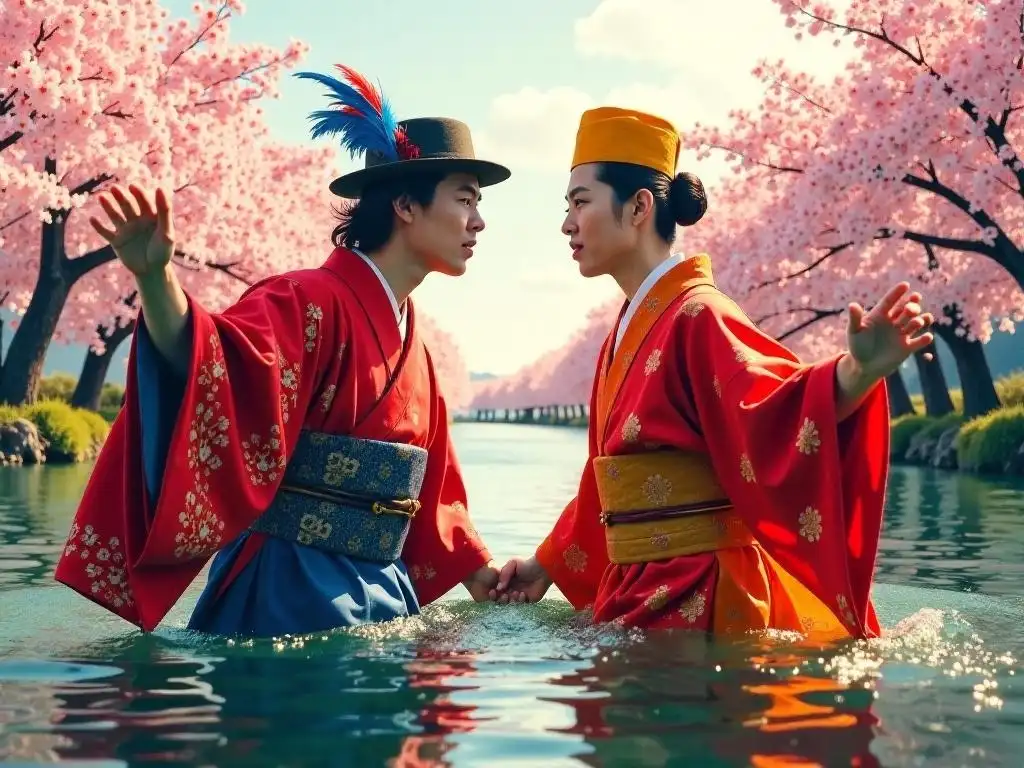
Perry's first visit to Japan in 1853 marked a significant turning point in Japanese history. His arrival was not only a diplomatic mission but also a demonstration of the changing dynamics of global power. As he approached the shores of Uraga with his fleet of "Black Ships," the presence of these formidable vessels sent a clear signal to the Japanese that the time for isolation was coming to an end.
Events of the 1853 Arrival
On July 8, 1853, Commodore Perry anchored his squadron of four warships in Tokyo Bay, an event that caught the Japanese off guard. The ships, powered by steam and equipped with modern artillery, represented a technological superiority that Japan had never encountered before. Perry’s arrival was preceded by a letter from U.S. President Millard Fillmore, which called for the opening of Japanese ports to American vessels.
During his initial visit, Perry engaged in a series of meetings with Japanese officials, including local daimyos and representatives of the Tokugawa shogunate. The shogunate, wary of foreign influence yet recognizing the inevitability of change, was compelled to consider Perry's demands for trade and diplomatic relations. Perry’s firm yet respectful demeanor was crucial in establishing a dialogue, as he navigated the delicate political landscape of Japan.
Reactions from Japanese Leaders and Society
The reaction to Perry's arrival was mixed among Japanese leaders and society. Many officials were alarmed by the sudden appearance of foreign warships and the implications it held for Japan’s sovereignty. The shogunate was particularly concerned about maintaining control and preventing internal dissent, as the arrival of Perry coincided with growing pressures from Western powers.
However, there were also those within Japan who recognized the potential benefits of engaging with the West. Figures such as the scholar and diplomat Tōyama Mitsuru advocated for modernization and reform, suggesting that establishing relations with Perry could lead to technological advancement and increased security. This internal debate reflected the broader societal tensions in Japan, as the country grappled with its identity and future direction in the face of foreign influence.
The culmination of Perry’s first visit was the signing of the Treaty of Kanagawa in 1854, which would officially end Japan’s isolation and set the stage for a new era of foreign relations, firmly establishing the groundwork for future negotiations and interactions between Japan and Western nations.
The Negotiation Process: Key Meetings and Discussions
The negotiations between Commodore Matthew Perry and Japanese leaders were marked by a series of carefully orchestrated meetings that unfolded over several months in the early 1850s. Perry arrived in Japan in July 1853, leading a fleet of four ships, which was a significant show of American naval power. His immediate aim was to open trade relations with Japan, which had been largely closed to foreign influence since the early 17th century.
The first major meeting took place in Hakodate, where Perry presented a letter from President Millard Fillmore, emphasizing the need for friendship and trade. The Japanese response was cautious; they offered Perry a polite but non-committal reply, indicating that they would need to consult with their leaders. This initial exchange set the stage for further discussions, as Perry's show of force compelled Japanese leaders to take the situation seriously.
In early 1854, Perry returned to Japan for a second visit, this time with a larger fleet. He met with key Japanese officials in Edo (modern-day Tokyo), where he pressed for a formal agreement. The meetings highlighted the tension between traditional Japanese customs and the pressing demands of Western powers, leading to a diplomatic dance that required both sides to navigate their respective interests carefully.
The culmination of these discussions led to the signing of the Treaty of Kanagawa in March 1854, marking a significant turning point in Japan's foreign relations and its eventual transition from a feudal society to a more modern state.
Key Japanese Leaders Involved in the Negotiations
Several influential Japanese leaders played pivotal roles during the Perry negotiations, reflecting the intricate power dynamics of the Tokugawa shogunate. Among them were:
- Shōgun Tokugawa Ieyoshi: The ruling shōgun at the time of Perry's arrival, Ieyoshi was responsible for maintaining Japan's isolationist policies. His reluctance to engage with foreign powers underscored the tension between tradition and the need for modernization.
- Aizawa Seishisai: A key advisor and scholar, Aizawa was influential in shaping the shōgunate's response to Perry's demands. His writings emphasized national sovereignty and the importance of resisting foreign encroachment.
- Katsu Kaishu: A naval officer and one of the leading figures in Japan’s modernization efforts, Katsu played a crucial role in negotiating with Perry. His understanding of Western naval technology and diplomacy helped bridge the gap between the two cultures.
- Matsudaira Sadaaki: As the daimyō of the Mito Domain, Matsudaira advocated for a more open approach to foreign relations. His influence was instrumental in persuading the shōgunate to consider Perry's proposals seriously.
These leaders' varying perspectives on foreign engagement reflected the broader societal debates within Japan during the feudal era, illustrating the complexities of the negotiations.
Strategies Employed by Perry during Discussions
Commodore Perry employed several strategic approaches during his negotiations that proved effective in compelling Japan to open its borders:
- Show of Military Power: Perry's arrival with a formidable fleet was a deliberate tactic to instill a sense of urgency and respect. The display of advanced naval technology and military capabilities was intended to demonstrate that the United States was a powerful and serious negotiator.
- Diplomatic Correspondence: The use of a letter from President Fillmore served as a formal diplomatic gesture, framing the negotiations within a context of friendship and trade. This helped to present the American motives as benevolent rather than purely self-serving.
- Cultural Sensitivity: Perry demonstrated an understanding of Japanese customs, often using formalities and showmanship that resonated with Japanese leaders. He respected local traditions while maintaining his demands, which helped build rapport.
- Gradual Concessions: Perry's approach included offering concessions to the Japanese, such as promises of protection for shipwrecked sailors and the potential for mutual benefits from trade. This tactic aimed to present the negotiations as advantageous for both parties.
Through these strategies, Perry effectively navigated the complex waters of diplomacy in the feudal era, ultimately leading to a pivotal agreement.
The Treaty of Kanagawa: Outcomes of Perry's Negotiations
The Treaty of Kanagawa, signed on March 31, 1854, marked a watershed moment in Japan's foreign relations and had profound implications for its feudal structure. This agreement ended over two centuries of isolation and established a framework for future diplomatic and trade relations with the United States.
Key Provisions of the Treaty
The Treaty of Kanagawa contained several important provisions:
- Opening of Ports: The treaty mandated the opening of two ports, Shimoda and Hakodate, to American vessels for trade. This marked the first time Japan engaged in foreign trade on a significant scale.
- Assistance for Shipwrecked Sailors: Japan agreed to provide assistance to American sailors who were shipwrecked on its shores, establishing a precedent for humanitarian considerations in international relations.
- Establishment of a Consulate: The treaty allowed for the establishment of a U.S. consulate in Shimoda, facilitating diplomatic communication and furthering American interests in the region.
- Trade Regulations: The treaty included provisions for regulating trade, ensuring that American merchants could engage in commerce under specific guidelines, which favored American interests.
These provisions laid the groundwork for subsequent treaties and interactions between Japan and Western powers.
Impact of the Treaty on Japan's Feudal Structure
The Treaty of Kanagawa had significant ramifications for Japan's feudal structure, initiating a series of changes that would ultimately lead to the end of the Tokugawa shogunate:
- Erosion of Isolation: The treaty marked a significant shift away from Japan's isolationist policies, exposing the country to foreign ideas, technologies, and influences that challenged traditional societal structures.
- Rise of Nationalism: The opening of Japan spurred a sense of nationalism among various factions within Japan, leading to movements that advocated for modernization and the adoption of Western practices.
- Dissolution of Feudal Power: The pressures from foreign powers and the changing economic landscape weakened the shōgunate's grip on power, contributing to internal strife and ultimately leading to the Meiji Restoration in 1868.
- Economic Transformation: The introduction of trade with Western nations stimulated economic changes, resulting in the gradual decline of the feudal economy based on agriculture and the rise of a more market-oriented economy.
The Treaty of Kanagawa not only opened Japan to international trade but also set in motion a transformative process that would reshape its political and social landscape, signaling the decline of the feudal era.
Long-term Effects of Perry's Negotiations on Japan
The negotiations led by Commodore Matthew Perry in the mid-19th century marked a significant turning point in Japan's history, with effects that reverberated through the following decades. One of the most profound long-term effects was the end of Japan's self-imposed isolation, known as Sakoku. This policy had kept foreign influence at bay for over two centuries, and Perry's arrival in 1853 effectively dismantled it. The resulting treaties opened Japan's ports to American and, subsequently, European powers, leading to increased trade and cultural exchanges.
Furthermore, the negotiations sparked a transformation within Japan itself, igniting a wave of modernization that influenced various aspects of society, from governance to technology. The exposure to Western ideals and practices prompted Japanese leaders to rethink their own systems, ultimately contributing to the Meiji Restoration of 1868, which rapidly transformed Japan into a modern state. This gradual shift from feudalism to a more centralized government structure laid the groundwork for Japan's emergence as a global power in the 20th century.
Cultural Exchange and Opening of Japan
The cultural exchange initiated by Perry's negotiations had a profound impact on Japanese society. With the opening of ports, foreign ideas, goods, and technologies began to flow into the country. This influx introduced Western art, literature, and scientific knowledge, which began to reshape Japanese culture.
One notable example was the introduction of Western-style education, which emphasized critical thinking and scientific inquiry. The establishment of schools that taught foreign languages and sciences allowed a new generation of Japanese to engage with global knowledge. Additionally, cultural phenomena such as the popularity of Western clothing, food, and entertainment began to surface, marking a significant shift in Japanese lifestyle.
In return, Japan also began to share its unique culture with the world. The interest in Japanese art and aesthetics, particularly in the West, led to the phenomenon known as Japonisme, where Western artists drew inspiration from Japanese prints and ceramics. This reciprocal exchange laid the foundation for a more interconnected global culture.
Shift in Foreign Relations and Global Positioning
Perry's negotiations not only altered Japan's internal landscape but also fundamentally shifted its foreign relations. By engaging with the United States and signing the Treaty of Kanagawa in 1854, Japan set a precedent for entering into treaties with other nations, which changed its global positioning dramatically.
This newfound openness led to Japan establishing diplomatic relations with several Western nations, including Britain, France, and Russia. As a result, Japan began to navigate the complexities of international politics, moving from a position of isolation to one where it could assert its interests on the global stage.
The shift also prompted Japan to reassess its military capabilities, leading to significant military reforms. Understanding the necessity of modernization to protect its sovereignty, Japan invested in building a modern navy and army, which would later play a crucial role in its imperial pursuits in Asia.
Conclusion: The Legacy of Perry's Negotiations in Japan
The legacy of Perry's negotiations is multifaceted, representing a complex interplay of cultural exchange, modernization, and evolving foreign relations. The impact of these negotiations is still felt today, as they serve as a pivotal moment in Japan's transition from feudal isolation to a modern state engaged in the global community.
Reflections on the Diplomatic Dance of Perry and Japanese Leaders
The diplomatic dance between Commodore Perry and Japanese leaders was characterized by tension, curiosity, and a profound realization of the shifting power dynamics in the world. For Japan, this encounter was not merely a negotiation; it was a wake-up call that underscored the need for adaptation in the face of Western encroachment.
Japanese leaders, while wary of foreign influence, recognized the necessity of engaging with the outside world to safeguard their nation. This delicate balance of maintaining sovereignty while embracing modernization became a pivotal theme in Japan's subsequent history.
Implications for Future Foreign Relations in the Feudal Era
The implications of Perry's negotiations extended beyond immediate trade agreements and cultural exchanges. They set a precedent for how Japan interacted with foreign powers in the feudal era and beyond. The recognition of the importance of diplomacy over conflict became ingrained in Japan's foreign policy approach, influencing its interactions with neighboring countries and shaping its modern diplomatic strategies.
As Japan navigated its newfound position in the world, the lessons learned from Perry's negotiations would inform its responses to future challenges, ultimately leading to a more assertive and proactive stance in international relations. The legacy of these negotiations thus serves as a reminder of the delicate balance between tradition and change in the evolution of a nation.
Further Reading and Resources on Perry's Negotiations in Japan
To gain a deeper understanding of Commodore Perry's negotiations and their implications within the context of Japan's feudal era, it is essential to explore a variety of resources. The following recommendations encompass both literature and historical documents that shed light on this pivotal moment in Japan's history.
Recommended Books and Articles
-
"Commodore Perry in the Land of the Shogun" by Rhoda Blumberg
This engaging narrative provides a detailed account of Perry's expedition to Japan, emphasizing the cultural exchanges and political dynamics at play. Blumberg's book is particularly useful for understanding the broader implications of Perry’s negotiations.
-
"The Opening of Japan: Commodore Perry's Expedition, 1853-1854" by William G. Beasley
Beasley offers a comprehensive analysis of the events leading up to Perry's arrival and the immediate aftermath. This book is invaluable for those looking to understand the geopolitical context of the era.
-
"Perry’s Japan: A History of the Opening of Japan, 1853-1854" by Peter Duus
Duus provides a scholarly examination of the negotiations, their impact on Japanese society, and the reactions from both American and Japanese perspectives. This work is particularly notable for its depth of analysis.
-
"The American Encounter with Japan: The Early Years" by R. Keith Schoppa
This book looks beyond Perry's negotiations to explore the broader American engagement with Japan during the 19th century, contextualizing the events within a larger narrative of East-West relations.
-
"Japan and the United States: A History of Relations" by John W. Dower
Dower's work delves into the evolution of U.S.-Japan relations, emphasizing the significance of Perry's voyages as a turning point in diplomatic history.
Relevant Historical Documents and Archives
-
Treaty of Kanagawa (1854)
This pivotal document formally opened Japan to American trade and marked the end of Japan's isolationist policy. It is crucial for examining the terms agreed upon during Perry's negotiations.
-
Perry's Official Reports and Correspondence
The writings and reports authored by Commodore Perry during his expeditions provide firsthand insights into his diplomatic strategies and objectives. These documents can typically be found in various historical archives.
-
Records from the Tokugawa Shogunate
The Tokugawa government's responses to Perry’s demands and their diplomatic correspondence with American officials are vital for understanding the internal dynamics of Japan during this period.
-
National Archives of Japan
A wealth of documents related to the negotiations and subsequent treaties can be accessed through the National Archives, offering primary sources for researchers interested in the era.
-
American National Archives
The American National Archives hold various records pertaining to Perry's expedition, including maps, photographs, and official military documents that illustrate the context of the negotiations.
These resources collectively provide a rich tapestry of information for anyone interested in the complexities of Perry's negotiations and their long-lasting effects on Japan's transition from isolation to engagement with the world.
- Introduction to Perry's Negotiations in Japan
- The Historical Context of Perry's Expeditions
- Commodore Perry: A Profile of the Diplomat
- The Initial Encounter: Perry's First Visit to Japan
- The Negotiation Process: Key Meetings and Discussions
- The Treaty of Kanagawa: Outcomes of Perry's Negotiations
- Long-term Effects of Perry's Negotiations on Japan
- Conclusion: The Legacy of Perry's Negotiations in Japan
- Further Reading and Resources on Perry's Negotiations in Japan
Frequently Asked Questions
What were the Perry negotiations about?
The Perry negotiations referred to the diplomatic efforts by Commodore Matthew Perry in the mid-19th century to open Japan to Western trade and relations, significantly impacting the feudal era.
How did the Perry negotiations affect Japan's feudal system?
The Perry negotiations led to the decline of the feudal system in Japan, as the pressure to modernize and open up to the West initiated a series of political and social changes that ultimately ended the shogunate.
Who were the key figures involved in the Perry negotiations?
Key figures included Commodore Matthew Perry, representing the United States, and various Japanese leaders, including the Tokugawa shogunate, who had to navigate the complex demands of Western powers.
What cultural impacts did the Perry negotiations have on Japan?
The Perry negotiations introduced Western ideas and technologies to Japan, leading to significant cultural exchanges and a gradual shift from isolation to modernization in society and governance.
How did the outcome of the Perry negotiations shape Japan's future?
The outcome of the Perry negotiations paved the way for the Meiji Restoration, drastically transforming Japan into a modern state and ending the long-standing feudal era, leading to its emergence as a global power.
Final Reflection: The Enduring Legacy of Perry's Negotiations in Japan
The diplomatic negotiations led by Commodore Matthew Perry during the feudal era of Japan remain a pivotal moment in history, illustrating the complexities of international relations and cultural exchange. Today, as nations grapple with globalization and the challenges of diplomacy, the lessons from Perry's interactions with Japanese leaders resonate more than ever. The delicate balance of power, respect for cultural differences, and the pursuit of mutual understanding are themes that continue to shape our world.
The impact of Perry's negotiations extends far beyond the historical context; it has profoundly influenced Japan's trajectory into modernity and its role on the global stage. The opening of Japan marked a significant shift in international relations, leading to a new era of engagement and cooperation.
As historian John W. Dower aptly stated, "> The encounter between Perry and Japan was not merely a clash of civilizations but a complex dance of diplomacy that redefined both parties." This observation underscores the ongoing relevance of Perry's diplomatic efforts, reminding us that history is not just a record of events but a continuous dialogue that shapes our cultural and social landscapes.
As we reflect on the lessons from Perry's negotiations, let us consider how we can apply these insights in our own lives. How can we engage with others in a manner that fosters understanding and respect, particularly in an increasingly interconnected world? I invite you to take a moment to reflect on your own interactions—whether personal or professional—and think about how you can embody the spirit of diplomacy that Perry exemplified. By embracing open dialogue and cultural appreciation, we can contribute to a more harmonious global community, honoring the legacy of those who came before us.
Join the Diplomatic Dance: Take Action Today!
Thank you for diving into the intricate world of Commodore Perry's negotiations with Japanese leaders! Your exploration of this fascinating historical moment not only enhances your understanding but also connects you to the broader context of international relations. Now, let’s transform this knowledge into action!
- Dive Deeper: Explore more about the cultural impacts of these negotiations. Check out our curated list of articles on the history of feudal Japan to enrich your understanding.
- Engage with History: Share your thoughts! Post a comment below or start a discussion in our community forum about how diplomacy shapes modern relations today.
- Spread the Word: Educate others! Share this article on social media to spark interest in the rich narrative of Japan's diplomatic history.
What aspect of Commodore Perry's negotiations do you find most intriguing, and how do you think it influences the relationship between nations today?