
The Role of Language: How Translation Shaped JapanWest Interactions

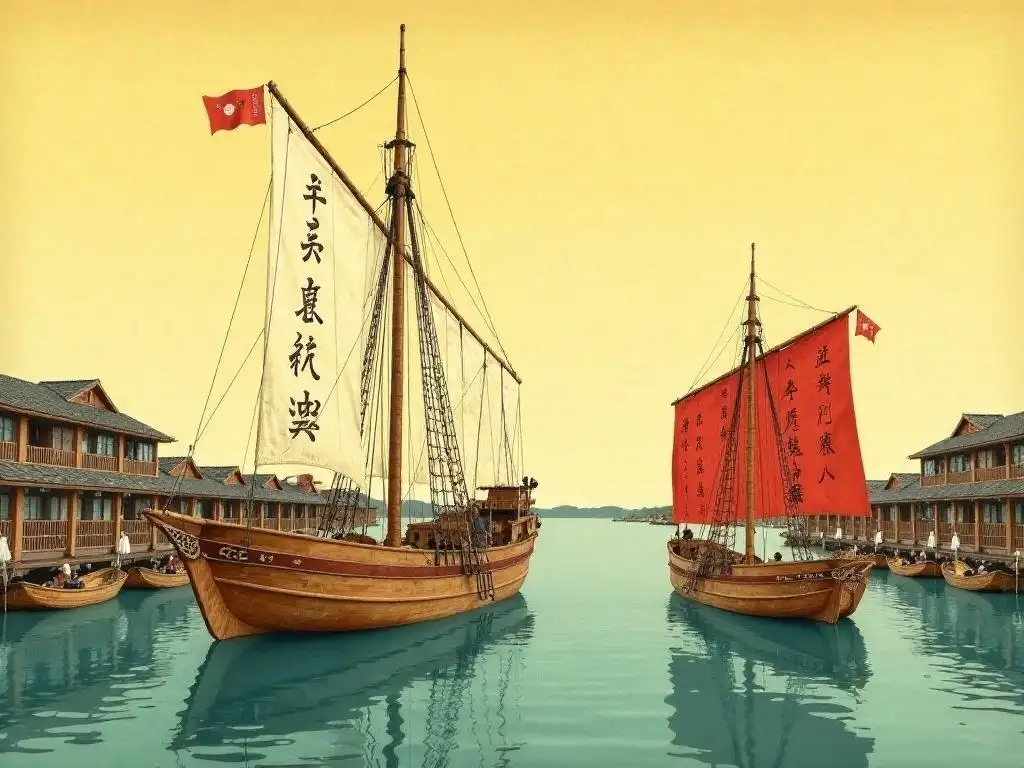
Welcome to Feudal Japan History, where we embark on an intriguing journey through the captivating tapestry of Japan's feudal era. Our exploration delves deep into the historical, cultural, and societal nuances that defined this remarkable period. In our featured article, "The Role of Language: How Translation Shaped JapanWest Interactions," we unravel the profound impact that translation has had on the relationship between Japan and the West.
Prepare to discover how language served as both a bridge and a barrier, influencing diplomatic ties and cultural exchanges that still resonate today. Join us as we unlock the secrets of the past and shed light on the intricate interplay of communication that shaped a nation. Your adventure begins here—let's dive in!
Introduction to Japan-West Relations
The interplay between Japan and the Western world has been profoundly influenced by the power of language and translation. As Japan began to open its doors to foreign nations in the mid-19th century, the nuances of communication became pivotal in shaping diplomatic, cultural, and societal exchanges.
This article delves into the translation impact on Japan-West relations, highlighting how language served as both a bridge and a barrier, facilitating understanding while also sometimes leading to misinterpretations and cultural misunderstandings. By examining historical contexts, translation practices, and the evolution of language in Japan-West interactions, we can appreciate the intricate tapestry of relationships that emerged during this transformative period.
Historical Context of Japan's Foreign Relations
Japan's foreign relations have evolved significantly over the centuries, particularly during the Edo period (1603–1868), when the country adopted a policy of isolation known as sakoku. This period saw limited interaction with the West, primarily through the Dutch and Chinese traders. However, the arrival of Commodore Matthew Perry in 1853 marked a pivotal moment, leading to the Treaty of Kanagawa and the opening of Japan to Western influences. This shift prompted an urgent need for translation as Japanese diplomats, scholars, and merchants sought to understand Western ideologies, technologies, and commerce.
- Key Events Influencing Relations:
- Perry Expedition (1853): Forced Japan to engage with the West.
- Treaty of Kanagawa (1854): Established diplomatic relations.
- Meiji Restoration (1868): Accelerated modernization efforts in Japan.
Importance of Translation in Cultural Exchange
Translation played a crucial role in facilitating cultural exchange between Japan and the West. It not only allowed for the transfer of knowledge but also influenced Japan's modernization and the adoption of Western customs. The introduction of new concepts—ranging from political ideas to scientific advancements—was heavily reliant on translation efforts that interpreted these ideas into Japanese. This exchange was essential in shaping Japan's responses to Western pressures and its eventual emergence as a global power.
- Areas of Impact:
- Literature: Introduction of Western literary forms and ideas.
- Science: Translation of scientific texts advanced Japan's technological capabilities.
- Philosophy: Western philosophical ideas challenged and enriched Japanese thought.
The Evolution of Translation Practices in Japan
The evolution of translation practices in Japan reflects the changing dynamics of its relationship with the West. Initially characterized by rudimentary methods, translation evolved as Japan embraced a more systematic approach to understanding foreign languages and cultures.
Early Translation Techniques in Japan
Early translation techniques in Japan can be traced back to the interaction with Chinese texts. However, as Western influence grew, Japanese scholars had to adapt their methods to accommodate the complexities of Western languages. The use of kanbun (classical Chinese) served as a foundation, but new techniques emerged, such as gairaigo (loanwords) and katakana script, allowing for more accurate representations of foreign terms and concepts.
- Techniques Developed:
- Gairaigo: Incorporation of foreign words into Japanese.
- Katakana: Script used for phonetic transcription of foreign terms.
- Interpretive Translation: Adapting concepts rather than direct translation to convey meaning.
Influence of Western Languages on Japanese Translations
The influence of Western languages, particularly English and French, significantly altered the landscape of translation in Japan. This period saw a proliferation of translation work, as scholars and linguists sought to convey Western literature, science, and philosophy to a Japanese audience. The challenge of accurately translating idiomatic expressions, cultural references, and complex ideas often led to innovative solutions that enriched the Japanese language.
- Examples of Influence:
- Literary Works: Translations of Shakespeare and other Western authors.
- Scientific Texts: Introduction of Western scientific terms into Japanese lexicon.
- Diplomatic Language: Development of terminology for international relations and law.
The role of translation in shaping Japan-West interactions cannot be overstated. It has facilitated not only communication but also a deeper understanding of cultural nuances, ultimately influencing Japan's trajectory in the global arena.
The Impact of Translation on Japan-West Relations
Translation has played a pivotal role in shaping the interactions between Japan and the West, facilitating not only diplomatic relations but also cultural and intellectual exchanges. The ability to translate languages effectively allowed for the transfer of ideas, technologies, and worldviews that significantly impacted both societies. From the late 19th century onwards, as Japan opened its doors to Western influences during the Meiji Restoration, translation became a crucial tool for modernization. The translated works introduced Western concepts of governance, science, and philosophy, which were instrumental in Japan's rapid transformation into a modern state.
Moreover, translation impacted Japan-West relations by enabling dialogue in various fields such as trade, diplomacy, and culture. The linguistic barriers that once separated Japan from the West gradually diminished, leading to a greater understanding and appreciation of each other's societies. This exchange was not always seamless; misunderstandings and misinterpretations occasionally arose from cultural differences, highlighting the complexities of translation. Nevertheless, the overall impact of translation fostered a dynamic interaction that ultimately reshaped Japan's identity and its position in the global arena.
Key Historical Events Influenced by Translation
Several key historical events illustrate the influence of translation on Japan-West relations:
- The Arrival of Commodore Perry (1853-1854): The U.S. Navy's arrival in Japan marked the beginning of diplomatic relations. Translators played a vital role in negotiating the Treaty of Kanagawa, which opened Japanese ports to American ships. This event set the stage for further interactions and shaped Japan's foreign policy.
- The Treaty of Amity and Commerce (1858): Following Perry's visit, this treaty was negotiated with several Western powers. Accurate translations of documents were essential in ensuring that Japan understood the terms and conditions imposed by the Western countries, influencing its subsequent responses.
- Meiji Restoration (1868): The restoration marked a significant transformation in Japan's political and social structures. Translators facilitated the importation of Western legal and political texts, which were instrumental in the establishment of a modern government and legal system.
- The Introduction of Western Education: The translation of Western educational materials into Japanese allowed for the establishment of a new educational framework. This led to the modernization of Japan’s curricula and institutions, fostering a generation that was well-versed in Western thought.
These events underscore the significant role translation played in navigating the complexities of Japan-West relations and the broader implications for Japan’s modernization.
Case Studies of Significant Translations
Numerous translations have had profound effects on Japan-West relations. Some notable case studies include:
- The First Complete Translation of the Bible (1887): This translation, known as the Meiji Bible, was pivotal in introducing Western religious concepts and ideas to Japan. It not only impacted religious practices but also influenced Japanese literature and thought.
- "The Tale of Genji" Translations: The translation of this classic work into English in the early 20th century introduced Western readers to Japanese culture, aesthetics, and literature. It played a crucial role in promoting cross-cultural understanding and appreciation.
- Western Scientific Texts: The translation of works by Western scientists, such as Isaac Newton and Charles Darwin, greatly affected Japan’s approach to science and education. These translations contributed to Japan’s advancements in various scientific fields and its eventual emergence as a technological power.
- Political Treatises: Translations of key political texts, including works by John Stuart Mill and Karl Marx, influenced Japanese intellectual circles. They facilitated discussions on governance and social reform, contributing to the evolution of Japan’s political landscape.
These case studies exemplify how specific translations have shaped historical narratives and relationships, further highlighting the significance of translation in the context of Japan-West interactions.
Cultural Exchange Through Translation
Translation has not only facilitated diplomatic and political relations but has also been a powerful vehicle for cultural exchange. As Japan engaged with Western nations, language served as a bridge, allowing for the sharing of artistic, literary, and philosophical ideas that enriched both cultures.
Literature and Philosophy: Bridging Cultures
The translation of literary and philosophical texts played a significant role in bridging Japanese and Western cultures. Works by authors such as Shakespeare and Goethe were translated into Japanese, influencing local writers and thinkers. These translations introduced new literary styles and themes, leading to a hybridization of Japanese literature.
Conversely, Japanese literature, including poetry and prose, found its way into Western consciousness through translation. The works of Matsuo Bashō and Natsume Sōseki, for instance, captivated Western audiences, fostering a deeper understanding of Japan's cultural identity. Philosophically, the translation of Eastern philosophies, particularly Zen Buddhism, into Western languages sparked interest and contributed to the global dialogue on spirituality and ethics.
The interplay of translations in literature and philosophy exemplifies how language has facilitated cultural enrichment and mutual respect between Japan and the West.
Science and Technology: Knowledge Transfer
In the realm of science and technology, translation has been vital for knowledge transfer between Japan and Western nations. The translation of scientific journals and textbooks allowed Japanese scholars and practitioners to access cutting-edge research and innovations from the West.
Key advancements in fields such as medicine, engineering, and agriculture were made possible through the translation of crucial texts. For instance, the translation of Western medical practices and texts significantly improved healthcare in Japan, leading to better medical outcomes and the establishment of modern hospitals.
Additionally, the exchange of technological innovations during the Meiji era, such as the steam engine and telegraph, was facilitated by translators who enabled Japanese engineers and inventors to understand and implement these technologies. This collaborative spirit not only advanced Japan's industrial capabilities but also fostered a sense of global interconnectedness.
The role of translation in Japan-West interactions extends beyond mere communication; it has been fundamental in shaping historical events, cultural exchanges, and advancements in knowledge. This dynamic interplay between languages continues to influence the relationship between Japan and the West today.
Challenges of Translation in Japan-West Interactions

The interaction between Japan and the West has been profoundly influenced by the complexities of translation. As these two vastly different cultures began to communicate, various challenges arose, often stemming from linguistic barriers and the deep-rooted cultural nuances that are inherent in each society. Understanding these challenges is crucial for appreciating how translation has shaped Japan-West relations.
Linguistic Barriers and Misinterpretations
One of the most significant challenges in translation between Japan and the West is the linguistic barrier. Japanese and Western languages, particularly English, differ fundamentally in structure, syntax, and vocabulary. For instance, Japanese is an agglutinative language that often relies on context, while English adheres to a more linear grammatical structure. This disparity can lead to misinterpretations, as direct translations may fail to capture the intended meaning.
Moreover, certain Japanese concepts, such as wa (和), which embodies harmony and group cohesion, do not have direct equivalents in English. This can result in translations that are either too vague or overly simplified, potentially altering the original message. Misinterpretations stemming from such linguistic barriers have historically led to misunderstandings in diplomatic communications, literature, and trade agreements, complicating Japan-West relations.
Cultural Nuances and Contextual Understanding
Beyond linguistic differences, cultural nuances play a pivotal role in the translation process. Each culture possesses unique idioms, metaphors, and references that may not resonate with the other. For example, traditional Japanese expressions often reflect collective societal values, while Western expressions may emphasize individualism. A translator must navigate these nuances to ensure that the translated text resonates with the target audience while preserving the original's intent.
Additionally, contextual understanding is crucial. Different contexts can significantly alter the meaning of words or phrases. For instance, the term sensei (先生) in Japanese can refer to a teacher, doctor, or any respected figure, depending on the context. Without a firm grasp of the cultural and situational context, a translator may inadvertently convey incorrect information or create a disconnection between the text and its audience.
The Role of Translators in Japan-West Relations
Translators have served as crucial intermediaries in the dialogue between Japan and the West, facilitating communication across cultural divides. Their role extends beyond mere translation; they are cultural ambassadors who interpret not only words but also ideas, emotions, and societal norms.
Profiles of Influential Translators
Several influential translators have left a significant mark on Japan-West relations. One notable figure is Yanagita Kunio, who was instrumental in introducing Japanese folklore to Western audiences in the early 20th century. His translations helped spark interest in Japanese culture, providing a foundation for further cultural exchange.
Another prominent translator is Edward Seidensticker, known for his translations of classic Japanese literature, including works by Yukio Mishima and Yasunari Kawabata. Seidensticker’s translations not only conveyed the text but also captured the essence of Japanese aesthetics, earning him recognition as a pivotal figure in bridging the cultural gap.
These translators, among others, have played vital roles in shaping perceptions of Japan in the West, highlighting the importance of their contributions in fostering understanding and appreciation of Japanese culture.
The Translator's Influence on Public Perception
The influence of translators extends beyond the immediate task of translation. They have the power to shape public perception and understanding of Japan in the West. By choosing specific words, phrases, and cultural references, translators can highlight certain aspects of Japanese society while downplaying others.
For example, the portrayal of Japan in translated literature and media often reflects the translator's perspective, which can either reinforce stereotypes or challenge misconceptions. This influence is particularly evident in how Japan has been depicted in Western literature, film, and art. A well-translated work can evoke interest and admiration for Japanese culture, while a poorly executed translation may perpetuate misunderstandings and negative stereotypes.
Translators play a critical role in Japan-West relations, acting as cultural mediators who navigate linguistic and cultural complexities. Their work not only facilitates communication but also shapes the broader narrative of Japan in the Western consciousness, underscoring the profound impact of translation on international relations.
Modern Implications of Translation on Japan-West Relations
The impact of translation on Japan-West relations continues to evolve in modern times, influencing various aspects of diplomacy, commerce, and cultural exchange. As Japan has become a leading player in global economics and technological advancements, the necessity for precise and effective translation has grown significantly. Businesses seeking to engage with Japanese markets must understand the nuances of the language to avoid miscommunications that can hinder negotiations and partnerships. Furthermore, translation plays a critical role in the dissemination of Japanese culture, from literature and film to anime and manga, fostering a greater appreciation and understanding among Western audiences.
The rise of digital communication has also transformed how translation affects Japan-West relations. Social media platforms and instant messaging have created a need for rapid translation services, allowing for real-time interactions. This immediacy has led to more dynamic exchanges, but it also raises concerns about the quality of translations and the potential for cultural misunderstandings. Therefore, organizations and governments must prioritize professional translation services to ensure that their messages are conveyed accurately and culturally sensitively.
The Role of Technology in Translation Today
Technology has revolutionized the field of translation, significantly impacting how Japan interacts with Western nations. Machine translation tools, such as Google Translate and DeepL, have made it easier for individuals and businesses to communicate across language barriers. However, while these tools offer convenience, they often lack the subtlety and context that human translators provide. As a result, businesses and diplomatic entities frequently rely on a combination of machine and human translation to achieve optimal accuracy.
Moreover, advancements in localization technology have enabled companies to tailor their products and services to specific markets more effectively. This process involves not just translating text, but also adapting content to fit cultural preferences and expectations. For instance, marketing materials for Japanese consumers might emphasize different values compared to those aimed at Western audiences. Consequently, understanding these cultural dimensions through translation enhances Japan-West relations by fostering mutual respect and appreciation for each other’s perspectives.
Future Trends in Japan-West Communication
Looking ahead, several trends are poised to shape the future of Japan-West communication through translation. First, as artificial intelligence continues to advance, we can expect improvements in machine translation accuracy and contextual understanding. This evolution may lead to more widespread acceptance of automated services in both business and casual communication. However, the need for human oversight will likely remain critical to ensure cultural nuances are respected.
Second, the growing importance of multilingualism in global business will necessitate continuous investment in translation and localization services. Companies that prioritize effective communication with Japanese partners and consumers will be better positioned to thrive in an increasingly interconnected market. Additionally, the rise of global collaboration, particularly in fields like technology and research, will further underscore the importance of clear and precise translation.
Lastly, the ongoing cultural exchange between Japan and the West will likely spur demand for translation services in areas such as education, literature, and entertainment. As more Japanese authors and artists gain international recognition, the need for quality translations that capture the essence of their work will be paramount. This will not only enhance cultural understanding but also solidify Japan’s role as a key contributor to global cultural dialogues.
Conclusion: The Lasting Impact of Translation on Japan-West Relations
The significance of translation in shaping Japan-West relations cannot be overstated. As a bridge between cultures, translation facilitates understanding, empathy, and collaboration. The historical context of translation efforts in the past has laid the groundwork for contemporary interactions, influencing everything from trade agreements to cultural exchanges.
Summary of Key Points
- Translation has evolved into a fundamental aspect of Japan-West relations, affecting diplomacy, business, and culture.
- The integration of technology in translation has changed communication dynamics, emphasizing the balance between machine and human translation.
- Future trends indicate a shift towards enhanced artificial intelligence in translation, increased multilingualism in business, and continued cultural exchange.
Final Thoughts on Language and Cultural Exchange
Language is a powerful tool that shapes perceptions and fosters connections. As Japan continues to engage with the West, the role of translation will remain crucial in nurturing these relationships. By investing in quality translation services and understanding the cultural contexts behind the words, both Japan and Western nations can cultivate a more harmonious and collaborative future. The legacy of translation in Japan-West relations serves as a testament to the enduring power of language in bridging divides and promoting shared understanding.
- Introduction to Japan-West Relations
- The Evolution of Translation Practices in Japan
- The Impact of Translation on Japan-West Relations
- Cultural Exchange Through Translation
- Challenges of Translation in Japan-West Interactions
- The Role of Translators in Japan-West Relations
- Modern Implications of Translation on Japan-West Relations
- Conclusion: The Lasting Impact of Translation on Japan-West Relations
Frequently Asked Questions
What was the significance of translation in Japan-West relations?
Translation played a pivotal role in facilitating communication between Japan and Western countries, helping to bridge cultural and linguistic gaps during crucial historical periods.
How did translation influence Japan's modernization?
Through translation, Japan was able to access Western knowledge and technologies, which significantly contributed to its rapid modernization in the late 19th and early 20th centuries.
What are some key texts that were translated during this period?
Important works included scientific literature, legal texts, and philosophical treatises that shaped Japan's understanding of Western thought and governance.
Who were the main figures involved in translation efforts?
Notable translators such as Miyake Setsurei and Fukuzawa Yukichi were instrumental in the translation movement, helping to introduce Western concepts and ideas to Japanese society.
What impact did translation have on Japanese culture?
Translation not only impacted political and economic aspects but also led to a significant cultural exchange, influencing art, literature, and education in Japan’s feudal era.
Final Reflection: The Transformative Power of Translation in Japan-West Relations
The intricate dance of language and culture has never been more significant than in today's globalized world. The role of translation in shaping Japan-West interactions is a testament to how communication can bridge vast cultural divides and foster mutual understanding. As we navigate an increasingly interconnected landscape, the impact of translation on Japan-West relations serves as a powerful reminder of the importance of linguistic exchange in promoting peace and collaboration.
The influence of translation extends beyond mere words; it shapes perceptions, builds relationships, and creates opportunities. Throughout history, translation has been a vital tool in fostering dialogue between Japan and the West, allowing for the exchange of ideas, art, and technology. As noted by renowned translator Edward Seidensticker, "Translation is not a matter of words only; it is a matter of making intelligible a whole culture." This ongoing cultural interplay continues to enrich both societies, highlighting the profound impact of translation on our collective narrative.
As we reflect on the lessons drawn from the intricate history of translation between Japan and the West, let us embrace the call to action: to engage with languages and cultures beyond our own. By doing so, we not only honor the legacy of those who have paved the way for cross-cultural dialogue but also contribute to a more harmonious future.
I invite you to explore the world of translation, to learn a new language, or to delve into the stories of different cultures. In this pursuit, we can all play a part in fostering understanding and connection in our increasingly diverse world.
Unveil New Perspectives Through the Power of Language!
Thank you for diving into the fascinating interplay of translation and cultural exchange between Japan and the West! Your curiosity about how language shapes history is vital for understanding our world today. Now, let’s transform that knowledge into meaningful action!
- Engage with history: Research and explore a significant event or document that highlights the role of language in shaping interactions between Japan and the West. You might start with the correspondence exchanged between diplomats!
- Join the conversation: Share your thoughts or discoveries in our community forum! Connecting with fellow history enthusiasts can lead to new insights.
- Spread the word: Discuss this article with a friend or share it on social media to inspire others to recognize the profound impact of language on culture.
What historical event do you believe had the most significant influence on Japan-West relations through translation?