
The Evolution of Farming Techniques: From Heirloom Seeds to Modern Methods

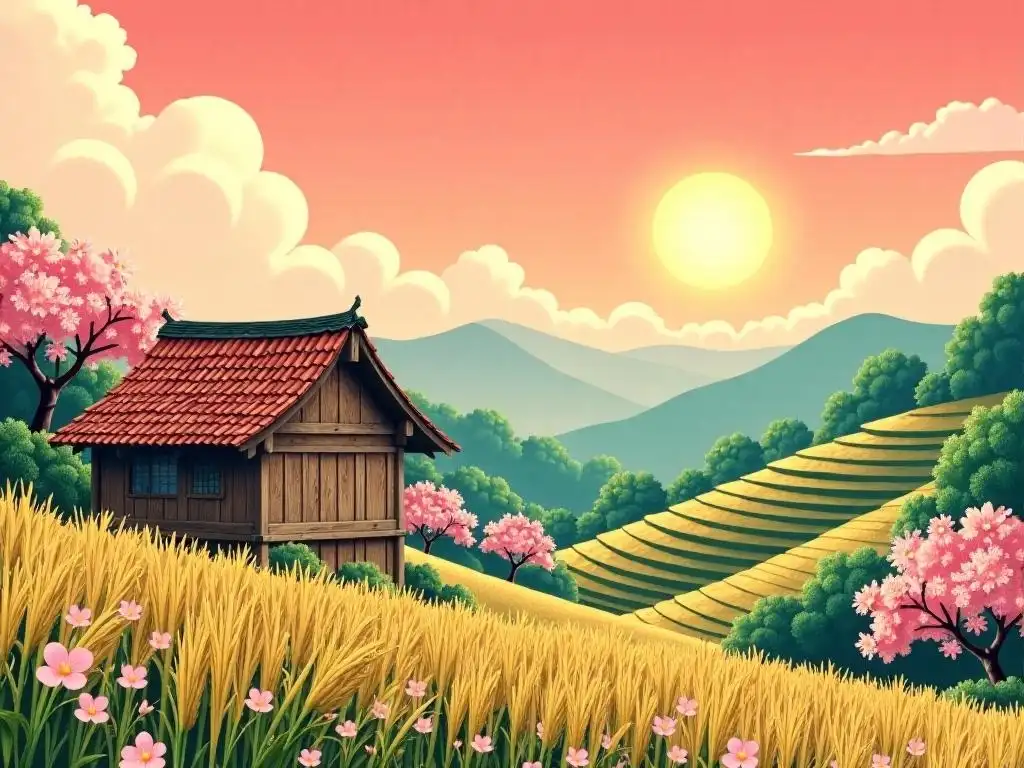
Welcome to Feudal Japan History! Dive into the captivating world of Japan’s feudal era, where tradition and innovation coalesce to shape a rich tapestry of cultural and societal evolution. In our featured article, "The Evolution of Farming Techniques: From Heirloom Seeds to Modern Methods," we unravel the intricate history behind Japanese farming techniques.
Discover how these age-old practices not only sustained communities but also influenced Japan's social fabric. Prepare to be intrigued as we take you on a journey through time, revealing the stories and innovations that have shaped the land and its people. Your exploration begins here—read on to uncover the secrets of Japan's agricultural heritage!
Introduction to Japanese Farming Techniques History
Farming has been a cornerstone of Japanese society for centuries, shaping not only the economy but also the cultural and social fabric of the nation. The evolution of Japanese farming techniques showcases a remarkable journey from primitive agricultural practices to sophisticated methods that adapt to modern demands. This article delves into the rich history of Japanese farming techniques, exploring the transition from heirloom seeds to contemporary agricultural innovations.
Understanding this evolution is crucial not only for appreciating Japan's agricultural heritage but also for recognizing the influence of these practices on the country's current food systems and rural communities. By examining the historical, cultural, and societal aspects of farming in Japan, we gain insights into how traditional practices have laid the groundwork for modern agriculture, reflecting a deep connection between the land and its people.
Historical Context of Farming in Japan
The historical context of farming in Japan reveals a tapestry woven from the threads of geography, climate, and cultural practices. Farming began with the introduction of rice cultivation, which became a staple food and significantly influenced social structures. Over time, various regional crops and farming techniques emerged, adapting to local conditions and societal needs.
The Origins of Agriculture in Japan
Agriculture in Japan can be traced back to around 300 BC during the Yayoi period, when rice cultivation was introduced from the Asian mainland. The fertile plains of the Japanese archipelago provided an ideal environment for farming, leading to the development of intricate irrigation systems and farming tools. Some key points in the origins of agriculture include:
- Yayoi Period (300 BC - 300 AD): Introduction of wet rice agriculture.
- Kofun Period (300 - 600 AD): Advancements in farming techniques and the emergence of social stratification.
- Heian Period (794 - 1185 AD): The rise of aristocratic land ownership and the establishment of agricultural policies.
These early agricultural practices laid the foundation for Japan's strong reliance on rice as a staple food, influencing culinary traditions and societal structures for centuries.
The Heirloom Seeds of Japan
Heirloom seeds represent a vital aspect of Japan's agricultural heritage, embodying centuries of local adaptation and cultural significance. These seeds, passed down through generations, are prized for their unique flavors, resilience, and connection to the land. Some notable heirloom crops include:
- Koshihikari Rice: Renowned for its flavor and texture, this rice variety has been cultivated in Japan for over 50 years.
- Shishito Peppers: A traditional variety known for its mild flavor, commonly used in Japanese cuisine.
- Mizuna: A leafy green that has been grown in Japan for centuries, valued for its peppery taste and nutritional benefits.
The cultivation of heirloom seeds not only preserves biodiversity but also strengthens the cultural identity of farming communities. As modern agricultural methods evolve, the importance of heirloom seeds in maintaining traditional farming practices remains a testament to the resilience and adaptability of Japanese agriculture.
Development of Traditional Farming Techniques
The development of traditional farming techniques in Japan can be traced back to ancient practices that evolved over centuries. Initially, agriculture in Japan was largely subsistence-based, with communities relying on the natural environment to cultivate crops. The introduction of rice cultivation around 300 BCE marked a significant turning point, leading to the establishment of more structured agricultural practices. Farmers utilized simple tools such as wooden plows and sickles, which were gradually improved with better materials and designs.
Heirloom seeds played a crucial role in traditional Japanese agriculture. These seeds, passed down through generations, were well-adapted to local climates and soil conditions. Farmers cultivated a diverse range of crops, including millet, barley, and various vegetables, which not only enhanced food security but also enriched the cultural tapestry of rural life. The knowledge of planting and harvesting methods was typically shared orally, ensuring that techniques were preserved and adapted to changing environmental conditions.
As feudalism took root in Japan, land ownership and farming practices became increasingly regulated. The samurai class imposed taxes on agricultural production, which led to the development of more efficient farming techniques to meet these demands. Farmers began to implement practices such as terracing and irrigation to maximize yield from limited arable land. This evolution of farming techniques laid the groundwork for future advancements while maintaining a strong connection to Japan's agrarian heritage.
The Rise of Rice Cultivation
Rice cultivation emerged as the cornerstone of Japanese agriculture, fundamentally shaping the country's social and economic structures. The arrival of wet rice farming techniques in the Yayoi period (approximately 300 BCE to 300 CE) revolutionized food production in Japan. Wet rice farming, which involves flooding fields, allowed for higher yields compared to dry farming methods. This practice not only provided a stable food source but also became a symbol of wealth and status within society.
The cultivation of rice fostered the development of complex social systems. As rice production increased, surplus food supported population growth and urbanization. Rice became a primary currency for trade and taxation, leading to the establishment of a rice-based economy. The cultural significance of rice is deeply embedded in Japanese society, evidenced by traditional ceremonies and festivals that celebrate the rice harvest.
Farmers developed various regional rice strains, each adapted to specific climatic conditions. Techniques such as hand planting and harvesting persisted until the introduction of mechanization in the 20th century. Additionally, the importance of rice is reflected in its portrayal in Japanese literature, art, and cuisine, highlighting its role as a cultural touchstone throughout history.
Crop Rotation and Sustainable Practices
Crop rotation emerged as a vital agricultural technique in Japan, aimed at maintaining soil fertility and reducing pest infestations. This practice involves alternating the types of crops grown in a specific field from season to season. By rotating crops, farmers could minimize the depletion of soil nutrients and enhance biodiversity, thus contributing to more sustainable farming practices.
Traditionally, legumes such as soybeans were often intercropped with rice, as they played a crucial role in replenishing nitrogen in the soil. The integration of various crops not only improved yields but also supported a balanced ecosystem. Farmers also employed natural pest control methods, such as introducing beneficial insects and using organic fertilizers, which were derived from local materials like fish and seaweed.
As Japan's agricultural practices evolved, the principles of sustainability became increasingly important. The traditional methods of crop rotation and organic farming were gradually recognized as essential for preserving the environment and ensuring long-term agricultural viability. This focus on sustainable practices is still evident in modern Japanese farming, where there is a strong emphasis on reducing chemical usage and promoting ecological balance.
Modern Methods of Farming in Japan
The landscape of farming in Japan has undergone significant transformation due to modernization and technological advancements. Contemporary farming methods focus on efficiency, productivity, and sustainability, integrating traditional knowledge with modern techniques. The shift towards mechanization has allowed farmers to cultivate larger areas while reducing labor costs. Tractors, automated harvesters, and advanced irrigation systems have become commonplace in many agricultural regions.
In recent years, Japan has also embraced precision agriculture, utilizing technology such as GPS and drones to monitor crop health and optimize resource use. These innovations enable farmers to make data-driven decisions, improving yields while minimizing environmental impact. The increasing integration of biotechnology, including genetically modified organisms (GMOs), has sparked debate regarding food safety and environmental concerns, yet it remains a part of the ongoing evolution of farming practices.
Technological Advancements in Agriculture
Technological advancements have played a pivotal role in reshaping Japanese agriculture. The introduction of advanced machinery has significantly increased efficiency in planting, cultivating, and harvesting crops. Automated systems have reduced the need for manual labor, addressing labor shortages while enhancing productivity.
Moreover, the use of biotechnology has enabled farmers to develop resilient crop varieties that can withstand pests and harsh weather conditions. These innovations include hybrid rice strains that yield higher outputs and are resistant to diseases. The incorporation of smart farming technologies, such as sensor networks and data analytics, allows for precise monitoring of soil health, moisture levels, and nutrient requirements, leading to better resource management.
These advancements have not only improved economic viability for farmers but have also contributed to food security in Japan. As the population grows and environmental challenges escalate, the adoption of modern agricultural technologies is crucial for sustaining agricultural production in the future.
The Impact of Globalization on Japanese Farming
Globalization has had a profound impact on Japanese farming practices, introducing both opportunities and challenges. The opening of markets has led to an influx of foreign agricultural products, placing pressure on local farmers to remain competitive. As a result, many Japanese farmers have had to adapt by enhancing quality and diversifying their products to cater to evolving consumer preferences.
Additionally, globalization has facilitated the exchange of agricultural knowledge and technologies. Japanese farmers have adopted modern practices from abroad, including innovative farming techniques and sustainable practices that were previously less common in the region. This cross-pollination of ideas has contributed to the evolution of Japanese agriculture, promoting environmental stewardship and efficiency.
However, globalization also presents challenges, particularly concerning food sovereignty and the preservation of traditional farming methods. The influx of cheaper imports threatens local production, prompting discussions about the future of Japanese agriculture and the importance of maintaining cultural heritage in farming practices. As Japan navigates these complexities, the balance between embracing modernity and preserving tradition remains a crucial aspect of its agricultural identity.
The Cultural Significance of Farming Techniques
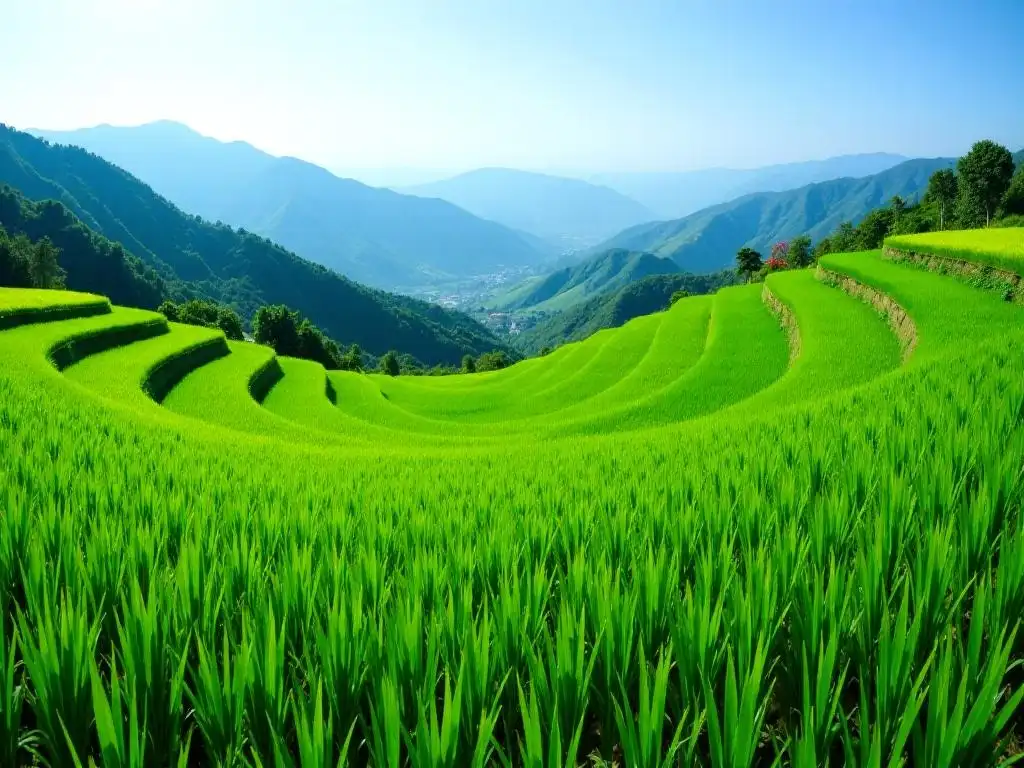
Farming techniques in Japan are deeply intertwined with the cultural fabric of the society, serving not only as a means of sustenance but also as a reflection of the values and traditions of the people. The evolution of these techniques over centuries has been influenced by environmental conditions, societal changes, and technological advancements, creating a rich tapestry of agricultural practices that embody the essence of Japanese culture.
The use of heirloom seeds, for instance, is not merely a method of cultivation but a testament to the respect for ancestry and the natural world. Farmers often view their practices as a form of stewardship, where they are entrusted with the land and its resources. This perspective fosters a spiritual connection to farming, where the act of planting and harvesting is seen as a sacred duty. The rituals surrounding planting and harvest times often emphasize gratitude and reverence for nature, illustrating how deeply agricultural practices are embedded in Japanese culture.
Moreover, the aesthetic principles of farming techniques reflect the broader artistic sensibilities of Japan. The careful arrangement of rice fields, for example, mirrors the principles of Zen gardens, where balance, harmony, and natural beauty are paramount. This cultural significance extends to the food produced, which is celebrated not only for its nutritional value but also for its aesthetic presentation in traditional Japanese cuisine.
Farming Festivals and Traditions in Japan
Farming festivals, or "matsuri," play a crucial role in the cultural landscape of Japan, celebrating the agricultural cycle and the community's connection to the land. These festivals often coincide with the planting and harvesting seasons, serving as communal gatherings that reinforce social bonds and cultural heritage.
One of the most notable festivals is the "Inaho Matsuri," celebrated in various regions, where communities express gratitude for the rice harvest. The festival typically includes traditional dances, music, and rituals to honor the deities of agriculture. Such events not only celebrate the bounty of the land but also educate younger generations about the importance of farming and the traditions associated with it.
Additionally, these festivals often feature the showcasing of unique local farming techniques and heirloom varieties, allowing farmers to share their knowledge and experiences. This exchange fosters a sense of pride in regional agricultural practices and strengthens the community's identity.
Through these vibrant celebrations, farming traditions are preserved and passed down, ensuring that the cultural significance of agriculture remains a central aspect of Japanese life.
The Role of Farmers in Feudal Society
During the feudal era in Japan, farmers occupied a pivotal role within the social hierarchy. While samurai and nobility held positions of power and influence, it was the farmers who provided the essential sustenance for the entire population. The agrarian economy was the backbone of feudal society, and the success of the system hinged on the productivity of the fields.
Farmers were often bound to the land they cultivated, working under the feudal lords who owned vast tracts of agricultural land. In exchange for protection and the right to farm, they were required to pay taxes, typically in the form of a portion of their harvest. This relationship established a complex social dynamic where farmers were both vital to the economy and subject to the demands of their lords.
Despite their lower social status, farmers held a certain degree of respect within the community. They were seen as custodians of agricultural knowledge and practices, possessing skills that were essential for survival. In many villages, farmers were organized into cooperatives, sharing resources and labor to improve efficiency and resilience against natural disasters.
As Japan transitioned through various historical phases, the role of farmers evolved, yet their importance in sustaining the society remained constant. The resilience and adaptability of farmers throughout feudal times laid the groundwork for the agricultural advancements that would follow.
Conclusion: The Continuous Evolution of Japanese Farming Techniques
The history of Japanese farming techniques is one of continuous evolution, shaped by environmental changes, technological advancements, and cultural influences. From the traditional heirloom seeds cultivated by ancient farmers to the modern methods incorporating advanced technology, the journey of agricultural practices reflects the adaptability and innovation inherent in Japanese society.
As Japan faces contemporary challenges such as urbanization, climate change, and the need for sustainable practices, the lessons learned from the past become increasingly valuable. Embracing both traditional techniques and modern innovations allows farmers to maintain the delicate balance between productivity and sustainability.
The legacy of farming in Japan is a testament to the enduring relationship between people and the land. By honoring the cultural significance of farming techniques and the role of farmers throughout history, Japan continues to cultivate a rich agricultural heritage that is both a source of pride and a vital resource for future generations. The continuous evolution of these practices not only ensures food security but also preserves the cultural identity of the nation, demonstrating that the art of farming is as relevant today as it was in the feudal era.
References
The history of Japanese farming techniques is rich and multifaceted, drawing on a variety of sources that reflect the evolution of agricultural practices over centuries. Below are key references that provide valuable insights into this subject:
- Historical Texts and Documents
- The Nihon Shoki (Chronicles of Japan): This ancient text, completed in 720 AD, provides insights into early agricultural practices and the significance of farming in Japanese society.
- Shoku Nihongi (Chronicles of Food): This work details the agricultural techniques and food culture during the Nara period and beyond, offering a glimpse into the evolution of farming practices.
- Agricultural Manuals
- The Book of Agriculture ( Nihon no Nōgaku): A comprehensive guide compiled during the Edo period that discusses various farming techniques, crop rotation, and pest management strategies used by farmers at that time.
- Tsuchi no Dō (The Way of the Soil): This manual emphasizes the importance of soil health and traditional farming methods that have been passed down through generations.
- Research Papers and Journals
- "The Role of Heirloom Seeds in Japanese Agriculture" by Takashi Yamaguchi: This paper explores the significance of heirloom seeds in preserving biodiversity and traditional farming practices in Japan.
- "Modernization of Agricultural Techniques in Japan: A Historical Perspective" published in the Journal of Asian Studies: This article analyzes how modern agricultural techniques have transformed traditional practices, focusing on the impact of technology and globalization.
- Books on Agricultural History
- Japanese Agriculture: A History from the Tokugawa Era to the Present by John W. Hall: This book provides a comprehensive overview of the agricultural developments in Japan, covering both historical and contemporary practices.
- Rice Farming in Japan by Hiroshi Tsubaki: This work details the specific techniques and cultural significance of rice farming, which has been a cornerstone of Japanese agriculture.
- Documentaries and Visual Media
- "The Seasons of Japan: Farming Through the Ages": A documentary that visually captures the evolution of farming techniques in Japan, showcasing traditional practices and modern innovations.
- "Heirloom Seeds of Japan": A short film that highlights the importance of heirloom seeds and their role in maintaining agricultural diversity.
These references collectively provide a robust framework for understanding the historical trajectory of farming techniques in Japan, illustrating how past practices have shaped the present and continue to influence the future of agriculture in the country.
- Introduction to Japanese Farming Techniques History
- Historical Context of Farming in Japan
- Development of Traditional Farming Techniques
- Modern Methods of Farming in Japan
- The Cultural Significance of Farming Techniques
- Conclusion: The Continuous Evolution of Japanese Farming Techniques
- References
- What are the main farming techniques developed in feudal Japan?
- How did heirloom seeds influence Japanese agriculture?
- What role did social structure play in farming practices during feudal Japan?
- How did the Meiji Restoration affect farming techniques in Japan?
- What are some modern methods of farming that evolved from historical techniques?
Frequently Asked Questions
What are the main farming techniques developed in feudal Japan?
Feudal Japan saw the emergence of innovative agricultural practices, such as terracing and the use of heirloom seeds, which were crucial for maximizing crop yield in diverse landscapes.
How did heirloom seeds influence Japanese agriculture?
Heirloom seeds played a vital role in maintaining biodiversity and adapting to local climates, ensuring food security throughout Japan's feudal era and beyond.
The feudal hierarchy impacted farming, with peasants working the land and samurai overseeing agricultural production, creating a system that shaped the economy and society.
How did the Meiji Restoration affect farming techniques in Japan?
The Meiji Restoration introduced modernization in agriculture, transitioning from traditional methods to mechanized farming, which significantly increased efficiency and productivity.
What are some modern methods of farming that evolved from historical techniques?
Contemporary Japanese farming has integrated sustainable practices and technology, building on historical techniques like crop rotation and integrated pest management to enhance productivity and sustainability.
Final Reflection: Embracing the Past to Cultivate the Future
The evolution of farming techniques, particularly the rich history of Japanese farming practices, underscores the vital connection between tradition and innovation in agriculture. As we navigate the complexities of modern food production, it becomes increasingly clear that understanding historical methods can provide invaluable insights into sustainable practices that honor both the land and our heritage. The journey from heirloom seeds to contemporary techniques is not just a story of progress; it is a testament to resilience and adaptability in the face of changing environmental and societal demands.
Cultural and social landscapes are profoundly shaped by the methods we use to cultivate our food. The history of Japanese farming techniques, with its emphasis on harmony with nature and community involvement, continues to inspire contemporary agricultural practices worldwide. As we witness a resurgence in interest for organic and sustainable farming, it is essential to recognize that these modern movements often draw from the wisdom of the past. To forget one's ancestors is to be a brook without a source, a tree without a root.
– Chinese Proverb. This quote resonates deeply as we reflect on how historical practices can inform our current choices and help us build a more sustainable future.
As we move forward, I invite you to reflect on the lessons gleaned from the evolution of farming techniques. Consider how you can integrate these insights into your own life, whether through supporting local farmers, embracing heirloom varieties, or advocating for sustainable practices in your community. Each small action contributes to a larger movement toward a more conscious and responsible approach to agriculture. Let us honor the past while cultivating a future that respects our planet and nourishes generations to come.
Cultivate Knowledge: Embrace the Future of Farming!
Thank you for exploring the fascinating journey of farming techniques with us! You've discovered how historical methods have shaped contemporary practices, enriching our understanding of agriculture and sustainability. Now, it’s time to turn that knowledge into action!
Take Action Today:
- Start your own heirloom garden: Use the insights you've gained to select seeds that promote biodiversity and sustainability in your yard or community garden.
- Join a local farming workshop: Connect with experts and fellow gardening enthusiasts to learn modern methods and techniques that will enhance your skills.
- Share your experiences: Document your gardening journey and share it with friends or on social media to inspire others to adopt sustainable practices!
What innovative farming technique are you most excited to try, and how do you envision it benefiting your local community?