
How to Choose the Right Training Partner Gear: Key Considerations

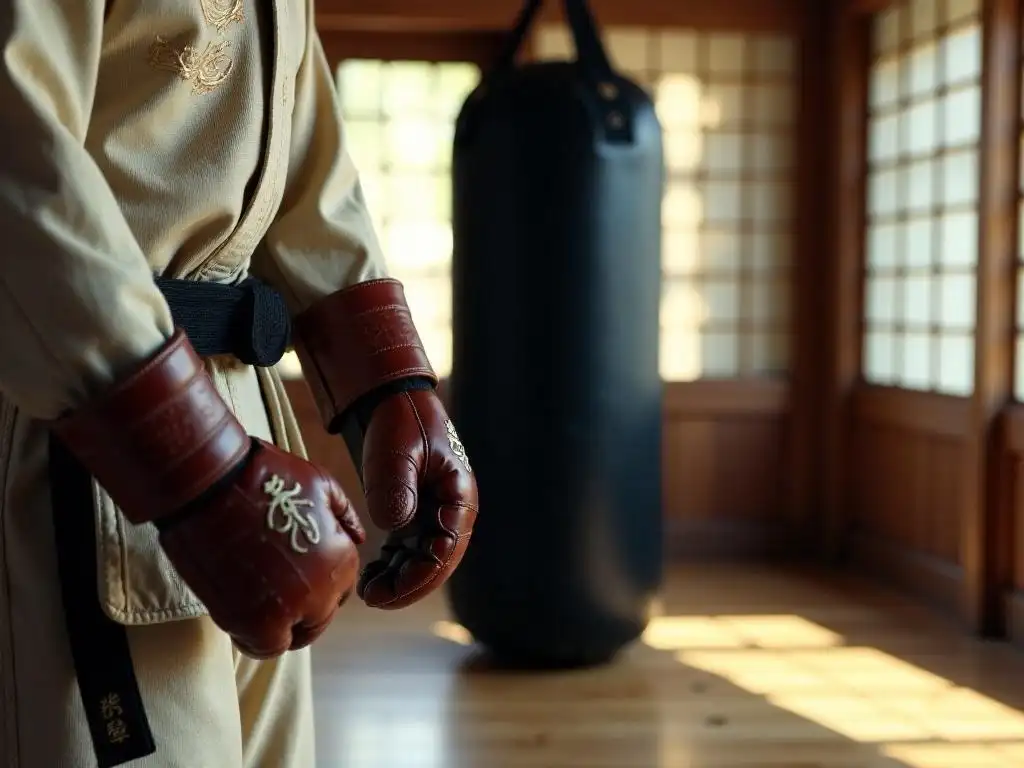
Welcome to Feudal Japan History, where we delve deep into the captivating world of Japan’s feudal era. As you explore our meticulously crafted content, prepare to uncover the significance of martial arts in shaping the culture and society of this remarkable period. In our featured article, "How to Choose the Right Training Partner Gear: Key Considerations," we guide you through essential insights that will not only enhance your martial arts practice but also connect you to the rich traditions of Japan's past. Ready to equip yourself with knowledge? Let’s embark on this journey together!
- Understanding Training Partner Gear for Martial Arts
- Key Considerations When Selecting Training Gear
- Features to Look for in Training Partner Gear
- Recommended Training Partner Gear for Martial Arts
- Conclusion: Making an Informed Choice on Training Partner Gear
-
Frequently Asked Questions
- What is the importance of training partner gear in martial arts?
- What should I look for when choosing training partner gear?
- How does the type of martial art affect the choice of training partner gear?
- Are there specific brands recommended for training partner gear?
- How often should I replace my training partner gear?
- Final Reflection: Choosing the Right Training Partner Gear for Success
- Unleash Your Potential: Choose Your Training Partner Gear!
Understanding Training Partner Gear for Martial Arts
Selecting the right training partner gear for martial arts is an essential step for practitioners at any skill level. In this comprehensive guide, we will explore the various types of equipment available, their importance, and key considerations that should influence your decisions. Whether you are a novice or an experienced martial artist, understanding the nuances of training partner gear can significantly enhance your practice, improve safety, and foster a more productive training environment. Let's delve deeper into the specifics of this critical aspect of martial arts training.
What is Training Partner Gear?
Training partner gear refers to the equipment used during martial arts practice that facilitates sparring, drills, and other forms of physical conditioning with a partner. This gear is designed to protect both practitioners and enhance the effectiveness of training sessions. Common types of training partner gear include:
- Protective Gear: Such as headgear, mouthguards, shin guards, and chest protectors designed to minimize injuries during practice.
- Focus Mitts and Pads: Equipment used for striking practice, helping to develop accuracy and power while providing feedback.
- Heavy Bags and Dummies: These tools allow martial artists to practice strikes, kicks, and grappling techniques without a partner.
- Training Weapons: Items like foam swords or sticks used in traditional martial arts to simulate combat scenarios safely.
The right training partner gear is crucial not just for safety, but also for enhancing the overall effectiveness of training sessions by allowing practitioners to engage fully in their practice without the constant worry of injury.
Importance of Quality Training Partner Equipment in Martial Arts
Investing in high-quality training partner gear is vital for several reasons:
- Safety: Properly designed equipment reduces the risk of injuries. For instance, padded gear absorbs impact, protecting both partners during sparring sessions.
- Durability: Quality gear withstands rigorous training sessions, ensuring that practitioners can train consistently without the need for frequent replacements.
- Performance Enhancement: High-quality gear is often designed with features that enhance performance, such as improved grip, better breathability, and superior shock absorption.
- Confidence Building: Knowing that you are equipped with reliable gear allows martial artists to train more effectively, pushing their limits without fear of injury.
- Skill Development: Gear like focus mitts and pads not only protects but also aids in the development of specific techniques and skills, enabling martial artists to refine their abilities.
The significance of quality training partner gear cannot be overstated. By choosing the right equipment, martial artists can ensure a safer and more productive training experience, ultimately leading to improved performance and skill mastery.
Key Considerations When Selecting Training Gear
Choosing the right training partner gear for martial arts is crucial for enhancing performance, ensuring safety, and maximizing the training experience. As you embark on this selection process, several factors must be taken into account, ranging from the specific martial arts discipline you practice to the safety features of the gear. Here, we will explore these key considerations in detail.
Assessing Your Martial Arts Discipline
Understanding the martial arts discipline you practice is paramount in selecting appropriate training gear. Each discipline has unique requirements that influence the type of gear needed, ensuring that you can train effectively and safely.
Traditional Martial Arts vs. Modern Combat Sports
- Traditional Martial Arts: These disciplines, such as Karate and Aikido, often focus on forms, techniques, and kata. Gear typically emphasizes flexibility and freedom of movement, such as lightweight uniforms (gi) and traditional footwear.
- Modern Combat Sports: Sports like MMA and Kickboxing prioritize both striking and grappling techniques, necessitating more specialized protective gear. This includes shin guards, headgear, and gloves designed to absorb impact while allowing for a full range of motion.
Understanding the distinctions between these categories will guide you in selecting gear that enhances your training experience while catering to the specific demands of your martial art.
Gear Requirements for Different Styles (e.g., Karate, Taekwondo, Brazilian Jiu-Jitsu)
Different martial arts styles have distinct gear requirements. Here’s a breakdown of essential training partner gear for various disciplines:
| Martial Art | Essential Gear | Key Features |
|---|---|---|
| Karate | Gi, belt, sparring gloves, foot protectors | Lightweight fabric, flexibility |
| Taekwondo | Dobok, protective headgear, shin guards | High mobility, lightweight padding |
| Brazilian Jiu-Jitsu | Gi, rash guards, mouthguards | Durable fabric, reinforced stitching |
| MMA | MMA gloves, shin guards, headgear | Versatility, multi-purpose protection |
When selecting training gear, ensure it aligns with the specific requirements of your martial arts discipline to optimize both performance and safety.
Evaluating Gear Safety Features
Safety is a prime concern when training in martial arts. The right gear not only protects you but also your training partners. Evaluating the safety features of training partner gear should be a top priority.
Importance of Protective Padding
Protective padding plays a crucial role in preventing injuries during training. Key areas that require padding include:
- Head: Headgear protects against impacts during sparring.
- Hands: Gloves and wraps safeguard the hands and wrists during striking.
- Shins: Shin guards are essential for protecting the legs during kicks.
- Body: Chest protectors and abdominal guards help shield vital organs.
When selecting gear, prioritize options with adequate padding to absorb impacts and minimize injury risk.
Recommended Safety Standards for Training Equipment (e.g., ASTM, ISO)
It’s essential to choose training gear that meets recognized safety standards. Look for certifications such as:
- ASTM: American Society for Testing and Materials develops standards for various types of sports equipment to ensure safety and performance.
- ISO: International Organization for Standardization provides guidelines for quality and safety in a wide range of products, including martial arts gear.
Ensure that the gear you choose is compliant with these standards to guarantee protection and reliability during training sessions.
By carefully assessing your martial arts discipline, understanding gear requirements, and prioritizing safety features, you can select the ideal training partner gear that enhances your martial arts practice and provides a safe training environment.
Material and Durability of Training Gear
When selecting training partner gear for martial arts, the material and durability of the equipment are paramount. The right material not only affects how the gear performs but also determines its longevity and safety for both partners involved in training. High-quality materials can withstand the rigors of intense training sessions, ensuring that they can endure frequent impacts and wear without compromising safety or performance.
Durability is a key factor, as martial arts training can be physically demanding. Gear that is made from robust materials will last longer and provide better protection. Additionally, durable gear is often designed to absorb shock and reduce the risk of injury during sparring sessions. Therefore, it is essential to consider the type of material being used in the training gear, as it directly impacts both the effectiveness and the safety of your practice.
Comparing Synthetic vs. Natural Materials
When it comes to training partner gear, there are two primary categories of materials: synthetic and natural.
- Synthetic Materials:
- Examples: Polyester, Nylon, and Neoprene.
- Advantages: These materials are typically more durable, water-resistant, and easier to clean than their natural counterparts. Synthetic materials are often engineered to provide specific benefits, such as enhanced breathability or moisture-wicking properties, making them well-suited for intense training environments. They also tend to be more affordable and come in a variety of styles and colors.
- Disadvantages: However, synthetic materials can sometimes lack the comfort and feel of natural materials. They may also be less environmentally friendly, as they are derived from petroleum products.
- Natural Materials:
- Examples: Cotton, Leather, and Hemp.
- Advantages: Natural materials are generally more breathable and comfortable against the skin, offering a softer feel that many practitioners prefer. Leather, for instance, provides excellent durability and protection while also conforming to the user's body over time for a personalized fit.
- Disadvantages: The downside is that natural materials may not be as resistant to wear and tear compared to synthetic options and can require more maintenance to keep them in good condition. They might also be more expensive due to the cost of sourcing high-quality natural fibers.
Choosing between synthetic and natural materials ultimately depends on your personal preferences, training style, and budget. Assessing how often you train and the types of martial arts you practice can help you make an informed decision.
Top Durable Brands for Training Partner Gear (e.g., Everlast, Hayabusa)
When it comes to reliable and durable training partner gear, several brands stand out for their commitment to quality and performance. Here are some of the top brands known for their robust training equipment:
- Everlast:
- A long-standing name in the martial arts world, Everlast offers a wide range of gear, including gloves, pads, and protective equipment. Their products are known for their durability and affordability, making them a popular choice for both beginners and experienced practitioners.
- Hayabusa:
- Renowned for their high-quality gear, Hayabusa combines cutting-edge technology with traditional craftsmanship. Their training partner gear is designed for maximum performance and durability, often favored by professional athletes. The use of advanced materials ensures that their products can withstand intense training sessions.
- Venum:
- Venum is widely recognized for its stylish and functional martial arts gear. Their training equipment, such as shin guards and gloves, is designed with durability in mind, utilizing high-quality synthetic materials that resist wear while providing excellent protection.
- RDX:
- RDX specializes in boxing and martial arts gear that is both durable and affordable. Their products are known for their innovative designs and material quality, making them a great choice for practitioners looking for reliable training equipment.
- Century Martial Arts:
- As one of the leading manufacturers of martial arts gear, Century offers a comprehensive range of products suited for various disciplines. Their training partner gear is built to last, using high-quality materials that provide both comfort and protection.
Choosing the right brand can significantly impact your training experience. It's essential to consider the reputation of the brand, the materials used, and the specific needs of your martial arts practice when selecting training partner gear.
Features to Look for in Training Partner Gear
When selecting training partner gear for martial arts, it's crucial to prioritize features that enhance performance, safety, and comfort during practice. The right gear can significantly impact your training experience and effectiveness. Here are the essential features to consider:
Comfort and Fit
Adjustable Features for a Custom Fit
A good fit is paramount when it comes to training partner gear. Look for gear that includes adjustable straps, velcro closures, or elastic elements that allow for a snug fit without compromising comfort. This is particularly important for items such as:
- Gloves: Adjustable wrist straps can help secure the gloves, providing better support and reducing the risk of injury.
- Headgear: Look for padded chin straps and adjustable sizing to ensure that the headgear stays in place during intense sparring sessions.
By ensuring a customized fit, you can maintain focus on your technique rather than being distracted by ill-fitting gear.
Importance of Breathable Materials
Breathable materials are critical in training partner gear as they help regulate temperature and wick away moisture. Gear made from mesh fabrics, neoprene, or moisture-wicking polyester will keep you cool and dry, enhancing your overall training experience.
- Examples of Breathable Gear:
- Shin Guards: Look for shin guards that feature ventilation holes or mesh panels.
- Gi (Uniforms): Choose lightweight, breathable fabrics that allow for free movement and help manage perspiration.
When you train hard, the last thing you want is to feel weighed down by sweat-soaked gear. Breathable materials help maintain comfort and performance.
Weight and Mobility
Lightweight Options for Enhanced Agility
Weight can significantly influence mobility and speed during martial arts training. Choosing lightweight gear allows for greater agility, enabling faster movements and reactions. Key considerations include:
- Boxing Gloves: Opt for gloves designed with lighter materials while still providing adequate protection.
- Protective Gear: Consider items like chest protectors and shin guards that are made from lightweight composites, ensuring you remain nimble in your movements.
By minimizing weight, you can enhance your ability to execute techniques effectively and respond quickly during drills or sparring sessions.
Recommended Lightweight Gear (e.g., Venum Challenger 3.0 Boxing Gloves)
When searching for lightweight training partner gear, consider the Venum Challenger 3.0 Boxing Gloves. These gloves are designed with:
- Lightweight foam padding that offers protection without excessive bulk.
- An ergonomic design that encourages a natural fist position, reducing strain during training.
- Breathable mesh that promotes airflow and helps keep your hands dry.
This type of gear exemplifies the balance between protection and mobility, making it an excellent choice for martial arts practitioners looking to enhance their training experience without sacrificing comfort or safety.
Versatility in Training Partner Gear
When selecting training partner gear for martial arts, versatility is a crucial factor that can significantly enhance your training experience. Versatile gear allows practitioners to engage in multiple styles and techniques without the need for constant equipment changes, streamlining the training process. This adaptability not only maximizes convenience but also encourages skill development across various disciplines. A well-rounded training partner gear should support multiple forms of martial arts, enabling users to practice striking, grappling, and self-defense techniques effectively.
Multi-Purpose Gear for Various Martial Arts
Multi-purpose gear is designed to accommodate a wide range of martial arts styles, making it an excellent investment for both beginners and experienced practitioners. For example, a good set of focus mitts can be used in striking arts such as boxing, Muay Thai, and karate, while also being adaptable for conditioning exercises. Similarly, grappling dummies can be used for judo, Brazilian jiu-jitsu, and wrestling, allowing practitioners to refine their techniques without needing a live partner.
The key to selecting multi-purpose gear lies in understanding its construction and functionality. Look for gear that offers:
- Adjustability: Equipment that can be easily adjusted to fit different body types or sizes.
- Durability: Materials that withstand rigorous training sessions and various martial arts practices.
- Comfort: Ergonomically designed gear that minimizes fatigue and enhances performance.
Investing in versatile gear ensures that you can train effectively across different martial arts, helping to build a more comprehensive skill set.
Best Versatile Training Gear (e.g., Century Versaflex)
One of the standout options in versatile training partner gear is the Century Versaflex. This innovative gear is specifically designed for martial artists looking to enhance their flexibility and strength training. The Century Versaflex allows users to stretch and work on their flexibility across various martial arts disciplines, making it an invaluable tool for practitioners of karate, taekwondo, and even traditional jiu-jitsu.
Key features of the Century Versaflex include:
- Adjustable Resistance: Users can customize the level of resistance based on their training needs, providing a tailored experience for both beginners and advanced martial artists.
- Compact Design: Its portable design allows for easy transportation, making it suitable for home training or sessions at the dojo.
- Multi-Functional Use: Beyond flexibility training, it can also aid in conditioning and strength exercises, making it a truly versatile addition to any martial artist's gear collection.
Overall, investing in flexible, multi-purpose gear like the Century Versaflex ensures that martial artists can train effectively, regardless of their specific discipline, while also enhancing their overall performance and skill development.
Recommended Training Partner Gear for Martial Arts
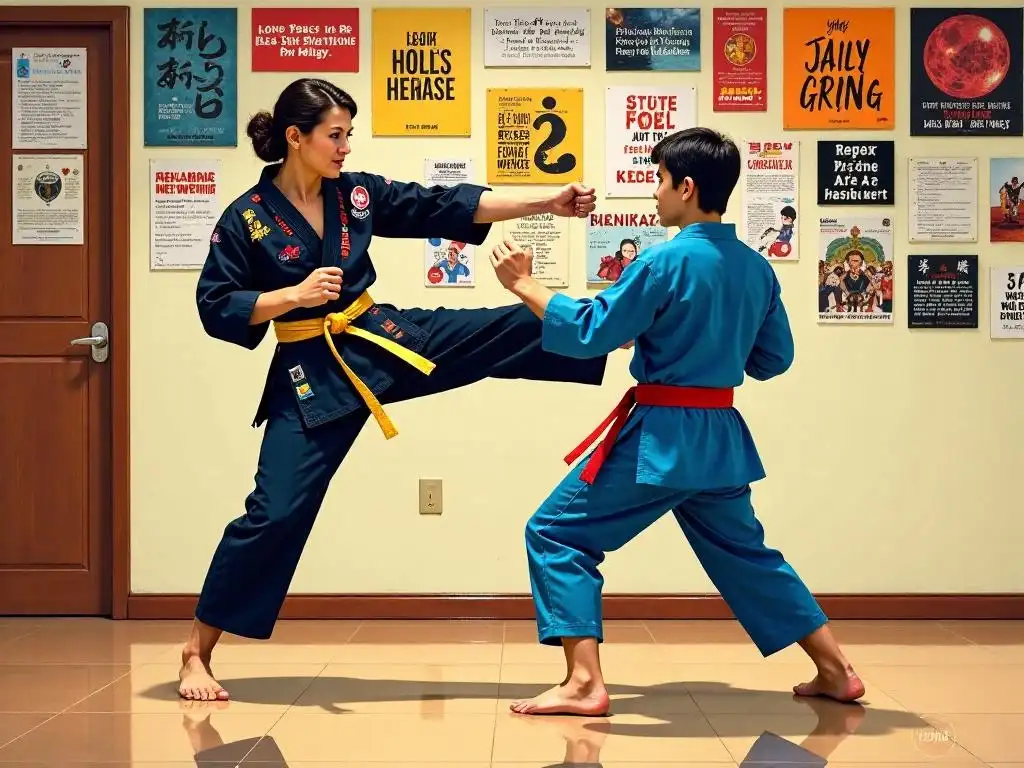
When it comes to martial arts, having the right training partner gear is crucial for both safety and performance. The ideal gear not only protects against injuries but also enhances the overall training experience. Here, we delve into some of the top brands renowned for their training partner gear, along with specific options tailored to various skill levels.
Top Brands for Training Partner Gear
Hayabusa: Features and Benefits
Hayabusa is a prominent name in martial arts gear, known for its innovative designs and high-quality materials. Some of the standout features include:
- Durability: Hayabusa gear is crafted with top-notch materials that withstand the rigors of intense training.
- Comfort Fit: Their products often include ergonomic designs that ensure a snug yet comfortable fit, allowing for full range of motion.
- Safety Technology: Many Hayabusa items incorporate advanced padding and shock absorption technology to minimize injury risks during sparring.
Benefits:
- Long-lasting performance even under extreme conditions.
- Enhanced protection for both partners during training.
- Stylish designs that resonate with modern martial artists.
Fairtex: Pros and Cons
Fairtex is another leading brand, particularly popular in the Muay Thai community. It offers a wide range of training partner gear, including gloves, pads, and protective equipment.
Pros:
- Quality Construction: Fairtex products are made with high-quality leather, ensuring longevity.
- Versatile Use: Their gear is suitable for various martial arts, making it a versatile choice.
- Comfort: Fairtex gear is known for its comfortable fit, which is essential for extended training sessions.
Cons:
- Price Point: Fairtex products can be on the pricier side compared to other brands, which may deter budget-conscious buyers.
- Limited Size Options: Some users report that size availability can be limited, particularly for smaller or larger individuals.
Best Specific Training Gear Options
Best Sparring Gear for Beginners
For those just starting their martial arts journey, selecting the right sparring gear is essential for safety and confidence. Here are some top options:
- Hayabusa T3 Boxing Gloves: These gloves offer excellent wrist support and are padded adequately for beginners, reducing the risk of injury.
- Fairtex Muay Thai Shin Guards: Lightweight yet protective, these shin guards are perfect for newcomers who need reliable protection without sacrificing mobility.
- Venum Elite Headgear: This headgear provides comprehensive protection while ensuring visibility and comfort, making it ideal for beginners.
Best Advanced Gear for Competitive Training
Competitors require gear that can withstand rigorous training and provide optimal protection. Here are some recommended options:
- Hayabusa Fusion Sparring Gloves: Designed for competitive athletes, these gloves combine protection with dexterity, allowing for powerful strikes without compromising safety.
- Fairtex Thai Pads: These pads are perfect for advanced practitioners focusing on striking techniques, providing excellent feedback and durability.
- RDX MMA Shin Guards: Known for their robust construction, these shin guards are ideal for fighters who engage in intense sparring sessions, offering superior protection against kicks.
Selecting the right training partner gear for martial arts is vital for maximizing safety and performance. Whether you are a beginner or an advanced competitor, investing in quality gear from reputable brands like Hayabusa and Fairtex will enhance your training experience substantially.
Conclusion: Making an Informed Choice on Training Partner Gear
Choosing the right training partner gear for martial arts is crucial for ensuring safety, comfort, and effectiveness during practice. With a variety of options available, it's important to consider several key factors that will influence your training experience.
Recap of Key Considerations
When selecting training partner gear, keep the following considerations in mind:
-
Type of Martial Art
Different martial arts have unique requirements. For instance:
- Karate: Focus on lightweight and flexible gear.
- Judo: Prioritize durability and strength in materials.
- MMA: Look for versatile gear that offers protection without restricting movement.
-
Gear Material
The material of the gear affects both comfort and durability. Common materials include:
- Cotton: Breathable but may not provide adequate protection.
- Synthetic Fabrics: Offer durability and moisture-wicking properties.
- Foam Padding: Essential for protecting against impacts during sparring.
-
Size and Fit
Proper sizing is vital for safety and performance. Consider:
- Adjustable Straps: Ensure a snug fit.
- Size Charts: Always refer to the manufacturer's sizing guide.
- Try Before You Buy: If possible, test the gear to ensure comfort and mobility.
-
Protection Level
Depending on your training intensity, different levels of protection may be required. Evaluate:
- Headgear: Essential for sparring to prevent injuries.
- Body Protectors: Consider using chest guards or shin guards for full contact training.
-
Budget
Set a budget that allows for quality gear without compromising safety. Remember:
- Investing in Quality: It’s often worth spending more on reliable gear.
- Consider Second-Hand Options: For those starting out, gently used gear can be a cost-effective solution.
Final Recommendations for Optimal Training Experience
To maximize your training experience with the right partner gear, follow these tips:
- Do Your Research: Look for gear reviews and recommendations from experienced practitioners. This can guide you in making an informed choice.
- Consult Your Coach: Involve your instructor in the decision-making process; they can provide valuable insights tailored to your specific martial art.
- Prioritize Safety: Always choose gear that emphasizes protection, particularly if you're training with a partner.
- Stay Updated: The martial arts industry evolves, so keep an eye on new materials and technologies that enhance training gear.
By considering these factors and following the recommendations, you can ensure that your training partner gear enhances your martial arts journey, allowing for a safe and productive training environment.
Frequently Asked Questions
What is the importance of training partner gear in martial arts?
Training partner gear is essential for safety and performance during practice. It helps prevent injuries while allowing practitioners to engage in realistic training scenarios.
What should I look for when choosing training partner gear?
When selecting training partner gear, consider factors like protection, comfort, and durability. Ensure the gear fits well and is appropriate for the specific martial art being practiced.
How does the type of martial art affect the choice of training partner gear?
Different martial arts have unique needs; for example, striking arts may require more padded gear, while grappling arts might focus on flexibility and breathability in their equipment.
Are there specific brands recommended for training partner gear?
Yes, many reputable brands specialize in martial arts gear, such as Everlast, Hayabusa, and Venum. Researching reviews and expert recommendations can help find the best options.
How often should I replace my training partner gear?
It's advisable to replace your training partner gear when it shows signs of wear and tear, as damaged gear can compromise safety and effectiveness during training sessions.
Final Reflection: Choosing the Right Training Partner Gear for Success
In the world of martial arts, the right training partner gear can make all the difference in enhancing performance, safety, and overall experience. As practitioners continue to seek out ways to improve their skills and techniques, understanding the significance of quality gear remains ever relevant. The choices we make today in selecting the appropriate equipment not only impact our training sessions but also shape our journey in martial arts, underscoring the importance of informed decision-making.
The influence of training partner gear extends beyond mere functionality; it resonates deeply within the cultural and social fabric of martial arts communities. Choosing the right gear fosters a sense of camaraderie and respect among practitioners, as it reflects a commitment to safety and mutual growth. As the legendary martial artist Bruce Lee once said, The successful warrior is the average man, with laser-like focus.
This focus is amplified when we equip ourselves with the right tools, allowing us to concentrate on mastering our craft rather than worrying about inadequate gear.
As you reflect on your own martial arts journey, consider how the gear you choose can elevate your training experience. Take a moment to assess your current equipment and think about how it aligns with your goals. Whether you are a seasoned practitioner or just starting, investing in the right training partner gear is an essential step towards achieving excellence. Embrace the opportunity to enhance your practice, foster connections with your training partners, and ultimately, honor the art you are passionate about.
Unleash Your Potential: Choose Your Training Partner Gear!
Thank you for diving into our article on selecting the right training partner gear! We hope you’ve gained valuable insights to enhance your performance and enrich your training experience. Now, it’s time to take action and put your newfound knowledge to work!
- Evaluate your current gear: Take a moment to reflect on your training equipment. Is it meeting your needs? Consider upgrading or customizing it to better support your training goals.
- Explore feedback within your community: Connect with fellow enthusiasts or trainers. Share your experiences and gather insights on preferred equipment options to broaden your perspective.
- Join a local training group: Immerse yourself in practice with a community. Seek out training partners who share your passion—they can inspire you and provide real-time feedback!
What critical feature do you prioritize when choosing training gear, and how has it impacted your journey? Let’s spark a discussion!