
The Role of Tea Ceremony in Edo Society: More Than Just a Beverage

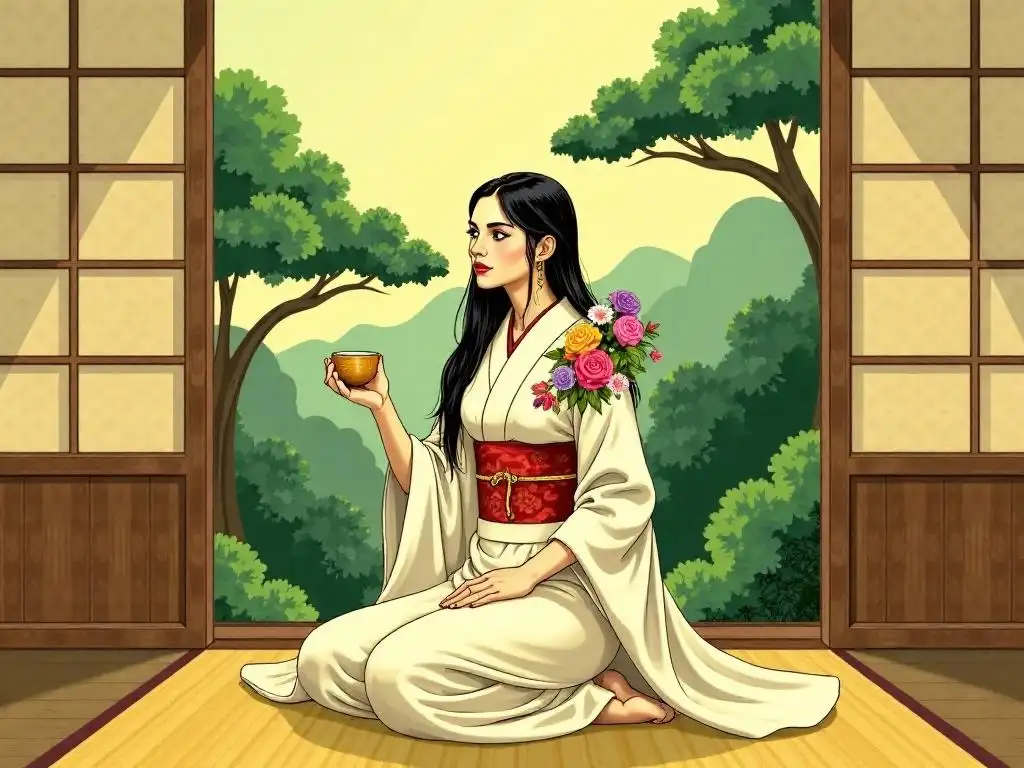
Welcome to Feudal Japan History, where we invite you to embark on a captivating journey through Japan’s rich feudal era. Here, we delve into the intricate tapestry of historical, cultural, and societal narratives that shaped a nation.
In our featured article, we explore the Edo period tea ceremony significance, revealing how this seemingly simple ritual transcended mere beverage consumption and became a profound expression of art, philosophy, and social hierarchy. As you navigate through our in-depth discussions, prepare to uncover the layers of meaning behind every sip and gesture, sparking your curiosity to learn more about this fascinating cultural cornerstone.
Introduction to the Edo Period Tea Ceremony Significance
The tea ceremony, or chanoyu, holds a profound significance within the cultural tapestry of Edo period Japan (1603-1868). This ritualistic practice transcends the mere act of drinking tea; it reflects broader social and philosophical ideals that shaped Edo society. The tea ceremony serves as a microcosm of the era's values, emphasizing simplicity, mindfulness, and harmony. Through this comprehensive exploration of the tea ceremony's significance, we will uncover how this elegant practice influenced not only the daily lives of individuals but also the collective identity of a society that thrived under the auspices of the Tokugawa shogunate.
Overview of the Edo Period (1603-1868)
The Edo period marked a transformative era in Japanese history, characterized by relative peace, political stability, and economic growth following centuries of conflict among warring states. Under the rule of the Tokugawa shogunate, Japan experienced a flourishing of culture and arts, as well as a rigid class structure that dictated social interactions.
The urbanization of Edo (modern-day Tokyo) led to the rise of a vibrant merchant class, who played a key role in shaping cultural practices, including the tea ceremony. This period witnessed the intertwining of various artistic disciplines such as poetry, painting, and craftwork, all of which contributed to the rich cultural landscape in which the tea ceremony evolved.
The Tea Ceremony as a Cultural Practice in Edo Japan
The tea ceremony in Edo Japan can be viewed as a sophisticated art form and a social ritual that encapsulated the spirit of the time. It was more than simply a means to enjoy tea; it was a deeply philosophical practice rooted in Zen Buddhism. The ceremony emphasized:
- Harmony (wa): Creating a peaceful atmosphere between host and guests.
- Respect (kei): Acknowledging the dignity of each participant.
- Purity (sei): A focus on the cleanliness of both the environment and the mind.
- Tranquility (jaku): Encouraging a state of calm and reflection.
Through the meticulous preparation and presentation of tea, practitioners expressed their dedication to these principles, fostering connections that transcended social rankings. The settings for tea ceremonies varied from humble tea houses to extravagant gardens, each reflecting the host's aesthetic sensibilities and social status.
Historical Context of the Tea Ceremony in Edo Society
Origins of Tea in Japan
Tea was introduced to Japan in the early 9th century, primarily through the efforts of Buddhist monks who returned from China. Initially, it was consumed as a medicinal beverage, but its popularity grew, particularly among the aristocracy. By the late 12th century, tea gained a foothold in Japanese culture, culminating in the development of the tea ceremony during the Muromachi period (1336-1573). However, it was during the Edo period that the practice became more refined and accessible to different social classes, reflecting a shift in cultural dynamics.
Evolution of the Tea Ceremony through the Edo Period
Throughout the Edo period, the tea ceremony underwent significant transformations influenced by changing societal norms and values. The rise of the merchant class contributed to a democratization of the practice, allowing more individuals to participate in tea gatherings. The aesthetic of the tea ceremony also evolved, moving toward a more rustic and natural style, known as wabi-sabi, which celebrated imperfection and simplicity.
As the ceremony became a symbol of cultural sophistication, influential figures, such as Sen no Rikyū, played a crucial role in codifying its practices and philosophies. Rikyū's teachings emphasized the spiritual essence of the tea ceremony, establishing it as an enduring cultural legacy that continues to resonate in modern Japan.
The Edo period tea ceremony embodies a multifaceted significance that reflects the complexities of Japanese society during a time of great cultural development. As we delve deeper into the specifics of this practice, we will explore its profound impact on social interactions, aesthetics, and the collective consciousness of Edo society.
Cultural Significance of the Tea Ceremony in Edo Society
The tea ceremony, known as chanoyu or sado, held profound cultural significance during the Edo period (1603-1868). It was not merely a social activity centered around the preparation and consumption of tea; rather, it encapsulated a complex interplay of aesthetics, philosophy, and social interaction. The ceremony served as a medium for fostering harmony and respect among participants, reflecting the broader values of wa, kei, sei, and jaku, which translate to harmony, respect, purity, and tranquility. These principles guided not only the tea ceremony but also the interactions within Edo society, emphasizing community and the cultivation of relationships.
As a cultural practice, the tea ceremony also provided a refuge from the rigid social structures of the time. It became a platform where individuals from different social strata could participate in an egalitarian environment, albeit temporarily. The ceremony encouraged mindfulness, allowing participants to immerse themselves in the moment, thus creating a space for introspection and appreciation of the beauty in simplicity. This fostered a cultural identity that transcended mere consumption, evolving into a cherished art form reflecting the complexities and nuances of Edo society.
The Tea Ceremony and Zen Buddhism
The tea ceremony is deeply intertwined with Zen Buddhism, which significantly influenced its development during the Edo period. Zen principles of mindfulness, simplicity, and the pursuit of enlightenment are central to the tea ceremony's philosophy. Practitioners of Zen viewed the act of preparing and serving tea as a meditative practice, emphasizing the importance of being present in the moment. Each movement and gesture during the ceremony is deliberate, reflecting the Zen belief that everyday activities can be imbued with profound meaning.
Moreover, the aesthetics of the tea ceremony—its emphasis on natural materials, asymmetry, and imperfection—echo Zen ideals. This connection between Zen Buddhism and the tea ceremony established a spiritual dimension that appealed to samurai and aristocrats alike, fostering a sense of inner peace and clarity amid the chaos of Edo society. The tea ceremony thus became a form of spiritual practice, a way for individuals to connect with themselves and their surroundings, enhancing its significance as more than just a beverage.
Social Hierarchy Reflected in Tea Practices
The tea ceremony in Edo society also served as a reflection of the social hierarchy, showcasing the complexities of class relations. While the ceremony was accessible to various social classes, the nuances of its practice often highlighted distinctions in status. High-ranking samurai and wealthy merchants would host elaborate tea gatherings, showcasing ornate utensils and refined techniques that signified their social standing. In contrast, lower-ranking individuals participated in simpler ceremonies, utilizing more modest tools and settings.
Furthermore, the etiquette and rituals associated with the tea ceremony were laden with hierarchical implications. The roles of host and guest were clearly delineated, with specific protocols dictating interactions. This structure reinforced social order while allowing for a temporary suspension of rigid class boundaries, as the interactions within the tea room encouraged mutual respect and appreciation for the art form itself. Thus, the tea ceremony became a complex social dance, highlighting the interplay of power, status, and cultural expression in Edo society.
The Aesthetic Elements of the Edo Period Tea Ceremony
The aesthetics of the Edo period tea ceremony are integral to its significance, shaping the experience and enhancing the cultural value of the practice. The emphasis on simplicity, natural beauty, and the ephemeral nature of life is evident in various elements of the ceremony, from the utensils used to the environment in which it takes place.
Importance of Tea Utensils and Ceramics
Tea utensils and ceramics are pivotal components of the tea ceremony, each piece carefully selected for its beauty and functionality. The choice of tea bowl, tea whisk, and other tools reflects the host's aesthetic sensibilities and social status. Notable ceramics, such as Raku ware, represent the beauty of imperfection and the concept of wabi-sabi, emphasizing the transient nature of life.
Additionally, the craftsmanship involved in creating these utensils often carries historical significance, linking the practice to specific regional styles and artisans. Each piece tells a story, contributing to the overall ambiance of the tea ceremony and enhancing the participants' experience. The reverence for these objects underscores the belief that even the most ordinary items can possess profound beauty and meaning.
The Influence of Wabi-Sabi in Tea Ceremony Aesthetics
Wabi-sabi, a Japanese aesthetic philosophy that embraces imperfection and transience, plays a crucial role in the tea ceremony. This concept is reflected in the choice of materials, the arrangement of the tea room, and the presentation of tea. Natural, unrefined materials are favored, conveying authenticity and a connection to nature. The asymmetry of tea utensils and the simplicity of the tea room's design promote a sense of harmony and tranquility.
The influence of wabi-sabi encourages participants to find beauty in the fleeting moments of life, aligning with the core philosophy of the tea ceremony. This aesthetic approach elevates the experience, inviting participants to engage with their surroundings and appreciate the subtle nuances that define each gathering. Thus, wabi-sabi not only shapes the visual aspects of the ceremony but also enhances its underlying spiritual significance.
Gardens and Spaces Designed for the Tea Ceremony
The design of gardens and spaces for the tea ceremony is equally significant, creating a harmonious environment conducive to contemplation and tranquility. Tea gardens, or roji, are meticulously arranged to guide guests through a series of experiences leading to the tea room. The path often includes elements such as stone lanterns, water basins, and seasonal plants, each selected to evoke a sense of peace and connection to nature.
The architecture of the tea room itself embodies simplicity and elegance, with sliding doors and tatami mats that foster a sense of intimacy and warmth. The layout is designed to facilitate the ritualistic flow of the ceremony, allowing for a seamless transition between the outdoor and indoor environments. This thoughtful design reflects the Edo period's values of harmony and balance, reinforcing the tea ceremony's role as a profound cultural practice that transcends mere consumption of tea.
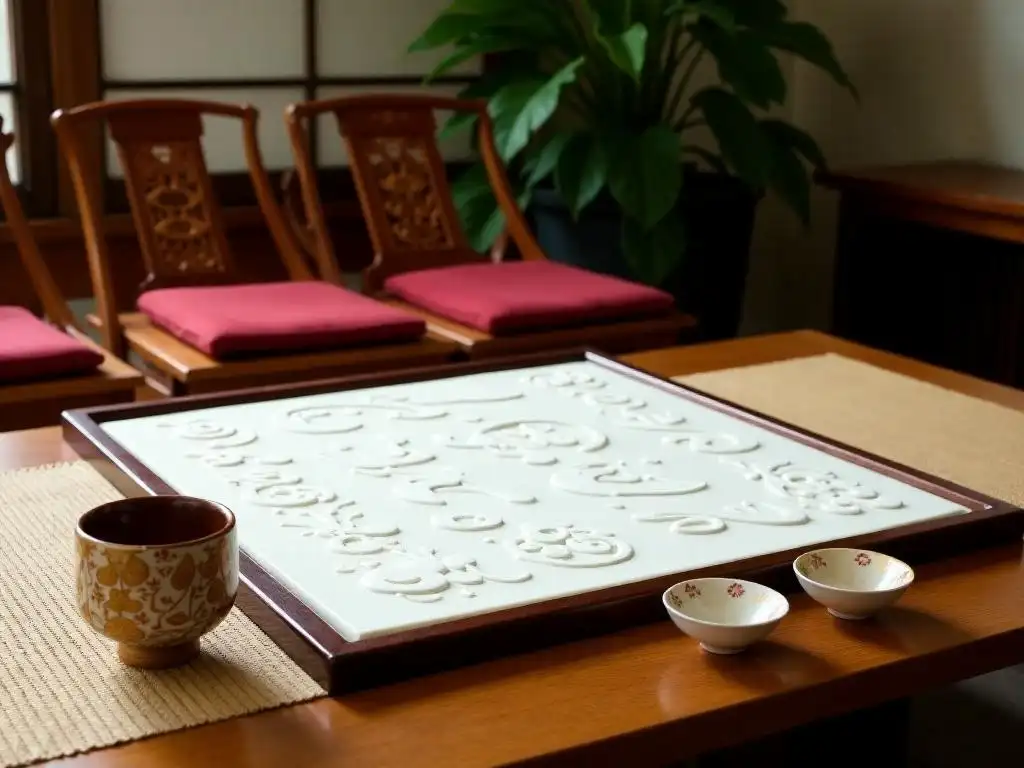
The tea ceremony, or chanoyu, during the Edo period (1603-1868) transcended mere beverage consumption; it evolved into a significant social event that encapsulated the essence of Japanese culture and community interaction. This ceremonial occasion was not just about drinking tea; it was a ritual steeped in tradition, artistry, and philosophy, fostering connections among participants while highlighting social hierarchies and cultural norms.
Tea ceremonies were often held in specially designed tea houses, emphasizing a tranquil, meditative environment. The aesthetics of the surroundings played a crucial role, as they were carefully curated to promote a sense of harmony and beauty—a reflection of the wabi-sabi philosophy that values simplicity and the beauty of imperfection. Through these gatherings, participants engaged in a shared experience that reinforced social bonds and cultural identity.
Gathering of the Elite: Who Participated in Tea Ceremonies?
In Edo society, tea ceremonies were predominantly attended by the elite, including samurai, merchants, and influential cultural figures. The exclusivity of these gatherings often meant that only those of higher social standing could participate, which reinforced existing power dynamics within society.
- Samurai Class: As the ruling military class, samurai were key figures in tea ceremonies, often using the occasion to demonstrate their refinement and adherence to cultural practices.
- Merchants: Wealthy merchants, having gained substantial influence during the Edo period, also participated, seeking to elevate their status through association with traditional customs.
- Cultural Figures: Artists, poets, and scholars were frequently invited, as their participation added cultural depth and intellectual engagement to the ceremonies.
This blend of social classes in specific contexts, however, allowed for a unique convergence of ideas and artistry, fostering creativity and collaboration within the elite circles of Edo society.
Rituals and Etiquette Surrounding the Tea Ceremony
The tea ceremony is characterized by a strict set of rituals and etiquette that dictate the behavior of participants. These protocols reflect the principles of respect, harmony, purity, and tranquility, which are central to the practice.
- Preparation and Serving: The host meticulously prepares the tea, demonstrating skill and mindfulness. The presentation is as important as the tea itself, with utensils and ingredients chosen with care.
- Guest Etiquette: Guests are expected to show gratitude and respect, often expressing appreciation for the host's efforts. Specific phrases and gestures, such as bowing and the proper handling of tea utensils, are integral to the experience.
- Seating Arrangements: The seating is typically arranged according to the social hierarchy, with the most important guests seated closest to the host, underscoring the significance of status in these gatherings.
These rituals not only enhance the experience of the tea ceremony but also serve as a vehicle for expressing cultural values and social order.
The Tea Ceremony as a Means of Building Relationships
The tea ceremony in Edo society was more than a cultural practice; it was a vital means of fostering relationships and strengthening social ties. The intimate setting of the ceremony facilitated deep conversations and connections among participants.
- Networking Opportunities: For samurai and merchants alike, tea ceremonies provided a platform for networking, allowing them to forge alliances and negotiate business deals in a less formal environment.
- Cultural Exchange: The diverse backgrounds of participants led to the exchange of ideas, art, and philosophies, enriching the cultural fabric of Edo society.
- Conflict Resolution: The ritualistic nature of the tea ceremony also offered a space for mediating conflicts, allowing individuals to come together in a spirit of cooperation and mutual respect.
Through these interactions, the tea ceremony became a crucial social institution, promoting unity and understanding among the elite classes.
Spiritual and Philosophical Aspects of the Edo Period Tea Ceremony
The tea ceremony embodies profound spiritual and philosophical dimensions rooted in Zen Buddhism and Japanese aesthetics. It serves as a microcosm of larger philosophical concepts that resonate throughout Edo society.
Mindfulness and Presence in the Tea Ceremony
Central to the tea ceremony is the practice of mindfulness, which encourages participants to be fully present in the moment. This aspect is critical for both the host and guests, as it allows them to appreciate the subtleties of the experience.
- Focus on the Present: The act of preparing and sipping tea requires undivided attention, promoting a sense of calm and clarity. Participants are encouraged to set aside their worldly concerns and immerse themselves in the ritual.
- Meditative Quality: The slow, deliberate movements involved in the ceremony echo meditative practices, fostering a space for reflection and inner peace. This mindfulness is essential for cultivating a deeper understanding of oneself and one's surroundings.
By embracing mindfulness, the tea ceremony serves as a spiritual practice that transcends the physical act of drinking tea, contributing to a holistic sense of well-being.
The Tea Ceremony as a Reflection of Japanese Values
The tea ceremony encapsulates core Japanese values that have persisted throughout history, such as harmony, simplicity, and respect for nature.
- Harmony: The concept of wa, or harmony, is fundamental in the tea ceremony. Every action, from the preparation of tea to the arrangement of the tea room, is designed to create a harmonious atmosphere that reflects the interconnectedness of all things.
- Simplicity: The aesthetic principle of wabi-sabi celebrates the beauty found in simplicity and imperfection. The tea ceremony embraces this by favoring rustic utensils and natural materials, inviting participants to appreciate the beauty in the mundane.
- Respect for Nature: The tea ceremony honors the natural elements involved in tea preparation, fostering a deep appreciation for the environment and the seasonal changes that influence the experience.
Through these values, the tea ceremony stands as a powerful symbol of Japanese culture, embodying the essence of the Edo period's societal ethos.
Conclusion: Lasting Legacy of the Edo Period Tea Ceremony
The tea ceremony, or chanoyu, during the Edo period (1603-1868) was not merely a ritual involving the preparation and consumption of tea; it was a profound cultural practice that shaped various aspects of Japanese society. Its principles of harmony, respect, purity, and tranquility transcended the act of drinking tea, embedding themselves into the very fabric of Japanese cultural identity.
The legacy of the Edo period tea ceremony continues to resonate today, as it has evolved into a symbol of Japanese aesthetics and philosophy. This enduring practice reflects the values of mindfulness and appreciation for simplicity, qualities that remain significant in contemporary Japanese life.
The aesthetic and philosophical elements of the Edo period tea ceremony have influenced various art forms, including pottery, calligraphy, and flower arrangement. Furthermore, the etiquette and rituals learned through tea ceremony practice cultivate a sense of discipline and respect, which are foundational values in Japanese culture. As such, the tea ceremony endures as a living tradition that links the past with the present, demonstrating its lasting legacy in the social and cultural landscape of Japan.
Impact on Modern Japanese Tea Culture
The influence of the Edo period tea ceremony can be seen prominently in modern Japanese tea culture. While contemporary practices may vary, the core values established during the Edo period remain integral to the experience of tea drinking. Today, many Japanese people still engage in traditional tea ceremonies, whether in formal settings or informal gatherings. Schools and cultural institutions continue to teach the principles and practices of chanoyu, ensuring that this cultural heritage is passed down to future generations.
Moreover, the aesthetics of the tea ceremony have inspired modern tea houses and cafés across Japan and beyond. These establishments often incorporate elements of the traditional tea ceremony into their ambiance and service, promoting an atmosphere of tranquility and respect. The popularity of matcha, a key ingredient in the tea ceremony, has surged globally, reflecting the continued appreciation for this unique aspect of Japanese culture.
The Tea Ceremony's Role in Contemporary Society
In contemporary society, the tea ceremony serves multiple purposes. It is a means of preserving historical traditions while also acting as a social glue that fosters community and connection. Many people participate in tea ceremonies as a form of relaxation, mindfulness, and reflection, providing a respite from the fast-paced modern world.
Additionally, the tea ceremony has become a cultural ambassador, showcasing Japan's rich heritage to the world. International interest in Japanese culture has led to increased participation in tea ceremonies outside of Japan, allowing individuals from diverse backgrounds to engage with this refined art form. Events and exhibitions often feature the tea ceremony as a central attraction, helping to educate and promote cultural exchange.
Further Reading and Exploration of Edo Period Culture
For those interested in delving deeper into the rich tapestry of Edo period culture, various resources can provide valuable insights and knowledge. Books, documentaries, and museum exhibitions can enhance understanding of the historical and cultural context surrounding the tea ceremony and its significance in Japanese society.
Recommended Resources on Edo Period Tea Ceremony Significance
- Books:
- The Book of Tea by Okakura Kakuzō: This classic work explores the philosophy and aesthetics of the tea ceremony.
- Japanese Tea Ceremony: A Tradition of the Heart by John K. McCune: A comprehensive study on the history and practice of the tea ceremony.
- Documentaries:
- The Way of Tea: This documentary provides an in-depth look at the tradition and significance of the tea ceremony in Japan.
- Websites:
- Japanese Tea Ceremony Association: Offers resources, articles, and information on tea ceremony classes and events.
Related Cultural Practices in Feudal Japan
The tea ceremony is just one of many cultural practices that flourished during the Edo period. Here are some related practices that reflect the diverse cultural landscape of feudal Japan:
- Ikebana: The art of flower arrangement, emphasizing harmony and balance, which aligns with the principles of the tea ceremony.
- Calligraphy: An esteemed art form that reflects aesthetics and discipline, often practiced alongside tea ceremonies.
- Noh and Kabuki Theatre: Traditional performing arts that convey complex narratives and emotions, showcasing the cultural richness of the Edo period.
- Sumi-e: Japanese ink painting that embodies simplicity and elegance, akin to the visual aesthetic found in tea practices.
These practices, alongside the tea ceremony, exemplify the intricate cultural environment of feudal Japan, each contributing to a holistic understanding of the era's rich heritage.
- Introduction to the Edo Period Tea Ceremony Significance
- Historical Context of the Tea Ceremony in Edo Society
- Cultural Significance of the Tea Ceremony in Edo Society
- The Aesthetic Elements of the Edo Period Tea Ceremony
- The Tea Ceremony as a Social Event in Edo Society
- Spiritual and Philosophical Aspects of the Edo Period Tea Ceremony
- Conclusion: Lasting Legacy of the Edo Period Tea Ceremony
- Further Reading and Exploration of Edo Period Culture
- What was the significance of the tea ceremony during the Edo period?
- How did the tea ceremony influence social structures in Edo Japan?
- What elements are essential in a traditional Edo period tea ceremony?
- How did the aesthetics of the tea ceremony reflect Edo period culture?
- What role did Zen Buddhism play in the tea ceremony during the Edo period?
Frequently Asked Questions
What was the significance of the tea ceremony during the Edo period?
The tea ceremony played a crucial role in Edo society, serving as a means of social interaction and a reflection of cultural values, emphasizing harmony, respect, and tranquility.
The tea ceremony reinforced social hierarchies by establishing a platform for elite classes to showcase their status and foster connections, while also allowing commoners to participate in a culturally rich experience.
What elements are essential in a traditional Edo period tea ceremony?
Key elements include matcha (powdered green tea), tea utensils, and a carefully curated setting, all aimed at creating an atmosphere of aesthetic beauty and mindfulness.
How did the aesthetics of the tea ceremony reflect Edo period culture?
The aesthetics of the tea ceremony, including ceramics and flower arrangements, showcased the Edo period's appreciation for simplicity, natural beauty, and the philosophy of wabi-sabi.
What role did Zen Buddhism play in the tea ceremony during the Edo period?
Zen Buddhism significantly influenced the tea ceremony, promoting the idea of mindfulness and spiritual tranquility, which became integral to the practice and its cultural significance in Edo society.
Final Reflection: The Enduring Significance of the Edo Period Tea Ceremony
The Edo period tea ceremony significance resonates deeply in today's world, reminding us that rituals can transcend mere tradition to become profound expressions of culture and community. In an era where fast-paced living often overshadows meaningful connections, the tea ceremony stands as a testament to the beauty of mindfulness and the importance of shared experiences. It is a striking reminder that even the simplest acts, like sharing a cup of tea, can hold immense cultural weight and foster deeper human connections.
Even today, the tea ceremony continues to shape our understanding of hospitality, respect, and the art of living. The values embedded in this ritual have influenced various aspects of Japanese culture and beyond, encouraging us to appreciate the present moment and the company we keep. As the renowned tea master Sen no Rikyū once said, Tea is a way of life.
This philosophy not only reflects the essence of the tea ceremony but also serves as a guiding principle for how we approach our daily interactions and relationships.
As we reflect on the significance of the Edo period tea ceremony, I invite you to consider how you can incorporate its lessons into your own life. Take a moment to slow down, appreciate the people around you, and engage in rituals that foster connection and mindfulness. Whether it's through a simple cup of tea or a more elaborate gathering, let us honor the spirit of the tea ceremony by cultivating spaces of tranquility and togetherness in our modern lives.
Experience the Serenity of Tea Ceremony Today!
Thank you for diving into the rich world of the Edo tea ceremony! Your appreciation of this beautiful tradition not only enhances your understanding of its cultural significance but also brings you a step closer to experiencing its serenity. Now, let’s translate that interest into action and immerse yourself in this extraordinary practice.
- Participate in a Local Tea Ceremony: Look for nearby events or workshops where you can engage with this cherished tradition firsthand. Immerse yourself in the rituals and learn from experienced practitioners.
- Reconnect with Nature: Create your own mini tea ceremony at home. Take a moment to prepare your favorite tea and enjoy it mindfully in a tranquil space, reflecting on the values of harmony and respect.
- Share Your Experience: Connect with fellow tea enthusiasts! Share your newfound knowledge on social media or in community forums, and inspire others to explore the depths of this unique cultural heritage.
What aspect of the tea ceremony are you most excited to experience or learn more about? Your insights may spark fascinating discussions!