
The Duality of Influence: How Japan Shaped Western Views of the East

Welcome to Feudal Japan History, where we embark on a fascinating journey through time to unravel the intricate tapestry of Japan’s feudal era. Have you ever wondered how the rich traditions of Japan have seeped into Western culture? In our featured article, "The Duality of Influence: How Japan Shaped Western Views of the East," we delve into the profound connection between these two worlds.
Join us as we explore the historical, cultural, and societal threads that bind Japan and the West, igniting your curiosity and deepening your understanding of this captivating influence. Prepare to be intrigued and inspired as you uncover the layers of Japan's impact on Western thought and art.
Introduction to Japan's Influence on Western Culture
Japan's influence on Western culture is a fascinating exploration of how a nation, often perceived as isolated and enigmatic, managed to shape and redefine the artistic, philosophical, and societal paradigms of the West. This duality of influence reflects not only Japan's rich cultural heritage but also the complex interplay between Eastern and Western ideologies during pivotal historical moments.
By examining the multifaceted interactions between Japan and the West, we can gain deeper insights into how these exchanges have transformed Western perceptions, leading to a blend of admiration and misunderstanding that still resonates today. Understanding this influence is essential for appreciating the broader impacts of globalization and cultural exchange.
Overview of Japan's Cultural Impact on the West
Japan's cultural impact on the West can be traced through various mediums, including art, literature, and philosophy. The introduction of Japanese aesthetics, particularly through movements such as Japonisme in the late 19th century, significantly influenced Western artists and thinkers. Iconic figures like Vincent van Gogh and Claude Monet drew inspiration from Japanese woodblock prints, which emphasized simplicity and nature, reshaping Western artistic expressions.
- Key Areas of Influence:
- Visual Art: Adoption of Japanese techniques and themes in Impressionism.
- Literature: Influence of Japanese storytelling forms, particularly haiku and Noh theatre, on Western literature.
- Philosophy: Introduction of Zen Buddhism, which has profoundly impacted Western thought on mindfulness and spirituality.
Importance of Understanding Historical Context
Understanding the historical context of Japan's influence on Western culture is crucial for appreciating the complexities of these interactions. The period of Japan's forced opening to the West in the mid-19th century marked a significant turning point, leading to a cultural exchange that was as much about fascination as it was about misunderstanding. This perspective allows us to critically examine the narratives that have shaped Western interpretations of Japan, revealing the layers of cultural appropriation and appreciation that define these relations.
Historical Background of Japan-West Interactions
Early Encounters Between Japan and the West
The earliest encounters between Japan and the West can be traced back to the arrival of Portuguese traders in the 1540s. This initial contact introduced Western goods, religion, and ideas, while also sparking curiosity about Japanese culture. Notably, Jesuit missionaries played a key role in these interactions, documenting their experiences and observations, which would later shape Western perceptions of Japan.
- Key Milestones:
- 1543: Arrival of Portuguese traders.
- 1549: Introduction of Christianity by Jesuit missionaries.
- 1614: Persecution of Christians leading to Japan's isolation.
Key Events That Shaped Perceptions
Several key events significantly shaped Western perceptions of Japan, particularly during the Edo period (1603-1868) and the subsequent Meiji Restoration (1868). The opening of Japan to foreign trade through the Treaty of Kanagawa in 1854 marked a pivotal moment, allowing Western nations to engage with Japan and leading to an explosion of interest in Japanese culture.
- Notable Events:
- 1854: Commodore Matthew Perry's expedition and the signing of the Treaty of Kanagawa.
- 1868: Meiji Restoration, leading to rapid modernization and Westernization.
- 1873: The first international exhibition in Vienna, showcasing Japanese art and culture.
The Role of Trade in Cultural Exchange
Trade played a fundamental role in facilitating cultural exchange between Japan and the West. The introduction of Japanese art, textiles, and ceramics to Western markets not only influenced artistic trends but also contributed to the burgeoning global economy of the time. This exchange was not one-sided; Western technology and ideas also found their way into Japan, fostering a rich dialogue that shaped both cultures.
- Trade Highlights:
- Silk and Porcelain: Japanese exports that captivated Western consumers.
- Expositions and Fairs: Platforms for cultural exchange and mutual fascination.
- Technological Exchange: Adoption of Western innovations in Japan's modernization efforts.
By exploring these aspects, we can better understand the intricate web of influences that has defined Japan's relationship with the West, highlighting the enduring legacy of these interactions in contemporary culture.
Japan's Influence on Western Art and Aesthetics
Japan's unique aesthetic sensibilities have profoundly influenced Western art and aesthetics, particularly from the late 19th century onwards. This influence, commonly referred to as Japonism, emerged as Western artists and designers became enamored with Japanese art forms, including ukiyo-e woodblock prints, textiles, and ceramics. The distinct elements of Japanese design—such as asymmetry, simplicity, and an emphasis on nature—found their way into various Western artistic movements, significantly altering perceptions of beauty and composition.
As the Western world began to increasingly engage with Japan, artists sought to incorporate Japanese motifs and techniques into their work. This blend of Eastern and Western artistic traditions not only enriched the visual language of Western art but also encouraged a deeper appreciation for cultural diversity and the interconnectedness of global artistic expressions. The impact of Japan's influence on Western aesthetics can be seen in various art movements, including Impressionism, Art Nouveau, and even modern design practices.
The Rise of Japonism in Western Art
Japonism refers to the fascination with Japanese art and culture that swept across Europe, particularly in the second half of the 19th century. This phenomenon was catalyzed by several factors, including the opening of Japan to the West in 1854 and the subsequent influx of Japanese goods and art into European markets. The accessibility of Japanese prints and artifacts inspired a generation of artists and collectors who admired their vibrant colors, intricate patterns, and innovative compositions.
Key exhibitions, such as the Exposition Universelle in Paris in 1867, showcased Japanese art, drawing attention from leading artists and intellectuals. Many were captivated by the principles of design that emphasized flatness, bold outlines, and a focus on nature. This led to a dramatic shift in artistic styles, encouraging Western artists to experiment with new techniques and perspectives. Japonism not only influenced painting but also permeated various art forms, including graphic design, ceramics, and textiles, establishing a lasting legacy in the world of Western art.
Notable Artists Inspired by Japanese Culture
Several notable Western artists have been profoundly influenced by Japanese culture, each integrating its elements into their work in unique ways. Among them are:
- Vincent van Gogh: Van Gogh was particularly inspired by Japanese woodblock prints, which he collected and studied. His works, such as "Flowering Plum Tree," reflect the vibrant colors and bold compositions typical of ukiyo-e.
- Claude Monet: As a leading figure in Impressionism, Monet was drawn to the Japanese aesthetic, as evidenced by his famous series of water lily paintings and the iconic Japanese bridge in his garden at Giverny.
- James Whistler: Whistler’s work, including "The Peacock Room," showcases the integration of Japanese decor and aesthetics, emphasizing harmony and beauty in everyday life.
- Toulouse-Lautrec: Known for his depictions of Parisian nightlife, Toulouse-Lautrec incorporated elements of Japanese graphic design into his posters and prints, showcasing the cross-cultural dialogue between East and West.
These artists not only embraced Japanese motifs but also helped to establish a dialogue that would shape the future of Western art for generations to come.
Impact of Japanese Design on Western Architecture
The influence of Japanese design on Western architecture is evident in various movements that emerged in the late 19th and early 20th centuries. Architects began to adopt principles derived from Japanese aesthetics, such as the integration of natural elements, the use of open spaces, and a focus on craftsmanship.
One significant example is the work of Frank Lloyd Wright, who was deeply inspired by Japanese architecture. Wright's designs often featured cantilevered roofs, extensive use of wood, and a strong connection to the surrounding landscape. His Prairie School architecture exemplifies the seamless integration of indoor and outdoor spaces, mirroring the Japanese philosophy of harmony with nature.
Additionally, the Arts and Crafts movement in the West found inspiration in Japanese simplicity and attention to detail. Architects and designers sought to create spaces that emphasized natural materials and craftsmanship, reflecting the beauty of the handmade. This architectural dialogue not only expanded the vocabulary of Western design but also fostered a greater appreciation for sustainability and ecological harmony.
Cultural Exchange Through Literature and Philosophy
Cultural exchange between Japan and the West significantly shaped literary and philosophical landscapes, introducing new ideas and narratives that enriched both traditions. As Japanese literary works became more accessible, Western audiences began to explore themes that resonated with their own experiences, fostering a deeper understanding of Japanese culture and values.
Introduction of Japanese Literary Works to Western Audiences
The introduction of Japanese literary works to Western audiences began in the late 19th century, coinciding with the Meiji Restoration and Japan's opening to the West. Translations of classic Japanese literature, such as "The Tale of Genji" by Murasaki Shikibu and "The Pillow Book" by Sei Shonagon, captivated readers with their intricate narratives and rich cultural context.
The works of contemporary Japanese authors also gained recognition, particularly during the 20th century. Writers like Yasunari Kawabata and Jun'ichirō Tanizaki achieved international acclaim, with Kawabata receiving the Nobel Prize in Literature in 1968. Their exploration of themes such as identity, nature, and the human experience resonated with Western audiences, contributing to a growing appreciation for Japanese literary traditions.
The Influence of Eastern Philosophy on Western Thinkers
Eastern philosophy, particularly Zen Buddhism and Confucianism, has had a significant impact on Western thinkers and writers. The principles of mindfulness, simplicity, and interconnectedness found in these philosophies began to permeate Western thought, influencing various fields, including psychology, art, and literature.
Philosophers such as Ralph Waldo Emerson and Henry David Thoreau drew inspiration from Eastern philosophies, emphasizing the importance of nature and individual intuition. This cross-pollination of ideas encouraged a more holistic approach to understanding the human experience, bridging cultural divides and fostering a sense of global interconnectedness.
Key Figures in the Cultural Exchange Narrative
Several key figures played pivotal roles in the cultural exchange between Japan and the West, facilitating a deeper understanding of Japanese traditions and philosophies.
- Lafcadio Hearn: An early Western writer who embraced Japanese culture, Hearn's works, such as "Kwaidan," introduced Japanese folklore and spirituality to Western audiences, highlighting the beauty and complexity of Japanese life.
- D. T. Suzuki: A prominent figure in introducing Zen Buddhism to the West, Suzuki's writings helped to bridge the gap between Eastern and Western philosophies, fostering a deeper appreciation for Zen principles.
- Haruki Murakami: A contemporary Japanese author whose works have gained international popularity, Murakami's unique blend of magical realism and existential themes resonates with Western readers, furthering the dialogue between cultures.
These figures exemplify the dynamic exchange of ideas, enriching the tapestry of both Japanese and Western intellectual traditions and underscoring the significance of cultural interaction in shaping perspectives.
The Duality of Representation: Stereotypes vs. Authenticity
The representation of Japan in Western culture has often been characterized by a complex interplay between stereotypes and authentic cultural elements. This duality not only shapes perceptions but also influences how Japan is understood and appreciated in the West. While stereotypes can simplify and distort, authentic representations offer a more nuanced view of Japanese culture, history, and society. Understanding this contrast is essential for grasping the broader implications of Japan's influence on Western culture.
Common Stereotypes of Japan in Western Media
Stereotypes of Japan in Western media have long been prevalent, often reducing the rich complexity of Japanese culture to a few simplistic images. Common portrayals include:
- The Samurai Warrior: Often romanticized as noble and honorable, the samurai is frequently depicted in films and literature, overlooking the broader context of their role within feudal society.
- Geisha: Often misrepresented as mere entertainers, geisha are skilled artists who embody a deep cultural tradition, emphasizing performance arts and hospitality.
- Technological Superiority: The image of Japan as an ultra-modern nation can overshadow its historical and cultural depth, leading to a perception that technology defines Japanese identity.
- Monolithic Culture: Stereotypes often paint Japan as a homogenous society, ignoring the regional diversities and varying subcultures that exist within the nation.
These stereotypes, while sometimes rooted in reality, often fail to capture the intricacies and nuances of Japanese life. They can create misleading impressions that impact how individuals perceive and engage with Japanese culture.
The Contrast with Authentic Japanese Culture
In stark contrast to these stereotypes, authentic Japanese culture is rich, diverse, and deeply historical. Elements such as traditional arts, family structures, and social customs showcase Japan's unique identity. Key aspects include:
- Traditional Arts: Practices like tea ceremonies, calligraphy, and ikebana (flower arranging) reflect deep philosophical and aesthetic values that are often overlooked in Western representations.
- Regional Diversity: Japan is home to various regional cultures, each with distinct dialects, cuisines, and traditions, such as the different festivals celebrated across the islands.
- Historical Context: Understanding the historical events, such as the Meiji Restoration and the post-World War II era, is crucial for appreciating the evolution of contemporary Japanese society and its global interactions.
Authentic representations of Japan involve recognizing its complexities and appreciating its contributions to global culture beyond the confines of stereotypes. This understanding fosters a more profound respect for Japanese heritage and encourages meaningful cross-cultural dialogues.
The Evolution of Japanese Representation Over Time
The representation of Japan in the West has evolved significantly over time, influenced by historical events, artistic movements, and changing societal attitudes. Initially, Japan was viewed through the lens of exoticism during the late 19th century, particularly with the opening up of trade after Commodore Perry's arrival in 1853. This period saw:
- Art Movements: The influence of Japanese art on Western artists, notably the Impressionists, who were inspired by ukiyo-e prints.
- Cultural Curiosity: The fascination with Japan led to the Japonisme movement, which celebrated Japanese aesthetics but often did so through a distorted lens.
- Modernization and Representation: As Japan modernized in the 20th century, representations began to shift towards a focus on technology and economic prowess, often overshadowing traditional cultural elements.
In contemporary times, there has been a growing movement towards authenticity, with more nuanced portrayals emerging in film, literature, and art that appreciate Japan's complexity and diversity. This evolution reflects a broader understanding of cultural representation and the importance of authenticity in shaping perceptions.
The Influence of Religion and Spiritual Practices
Religion and spiritual practices have played a significant role in shaping not only Japanese culture but also how the West perceives Japan. The blend of Shintoism, Buddhism, and other spiritual traditions offers a rich tapestry that influences both everyday life and artistic expressions.
The Introduction of Zen Buddhism to the West
Zen Buddhism, in particular, has had a profound impact on Western spirituality and philosophy. Introduced in the late 19th and early 20th centuries, Zen emphasizes direct experience and meditation. Its influence can be seen in several areas:
- Philosophy and Psychology: Zen principles have inspired Western thinkers, including writers and psychologists, leading to the integration of mindfulness practices into Western therapy.
- Art and Aesthetics: The minimalist aesthetic of Zen has influenced Western art movements, encouraging a focus on simplicity and the beauty of imperfection.
- Cultural Exchange: The interest in Zen has opened dialogues between East and West, fostering a deeper understanding of non-dualistic thinking and the nature of consciousness.
The spread of Zen Buddhism has facilitated an appreciation for Japanese spirituality and its relevance in contemporary discussions about mental health and well-being.
Impact of Shintoism on Western Spirituality
Shintoism, Japan's indigenous spirituality, also contributes to the understanding of Japanese culture in the West. Its focus on nature, kami (spirits), and rituals encourages a different perspective on spirituality:
- Nature Appreciation: Shinto's reverence for nature has resonated with environmental movements in the West, promoting a holistic approach to ecology.
- Cultural Practices: Elements of Shinto rituals have found their way into Western mindfulness practices, highlighting the importance of rituals in fostering community and connection to nature.
- Interfaith Dialogues: The uniqueness of Shintoism has prompted discussions about the role of indigenous beliefs in a globalized world, encouraging respect for diverse spiritual practices.
By recognizing Shintoism's influence, the West can gain a more comprehensive understanding of Japan's spiritual landscape.
Cross-Cultural Dialogues and Their Effects
The dialogues between Japan and the West have been instrumental in shaping perceptions and fostering mutual understanding. These exchanges have led to:
- Cultural Fusion: The blending of traditions has resulted in new art forms, culinary innovations, and philosophical perspectives that enrich both cultures.
- Globalization of Practices: Practices such as tea ceremonies, martial arts, and mindfulness have gained global popularity, promoting appreciation for Japanese culture beyond stereotypes.
- Educational Initiatives: Increased interest in Japanese language and culture, including academic programs and cultural exchange initiatives, has further facilitated understanding and respect between the two cultures.
Overall, these dialogues have created a platform for ongoing engagement, allowing both Japan and the West to learn from one another while celebrating their unique identities.
Japan's Political and Economic Influence on the West
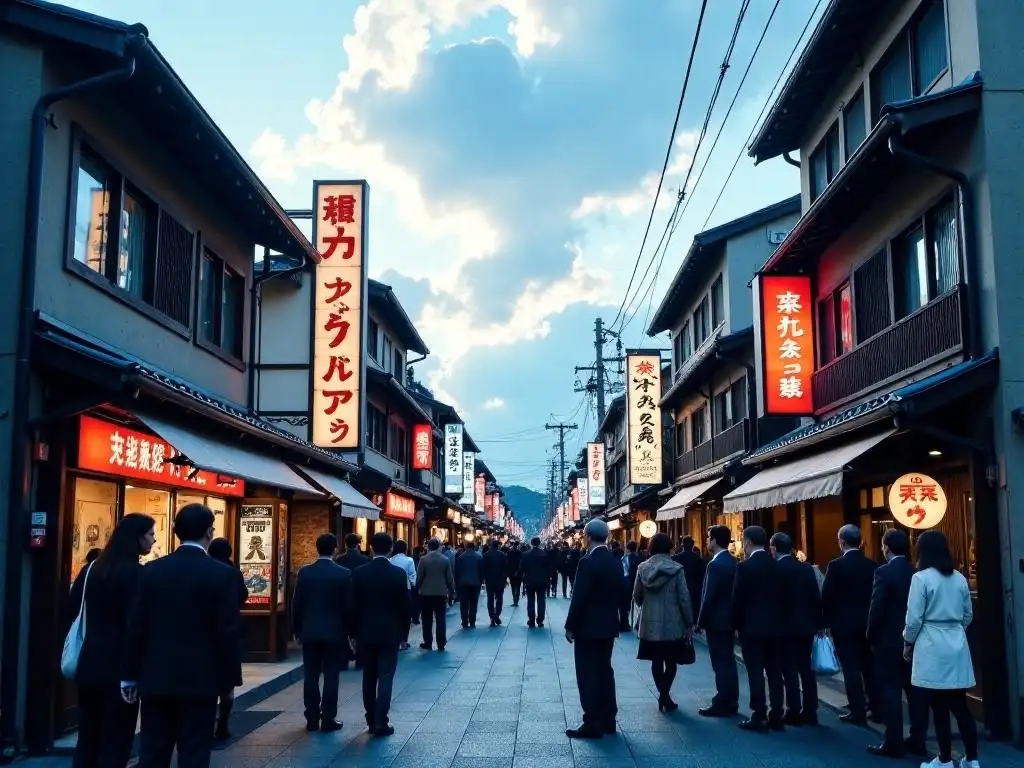
Japan's emergence as a political and economic power during the late 19th and early 20th centuries significantly influenced Western views of the East. Following the Meiji Restoration in 1868, Japan underwent rapid modernization and industrialization, transforming from a feudal society into a competitive nation-state. This swift change intrigued Western nations, reshaping their perceptions of Japan from an isolated, traditional society to a formidable player on the global stage.
The political influence of Japan became evident through its engagement in international diplomacy and military conflicts. Japan's victory in the First Sino-Japanese War (1894-1895) showcased its military capabilities and led to greater recognition by Western powers. Subsequently, the signing of treaties, such as the Treaty of Portsmouth in 1905, not only solidified Japan's status as a major power but also established a model for non-Western nations seeking to assert their sovereignty and influence.
Economically, Japan's integration into global trade networks altered Western perceptions of economic prowess. The country's ability to produce high-quality goods, particularly textiles and later machinery, enabled it to compete with Western nations effectively. As Japan began exporting these products, it fostered a bilateral relationship characterized by both competition and cooperation, leading to an increased interest in Japanese culture and economic practices among Western societies.
Japan’s Role in Global Trade Dynamics
Japan's participation in global trade dynamics played a crucial role in shaping Western views of the East. By the 20th century, Japan had established itself as a significant exporter, particularly in industries such as textiles, ceramics, and, later, automobiles and electronics. This economic prowess attracted the attention of Western nations, leading to an influx of Japanese products into their markets.
The globalization of trade during this period also facilitated cultural exchanges. Western consumers became increasingly familiar with Japanese art, fashion, and design, influencing various aspects of Western culture, including the Arts and Crafts Movement and Impressionism. Notable figures, such as Vincent van Gogh and Claude Monet, drew inspiration from Japanese woodblock prints, which helped popularize Japanese aesthetics in the West.
Additionally, Japan's strategic location in the Pacific made it a critical player in international trade routes. The Treaty of Kanagawa in 1854 marked the beginning of formal trade relations between Japan and the United States, setting the stage for further economic interactions with other Western nations. This integration into global trade networks not only enhanced Japan's economic standing but also facilitated a mutual exchange of ideas and cultural influences.
The Western Response to Japan's Modernization
The rapid modernization of Japan prompted a complex response from Western nations. Initially, there was skepticism and prejudice against Japan's ability to modernize effectively. However, as Japan demonstrated its capabilities, particularly after its military victories, perspectives began to shift. Western nations were compelled to reassess their views on non-Western societies, acknowledging Japan as a model for modernization.
The fascination with Japan—often referred to as "Japonisme"—swept through Europe and North America, influencing various art movements, fashion trends, and even architectural styles. The Western response was characterized by a blend of admiration and exoticism, as Japan was perceived as both a mysterious and sophisticated culture. This duality led to a more nuanced understanding of Japanese society, paving the way for deeper cultural exchanges.
Moreover, the Western response also included attempts to engage with Japan politically and economically. As Japan continued to assert itself on the global stage, Western nations sought alliances and partnerships, recognizing the importance of Japan in the context of international relations. This led to a series of treaties and agreements that further solidified Japan's role in global affairs.
Case Studies of Political Influence and Relations
Several case studies exemplify Japan's political influence on Western countries and its interactions with them. One notable example is the Anglo-Japanese Alliance of 1902, which marked a significant diplomatic shift. This alliance not only recognized Japan as a major power but also established a precedent for cooperation between an Asian nation and Western powers. It paved the way for Japan's increased involvement in international politics and its recognition by Western nations as an equal partner.
Another significant case study is the U.S.-Japan relations during the post-World War II era. The signing of the Treaty of San Francisco in 1951 marked Japan's reintegration into the international community after its defeat. The subsequent U.S.-Japan Security Treaty established a strategic partnership, highlighting the importance of Japan in regional stability and U.S. interests in Asia. This relationship has continued to evolve, reflecting Japan's influence on Western foreign policy and security strategies.
Additionally, Japan's cultural diplomacy initiatives, such as the establishment of cultural centers and language programs abroad, have further enhanced its political influence. These efforts have fostered a greater understanding of Japanese culture and values, contributing to Japan's soft power in the international arena.
Conclusion: The Lasting Legacy of Japan's Influence on Western Culture
Japan's influence on Western culture has left an indelible mark, shaping perceptions, aesthetics, and diplomatic relations. From the early encounters during the 19th century to contemporary cultural exchanges, Japan has played a pivotal role in redefining Western views of the East.
The legacy of Japan's influence can be seen in various cultural domains, including art, literature, and popular culture. The fascination with Japanese aesthetics has permeated Western art movements, leading to the adoption of Japanese motifs and techniques. Furthermore, Japanese literature and cinema have gained recognition and acclaim in the West, contributing to a more profound appreciation of Japan's cultural heritage.
Summary of Key Points on Japan-West Interactions
- Japan's transformation during the Meiji Restoration marked the beginning of a new era in Japan-West relations.
- The political and economic rise of Japan altered Western perceptions, leading to increased cooperation and competition.
- Japan's participation in global trade facilitated cultural exchanges, influencing Western art and design.
- The Western response to Japan's modernization showcased both admiration and exoticism, reshaping cultural narratives.
- Key political alliances, such as the Anglo-Japanese Alliance and the U.S.-Japan Security Treaty, exemplified Japan's growing influence on Western nations.
Future Implications of Japan's Cultural Influence
Looking ahead, Japan's cultural influence is poised to continue shaping Western perceptions and interactions. The global rise of Japanese pop culture, including anime, manga, and cuisine, has garnered widespread popularity, further bridging the gap between East and West. As cultural exchanges evolve, Japan's soft power will likely play a crucial role in fostering mutual understanding and collaboration.
Moreover, Japan's innovative contributions to technology and sustainability may inspire Western nations to adopt new practices in these fields. As global challenges such as climate change and digital transformation become increasingly pressing, Japan's approach to these issues could serve as a valuable model for Western countries.
Japan's multifaceted influence on Western culture, politics, and economics is not only a testament to its remarkable transformation but also a catalyst for ongoing dialogue and cooperation between East and West.
References and Further Reading
To gain a deeper understanding of how Japan influenced Western views and culture, consider exploring the following recommended literature and online resources. These materials provide a comprehensive overview and critical insights into the intricate dynamics of Japan-West interactions throughout history.
Recommended Books and Articles on Japan's Influence
-
"The Japan of Pure Invention" by John Dower
This book delves into the representation of Japan in Western media and literature, examining how these portrayals have shaped cultural perceptions. Dower critically analyzes the narratives constructed around Japan, especially during pivotal historical events.
-
"Japan and the West: The Birth of the Modern World" by David J. Lu
Lu's work explores the complex relationship between Japan and Western powers during the Meiji Restoration. It provides historical context to Japan's modernization efforts and their impact on Western views of Japan.
-
"Transcultural Perspectives: The Influence of Japanese Culture on Western Art" by Patricia S. Graham
This article discusses the cross-cultural exchanges that occurred between Japan and the West, particularly during the late 19th and early 20th centuries, highlighting the influence of Japanese aesthetics on Western art movements.
-
"The Tale of Genji: A New Translation" by Royall Tyler
While primarily a literary work, this translation of Japan's classic novel offers insights into Japanese culture and its themes, which have fascinated Western readers and critics alike, contributing to a better understanding of Japan's cultural depth.
-
"Japan and Western Civilization: A Comparative Perspective" by Kenneth Pyle
Pyle compares the development of Japan and Western civilizations, discussing how Japan's unique historical trajectory has influenced Western perceptions and cultural narratives.
Online Resources for Exploring Japan-West Relations
-
The Japan Society
This organization provides a wealth of resources, including articles, podcasts, and webinars on Japan's cultural influences and its relationship with the West.
-
The National Diet Library of Japan
The library's digital collections offer access to historical documents and publications that detail Japan's international relations, including its influence on Western culture.
-
The Asia-Pacific Journal: Japan Focus
An online publication that features a wide range of articles discussing contemporary and historical issues related to Japan's influence on the West, with contributions from various scholars and experts.
-
The British Museum’s Online Collection
The British Museum hosts an extensive collection of artifacts that illustrate Japan's cultural contributions to the West. Their online resources include detailed descriptions and historical context for each item.
-
The Japan Foundation
This organization promotes cultural exchange between Japan and the West, offering various educational resources, including articles, videos, and events that explore Japan's cultural influence globally.
These resources will enhance your understanding of Japan's multifaceted influence on Western culture while providing valuable perspectives on the historical interactions between these two regions.
- Introduction to Japan's Influence on Western Culture
- Historical Background of Japan-West Interactions
- Japan's Influence on Western Art and Aesthetics
- Cultural Exchange Through Literature and Philosophy
- The Duality of Representation: Stereotypes vs. Authenticity
- The Influence of Religion and Spiritual Practices
- Japan's Political and Economic Influence on the West
- Conclusion: The Lasting Legacy of Japan's Influence on Western Culture
- References and Further Reading
- What is the main theme of the article "The Duality of Influence: How Japan Shaped Western Views of the East"?
- How did Japan's feudal era contribute to its influence on Western culture?
- What are some examples of Japanese cultural elements that influenced the West?
- In what ways did Western perceptions of the East evolve due to Japanese influence?
- Why is it important to study Japan's influence on Western culture?
Frequently Asked Questions
What is the main theme of the article "The Duality of Influence: How Japan Shaped Western Views of the East"?
The article explores Japan's influence on Western culture, particularly how Japanese traditions and aesthetics have shaped perceptions and artistic expressions in the West.
How did Japan's feudal era contribute to its influence on Western culture?
The feudal era saw the development of unique cultural practices and ideals that later captivated Western artists and thinkers, contributing to a growing fascination with all things Japanese.
What are some examples of Japanese cultural elements that influenced the West?
Elements such as Zen Buddhism, woodblock prints, and traditional tea ceremonies have significantly impacted Western art, literature, and philosophy, showcasing Japan's rich cultural heritage.
In what ways did Western perceptions of the East evolve due to Japanese influence?
Japanese art and culture prompted a romanticized view of the East, leading to a blend of aesthetic appreciation and cultural appropriation in Western societies, reshaping their understanding of Asian traditions.
Why is it important to study Japan's influence on Western culture?
Understanding this influence helps to unravel the complex interactions between cultures, highlighting the mutual exchange of ideas that has enriched both Japanese and Western societies throughout history.
Final Reflection: The Lasting Impact of Japan's Influence on Western Culture
In an era where cultural exchange is more prevalent than ever, the duality of influence between Japan and the West remains a pivotal topic that resonates deeply today. As we navigate a world increasingly defined by globalization, understanding how Japan has shaped Western views of the East is not just an academic exercise; it is a lens through which we can examine our own cultural identities and biases. The intricate tapestry of this relationship reveals that what we perceive as "Eastern" is often filtered through a Western lens, leading to a complex interplay of admiration and misunderstanding.
The influence of Japan on Western culture has transcended mere aesthetics, embedding itself into the very fabric of our social and cultural landscape. This ongoing dialogue between the two cultures continues to inspire artists, thinkers, and creators across the globe. As we reflect on this exchange, we can see how it has fostered a greater appreciation for diversity and challenged stereotypes. Culture is the widening of the mind and of the spirit.
– Jawaharlal Nehru. This quote encapsulates the essence of our exploration, reminding us that the blending of cultures enriches our collective experience and broadens our understanding of the world.
As we conclude this exploration of Japan's influence on Western culture, I invite you to reflect on your own perceptions and interactions with different cultures. Consider how these influences shape not only your worldview but also your daily life. Engage with the art, literature, and philosophies that challenge your understanding and encourage you to step outside your comfort zone. By embracing the lessons of cultural exchange, we can foster a more inclusive and empathetic world, one that honors the rich tapestry of influences that define our shared human experience.
Unveil the Impact of Japan's Influence on Your Perspective!
Thank you for diving into the fascinating intersection of Japanese culture and Western thought! By exploring this duality, you've gained valuable insights into how Japan has shaped perceptions and facilitated cultural exchanges that continue to resonate today. Now, let’s turn that knowledge into action!
Here are some steps you can take next:
- Explore a book or documentary that delves deeper into Japan's influence on Western thought, such as “The Tale of Genji” or the film “Lost in Translation.”
- Join a community or forum focused on cross-cultural exchanges to share your insights and learn from others. Your participation can help foster understanding!
- Reflect on your personal experiences with Eastern culture. Consider what ideas or practices have influenced your life, and share your thoughts with friends or on social media.
What aspect of Japan's influence do you find most surprising or intriguing? Let’s discuss in the comments below!