
The Influence of Western Technology on Japan’s Economy During Isolation

Welcome to Feudal Japan History, where we embark on a captivating journey through the intricate tapestry of Japan's feudal era. Here, we delve deep into the historical, cultural, and societal elements that shaped this fascinating period. In our featured article, "The Influence of Western Technology on Japan’s Economy During Isolation," we uncover how foreign innovations discreetly infiltrated a nation steeped in tradition, ultimately altering its economic landscape.
Join us as we explore the delicate balance between preservation and progress, and discover what this means for Japan's legacy. Prepare to awaken your curiosity and dive into the rich narrative that awaits!
Introduction to Japan's Isolationist Policies
Japan's isolationist policies, predominantly established during the Edo period (1603-1868), marked a significant turning point in the nation's historical trajectory. Known as sakoku, or "locked country," these policies were enacted under the Tokugawa shogunate to prevent foreign influence and maintain social order. With strict regulations on trade and travel, Japan limited its interactions with the outside world, primarily engaging with a select few foreign traders, such as the Dutch and Chinese, in designated ports like Nagasaki.
This period of isolation fostered a unique cultural and social environment, allowing Japan to develop its own identity while simultaneously facing challenges posed by an evolving global landscape. The rigid adherence to isolationism, however, also meant that Japan was slow to adopt advancements in technology and industry that were emerging in Western countries. As the 19th century approached, the mounting pressure from Western powers seeking trade and relations would ultimately challenge these isolationist policies, leading to significant shifts in Japan's economic landscape.
Overview of Western Technology in the 19th Century
The 19th century heralded a technological revolution in the West, characterized by rapid advancements in various fields, including transportation, communication, and manufacturing. Innovations such as the steam engine, telegraph, and mechanized textile production transformed economies and societies, creating unprecedented opportunities for growth and expansion.
In stark contrast, Japan remained largely agrarian and traditional during this time. The isolationist policies limited exposure to these developments, which would later prove to be a double-edged sword. While Japan maintained its cultural integrity, it also risked falling behind in an increasingly industrialized world.
The eventual encounter with Western technology would catalyze profound changes. Notably, the arrival of Commodore Matthew Perry's fleet in 1853 forced Japan to reconsider its isolationist stance. The demand for trade and interaction highlighted the disparities between Japan and Western nations, prompting a reevaluation of its technological capabilities and economic strategies. The subsequent Meiji Restoration in 1868 marked a pivotal moment, as Japan actively sought to modernize and adopt Western technologies to bolster its economy and military, setting the stage for its emergence as a global power.
This exploration of Western technology's impact on Japan's economy during its isolationist period reveals the complexities of cultural preservation versus the necessity for modernization, a theme that resonates throughout Japan's economic history.
- What was the impact of Western technology on Japan's economy during isolation?
- How did Japan initially respond to Western technology?
- What role did the Meiji Restoration play in adopting Western technology?
- How did Western technology influence Japanese society?
- Did the adoption of Western technology have any negative consequences for Japan?
The Context of Japan’s Economic Isolation
Japan's isolationist period, known as Sakoku, lasted from the early 17th century until the mid-19th century. This era was marked by a series of policies that restricted foreign influence and trade, significantly shaping Japan's economic landscape. Understanding the context of Japan's economic isolation is crucial to grasp the subsequent impact of Western technology on the country's economy during its reopening to the world.
Historical Background of Japan’s Sakoku Policy
The Sakoku policy was officially instituted by Tokugawa Ieyasu, the founder of the Tokugawa shogunate, in 1635. This policy aimed to eliminate foreign influence, particularly from European powers and the spread of Christianity, which the shogunate viewed as a threat to its authority. The following elements were key components of the Sakoku policy:
- Limited Trade: Only a few Dutch and Chinese traders were allowed to engage in commerce at Nagasaki. The Japanese were forbidden from traveling abroad or returning from overseas, effectively curtailing the flow of foreign ideas and technologies.
- Cultural Influence: While Japan remained isolated, it was not entirely cut off from foreign knowledge. Dutch studies (Rangaku) emerged as a unique field, allowing select intellectuals to learn about Western sciences, medicine, and technology, albeit in a limited capacity.
- Internal Stability: The isolationist policies fostered a period of internal peace and stability known as the Edo period, which lasted for over 250 years. However, this stability came at the cost of stagnation in technological advancement and economic development compared to Western nations.
This historical backdrop is essential to understand how the eventual contact with Western nations would dramatically alter Japan's economic landscape and technological capabilities.
The Economic State of Japan Before Western Contact
Prior to Western contact, Japan's economy was primarily agrarian, with a feudal structure heavily reliant on agriculture, rice production, and a barter system. The economic state of Japan before the opening to the West can be characterized by several factors:
- Feudal System: The economy was organized around a strict hierarchy of daimyos (feudal lords) and samurai. Land ownership was concentrated in the hands of a few, leading to a lack of economic mobility for the peasantry.
- Self-sufficiency: The isolationist policies encouraged self-sufficiency. Local economies thrived based on agriculture and handicrafts, with minimal reliance on foreign goods. This limited Japan's exposure to foreign markets and technological advancements.
- Trade Limitations: The foreign trade that did exist was tightly controlled. The predominant trade partners were China and the Dutch, which meant that Japan primarily imported silks and spices while exporting limited goods, such as silver and copper.
- Economic Stagnation: Despite periods of economic growth, particularly during the Genroku era (1688-1704), the overall lack of innovation in technology and industry meant that Japan's economy remained stagnant compared to the rapid advancements occurring in Europe and North America.
Japan's economic isolation created a unique environment that, while stable, ultimately limited its growth potential. As the nation prepared to confront Western powers in the mid-19th century, it faced the challenge of integrating advanced technologies into its economic framework while balancing the preservation of its cultural identity. Understanding this economic backdrop sets the stage for analyzing how Western technology impacted Japan's economy and society following the end of isolation.
The Arrival of Western Technology
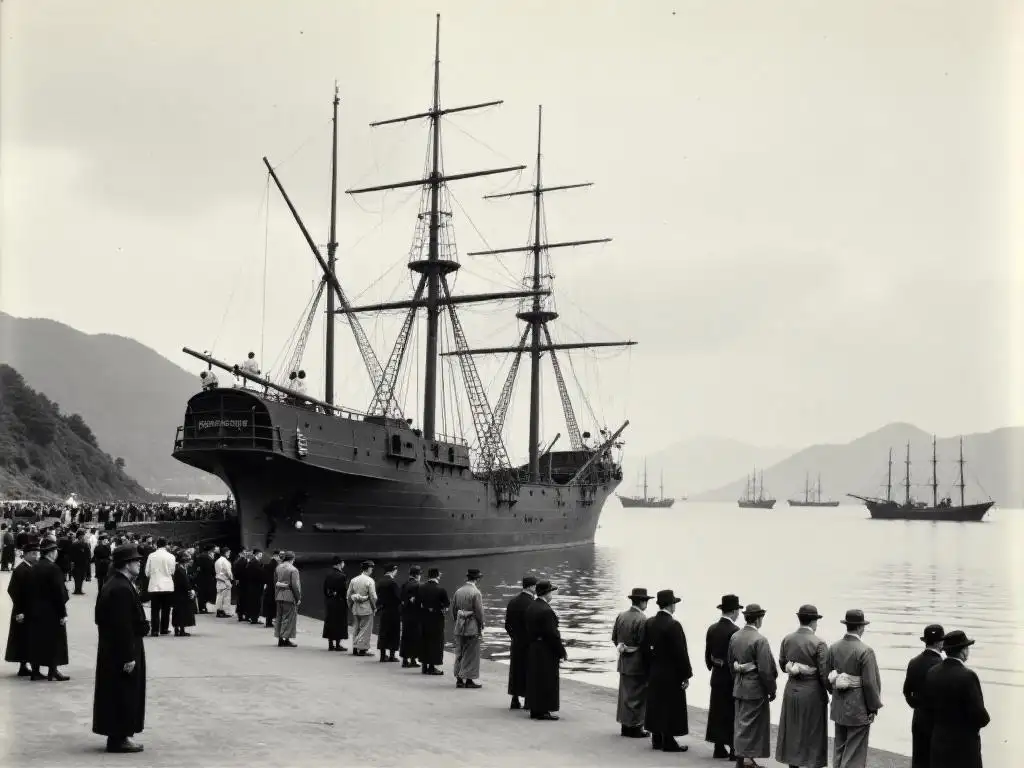
The arrival of Western technology in Japan during the Edo period marked a significant turning point in the nation’s economic landscape. Although Japan maintained a policy of isolationism (Sakoku) for over two centuries, external influences began to seep into the country, primarily through trade and diplomatic encounters. This influx of Western technology had profound implications for Japan's economy, setting the stage for modernization and integration into the global economy.
Key Events Leading to Western Influence on Japan’s Economy
Several pivotal events catalyzed the introduction of Western technology into Japan. These events not only disrupted the existing economic structures but also highlighted the necessity for change.
- The Dutch Trade Relations
- The Dutch were the only Europeans allowed to trade with Japan during the isolationist period. They operated out of Dejima, a small artificial island in Nagasaki Bay.
- Impact: The Dutch provided Japan with knowledge of Western sciences, medicine, and technology, particularly in fields like shipbuilding and navigation.
- The Opening of Japan in the 1850s
- The arrival of foreign ships, particularly from the United States and Europe, pressured Japan to reconsider its isolationist stance.
- Notably, the "Black Ships" of Commodore Matthew Perry in 1853 showcased advanced naval technology that Japan lacked, compelling the Tokugawa shogunate to open negotiations.
- The Unequal Treaties
- Following the Treaty of Kanagawa in 1854, Japan was forced into several unequal treaties that granted extraterritorial rights to Western powers.
- Impact: These treaties opened Japanese ports to foreign trade, introducing new goods and technologies that would reshape local industries.
- The Meiji Restoration (1868)
- In response to foreign pressure and internal dissatisfaction, the Meiji Restoration initiated a period of rapid modernization.
- Impact: The government actively sought Western technologies in agriculture, manufacturing, and military organization, leading to significant economic transformation.
The Role of Commodore Perry and the Opening of Japan
Commodore Matthew Perry's expedition to Japan in 1853 is often regarded as a crucial juncture in Japan's economic history. His mission was not merely to open Japan for trade but also to demonstrate the might of American naval power.
-
The Black Ships
Perry's "Black Ships" were steam-powered vessels that starkly contrasted with Japan's wooden ships. This display of technological superiority was intended to intimidate.
-
Treaty of Kanagawa (1854)
- The signing of this treaty marked the end of Japan's isolationist policies and opened ports to American ships.
- Economic Implications: The treaty facilitated the exchange of goods and ideas, leading to the introduction of Western agricultural practices and industrial techniques.
-
Influence on Domestic Policies
- Perry's arrival and the subsequent treaties forced the Tokugawa government to confront the reality of Western industrialization.
- Response: This led to significant reforms aimed at adopting Western technologies to avoid further subjugation, ultimately fueling Japan's economic growth.
The arrival of Western technology during Japan's period of isolation was a complex interplay of internal and external factors. The initial encounters with Western powers, particularly through Commodore Perry, catalyzed an economic transformation that propelled Japan into a new era of modernization and integration into the global economy. The impact of Western technology on Japan's economy is not just a footnote in history; it represents a pivotal shift that laid the groundwork for Japan's emergence as a global economic power.
Western Technology and Its Impact on Japan's Economic Development
The arrival of Western technology during Japan's period of isolation significantly influenced the nation's economic landscape. Despite the strict sakoku policy (1635-1853), which limited foreign interactions, certain technological advancements managed to seep into Japanese society. This section will explore how these innovations affected Japan's industrial and agricultural sectors, altered manufacturing processes, and transformed transportation and trade.
Introduction of Industrial and Agricultural Technologies
The introduction of Western industrial and agricultural technologies played a crucial role in reshaping Japan's economy during its isolationist period. While the Tokugawa shogunate (1603-1868) maintained a predominantly agrarian society, the influences of Western practices began to introduce more efficient methods of production.
- Agricultural Innovations:
- The adoption of crop rotation and new irrigation techniques improved agricultural yields.
- Introduction of Western crops such as potatoes and corn diversified Japan’s agricultural output, increasing food security.
- Industrial Advances:
- The establishment of silk reeling factories in the 19th century incorporated Western machinery, enhancing productivity.
- Techniques for producing cotton and textiles were borrowed from Western practices, leading to a burgeoning textile industry that would later become a cornerstone of Japan’s economy.
These innovations not only increased production but also set the stage for a more modern economic framework, laying the groundwork for Japan's later industrialization.
Changes in Manufacturing Processes Due to Western Innovations
Western technology also catalyzed significant changes in manufacturing processes, marking a transition from traditional methods to more mechanized approaches.
- Mechanization:
- The introduction of steam-powered machinery revolutionized textile production. For instance, the use of power looms allowed for faster and more consistent fabric production, reducing reliance on manual labor.
- Quality Improvement:
- With the implementation of Western techniques, Japanese manufacturers began to focus on standardization and quality control, which enhanced the reputation of Japanese goods in both domestic and international markets.
- Shift in Labor Dynamics:
- As factories emerged, the labor market evolved, transitioning from agricultural work to industrial jobs. This shift not only affected the economy but also changed societal structures, as urban centers began to grow in response to industrial demands.
These changes marked a significant departure from traditional manufacturing practices, positioning Japan on the path toward modernization and economic expansion.
The Influence of Western Transportation Technologies on Trade
Western transportation technologies had a profound impact on Japan’s trade dynamics during the isolationist era, facilitating both domestic and international commerce.
- Railroads and Steamships:
- The introduction of railroads in the late 19th century connected major cities and regions, significantly reducing travel time and costs for goods. By 1880, the first railway line was operational, marking a pivotal moment in Japan’s transportation history.
- Maritime Trade:
- The use of steamships revolutionized maritime trade routes. This enabled faster and more reliable shipping, which enhanced Japan’s trade capabilities with Western nations, particularly after the signing of the Treaty of Kanagawa in 1854.
- Economic Integration:
- Improved transportation networks facilitated the integration of regional economies, allowing for raw materials to be transported to industrial centers more efficiently, thereby boosting production and trade.
The enhancement of transportation technologies not only transformed Japan's internal market but also opened avenues for international trade, which were crucial for Japan’s economic development.
The impact of Western technology on Japan's economy during its isolation was profound and multi-faceted. From agricultural advancements to changes in manufacturing and transportation, these innovations laid a crucial foundation for Japan's eventual emergence as a modern industrial nation.
Economic Transformations in Japan
Shift from Feudal Economy to Capitalist Structures
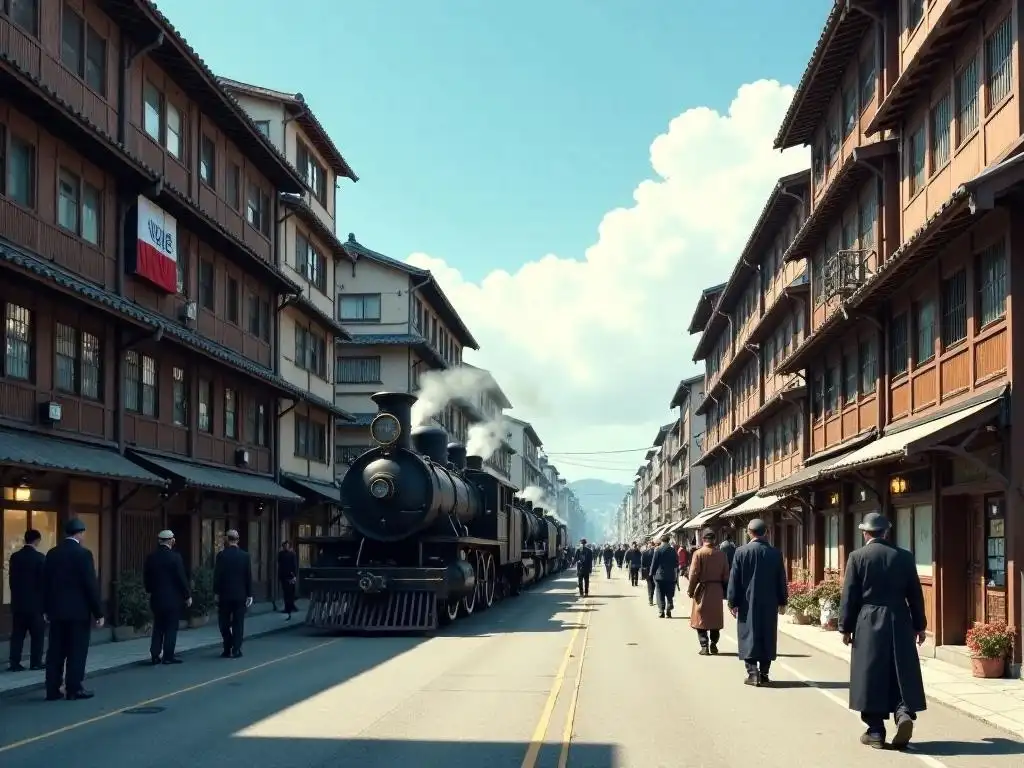
During the Edo period, Japan operated under a feudal economic system, characterized by land ownership by daimyo (feudal lords) and a peasant workforce that relied on agriculture. This system was hierarchical, with a rigid class structure that limited mobility and economic innovation. However, the arrival of Western technology in the 19th century catalyzed a significant transformation towards capitalist structures.
The Role of Western Influence
The introduction of Western technology impacted Japan’s economy in several ways:
- Modernization of Agriculture: Western techniques in farming, such as crop rotation and the use of fertilizers, improved agricultural productivity. This led to surplus production, which supported urbanization and a burgeoning labor market.
- Industrialization: The Meiji Restoration (1868) marked a pivotal shift as Japan sought to catch up with Western powers. The government invested in industries, adopting Western machinery and manufacturing processes. This transition laid the groundwork for a capitalist economy.
Emergence of a New Class Structure
The shift from a feudal economy also resulted in changes to the class structure:
- Rise of the Bourgeoisie: A merchant class emerged, gaining wealth through new business ventures. This class played a crucial role in financing industrial enterprises and fostering economic growth.
- Labor Movement: As factories proliferated, a working class emerged, leading to the formation of labor unions and calls for workers’ rights. This marked the beginning of a more dynamic socio-economic landscape.
The Emergence of New Industries and Economic Sectors
With the infusion of Western technology, Japan experienced the emergence of various new industries that transformed its economic landscape.
Key Industries
- Textiles: The silk and cotton industries flourished, with Western machines enhancing production capabilities. Japan became a significant exporter of textiles, contributing to its economic growth.
- Mining and Metallurgy: Advances in mining technology, such as steam-powered machinery, allowed for increased extraction of resources. The development of the coal and copper industries was instrumental in powering Japan’s industrial growth.
- Transportation: The introduction of railways and steamships revolutionized trade and mobility. This not only facilitated domestic trade but also opened up international markets for Japanese goods.
Technological Advancements
- Communication: The Western influence also introduced telegraphy and postal systems, which improved communication and information flow, essential for economic coordination and expansion.
- Manufacturing Techniques: The adoption of assembly line methods and mechanization significantly boosted productivity, allowing Japanese industries to compete on a global scale.
Increased Trade and Economic Exchanges with the West
The lifting of isolationist policies and the adoption of Western technology led to a surge in trade and economic exchanges, fundamentally altering Japan’s economic interactions with the world.
Trade Agreements
- Treaty of Kanagawa (1854): This treaty marked Japan’s entry into the global market by opening ports to American trade. Similar agreements with other Western nations followed, allowing for increased imports of technology and goods.
- Export Growth: Japan began exporting textiles, ceramics, and other goods, leading to an influx of foreign currency and investment. This economic exchange was pivotal in shaping Japan’s emerging capitalist economy.
Economic Interdependencies
- Foreign Investments: Western investments in Japanese industries facilitated technology transfer and knowledge sharing, fostering domestic growth.
- Cultural Exchange: Alongside economic exchanges, cultural influences from the West permeated Japanese society, leading to the adoption of Western business practices and educational models that further propelled economic modernization.
The impact of Western technology on Japan's economy during its isolation period cannot be overstated. It catalyzed a transition from feudalism to a dynamic capitalist economy, fostering industrial growth and opening avenues for international trade that would shape Japan's future economic landscape.
Societal Responses to Western Technology
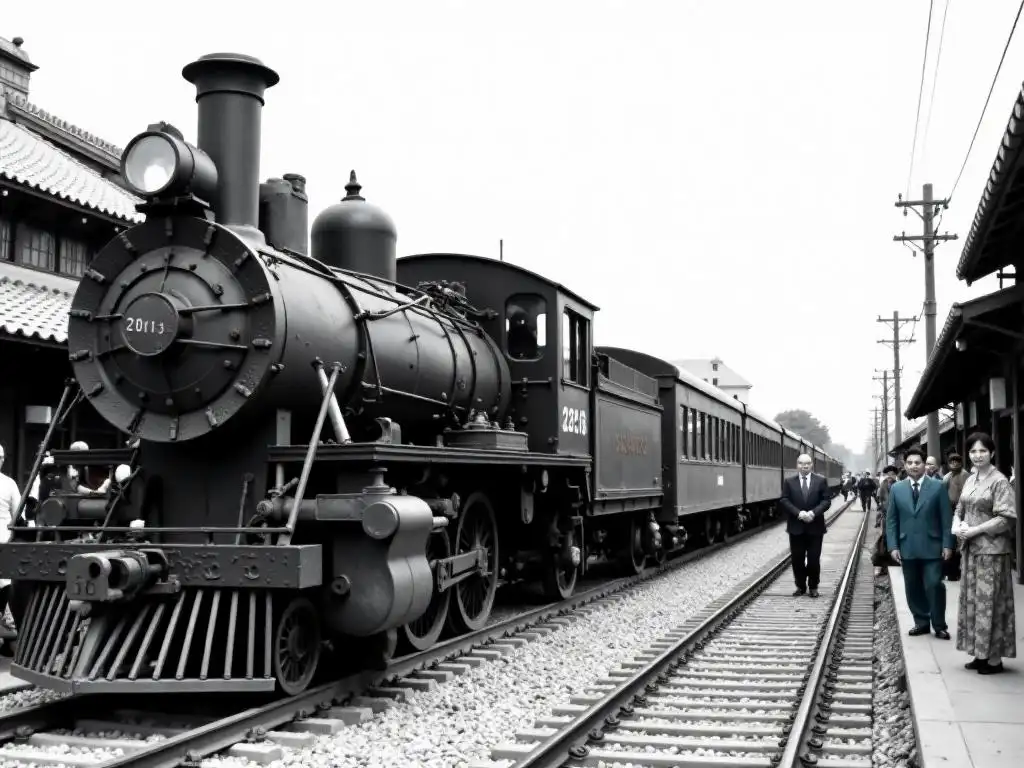
The introduction of Western technology during Japan's period of isolation, particularly from the early 17th to the mid-19th century, generated diverse responses within Japanese society. These responses were not merely reactions to new inventions, but rather reflections of deeper cultural, economic, and social dynamics. As Japan grappled with the implications of Western technology, various segments of society adapted, resisted, or integrated these influences into their lives.
Adaptation of Traditional Practices to New Technologies
Japanese society exhibited remarkable adaptability when faced with Western technology. The integration of foreign innovations into existing practices is evident in several sectors, particularly agriculture and manufacturing.
- Agricultural Techniques:
- The introduction of Western farming tools such as the plow and new irrigation methods led to increased productivity.
- Traditional rice farming techniques were enhanced through these innovations, facilitating higher yields and contributing to food security.
- Manufacturing Advances:
- The adoption of Western machinery in textile production transformed the silk industry. Traditional hand-weaving methods gradually gave way to mechanized looms, significantly increasing output and efficiency.
- The introduction of steam power revolutionized shipbuilding, allowing for faster transportation of goods and people, thereby strengthening trade networks.
These adaptations not only improved efficiency but also reshaped the economic landscape, leading to the establishment of new industries and job opportunities.
Cultural Reactions to Westernization in Economic Context
The influx of Western technology also provoked a range of cultural reactions that influenced Japan's economic development. The interaction between traditional Japanese values and new Western ideals created a complex environment.
- National Identity and Resistance:
- Many segments of society viewed Western technology as a threat to traditional Japanese culture and values. Groups such as the Sonno Joi (Revere the Emperor, Expel the Barbarians) advocated for the preservation of Japanese customs and resisted Western influence.
- This resistance often manifested in economic policies aimed at limiting foreign trade and maintaining traditional practices. The Tokugawa shogunate initially sought to isolate Japan from Western influences, which had profound implications for economic development.
- Cultural Exchange and Innovation:
- Conversely, the exposure to Western thought and technology spurred a cultural renaissance in Japan. The Meiji Restoration period saw an embrace of Western ideas, leading to significant advancements in education and industry.
- This cultural shift facilitated the establishment of institutions such as technical schools and universities, which played a crucial role in fostering a new workforce equipped to engage with Western technologies.
The duality of resistance and adaptation reflected a society in transition, navigating the complexities of modernization while striving to maintain its cultural identity.
Impact on Labor and Workforce Dynamics
The integration of Western technology significantly altered labor and workforce dynamics in Japan. As new industries emerged, the nature of work and the labor market evolved, leading to both opportunities and challenges.
- Labor Demand and Skill Development:
- The mechanization of industries created a demand for skilled labor. This prompted initiatives to educate and train workers in new technologies, resulting in the emergence of a more specialized workforce.
- The shift from agrarian to industrial jobs led to urban migration, as individuals sought employment in burgeoning cities like Tokyo and Osaka, changing the demographic landscape of Japan.
- Labor Relations and Social Changes:
- The rise of factories and Western-style enterprises introduced new labor relations dynamics. Workers began to organize for better wages and working conditions, laying the groundwork for future labor movements.
- Additionally, the changing nature of work influenced family structures, with more women entering the workforce, contributing to shifts in societal roles and expectations.
These transformations underscored the profound impact of Western technology on Japan's economy and society, ultimately leading to a more modern and industrialized nation. The interplay of tradition and innovation during this critical period shaped the trajectory of Japan's economic development and its place in the global arena.
Long-Term Effects of Western Technology on Japan’s Economy
The introduction of Western technology during Japan's period of isolation had profound and lasting effects on its economy. Although the Tokugawa shogunate (1603-1868) pursued a strict isolationist policy, the limited exposure to Western advancements through trade with the Dutch and other foreign entities laid the groundwork for significant economic transformations.
The Evolution of Japan’s Economic Policies Post-Isolation
Following the end of isolation in the mid-19th century, Japan underwent a dramatic transformation in its economic policies. The Meiji Restoration of 1868 marked a pivotal shift as the country sought to modernize and industrialize rapidly. Here are some key aspects of this evolution:
- Adoption of Western Methods: Japan recognized the need to adopt Western technologies and practices to compete globally. This included:
- Industrialization: The establishment of factories and adoption of mechanized production methods.
- Infrastructure Development: Construction of railways, telegraph systems, and modern ports, which facilitated trade and transportation.
- Economic Reforms: The Meiji government implemented several reforms, including:
- Land Reforms: Redistribution of land to create a more productive agricultural sector.
- Tax Reforms: Introduction of land taxes that incentivized agricultural output and increased state revenue.
- Promotion of Education and Research: The government invested in education to foster a skilled workforce capable of utilizing and advancing technology. This included:
- Technical Schools: Establishment of institutions focused on engineering and industrial arts, which produced a workforce adept in modern techniques.
- International Collaboration: Sending students abroad and inviting foreign experts to Japan to share knowledge and best practices.
These changes collectively transformed Japan from a feudal economy into a dynamic industrial power, setting the stage for its emergence on the world stage.
Lasting Influence on Japan’s Global Economic Position
The impact of Western technology on Japan’s economy not only facilitated modernization but also established Japan as a significant player in global trade. Key factors include:
- Increased Export Capacity: With modernized industries, Japan began to produce goods that were competitive internationally. Key exports included:
- Textiles: The silk and cotton industries saw significant growth, as Japan became a major exporter of textiles to Western markets.
- Manufactured Goods: As industries expanded, Japan also started exporting machinery, steel, and other manufactured products.
- Strategic Trade Agreements: Japan negotiated various treaties that opened new markets and facilitated trade with Western nations. These agreements often included:
- Tariff Reductions: Lower tariffs allowed Japanese goods to compete more effectively abroad.
- Access to Technology: Continued import of Western technology and expertise to bolster domestic production capabilities.
- Emergence as a Regional Power: By the early 20th century, Japan had established itself as a formidable economic power in Asia. This was characterized by:
- Colonial Expansion: Economic interests led Japan to expand its territories, notably in Korea and Taiwan, further integrating these regions into its economic orbit.
- Influence in Global Affairs: Japan's economic growth enabled it to assert influence in international affairs, culminating in participation in global economic dialogues and negotiations.
The long-term effects of adopting Western technology thus transformed Japan into a nation that was not only economically self-sufficient but also influential on the global stage.
Conclusion
The influence of Western technology on Japan's economy during its isolationist period was instrumental in shaping its trajectory towards modernization. The strategic adoption of Western practices laid the foundation for significant economic reforms and advancements, ultimately leading Japan to emerge as a global economic power.
Through careful policy evolution and investments in education and infrastructure, Japan was able to harness Western technology's potential, resulting in a robust and competitive economy that has continued to evolve into the modern era. The legacy of this transformation underscores the critical role that technology plays in economic development and global positioning.
Reflection on the Legacy of Western Technology in Japan’s Economic History
The legacy of Western technology in Japan's economic history is profound and multifaceted, particularly during the period of isolation that spanned from the early 17th century until the mid-19th century. This era, characterized by the Tokugawa shogunate's policies of sakoku (national isolation), limited foreign influence and interactions primarily to the Dutch and Chinese. However, the subtle introduction of Western technology during this time laid the groundwork for significant transformations that would later reshape Japan's economy.
One of the most notable long-term effects was the gradual modernization of Japan's agricultural practices. While the initial interactions with Western technology were minimal, the insights gained from foreign texts and technologies began to infiltrate Japanese farming techniques. For instance, advancements in irrigation and crop rotation systems introduced by Western ideas not only improved agricultural productivity but also contributed to a surplus that fueled urbanization and industrialization in the later years. This agricultural evolution was crucial, as it supported a growing population and created a more robust internal market.
Moreover, the influence of Western technology can be observed in Japan's approach to manufacturing and industry. By the end of the Edo period, the limited exposure to Western industrial practices had already sparked an interest in mechanical innovations. This curiosity would become a catalyst for Japan's rapid industrialization following the Meiji Restoration in 1868.
The Meiji government actively sought to adopt and adapt Western technologies, leading to the establishment of a diverse industrial base that included textiles, shipbuilding, and later, heavy industries such as steel and machinery. The transition from a feudal economy to a modern industrial one was significantly accelerated by the foundational knowledge of Western technology that had been absorbed even during the isolationist period.
Furthermore, the legacy of Western technology extended to Japan's infrastructure development. The introduction of Western engineering principles influenced the construction of roads, railways, and ports, which were essential for facilitating trade and commerce. This infrastructure not only connected rural areas to urban centers but also integrated Japan into the global economy. The development of railroads, in particular, revolutionized transportation and logistics, enabling goods and resources to be moved efficiently across the archipelago.
The reflection on the legacy of Western technology during Japan's isolation illustrates a complex interplay of limited contact leading to significant economic advancements. Although the shogunate initially sought to restrict foreign influence, the technology that gradually permeated Japanese society ultimately set the stage for a transformative economic landscape. The impacts of these early adaptations can still be traced in modern Japan, highlighting the enduring significance of Western technology in shaping Japan's economic trajectory.
Frequently Asked Questions
What was the impact of Western technology on Japan's economy during isolation?
The introduction of Western technology significantly transformed Japan's economy by enhancing industrial production and agricultural efficiency, ultimately leading to the Meiji Restoration.
How did Japan initially respond to Western technology?
Japan's response involved a mix of curiosity and resistance. While there was an initial rejection, they later embraced Western innovations to modernize their economy and military.
What role did the Meiji Restoration play in adopting Western technology?
The Meiji Restoration marked a pivotal shift, as Japan actively sought to import Western technology and practices, which helped to fuel rapid industrial growth and modernization.
How did Western technology influence Japanese society?
Western technology not only impacted the economy but also led to significant changes in social structures, education, and even cultural practices, promoting a more global perspective.
Did the adoption of Western technology have any negative consequences for Japan?
Yes, while Western technology spurred growth, it also led to social upheaval, as traditional practices were challenged, and there was increased economic disparity within society.
Final Reflection: The Enduring Impact of Western Technology on Japan's Economic Evolution
The influence of Western technology on Japan’s economy during its period of isolation remains a pivotal chapter in the narrative of global economic development. As Japan navigated the complexities of modernization, it became evident that the infusion of Western innovations was not merely a catalyst for change but a transformative force that reshaped its economic landscape. This historical interplay serves as a powerful reminder of how external influences can redefine a nation's trajectory, highlighting the importance of adaptability and openness in the face of change.
The legacy of Western technology continues to resonate within Japan's cultural and social fabric, shaping its identity as a global economic powerhouse. The lessons learned during this era of isolation have fostered a unique blend of tradition and innovation that characterizes Japan today. As the renowned Japanese philosopher, Yoshinori Yasuda, once said, "> The essence of progress lies in the ability to embrace change while honoring the past." This sentiment encapsulates the ongoing dialogue between tradition and modernity, illustrating how Japan has skillfully integrated Western advancements while preserving its rich heritage.
As we reflect on the profound impact of Western technology on Japan's economy, let us consider how these lessons apply to our own lives and societies. In a world that is increasingly interconnected, we are called to embrace innovation while remaining rooted in our values and traditions.
Take a moment to ponder how you can harness the power of new technologies in your own context, fostering growth and development while honoring the unique aspects of your identity. The journey of Japan serves as an inspiring blueprint for navigating the complexities of modern life, urging us to remain open to change while cherishing our roots.
Embrace the Legacy of Innovation!
Thank you for exploring the fascinating influence of Western technology on Japan’s economy during its isolation period. We hope you’ve gained valuable insights into how these interactions shaped the country's future. Now, let’s turn that knowledge into action!
- Dive Deeper: Learn more about the technological advancements that emerged from Japan’s isolation. Visit our archive for articles discussing specific inventions and their impacts!
- Share Your Thoughts: Engage with your friends and family by sharing this article on social media. Start a conversation about the balance between tradition and innovation.
- Join the Community: Connect with fellow history enthusiasts! Become a part of our forum to discuss insights and uncover hidden aspects of Japan’s feudal era.
What new perspective on the interplay between tradition and technology have you gained that could apply to today’s world?