
The Midsummer Festival: Folklore and Traditions from Feudal Japan

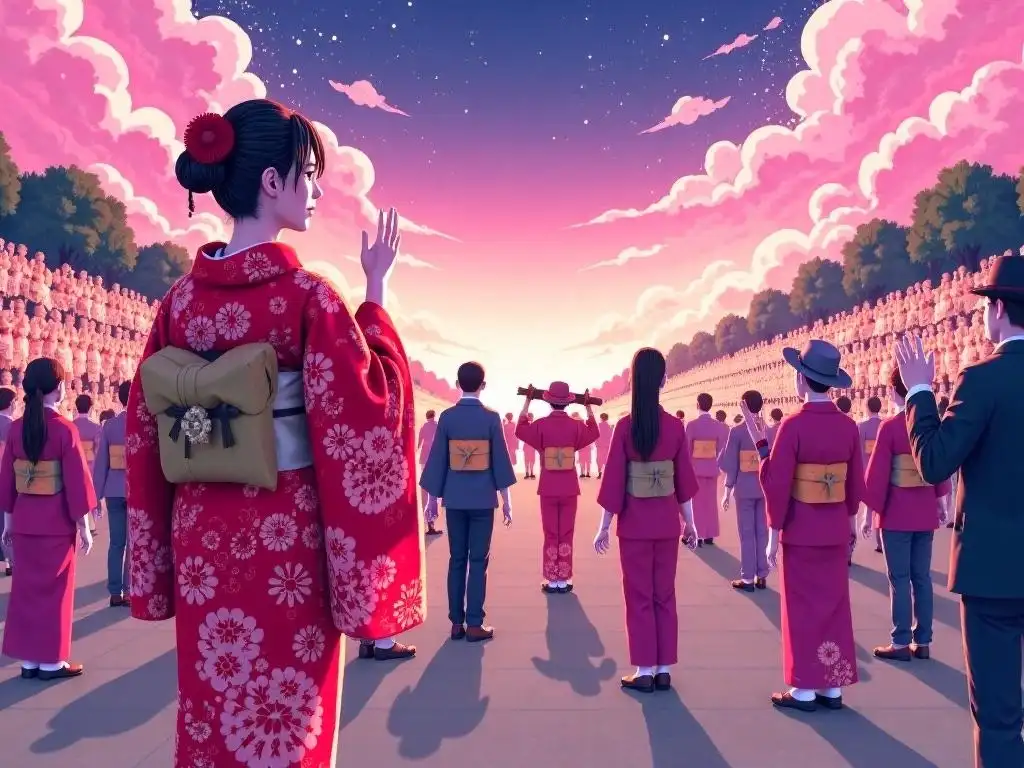
Welcome to Feudal Japan History, where we invite you to journey back in time to explore the rich tapestry of Japan’s feudal era. In our featured article, “The Midsummer Festival: Folklore and Traditions from Feudal Japan,” we delve into the enchanting customs that defined this vibrant period. Discover the stories behind the festivities, the significance of rituals, and how these traditions have evolved. Unravel the mysteries of the past and ignite your curiosity as we shine a light on the cultural heritage of feudal Japan. Ready to embark on this fascinating exploration?
Introduction to the Midsummer Festival in Feudal Japan
The Midsummer Festival, known as Hanabi Taikai or Obon in various regions, stands as a vibrant testament to the rich tapestry of cultural practices during Feudal Japan. This period, spanning from the 12th to the 19th century, was marked by a confluence of societal changes, military conflicts, and the flourishing of art and culture.
The Midsummer Festival, deeply rooted in folklore and tradition, not only celebrated the harvest season but also honored ancestral spirits, reflecting the spiritual beliefs of the time. Through a careful exploration of the Midsummer Festival, we can gain insights into the historical, cultural, and societal aspects that shaped the lives of those in Feudal Japan.
Overview of Feudal Japan's Festivals and Celebrations
Festivals in Feudal Japan were vibrant, community-oriented events that provided a vital connection between the people and their cultural heritage. These celebrations often included a blend of agricultural rituals, religious observances, and entertainment, fostering a sense of unity among villagers. Key features included:
- Seasonal Harvests: Many festivals were timed to coincide with the agricultural calendar, celebrating the bounty of the land.
- Religious Rituals: Shinto and Buddhist elements were often intertwined, reflecting the spiritual beliefs that permeated daily life.
- Cultural Performances: Dance, music, and theater were integral components, showcasing local talent and storytelling traditions.
These festivals were not merely celebrations; they served as a way to reinforce community bonds and pass down traditions through generations.
Significance of Midsummer Festivals in Japanese Culture
The Midsummer Festival held particular significance in Japanese culture, as it symbolized the transition of seasons and the cyclical nature of life. Key aspects of its importance included:
- Honoring Ancestors: Midsummer festivals often coincided with Obon, a time when families would honor the spirits of their ancestors, inviting them back to the physical world.
- Celebration of Life: These festivals emphasized the joy of living and the appreciation of nature's bounty, promoting a sense of gratitude and reflection.
- Cultural Identity: The rituals and traditions associated with Midsummer were pivotal in shaping a collective cultural identity, helping communities to bond over shared beliefs and practices.
Historical Background of the Midsummer Festival Traditions
Origins of Midsummer Celebrations in Japan
The origins of Midsummer celebrations in Japan can be traced back to ancient agricultural practices and the Shinto belief system. Initially, these celebrations aimed to ensure a good harvest and to appease the gods, reflecting the close relationship between Japanese society and the agrarian lifestyle. The festival's roots can be seen in various regional celebrations, each contributing unique customs and rituals that enriched the overall Midsummer experience.
Influence of Shinto and Buddhist Practices on Midsummer Traditions
Shinto and Buddhist beliefs significantly shaped the customs surrounding the Midsummer Festival in Feudal Japan. Shinto rituals often emphasized the connection to nature and the veneration of kami (spirits), while Buddhist practices introduced the concept of honoring deceased ancestors. This amalgamation of beliefs resulted in a festival that celebrated both life and death, creating a profound spiritual experience for participants. Key influences included:
- Ritual Offerings: Families would prepare offerings of food and flowers to honor their ancestors, bridging the gap between the living and the dead.
- Processions and Ceremonies: Traditional dances and parades became common, with participants dressed in colorful yukatas, reflecting the joyous spirit of the festival.
Evolution of Feudal Japan Midsummer Festival Traditions Over Time
As Japan transitioned through various political and social changes, so too did the Midsummer Festival traditions. From the Kamakura to the Edo periods, these celebrations evolved, incorporating new elements while retaining core practices. Factors influencing this evolution included:
- Political Changes: The rise and fall of different clans and shogunates impacted how festivals were celebrated, often leading to regional variations.
- Cultural Exchange: Increased contact with foreign cultures introduced new customs and ideas, enriching the festival experience.
- Urbanization: As cities grew, Midsummer celebrations adapted to urban settings, leading to larger, more elaborate public festivities that attracted participants from various backgrounds.
This ongoing evolution reflects the dynamic nature of Japanese culture and the enduring significance of the Midsummer Festival within the historical context of Feudal Japan.
Key Folklore and Myths Associated with the Midsummer Festival
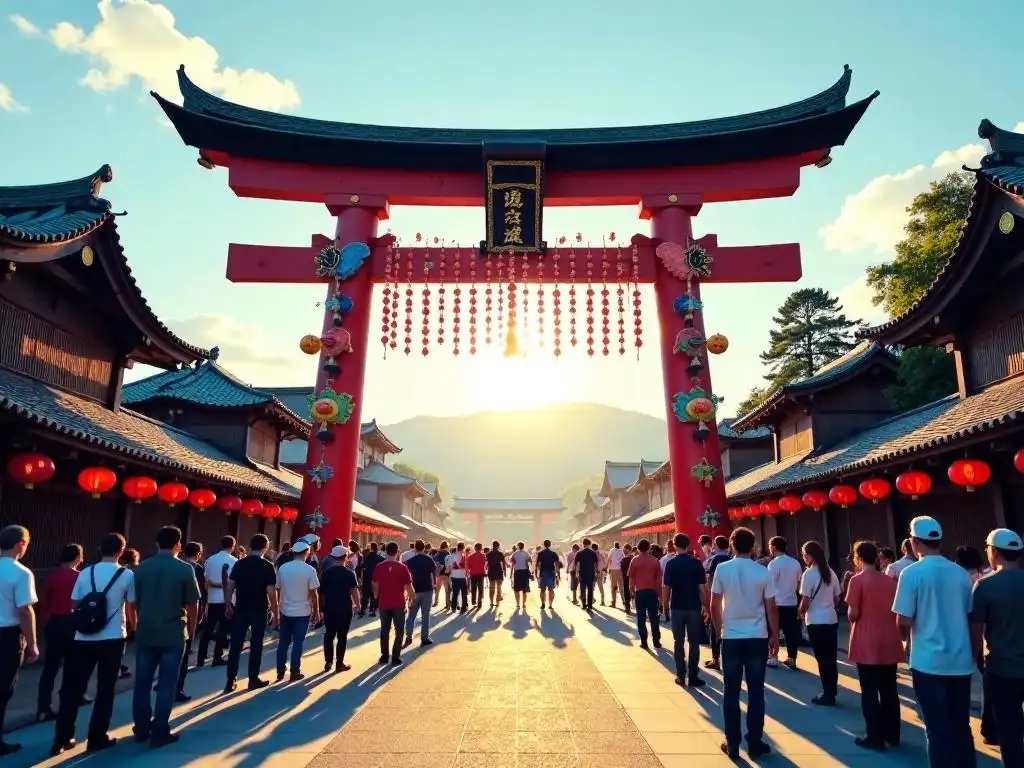
The Midsummer Festival in Feudal Japan is steeped in rich folklore and myths that reflect the beliefs and values of the time. Central to these narratives are themes of nature, spirituality, and community. One prominent myth is that of the "Yamabiko," a mountain spirit believed to echo the sounds of mortals during the festival. This spirit symbolizes the connection between humans and nature, emphasizing the importance of harmony with the environment.
Another significant myth revolves around the Tanabata, or the Star Festival, often celebrated concurrently with the Midsummer Festival. This tale tells of two star-crossed lovers, Orihime and Hikoboshi, who are separated by the Milky Way and allowed to reunite only once a year. Their story embodies themes of love, longing, and the fleeting nature of happiness, making it a poignant aspect of the midsummer celebrations.
These narratives not only entertain but also serve to educate the community about moral values and the importance of respecting nature and each other during the festive season.
Popular Folktales Linked to Midsummer Celebrations
Several folktales have emerged over generations, each contributing to the cultural fabric of the Midsummer Festival. One such tale is the story of Kintaro, the golden boy raised by a mountain witch. Kintaro embodies strength and bravery, often associated with summer's vitality and vigor. Communities would recount his exploits during the festival, drawing lessons of heroism and camaraderie.
Another cherished folktale is that of Urashima Taro, a fisherman who rescues a turtle and is rewarded with a visit to the Dragon Palace under the sea. This story highlights themes of gratitude and the transient nature of joy, making it a fitting narrative for midsummer gatherings. Such folktales encourage communal storytelling, allowing families and friends to reconnect with their cultural heritage.
Mythical Creatures and Spirits Celebrated During Midsummer
Midsummer festivities are often intertwined with the veneration of various mythical beings, reflecting a belief in a world populated by spirits. One notable creature is the Shōjō, a red-faced spirit known for its beautiful singing voice. Festivals often incorporate Shōjō-themed performances, celebrating the intersection of art and spirituality.
Additionally, the Tengu, a legendary creature depicted as a half-human, half-bird being, is celebrated for its wisdom and martial prowess. Tengu are believed to protect the forests and mountains, making them central figures in midsummer rituals focused on agriculture and nature. The reverence for these creatures highlights the deep-rooted connection between the people, their beliefs, and the natural world.
The Role of Nature and Agriculture in Midsummer Folklore
Nature plays a pivotal role in the folklore surrounding the Midsummer Festival. Agricultural practices were crucial in feudal society, and the festival served as a time to honor the harvest and seek blessings for future crops. Rituals often included the "Oni Matsuri," where people would dress as demons to scare away pests that threatened the rice fields. This practice underscores the community's reliance on agriculture and their desire for bountiful yields.
Moreover, the changing seasons were celebrated through various traditions that acknowledged the cycles of nature. For instance, "Hanabi," or fireworks, symbolize the fleeting beauty of summer, reminding participants of the ephemeral nature of life and the importance of cherishing moments spent with loved ones. These customs foster a sense of unity and respect for the land that sustains the community.
Traditional Practices and Customs of the Midsummer Festival
The Midsummer Festival in Feudal Japan is characterized by a vibrant array of traditional practices and customs that foster community spirit and cultural continuity. These practices are often rooted in ancient rituals designed to honor the deities and spirits associated with nature and agriculture.
Rituals and Offerings During the Midsummer Festival
Rituals during the Midsummer Festival typically involve offerings to the kami (deities) to ensure a good harvest and maintain harmony within the community. Families would prepare "shrine offerings," including rice, sake, and seasonal fruits, which were presented at local shrines and household altars.
The "Mizukake" ritual, where participants would pour water over sacred objects, is another common practice. This act symbolizes purification and the renewal of life, aligning with the season's themes of growth and vitality. Such rituals reflect a deep-seated respect for the divine and the belief in the interconnectedness of life.
Traditional Food and Drink Associated with Midsummer Celebrations
Food plays a central role in the Midsummer Festival, with traditional dishes reflecting the seasonal bounty. One popular dish is "Hiyashi Chūka," a cold noodle salad topped with a variety of colorful vegetables, embodying the vibrant spirit of summer.
Another staple is "Kakigori," finely shaved ice topped with syrup, providing a refreshing treat for festival-goers. Sake, often brewed from rice harvested earlier, is served during celebrations, symbolizing abundance and joy. These culinary traditions not only nourish the body but also strengthen communal ties as families gather to prepare and share meals.
Dance and Music: Cultural Expressions of the Midsummer Festival
Dance and music are integral to the Midsummer Festival, showcasing the community's artistic expression and cultural identity. The "Bon Odori," a traditional dance performed during the festival, allows participants to express joy and gratitude. This communal dance often features simple, repetitive movements that are easy for everyone to join, fostering inclusivity and togetherness.
Musical performances, often featuring traditional instruments such as the taiko drum and shamisen, further enhance the festive atmosphere. These performances not only entertain but also serve to pass down cultural stories and values through generations. Together, dance and music create a vibrant tapestry of celebration, encapsulating the essence of the Midsummer Festival in Feudal Japan.
Regional Variations of Midsummer Festival Traditions in Feudal Japan
Feudal Japan was characterized by a rich tapestry of regional cultures, each bringing its unique flavor to the Midsummer Festival celebrations. The variations in customs, rituals, and folklore were significantly influenced by local geography, climate, and historical interactions among different clans and communities. This regional diversity not only enriched the festival but also fostered a sense of identity among the people, highlighting their connection to the land and its resources.
Differences in Midsummer Celebrations Across Japan's Regions
In the northern regions of Japan, such as Hokkaido, Midsummer festivities often revolved around agricultural themes, celebrating the harvest of crops such as barley and wheat. Communities would gather to express gratitude to the deities for providing sustenance, often through traditional dances and offerings. Conversely, in the warmer southern regions, like Kyushu, the celebrations were marked by vibrant street festivals featuring elaborate floats, music, and dance, reflecting a more communal approach to the festivities.
The central areas, including the capital of Edo (modern-day Tokyo), showcased a fusion of these regional traditions. The Edo Midsummer Festival was famous for its grand parades and fireworks, drawing participants from various provinces. This blending of customs created a unique celebration that encapsulated the diverse cultural influences of the time.
Unique Customs and Practices in Notable Feudal Domains
Each feudal domain had specific customs that distinguished its Midsummer Festival. For example, in the Sakai domain, trading townspeople incorporated market activities with the festival, allowing local artisans to showcase their crafts. In contrast, the samurai class in domains like Aizu held more formal celebrations, emphasizing rituals that reinforced their status and connection to their ancestral heritage.
In the Owari domain, unique practices included the "Midsummer Bonfire," where large bonfires were lit to ward off evil spirits. Participants would gather around the fire, sharing stories and singing traditional songs, fostering a sense of community bonding. These unique customs underscored the importance of local identity while contributing to the overall richness of Midsummer Festival traditions across Japan.
The Impact of Local Legends on Midsummer Traditions
Local legends and folklore significantly shaped Midsummer Festival traditions. Many regions had their own tales of deities or spirits associated with the season, which influenced the rituals performed during the festival. For instance, in some areas, the festival included reenactments of local legends through theatrical performances that told the stories of heroic figures or mythical creatures, allowing communities to connect with their cultural heritage.
These legends often served to explain natural phenomena, such as the changing seasons or agricultural cycles, and were integrated into festival activities. The storytelling aspect enriched the festival experience, providing not only entertainment but also a means of passing down cultural values and history to future generations.
The Role of the Midsummer Festival in Feudal Japanese Society
The Midsummer Festival played a pivotal role in feudal Japanese society, serving as a critical intersection of cultural, social, and economic activities. It was a time when communities came together to celebrate the bounty of the land, reinforcing social ties and communal identity amidst the rigid class structures of the feudal system.
Community Involvement and Social Cohesion During Midsummer
Community involvement in the Midsummer Festival was vital for fostering social cohesion. Villagers collaborated in organizing events, preparing food, and creating decorations, which encouraged teamwork and strengthened community bonds. Activities like communal dances and shared meals allowed for interaction among different social classes, bridging gaps that the feudal hierarchy often created.
Moreover, the festival served as a platform for local leaders and samurai to connect with the common people, reinforcing their roles as protectors and providers. This interaction helped maintain social harmony and stability within the often rigid feudal society, as the festival promoted a sense of collective identity and mutual support.
The Midsummer Festival as a Reflection of Feudal Hierarchies
While the Midsummer Festival was a time of celebration, it also reflected the underlying feudal hierarchies of Japanese society. Different classes participated in varying capacities; while commoners engaged in lively festivities, samurai often presided over the events, showcasing their status through elaborate displays of wealth, such as luxurious clothing and ceremonial weapons.
The rituals performed by the samurai class often highlighted their connection to the divine, reinforcing their role as intermediaries between the gods and the people. This dynamic not only illustrated the social structures of the time but also served to perpetuate the existing power dynamics within feudal Japan.
Economic Aspects: Trade and Barter During the Midsummer Festival
The Midsummer Festival also had significant economic implications, particularly regarding trade and barter. Local markets flourished during the festival, as artisans and merchants set up stalls to sell their goods. This influx of commerce allowed for the exchange of goods, ideas, and cultural practices among different regions, fostering economic interdependence.
Bartering was common, as people traded surplus harvests for artisanal crafts, creating a vibrant marketplace atmosphere. Such economic activities reinforced local economies and provided communities with the means to celebrate the festival more extravagantly. The emphasis on trade and commerce during the Midsummer Festival illustrated its importance not only as a cultural event but also as a crucial economic driver within feudal Japan.
Modern Interpretations of Midsummer Festival Traditions
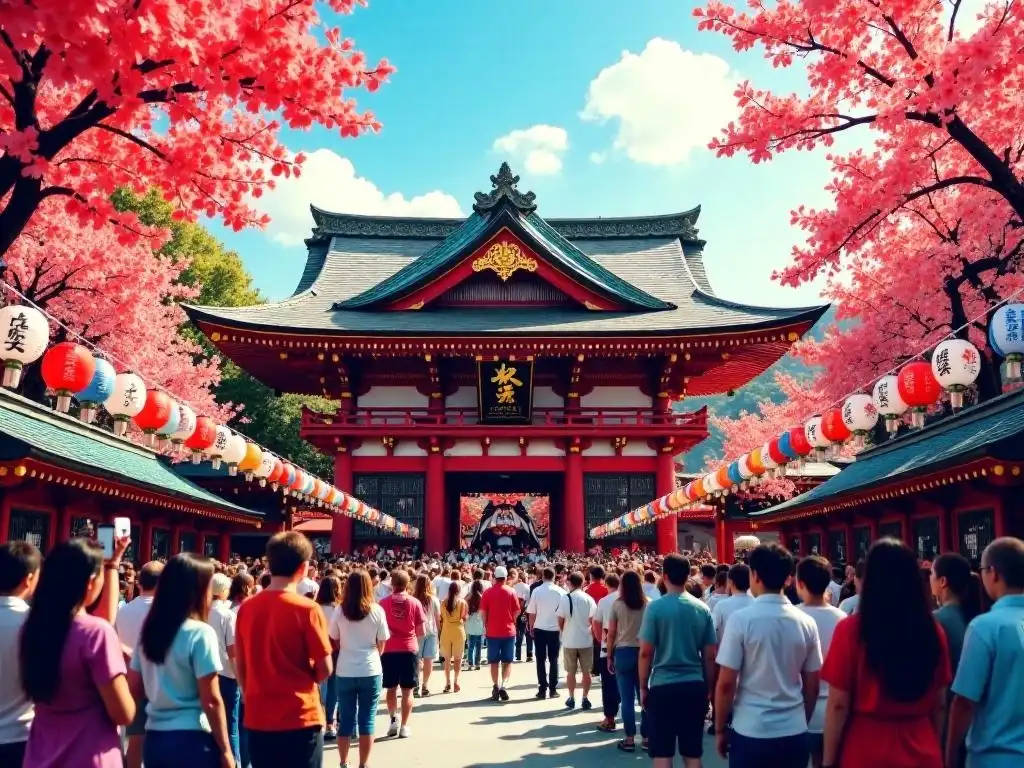
The Midsummer Festival, known for its vibrant celebrations and deep-rooted customs, has evolved significantly over time. In modern Japan, many of the ancient traditions associated with the festival have been reinterpreted to fit contemporary lifestyles. This reinterpretation often reflects a blend of historical practices and modern sensibilities, making the festival accessible and relevant to today's audience.
One prominent example is the adaptation of traditional food offerings, such as seasonal fruits and rice cakes. These items are often presented in modern packaging and served at festivals that attract a younger demographic. Additionally, the use of social media to share experiences and promote events has transformed how locals and tourists engage with the Midsummer Festival, allowing for a broader dissemination of its significance and rituals.
Continuation of Midsummer Festival Practices in Contemporary Japan
Despite the changes, many Midsummer Festival practices from the feudal era continue to thrive in contemporary Japan. For instance, the ritual of bonfires, believed to ward off evil spirits, remains a staple of the festivities. Communities gather to light bonfires, fostering a sense of unity and nostalgia among participants.
Another enduring practice is the creation and display of intricate floats (dashi), which are paraded through towns during festivals. These floats, often adorned with traditional motifs, serve not only as a celebration of craftsmanship but also as a reminder of Japan's rich cultural heritage. Local participants, dressed in traditional attire, engage in lively dances and performances, keeping the spirit of the Midsummer Festival alive.
The Influence of Globalization on Traditional Midsummer Celebrations
Globalization has introduced new dynamics to the Midsummer Festival, resulting in both positive and negative impacts on traditional celebrations. On one hand, exposure to international customs has led to innovative fusion events that incorporate elements from other cultures, enhancing the festive atmosphere. For example, some festivals now feature international cuisines and performances that broaden the appeal of Midsummer celebrations.
On the other hand, this globalization trend poses a risk to the authenticity of traditional practices. As local customs are adapted to attract tourists, there is a concern that the unique aspects of feudal Japan's Midsummer Festival may be overshadowed or commercialized. This tension highlights the ongoing struggle to maintain cultural integrity while embracing the benefits of global interconnectedness.
Reviving Feudal Japan Midsummer Festival Traditions in Modern Times
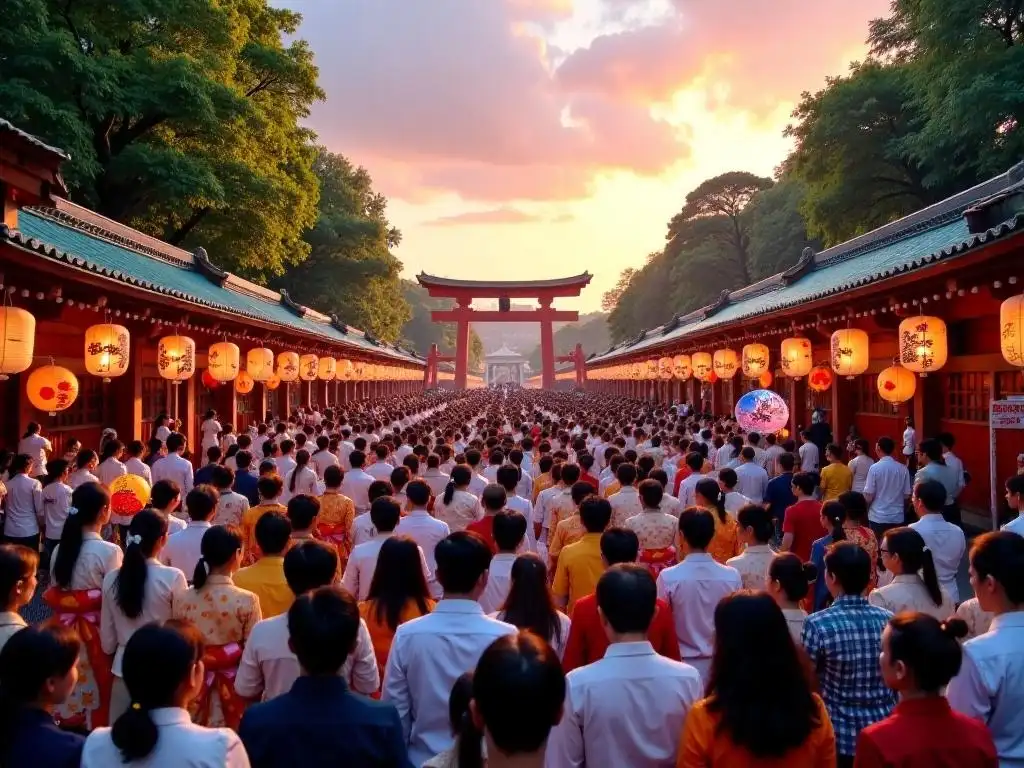
In recent years, there has been a concerted effort to revive and preserve the authentic traditions of the Midsummer Festival from feudal Japan. Various cultural organizations and local governments are spearheading initiatives that aim to educate younger generations about these customs. Workshops and educational programs emphasize the historical significance of Midsummer traditions, encouraging participation in traditional practices such as crafting handmade decorations and learning traditional dances.
Community-led events have also emerged, focusing on recreating the ambiance of feudal Japan's Midsummer festivities. These gatherings often feature traditional music, storytelling, and reenactments of rituals, providing participants with immersive experiences that evoke the essence of the past. Through these revival efforts, there is hope to inspire a renewed appreciation for the cultural richness of the Midsummer Festival.
Conclusion: The Enduring Legacy of Midsummer Festival Traditions in Feudal Japan
The Midsummer Festival holds a significant place in Japan's cultural history, reflecting a rich tapestry of traditions that have endured through the centuries. Its legacy is characterized by a blend of continuity and change, as practices evolve to meet the needs of contemporary society while still honoring their historical roots.
Summary of Key Insights into Midsummer Festivals
The Midsummer Festival showcases a dynamic interplay between historical customs and modern interpretations. Key insights include the ongoing celebration of traditional practices, the impact of globalization on cultural expressions, and the revival efforts aimed at preserving the essence of feudal Japan's Midsummer celebrations. Understanding this festival's evolution is crucial for appreciating its significance in Japan's cultural landscape.
The Importance of Preserving Feudal Japan's Cultural Heritage
Preserving the Midsummer Festival and its traditions is vital for maintaining Japan's cultural heritage. As these practices are passed down through generations, they foster a sense of identity and belonging within communities. By actively engaging in the revival and preservation of feudal Japan's Midsummer traditions, contemporary society not only honors the past but also ensures that future generations can experience and appreciate the depth of their cultural legacy.
References and Further Reading on Feudal Japan Midsummer Festival Traditions
The Midsummer Festival, deeply rooted in the cultural and spiritual life of Feudal Japan, has been the subject of various scholarly works and resources. These references provide a deeper understanding of the traditions, folklore, and societal implications surrounding this vibrant celebration. Below are curated suggestions that encompass both historical texts and contemporary analyses that focus on the Midsummer Festival within the broader context of Feudal Japan.
Suggested Books and Articles on Feudal Japanese Festivals
-
"Festivals of Japan" by William P. Malm
This book offers an insightful exploration of various Japanese festivals, including the Midsummer Festival. It delves into the historical origins, rituals, and cultural significance of these events.
-
"The Culture of Japan as Seen through Its Festivals" by Noboru Watanabe
Watanabe's work examines how festivals reflect Japan's cultural heritage and social values, with specific chapters dedicated to the Midsummer Festival and its traditional practices.
-
"Japanese Festivals" by Junko Matsumoto
This comprehensive guide presents an overview of major Japanese festivals, highlighting the unique features of the Midsummer Festival and its role in feudal society.
-
"The Folklore of Japan" by Richard D. McCarty
This scholarly article discusses the folklore associated with various Japanese festivals, including rich narratives about the Midsummer Festival traditions and their origins.
-
"Celebrations and Rituals in Feudal Japan"
A collection of essays that analyze different celebrations in Feudal Japan, providing context and depth to the Midsummer Festival's significance within the feudal system.
Online Resources for Exploring Midsummer Festival Traditions
-
Japan National Tourism Organization (JNTO)
The JNTO website offers a plethora of information regarding Japanese festivals, including the Midsummer Festival, featuring details on specific events, dates, and local practices.
-
The Japanese Festivals Database
An extensive online database that catalogs various festivals celebrated across Japan, including historical insights and modern-day variations of the Midsummer Festival traditions.
-
Cultural Heritage Online
This digital archive provides access to historical documents, images, and narratives related to Feudal Japan's cultural practices, with sections dedicated to the Midsummer Festival.
-
YouTube: Traditional Midsummer Festival Celebrations
Various channels showcase documentaries and videos that capture the essence of Midsummer Festival celebrations, providing visual insights into traditional rituals and festivities.
-
Academic Journals on Japanese Studies
Journals such as "The Journal of Asian Studies" and "Japan Review" frequently publish articles on cultural topics, including special issues focused on festivals in Japan. Searching through these archives can yield valuable information about the Midsummer Festival traditions.
These resources are essential for anyone seeking to deepen their understanding of the Midsummer Festival and its place within the rich tapestry of Feudal Japan's cultural landscape.
- Introduction to the Midsummer Festival in Feudal Japan
- Overview of Feudal Japan's Festivals and Celebrations
- Significance of Midsummer Festivals in Japanese Culture
- Historical Background of the Midsummer Festival Traditions
- Key Folklore and Myths Associated with the Midsummer Festival
- Traditional Practices and Customs of the Midsummer Festival
- Regional Variations of Midsummer Festival Traditions in Feudal Japan
- The Role of the Midsummer Festival in Feudal Japanese Society
- Modern Interpretations of Midsummer Festival Traditions
- Continuation of Midsummer Festival Practices in Contemporary Japan
- The Influence of Globalization on Traditional Midsummer Celebrations
- Reviving Feudal Japan Midsummer Festival Traditions in Modern Times
- Conclusion: The Enduring Legacy of Midsummer Festival Traditions in Feudal Japan
- References and Further Reading on Feudal Japan Midsummer Festival Traditions
- What is the significance of the Midsummer Festival in Feudal Japan?
- How did folklore influence the celebrations during the Midsummer Festival?
- What are some common traditions observed during the Midsummer Festival?
- How did the societal structure of Feudal Japan impact the Midsummer Festival?
- What role did nature play in the Midsummer Festival traditions?
Frequently Asked Questions
What is the significance of the Midsummer Festival in Feudal Japan?
The Midsummer Festival was a time for celebration and rituals that honored the harvest and deities, reflecting the cultural values of the era.
How did folklore influence the celebrations during the Midsummer Festival?
Folklore played a crucial role in shaping the myths and traditions associated with the festival, often incorporating local legends and spiritual beliefs.
What are some common traditions observed during the Midsummer Festival?
Traditions included offerings to spirits, fireworks, and processions, all aimed at ensuring a bountiful harvest and honoring ancestral spirits.
How did the societal structure of Feudal Japan impact the Midsummer Festival?
The societal structure led to variations in celebrations, where samurai, peasants, and nobility each had distinct roles and practices during the festival.
What role did nature play in the Midsummer Festival traditions?
Nature was deeply revered, with rituals often designed to connect the community with the earth's cycles, emphasizing the importance of agriculture and harmony with the environment.
Final Reflection: Embracing the Spirit of Feudal Japan's Midsummer Festival Traditions
The rich tapestry of folklore and traditions surrounding the Midsummer Festival in Feudal Japan continues to resonate today, reminding us of the profound connection between culture and community. As we navigate a world increasingly driven by technology and rapid change, the essence of these age-old practices invites us to pause and reflect on our roots, celebrating the beauty of human connection and the natural world. The Midsummer Festival serves as a vibrant reminder of the importance of honoring our heritage while fostering a sense of belonging in our contemporary lives.
Cultural traditions like the Midsummer Festival shape our identities and influence our social landscapes in profound ways. The stories and rituals passed down through generations not only preserve history but also inspire current and future generations to engage with their cultural narratives. As we immerse ourselves in these traditions, we find a sense of continuity and belonging. Tradition is not the worship of ashes, but the preservation of fire.
This quote encapsulates the essence of how these customs ignite our spirits and encourage us to keep the flame of our heritage alive.
As you reflect on the themes presented in this article, I invite you to consider how you can incorporate elements of these traditions into your own life. What aspects of your cultural heritage can you celebrate and share with others? Embrace the opportunity to connect with your community, honor your roots, and foster a deeper appreciation for the stories that shape who we are. By doing so, we not only enrich our own lives but also contribute to the vibrant mosaic of cultural traditions that continue to thrive in our ever-evolving world.
Embrace the Spirit of Midsummer!
Thank you for diving into the enchanting world of the Midsummer Festival and its rich folklore! We hope you feel inspired to explore the traditions that have shaped Japan's vibrant culture. Now, let’s take what you’ve learned and bring the spirit of Midsummer into your life!
Here are a few steps to connect with these traditions:
- Host your own Midsummer gathering: Invite friends and family to celebrate with traditional foods, games, and storytelling.
- Explore local cultural events: Look for fairs or festivals in your area that celebrate heritage and immerse yourself in the beauty of cultural practices.
- Share your knowledge: Engage with others by discussing what you’ve learned about the Midsummer Festival on social media or in community groups.
What aspect of the Midsummer Festival resonates with you most, and how do you plan to incorporate it into your life?