
The Eclectic Mix of Traditional and Contemporary in Japan's Festival Scene

Welcome to Feudal Japan History, where we embark on a fascinating journey through the intricacies of Japan's feudal era. Here, we delve into the rich tapestry of historical, cultural, and societal elements that have shaped this captivating period. In our featured article, "The Eclectic Mix of Traditional and Contemporary in Japan's Festival Scene," we invite you to explore the vibrant world of Japan traditional contemporary festivals.
Discover how ancient customs blend seamlessly with modern celebrations, creating a unique festival landscape that will leave you in awe. Join us as we uncover the stories behind these spectacular events and the traditions that continue to thrive today—your adventure awaits!
Japan's festival scene is a vibrant tapestry woven from centuries of tradition and modernity, offering a unique glimpse into the country's rich cultural heritage. These festivals, known as "matsuri," serve not only as a means of celebration but also as vital expressions of community identity and continuity.
From the spectacular floats of Gion Matsuri in Kyoto to the lively street performances at contemporary festivals, Japan's traditional and contemporary festivals coexist harmoniously, highlighting the dynamic nature of Japanese culture. This article will delve into the intricate layers of Japan's festival landscape, exploring the historical roots, cultural significance, and the evolving nature of celebrations that blend the old with the new.
Introduction to Japan's Festival Scene
Japan boasts a festival scene that is both diverse and multifaceted, with each event reflecting the local customs and traditions of its region. Festivals often coincide with the changing seasons, agricultural cycles, or religious observances, making them an integral part of Japanese life. They provide a platform for communities to come together, celebrate their heritage, and showcase their unique identities. Visitors to Japan can experience this colorful array of festivals, which range from centuries-old traditions to contemporary celebrations that incorporate modern influences.
Understanding Traditional Japanese Festivals
Traditional Japanese festivals are steeped in history and often have roots that can be traced back several hundred years. These events typically feature rituals, performances, and offerings that honor the deities, ancestors, or seasonal changes. They are characterized by a strong sense of community involvement, with local residents participating in various roles, from carrying portable shrines to performing traditional dances.
Key Features of Traditional Japan Festivals
- Rituals and Ceremonies: Most traditional festivals include specific rituals aimed at appeasing gods or spirits. These can range from purification rites to elaborate processions.
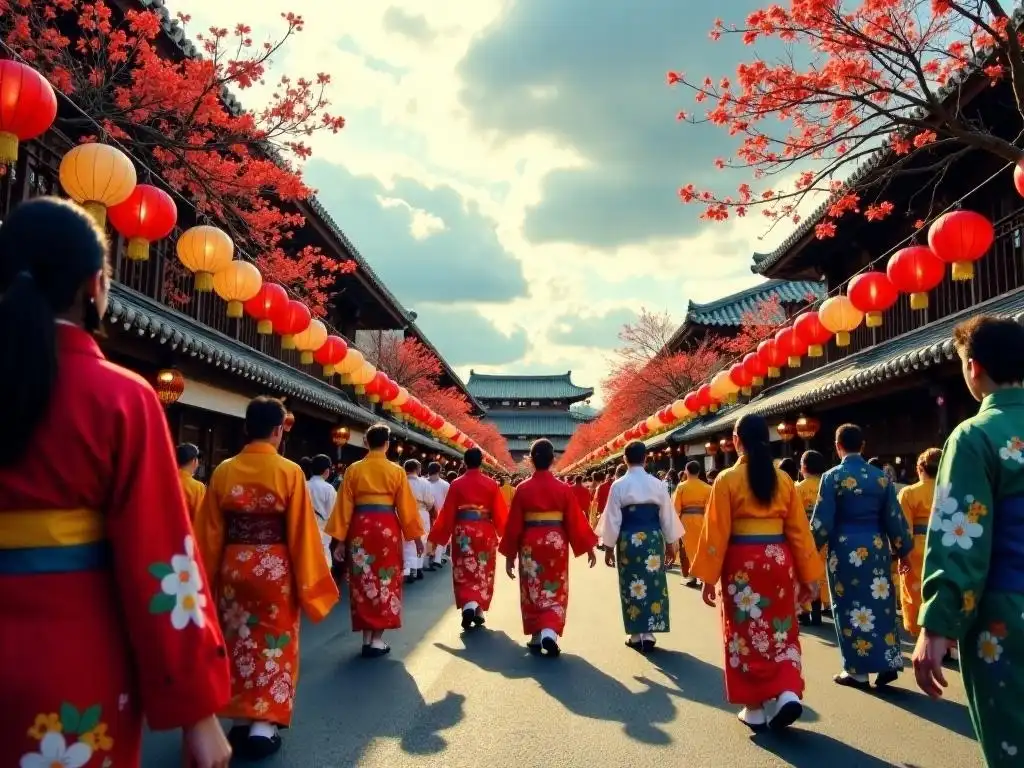
- Costumes and Attire: Attendees often wear traditional clothing, such as yukata or kimono, which enhances the festive atmosphere and connects participants to their cultural roots.
- Local Cuisine: Food stalls offering regional delicacies are a staple at festivals, allowing visitors to indulge in local flavors and culinary traditions.
- Artistic Performances: Many festivals feature traditional arts, such as Noh theater, Kabuki, or folk dances, showcasing Japan's rich artistic heritage.
The Role of Religion and Spirituality
Religion and spirituality play a pivotal role in traditional Japanese festivals. Many festivals are rooted in Shinto or Buddhist beliefs, celebrating the relationship between humans and the divine. For instance, the Obon festival, which honors deceased ancestors, includes rituals such as welcoming spirits back to the world of the living. The intertwining of spirituality with celebration fosters a deep sense of reverence and community among participants, reinforcing the cultural significance of these events in the Japanese way of life.
Japan's festivals encapsulate the essence of the nation's cultural identity, bridging the gap between traditional practices and contemporary expressions, making them a captivating subject for exploration.
The Rise of Contemporary Festivals in Japan
In recent decades, Japan has witnessed a significant rise in contemporary festivals that blend traditional customs with modern influences. This shift can be attributed to several factors, including urbanization, globalization, and the shifting interests of younger generations. As cities expand and populations become more diverse, the demand for new and innovative ways to celebrate cultural heritage has increased. This has led to the emergence of festivals that not only honor age-old traditions but also incorporate contemporary art, music, and technology.
Contemporary festivals in Japan often serve as platforms for artistic expression and community engagement. For example, many of these festivals feature performances by local and international artists, showcasing a variety of genres from rock and pop to electronic music. This eclectic mix attracts a diverse audience, encouraging participation from both locals and tourists. As a result, these festivals are not only preserving traditional practices but also evolving them to reflect current social trends and artistic movements.
Characteristics of Contemporary Festivals
Contemporary festivals in Japan are marked by several distinctive characteristics that differentiate them from traditional celebrations.
- Inclusivity: Many modern festivals aim to be inclusive, welcoming individuals from various backgrounds, including foreign visitors. This creates a vibrant atmosphere that celebrates diversity.
- Innovation: Incorporation of modern technologies, such as digital displays, interactive installations, and social media engagement, is common in contemporary festivals, enhancing the experience for attendees.
- Artistic Collaboration: These festivals often feature collaborations between artists and communities, resulting in unique performances and installations that reflect the collective identity of the participants.
- Thematic Focus: Contemporary festivals frequently adopt specific themes—such as sustainability, urban life, or cultural fusion—that resonate with current societal issues, thus providing a platform for dialogue and reflection.
These characteristics not only attract attendance but also foster a sense of community and shared purpose, making these festivals significant cultural events.
Popularity and Globalization
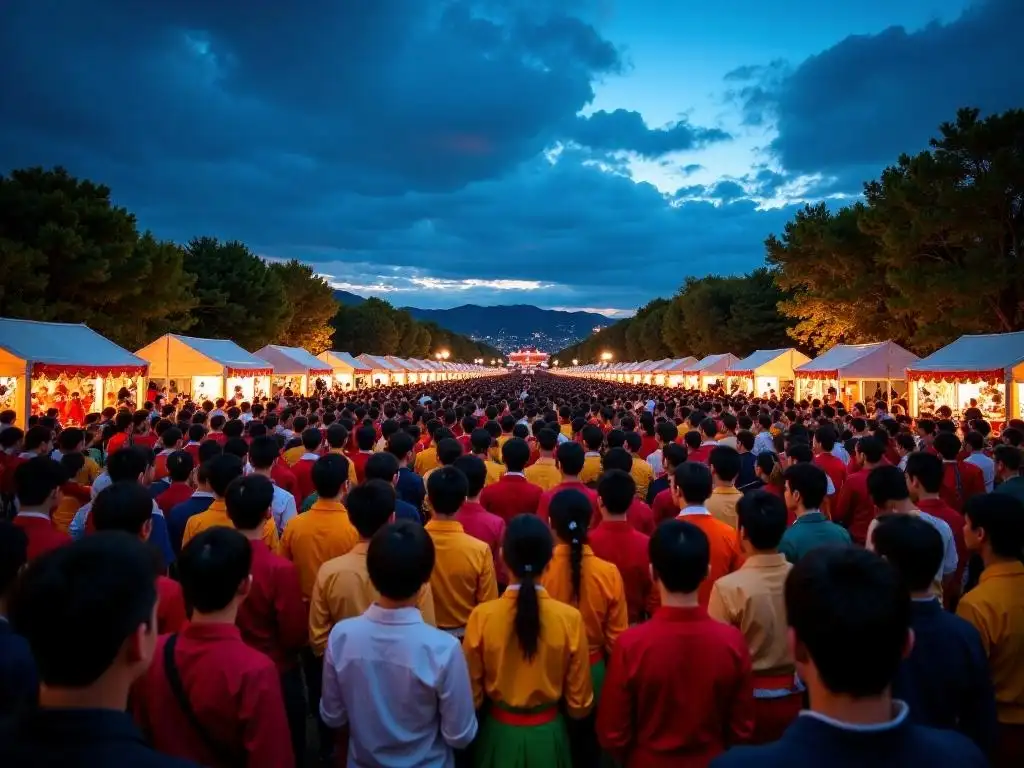
The globalization of culture has played a crucial role in the popularity of contemporary festivals in Japan. As the world becomes more interconnected, cultural exchanges have influenced the ways in which festivals are celebrated. The influx of international tourists and expatriates has led to the integration of global trends into local festivities, creating a unique fusion of styles and practices.
Moreover, the rise of social media has amplified the visibility of these festivals, allowing them to reach a broader audience. Festivals like the Tokyo Rainbow Pride and the Fuji Rock Festival have gained international recognition, attracting visitors from all over the globe. This not only boosts local economies but also enhances Japan's cultural profile on the world stage.
The blending of traditional and contemporary elements in these festivals has made them appealing to both younger generations, who seek fresh and exciting experiences, and older generations, who appreciate the preservation of their cultural heritage. This dynamic interplay contributes to the ongoing evolution of Japan's festival scene.
The Blend of Traditional and Contemporary Elements
The fusion of traditional and contemporary elements is a hallmark of Japan's festival landscape. This blend is evident in various aspects, from the music and dance performances to the food and arts showcased during these celebrations.
- Cultural Preservation: Traditional performances, such as kabuki and Noh theater, are often integrated into modern festivals, allowing younger audiences to experience and appreciate these age-old art forms in a contemporary context.
- Innovative Formats: Events like Yokohama's Red Brick Warehouse Festival combine traditional Japanese crafts and food with modern art installations and live music, creating a diverse and engaging atmosphere.
- New Traditions: Some festivals have birthed new traditions that resonate with contemporary values. For instance, the Kawasaki Halloween Festival blends Western Halloween customs with Japanese elements, resulting in a unique celebration that appeals to a wide audience.
This intermingling of styles not only enriches the festival experience but also fosters a sense of continuity and change within Japan's cultural narrative.
Examples of Hybrid Festivals
Japan boasts several notable hybrid festivals that exemplify the successful integration of traditional and contemporary elements.
- Gion Matsuri: Held in Kyoto, this historic festival features traditional floats and processions, yet it has also incorporated modern art exhibitions and music performances in recent years, attracting a younger audience.
- Kanto Matsuri: Originating in Akita, this festival showcases traditional kanto (pole lanterns) displays, but has evolved to include contemporary dance performances and visual arts, bridging the gap between the past and present.
- Okinawa's Eisa Festival: While rooted in traditional dance, the Eisa Festival has embraced contemporary musical styles, incorporating rock and pop influences to appeal to a broader demographic.
These hybrid festivals not only preserve cultural heritage but also promote creative expression and innovation, illustrating the dynamic nature of Japan's festival scene.
The Impact of Tradition on Modern Celebrations
The influence of tradition on modern celebrations in Japan is profound and multifaceted. While contemporary festivals often embrace new ideas and trends, they remain deeply rooted in the cultural and historical contexts of their origins.
- Cultural Identity: Traditional customs serve as a foundation for modern celebrations, helping to reinforce cultural identity among participants. This connection to the past fosters a sense of pride and continuity, particularly for younger generations navigating a rapidly changing world.
- Educational Aspects: Many contemporary festivals incorporate educational components that highlight the history and significance of traditional practices, ensuring that attendees gain a deeper understanding of their cultural heritage.
- Community Engagement: The blending of traditional and contemporary elements often encourages community involvement, as locals come together to organize and participate in events, strengthening social bonds and fostering collaboration.
As Japan continues to navigate the complexities of modernity, the enduring impact of tradition on contemporary festivals remains a vital aspect of its cultural landscape, ensuring that both history and innovation thrive in harmony.
Visitor Experience: Engaging with Japan's Festivals
Experiencing Japan's festivals is not just about observing; it’s about immersing oneself in a vibrant cultural tapestry that blends ancient traditions with modern influences. Festivals, or matsuri, can be found throughout the year, each offering unique activities, foods, and experiences that reflect the local community's history and values.
Visitors can participate in various ways, from donning traditional attire like yukata or hakama to joining in on the festivities, such as parades, dances, and local rituals. Engaging with locals offers deeper insights into the significance of each festival and its role in the community. Many festivals feature interactive elements, such as workshops on traditional crafts or cooking classes for local delicacies.
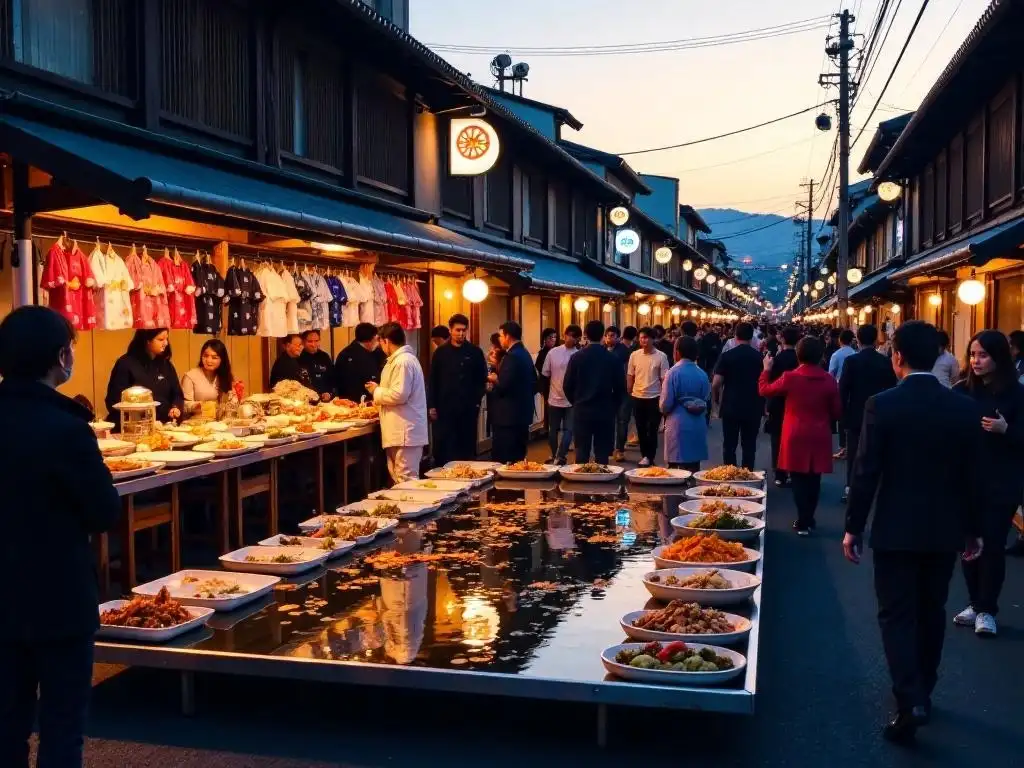
Moreover, festivals are an excellent opportunity to savor Japan’s diverse culinary landscape, with stalls offering everything from yakitori (grilled chicken skewers) to takoyaki (octopus balls). The atmosphere is often enhanced by vibrant music, traditional instruments, and dance performances that captivate both locals and tourists alike.
Best Practices for Attending Festivals
When planning to attend festivals in Japan, it’s essential to keep several best practices in mind to enhance your experience:
- Research Ahead: Festivals vary significantly in scale and significance. Research the dates, locations, and specific activities of the festivals you wish to attend to choose the ones that appeal to you most.
- Respect Local Customs: Each festival has its unique customs and etiquette. Observing and respecting these traditions, whether it's how to behave in shrines or participating in rituals, is crucial for a respectful experience.
- Arrive Early: Popular festivals can attract large crowds. Arriving early not only allows you to secure a good viewing spot but also offers the chance to explore vendor stalls and pre-festival activities.
- Stay Hydrated and Dress Comfortably: Festivals often require a lot of walking and standing. Be sure to wear comfortable clothing and shoes, and stay hydrated, especially during summer events.
- Use Public Transportation: Many festivals are held in urban areas where parking can be challenging. Using public transportation is often the most convenient way to reach festival sites.
Essential Products and Services for Festival-Goers
To make the most of your festival experience in Japan, consider bringing or purchasing the following products and services:
- Cash: Many small vendors may not accept credit cards, so having cash on hand is essential for purchasing food, drinks, and souvenirs.
- Portable Phone Charger: Festivals can last several hours, and capturing memories via photos and videos can drain your battery quickly. A portable charger ensures you stay connected.
- Festival Guidebooks or Apps: These can provide valuable information about festival schedules, maps, and descriptions of events, making navigation easier.
- Traditional Attire Rentals: Renting a yukata or kimono not only enhances your festival experience but also allows you to blend in with the local culture.
- Tasteful Souvenirs: Many festivals offer unique handmade crafts and local delicacies. Purchasing these items supports local artisans and provides you with memorable keepsakes.
Conclusion: The Future of Japan's Festival Scene
Japan's festival scene is continually evolving, reflecting the dynamic interplay between tradition and modernity. As global influences permeate, many festivals are adapting to include contemporary themes, technologies, and sustainability practices.
For instance, some festivals are incorporating digital elements, such as virtual reality experiences or live streaming, to engage a broader audience beyond geographical confines. Additionally, there is a growing emphasis on eco-friendly practices, with many festivals implementing measures to reduce waste and promote environmental awareness.
As Japan's society becomes increasingly interconnected, the blending of traditional and contemporary elements in festivals not only preserves cultural heritage but also ensures its relevance for future generations. Thus, visitors can expect an exciting and evolving landscape of festivals that honors the past while embracing the future. The eclectic mix of matsuri promises to remain a cornerstone of Japan's cultural identity, inviting both locals and tourists to partake in its rich celebrations for years to come.
Further Reading and Resources
To gain a deeper understanding of Japan's vibrant festival scene, both traditional and contemporary, a variety of resources are available that explore the historical, cultural, and social aspects of these events. Here are some recommended books, articles, and online platforms that provide valuable insights:
Books
- "Festivals of Japan: A Concise History" by David H. H. Kim
- This book delves into the history of festivals in Japan, exploring their origins, evolution, and significance. Kim provides a comprehensive look at how festivals have shaped Japanese culture and society over the centuries.
- "Japan's Festivals: A Celebration of Culture and Tradition" by Michael O. McDonald
- McDonald’s work highlights various festivals across Japan, detailing traditional practices while also examining modern adaptations. It includes photographs and personal anecdotes that bring the festivals to life.
- "The Spirit of the Festival: A Journey Through Japan's Seasonal Celebrations" by Ayako Tanaka
- This book focuses on the seasonal aspect of Japanese festivals, linking them to nature and agriculture. Tanaka discusses how these celebrations reflect the changing seasons and the Japanese worldview.
Articles and Journals
- "The Role of Festivals in Contemporary Japanese Society" (Journal of Japanese Studies)
- This scholarly article analyzes the relevance of festivals in modern Japan, emphasizing how they serve as a bridge between tradition and contemporary culture. It provides case studies of various festivals and their community impact.
- "Traditional Festivals and Their Transformation in Japan" (Cultural Anthropology Review)
- This article examines how traditional festivals have adapted to contemporary values and global influences. It offers insights into the challenges and opportunities faced by organizers in maintaining authenticity while appealing to modern audiences.
Online Platforms
- Japan National Tourism Organization (JNTO)
- The JNTO website features a dedicated section for festivals, providing a calendar of events, descriptions of major festivals, and insights into local customs. This resource is invaluable for travelers seeking to experience Japan's festivals firsthand.
- Japan Travel Blog
- This blog hosts numerous articles on various festivals across Japan, written by both locals and travelers. It includes tips on when to visit, what to expect, and how to participate in the festivities, making it a practical resource for festival-goers.
- YouTube Channels
- Channels like "Only in Japan" and "Japan Travel" often feature videos showcasing festivals, providing visual context and firsthand experiences. These videos can be a great way to see the festivals in action and understand their significance.
By exploring these resources, readers can enhance their appreciation of Japan's unique blend of traditional and contemporary festivals, gaining insights into the cultural fabric that defines these vibrant celebrations.
- Introduction to Japan's Festival Scene
- Understanding Traditional Japanese Festivals
- The Rise of Contemporary Festivals in Japan
- Characteristics of Contemporary Festivals
- Popularity and Globalization
- The Blend of Traditional and Contemporary Elements
- Examples of Hybrid Festivals
- The Impact of Tradition on Modern Celebrations
- Visitor Experience: Engaging with Japan's Festivals
- Conclusion: The Future of Japan's Festival Scene
- Further Reading and Resources
- What are the main characteristics of Japan's traditional festivals?
- How do contemporary festivals differ from traditional ones in Japan?
- Why are festivals important in Japanese culture?
- What is the significance of seasonal festivals in Japan?
- How can one experience both traditional and contemporary festivals in Japan?
Frequently Asked Questions
What are the main characteristics of Japan's traditional festivals?
Japan's traditional festivals often feature ancient rituals, colorful costumes, and music that reflect the cultural heritage of the region. They usually celebrate seasonal changes, historical events, or local deities.
How do contemporary festivals differ from traditional ones in Japan?
Contemporary festivals tend to incorporate modern elements, such as pop culture, technology, and global influences, while still retaining some aspects of traditional practices. This blend creates a unique festival experience.
Why are festivals important in Japanese culture?
Festivals play a crucial role in fostering community spirit, preserving cultural identity, and promoting local traditions. They are also a time for celebration, allowing communities to come together and share their heritage.
What is the significance of seasonal festivals in Japan?
Seasonal festivals mark the changing of seasons and are often tied to agricultural practices. They celebrate nature's cycles, express gratitude, and invoke blessings for the upcoming harvest.
How can one experience both traditional and contemporary festivals in Japan?
Visitors can explore both types of festivals by attending events during peak seasons, such as Hanami (cherry blossom viewing) for traditional experiences, and music or art festivals for contemporary vibes. This offers a comprehensive insight into Japan's rich festival culture.
Final Reflection: Embracing the Harmony of Tradition and Modernity in Japan's Festivals
The vibrant tapestry of Japan's festival scene beautifully illustrates how tradition and contemporary culture can coexist and enrich one another. In an era where globalization often threatens to overshadow local customs, Japan stands as a testament to the power of cultural resilience. The fusion of ancient rituals with modern expressions not only captivates visitors but also reinforces the significance of heritage in a rapidly changing world.
The interplay between traditional and contemporary elements in Japan's festivals reflects a broader cultural narrative that resonates deeply within society. This dynamic not only preserves the essence of age-old practices but also invites innovation and creativity, ensuring that these celebrations remain relevant to new generations. As noted by cultural historian Dr. Hiroshi Tanaka, Festivals are the heartbeat of a community, where the past and present dance together in a celebration of identity.
This sentiment underscores the importance of these festivals in fostering a sense of belonging and continuity amidst change.
As we reflect on the rich tapestry of Japan's festival scene, I invite you to consider how you can embrace the lessons of this cultural blend in your own life. Take a moment to explore your traditions and think about how they can evolve while still honoring their roots. Whether it's through participating in local events or simply sharing stories with friends and family, each of us has the power to keep our cultural narratives alive and vibrant. Let us celebrate the beauty of diversity and the strength found in the harmonious coexistence of tradition and modernity.
Experience the Vibrant Fusion of Tradition and Modernity!
Thank you for taking the time to explore the colorful tapestry of Japan's festival scene with us! You've gained insights into how these celebrations beautifully merge the old with the new. Now, it’s time to embrace this inspiration and take action!
- Dive deeper into the local culture: Consider attending a festival in your area or traveling to Japan for an authentic experience. Each festival offers a unique glimpse into the rich heritage and contemporary spirit of Japanese culture.
- Share your newfound knowledge: Discuss what you've learned about the fusion of traditions and innovations by sharing this article with friends or on social media. Engage others in conversations about cultural appreciation!
- Create your own festival-inspired event: Organize a small gathering that incorporates elements from both traditional and modern festivities. This can be a fun way to celebrate diversity in your community!
What aspect of Japan's festival culture intrigues you the most, and how can you incorporate those elements into your life or traditions?