
The Role of Samurai Armor in Feudal Japan: A Historical Perspective

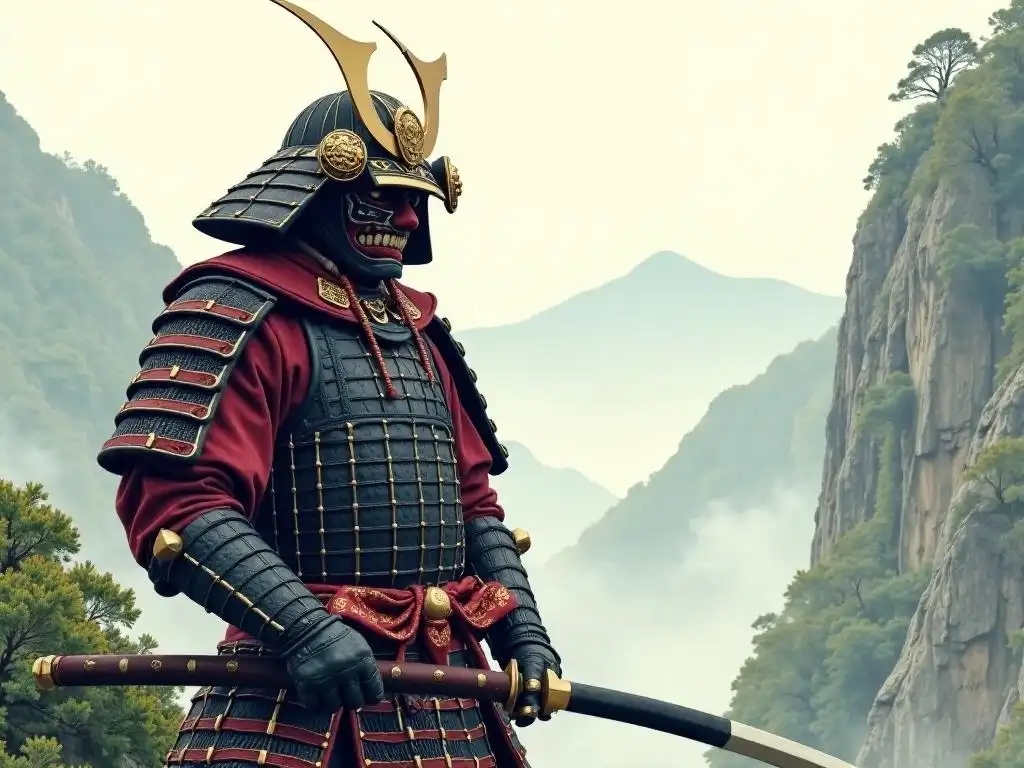
Welcome to Feudal Japan History, where we embark on a riveting journey through the complexities of Japan’s feudal era. Here, history comes alive as we delve into the rich tapestry of cultural, societal, and historical narratives that shaped this fascinating period.
In our featured article, “The Role of Samurai Armor in Feudal Japan: A Historical Perspective,” we uncover the intricate details and significance of samurai armor, revealing how these formidable garments were not just protective gear but symbols of status and artistry. Prepare to be captivated as you explore the world of the samurai and the profound impact of their armor on Japan's feudal history—your adventure awaits just a click away!
Introduction to Samurai Armor in Feudal Japan History
Samurai armor represents one of the most iconic symbols of Japan's feudal era, a time characterized by the rise of the samurai class and the intricate social hierarchies that defined Japanese society. Understanding the history of samurai armor is not merely a study of protective gear; it is a lens through which we can explore the values, artistry, and warfare strategies of feudal Japan. This exploration reveals how armor evolved over centuries, reflecting the dynamic culture and technology of the period.
From its earliest forms to the intricate designs that followed, samurai armor served both practical and ceremonial purposes. It was not only a safeguard in battle but also a status symbol, showcasing the wealth and rank of the wearer. This article delves into the multifaceted role of samurai armor in feudal Japan, examining its historical significance, cultural implications, and the craftsmanship that goes into creating modern replicas for display.
Historical Context of Samurai Armor in Feudal Japan
The historical backdrop of samurai armor is deeply intertwined with the development of the samurai class itself. Emerging during the Heian period (794-1185), samurai began as provincial warriors, gradually gaining prominence as they played pivotal roles in the power struggles that characterized subsequent eras. As warfare became more prevalent, so did the need for effective protection, leading to the development of specialized armor.
The Evolution of Samurai Armor
The evolution of samurai armor can be traced through several key periods:
- Heian Period: Early armor was relatively simple, often made from leather and textiles, offering basic protection.
- Kamakura Period (1185-1333): With the rise of the samurai class, armor became more sophisticated, incorporating metal plates and intricate lacing techniques.
- Muromachi Period (1336-1573): This era saw the introduction of the ō-yoroi, heavy armor designed for mounted warriors, and the dō-maru, which was lighter and favored by foot soldiers.
- Edo Period (1603-1868): Armor became more ornate and symbolic, reflecting the peace of the era. Decorative elements, including family crests and elaborate designs, became common.
Through these transitions, armor not only adapted to the changing nature of warfare but also mirrored the cultural values of each period, emphasizing honor, loyalty, and martial prowess.
Cultural Significance of Samurai Armor
Samurai armor transcended its practical function to embody the ethos of the samurai. It played a critical role in various cultural practices:
- Status and Identity: Armor was often personalized, with unique designs that communicated the wearer’s lineage and social standing.
- Rituals and Ceremonies: Samurai would don their armor for ceremonies, symbolizing readiness for battle and commitment to their lords.
- Artistry and Craftsmanship: The intricate designs of armor pieces became a form of artistic expression, showcasing the skill of artisans who crafted each piece with care.
In contemporary times, replicas of samurai armor serve as cultural artifacts that connect modern society with Japan’s rich feudal history, allowing enthusiasts to appreciate the artistry and significance of these historical pieces.
The study of samurai armor in feudal Japan provides a comprehensive understanding of its role within the broader historical, cultural, and societal framework, illustrating how these remarkable artifacts continue to captivate our imagination today.
Types of Samurai Armor in Feudal Japan
Samurai armor, known as yoroi, was meticulously crafted for both functionality and aesthetics during Japan's feudal era. The primary types of armor can be categorized into several distinct styles, each designed for specific combat situations and periods.
- O-yoroi (Great Armor): This type was primarily used in the 12th to 15th centuries. It was characterized by its large shoulder guards and layered construction, allowing for maximum protection while maintaining mobility. The O-yoroi was often adorned with intricate designs, reflecting the status of the samurai.
- Do-maru (Body Wrapped Armor): Emerging in the late 15th century, this armor was lighter and more streamlined than the O-yoroi. It featured a more form-fitting design that enabled greater agility on the battlefield. The Do-maru was particularly favored by cavalry samurai, as it allowed for easier movement during combat.
- Haramaki: This was a simpler form of armor, often made from leather or cloth, and was typically worn by lower-ranking samurai or as a secondary form of protection during informal battles. Its lightweight design made it suitable for quick skirmishes.
- Kabuto (Helmet): An essential component of samurai armor, the kabuto was designed not only for protection but also to intimidate opponents. Various styles, such as the hachi and suwari, showcased different designs, often embellished with crests that represented the samurai's clan.
Key Features of Samurai Armor
The design of samurai armor was a sophisticated blend of art and functionality. Some of the key features that defined samurai armor include:
- Layered Construction: Armor was typically made from multiple layers of materials, such as iron, leather, and silk. This layering provided enhanced protection against weapons while allowing flexibility.
- Artistic Embellishments: Samurai armor was often decorated with family crests ( mon), intricate patterns, and colorful lacquering. These embellishments served to convey the warrior's status and heritage.
- Mobility: A significant aspect of samurai armor was its ability to allow for movement. Artisans carefully designed the armor to ensure that samurai could fight, run, and maneuver effectively without being hindered.
- Adjustable Components: Many pieces of armor featured adjustable straps and fittings, enabling a customizable fit for the wearer. This adaptability was crucial for comfort during extended periods of use.
Different Styles of Samurai Armor
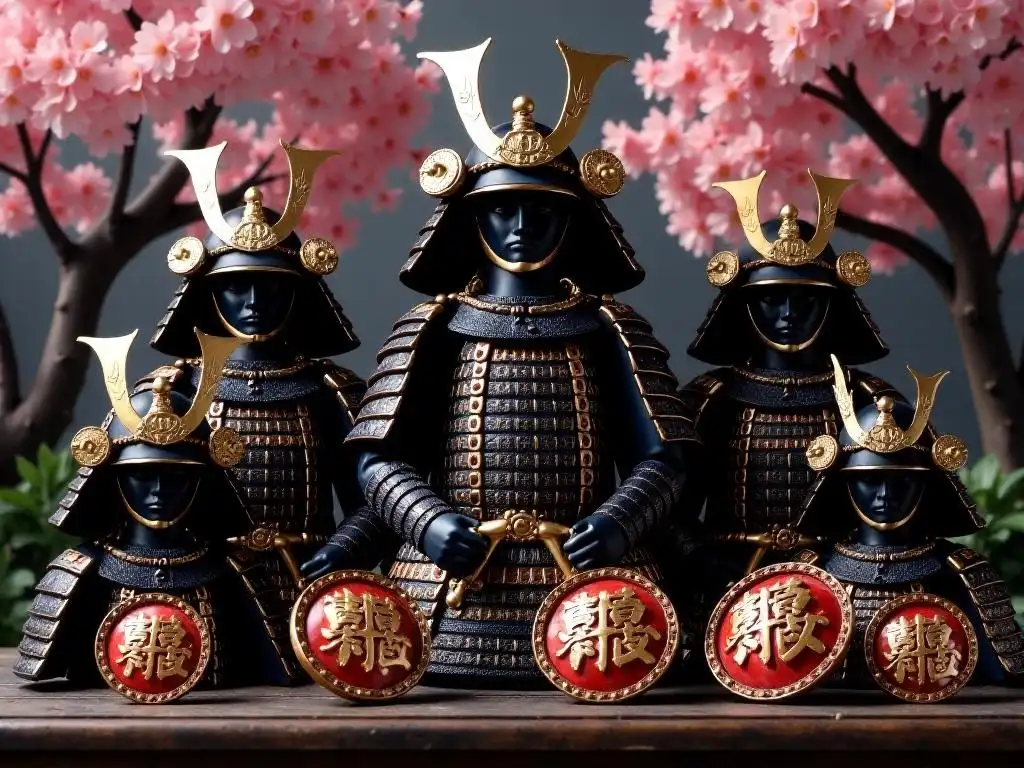
Throughout the feudal period, the styles of samurai armor evolved significantly, reflecting changes in warfare and societal norms. Notable styles include:
- Edo Period Armor (1603-1868): Characterized by its elegant designs and lighter materials, armor from this era often included elaborate helmets and vivid colors, focusing more on aesthetics than battlefield functionality.
- Kawari (Curious Armor): This style included unique and often unconventional designs that deviated from traditional forms. Some pieces were crafted to symbolize personal beliefs or individual artistic expressions.
- Suji Bachi: This helmet style, often associated with the Hōjō clan, featured a distinctive ridge and offered enhanced protection for the head.
- Tachi and Katana Compatibility: Armor designs during the late feudal era began to accommodate the use of the katana, leading to changes in the chest and shoulder designs to facilitate drawing the sword quickly.
The Role of Samurai Armor in Warfare
Samurai armor played a pivotal role in the context of warfare during feudal Japan. Its design and functionality were crucial in shaping the dynamics of battle, influencing tactics and combat strategies.
Functionality and Protection in Battle
The primary purpose of samurai armor was to provide protection against various weapons, including arrows, swords, and spears. The layered materials effectively absorbed and deflected blows, minimizing injuries to the wearer.
Additionally, the armor's design allowed for quick movement and agility, which were essential in both offense and defense. Samurai could engage in swift attacks while remaining shielded from enemy strikes. The overall effectiveness of samurai armor in battle contributed to the samurai's reputation as elite warriors, capable of withstanding the rigors of combat.
Famous Battles Involving Samurai Armor
Several renowned battles highlighted the significance of samurai armor in warfare:
- The Battle of Sekigahara (1600): This decisive battle marked the end of the Sengoku period and the rise of the Tokugawa shogunate. Samurai armor played a crucial role in the fierce fighting, with warriors clad in elaborate yoroi demonstrating both protection and the prestige of their clans.
- The Genpei War (1180-1185): A conflict between the Taira and Minamoto clans, this series of battles showcased various styles of samurai armor as warriors adapted their gear to the changing dynamics of warfare.
- The Siege of Osaka (1614-1615): During this significant siege, the effectiveness of samurai armor was tested against artillery and siege tactics, leading to innovations in armor design to counter new threats.
Samurai armor was not merely a protective gear but a symbol of status and identity, intricately linked to the cultural and historical fabric of feudal Japan. Its evolution reflected the changing landscape of warfare, making it an essential element in the legacy of the samurai.
Samurai Armor Today: Replicas and Collectibles
In contemporary society, samurai armor has transitioned from a functional battle attire to a cherished collectible and decorative item. Replicas of samurai armor are particularly popular among enthusiasts and collectors who appreciate the intricate craftsmanship and historical significance of these artifacts. The artistry involved in creating these replicas often mirrors the original designs, employing traditional techniques and materials to capture the essence of feudal Japan. These replicas serve not only as aesthetic enhancements to homes and museums but also as educational tools that inform people about Japan’s rich martial history.
Many artisans and craftsmen specialize in producing high-quality replicas that reflect the diverse styles of samurai armor from various periods. From the elaborate and colorful kabuto (helmets) to the layered do (torso armor), each piece tells a story of its own. Collectors often seek out these items to display their appreciation for Japanese culture, and the market for samurai armor replicas continues to grow, driven by a global fascination with Japan's feudal era.
The Market for Samurai Armor Replicas
The market for samurai armor replicas has witnessed significant growth, fueled by both domestic and international demand. Collectors, history buffs, and fans of Japanese culture are increasingly interested in acquiring authentic-looking replicas that reflect the historical significance of the samurai class. Various online platforms and specialty shops offer a wide range of samurai armor replicas, from budget-friendly options to high-end custom pieces crafted by skilled artisans.
Prices for these replicas can vary greatly, ranging from a few hundred dollars for basic models to several thousand for intricately detailed and hand-forged pieces. This diversity in price points allows collectors of all levels to engage with the market. Additionally, many manufacturers and artisans provide customization options, allowing buyers to request specific features or designs that resonate with their personal tastes or historical preferences.
The rise of social media and online communities has also played a pivotal role in the expansion of the samurai armor replica market. Enthusiasts share their collections, knowledge, and experiences, fostering a vibrant community that promotes the appreciation of samurai culture.
Displaying Samurai Armor Replicas
Displaying samurai armor replicas can be a rewarding experience that enhances both personal spaces and public exhibitions. When it comes to home decor, many collectors choose to showcase their armor in dedicated display cases or on stands that highlight the craftsmanship and intricate details of each piece. The use of proper lighting can also enhance the visual appeal of the armor, drawing attention to specific features such as ornate designs or historical insignia.
In public settings, such as museums or cultural exhibitions, samurai armor replicas are often displayed alongside informative placards that provide context about their historical significance. This educational aspect not only enriches the viewing experience but also fosters a deeper understanding of feudal Japan's martial traditions and the cultural importance of the samurai class.
When curating a display, it's essential to consider the arrangement and presentation. Grouping armor pieces with related artifacts, such as weapons or traditional textiles, can create a cohesive narrative that captivates viewers. Additionally, maintaining the integrity of the armor by protecting it from direct sunlight and environmental damage is crucial for preserving the quality of these valuable replicas.
Conclusion: The Enduring Legacy of Samurai Armor in Japanese History
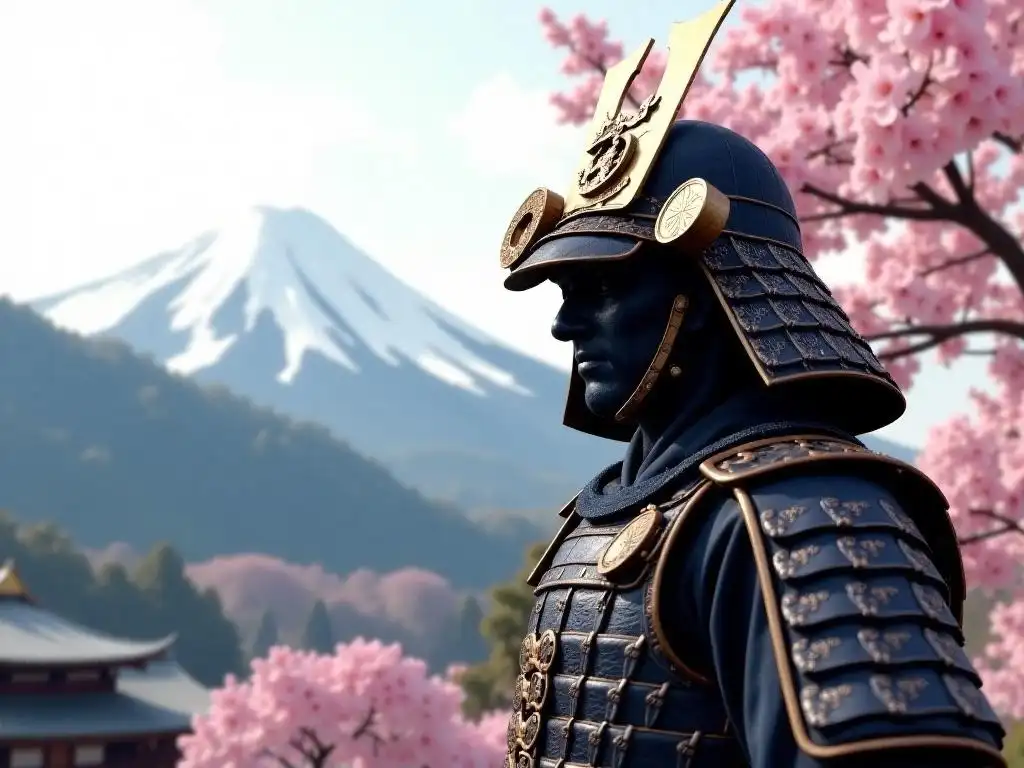
Samurai armor serves as a powerful symbol of Japan's feudal past, encapsulating the spirit, bravery, and artistry of the samurai class. The legacy of samurai armor extends beyond its historical function; it has evolved into an enduring cultural icon that continues to inspire admiration and fascination around the globe. Today, with the availability of high-quality replicas, people can engage with this rich history in a tangible way, allowing them to appreciate the craftsmanship and significance of these artifacts.
The market for samurai armor replicas demonstrates the ongoing interest in feudal Japan's history and culture, making it accessible to a wider audience. As collectors and enthusiasts share their passion for samurai armor, they help preserve this unique aspect of Japanese heritage for future generations. Ultimately, the enduring legacy of samurai armor reflects not only the martial prowess of the samurai but also the artistry and cultural richness of Japan's feudal era, ensuring that this history remains alive and relevant today.
Additional Resources for Further Exploration
For those interested in diving deeper into the fascinating world of samurai armor in feudal Japan, numerous resources are available that offer expert analyses, historical insights, and cultural context. Here are some recommended materials:
- Books:
- Samurai Armor: The Japanese Warrior's Battle Dress by David J. McCawley - A comprehensive guide detailing the design, function, and evolution of samurai armor.
- The Samurai: A Military History by Stephen Turnbull - This book provides a broad overview of samurai culture and warfare, including insights into their armor.
- Documentaries:
- Secrets of the Samurai Sword - This documentary explores the craftsmanship behind samurai swords, which often complement the armor, providing a holistic view of the warrior's gear.
- The Last Samurai - A film that, while fictional, offers a visual representation of the samurai era and their iconic armor.
- Online Courses:
- Websites like Coursera and Udemy often offer courses on Japanese history, including courses that touch on the samurai era and their armor.
- Museums:
- The Tokyo National Museum features exhibitions on samurai armor, showcasing authentic pieces and providing historical context.
- The Samurai and Ninja Museum with Experience in Kyoto offers an interactive experience where visitors can learn about samurai armor and even try on replicas.
Engaging with these resources can provide a richer understanding of the significance of samurai armor within the broader context of feudal Japan's history and culture.
Call to Action
If you find the history and craftsmanship of samurai armor in feudal Japan as captivating as we do, consider exploring our collection of samurai armor replicas for display. Each piece is crafted with attention to detail, allowing you to bring a piece of this rich cultural heritage into your home or office.
- Start your collection today and celebrate the artistry of the samurai!
- Join our community of enthusiasts and share your passion for Japan's feudal history.
- Subscribe to our newsletter for updates on new arrivals, historical insights, and exclusive offers related to samurai armor replicas.
Embrace the legacy of the samurai and let their spirit inspire you! 🥋✨
- Introduction to Samurai Armor in Feudal Japan History
- Historical Context of Samurai Armor in Feudal Japan
- Types of Samurai Armor in Feudal Japan
- Key Features of Samurai Armor
- Different Styles of Samurai Armor
- The Role of Samurai Armor in Warfare
- Samurai Armor Today: Replicas and Collectibles
- Conclusion: The Enduring Legacy of Samurai Armor in Japanese History
- Additional Resources for Further Exploration
- Call to Action
- What was the purpose of samurai armor in feudal Japan?
- How did samurai armor evolve throughout the feudal era?
- What materials were commonly used in the construction of samurai armor?
- How did cultural influences shape the design of samurai armor?
- What is the significance of samurai armor in today's understanding of feudal Japan history?
Frequently Asked Questions
What was the purpose of samurai armor in feudal Japan?
The primary purpose of samurai armor was to provide protection during battles while allowing for mobility. It was essential for the samurai's role as warriors in the feudal society.
How did samurai armor evolve throughout the feudal era?
Samurai armor evolved significantly, reflecting changes in battle tactics, technology, and aesthetic preferences over the centuries, leading to more functional and stylish designs.
What materials were commonly used in the construction of samurai armor?
Samurai armor was typically made from iron, leather, and silk, with layers designed for both durability and flexibility, crucial for combat effectiveness.
How did cultural influences shape the design of samurai armor?
The design of samurai armor was greatly influenced by cultural traditions, including religious beliefs and aesthetic values, which emphasized beauty alongside functionality.
What is the significance of samurai armor in today's understanding of feudal Japan history?
Today, samurai armor serves as a symbol of the warrior class in feudal Japan, providing insights into the social structure, values, and artistry of that era.
Final Reflection: The Enduring Legacy of Samurai Armor in Feudal Japan
The intricate design and cultural significance of samurai armor in feudal Japan resonate deeply in today's world, reminding us of the values of honor, discipline, and craftsmanship that transcended time. As we explore the historical context and evolution of these remarkable artifacts, we uncover not just their practical utility in battle but also their role as symbols of identity and status. The legacy of samurai armor is a testament to how history shapes our understanding of courage and artistry, urging us to appreciate the stories woven into the fabric of our past.
The influence of samurai armor extends far beyond the battlefields of ancient Japan; it has permeated modern culture, inspiring art, literature, and even fashion. This connection to our cultural heritage fosters a sense of pride and continuity. As we admire the beauty and complexity of these armors, we are reminded of the words of the historian John K. Fairbank: History is like a vast tapestry, where every thread contributes to the overall picture.
Each piece of armor tells a story, reflecting the values and struggles of the samurai, and by extension, the society they represented.
As we reflect on the lessons of samurai armor, let us embrace the spirit of resilience and honor that it embodies. I invite you to consider how these principles can be applied in your own life, whether in facing challenges with courage or in valuing the craftsmanship of your own endeavors. Take a moment to reflect on your personal journey and the armor you wear—both literal and metaphorical. In doing so, we honor the past while forging a path toward a future that respects and learns from the legacies of those who came before us.
Unveil the Legacy of Samurai Armor: Take Action Today!
Thank you for diving into the fascinating world of samurai armor and its significance in feudal Japan. You've explored the intricate designs, cultural meanings, and historical context that shape this remarkable art form. Now, it's time to put that knowledge into action!
Here are a few ways you can continue your journey:
- Explore a local museum or historical site to see samurai armor up close. Many institutions now offer virtual tours if you're unable to visit in person!
- Join an online forum or community dedicated to the study of feudal history. Share your insights or ask questions to foster deeper connections with fellow enthusiasts.
- Consider expanding your understanding of samurai culture through a variety of books or documentaries. Delving deeper can reveal even more hidden gems of history.
As you reflect on the legacy of samurai armor, here's a question to ponder: What aspect of samurai culture do you find most intriguing, and how has it influenced modern society today?