
Feudal Castles and Their Influence on Modern Japanese Architecture


Welcome to Feudal Japan History, where we invite you to embark on a captivating journey through the intricate tapestry of Japan’s feudal era. Dive into the fascinating world of feudal castles in Japan, where ancient fortifications whisper stories of power, defense, and architectural innovation that still resonate in modern Japanese design. As you explore our in-depth articles, you'll uncover the profound influence these majestic structures have had on today’s landscapes and culture. Are you ready to unlock the secrets of the past and see how they shape the present? Let your adventure begin!
- Introduction to Feudal Castles in Japan
- Historical Context of Feudal Castles in Japan
- Architectural Features of Feudal Castles in Japan
- Notable Feudal Castles to Visit in Japan
- The Influence of Feudal Castles on Modern Japanese Architecture
- Cultural Symbolism of Feudal Castles in Japan
- Preservation Efforts for Feudal Castles in Japan
- Conclusion: The Lasting Legacy of Feudal Castles in Japan
- Frequently Asked Questions
- Final Reflection: The Enduring Legacy of Feudal Castles in Modern Japanese Architecture
- Embrace the Legacy: Explore Modern Japanese Architecture!
Introduction to Feudal Castles in Japan
Feudal castles, known as shiro in Japanese, are not only architectural marvels but also profound symbols of Japan's tumultuous history during the feudal era. This period, which spanned from the 12th to the 19th century, was characterized by the rise of powerful samurai clans, territorial disputes, and the consolidation of power under various shogunates.
These majestic structures served not just as fortifications against rival clans but also as administrative centers and residences for the ruling elite. This article delves into the fascinating world of feudal castles in Japan, exploring their architectural significance, societal roles, and lasting influence on modern Japanese architecture.
Overview of Feudal Japan and Its Architectural Significance
The architectural landscape of feudal Japan is a testament to the ingenuity and strategic thinking of its builders. During this period, the design and construction of castles were deeply influenced by the need for defense, status, and cultural expression.
-
Defensive Features
Many feudal castles were built on elevated ground or surrounded by moats, making them difficult to access during sieges. Key defensive elements included:
- Stone walls and towers: These provided strongholds against attacks.
- Gatehouses: Often the most fortified parts of the castle, preventing unauthorized entry.
- Watchtowers: Used for surveillance and signaling.
-
Cultural Aspects
Beyond mere fortifications, these castles were also centers of culture and governance. They often featured:
- Tea houses: Where samurai would host important guests.
- Gardens: Designed to reflect the beauty of nature, enhancing the aesthetic appeal of the castle.
- Artistic elements: Murals and carvings depicting historical events, clan symbols, and local folklore.
-
Influence on Modern Architecture
The design principles of feudal castles have significantly influenced contemporary Japanese architecture, blending practicality with aesthetics. Elements such as:
- Layered roofs: Inspired modern urban buildings.
- Use of natural materials: Continuously employed in modern designs to reflect harmony with nature.
The Role of Feudal Castles in Japanese Society
Feudal castles were not merely military structures; they played a crucial role in the social, political, and economic fabric of Japan during the feudal era.
-
Centers of Power
Each castle was a symbol of authority for the ruling daimyō, serving as a base for administration and military operations. The presence of a castle often indicated the strength and influence of a clan within a region.
-
Cultural Hubs
Castles were vibrant centers for cultural exchange, where samurai, merchants, and artisans would gather. Events such as festivals, martial arts contests, and tea ceremonies flourished within their walls, fostering a rich cultural tapestry.
-
Impact on Local Economies
The construction and maintenance of these castles stimulated local economies, creating jobs for builders, artisans, and farmers. The surrounding towns often grew in response to the economic activities generated by the castle.
Feudal castles in Japan represent a fascinating intersection of military strategy, cultural development, and architectural innovation. As we explore these historic sites further, we will uncover the intricate details of their construction, their stories, and their enduring legacy in modern Japanese society and architecture.
Historical Context of Feudal Castles in Japan

The Emergence of Feudalism and Castle Development
The feudal era in Japan, spanning from the 12th to the 19th century, marked a significant transformation in the political and social landscape of the country. This period was characterized by a system where land was held in exchange for service and loyalty, fundamentally altering the dynamics of power among the samurai class and landowners.
Origins of Feudalism
Feudalism in Japan emerged during the late Heian period (794-1185) as the central government began to lose its grip on power. The rise of regional warlords, known as daimyos, necessitated the construction of fortified structures to protect their territories from rival clans and banditry. These early fortifications laid the groundwork for what would eventually evolve into the iconic feudal castles.
Architectural Evolution
The architectural design of these castles underwent significant changes over time. Initially, they were simple wooden fortresses built on raised platforms or hills, called hirayamajiro. However, as the need for defense grew, so did the complexity of their designs. By the late 15th century, castles began to feature multiple layers of fortifications, stone walls, and moats, leading to the emergence of the more elaborate shiro (white castles) that we recognize today.
Cultural Significance
Feudal castles not only served military purposes but also became symbols of power and prestige. The architecture of these castles reflected the wealth and status of the ruling samurai, often adorned with intricate carvings and decorative features that showcased the artistry of the period. The blend of functionality and aesthetics in castle construction established a unique architectural style that would influence later Japanese structures.
Key Historical Figures and Their Influence on Castle Design
Several key historical figures played pivotal roles in the design and construction of feudal castles in Japan. Their vision and innovations significantly shaped the architectural landscape of the era.
Minamoto no Yoritomo
As the founder of the Kamakura shogunate, Minamoto no Yoritomo was instrumental in establishing the first military government in Japan. His castle in Kamakura (Kamakura-juku) set a precedent for future castle designs, emphasizing strategic placement and defensive features. Yoritomo's use of natural landscapes for fortification became a hallmark of subsequent castle construction.
Toyotomi Hideyoshi
Toyotomi Hideyoshi, one of Japan’s most famous unifiers, is credited with the construction of Osaka Castle in the late 16th century. This castle was a technological marvel of its time, featuring advancements such as stone walls and intricate wooden structures. Hideyoshi’s emphasis on grandeur and aesthetics influenced the design of castles, making them not only military strongholds but also symbols of the unification and prosperity of Japan.
Tokugawa Ieyasu
The founder of the Tokugawa shogunate, Tokugawa Ieyasu, further refined castle architecture with the construction of Edo Castle, which became the political center of Japan during the Edo period. Ieyasu’s designs incorporated extensive gardens, administrative buildings, and residential areas, reflecting a shift towards a more centralized governance system. The architectural style of Edo Castle would later inspire modern Japanese castles, blending practicality with beauty.
Conclusion
The historical context of feudal castles in Japan reveals a complex interplay of military necessity, political power, and cultural expression. The influence of key historical figures and their innovative designs laid the groundwork for the architectural heritage that continues to shape modern Japanese buildings. Understanding this evolution not only enriches our appreciation of feudal castles but also highlights their enduring impact on contemporary architecture in Japan.
Architectural Features of Feudal Castles in Japan
Feudal castles in Japan, known as shiro, are remarkable structures that reflect the architectural ingenuity and cultural values of the time. These castles served not only as military fortifications but also as symbols of power and prestige for the samurai class. The design and construction of these castles were influenced by various factors, including geography, available materials, and the overarching need for defense.
Unique Structural Elements of Japanese Castles
Japanese feudal castles are characterized by several unique structural elements that set them apart from Western castles:
- Tenshu (Main Keep): The tenshu is the most prominent feature of a Japanese castle, often rising above the surrounding landscape. It typically has multiple floors, with the top floor reserved for the lord or commander. The design is both functional and aesthetic, often featuring ornate decorations and intricate wooden craftsmanship.
- Moats: Many feudal castles were surrounded by moats, which served the dual purpose of defense and water supply. These moats were filled with water and sometimes lined with stone, making them difficult to cross for invading forces.
- Stone Foundations: Unlike the traditional wooden structures prevalent in other regions, Japanese castles often incorporated stone foundations, enhancing their stability and durability. The use of stones also provided additional protection against fire, a significant threat during the feudal period.
- Yagura (Watchtowers): Strategic watchtowers, or yagura, were integrated into the castle’s design to provide a vantage point for spotting potential threats. These towers were often built at the corners of the castle walls, enhancing both defensive capabilities and aesthetic appeal.
- Kuruwa (Bailey): The bailey is an enclosed courtyard within the castle grounds. It served as a gathering space for troops and a place for various activities, such as ceremonies and markets. The layout of the kuruwa was carefully planned to ensure security and functionality.
The Aesthetic Influence of Nature in Castle Architecture
The architecture of feudal castles in Japan is deeply intertwined with the natural landscape, reflecting a philosophy that values harmony with nature. This aesthetic influence manifests in several ways:
- Integration with Surroundings: Many castles were built on elevated terrain or near mountains, allowing them to blend seamlessly into the landscape. This strategic positioning not only provided a tactical advantage but also enhanced the visual appeal of the castles.
- Gardens and Landscaping: Castle grounds often featured meticulously designed gardens that complemented the architectural elements. These gardens included ponds, stone lanterns, and pathways, creating tranquil spaces that offered respite from the rigors of feudal life.
- Use of Natural Materials: The materials used in constructing feudal castles were often sourced locally, further emphasizing the connection to the surrounding environment. Wood, stone, and clay were commonly employed, allowing the structures to harmonize with their natural settings.
- Symbolic Elements: Many castles incorporated symbolic elements that reflected the beliefs and values of the time. For instance, the use of certain plants or motifs in the design could signify prosperity, protection, or the impermanence of life, aligning with the Buddhist philosophy prevalent in Japanese culture.
- Seasonal Considerations: The layout and design of feudal castles often took into account the changing seasons. Strategic openings and window placements allowed for optimal light and ventilation, enhancing the comfort of the inhabitants while also allowing them to appreciate the beauty of the changing landscape.
The architectural features of feudal castles in Japan not only served practical purposes but also embodied the aesthetic values of a society deeply connected to nature. These elements continue to influence modern Japanese architecture, making the exploration of these historic structures a captivating journey for travelers and history enthusiasts alike.
Notable Feudal Castles to Visit in Japan

Exploring the feudal castles in Japan offers a fascinating glimpse into the country's rich history and architectural advancements. These castles are not only significant for their military purposes but also serve as a testament to the culture and artistry of the era. Below, we delve into two of the most notable feudal castles that attract visitors from around the world.
Himeji Castle: The Icon of Japanese Architecture
Historical Significance and Architectural Features
Himeji Castle, often referred to as "Shirasagi-jō" or "White Heron Castle," is a UNESCO World Heritage Site and a prime example of traditional Japanese castle architecture. Completed in the early 17th century, it stands as an architectural marvel due to its intricate wooden construction and elegant design.
- Design: Himeji Castle is known for its striking white exterior, which has earned it the nickname "White Heron." The castle features a complex layout with multiple baileys and defensive structures, designed to confuse potential attackers.
- Defensive Innovations: A crucial aspect of its design includes the use of steep stone walls, moats, and strategic positioning on a hilltop, making it nearly impregnable. The castle also incorporates numerous loopholes and hidden passageways for defenders.
- Cultural Impact: Beyond its military function, Himeji Castle has played a significant role in Japanese culture, symbolizing strength and resilience. It has been featured in various films and literature, further solidifying its place in Japanese heritage.
Visitor Information and Accessibility
Visiting Himeji Castle is a delightful experience for history enthusiasts and casual tourists alike. Here are essential details for planning a visit:
- Location: Himeji City, Hyōgo Prefecture.
- Opening Hours: The castle is open daily from 9:00 AM to 5:00 PM, with extended hours during peak seasons.
- Admission Fee: Entrance fees vary, but adult tickets typically cost around 1,000 yen.
- Accessibility: The castle is easily accessible by public transportation, with Himeji Station being the nearest railway hub. A short 15-minute walk will lead you to the castle grounds.
- Facilities: Visitor facilities include multilingual signage, guided tours, and a museum that displays artifacts related to the castle's history.
Matsumoto Castle: The Black Crow Castle
Unique Design Elements and Historical Importance
Matsumoto Castle, known as "Karasu-jō" or "Black Crow Castle," is one of Japan's most beautiful and well-preserved castles. Its distinctive black exterior and elegant profile against the backdrop of the Japanese Alps make it a remarkable site to visit.
- Architectural Style: Constructed in the late 16th century, Matsumoto Castle showcases the "hirajiro" style, meaning it was built on flat ground rather than elevated terrain. The castle features a unique combination of defensive structures and aesthetic elements, such as the prominent curved roofs and wooden construction.
- Historical Role: The castle served as a stronghold for the Matsumoto clan and played a strategic role during the feudal period. Its design reflects both function and beauty, illustrating the dual priorities of defense and artistry in feudal Japanese architecture.
- Cultural Significance: Matsumoto Castle is also a designated Important Cultural Property, reflecting its importance in Japanese history and architecture. It hosts various cultural events and festivals throughout the year, drawing visitors interested in traditional Japanese culture.
Tips for Visiting Matsumoto Castle
For those planning to explore Matsumoto Castle, here are some tips to enhance your visit:
- Location: Located in Matsumoto City, Nagano Prefecture.
- Opening Hours: The castle is open year-round, with hours typically from 9:00 AM to 5:00 PM.
- Admission Fee: The entry fee is approximately 600 yen for adults, with discounts for children and seniors.
- Transportation: Accessible via Matsumoto Station, the castle is just a 15-minute walk from the station. Local buses also provide service to the castle grounds.
- Photography: The best time for photography is during the cherry blossom season in spring and the autumn foliage period, when the castle is surrounded by vibrant colors.
- Local Attractions: Consider exploring the nearby Matsumoto City Museum of Art and the picturesque Nakamachi Street, known for its traditional wooden buildings and shops.
Visiting these notable feudal castles not only provides insight into Japan's historical military architecture but also offers a unique opportunity to experience the cultural heritage that continues to shape modern Japanese society.
Kumamoto Castle: Resilience and Reconstruction
Kumamoto Castle, located in Kumamoto Prefecture, is one of Japan's most impressive feudal castles, renowned for its striking architecture and significant historical importance. Constructed in the early 17th century by the powerful Kato clan, this castle not only served as a military stronghold but also as a symbol of the clan's wealth and power. The castle is characterized by its unique black and white color scheme, massive stone walls, and a series of elegant towers, making it a stunning example of Japanese feudal architecture.
Despite enduring extensive damage during the Meiji Restoration and World War II, Kumamoto Castle demonstrated remarkable resilience. However, the most devastating blow came in April 2016, when a series of earthquakes struck the region, causing severe structural damage. The aftermath of these natural disasters has been a pivotal moment in the castle's history, leading to significant reconstruction efforts aimed at preserving its grandeur while ensuring it meets modern safety standards.
Architectural Marvels and Historical Context
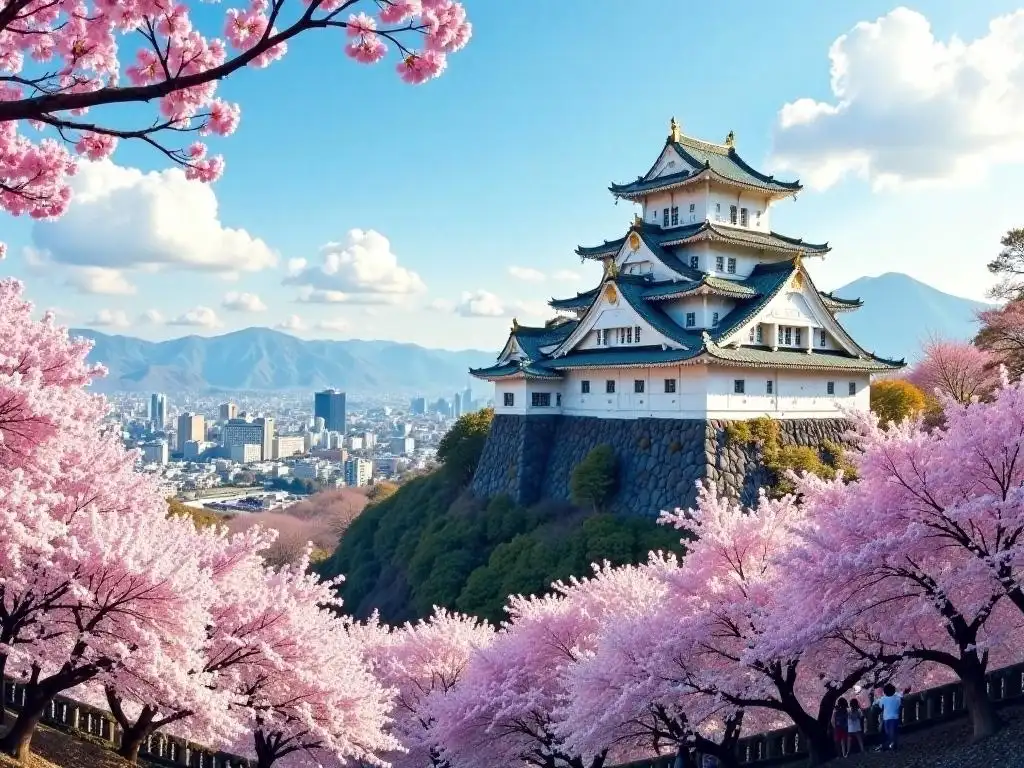
The architectural design of Kumamoto Castle is a testament to the ingenuity and craftsmanship of the period. The castle features a complex layout that includes multiple baileys, stone walls, and defensive structures, all strategically positioned to enhance its fortification against potential invaders. One of the most notable elements is the "Tenshukaku," or main keep, which stands at an impressive five stories and offers panoramic views of the surrounding landscape.
The historical context of the castle reflects the turbulent times of the Edo period. It was a central command post during the Satsuma Rebellion of 1877, where the castle's defenses were put to the test against rebel forces. This period not only highlights the castle's military significance but also its role in shaping Japan's history during a time of social and political upheaval. Today, the architectural marvels of Kumamoto Castle serve as a window into Japan's feudal past, attracting historians, architecture enthusiasts, and tourists alike.
Current State and Visitor Experience
Currently, Kumamoto Castle is undergoing extensive restoration work, with many areas still accessible to visitors, allowing them to experience its grandeur firsthand. The reconstruction efforts are focused on restoring the castle to its former glory while incorporating modern safety features. Visitors can explore the outer grounds, admire the meticulously maintained gardens, and view the ongoing restoration projects.
The visitor experience at Kumamoto Castle is enriched by informative exhibitions that detail the castle's history, architectural features, and the challenges faced during the reconstruction process. Guided tours are available, providing insights into the castle's significance and its place within the broader context of Japanese history. Moreover, the surrounding area features various attractions, including local shops and eateries, where visitors can enjoy traditional Kumamoto cuisine.
A visit to Kumamoto Castle offers a unique blend of history, culture, and architectural beauty, making it a must-see destination for anyone interested in the feudal castles of Japan.
The Influence of Feudal Castles on Modern Japanese Architecture
Feudal castles in Japan, known as shiro, have played a pivotal role in shaping the architectural landscape of the country. Their influence extends beyond mere historical significance, as many principles and aesthetics from these majestic structures continue to resonate in contemporary Japanese architecture. This section explores how the design and functionality of feudal castles have permeated modern building practices, showcasing a fascinating continuity that links Japan’s past to its present.
Continuity of Design Principles from Feudal Castles to Modern Structures
The architectural essence of feudal castles is characterized by specific design principles that have been adapted and preserved in modern constructions. Some key elements include:
- Natural Integration: Feudal castles were often built with a strong emphasis on harmonizing with their natural surroundings. This respect for nature remains evident in modern architecture, where buildings are designed to blend seamlessly with landscapes.
- Modular Structures: The layout of feudal castles typically featured a series of interconnected, modular spaces, which can be seen in contemporary designs that prioritize functionality and flexibility.
- Defensive Features: Elements like moats, stone walls, and elevated positions were common in feudal castles. Today, while the context has shifted, the emphasis on security and safety in urban designs can be traced back to these historical features.
- Use of Wood and Earth: Traditional craftsmanship employed materials like wood and earth, emphasizing durability and aesthetic appeal. This principle continues to be prevalent, as modern architects often incorporate sustainable materials to echo the past while addressing contemporary environmental concerns.
The enduring impact of these design principles illustrates not only a respect for history but also an understanding of how these elements can be adapted for modern needs.
Case Studies of Contemporary Buildings Inspired by Feudal Castles
Several modern buildings exhibit direct inspiration from feudal castles, showcasing how these historical designs can influence contemporary architecture. Here are a few notable examples:
- Osaka Castle Park Museum: This museum not only houses artifacts from the feudal era but also mimics the architectural style of the original Osaka Castle, integrating traditional forms with modern exhibition spaces.
- Nagoya City Hall: The design of this civic building reflects the grandeur of feudal castles, particularly in its roofline and use of ornamental details that echo the aesthetic of samurai-era architecture.
- Hiroshima Peace Memorial Museum: While primarily a memorial site, the structure incorporates elements reminiscent of feudal castles, such as stone facades and layered roofing, symbolizing resilience and remembrance.
In each of these cases, the architectural language of feudal castles has informed not only the aesthetic choices but also the functional aspects, creating spaces that honor history while serving modern purposes.
The Role of Feudal Architecture in Urban Planning Today
Feudal castles have also left a profound mark on urban planning in Japan. Their strategic placements often dictated the development of surrounding areas, a practice that continues today. Key considerations include:
- Centralized Community Design: Many modern cities in Japan reflect the historical practice of placing significant structures, like temples or government buildings, at the heart of a community, much like the central keep of a feudal castle.
- Public Spaces: The landscapes around feudal castles often included gardens and open spaces, fostering community interaction. Modern urban planning similarly emphasizes the importance of public parks and gathering spaces, promoting social cohesion.
- Cultural Heritage Preservation: As cities expand, maintaining and integrating historical sites, including feudal castles, into urban designs has become essential. This preservation ensures that the cultural narrative continues to inform contemporary city life.
The influence of feudal castles in Japan is deeply ingrained in modern architecture and urban planning. By understanding and integrating these historical elements, contemporary designs not only pay homage to Japan's rich heritage but also create functional, sustainable environments that meet the needs of today's society.
Cultural Symbolism of Feudal Castles in Japan
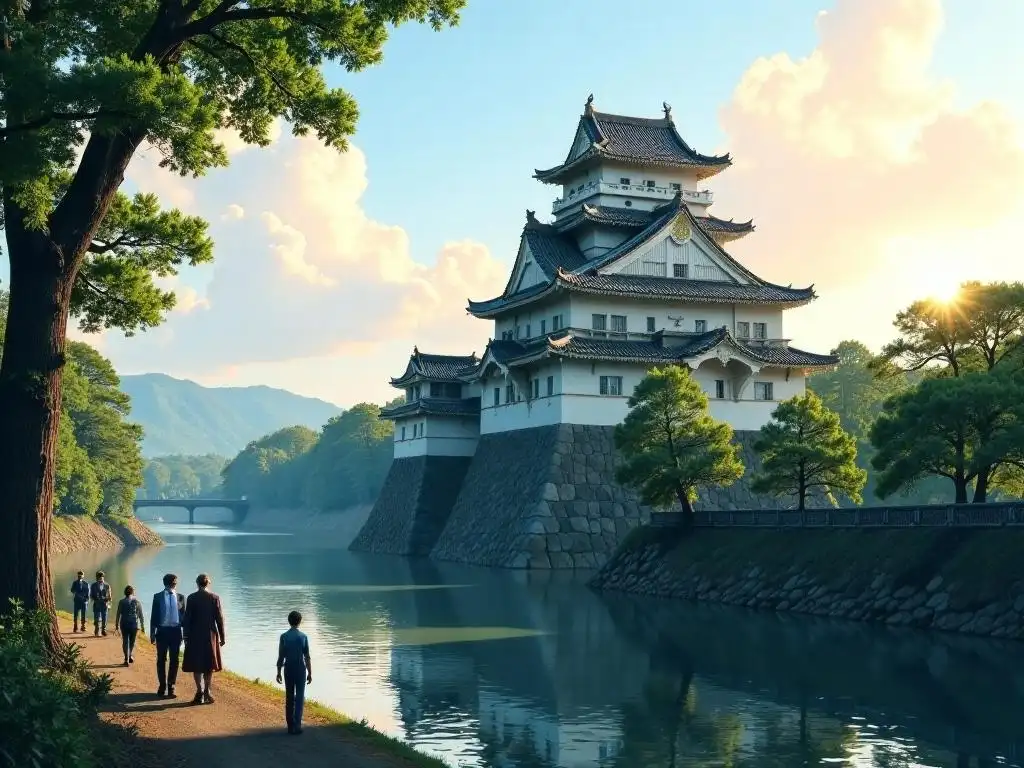
Castles as Symbols of Power and Protection
Feudal castles in Japan, known as "shiro," served not just as military fortifications but also as potent symbols of power and authority during the feudal era. Constructed primarily from wood and stone, these structures were designed to withstand sieges and demonstrate the might of their lords. The strategic placement of castles on elevated terrain or near rivers further enhanced their defensive capabilities, symbolizing the control the samurai had over their territories.
- Architectural Features: The design of these castles often featured tall stone walls, moats, and multiple layers of gates, known as "sakuradate," which were intended to slow down attackers. The main keep, or "tenshu," rose prominently, signifying the lord's power and serving as a residence and command center.
- Cultural Significance: Beyond their military function, feudal castles became cultural hubs, hosting ceremonies, festivals, and gatherings of the samurai class. This dual role as a fortress and a cultural center helped solidify the castles' status as symbols of prestige and heritage.
As Japan transitioned from feudalism to modernization, many castles were dismantled or fell into ruin. However, the remaining structures have become crucial cultural landmarks, reflecting Japan's rich history and the enduring legacy of its feudal past.
The Influence of Samurai Culture on Modern Architectural Trends
The architectural innovations and aesthetic principles established during the feudal era have left an indelible mark on modern Japanese architecture. The influence of samurai culture, in particular, is evident in various aspects of contemporary design.
- Minimalism and Natural Materials: Modern architects often draw inspiration from the simplicity and functionality of feudal castle designs. The use of natural materials such as wood, stone, and paper echoes the traditional aesthetics of shiro. This minimalist approach emphasizes harmony with nature, a core principle in both samurai philosophy and modern Japanese architecture.
- Spatial Organization: The layout of feudal castles, with their emphasis on inner courtyards and hierarchical spaces, has influenced contemporary designs, promoting a flow that respects social hierarchy and functionality. Many modern buildings incorporate similar spatial arrangements that reflect the values of community and privacy rooted in samurai culture.
- Symbolism in Design: Elements such as tiled roofs and intricate wooden frameworks can be traced back to feudal architecture, and their revival in modern contexts serves as a homage to Japan's historical identity. These design choices often evoke a sense of nostalgia and continuity, bridging the past with the present.
The legacy of feudal castles in Japan is not only preserved in their physical forms but also continues to inform and inspire modern architectural trends. The interplay of power, protection, and cultural significance inherent in these structures remains a vital part of Japan's architectural heritage.
Preservation Efforts for Feudal Castles in Japan
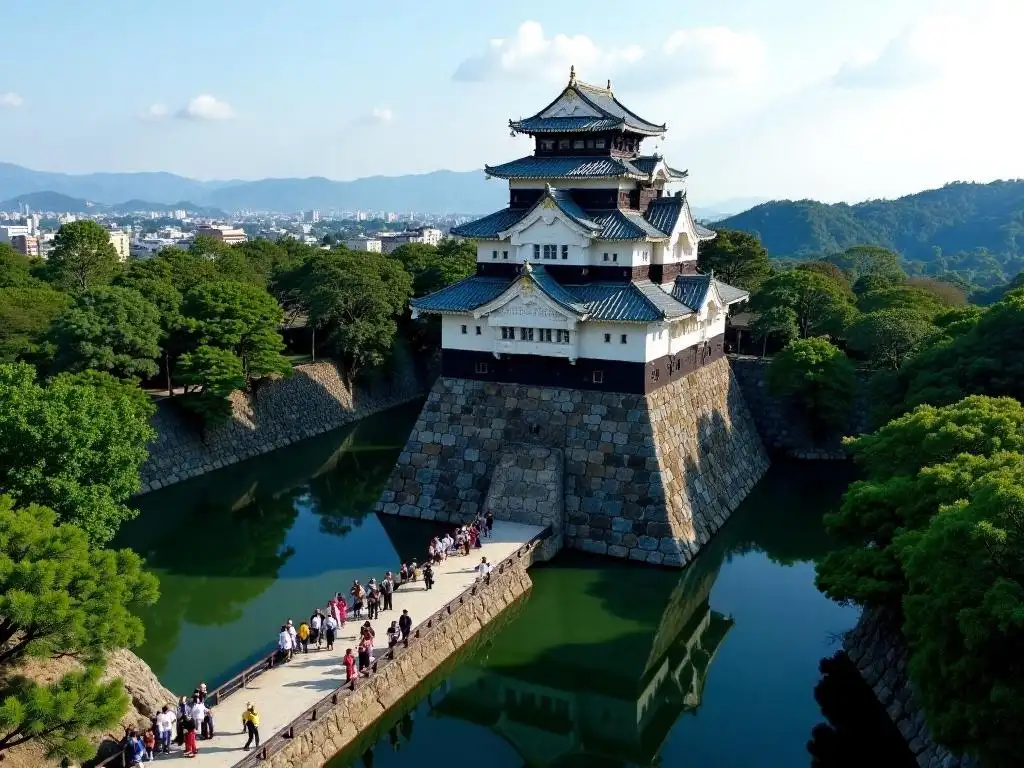
The preservation of feudal castles in Japan is not solely about maintaining historical structures; it plays a crucial role in cultural identity, education, and tourism. These castles, many of which date back to the 15th century, serve as tangible reminders of Japan's rich feudal past. The architectural grandeur and strategic significance of these castles attract millions of visitors each year, making their preservation vital for historical integrity and economic sustainability.
The significance of preserving feudal castles lies in their potential to educate future generations about Japan's history. They provide a unique opportunity to explore the technological advancements of the time, military strategies, and the social hierarchy of the feudal era. Furthermore, as symbols of national pride, these castles foster a sense of community and belonging among Japanese citizens.
Importance of Historical Preservation in Tourism
Preservation efforts for feudal castles are paramount for sustaining tourism in Japan. According to recent statistics, heritage tourism contributes substantially to the country’s economy, with historical sites attracting approximately 10 million visitors annually. The preservation of these castles not only enhances the visitor experience but also encourages repeat visits and longer stays, which are vital for local economies.
- Educational Value: Visitors gain insights into Japan's history and culture while exploring these castles. Guided tours often provide in-depth knowledge about the architecture, artifacts, and the stories behind each castle.
- Cultural Festivals: Many feudal castles host seasonal events and festivals that celebrate traditional Japanese arts and crafts, drawing in tourists and fostering a deeper appreciation for Japan's cultural heritage.
- Economic Support: The revenue generated from tourism directly contributes to ongoing preservation efforts, creating a sustainable model for maintaining these historic sites.
Organizations and Initiatives Supporting Castle Conservation
Numerous organizations and initiatives are dedicated to the preservation of feudal castles in Japan. These entities work collaboratively with local governments, heritage organizations, and the public to ensure that these historical structures are maintained for future generations.
- The Agency for Cultural Affairs: This government body plays a vital role in the preservation of cultural properties, including feudal castles. They provide funding, technical support, and guidelines for conservation efforts.
- Local Preservation Societies: Many regions have established their own preservation societies that focus on specific castles. These organizations often engage in fundraising activities, community events, and educational programs to raise awareness about the importance of preserving local heritage.
- International Collaboration: Japan is involved in various international heritage preservation programs, such as UNESCO World Heritage initiatives. This collaboration facilitates knowledge exchange and provides resources for best practices in conservation efforts.
- Volunteer Programs: Grassroots movements and volunteer programs encourage citizens to participate in preservation activities. These initiatives not only foster local engagement but also educate the public about the significance of feudal castles.
The preservation of feudal castles in Japan is a multifaceted effort that encompasses historical integrity, tourism, and community involvement. By supporting these initiatives, we ensure that these magnificent structures remain a vibrant part of Japan's cultural landscape for generations to come.
Conclusion: The Lasting Legacy of Feudal Castles in Japan
The feudal castles in Japan stand as monumental testaments to a rich history that shaped the architectural landscape of the nation. Their enduring presence not only reflects the military and social stratifications of the feudal era but also illustrates the evolution of Japanese architectural styles. The intricate designs, defensive structures, and cultural symbolism embedded in these castles have transcended time, influencing modern architecture in Japan and beyond.
The legacy of feudal castles can be seen in contemporary buildings that incorporate traditional motifs, materials, and techniques. Modern architects frequently draw inspiration from the aesthetic principles of these castles, merging functionality with the beauty of historical craftsmanship. This synergy between the past and present creates a unique architectural narrative that honors the historical significance of these structures while adapting to contemporary needs.
Reflection on Historical and Modern Architectural Synergy
The architectural principles underpinning feudal castles in Japan, such as symmetry, balance, and harmony with nature, have been carried forward into modern designs. For example, the use of wooden structures, tatami flooring, and sliding doors, all rooted in traditional castle architecture, continue to influence residential designs today.
- Examples of Influence:
- Kinkaku-ji (Golden Pavilion): A prime example of how castle aesthetics have been integrated into religious architecture, showcasing the use of layered roofs and natural materials.
- Nagoya Castle: Its recent restoration efforts have focused on preserving traditional methods, demonstrating the ongoing relevance of feudal designs in modern contexts.
This architectural synergy not only preserves the essence of Japan's historical narrative but also fosters a dialogue between different eras, allowing for a deeper appreciation of cultural heritage. The castles serve as inspiration for sustainable building practices, emphasizing the importance of integrating natural landscapes with architectural endeavors.
Encouraging Visits to Historic Feudal Castles for Cultural Understanding
Visiting feudal castles in Japan offers a profound opportunity for cultural enrichment and historical appreciation. These sites are more than just remnants of the past; they are living museums that encapsulate the essence of Japan's feudal society. Engaging with these castles can foster a greater understanding of the socio-political dynamics of the time, the artistry of traditional construction, and the cultural practices that flourished within their walls.
- Visitor Benefits:
- Educational Insights: Guided tours often include narratives about the historical significance of the castles and their roles in feudal Japan.
- Cultural Experiences: Many castles host festivals, reenactments, and craft workshops that allow visitors to immerse themselves in the traditions of the era.
Suggestions for Visit:
- Himeji Castle: Recognized as a UNESCO World Heritage Site, it exemplifies the height of feudal castle architecture.
- Osaka Castle: Offers a blend of historical exhibits and beautiful gardens, providing insights into the Edo period's lifestyle.
Exploring Japan's feudal castles not only enriches our understanding of architectural evolution but also deepens our appreciation for the cultural heritage that continues to shape modern Japan. By encouraging visits to these historic sites, we foster a connection between past and present, ensuring that the stories of feudal castles remain alive for future generations.
Frequently Asked Questions
What are feudal castles in Japan?
Feudal castles in Japan, known as shiro, served as military strongholds and residences for daimyōs (feudal lords) during the Edo period. They played a crucial role in the organization of society and politics of the time.
How did feudal castles influence modern Japanese architecture?
The design of feudal castles has greatly influenced modern Japanese architecture by incorporating traditional elements such as natural materials and symmetrical layouts, which are still prevalent in contemporary Japanese homes and buildings.
What materials were typically used in the construction of feudal castles?
Feudal castles were primarily built using wood, stone, and earth. This combination provided strength and durability, allowing castles to withstand both attacks and the test of time.
Are there any famous feudal castles that still exist today?
Yes, several famous feudal castles remain today, such as Himeji Castle, which is a UNESCO World Heritage Site. These castles are significant for their historical value and architectural beauty.
How did the role of feudal castles change over time?
Initially, feudal castles were primarily military fortifications, but over time, their role evolved to become administrative centers and symbols of power, reflecting the changing dynamics of Japanese society and governance.
Final Reflection: The Enduring Legacy of Feudal Castles in Modern Japanese Architecture
The exploration of feudal castles in Japan reveals a profound connection between the past and the present, illustrating how historical structures continue to shape contemporary architectural practices. As we navigate a rapidly changing world, the influence of these majestic castles serves as a reminder of the importance of cultural heritage and the stories embedded within stone walls. The architectural principles and aesthetic values derived from these feudal fortresses resonate today, showcasing the timelessness of their design and the relevance of their historical significance.
The impact of feudal castles extends beyond mere architecture; they are a testament to Japan's rich cultural tapestry. These structures not only represent the military prowess of their time but also embody the artistry and craftsmanship that define Japanese culture. As we witness a resurgence of interest in traditional design elements, it becomes clear that the lessons learned from feudal castles are being woven into the fabric of modern architecture. Architecture is the thoughtful making of space,
and in this context, the spaces created by feudal castles continue to inspire architects and designers, urging them to honor the past while innovating for the future.
As we reflect on the lessons imparted by feudal castles, I invite you to consider how these historical influences can enrich your own understanding of architecture and design. Embrace the stories that these structures tell and let them inspire you to appreciate the beauty of cultural heritage in your surroundings. Whether you are an architect, a historian, or simply an admirer of beauty, take a moment to explore how the echoes of the past can inform your present and shape your future. Let the legacy of feudal castles guide you in your journey of discovery and creativity.
Embrace the Legacy: Explore Modern Japanese Architecture!
Thank you for diving into the fascinating world of feudal castles and their lingering influence on modern Japanese architecture! Understanding this rich historical context not only enhances your appreciation of Japan’s architectural beauty but also inspires you to explore more deeply.
Now, let’s take your interest to the next level with these actionable steps:
- Visit a local museum or cultural center that showcases the beauty of Japanese architecture and design, allowing you to connect the past with the present.
- Share your newfound insights with friends or family— start a discussion about how ancient traditions shape contemporary styles!
- Consider researching a specific modern building that draws inspiration from feudal designs to uncover its unique history.
What aspect of modern Japanese architecture intrigues you the most, and how do you see the influence of feudal castles reflected in today’s designs?