
The Role of Ancestor Worship in Shaping Samurai Identity

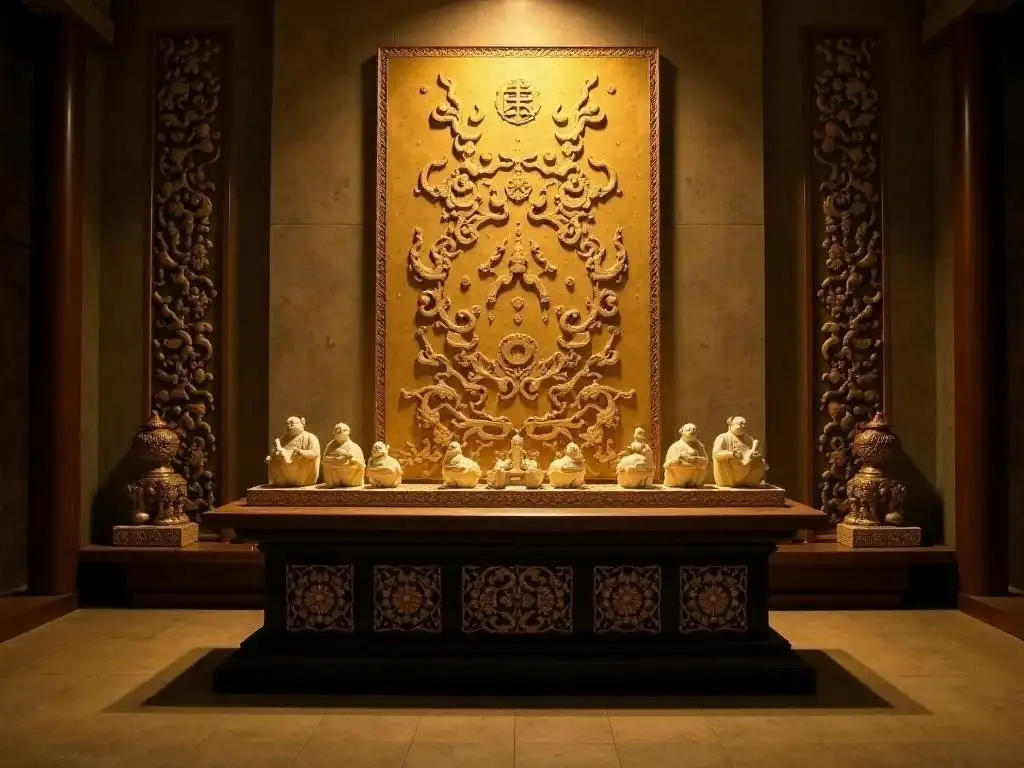
Welcome to Feudal Japan History, where we embark on a captivating journey through the intricate tapestry of Japan’s feudal era. Here, we delve into the profound impact of ancestor worship in samurai culture, a practice that not only shaped individual identities but also fortified the very foundation of this remarkable society. As we explore the deep-rooted traditions and beliefs that defined the samurai, we invite you to uncover the spiritual dimensions that influenced their valor and ethics.
Are you ready to unlock the secrets of the past? Keep reading to discover how these ancient rituals continue to resonate through time.
Introduction to Ancestor Worship in Samurai Culture
The lineage of the samurai is deeply intertwined with the practice of ancestor worship, a pivotal aspect of Japanese culture that has significantly shaped the identity of these esteemed warriors. This practice not only reflects a profound respect for one's forebears but also serves as a cornerstone of the values and ethics that underpin the samurai way of life.
Understanding how ancestor worship influenced samurai culture provides insight into the broader religious and philosophical frameworks that governed feudal Japan, particularly through the lens of Bushido, the code of conduct for samurai. This exploration reveals how the veneration of ancestors contributed to the formation of a cohesive samurai identity, instilling a sense of duty, loyalty, and honor that defined these formidable figures in Japanese history.
Definition and Importance of Ancestor Worship
Ancestor worship, or "sōzoku," is the practice of honoring and remembering one's ancestors through rituals, offerings, and prayer. In samurai culture, this practice was of paramount importance, as it embodied the belief that the spirits of ancestors continued to influence the living. By maintaining a connection with their forebears, samurai not only sought blessings for protection and success but also reinforced their own identities and values. Key aspects of this practice include:
- Ritual Offerings: Families would create altars with food, incense, and personal items to honor their ancestors during special occasions and festivals.
- Family Lineage: A strong emphasis was placed on family heritage, with samurai often tracing their lineage back to notable ancestors to enhance their own status.
- Moral Guidance: Ancestors were seen as moral exemplars, whose virtues and achievements provided a framework for samurai conduct.
Historical Context of Ancestor Worship in Japan
The roots of ancestor worship in Japan can be traced back to ancient animistic beliefs, where natural phenomena were attributed to the spirits of ancestors. Over centuries, these beliefs evolved, intertwining with Shinto and Buddhist practices, which further enriched the cultural tapestry of Japan. During the feudal era, particularly from the 12th to the 19th centuries, the samurai class emerged as a dominant social force, and the importance of ancestor worship became even more pronounced.
This historical context reveals:
- Shinto Influences: Ancestor worship aligns closely with Shinto beliefs, which emphasize kami (deities) that often include the spirits of ancestors.
- Buddhist Integration: The introduction of Buddhism added layers of complexity to ancestor veneration, promoting rituals like "hōji," where offerings are made to deceased relatives.
- Societal Structure: As the samurai were tasked with upholding the social order, their commitment to ancestor worship reinforced their roles as protectors of family honor and tradition.
The Foundations of Samurai Identity
The Concept of Bushido and Its Relation to Ancestor Worship
Bushido, often translated as "the way of the warrior," is the ethical code that guided samurai conduct. While it emphasizes virtues such as loyalty, honor, and courage, its connection to ancestor worship is significant. The samurai's dedication to their ancestors instilled a sense of duty that was integral to the Bushido code. This relationship can be understood through several key principles:
- Loyalty to Family: Samurai viewed their loyalty to their ancestors as a fundamental aspect of their identity, often leading them to prioritize family honor over personal gain.
- Honor and Reputation: The legacy of ancestors served as a benchmark for samurai behavior; dishonoring one's ancestors was considered one of the gravest offenses.
- Spiritual Guidance: Many samurai believed that the spirits of their ancestors provided guidance and support in their endeavors, reinforcing their commitment to the Bushido principles.
Key Elements of Samurai Culture Influenced by Ancestor Worship
The impact of ancestor worship on samurai culture can be observed in various elements that defined their way of life. These include:
- Ceremonial Practices: Rituals such as "Obon," a festival to honor deceased ancestors, were essential in maintaining the connection between the living and the dead.
- Cultural Artifacts: Samurai often carried talismans or swords engraved with the names or symbols of their ancestors, representing a tangible connection to their lineage.
- Education and Training: Samurai were taught the histories and virtues of their ancestors, instilling a sense of pride and responsibility that shaped their behavior and choices.
Ancestor worship in samurai culture is not merely a religious practice but a fundamental aspect that shaped samurai identity and values, influencing their conduct and the very fabric of Japanese society during the feudal era.
Historical Development of Ancestor Worship Practices
Ancestor worship in samurai culture evolved significantly over the centuries, deeply influencing the identity and values of the samurai class. This practice can be traced back to ancient Japanese beliefs where reverence for the spirits of the deceased was integral to communal life. Over time, particularly from the Heian period (794-1185) onwards, ancestor worship became more formalized and structured, leading to distinctive rituals and ceremonies that underscored the samurai's ties to their forebears.
The rise of the samurai class during the late Heian period saw ancestor worship transition from a general societal practice to a specific cultural cornerstone for samurai families. As samurai identity became closely linked to notions of honor, loyalty, and duty, the veneration of ancestors reinforced these ideals. By the Edo period (1603-1868), ancestor worship was deeply embedded in the samurai ethos, with each family maintaining elaborate rituals to honor their lineage, ensuring that the memory and virtues of their ancestors were perpetually celebrated and emulated.
Evolution of Ancestor Worship from Heian to Edo Periods
During the Heian period, ancestor worship was primarily a household affair, with families honoring their ancestors through simple offerings and prayers at home altars. This practice was influenced by the burgeoning Buddhist beliefs, which introduced concepts of karma and the afterlife, further intertwining with Shinto traditions. As the samurai class emerged, the need for a distinct identity led to a more formalized approach to ancestor worship.
By the Kamakura period (1185-1333), the samurai began to adopt more elaborate practices, influenced by both Shinto and Buddhist teachings. This included the establishment of family shrines (ichinomiya) and the adoption of Buddhist rites that emphasized the importance of ancestral spirits in guiding the living. The practice of holding memorial services, such as the bon festival, became common, allowing samurai to honor their ancestors in a community setting.
The Edo period brought about a consolidation of these practices, creating a structured ritual calendar that included annual ceremonies, commemorations, and festivals dedicated to ancestors. The samurai class increasingly viewed ancestor worship as a means of reinforcing social status and familial pride, leading to a more pronounced emphasis on lineage and heritage.
Significant Rituals and Ceremonies in Samurai Ancestor Worship
Central to samurai ancestor worship were various rituals and ceremonies that served to honor and connect with the deceased. Key practices included:
- Buddhist Memorial Services (Hōji): These services were held on specific anniversaries of a family member's death, during which offerings of food, incense, and prayers were made to ensure the deceased's peaceful rest and continuing guidance.
- Obon Festival: Celebrated in mid-August, Obon was a significant time for families to honor their ancestors. Samurai families would clean their ancestral graves, prepare special meals, and participate in communal dances to welcome the spirits of their ancestors back to the living world.
- Kuyō Rituals: These rituals involved offerings made to the spirits of deceased ancestors, particularly during significant life events such as weddings or births, ensuring that the ancestors' blessings were invoked for the family.
- Family Shrines: Each samurai household often maintained a family shrine where ancestral tablets (ihai) were displayed. Rituals performed here reinforced the family's connection to their lineage, with regular offerings and prayers made to honor the spirits enshrined.
These rituals not only demonstrated reverence for the past but also instilled in the samurai a sense of responsibility to uphold their family's honor and values.
The Influence of Ancestor Worship on Samurai Values
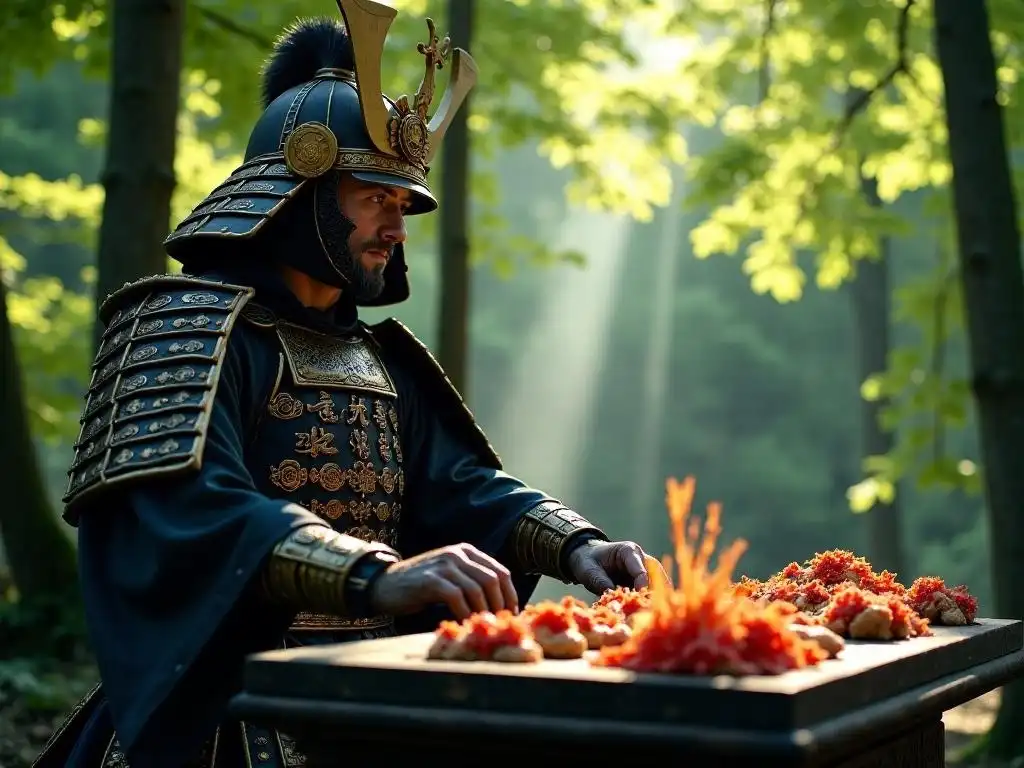
Ancestor worship played a crucial role in shaping the core values of the samurai, intertwining with their understanding of loyalty, honor, and duty. This cultural practice provided a framework through which samurai could navigate their responsibilities to both their families and their lords.
Loyalty and Honor: The Connection to Ancestral Legacy
The samurai's identity was profoundly linked to their ancestral legacy, which emphasized loyalty and honor as foundational values. By venerating their ancestors, samurai felt a deep sense of obligation to uphold the virtues exemplified by their forebears. This connection fostered a commitment to loyalty, not only to family but also to their lords and the broader community.
The narratives surrounding historical figures, such as Minamoto no Yoshitsune and his loyal retainers, became emblematic of the ideals that samurai aspired to embody. The stories of honor and sacrifice underscored the importance of maintaining one's family name and reputation, reinforcing the belief that one's actions were a reflection of their ancestors' legacies.
The Role of Family Lineage in Samurai Identity
Family lineage was paramount in samurai culture, serving as a defining element of identity and social standing. The concept of kizuna (bond) not only referred to familial relationships but also encompassed the spiritual connection between the living and their ancestors. Samurai families would often trace their lineage back to noble or legendary figures, fostering a sense of pride and responsibility.
This emphasis on lineage was evident in the practices of adopting heirs, maintaining family records, and ensuring the continuation of the family name through generations. The samurai believed that their honor was inextricably linked to their ancestry, and as such, they were driven to live up to the ideals set forth by those who came before them. This lineage connection also reinforced the necessity for maintaining social hierarchies within the samurai class, as family status often dictated one’s position in society.
Ancestor worship was not merely a ritualistic practice for samurai; it was a foundational component of their identity, influencing their values, behaviors, and social dynamics throughout Japan's feudal era.
Case Studies: Notable Samurai and Their Ancestral Practices
The practice of ancestor worship was deeply ingrained in the lives of samurai, influencing their identities, values, and actions throughout Japan's feudal era. By examining specific cases of prominent samurai, we can gain insights into how these rituals shaped their legacies and the broader cultural context of samurai society.
Examination of Minamoto no Yoritomo's Ancestor Worship Rituals
Minamoto no Yoritomo, the founder of the Kamakura shogunate, is a prime example of how ancestor worship was central to samurai identity. Yoritomo engaged in various rituals to honor his ancestors, particularly the revered Minamoto clan. He established shrines dedicated to his forebears, most notably the Tsurugaoka Hachimangu Shrine, which became a significant site for ancestral veneration.
Yoritomo’s rituals included offerings of food, sake, and the chanting of sutras to invoke the spirits of his ancestors. These practices were not merely personal; they reinforced his political legitimacy as a leader. By positioning himself as the protector of his lineage and the ancestral spirits, Yoritomo strengthened the loyalty of his followers and solidified his power within the feudal hierarchy. This reverence for ancestry served to create a shared identity among samurai, fostering unity and purpose in a highly stratified society.
Impact of Ancestral Reverence on the Battle of Sekigahara
The Battle of Sekigahara in 1600, a pivotal moment in Japanese history, illustrates the profound impact of ancestral reverence on samurai motivations and allegiances. Leading figures such as Tokugawa Ieyasu and his rivals invoked ancestral spirits to rally their troops and justify their claims to power. The Tokugawa clan, in particular, emphasized their connection to the Minamoto lineage, utilizing ancestor worship as a tool to legitimize their rule.
During the battle, samurai would often pray to their ancestors for guidance and support, believing that their forebears' spirits would influence the outcome. This belief manifested in rituals performed before the fight, where warriors would seek blessings and protection. The symbolism of fighting not just for personal glory but for the honor of one’s ancestors played a crucial role in motivating samurai to engage fiercely in battle, thus shaping the course of Japanese history.
Modern Interpretations of Ancestor Worship in Samurai Culture
As Japan has evolved, so too has the interpretation of ancestor worship within samurai culture. Although the feudal era has long passed, the values and practices associated with ancestor veneration continue to resonate in contemporary society.
How Ancestor Worship Continues to Influence Contemporary Japanese Society
Today, ancestor worship remains an integral aspect of Japanese culture, transcending its samurai roots. Many families still observe rituals such as Obon, a festival for honoring deceased ancestors, where families gather to remember and celebrate their forebears. This practice reflects a societal continuity that acknowledges the importance of lineage and familial ties, echoing the samurai’s deep respect for their ancestors.
In addition, modern Japanese society often emphasizes the concept of ie (家), or family lineage, which mirrors the samurai’s focus on preserving their ancestral heritage. The values of loyalty, honor, and respect for ancestors continue to shape contemporary Japanese ethics, influencing personal behaviors and societal norms.
The Legacy of Ancestor Worship in Modern Samurai Practices
While the traditional samurai class no longer exists, modern practitioners of martial arts and those who embrace the bushido code often invoke the principles of ancestor worship in their practices. Many martial arts dojos incorporate rituals to honor past masters and influential figures, demonstrating a living legacy of respect for ancestry.
Contemporary samurai culture, represented by practitioners of kendo, iaido, and other martial arts, often includes ceremonies that pay homage to ancestors. These practices serve not only as a nod to historical samurai customs but also as a means to cultivate discipline, respect, and a sense of community among practitioners, mirroring the values that were foundational to samurai identity in the past.
Ancestor worship has played a critical role in shaping samurai identity, influencing both historical events and modern interpretations of samurai culture. As we continue to explore these themes, it becomes evident that the reverence for ancestors remains a vital thread within the fabric of Japanese society.
Conclusion: The Lasting Impact of Ancestor Worship on Samurai Identity

The practice of ancestor worship in samurai culture has profoundly influenced not only the identity of individual samurai but also the broader societal structure of feudal Japan. This spiritual connection to ancestors instilled a sense of duty and loyalty that transcended mere familial ties, embedding itself within the very fabric of Bushido—the samurai code of conduct. The reverence for ancestors fostered a unique blend of loyalty, honor, and ethical behavior that characterized the samurai's role within society.
Moreover, the rituals and beliefs surrounding ancestor worship reinforced the concept of collective identity within clans. By venerating shared ancestors, samurai solidified their loyalty to their lineage and clan, which in turn shaped the political and military landscapes of feudal Japan. This connection to ancestry was not just a personal endeavor; it served as a social glue that bound members of the samurai class together, creating a sense of unity and purpose.
Summary of Key Points
- Cultural Significance: Ancestor worship was integral to samurai culture, influencing their values and actions.
- Bushido and Loyalty: The principles of loyalty and honor in Bushido were significantly shaped by the practice of ancestor worship.
- Clan Identity: Veneration of shared ancestors fostered a strong sense of clan identity and unity among samurai.
- Ritual Practices: Rituals and ceremonies dedicated to ancestors were essential in maintaining the samurai's spiritual and ethical framework.
- Legacy: The impact of ancestor worship continues to resonate in modern Japanese society, reflecting the deep-seated traditions rooted in feudal history.
Reflection on the Role of Ancestor Worship in Shaping Japanese History
The role of ancestor worship extends beyond the samurai class, influencing the societal structures and cultural practices of Japan as a whole. By fostering a profound respect for lineage and tradition, ancestor worship facilitated the transmission of values and beliefs across generations. This continuity of cultural heritage played a crucial role in shaping Japan's national identity.
In examining the interplay between ancestor worship and samurai identity, one can appreciate how these elements coalesced to create a unique social order during the feudal era. The emphasis on duty to ancestors not only defined individual samurai but also shaped the political landscape by reinforcing loyalty to feudal lords and the shogunate. As such, the legacy of ancestor worship remains a cornerstone of understanding Japan's historical narrative, illustrating the intricate connections between religion, culture, and social identity throughout its feudal past.
- Introduction to Ancestor Worship in Samurai Culture
- The Foundations of Samurai Identity
- Historical Development of Ancestor Worship Practices
- The Influence of Ancestor Worship on Samurai Values
- Case Studies: Notable Samurai and Their Ancestral Practices
- Modern Interpretations of Ancestor Worship in Samurai Culture
- Conclusion: The Lasting Impact of Ancestor Worship on Samurai Identity
- Summary of Key Points
- Reflection on the Role of Ancestor Worship in Shaping Japanese History
Frequently Asked Questions
What is ancestor worship in samurai culture?
Ancestor worship in samurai culture is a reverent practice where samurai honor their forebears through rituals and offerings, reflecting a deep respect for lineage and the values passed down through generations.
How did ancestor worship influence samurai identity?
The practice of ancestor worship significantly shaped samurai identity by instilling a sense of duty, honor, and loyalty to family, reinforcing their commitment to uphold family traditions and legacies.
Were there specific rituals associated with ancestor worship?
Yes, there were various rituals such as seeking guidance through ancestral spirits, holding ceremonies during festivals, and maintaining family altars to ensure that the memories and teachings of ancestors were preserved and respected.
How did ancestor worship affect samurai relationships with their clans?
Ancestor worship fostered strong clan bonds as samurai shared a common reverence for their forefathers, which helped to unify their efforts in battle and maintain loyalty within the clan’s hierarchy.
Did ancestor worship have any impact on samurai ethics?
Absolutely, ancestor worship played a crucial role in shaping samurai ethics by emphasizing virtues like honor, loyalty, and the importance of self-sacrifice for the sake of family and clan, guiding their moral and social conduct.
Final Reflection: The Enduring Legacy of Ancestor Worship in Samurai Culture
The profound connection between ancestor worship and samurai identity remains remarkably relevant today, as it highlights the importance of heritage and lineage in shaping individual and collective identities. In a world where rapid globalization often dilutes cultural practices, the samurai's reverence for their ancestors serves as a powerful reminder of the values that ground us. This tradition not only informs our understanding of the samurai ethos but also emphasizes the universal need to honor those who came before us.
Clearly, the practice of ancestor worship has left an indelible mark on the cultural and social landscape of Japan and beyond. It fosters a sense of belonging and continuity, bridging the past with the present. As we navigate modern challenges, the lessons derived from this practice encourage us to reflect on our own roots and the legacies we inherit. To forget one's ancestors is to be a tree without roots.
This quote encapsulates the essence of how deeply intertwined our identities are with those who have shaped our paths, reminding us that understanding our heritage can empower us to forge a more meaningful future.
As we conclude this exploration of ancestor worship in samurai culture, I invite you to reflect on your own lineage and the values that have been passed down through generations. Consider how these influences shape your identity and the choices you make today. By honoring our ancestors and embracing their teachings, we can cultivate a deeper sense of purpose and connection in our lives, ensuring that their legacies continue to inspire us as we navigate our own journeys.
Embrace Your Heritage: Connect with the Spirit of the Samurai
Thank you for diving into the fascinating world of samurai identity through ancestor worship! By exploring this rich tradition, you’ve gained insight into how the samurai’s connection to their lineage shaped their values and actions. Now, it's time to carry that energy forward and take meaningful steps to embrace your own heritage.
Here are a few ways to deepen your understanding and connection to this important topic:
- Honor Your Ancestors: Consider creating a personal ritual to acknowledge your ancestry. This could be as simple as lighting a candle and sharing stories about your family members during gatherings.
- Join a Local Historical Society: Look for organizations that celebrate samurai history or Japanese culture, where you can engage with others who share your interests and gain a deeper understanding of this fascinating tradition.
- Share Your Story: Write a blog post or social media update about what ancestor worship means to you and how you see its influence in your life or community. Your unique perspective could inspire others!
How do you envision honoring your ancestors in your life, and how does that practice shape your identity?