
The Influence of Chinese Literature on Feudal Japanese Authors


Welcome to Feudal Japan History, where we invite you to embark on a captivating journey through the intricate tapestry of Japan’s feudal era. Here, you will uncover the profound influence of Chinese literature on feudal Japanese authors, a topic that not only illuminates the literary exchanges between these two rich cultures but also reveals the deep-rooted connections that shaped Japan’s artistic identity.
As you delve into our expertly crafted articles, prepare to be intrigued by the ways in which these literary traditions intertwined, sparking creativity and inspiring generations of writers. Join us as we explore the echoes of Chinese prose and poetry that resonate through the ages, and discover the untold stories that await you!
Introduction to Chinese Literature Influence on Japan
The influence of Chinese literature on Japan is a captivating subject that unveils the intricate connections between two rich cultures throughout history. As Japan transitioned through its feudal era, the impact of Chinese literary traditions became profoundly evident, shaping the works of numerous Japanese authors and poets.
This article delves into how Chinese literary forms, themes, and philosophies permeated Japanese writing, fostering a unique literary landscape that reflected both the adoption and adaptation of foreign ideas. By examining historical contexts, key figures, and significant texts, we aim to provide a comprehensive understanding of how these cross-cultural interactions enriched Japan's literary heritage.
Overview of Chinese Literature and Its Historical Context
Chinese literature, with its origins tracing back thousands of years, encompasses a vast array of genres, including poetry, prose, and philosophical texts. During the Tang (618-907) and Song (960-1279) dynasties, Chinese literature reached remarkable heights, characterized by the flourishing of poetry and the emergence of historical and philosophical works. This period not only produced literary giants like Li Bai and Du Fu but also established a foundation of literary norms and aesthetics that would later influence neighboring cultures, including Japan.
The introduction of Chinese literature to Japan can be traced back to the early periods of Japanese history when diplomatic missions and cultural exchanges began in earnest. As early as the 5th century, Japanese scholars traveled to China, absorbing the nuances of Chinese thought and artistic expression. This exchange intensified during the Heian period (794-1185), where the Japanese court embraced Chinese literature, leading to a synthesis of styles and themes that would define Japanese literature for centuries.
The Importance of Cross-Cultural Exchange in Literature
Cross-cultural exchange plays a pivotal role in the evolution of literature, allowing for the sharing of ideas, styles, and forms. The interaction between Chinese and Japanese literary traditions exemplifies how authors can draw inspiration from foreign sources while simultaneously cultivating their unique voices.
- Cultural Borrowing: Japanese authors often borrowed themes of love, nature, and existential reflection from Chinese works, weaving them into their narratives.
- Adoption of Forms: The adoption of Chinese poetic forms, such as the kanbun (classical Chinese) style, allowed Japanese poets to experiment with new structures, leading to the development of original Japanese forms like waka and haiku.
- Philosophical Influences: Concepts from Chinese philosophy, particularly Confucianism and Buddhism, significantly shaped Japanese literary themes, enriching the moral and ethical dimensions of Japanese literature.
The Historical Background of Feudal Japan
To fully appreciate the influence of Chinese literature on Japanese authors, it is essential to understand the historical backdrop of feudal Japan. This era, characterized by the rise of powerful samurai clans and a decentralized political structure, created a unique environment for literary development.
The Rise of Feudalism in Japan
Feudalism in Japan began to take shape in the late 12th century, marking a shift from imperial rule to a system where local lords (daimyōs) wielded significant power. This transformation resulted in a society structured around loyalty, honor, and martial prowess. The samurai class emerged as the ruling elite, and their values permeated Japanese literature, often reflecting the ideals of bravery, loyalty, and the transient nature of life.
As feudalism solidified, literature became a means of both entertainment and moral instruction. The influence of Chinese literature provided a rich tapestry from which Japanese writers could draw inspiration, leading to the creation of works that explored the complexities of human emotions and social hierarchies.
Key Historical Events Influencing Cultural Exchange
Several historical events significantly influenced the cultural exchange between China and Japan during the feudal era. Notable among these are:
- The Taika Reform (645): This reform aimed to centralize power and adopt Chinese administrative practices, fostering greater cultural exchange.
- The Heian Period (794-1185): A golden age for Japanese literature, during which the elite class actively engaged with Chinese texts, leading to the creation of iconic works like The Tale of Genji.
- The Mongol Invasions (1274 and 1281): These invasions disrupted trade and diplomatic relations, prompting Japan to look inward and further develop its unique literary identity while still being influenced by earlier Chinese works.
Through these events, the interplay of Chinese and Japanese literatures flourished, setting the stage for a rich literary tradition that would resonate through the ages, ultimately shaping modern Japanese literature as we know it today.
The Impact of Chinese Literature on Japanese Literary Forms
The influence of Chinese literature on Japanese authors during the feudal era was profound, shaping various literary forms and styles that emerged in Japan. From poetry and prose to philosophical texts, the adaptation and incorporation of Chinese literary elements played a crucial role in the development of Japanese literature. This cultural exchange led to the emergence of unique forms that reflected both Chinese and Japanese sensibilities, thus enriching the literary landscape of feudal Japan.
The Introduction of Chinese Poetry in Feudal Japan
Chinese poetry found its way to Japan during the early Heian period (794-1185), primarily through diplomatic missions and cultural exchanges. The Japanese aristocracy, keen on adopting the refined aesthetics of Chinese literature, embraced forms such as shi (詩), a regulated verse form characterized by its strict tonal patterns and rhyme schemes.
Japanese poets began to experiment with these structures, resulting in the creation of the waka (和歌), a native poetic form that incorporated the emotional depth and brevity of Chinese poetry while maintaining its distinct rhythm and syllable count. The two forms coexisted, influencing each other and leading to an enriched poetic tradition. Notable figures such as Ki no Tsurayuki exemplified this blend, as seen in his famous work, the "Tosa Diary," where he skillfully interwove Chinese poetic influences with Japanese themes and expressions.
The Adoption of Chinese Prose Styles by Japanese Authors
Chinese prose styles also made a significant impact on Japanese literature, particularly through the introduction of kanbun (漢文), a system that allowed Japanese writers to read and write Chinese using Japanese grammatical structures. This method not only facilitated the understanding of Chinese texts but also inspired Japanese authors to adopt similar narrative techniques and stylistic features in their own works.
Prominent works like "The Tale of Genji" by Murasaki Shikibu reflect the influence of Chinese prose in their complex character development and intricate plot structures. Additionally, Japanese writers began to incorporate Chinese philosophical themes, showcasing a blend of storytelling techniques that highlighted both cultural traditions. The use of metaphors and allegorical narratives became prominent, with authors drawing from Chinese literary classics to enhance their storytelling.
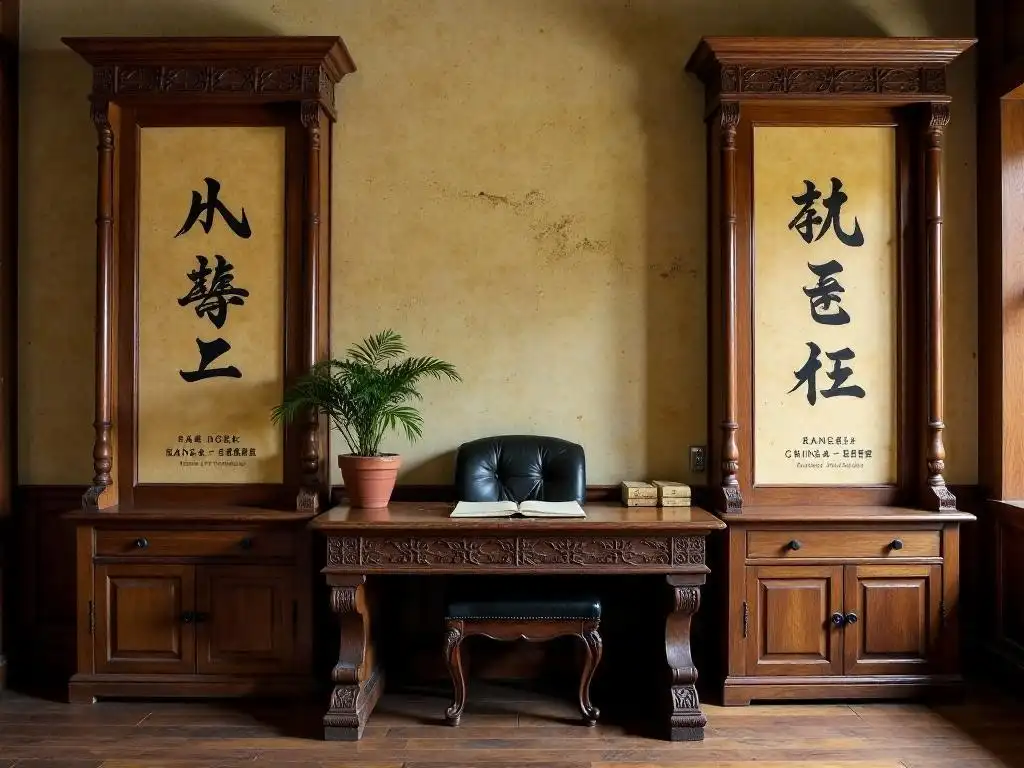
Several key Chinese literary works played a pivotal role in shaping the literary landscape of feudal Japan. These texts not only provided models of literary excellence but also introduced philosophical and ethical themes that resonated with Japanese authors.
The Role of Confucian Texts in Shaping Japanese Thought
Confucian literature, particularly texts like the "Analects" and "The Great Learning," significantly influenced Japanese thought and ethics during the feudal era. The emphasis on moral integrity, proper conduct, and social harmony found in Confucian teachings resonated deeply within the hierarchical structure of Japanese society.
Japanese scholars and officials adopted these principles, integrating them into their own moral and philosophical frameworks. This integration is evident in the works of Japanese writers who sought to reflect Confucian ideals in their narratives, emphasizing themes of loyalty, filial piety, and the importance of education. As a result, Confucian texts became foundational to the development of a distinctly Japanese ethical literature that echoed the values of feudal society.
Influence of Daoist Literature on Japanese Spirituality
Daoist literature, particularly texts such as the "Dao De Jing" and the "Zhuangzi," introduced Japanese authors to concepts of harmony, nature, and spirituality, which were integral to Daoist philosophy. The appreciation for the natural world and the pursuit of inner peace found in these works resonated with the aesthetic sensibilities of Japanese culture.
Writers like Yoshida Kenkō, who is known for his work "Essays in Idleness," drew inspiration from Daoist thought, emphasizing the transient nature of life and the importance of living in harmony with one's surroundings. This influence fostered a unique spiritual perspective within Japanese literature, encouraging a reflective and contemplative approach to life that valued simplicity and the beauty of nature. Through this exchange, Daoist literature profoundly impacted the spiritual and philosophical dimensions of feudal Japanese writing, creating a lasting legacy that continues to inspire.
During the feudal era in Japan, several prominent authors drew significant inspiration from Chinese literature, which profoundly shaped their works and the literary landscape of the time. One of the most notable figures is Sei Shonagon, a court lady known for her work "The Pillow Book," which reflects a unique blend of Chinese aesthetic principles and Japanese sensibilities. Another key author is Matsuo Basho, revered for his mastery of haiku. Basho's poetry often exhibits the nuanced emotional depth and natural imagery that can be traced back to the influence of Chinese poetic traditions.
Additionally, Kamo no Chomei, a 12th-century poet and essayist, incorporated insights from Chinese philosophy into his writings, particularly in "An Account of My Hut," which explores themes of transience and the human condition. These authors, among others, exemplify the rich interplay between Chinese literary traditions and the evolving narrative styles of feudal Japan.
The Works of Sei Shonagon: A Blend of Chinese and Japanese Influences
Sei Shonagon's "The Pillow Book" is a quintessential example of the fusion between Chinese and Japanese literary influences. In her work, Shonagon employs vivid imagery and keen observations reminiscent of Chinese poetry, while simultaneously reflecting the unique aesthetic values of the Japanese court. Her writing features a mix of lists, essays, and anecdotes that highlight the beauty of nature, emotions, and daily life.
Shonagon drew on Chinese literary forms, particularly the zhuangzi, which emphasizes the significance of personal experience and the natural world. This influence is evident in her appreciation for seasonal changes and her contemplations on the ephemeral nature of life, themes that resonate deeply with both Chinese and Japanese cultures. Her ability to weave these elements into her work not only showcases the impact of Chinese literature but also marks a pivotal moment in the development of Japanese prose.
Matsuo Basho's Haiku and Its Chinese Roots
Matsuo Basho, one of Japan's most celebrated haiku poets, exemplifies the profound influence of Chinese literature on Japanese poetry. His works are distinguished by their elegant simplicity and deep emotional resonance, characteristics that reflect the influence of classical Chinese poetry. Basho's haiku often encapsulate moments of beauty and introspection, echoing the tang poetry traditions that emphasize nature and personal reflection.
Basho's travels throughout Japan inspired many of his haiku, where he sought to capture the essence of fleeting moments. This quest parallels the Chinese concept of "wabi-sabi," which embraces imperfection and transience. By integrating these themes, Basho not only honored the traditions of Chinese poetry but also contributed to the evolution of haiku as a distinct literary form that conveyed profound meaning within a limited structure.
The Evolution of Literary Themes in Japan Due to Chinese Influence
The influence of Chinese literature on Japanese authors during the feudal era led to a notable evolution of literary themes, particularly in the realms of nature, spirituality, and historical narratives. As Japanese writers began to incorporate Chinese literary techniques and philosophical ideas, they redefined their own storytelling conventions and thematic explorations, resulting in a rich tapestry of literature that reflected a unique cultural synthesis.
The Development of Nature and Spirituality in Japanese Literature
The appreciation of nature in Japanese literature owes much to the influence of Chinese texts, which often emphasized the significance of the natural world as a source of inspiration and spiritual reflection. This connection is particularly evident in the works of poets like Basho, whose haiku encapsulated the beauty of landscapes and seasonal changes, imbuing them with spiritual meaning.
Moreover, the integration of Buddhist and Taoist philosophies from China into Japanese literature fostered a deeper exploration of spirituality. This led to a growing emphasis on themes of impermanence, connectedness, and the pursuit of inner peace, as seen in the writings of authors such as Kamo no Chomei and other contemporaries. Their works reflect a harmonious blend of Chinese philosophical thought and Japanese literary expression, enriching the cultural landscape of feudal Japan.
The Emergence of Historical Fiction in Feudal Japan
The influence of Chinese literature also played a crucial role in the emergence of historical fiction in feudal Japan. Chinese historical texts, such as the Records of the Grand Historian, inspired Japanese authors to explore their own history through narrative forms. This led to the development of historical novels that blended fact and fiction, allowing authors to delve into the complexities of Japan's past.
Notable works from this period include "The Tale of Heike," which chronicles the rise and fall of the Taira clan. This epic narrative reflects the stylistic and thematic influences of Chinese literature, particularly in its moral and philosophical undertones. As Japanese authors began to craft their own historical narratives, they not only honored their cultural heritage but also established a literary tradition that would continue to evolve and inspire future generations.
The Language Barrier: Translation and Adaptation of Chinese Works
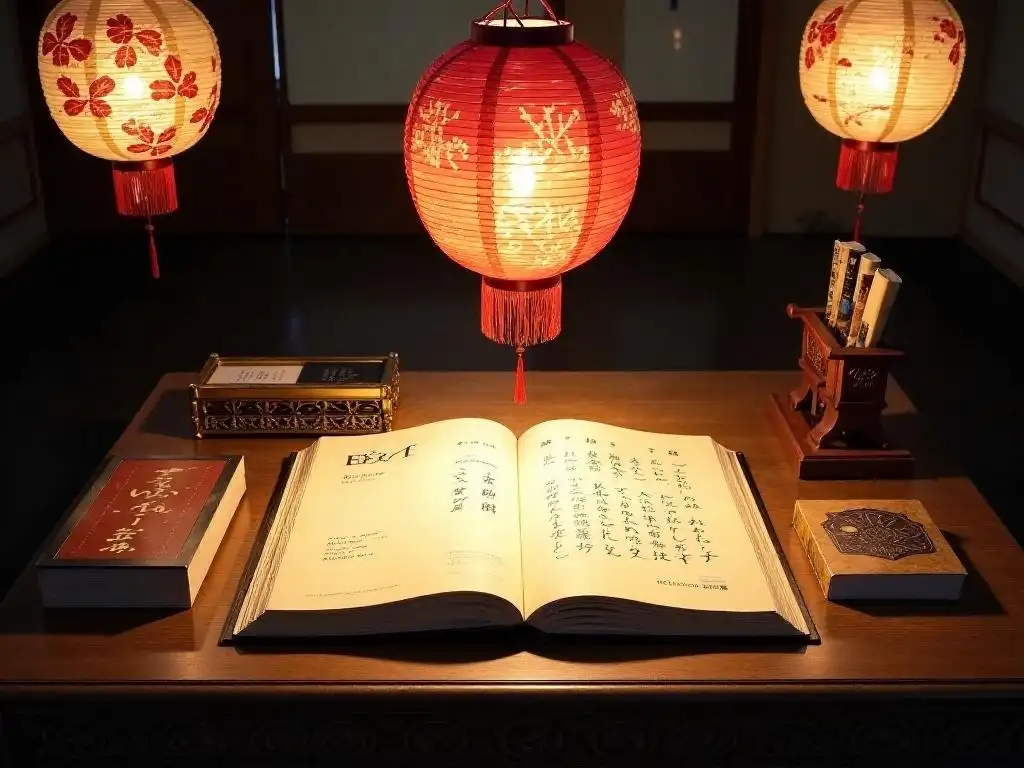
The influence of Chinese literature on Japan is profound, yet it was not without its challenges, primarily due to the significant language barrier between Chinese and Japanese. The complexities of translating Chinese texts into Japanese involved not only linguistic hurdles but also cultural nuances that needed to be considered. As Japanese scholars began to engage with Chinese literature, they had to adapt these works to fit the cultural and societal context of Japan, which led to a unique blend of literary styles and themes.
In the early stages, Japanese authors often utilized Classical Chinese as a written form, which allowed them to engage with Chinese literature directly. However, this did not eliminate the challenges posed by differences in idiomatic expressions, poetic forms, and philosophical concepts. As a result, many texts underwent significant adaptation during the translation process, leading to the emergence of a distinct Japanese literary style that retained the essence of the original Chinese works while also reflecting Japanese cultural values.
Early Translators and Their Contributions to Japanese Literature
Early translators played a crucial role in bridging the gap between Chinese literature and Japanese authors. Figures such as Kūkai and Saichō were instrumental in introducing Chinese texts, particularly Buddhist scriptures, to Japan during the Heian period (794-1185). Their translations were not mere literal interpretations; they sought to convey the underlying philosophies and teachings in a manner that resonated with Japanese audiences.
Another notable figure was Ono no Takamura, who is recognized for his efforts in translating various Chinese poetic forms into Japanese. His work laid the foundation for the development of Japanese poetry, particularly in the creation of the waka, a form of classical Japanese verse. These early translators not only brought Chinese literary works to Japan but also inspired a new generation of writers to explore and innovate within their own literary traditions.
The Challenges of Translating Chinese Texts into Japanese
Translating Chinese literature into Japanese presented numerous challenges. The syntactic structures of the two languages differ significantly, with Chinese relying heavily on a logographic writing system and a more concise syntax, while Japanese employs a syllabic system and often requires additional particles to convey meaning. This difference sometimes led to ambiguities in translation, where the subtleties of the original text could be lost or altered.
Moreover, cultural references embedded in Chinese literature often lacked direct equivalents in Japanese culture. Translators had to navigate these disparities carefully, sometimes opting to explain or adapt these references to make them relatable to a Japanese audience. This adaptation process was crucial in ensuring that the translated works not only preserved the original's intent but also resonated with Japanese readers.
Conclusion: The Enduring Legacy of Chinese Literature in Japan
The interaction between Chinese literature and Japanese authors has left an indelible mark on the literary landscape of Japan. The translations and adaptations of Chinese texts facilitated a rich cultural exchange that significantly influenced the evolution of Japanese literature. Even today, the echoes of this interaction can be seen in various literary forms, themes, and stylistic elements.
Summary of Key Influences on Japanese Literature
Chinese literature introduced Japanese authors to complex narrative structures, philosophical ideas, and poetic forms, shaping their literary output in profound ways. The incorporation of Chinese characters (kanji) into the Japanese writing system also played a pivotal role in the development of Japanese literature, allowing for a greater richness of expression. The themes of nature, love, and the human condition found in Chinese works were seamlessly woven into the fabric of Japanese literature, enhancing its depth and diversity.
Reflection on the Continued Importance of Cultural Exchange
The legacy of Chinese literature in Japan serves as a testament to the importance of cultural exchange in shaping artistic expression. As Japan continues to engage with global literary trends, the historical connections established through translations and adaptations remind us of the enduring value of cross-cultural dialogue. This ongoing interaction enriches the literary landscape, fostering creativity and innovation that transcends national boundaries. Embracing this legacy not only honors the past but also paves the way for future literary exploration and collaboration.
References and Further Reading on Chinese Literature Influence on Japan
Exploring the impact of Chinese literature on feudal Japanese authors provides a fascinating insight into the cultural exchanges between these two civilizations. For those interested in delving deeper into this subject, various scholarly articles and books offer extensive analyses and discussions. Below is a curated list of resources that highlight the significant influence of Chinese literature on Japan during the feudal era.
Scholarly Articles on Chinese Influence in Japanese Literature
-
"The Transmission of Chinese Literature to Japan: Historical Context and Literary Impact"
This article examines the historical pathways through which Chinese literary works were introduced to Japan, shedding light on the adaptation and transformation of these texts within a Japanese context.
-
"From Tang to Edo: The Evolution of Chinese Influence in Japanese Poetry"
Focusing on poetry, this scholarly piece explores how the styles, themes, and forms of Chinese poetry influenced the development of Japanese poetic traditions from the Tang dynasty through to the Edo period.
-
"Cultural Crossroads: Chinese Prose and Its Reflection in Japanese Literature"
This study analyzes various prose works from China that deeply impacted Japanese authors, illustrating the techniques and stylistic elements borrowed and adapted by Japanese writers throughout history.
-
"The Role of Confucianism in Shaping Japanese Literary Thought"
Investigating the philosophical underpinnings, this article discusses how Confucian ideals found in Chinese literature shaped the moral and ethical narratives prevalent in feudal Japanese literature.
Books and Anthologies on Cross-Cultural Literary Exchange
-
"China and Japan: A Cultural History" by John Smith
This comprehensive book provides an overview of the cultural interactions between China and Japan, with dedicated chapters on the literary exchanges that defined the feudal period.
-
"Echoes of the East: Chinese Literature's Influence on Japan" edited by Lisa Tanaka
This anthology brings together essays from various scholars that explore specific instances of Chinese literary influence across different genres, including poetry, prose, and drama in Japan.
-
"The Literary Bridge: Cross-Cultural Connections Between China and Japan" by Hiroshi Yamamoto
Yamamoto's work offers an in-depth analysis of notable Japanese authors who were directly influenced by Chinese literature, showcasing how these influences manifested in their works.
-
"Literature of the East: A Comparative Study of Chinese and Japanese Literature" by Yuki Nakamura
This book compares literary traditions, emphasizing the intertextual relationships and thematic parallels between Chinese and Japanese literature, providing valuable insight into their mutual influences.
Exploring these resources will provide a deeper understanding of how Chinese literature shaped the literary landscape of feudal Japan, fostering a rich cultural synthesis that continues to resonate in Japanese literary traditions today.
- Introduction to Chinese Literature Influence on Japan
- The Historical Background of Feudal Japan
- The Impact of Chinese Literature on Japanese Literary Forms
- Major Chinese Literary Works That Influenced Feudal Japanese Authors
- Prominent Feudal Japanese Authors Influenced by Chinese Literature
- The Evolution of Literary Themes in Japan Due to Chinese Influence
- The Language Barrier: Translation and Adaptation of Chinese Works
- Conclusion: The Enduring Legacy of Chinese Literature in Japan
- References and Further Reading on Chinese Literature Influence on Japan
- What is the significance of Chinese literature in feudal Japan?
- How did Chinese literary works impact Japanese writing styles?
- Who were some prominent Japanese authors influenced by Chinese literature?
- In what ways did Chinese poetry affect Japanese poetry during the feudal era?
- What are the lasting effects of Chinese literary influence on modern Japanese literature?
Frequently Asked Questions
What is the significance of Chinese literature in feudal Japan?
Chinese literature played a crucial role in shaping the literary traditions of feudal Japan, introducing various genres and styles that influenced Japanese authors and poets.
How did Chinese literary works impact Japanese writing styles?
The incorporation of Chinese literary works led to the development of unique Japanese writing styles, blending Chinese aesthetics with native themes, enriching the cultural landscape of Japan.
Notable authors such as Murasaki Shikibu and Sei Shonagon drew inspiration from Chinese literature, incorporating its themes and styles into their own literary masterpieces.
In what ways did Chinese poetry affect Japanese poetry during the feudal era?
Chinese poetry introduced new forms and techniques, inspiring Japanese poets to experiment with structure and imagery, thus elevating the quality and diversity of Japanese poetry.
What are the lasting effects of Chinese literary influence on modern Japanese literature?
The influence of Chinese literature continues to resonate in modern Japanese literature, as many contemporary authors still draw from the rich traditions and themes established during the feudal era.
Final Reflection: The Enduring Legacy of Chinese Literature on Japanese Culture
The intricate relationship between Chinese literature and its profound influence on feudal Japanese authors remains a cornerstone of cultural exchange that is as relevant today as it was centuries ago. The echoes of this literary dialogue not only shaped the artistic expressions of the past but also continue to resonate in contemporary Japanese literature and beyond. Understanding this influence allows us to appreciate the rich tapestry of cultural interconnections that define our global heritage.
Clearly, the impact of Chinese literary traditions on Japan has been transformative, fostering a unique blend of styles and themes that enriched Japanese storytelling. The cross-pollination of ideas and aesthetics has created a literary landscape that reflects both the reverence for Chinese classics and the distinct voice of Japanese authors. As noted by literary scholar Haruki Murakami, “Literature is a bridge that connects different cultures, allowing us to see the world through another's eyes.” This observation underscores the ongoing relevance of these historical influences, reminding us that literature serves as a powerful medium for understanding and empathy.
As we reflect on the lessons drawn from the interplay between Chinese and Japanese literature, let us embrace the opportunity to explore our own cultural narratives and influences. Consider how the stories we tell today can be enriched by the wisdom of the past, and challenge yourself to seek out diverse literary voices that broaden your perspective. In doing so, we not only honor the legacy of those who came before us but also pave the way for a more interconnected and compassionate future.
Unveil the Depths of Cultural Exchange!
Thank you for taking the time to explore the profound impact of Chinese literature on feudal Japanese authors! Your curiosity enhances our understanding of how intertwined cultures shape creative expression. Now that you've delved into this fascinating topic, it’s time to take action and deepen your connection with this rich literary heritage.
Here are a few steps you can take to continue your journey:
- Dive deeper into Chinese literature: Choose a classic Chinese text and reflect on how its themes resonate in Japanese works.
- Join a literature discussion group: Participate in or create a book club that focuses on cross-cultural literary influences to share insights and gain new perspectives.
- Spread the word: Share this article with friends or on social media to spark interest in the dynamic interactions between these two cultures.
What insights do you think you might uncover by exploring a specific work of Chinese literature in detail? We invite you to share your thoughts in the comments below!