
Daimyo and Their Castles: Architectural Marvels of Feudal Japan

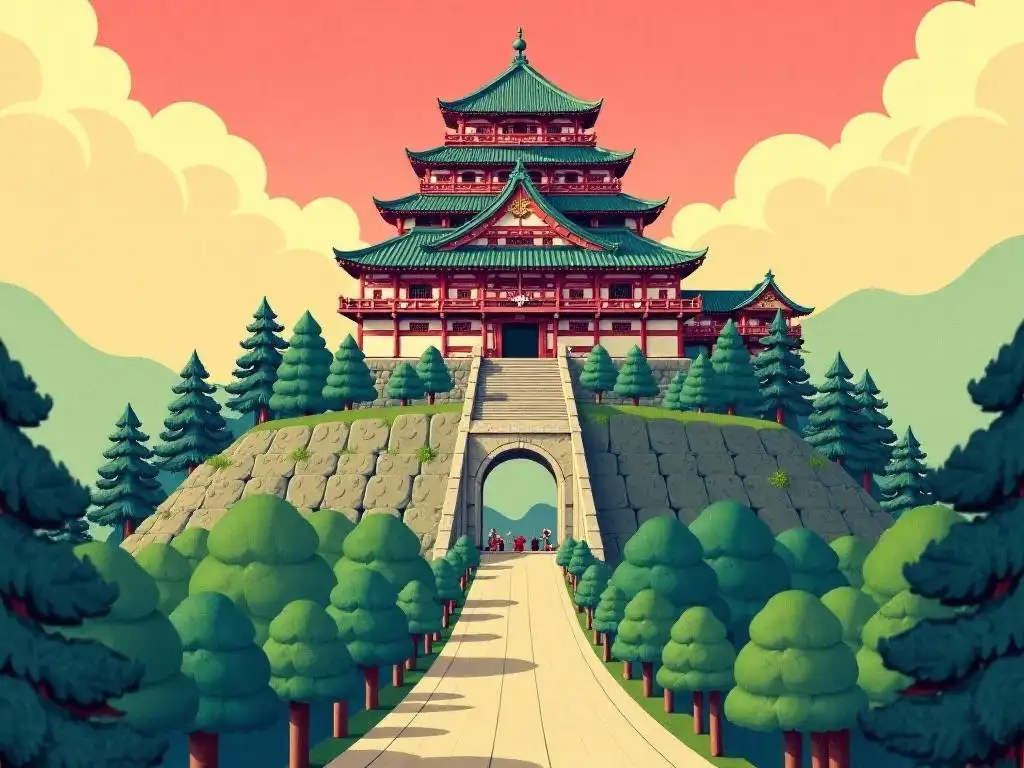
Welcome to Feudal Japan History, where we embark on a captivating journey through the intricate tapestry of Japan's feudal era. Here, you will uncover the architectural marvels that defined this transformative period, with a special focus on Daimyo castles in feudal Japan. These formidable fortresses not only served as homes to powerful lords but also as symbols of political might and cultural significance. Join us as we delve into the fascinating stories, architectural innovations, and the societal dynamics that surrounded these magnificent structures. Prepare to be intrigued—your exploration of feudal Japan starts now!
- Introduction to Daimyo Castles in Feudal Japan
- The Role of Daimyo in Feudal Japan
- Architectural Features of Daimyo Castles
- Notable Daimyo Castles in Feudal Japan
- The Construction of Daimyo Castles
- The Cultural Significance of Daimyo Castles
- The Decline of Daimyo Castles
- Conclusion: The Legacy of Daimyo Castles in Feudal Japan
- References
- Frequently Asked Questions
- Final Reflection: The Enduring Legacy of Daimyo Castles in Feudal Japan
- Unveil the Splendor of Feudal Japan!
Introduction to Daimyo Castles in Feudal Japan
The feudal era of Japan, spanning from the late 12th century to the early 17th century, was marked by a complex structure of power and land ownership, dominated by the daimyo—powerful feudal lords who governed vast territories. This period was characterized by social stratification, intense military conflicts, and the emergence of unique cultural practices. Central to the authority and influence of the daimyo were their castles, architectural marvels that served not only as fortified residences but also as symbols of power, prestige, and local governance.
In this article, we will embark on a comprehensive exploration of Daimyo castles in feudal Japan, examining their historical significance, architectural features, and the role they played in the lives of the daimyo and their subjects. By understanding the intricate relationship between the daimyo and their castles, we can gain deeper insights into the political and cultural landscape of feudal Japan.
Overview of the Feudal Era in Japan
The feudal era in Japan, often referred to as the Edo period (1603-1868) or Sengoku period (1467-1603), was a time of significant transformation. The political landscape was dominated by powerful clans, each vying for control, which led to a fragmented and often chaotic environment. During this time, the following key elements defined the feudal hierarchy:
- Daimyo: The ruling lords who were granted land by the shogun in exchange for military service.
- Samurai: The warrior class that served the daimyo, adhering to a strict code of honor known as Bushido.
- Peasants: The backbone of the economy, working the land and providing sustenance for the samurai and daimyo.
The castles constructed by the daimyo were not merely military fortifications; they were also centers of administration and culture. They showcased the wealth and influence of their lords and served as a base for governance and military operations.
Importance of Castles in the Daimyo System
Daimyo castles played a crucial role in maintaining the power dynamics of feudal Japan. These structures were strategically built to control the surrounding lands, offering a defensive advantage against rival clans and insurrections. The significance of these castles can be understood through several key aspects:
- Military Defense: Castles were designed as fortifications, often situated on elevated ground or surrounded by moats to deter attackers. Their architectural features included thick stone walls, watchtowers, and intricate gate systems.
- Political Authority: By establishing a castle, a daimyo signified their claim to land and power. Castles served as administrative centers where local governance took place, allowing daimyo to enforce laws, collect taxes, and manage resources effectively.
- Cultural Symbolism: Many castles were adorned with beautiful gardens, ceremonial halls, and intricate woodwork, reflecting the artistic sensibilities of the era. This not only demonstrated the daimyo's wealth but also fostered cultural exchange and community cohesion.
- Social Structure: Castles functioned as hubs for the samurai class and their families, creating a social hierarchy that reinforced the daimyo's authority. Festivals, ceremonies, and military training took place within castle grounds, further solidifying the daimyo's role as a leader.
The castles of the daimyo were not just mere buildings; they encapsulated the essence of feudal Japan's political, military, and cultural life. Understanding these architectural marvels allows us to appreciate the intricate web of relationships that defined this historical period and the legacy that continues to captivate historians and enthusiasts alike.
The Role of Daimyo in Feudal Japan
Definition and Responsibilities of a Daimyo
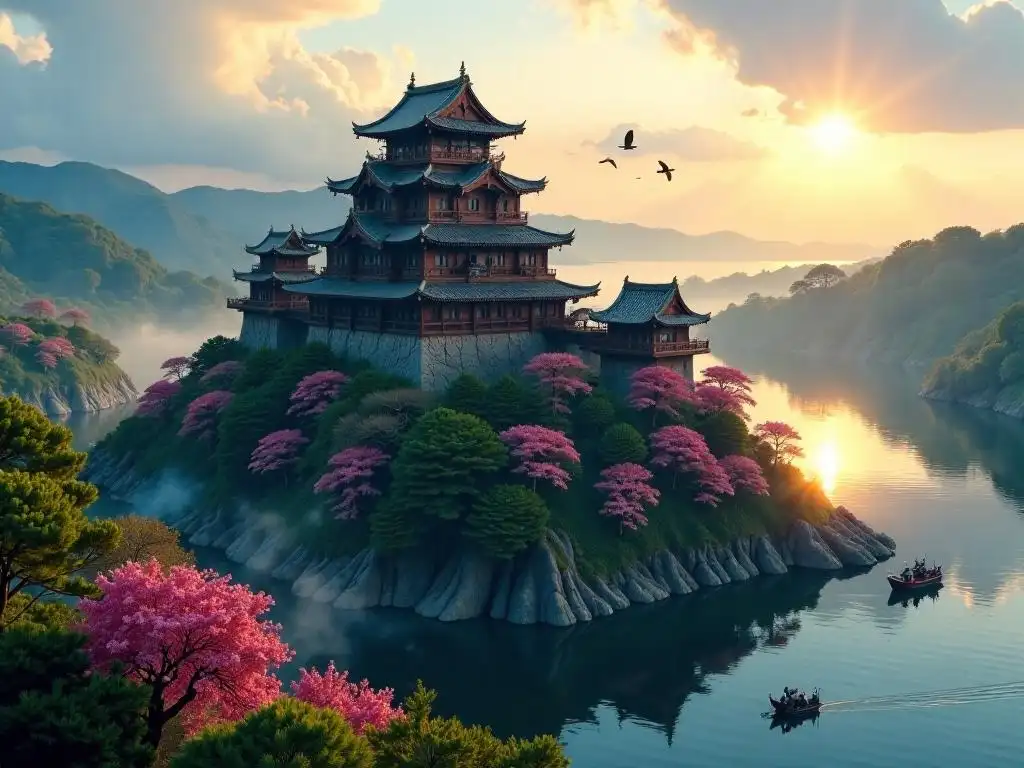
A Daimyo was a powerful feudal lord in Japan during the feudal era, particularly from the late 12th century until the 19th century. The term "Daimyo" translates to "great name," reflecting the authority and status these lords held within the social hierarchy of feudal Japan. Each Daimyo governed a specific domain, which was a significant territory that included numerous villages, towns, and sometimes entire provinces.
The responsibilities of a Daimyo were multifaceted and included:
- Military Leadership: Daimyo were expected to lead their samurai warriors in battle. In times of conflict, they mobilized their forces to fight for their interests or those of their allies.
- Governance: Each Daimyo was responsible for maintaining order within their domain, which involved implementing laws, collecting taxes, and managing land and resources.
- Economic Management: They oversaw agricultural production and trade, ensuring that their domain was economically viable. This meant managing irrigation, crop production, and sometimes engaging in trade with other regions or foreign entities.
- Cultural Patronage: Daimyo often served as patrons of the arts, sponsoring cultural events, tea ceremonies, and the construction of temples and castles, which reflected their wealth and power.
These responsibilities placed the Daimyo at the center of political, military, and cultural life in feudal Japan, making them crucial figures in the era's historical narrative.
The Political Power of Daimyo and Their Domains
The political power of the Daimyo was both significant and complex. They were subordinate to the Shogun, the military ruler of Japan, yet wielded considerable autonomy within their domains. This duality created a unique power dynamic characterized by the following elements:
- Feudal System Structure: The Daimyo were part of a hierarchical structure where they received land (known as han) from the Shogun in exchange for loyalty and military service. This land grant was not merely a privilege but a vital resource for generating income through agriculture and taxation.
- Alliances and Conflicts: Daimyo frequently formed alliances with one another, which could lead to periods of stability or conflict. The most powerful Daimyo could challenge the authority of the Shogun or engage in civil wars, such as the Sengoku period, where numerous factions vied for control over Japan.
- Castle Construction: To solidify their power, many Daimyo constructed impressive castles, which served not only as military fortifications but also as administrative centers and symbols of their authority. These castles were architectural marvels that showcased the wealth and capabilities of their lords, further entrenching their status.
- Taxation and Economic Control: The Daimyo had the authority to levy taxes on the peasants within their domain, which provided them with the necessary resources to maintain their armies and support their lifestyle. This economic power was crucial for their political influence.
Overall, the political landscape of feudal Japan was heavily influenced by the actions and ambitions of the Daimyo, whose relationships with the Shogunate and each other shaped the course of Japanese history.
Influence of Daimyo on Japanese Society and Culture
The influence of the Daimyo extended beyond politics and military might; they played a pivotal role in shaping Japanese society and culture during the feudal era. Their impact can be observed through various aspects:
- Cultural Development: Daimyo were patrons of the arts, supporting the development of traditional crafts, theater (such as Noh and Kabuki), and literature. Their sponsorship led to a flourishing of culture that became integral to Japanese identity.
- Architecture: The castles built by the Daimyo are now considered national treasures. These architectural feats, such as Himeji Castle and Nagoya Castle, illustrate the aesthetic values of the time and serve as historical sites that attract tourists and scholars alike.
- Social Hierarchy: The Daimyo's status reinforced the social structure of feudal Japan, where the samurai class served under them, and peasants worked the land. This hierarchy established a sense of order, albeit one that was often marked by conflict and stratification.
- Education and Governance: Many Daimyo established schools and promoted education within their domains, emphasizing the importance of Confucian principles and samurai ethics. This contributed to a more educated populace and the development of local governance systems.
The Daimyo played an indispensable role in shaping the political, societal, and cultural fabric of feudal Japan. Their castles not only served as military strongholds but as symbols of their enduring legacy, reflecting their influence throughout the centuries. The Daimyo castles in feudal Japan remain a testament to this rich history and the complexities of the era.
Architectural Features of Daimyo Castles
The architectural features of daimyo castles in feudal Japan reflect not only the military needs of the period but also the aesthetic sensibilities of the Japanese elite. These castles served as both fortifications and residences, showcasing the power and prestige of the daimyo. The design and construction of these architectural marvels were influenced by various factors including regional resources, the political climate, and cultural preferences.
Design Elements of Daimyo Castles
Daimyo castles were characterized by several distinct design elements that differentiated them from other structures of the time.
-
Tenshu (Main Keep):
The tenshu, or main keep, was the focal point of any daimyo castle. It was often built on elevated ground, symbolizing dominance and providing a strategic view of the surroundings. The tenshu featured multiple stories, with the upper levels designed for both defense and as a living space for the daimyo and their families.
-
Yagura (Watchtowers):
These towers were integral for surveillance and defense. Constructed at strategic points, yagura allowed for a panoramic view of the castle's surroundings, enhancing security against potential attacks.
-
Bailey (Kuruwa):
The kuruwa, or bailey, was an enclosed area that served as a central hub for activities within the castle. This space often included administrative buildings, barracks for soldiers, and residences for lower-ranked samurai.
-
Materials Used:
Traditional materials such as wood, stone, and plaster were commonly employed. The use of stone was particularly significant in the foundation and lower levels for enhanced stability and fortification.
-
Roof Design:
The distinctive curved roofs, often adorned with ornate tiles, not only added aesthetic appeal but also provided practical advantages, such as water drainage and resilience against harsh weather conditions.
Defensive Structures: Moats, Walls, and Gates
The defensive architecture of daimyo castles was paramount to their function as military strongholds. The design included various elements aimed at deterring invaders and protecting the inhabitants.
-
Moats:
Surrounding many castles, moats served as a first line of defense. These water-filled ditches impeded the progress of enemy forces and provided a barrier against siege equipment. Some moats were deep and wide, complicating any attempts to breach the castle.
-
Stone Walls:
Constructed using locally sourced stone, these walls were often several meters high and featured a sloped design to prevent easy climbing. The walls were strategically placed at angles to create blind spots for attackers, enhancing the castle's defensive capabilities.
-
Gates:
The gates of daimyo castles were heavily fortified and often included complex mechanisms for locking and securing the entry points. Notable gates, such as the Ninomaru Gate, featured intricate woodwork and were designed to impress visitors while providing security.
-
Watchtowers and Arrow Slits:
Towers provided lookout points, while arrow slits allowed defenders to shoot at attackers without exposing themselves. These architectural features exemplified the ingenuity of Japanese castle builders in their approach to defense.
Aesthetic Aspects: Gardens and Inner Sanctuaries
Beyond their military function, daimyo castles also served as symbols of culture and refinement. The aesthetic aspects of these structures were carefully planned to reflect the values and tastes of the era.
-
Japanese Gardens:
Gardens surrounding the castles were meticulously designed to promote tranquility and beauty. Featuring elements such as koi ponds, stone lanterns, and carefully pruned trees, these gardens were a space for relaxation and contemplation, contrasting with the surrounding fortifications.
-
Inner Sanctuaries:
The inner sanctuaries within a castle often included shrines and altars dedicated to Shinto deities, reflecting the spiritual beliefs of the daimyo. These spaces were designed to provide peace and a connection to nature, often decorated with natural materials and traditional artwork.
-
Tatami Rooms:
The interiors of the castles featured tatami mat rooms, which were used for formal ceremonies and gatherings. The layout of these rooms adhered to strict principles of design and harmony, emphasizing the aesthetic philosophy of the time.
-
Symbolism in Design:
Many features of the castles were imbued with symbolic meaning. For example, the use of specific colors or patterns in the decoration of walls and roofs often signified the lineage or accomplishments of the daimyo.
The architectural features of daimyo castles in feudal Japan represent a unique blend of functionality and artistry. From their robust defensive structures to their serene gardens, these castles tell the story of a complex society where military might and cultural sophistication coexisted.
Notable Daimyo Castles in Feudal Japan
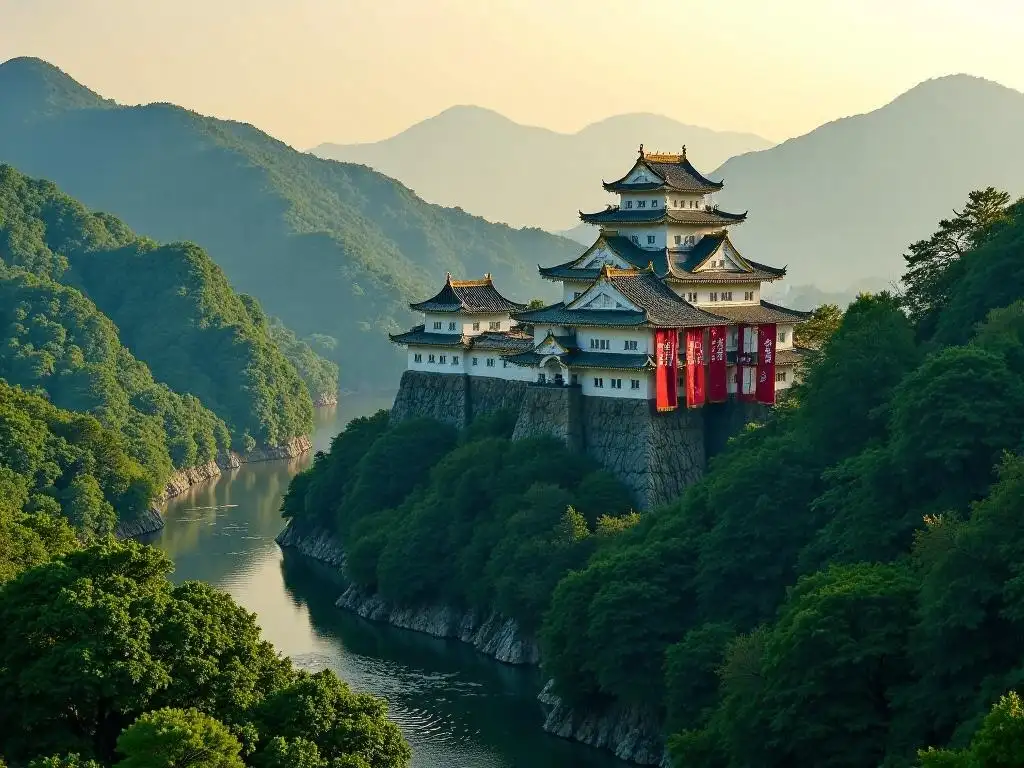
The castles of the daimyo during Japan's feudal era are not just military fortifications; they are also intricate works of art that embody the cultural and political significance of their time. Each castle tells a unique story of its owner, the region it protected, and the architectural innovations of the period. Below are some of the most notable daimyo castles that have endured the test of time, showcasing their historical and architectural marvels.
Himeji Castle: The White Heron Castle
Himeji Castle, also known as "Shirasagijo" or the White Heron Castle, is perhaps the most famous and visually stunning castle in Japan.
Features and Design
- Architecture: Himeji Castle is a prime example of Japanese castle architecture, featuring a complex of over 80 buildings surrounded by defensive walls and moats. Its elegant white exterior is complemented by its tiered roofs, which resemble the wings of a heron in flight.
- Strategic Location: Perched on a hill, the castle's location provided a strategic advantage for surveillance and defense against potential invaders.
- UNESCO World Heritage Site: Recognized for its cultural significance, Himeji Castle was designated a UNESCO World Heritage Site in 1993.
Historical Significance
Himeji Castle was originally constructed in 1333 and underwent several renovations and expansions over the centuries. It served as the residence of various powerful daimyo, including the Ikeda clan during the Edo period. Its preservation is a testament to the architectural ingenuity of feudal Japan and remains a symbol of the country's heritage.
Matsumoto Castle: The Crow Castle
Matsumoto Castle, often referred to as "Karasu-jō" or the Crow Castle due to its dark exterior, is one of Japan's most iconic castles.
Features and Design
- Unique Architecture: Matsumoto Castle is a six-story structure, notable for its black wooden beams and white plaster walls, creating a striking contrast. The castle's asymmetrical design and its picturesque setting against the Northern Alps enhance its dramatic appearance.
- Surrounding Moat: The castle is surrounded by a beautiful moat, which not only served a defensive purpose but also adds to the aesthetic appeal of the site.
- National Treasure: Designated as a National Treasure of Japan, Matsumoto Castle is one of the few castles that still retains its original wooden interiors.
Historical Significance
Constructed in the late 16th century by the daimyo, Matsumoto Castle played a crucial role in the region's defense. The castle's strategic position allowed it to monitor the roads and trade routes, making it an essential fortress during the feudal era. Today, it stands as a popular tourist destination, reflecting the rich historical tapestry of feudal Japan.
Kumamoto Castle: A Testament to Strength
Kumamoto Castle is renowned for its formidable design and historical importance, often seen as one of the strongest castles in Japan.
Features and Design
- Imposing Structure: The castle features high stone walls and numerous towers, which were designed to withstand attacks. The main keep, or donjon, is particularly impressive, reaching a height of 30 meters and showcasing traditional Japanese architectural elements.
- Innovative Defense Mechanisms: Kumamoto Castle is notable for its defensive innovations, including a unique system of interconnected gates and walls designed for strategic defense.
- Extensive Grounds: The castle complex includes beautifully landscaped gardens, moats, and additional structures that enhance its grandeur.
Historical Significance
Built in the early 17th century by the daimyo Kato Kiyomasa, Kumamoto Castle served as a crucial military base during various conflicts, including the Satsuma Rebellion in 1877. Despite suffering significant damage during the 2016 earthquakes, restoration efforts are underway to preserve its legacy. Kumamoto Castle stands not only as a symbol of military strength but also as a cultural landmark that reflects the artistry of feudal Japanese architecture.
The castles of the daimyo, such as Himeji, Matsumoto, and Kumamoto, are not merely historical structures; they are enduring symbols of Japan's feudal past. Their architectural marvels and strategic significance continue to draw admiration and study, ensuring their place in the annals of history.
The Construction of Daimyo Castles
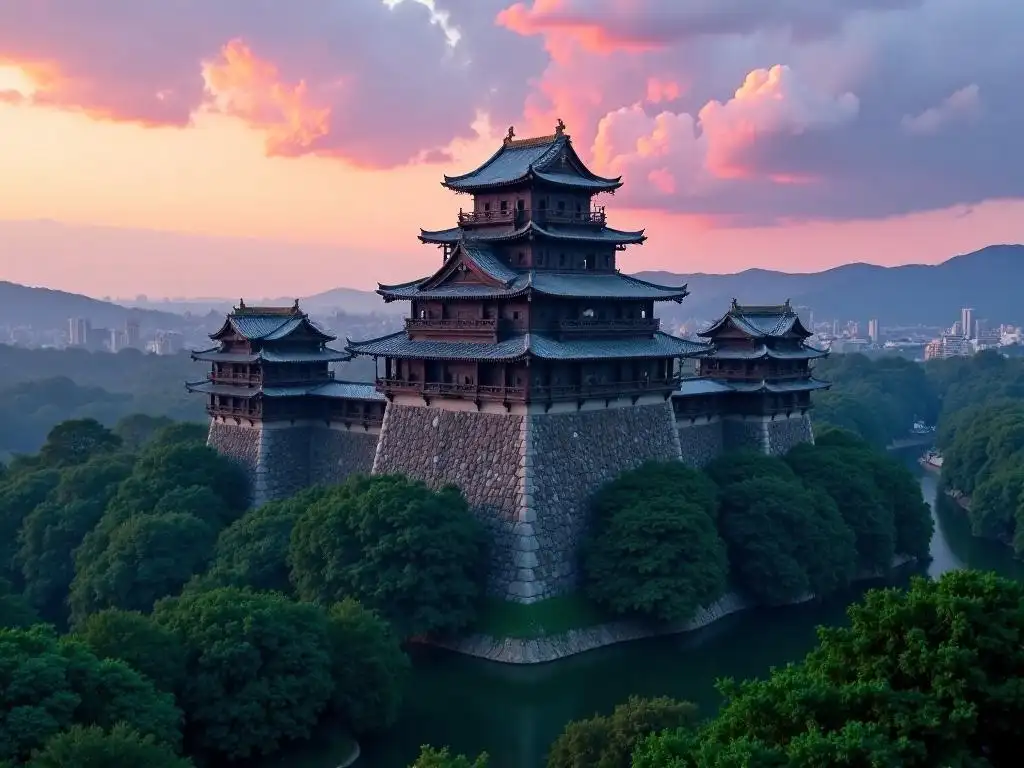
Daimyo castles in feudal Japan are not only significant historical structures but also architectural marvels that reflect the power and prestige of their owners. The construction of these castles was a monumental task that involved careful planning, sophisticated engineering, and the use of various materials and techniques. Understanding how these castles were built provides insight into the feudal system and the societal structures of the time.
Materials Used in Castle Construction
The choice of materials for constructing daimyo castles was crucial, as it influenced both the durability and the aesthetics of the structures. Common materials included:
- Wood: Timber was the primary building material used in many castles. Local woods, such as cedar and cypress, were preferred due to their availability and resistance to decay.
- Stone: Many castles featured stone foundations and walls. This provided added strength and defense against attacks. The stone was often quarried from nearby mountains, ensuring a steady supply.
- Earth: Earthworks played a vital role in castle construction. Moats and earthen walls (known as tsukiyama) were often built to enhance fortifications, using soil excavated during the construction process.
- Clay and plaster: Used for finishing walls, clay and plaster helped to protect wooden structures from the elements and provided a smooth surface for painting and decorative purposes.
- Metal: Iron was used for essential components such as nails, hinges, and fortification features. Advanced metallurgy allowed for the production of strong and durable weapons and tools.
These materials were not only chosen for their functional properties but also for their symbolic significance, reflecting the status of the daimyo and their lineage.
Techniques and Innovations in Feudal Architecture
The construction of daimyo castles involved several innovative techniques that showcased the architectural prowess of feudal Japan. Key aspects included:
- Fortification techniques: Castles were designed with defensive features such as high stone walls, moats, and strategically placed towers. The concept of shiki-ya (watchtowers) allowed for better visibility and defense against potential attackers.
- Zigzag paths: Many castles incorporated winding paths leading to the main entrance, designed to confuse invaders and slow their progress.
- Asymmetrical layouts: Unlike symmetrical designs commonly seen in Western architecture, Japanese castles often had asymmetrical plans, which made them more difficult to attack and provided better visibility for defenders.
- Use of tatami: The interior spaces often featured tatami mat flooring, which was not only aesthetically pleasing but also contributed to the insulation and comfort of the castle.
- Roof designs: The distinctive curved roofs, adorned with ornate tiles and decorative elements, were not only functional in shedding rain and snow but also served as a representation of the daimyo's wealth and taste.
These techniques highlight the blend of practicality and artistry that characterized feudal Japanese architecture, adapting to both the environment and the needs of the ruling class.
The Role of Craftsmen and Workers in Castle Building
The construction of daimyo castles was a collaborative effort involving a wide array of skilled craftsmen and laborers, each playing a vital role in the process. Key contributors included:
- Architects and designers: Known as shichido, these experts were responsible for planning the layout and aesthetic aspects of the castle, ensuring that it met the functional and defensive needs of the daimyo.
- Carpenters: Skilled carpenters were essential in working with wood, crafting intricate joinery and supporting structures. Their expertise was crucial in creating the wooden frameworks that formed the backbone of many castles.
- Stone masons: Masons specialized in cutting, shaping, and assembling stone blocks. Their knowledge of local geology allowed for the effective selection and use of materials that would withstand the test of time.
- Laborers: Often conscripted from local populations or hired as skilled workers, laborers performed the essential tasks of transporting materials, excavating earth, and assembling components under the guidance of craftsmen.
- Artisans: Decorative elements were often created by artisans who specialized in painting, tile-making, and metalworking. These finishing touches not only enhanced the beauty of the castles but also reflected the cultural identity of the region.
The collaborative nature of castle building illustrates the interconnectedness of various trades and the importance of community in achieving monumental architectural feats. The legacy of these craftsmen endures in the enduring grandeur of the castles they built, which continue to captivate visitors and historians alike.
The Cultural Significance of Daimyo Castles
Daimyo castles in feudal Japan were not merely fortifications; they were cultural symbols that encapsulated the power dynamics, social structures, and artistic expressions of their time. These architectural marvels served multiple purposes beyond military defense, reflecting the values and aspirations of the daimyo and their retainers.
Daimyo castles are often seen as physical manifestations of authority. Their imposing structures, strategically situated on hilltops or near rivers, were designed to intimidate rivals and assert dominance over the surrounding territories. Each castle was a statement of the daimyo's wealth and influence, often lavishly decorated with intricate woodwork, stunning gardens, and elaborate stone walls.
- Design Elements: The architectural style of a castle could vary significantly, but most featured a central keep (tenshu) that served as the residence of the daimyo. The use of natural materials like wood and stone, combined with aesthetic elements such as tatami mat flooring and fusuma sliding doors, exemplified the cultural sophistication of the time.
- Status Representation: The size and grandeur of a castle were direct indicators of a daimyo's status. For example, Himeji Castle, often referred to as the "White Heron Castle," is a prime example of this practice, showcasing not only military might but also the artistic capabilities of the era.
Through these structural choices, daimyo castles conveyed messages about the hierarchical structure of feudal society. The castles often included areas designated for samurai and their families, emphasizing loyalty and the feudal bond that existed between the daimyo and his vassals.
The Role of Castles in Military Strategy
The strategic location of daimyo castles played a vital role in the military landscape of feudal Japan. Castles were not just defensive structures; they were integrated into broader military strategies that shaped conflicts and territorial control.
- Defensive Architecture: Many castles were constructed on difficult terrains, such as cliffs or surrounded by moats, to impede enemy advances. The use of thick stone walls and arrow slits allowed defenders to repel attacks effectively while minimizing exposure to enemy fire.
- Command Centers: Castles served as command centers during conflicts, allowing daimyo to plan military campaigns and coordinate troops. The layout of the castle often included training grounds and storage areas for weapons and supplies, which were critical during prolonged sieges.
- Communication Hubs: The architecture facilitated effective communication and signaling. Watchtowers allowed for early warning of enemy movements, and the design of the castle often included pathways that enabled swift movement of troops within the castle grounds.
This military significance underscores the importance of castles not only as defensive structures but also as central hubs of power and decision-making during the tumultuous periods of feudal Japan.
Festivals and Events Held at Daimyo Castles
Daimyo castles were vibrant centers of cultural activity, hosting a variety of festivals and events that reflected the values and traditions of the time. These gatherings served to reinforce social bonds, display wealth, and celebrate cultural achievements.
- Seasonal Festivals: Many castles hosted seasonal festivals that coincided with agricultural cycles, such as rice planting and harvest celebrations. These events often included traditional music, dance, and food, fostering a sense of community among the daimyo's subjects.
- Ceremonial Gatherings: Important ceremonies, such as weddings or the coming-of-age celebrations of samurai, were often held within the castle walls. These events reinforced the loyalty of vassals and the social hierarchy, as attendance was sometimes mandatory for samurai families.
- Cultural Showcases: Daimyo castles also served as venues for cultural showcases, where arts such as tea ceremonies, calligraphy, and Noh theater were performed. These events not only highlighted the daimyo's patronage of the arts but also served to strengthen ties with influential cultural figures.
In this way, daimyo castles became more than just military strongholds; they were cultural epicenters that played a crucial role in the social and political life of feudal Japan, fostering a rich tapestry of traditions that would influence Japanese culture for generations to come.
The Decline of Daimyo Castles
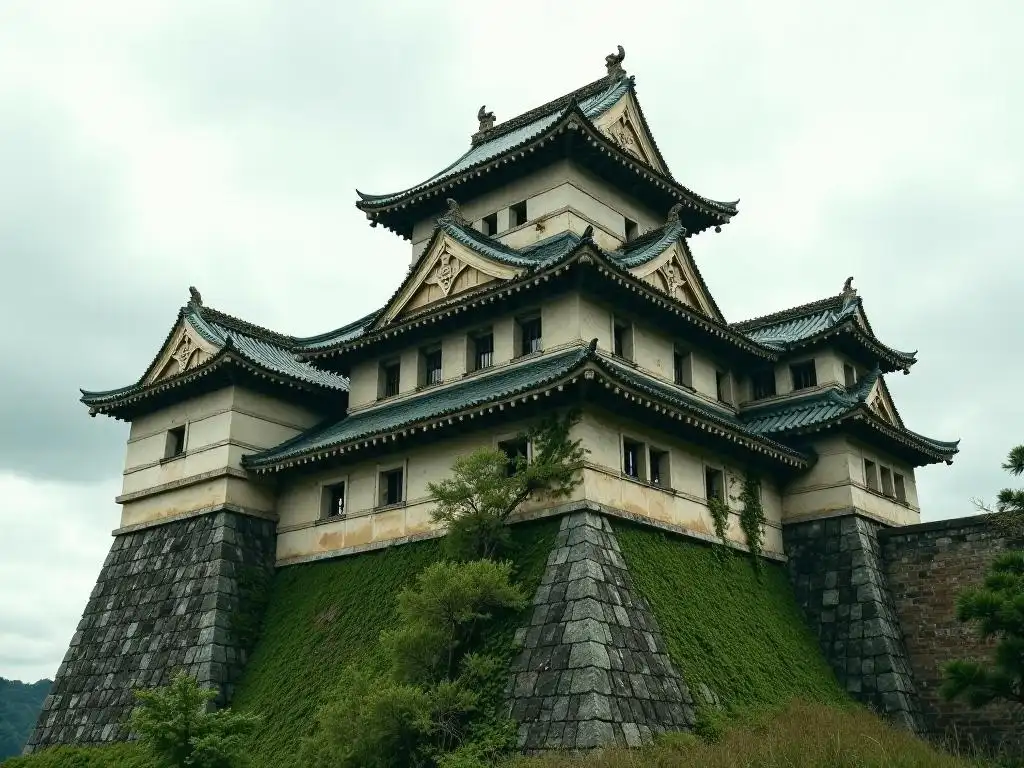
The decline of daimyo castles in feudal Japan was a significant turning point in the country’s architectural and political landscape. As the nation transitioned into the modern era, various factors contributed to the abandonment and degradation of these once-mighty fortifications, leading to a profound transformation in both society and governance.
Factors Leading to the Abandonment of Castles
Several key factors influenced the decline of daimyo castles during the late Edo period and into the Meiji Restoration:
- Political Centralization:
- The unification of Japan under the Tokugawa shogunate in the early 17th century significantly reduced the power of individual daimyo. As the shogunate centralized authority, many local lords found their roles diminished, leading to less need for fortified structures.
- Economic Changes:
- The rise of a merchant class and the shift towards a more commerce-based economy reduced the relevance of military fortifications. As trade flourished, castles that once served as military strongholds became symbols of outdated power structures.
- Military Innovations:
- The introduction of modern weaponry, including firearms, diminished the effectiveness of traditional castle defenses. This led to the realization that castles were no longer viable as military installations.
- Social Upheaval:
- The social structure of Japan underwent significant changes as the country moved towards modernization. The samurai class's decline in power and prestige made the grandiose castles less relevant.
- Natural Disasters:
- Japan is prone to earthquakes and other natural disasters, which have historically damaged many castles. The cost of repairs often outweighed the benefits of maintaining these structures.
Transition from Feudalism to Modern Japan
The transition from feudalism to modern Japan brought about profound changes in the political and social landscape that further contributed to the decline of daimyo castles.
-
Meiji Restoration (1868):
The Meiji Restoration marked a significant shift as the emperor was restored to power, leading to the dismantling of the feudal system. This period emphasized modernization and industrialization, focusing on creating a unified nation-state rather than individual domains ruled by daimyo.
-
Land Reforms:
The government's land reforms began to redistribute land from the daimyo to the state, effectively nullifying the political power that these feudal lords once held and further decreasing the need for their castles.
-
Cultural Shift:
As Japan embraced Western influences, there was a cultural movement that favored modern architecture and urban planning. Many castles were abandoned in favor of new governmental buildings and infrastructure that aligned more closely with the emerging national identity.
Preservation Efforts for Historical Castles
Despite the decline and abandonment of many daimyo castles, significant efforts have been made in recent years to preserve these historical sites:
-
Cultural Heritage Recognition:
Many castles have been recognized as Important Cultural Properties or National Treasures of Japan, ensuring their protection under Japanese law. This recognition has helped foster public interest and funding for preservation efforts.
-
Restoration Projects:
Various restoration projects have been initiated to restore and maintain these castles, with skilled craftsmen employed to use traditional techniques. For example, Himeji Castle, one of Japan’s most famous castles, underwent extensive restoration work that was completed in 2015, preserving its historical integrity.
-
Tourism and Education:
The promotion of daimyo castles as tourist attractions has also contributed to their preservation. Many castles now serve as museums, educating the public about Japan’s feudal era and the architectural significance of these structures.
-
Community Involvement:
Local communities have increasingly engaged in efforts to preserve their historical castles, organizing events and festivals that celebrate their heritage. This grassroots involvement has been crucial in raising awareness and securing funding for ongoing preservation initiatives.
While the decline of daimyo castles in feudal Japan was inevitable due to a combination of political, economic, and social factors, the subsequent efforts to preserve these architectural marvels highlight the enduring legacy of Japan’s feudal era. Today, these castles serve not only as historical landmarks but also as vital links to Japan’s rich cultural heritage.
Conclusion: The Legacy of Daimyo Castles in Feudal Japan
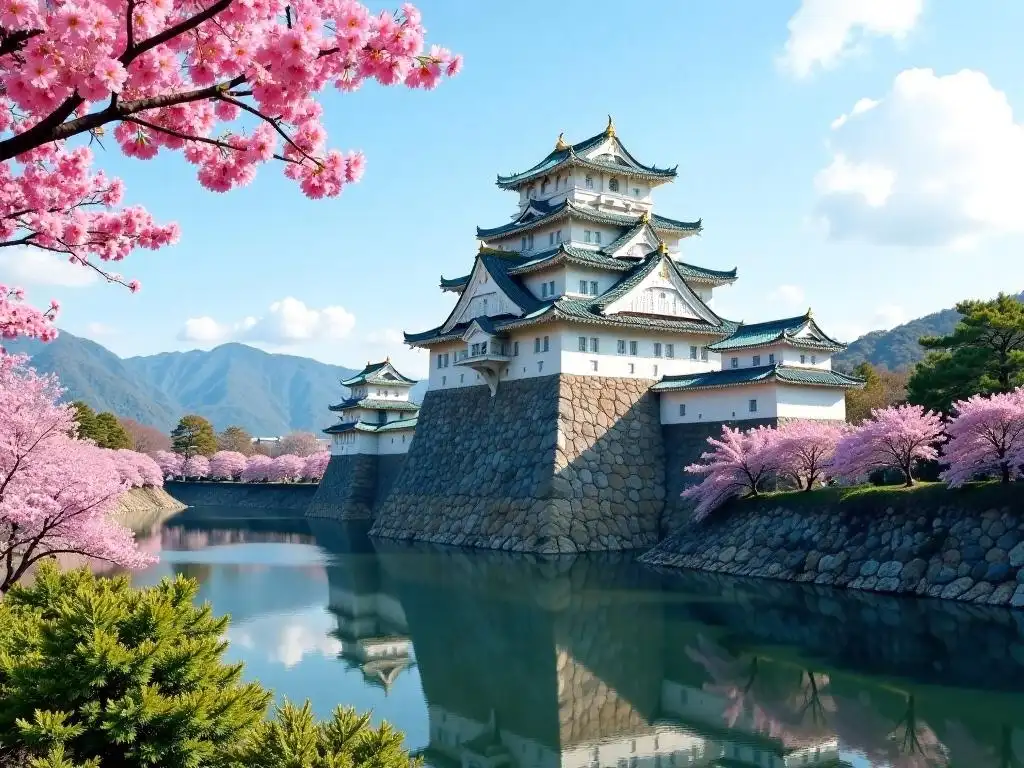
The legacy of daimyo castles in feudal Japan is a testament to the architectural ingenuity and sociopolitical dynamics of the era. These formidable structures not only served as military strongholds but also as symbols of power and prestige among the daimyo, who were the feudal lords governing various provinces. The intricate designs and strategic locations of these castles played a crucial role in the governance and defense of their domains, reflecting a unique blend of functionality and artistry.
Lasting Impact on Japanese Architecture
Daimyo castles have profoundly influenced Japanese architectural styles, setting precedents that resonate even today. Characterized by their multilayered roofs, stone walls, and moats, these castles were designed to repel invaders while providing a residence for the lord and his family. The use of natural materials, such as wood and stone, along with traditional Japanese aesthetics, led to the development of distinctive architectural elements, including:
- Shachihoko (mythical tiger-headed carp) ornaments, which adorned castle rooftops for good fortune.
- Tenshu (the main keep), often the tallest structure in the castle complex, showcasing elaborate wooden construction.
- Kuruwa (baileys), which served as defensive enclosures, often surrounded by intricate gardens and living quarters.
The architectural innovations birthed during this period influenced subsequent eras, including the Edo period, where more peace-oriented castles emerged. The balance between aesthetic beauty and defensive capabilities set a standard for Japanese architecture, leading to the continued evolution of castle design. This legacy can be seen in modern Japanese buildings that often incorporate elements inspired by these historical structures.
Continued Cultural Relevance and Tourism Today
Today, the remnants of daimyo castles serve not only as historical landmarks but also as vibrant cultural symbols. Many of these castles have been preserved or reconstructed, becoming focal points for tourism. Visitors flock to these sites to experience firsthand the grandeur of feudal Japan, often participating in guided tours that delve into the history and significance of these architectural marvels.
The cultural relevance of daimyo castles extends beyond mere tourism; they are celebrated in various forms of art, literature, and even cinema. Festivals and reenactments often take place at these sites, allowing people to engage with Japan's feudal history in immersive ways.
- Prominent Castles to Visit:
- Himeji Castle: A UNESCO World Heritage Site known for its elegant white exterior and complex defensive structures.
- Matsumoto Castle: Renowned for its striking black color, often referred to as the "Crow Castle."
- Nagoya Castle: Famous for its golden shachihoko and unique architectural style.
As educational resources, these castles offer insights into the feudal system, samurai culture, and the evolution of Japanese society. The ongoing interest in daimyo castles highlights their enduring significance as symbols of Japan's rich historical tapestry, ensuring that the legacy of these architectural marvels continues to thrive in contemporary culture.
References
The intricate relationship between the daimyo and their castles has left a profound mark on Japan's architectural heritage. Understanding this connection involves delving into a variety of sources that examine the historical context, architectural styles, and cultural significance of these majestic structures.
- Books
- The Samurai: A New History of the Warrior Class by Stephen Turnbull
- Japanese Castles 1540–1640 by Stephen Turnbull
- The Making of Modern Japan by Bruce S. Batten
- Academic Journals
- Journal of Japanese Studies - Articles that explore the socio-political dynamics of feudal Japan.
- Asian Architecture and Design - Focuses on various architectural aspects, including the evolution of daimyo castles.
- Documentaries and Films
- The Last Samurai - While dramatized, it provides insight into the samurai's role in the feudal system.
- Samurai Castle: The Story of Japanese Feudalism - A documentary focusing on the architecture and history of daimyo castles.
- Online Resources
- National Museums of Japan - Offers digital archives and exhibitions related to feudal Japan.
- Japanese Castle Foundation - A dedicated platform that provides detailed information on various castles and their historical contexts.
Further Reading on Daimyo and Their Castles
For those interested in a deeper exploration of daimyo castles in feudal Japan, the following resources can provide valuable insights into their architectural marvels and the historical narratives surrounding them:
- Articles & Essays
- "The Role of Castles in Feudal Japan" - Discusses the strategic importance of castles in maintaining power.
- "Architecture of the Samurai: A Study of Daimyo Castles" - Analyzes the architectural features that define these structures.
- Websites
- Japan Castle Guide - A comprehensive online resource featuring maps, historical data, and visitor information on notable castles.
- Feudal Japan Society - Offers a wealth of articles and publications dedicated to the study of feudal Japan’s social and political structures.
- Exhibitions
- The Great Japanese Castle Exhibition - An exhibition that explores the history and architectural design of notable castles built by daimyo.
Suggested Resources for Exploring Feudal Japan
To further enrich your understanding of daimyo castles in feudal Japan and their broader implications in the historical narrative, consider the following resources:
- Books
- Castles of Japan by Kiyoshi Takahashi - A visual and historical exploration of various castles throughout Japan.
- The Edo Period: A History by William McAlpine - Provides context on the era in which many daimyo castles were constructed.
- Online Courses
- Coursera - Offers courses on Japanese history that include modules on feudalism and architecture.
- edX - Features courses focusing on East Asian history, including the feudal period in Japan.
- Podcasts
- History of Japan - A podcast that delves into various aspects of Japanese history, including discussions on feudal lords and their castles.
- Nihon History - Examines the cultural and social history of Japan, with episodes dedicated to the feudal era.
These references and resources provide a robust framework for anyone looking to dive deeper into the fascinating world of daimyo castles in feudal Japan, their significance, and their enduring legacy in Japanese history.
Frequently Asked Questions
What were Daimyo castles in feudal Japan?
Daimyo castles were fortified structures built by feudal lords, known as Daimyos, to serve as their residences and military strongholds during Japan's feudal era.
How did Daimyo castles influence Japanese architecture?
Daimyo castles showcased innovative architectural techniques and designs, blending defensive features with aesthetic elements, influencing later Japanese castle construction.
What role did Daimyos play in feudal Japan?
Daimyos were powerful feudal lords who controlled large territories, managed land and resources, and maintained their own armies, significantly shaping the social and political landscape of feudal Japan.
Are any Daimyo castles still standing today?
Yes, several Daimyo castles, such as Himeji Castle and Matsumoto Castle, have been preserved and are recognized as important cultural heritage sites in Japan.
What cultural significance do Daimyo castles hold?
Daimyo castles represent the military prowess and political power of feudal lords, while also serving as symbols of Japanese heritage and artistry, reflecting the era's cultural traditions.
Final Reflection: The Enduring Legacy of Daimyo Castles in Feudal Japan
The architectural grandeur of daimyo castles in feudal Japan serves as a powerful reminder of the intricate relationship between power, culture, and artistry. Today, as we navigate a world increasingly defined by rapid change and technological advancement, the historical significance of these castles resonates more than ever. They stand not only as monuments of military strategy and defense but also as symbols of the rich cultural heritage that shaped Japan's identity. The legacy of these structures invites us to reflect on how history continues to influence our present.
The influence of daimyo castles extends beyond their physical presence; they have become cultural icons that inspire contemporary architecture and design. The stories embedded within their walls remind us of the complexities of feudal society and the artistry that flourished during that era. As the historian John W. Hall once said, “The past is not a mere backdrop; it is a living part of our present.” This perspective encourages us to appreciate how the architectural marvels of the past continue to inform our understanding of community, power, and beauty in today's world.
As you reflect on the significance of daimyo castles, consider how their stories can inspire your own journey. Embrace the lessons of resilience, creativity, and cultural appreciation that these structures embody. Let the legacy of these architectural wonders motivate you to explore the richness of your own heritage and to recognize the importance of preserving history for future generations. In doing so, we not only honor the past but also pave the way for a more informed and connected future.
Unveil the Splendor of Feudal Japan!
Thank you for diving into the fascinating world of daimyo and their incredible castles! You’ve gained insights into the architectural marvels that shaped Japan's history. Now, it’s time to take your newfound knowledge and bring it to life. Here are some exciting ways to deepen your engagement:
- Explore your local library or bookstore for books about Japanese architecture to enrich your understanding.
- Visit online resources or museums that feature virtual tours of these historical sites—immerse yourself in their beauty!
- Share this article with friends and discuss which architectural styles resonate with you; you never know where a great conversation might lead!
What aspect of the daimyo's castles fascinates you the most? Consider how you can weave this inspiration into your next creative project or meaningful discussion.