
The Role of Artisans in Tokugawa Society: Craftsmanship and Politics

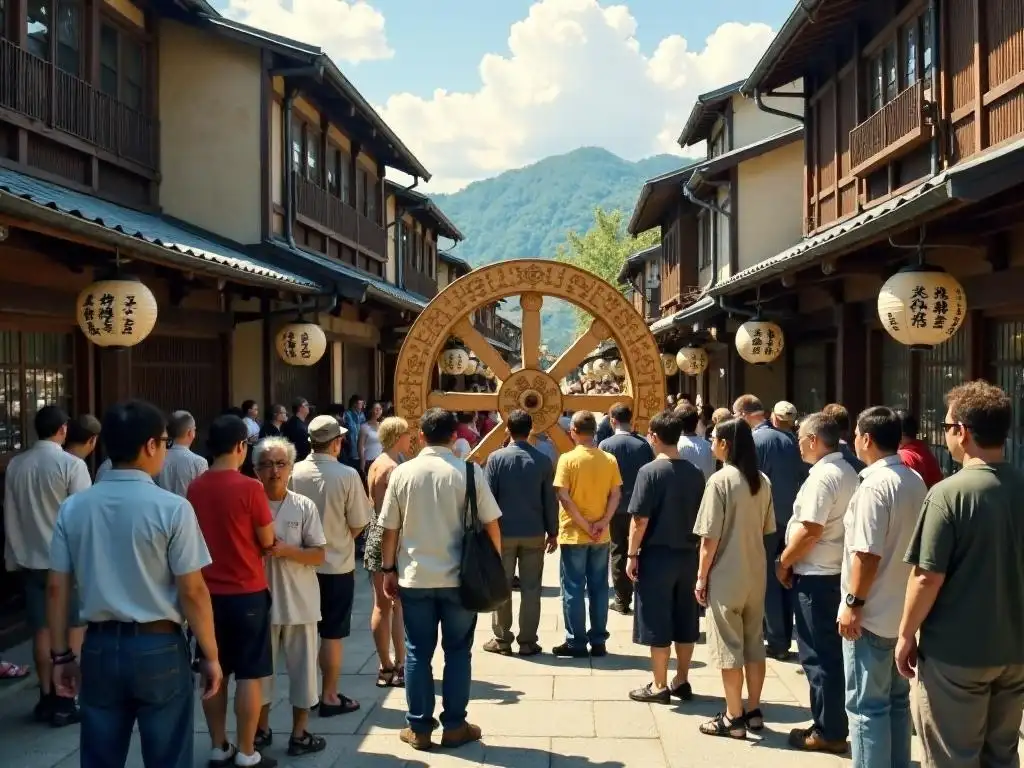
Welcome to Feudal Japan History, where we invite you to embark on an immersive journey through the intricate tapestry of Japan's feudal era. In our featured article, "The Role of Artisans in Tokugawa Society: Craftsmanship and Politics," delve into the fascinating world of Tokugawa artisans and discover how their exceptional craftsmanship not only shaped a vibrant culture but also influenced the political landscape of the time. Prepare to be captivated by stories of creativity and power, as we unravel the layers of history that define this remarkable period. Are you ready to explore the intersection of art and authority?
- Introduction to Tokugawa Artisans and Their Role in Society
- Historical Context of Artisans in the Tokugawa Era
- Craftsmanship in Tokugawa Society
- Political Engagement of Artisans
- Challenges Faced by Tokugawa Artisans
- The Legacy of Tokugawa Artisans
- Conclusion: The Dual Role of Artisans in Tokugawa Society
- Frequently Asked Questions
- Final Reflection: The Enduring Legacy of Tokugawa Artisanship
- Embrace the Legacy of Artisans: Take Action Today!
Introduction to Tokugawa Artisans and Their Role in Society
The Tokugawa Shogunate, reigning from 1603 to 1868, was a pivotal period in Japan's history characterized by strict social hierarchies and an emphasis on stability and order. Within this framework, artisans played a crucial yet often understated role in shaping the cultural and political landscape of the time. Tokugawa artisans were not merely craftsmen; they were vital contributors to both the economy and the social fabric of society.
Their craftsmanship not only reflected the aesthetic values of the era but also intertwined with the political dynamics of feudal Japan, influencing everything from local governance to trade practices. This article will delve into the multifaceted roles of artisans during the Tokugawa period, exploring how their work in various crafts and trades intersected with the politics of the time.
Overview of Tokugawa Society
Tokugawa society was structured in a rigid caste system, segmented primarily into four main classes: the samurai, farmers, artisans, and merchants. Each class had defined roles and responsibilities, with the samurai holding the highest status, followed by farmers who were considered the backbone of the agrarian economy. Artisans and merchants, while lower in rank, played indispensable roles in urban centers, contributing to the economic vitality and cultural richness of the era.
- Social Hierarchy:
- Samurai: Warriors and rulers, responsible for governance and military service.
- Farmers: Producers of rice and other essential crops, forming the economic base.
- Artisans: Skilled craftsmen creating goods ranging from textiles to weaponry.
- Merchants: Traders facilitating commerce, often accumulating wealth despite lower status.
While artisans were typically viewed as subordinate to both farmers and merchants, their skills and innovations significantly impacted Tokugawa Japan. The proliferation of urban centers, known as jokamachi, facilitated the rise of artisan guilds, which became crucial in promoting local economies through specialized craftsmanship.
Importance of Craftsmanship in Feudal Japan
Craftsmanship during the Tokugawa period encompassed a wide array of trades, from pottery and textiles to metalworking and woodworking. Each craft held its own significance and was often tied deeply to local customs and traditions. The quality of artisanal work not only reflected individual skill but also the cultural values of the community.
- Key Aspects of Craftsmanship:
- Cultural Heritage: Artisans preserved and advanced traditional methods, ensuring the continuity of cultural practices.
- Economic Contribution: Skilled artisans played a pivotal role in local economies, producing goods for both domestic consumption and export.
- Symbol of Status: High-quality craftsmanship became a marker of social prestige, particularly among samurai and wealthy merchants who sought unique and finely made items.
Artisans not only contributed to the economy through their products but also influenced cultural trends, often setting the standard for aesthetics and quality in various crafts. Their work can be seen as a reflection of the Tokugawa ethos of harmony and balance, where beauty and functionality coexisted.
Intersection of Politics and Artisanal Work
The relationship between artisans and politics during the Tokugawa period was complex. While artisans were not typically involved in the political sphere as samurai were, their work often had political implications. For example, the production of weapons, armor, and ceremonial items was closely monitored by the shogunate, emphasizing the importance of craftsmanship in the maintenance of power.
- Political Dynamics:
- Guilds and Governance: Artisans often organized into guilds, which allowed them to regulate their trades, negotiate prices, and maintain quality standards. These guilds sometimes interacted with local lords, influencing local politics and economics.
- Patronage: Artisans frequently relied on the patronage of samurai and wealthy merchants, creating a network where politics and craftsmanship intersected. This relationship could lead to favoritism and influence within local governance.
- Cultural Diplomacy: Artisans also contributed to cultural diplomacy through their craftsmanship, creating items that embodied the values and aesthetics of the Tokugawa regime, thereby reinforcing the political status quo.
The role of artisans in Tokugawa society was not only about the creation of goods but also about participating in the broader political and cultural narrative of the era. Understanding this intersection is vital for appreciating the complexity of Tokugawa Japan's socio-political landscape.
Historical Context of Artisans in the Tokugawa Era
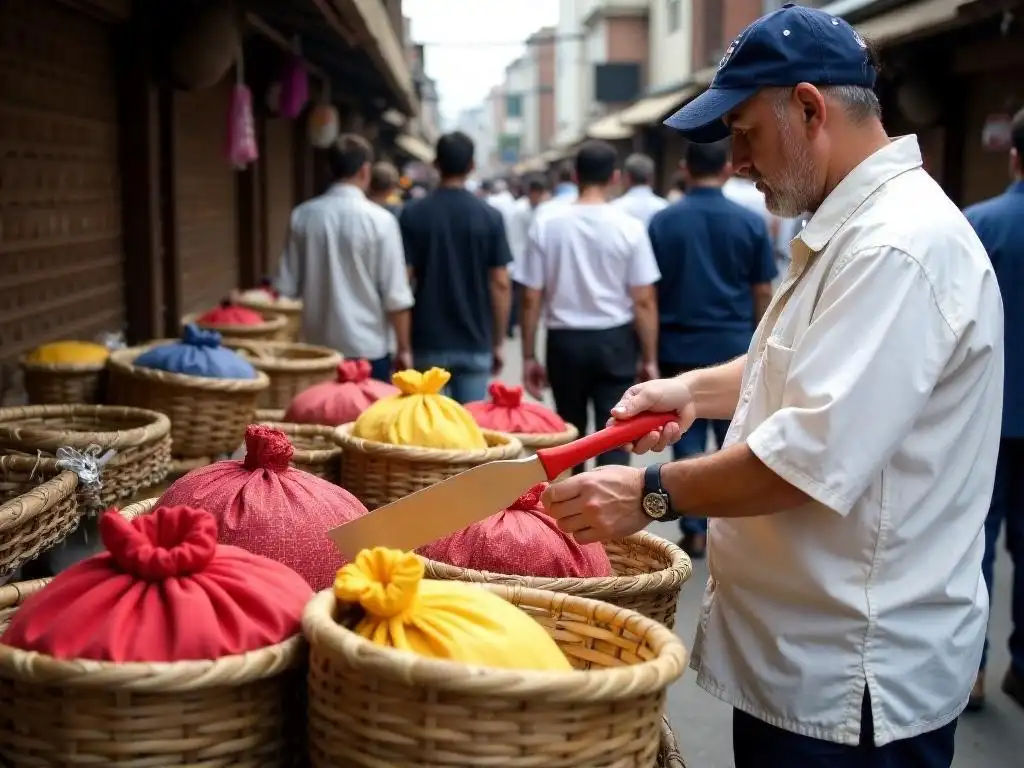
The Tokugawa Shogunate: A Brief Overview
The Tokugawa Shogunate, which ruled Japan from 1603 to 1868, marked a period characterized by relative peace and stability following centuries of warfare. Under the leadership of Tokugawa Ieyasu and his descendants, the government implemented a strict social order, known as the "Four Divisions of Society," which categorized people into samurai, farmers, artisans, and merchants. This structure not only defined the roles of individuals but also influenced the cultural and economic development of the era.
Artisans, often referred to as "shokunin," played a crucial role during the Tokugawa period, contributing to the flourishing of arts, crafts, and industries. Their skills were essential for creating goods that met the demands of a growing population and an increasingly sophisticated market. The Tokugawa Shogunate actively encouraged craftsmanship, promoting various guilds that regulated production standards and protected artisans' rights, thereby enhancing the quality and variety of goods available.
Within the rigid social hierarchy of Tokugawa Japan, artisans held a position that was often undervalued compared to the samurai class. While samurai were regarded as the ruling elite, artisans were placed below them in the social order. However, this status did not diminish their importance; artisans were crucial in producing the everyday items that sustained society.
- Classification of Artisans:
- Artisans were categorized into various guilds based on their craft.
- Major categories included weavers, potters, carpenters, and metalworkers.
Despite their lower social status, many artisans gained significant wealth and influence through their craft. Some even became patrons of the arts, commissioning works from other artists and craftsmen. This phenomenon illustrates the complex interplay between craftsmanship and social dynamics in Tokugawa society.
Quote: "Artisans were the backbone of the Tokugawa economy, providing not just goods, but also cultural identity."
Additionally, the Tokugawa government recognized the importance of artisans by implementing policies that protected their interests. The establishment of the "Nakamura" system allowed artisans to form guilds that governed their trades, ensuring fair competition and promoting quality craftsmanship. This system fostered innovation and collaboration among artisans, leading to the development of distinct regional styles and techniques.
Economic Impact of Artisans on Tokugawa Japan
Artisans significantly influenced the economic landscape of Tokugawa Japan, contributing to both local and national economies through their production of goods. Their craftsmanship not only catered to the needs of the samurai but also to the burgeoning merchant class and commoners.
- Key Contributions:
- Production of Goods: Artisans created a wide range of products, from textiles to ceramics, which were essential for everyday life.
- Economic Growth: The manufacturing and trade of artisanal goods stimulated local economies, leading to increased urbanization and the rise of market towns.
The flourishing of artisanal crafts also led to the emergence of a consumer culture in Tokugawa Japan. As cities grew, the demand for luxury goods among the merchant class escalated, prompting artisans to innovate and expand their offerings. This shift not only improved the standard of living but also enhanced the political power of the merchant class, allowing them to challenge the traditional samurai authority.
| Economic Contributions of Artisans | Impact |
|---|---|
| Production of luxury and everyday goods | Increased market activity |
| Formation of guilds | Regulation and quality control |
| Contribution to urbanization | Growth of towns and cities |
Tokugawa artisans were pivotal figures in shaping both the cultural and economic landscape of Japan during the shogunate. Their craftsmanship not only fulfilled the material needs of society but also played a vital role in the political dynamics of the era, illustrating the intricate relationship between craftsmanship and politics in Tokugawa Japan.
Craftsmanship in Tokugawa Society
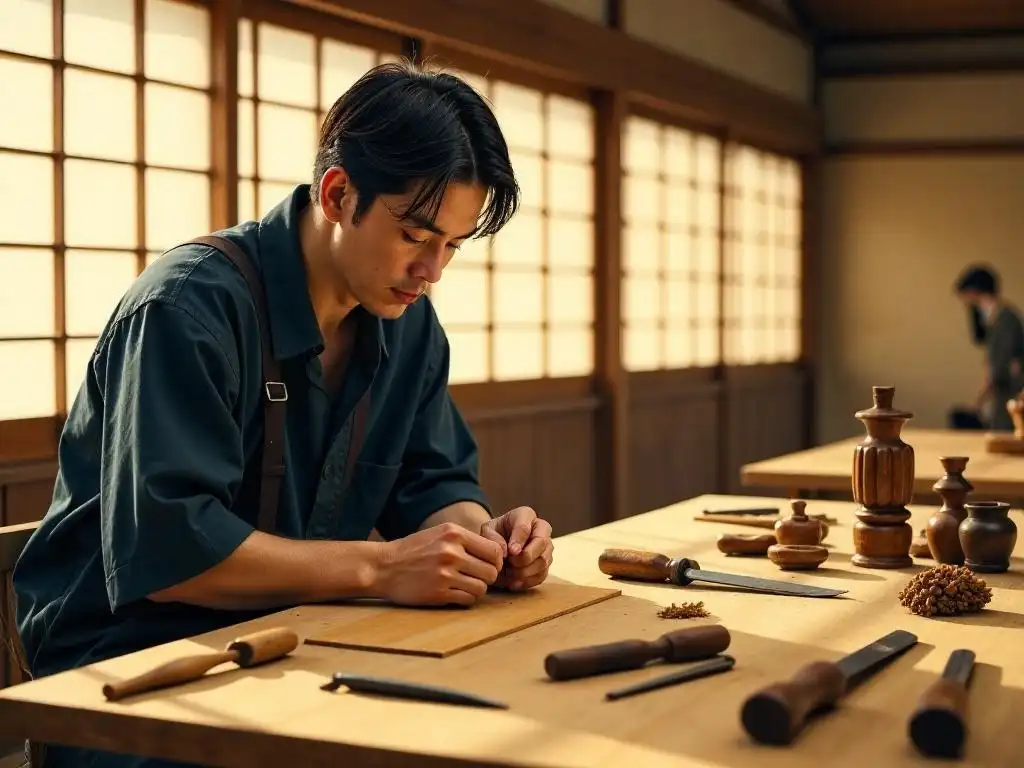
Craftsmanship during the Tokugawa era (1603-1868) played a pivotal role in shaping Japanese society. This period, characterized by peace and stability under the Tokugawa shogunate, allowed artisans to flourish and hone their skills. The socio-economic environment fostered a unique blend of creativity, technical prowess, and cultural significance, positioning artisans as essential contributors to both the economy and the cultural landscape of Japan.
The artisans of Tokugawa society were not merely craftsmen; they were skilled professionals whose work encompassed a wide array of specialties. Their craftsmanship was often intertwined with the local economy, social hierarchy, and even politics. As the demand for high-quality goods increased, artisans adapted their techniques and products to meet the needs of the emerging merchant class, transforming the landscape of Japanese production and consumption.
Types of Crafts and Specializations Among Artisans
Tokugawa artisans were organized into various crafts, each with its own specialties and techniques. Below are some of the prominent types of crafts that flourished during this period:
- Textile Production
- Silk Weaving: Known for its intricate designs and vibrant colors, silk became a symbol of status among the wealthy.
- Cotton Spinning: With the rise of the merchant class, cotton became increasingly popular for everyday garments.
- Ceramics and Pottery
- Arita Ware: Famous for its blue and white porcelain, Arita ware was highly sought after both domestically and internationally.
- Bizen Ware: Known for its rustic charm, Bizen pottery emphasized simplicity and natural materials.
- Metalwork
- Swordsmithing: The creation of katanas and other weapons was not only a craft but an art form, with swordsmiths revered for their skill in forging blades.
- Armory Craft: Besides weapons, artisans crafted armor, showcasing both functionality and artistry.
- Woodworking and Carpentry
- Joinery: Crafting intricate wooden structures without nails was a hallmark of Japanese carpentry.
- Furniture Making: Artisans produced both functional and decorative pieces, emphasizing aesthetics and practicality.
- Lacquerware
- Artisans created exquisite lacquered items, often adorned with detailed paintings and gold leaf, highlighting the sophistication of Tokugawa culture.
The specialization of these crafts allowed artisans to develop unique identities within their fields, fostering competition and innovation that further enriched Japanese culture.
The Influence of Artisans on Japanese Culture
The influence of artisans extended beyond mere craftsmanship; they played a crucial role in shaping Japanese cultural identity during the Tokugawa era. Their work reflected the aesthetics and values of the time, contributing to the broader cultural narrative of Japan.
- Aesthetic Contributions: Artisans infused beauty into everyday life through their creations, from elaborately designed textiles to finely crafted ceramics. This attention to detail elevated the status of ordinary objects to that of art, fostering a cultural appreciation for craftsmanship.
- Cultural Practices: Many artisans were involved in traditional practices, including festivals and ceremonies, where their creations were displayed and celebrated. This interplay between craftsmanship and cultural expression strengthened community ties and preserved cultural heritage.
- Economic Impact: The rise of a wealthy merchant class created new markets for artisan goods, leading to the emergence of a consumer culture. This economic shift not only transformed the status of artisans but also influenced societal values, emphasizing the importance of aesthetics and quality in daily life.
- Political Connections: Artisans often found themselves intertwined with the political landscape, as their skills were sought after by the samurai class and the shogunate. Their craftsmanship was not merely a trade; it was a means of political expression and influence.
Training and Guilds: The Path to Mastery
The journey to becoming a master artisan in Tokugawa society was marked by rigorous training and the establishment of guilds. These structures were instrumental in preserving knowledge, fostering skills, and ensuring the quality of craftsmanship.
- Apprenticeship System: Young artisans typically began as apprentices, learning the trade under the guidance of a master. This system emphasized hands-on experience and the gradual acquisition of skills. Apprentices often spent years honing their craft, reflecting the dedication required to achieve mastery.
- Guilds (za): Artisans often organized themselves into guilds, known as "za," which provided a framework for collaboration and mutual support. Guilds regulated standards, maintained quality, and protected the interests of their members. They also facilitated the sharing of techniques and innovations, fostering a collective identity among craftsmen.
- Certification and Recognition: Master artisans could achieve recognition through certification, often granted by their guilds or local authorities. This recognition not only validated their skills but also elevated their status within society, allowing them to command higher prices for their work.
- Cultural Transmission: Guilds played a significant role in the transmission of cultural knowledge and techniques across generations. This continuity ensured that traditional methods were preserved while also allowing for innovation and adaptation to changing tastes.
The role of artisans in Tokugawa society was multifaceted, intertwining craftsmanship with cultural, economic, and political dimensions. Their contributions not only shaped the aesthetic landscape of Japan but also laid the groundwork for the cultural identity that continues to resonate in contemporary society. The legacy of Tokugawa artisans remains a testament to the enduring power of craftsmanship and its intricate relationship with the fabric of society.
Political Engagement of Artisans
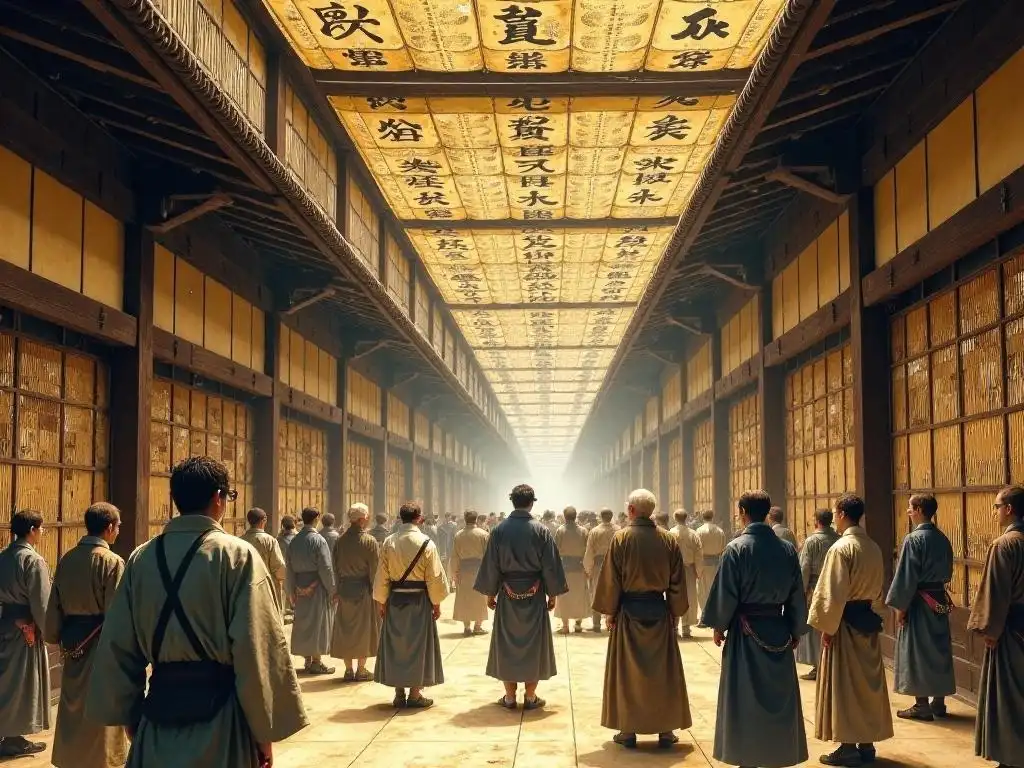
Artisans in the Tokugawa Political Landscape
During the Tokugawa Shogunate (1603-1868), artisans held a nuanced position within the socio-political hierarchy of Japan. Although they were often considered lower than the samurai and merchants, artisans played a crucial role in shaping the political landscape through their unique skills and community influence. Their craftsmanship not only catered to the needs of the elite but also made them vital contributors to local economies and, by extension, local politics.
In the Tokugawa era, the bakufu (shogunate) maintained a strict class system, categorizing society into four main classes: samurai, farmers, artisans, and merchants. Artisans, often skilled in various trades such as pottery, textiles, and metalwork, contributed to the economic stability of the region. For instance, the production of high-quality goods bolstered local economies, which in turn increased the artisans' political leverage within their communities. As they provided essential services and products, artisans were able to cultivate relationships with the ruling classes and local leaders, allowing them to engage in political discourse.
Moreover, the organization of artisans into guilds facilitated their collective bargaining power. These guilds were essential in negotiating prices, maintaining quality standards, and asserting their interests within the local governance structures. Consequently, artisans were not merely passive participants; rather, they actively engaged in political matters that directly affected their livelihoods, leading to a gradual increase in their political agency.
The Role of Craftsmanship in Political Expression
Artisanship during the Tokugawa period was more than just a trade; it served as a medium for political expression and social commentary. Many artisans utilized their skills to create works that reflected the prevailing social and political sentiments of the time. For instance, ukiyo-e (woodblock prints) became a popular art form that not only illustrated the beauty of landscapes and urban life but also critiqued the social order and political issues.
The craftsmanship in these artworks often conveyed subtle messages about the socio-political environment, allowing artisans to express dissent or support for the reigning power. For example, prints depicting the hardships faced by common people could serve as a form of protest against the samurai class's often oppressive governance. This duality of artisanship as both a craft and a political tool highlights the intricate relationship between craftsmanship and politics in Tokugawa society.
Moreover, festivals and public displays of craftsmanship provided artisans a platform to showcase their work, often intertwining cultural celebrations with political undertones. During these events, artisans could influence public opinion, rallying community support for various causes or leaders. Thus, the role of craftsmanship transcended mere utility; it became a vital aspect of political expression and societal engagement.
Case Studies of Notable Artisan Contributions to Politics
Several notable artisan contributions during the Tokugawa period exemplify the intersection of craftsmanship and political engagement.
- Mizuno Tadakuni's Reforms:
- Mizuno Tadakuni, a high-ranking official in the late Edo period, recognized the importance of local artisans in the economic structure. His reforms aimed to bolster local economies by supporting artisan guilds, which helped artisans gain a stronger voice in local governance.
- The Influence of Ukiyo-e Artists:
- Artists like Katsushika Hokusai and Utagawa Hiroshige produced works that not only captivated audiences but also reflected the political climate. Their illustrations often depicted the struggles of the lower classes, indirectly influencing public sentiment toward the ruling samurai class.
- Sake Brewers and Local Governance:
- In many regions, sake brewers were pivotal in local politics due to their economic clout. Their ability to produce and distribute sake allowed them to establish connections with local leaders and participate in community decisions, showcasing how artisans could wield political influence through economic means.
The contributions of artisans during the Tokugawa Shogunate were significant in both economic and political realms. Through their craftsmanship, they not only sustained local economies but also asserted their presence in the political landscape, demonstrating that artisanship was deeply intertwined with politics in Tokugawa society.
Challenges Faced by Tokugawa Artisans
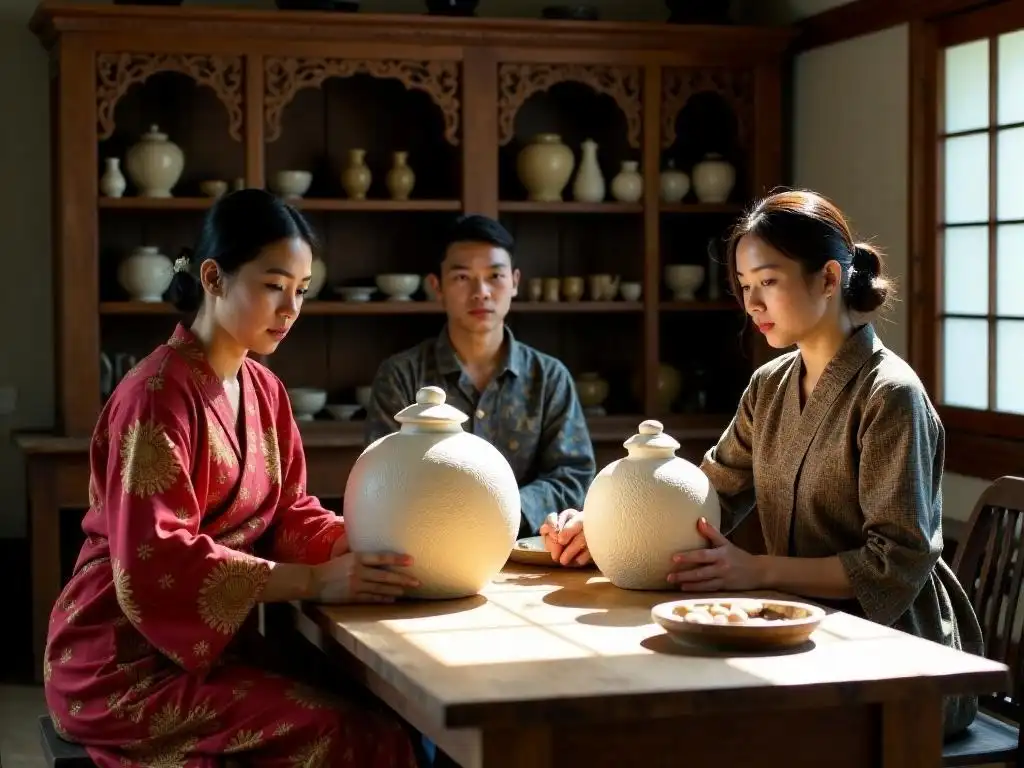
The Tokugawa period, spanning from 1603 to 1868, was marked by a unique socio-economic structure that significantly impacted artisans across Japan. While Tokugawa artisans played a crucial role in shaping Japanese culture through their craftsmanship, they faced numerous challenges that influenced both their livelihoods and their political standing within society.
Economic Pressures and Competition
During the Tokugawa era, artisans operated within a highly stratified economy that was driven by both local and regional competition. The rise of urban centers, particularly Edo (modern-day Tokyo), brought about a surge in demand for various crafts, ranging from textiles to ceramics. However, this increased demand also meant that artisans faced intense competition from both their peers and foreign influences.
- Market Saturation: As urban populations grew, many artisans flooded the market with their products. This saturation often led to price wars, where artisans had to lower their prices to remain competitive, impacting their profit margins. In some cases, artisans had to diversify their skills to appeal to a broader audience, which diluted their specialty craftsmanship.
- Guild Regulations: Artisans were often organized into guilds (za) that regulated trade practices, pricing, and the quality of goods. While these guilds provided some protection, they also created additional pressure. Artisans had to adhere to strict guidelines and quotas set by the guilds, limiting their creativity and innovation.
- Economic Downturns: The Tokugawa period also saw fluctuations in economic stability, particularly during times of famine or natural disasters. Such events could decimate local markets and lead to drastic reductions in demand for artisanal goods, forcing many artisans to seek alternative forms of income or face financial ruin.
Restrictions Imposed by the Tokugawa Government
The Tokugawa shogunate was known for its strict social hierarchy and regulatory policies, which had significant implications for artisans. These restrictions were aimed at maintaining order and control over the population, but they also stifled the potential of artisans to thrive.
- Sumptuary Laws: The government enacted sumptuary laws to regulate the types of goods that could be produced and sold, particularly in relation to luxury items. These laws were intended to reinforce class distinctions, but they also limited artisans' ability to capitalize on emerging trends and consumer desires.
- Censorship and Control: Artisans faced restrictions on the types of art and literature they could produce. The Tokugawa government exercised control over artistic expression, fearing that certain works could incite dissent or challenge the established order. This censorship stifled innovation and the evolution of different crafts.
- Land and Resource Restrictions: Access to essential materials was often controlled by the government. Artisans needed permits to procure certain raw materials, which could create bottlenecks in production and hinder their ability to create high-quality goods efficiently.
The social structure of Tokugawa society was rigid, with artisans occupying a unique position within the hierarchy. While they were not part of the samurai class, their role was crucial in sustaining the economy and culture. However, the potential for upward mobility was limited.
- Artisan Class Identity: Artisans developed a distinct identity that was both celebrated and constrained. Their craftsmanship was respected, and they contributed significantly to cultural practices, yet they were often looked down upon compared to the samurai. This duality created a complex relationship with their social status.
- Opportunities for Advancement: Some artisans managed to gain recognition and rise in social status through exceptional skill or innovative practices. Notable figures sometimes transcended their artisan roles to become influential in local governance or trade, but these instances were rare and often contingent upon specific circumstances.
- Community Bonds: Despite the limitations, artisans often formed strong community networks that provided support and solidarity. These networks were crucial for sharing knowledge, resources, and strategies for navigating the challenges posed by economic pressures and government restrictions.
Tokugawa artisans faced a myriad of challenges that shaped their political and social landscape. Understanding these challenges provides a deeper insight into the dynamics of craftsmanship and politics during this pivotal period in Japanese history.
The Legacy of Tokugawa Artisans
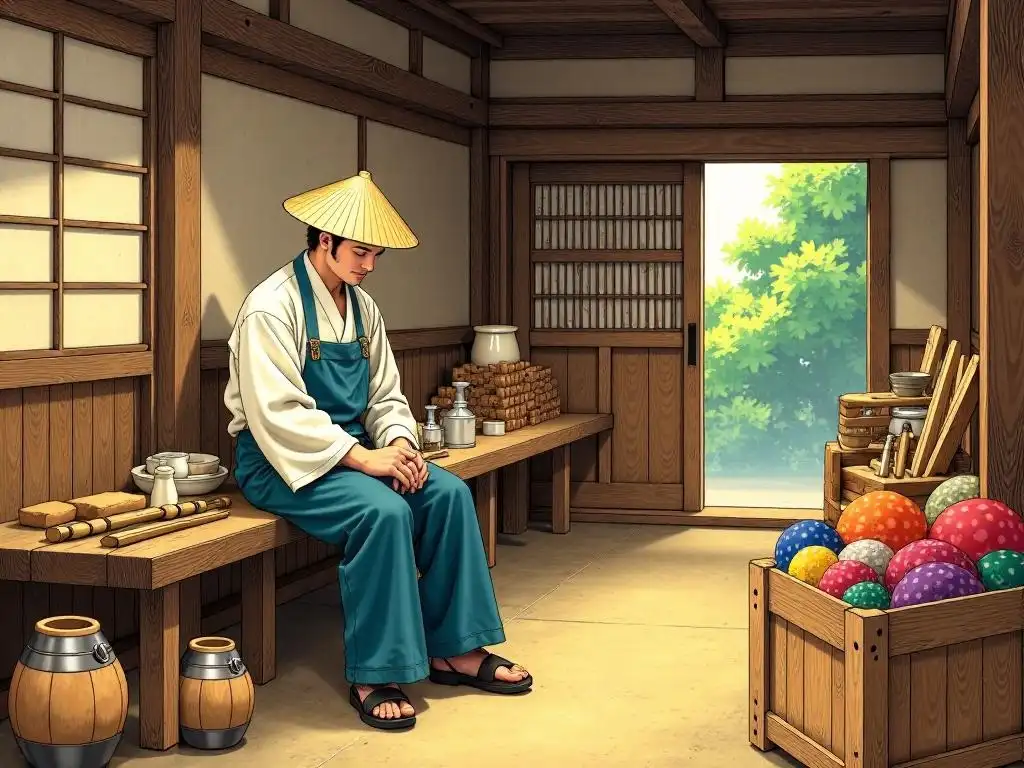
The Tokugawa period, spanning from 1603 to 1868, was marked by a unique socio-political structure that allowed artisans to flourish. This era saw the emergence of a class of skilled craftsmen whose contributions were pivotal not only in the realm of craftsmanship but also in shaping the political landscape of Japan. Tokugawa artisans established a legacy that continues to resonate in modern Japanese society, influencing both art and politics.
Influence on Modern Japanese Craftsmanship
Tokugawa artisans were renowned for their exceptional skills across various disciplines, including textiles, pottery, metalwork, and woodworking. The techniques and artistry developed during this time laid the groundwork for many contemporary Japanese crafts.
- Skill Development: Artisans practiced their crafts through detailed apprenticeships, often lasting several years. This rigorous training ensured a high standard of quality and technique that can still be seen in modern craftsmanship.
- Cultural Preservation: Many of the traditional methods and styles created during the Tokugawa period are preserved today. For instance, the intricate woodblock printing techniques, known as ukiyo-e, continue to inspire contemporary artists.
- Regional Specialties: Each region in Japan began to develop its unique crafts, such as Kyo-yaki (Kyoto ceramics) and Imari Porcelain, which are still celebrated today. These regional crafts reflect a rich heritage and a sense of place that modern artisans strive to maintain.
The craftsmanship of the Tokugawa artisans has not only survived but has also evolved, with many artisans today blending traditional techniques with modern aesthetics to create innovative works.
The Enduring Impact on Japanese Politics and Society
Tokugawa artisans were not merely craftsmen; they were also influential figures in the socio-political fabric of their time. Their work had far-reaching implications for both the economy and governance.
- Economic Contributions: Artisans contributed significantly to the economy by producing goods that were essential for trade and daily life. Their ability to generate wealth through craftsmanship helped shape the merchant class, which in turn gained political influence.
- Political Alliances: Skilled artisans often formed guilds or associations that wielded considerable power. These groups could negotiate with feudal lords and even participate in local governance, demonstrating that craftsmanship was intertwined with political dynamics.
- Cultural Diplomacy: Artisans played a role in cultural exchange, particularly through items that would be traded internationally. Crafts such as lacquerware and ceramics became symbols of Japanese culture abroad, enhancing Japan's political standing.
The legacy of Tokugawa artisans extends into contemporary society, where the relationship between craftsmanship and politics continues to be relevant. Artisans today often engage in social issues, advocating for sustainable practices and community engagement.
Lessons from Tokugawa Artisans for Contemporary Craftsmen
The Tokugawa era offers valuable lessons for today’s craftsmen, particularly in navigating the intersections of craftsmanship and politics.
- Value of Mastery: The emphasis on mastery and the apprenticeship model from the Tokugawa period is a timeless principle. Modern artisans can benefit from investing time in honing their skills and understanding traditional techniques.
- Community Engagement: Like their Tokugawa predecessors, contemporary artisans can foster community ties through collaboration and local initiatives. Building strong networks can enhance visibility and create opportunities for collective advocacy.
- Adaptability: Tokugawa artisans demonstrated adaptability by responding to market demands while maintaining their artistic integrity. Today’s craftsmen should embrace innovation while staying true to their craft’s roots.
The legacy of Tokugawa artisans in craftsmanship and politics is not only a testament to their skills but also a guiding principle for future generations of artisans. By learning from their predecessors, contemporary craftsmen can navigate the complexities of modern society while preserving the rich heritage of Japanese artistry.
Conclusion: The Dual Role of Artisans in Tokugawa Society
Summary of Craftsmanship and Political Influence
The Tokugawa era, spanning from 1603 to 1868, was marked by a distinct societal structure that allocated specific roles to various classes, including artisans. These craftsmen were not merely workers; they played a crucial role in shaping the cultural and political landscape of feudal Japan. The craftsmanship of Tokugawa artisans encompassed a wide array of skills, including pottery, textiles, metalwork, and woodworking, reflecting both their artistic talents and the prevailing aesthetic values of the time.
Artisans held a unique position in Tokugawa society, often residing in urban centers where they contributed to the burgeoning culture of the Edo period. Their work was not only a means of livelihood but also a form of political expression. For instance, many artisans participated in guilds that allowed them to negotiate for better working conditions and prices, thereby gaining a foothold in the economic landscape. This collective organization acted as a counterbalance to the power of the samurai class, illustrating how craftsmanship intertwined with political influence.
Moreover, the products of these artisans often served as symbols of status and power among the elite. Decorative items like lacquerware, textiles, and ceramics were highly valued, and their production was closely monitored by the shogunate. This oversight ensured that craftsmanship remained aligned with the political and social values of the Tokugawa regime, reinforcing the connection between artisans and the ruling class.
Final Thoughts on the Importance of Artisans in Feudal Japan
The role of artisans in Tokugawa society transcended mere craftsmanship. They were pivotal in fostering a rich cultural heritage while simultaneously navigating the complexities of political power. Their influence extended beyond the workshop as they became integral to the social fabric of feudal Japan, contributing to the economy and culture in ways that resonated throughout the era.
Understanding the dual role of Tokugawa artisans illuminates the intricate relationship between craftsmanship and politics in this unique historical period. Their ability to merge art with social consciousness exemplifies the profound impact that skilled labor can have on society. As we examine the legacy of the Tokugawa artisans, it becomes evident that their contributions were foundational to the cultural identity of Japan, shaping not only the aesthetics of their time but also the political narratives that unfolded within the rigid framework of feudal society.
Frequently Asked Questions
What was the significance of artisans in Tokugawa society?
Artisans played a crucial role in Tokugawa society, contributing to both economic development and the cultural landscape through their craftsmanship, which reflected the era's values and aesthetics.
How did Tokugawa artisans influence politics?
Through their craftsmanship, artisans could wield political influence by creating goods that symbolized power, loyalty, and social status, thereby affecting the dynamics within the feudal hierarchy.
What types of craftsmanship were prominent during the Tokugawa era?
The Tokugawa period saw various forms of craftsmanship, including textiles, ceramics, and metalwork, each showcasing the artisans' skills and the distinct cultural influences of the time.
While artisans were often considered part of the lower class, their skills could elevate their status, allowing some to gain wealth and recognition, particularly those who produced high-quality goods for the elite.
What cultural impacts did Tokugawa artisans have?
Tokugawa artisans significantly impacted Japanese culture by creating artistic expressions that influenced literature, theater, and visual arts, thus enriching the cultural heritage of Japan during the feudal era.
Final Reflection: The Enduring Legacy of Tokugawa Artisanship
The intricate relationship between craftsmanship and politics in Tokugawa society remains profoundly relevant today. As we navigate a world increasingly driven by mass production and digital innovation, the value of artisanal skills and the political narratives they embody cannot be overlooked. The artisans of the Tokugawa era were not merely creators of beautiful objects; they were pivotal players in the socio-political landscape, shaping cultural identity and community resilience. Their legacy challenges us to reconsider the significance of craftsmanship in our contemporary society, where the human touch often seems overshadowed by technology.
Craftsmanship is not just about the final product; it is a dialogue between the maker and the community. The artisans of the Tokugawa period exemplified this connection, using their skills to influence social structures and political dynamics. Their work served as a testament to the power of creativity in shaping societal values and identities. Art is the most beautiful of all lies.
This quote encapsulates the dual nature of artistry and politics, reminding us that behind every crafted piece lies a story that reflects the complexities of its time. The ongoing influence of these artisans invites us to appreciate the narratives woven into our own cultural fabric, urging us to recognize the artisans in our lives today.
As we reflect on the lessons from Tokugawa artisanship, let us embrace the call to honor craftsmanship in our own lives. Consider how you can support local artisans, engage with their stories, and appreciate the artistry that surrounds you.
In doing so, you not only celebrate the skill and dedication of these creators but also contribute to a richer, more connected community. The legacy of Tokugawa artisans serves as a powerful reminder that craftsmanship is a vital thread in the tapestry of our shared human experience, urging us to cultivate a deeper appreciation for the art that shapes our world.
Embrace the Legacy of Artisans: Take Action Today!
Thank you for exploring the fascinating world of artisans in Tokugawa society! We hope you discovered valuable insights into their remarkable craftsmanship and significant political impact. Now, it’s your turn to honor the legacy of these skilled individuals and delve even deeper.
Here are a few ways you can engage with this rich history:
- Dive deeper into the art and craftsmanship of the Tokugawa era by visiting a local museum or historical exhibition. Discover how these artisans influenced not only their crafts but also the fabric of society!
- Share your newfound knowledge with friends or online communities. Discuss the role of artisans in political spheres and ignite conversations about their enduring legacy!
- Try your hand at a craft inspired by the techniques of Tokugawa artisans. Whether it's pottery, woodworking, or textiles, unleash your creativity and experience the dedication that characterized these timeless trades!
How will you celebrate and share your appreciation for the artisans who played a pivotal role in shaping Japan's history?