
The Unification of Japan: Comparing Historical Accounts and Narratives

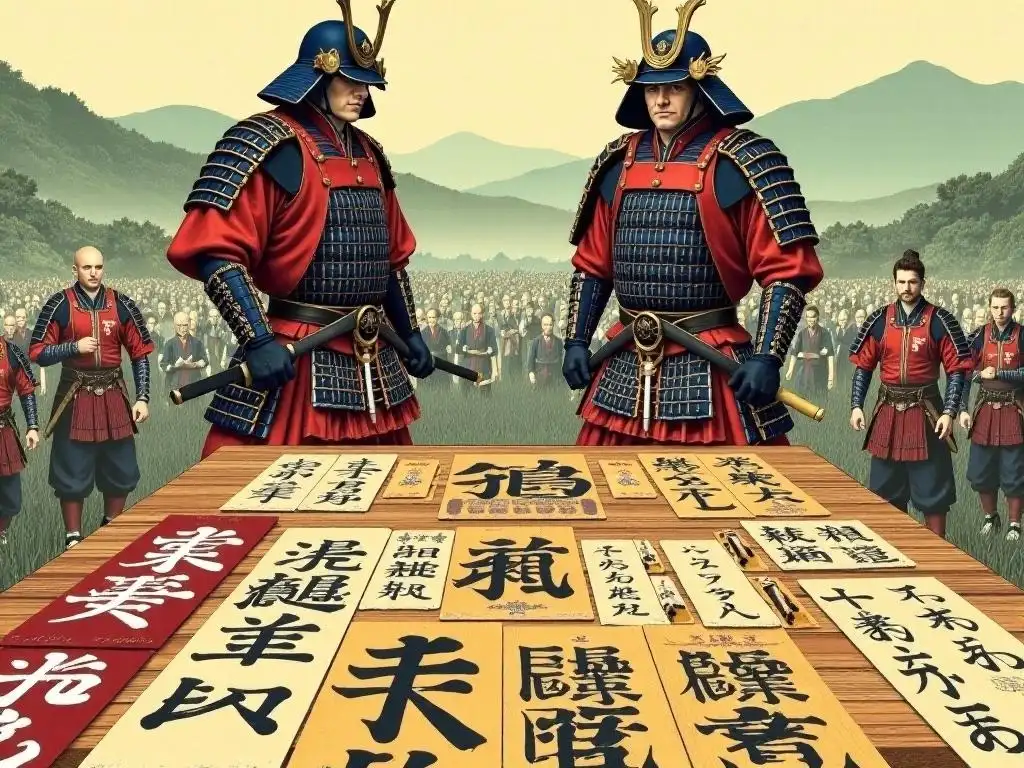
Welcome to Feudal Japan History, where we embark on a captivating journey through the intricacies of Japan’s feudal era. Here, you’ll uncover the rich tapestry of historical, cultural, and societal developments that shaped a nation. In our feature article, “The Unification of Japan: Comparing Historical Accounts and Narratives,” we delve into the pivotal moments that forged a unified Japan, inviting you to explore the diverse perspectives and narratives that define this transformative period. Are you ready to unravel the complexities of these historical accounts? Your adventure into the depths of Japan’s past begins now!
The Unification of Japan History: A Comparative Analysis of Historical Accounts
Introduction to the Unification of Japan
The Unification of Japan marks a critical turning point in the nation’s political history, culminating from centuries of conflict, power struggles, and cultural evolution during the feudal era. This period, which spanned from the late 12th century to the early 17th century, witnessed the fragmentation of power among numerous regional clans, each vying for dominance.
The quest for unity was not merely a military endeavor; it was a complex interplay of politics, economics, and social dynamics that shaped the future of the nation. This article delves into the diverse historical accounts and narratives surrounding the Unification of Japan, providing a comprehensive exploration of the key players, battles, and events that ultimately led to a cohesive Japan.
Overview of Japan’s Feudal Era
During the feudal era, Japan was characterized by a decentralized political structure where power was held by local lords known as daimyo. The rise of these clans occurred after the fall of the Heian Period, giving way to a society marked by samurai culture and a rigid class system. The feudal system was heavily influenced by Confucian ideals, which promoted loyalty, honor, and duty among the warrior class.
Key aspects of the feudal era include:
- Social Hierarchy: The stratification of society into classes: samurai, peasants, artisans, and merchants.
- Military Conflicts: A series of civil wars, known collectively as the Sengoku period (1467-1603), where various clans battled for control and territory.
- Cultural Developments: The flourishing of arts, literature, and the emergence of distinct regional customs that contributed to Japan's rich cultural tapestry.
Importance of the Unification of Japan in Historical Context
The Unification of Japan was not only significant for ending the chaos of the Sengoku period but also laid the groundwork for the Tokugawa Shogunate, which would govern Japan for over 250 years. This era of peace allowed for the development of a centralized government, economic stability, and cultural growth. The unification fostered a sense of national identity that transcended local allegiances, ultimately shaping Japan’s trajectory into the modern era.
Key points of importance include:
- Political Stability: The establishment of a unified government reduced the frequency of armed conflicts.
- Economic Growth: A centralized authority facilitated trade and commerce, boosting the economy.
- Cultural Integration: The blending of regional traditions helped to form a cohesive Japanese culture.
Historical Narratives of Japan’s Unification
The narratives surrounding the Unification of Japan are rich and varied, reflecting the perspectives of different historians and chroniclers. Each account offers insights into the motivations, strategies, and consequences of the unification process, showcasing the complexity of Japan's historical landscape.
The Role of Powerful Clans in the Unification of Japan
Powerful clans played a pivotal role in the unification process, often engaging in alliances and rivalries that influenced the political landscape. The three most notable clans were:
- Oda Clan: Led by Oda Nobunaga, this clan was instrumental in initiating the unification process through military conquests.
- Toyotomi Clan: Under Toyotomi Hideyoshi, the clan expanded the unification efforts and implemented significant social reforms.
- Tokugawa Clan: Tokugawa Ieyasu ultimately solidified control, establishing a shogunate that brought lasting peace and stability.
Key Figures in the Unification of Japan: Oda Nobunaga, Toyotomi Hideyoshi, and Tokugawa Ieyasu
The unification was marked by the contributions of three legendary figures:
- Oda Nobunaga: Known for his innovative military strategies and ruthless tactics, Nobunaga laid the foundation for future unification.
- Toyotomi Hideyoshi: A former peasant who rose to power, he is credited with completing the unification and implementing policies that would shape Japanese society.
- Tokugawa Ieyasu: His victory at the Battle of Sekigahara in 1600 solidified his power, leading to the establishment of the Tokugawa Shogunate.
Major Battles and Events Leading to the Unification of Japan
The path to unification was paved with significant battles and events that shaped the political landscape:
- Battle of Okehazama (1560): Oda Nobunaga's decisive victory over a much larger force showcased his military prowess.
- Siege of Osaka (1614-1615): This conflict marked the end of the Toyotomi clan's power and solidified Tokugawa Ieyasu's rule.
- Battle of Sekigahara (1600): A turning point that established Tokugawa dominance and initiated a long period of peace.
Through these historical narratives, the Unification of Japan emerges as a complex tapestry of ambition, conflict, and resolution, pivotal in shaping the nation’s identity and future.
Comparison of Historical Accounts
The history of the unification of Japan is characterized by a rich tapestry of narratives that vary depending on the source and perspective. Different historians and scholars have approached this pivotal period from various angles, leading to divergent interpretations of the key events and figures involved. This comparative analysis sheds light on how these historical accounts have shaped our understanding of the unification process.
In the early 17th century, Japan underwent a significant transformation as it transitioned from a period of warfare and fragmentation into a unified state under the Tokugawa shogunate. Accounts from this era often highlight the role of prominent leaders such as Oda Nobunaga, Toyotomi Hideyoshi, and Tokugawa Ieyasu. While some historians emphasize the military prowess and strategic brilliance of these figures, others focus on the political and social factors that enabled their rise to power. The narratives can be further complicated by regional biases, with local historians often emphasizing their own area's contributions to the larger unification effort.
Additionally, primary sources from the period, such as diaries, letters, and official records, provide important insights but also present challenges due to their subjective nature. As a result, the interpretation of these historical documents can lead to contrasting conclusions about the motivations, methods, and outcomes of the unification process.
Divergent Perspectives on the Unification of Japan
The unification of Japan is viewed through various lenses, each offering its own insights and interpretations. For instance, traditional narratives frequently celebrate the military conquests of leaders like Nobunaga and Ieyasu as the primary catalysts for unification. They depict a heroic struggle against chaos and disunity, framing these leaders as saviors of the nation.
Conversely, some modern historians argue that such accounts oversimplify the complexity of the era. They suggest that the unification was not solely the result of military might but also involved intricate political alliances, economic factors, and social dynamics. This perspective often highlights the roles of lesser-known figures and common people, whose contributions were essential to the stability and organization of the emerging state.
Furthermore, regional histories can lead to divergent narratives. For example, accounts from the Kansai region may emphasize the significance of Hideyoshi’s achievements, while those from the Kanto region could focus on Ieyasu’s legacy. This regional bias underscores the importance of considering multiple perspectives to understand the multifaceted nature of Japan's unification.
Interpretation of Key Events
Key events during the unification of Japan, such as the Battle of Okehazama, the Siege of Osaka, and the establishment of the Tokugawa shogunate, are interpreted in various ways by historians. The Battle of Okehazama, for instance, is often portrayed as a turning point for Nobunaga, showcasing his tactical genius in overcoming a numerically superior force. However, some historians argue that this battle also reveals the volatility of alliances and the precariousness of power during the Sengoku period.
Similarly, the Siege of Osaka is viewed differently depending on the historian's angle. While some accounts depict it as a heroic last stand for the Toyotomi clan, others interpret it as a necessary step in consolidating power under Tokugawa rule, emphasizing the inevitability of unification over individual heroism.
These interpretations highlight the complexities of historical narratives, as they are shaped by the context in which they are written and the perspectives of those recounting the events. Understanding these variations is crucial for a comprehensive grasp of the unification process in Japan.
Cultural Implications of the Unification of Japan

The unification of Japan had profound cultural implications that extended beyond mere political consolidation. As the country transitioned to a centralized government, various aspects of Japanese culture began to evolve, leading to a distinct national identity that would shape future generations.
Shifts in Power Dynamics and Social Structures
The unification process brought significant shifts in power dynamics and social structures within Japan. With the establishment of the Tokugawa shogunate, a new social hierarchy emerged, emphasizing loyalty to the shogun and the daimyo (feudal lords). This hierarchical structure replaced the previously fragmented power dynamics of the Sengoku period, fostering a sense of order and stability.
Moreover, the rigid class system that developed during this time also influenced cultural practices. The samurai class, now elevated in status, became the epitome of loyalty and honor, traits that were celebrated in literature and arts. The merchant class, previously marginalized, began to gain economic power, leading to the flourishing of urban culture, particularly in cities like Edo (modern-day Tokyo).
Influence of Unification on Japanese Culture and Identity
The unification of Japan played a crucial role in shaping Japanese culture and identity. As the country embraced a more centralized governance, cultural expressions began to reflect a unified national narrative. The Edo period, which followed the unification, saw the emergence of distinct art forms, such as ukiyo-e (woodblock prints) and kabuki theater, which depicted themes of samurai valor and the beauty of everyday life.
Furthermore, the unification fostered a sense of shared identity among the Japanese people. The consolidation of power allowed for the promotion of national symbols, such as the kimono and traditional festivals, which transcended regional differences. As a result, a collective Japanese cultural identity began to take shape, laying the groundwork for the modern nation-state.
Legacy of the Unification of Japan in Modern Society
The legacy of the unification of Japan continues to resonate in contemporary society. The political and social structures established during the Tokugawa period have influenced Japan's governance and cultural identity to this day. The emphasis on hierarchy, discipline, and respect for authority remains ingrained in Japanese society, impacting everything from business practices to interpersonal relationships.
Moreover, the cultural achievements of the Edo period continue to be celebrated and studied, influencing modern art, literature, and performance. The unification's impact on Japanese identity also plays a vital role in the country's global interactions, as Japan navigates its historical legacy in a modern context.
The unification of Japan was not merely a political transformation but a significant cultural shift that has left a lasting imprint on the nation's history, identity, and societal structures. Understanding this multifaceted legacy is essential for comprehending the complexities of Japan's past and its implications for the present.
Conclusion: The Unification of Japan History in Retrospect
The unification of Japan marks a pivotal period that laid the foundation for the modern Japanese state. Various historical accounts highlight the complexities and dynamics of this era, from the fragmentation of power among feudal lords to the eventual rise of a centralized authority under the Tokugawa shogunate. Analyzing these narratives reveals differing perspectives, often colored by regional biases and the political aspirations of the chroniclers. This multifaceted history underscores the importance of considering diverse viewpoints when studying the unification process, offering a richer understanding of how Japan transformed into a cohesive nation.
The unification also ignited significant cultural and societal shifts, prompting the emergence of new ideologies and practices that would shape Japanese identity. The interplay between military conquests, diplomatic maneuvers, and social changes illustrates the complexity of the unification process, making it a fascinating subject for historians and enthusiasts alike.
Summarizing the Key Historical Narratives
The narratives surrounding the unification of Japan can be categorized into several key themes:
- Military Conquest and Power Struggles: The rise of leaders such as Oda Nobunaga, Toyotomi Hideyoshi, and Tokugawa Ieyasu is often portrayed as a series of military campaigns aimed at consolidating power. These narratives emphasize the role of warfare in achieving political unity.
- Diplomatic Alliances: In contrast to the military focus, some accounts underscore the importance of strategic marriages and alliances, which played a crucial role in maintaining peace and stability during the unification process.
- Cultural Exchange and Influence: The unification era also facilitated cultural interactions among different regions, leading to the exchange of ideas, technologies, and practices that enriched Japanese society. This narrative highlights the role of culture as a unifying force.
- Socio-Political Reform: The establishment of the Tokugawa shogunate brought about significant reforms in governance, economy, and social structure. Accounts often explore how these changes laid the groundwork for modern Japan's political landscape.
By summarizing these key narratives, we can appreciate the unification of Japan not simply as a series of events, but as a complex process shaped by various forces.
The Lasting Impact of the Unification of Japan on Contemporary Japan
The unification of Japan has left an indelible mark on the country's contemporary identity. The political structures established during this period, particularly under the Tokugawa shogunate, influenced modern governance and administrative practices. The centralized authority that emerged facilitated the development of infrastructure, trade networks, and a more cohesive national identity.
Culturally, the unification spurred the emergence of unique art forms, philosophies, and social practices that continue to resonate in modern Japan. The concept of "wa," or harmony, which became a guiding principle during the unification era, remains a cornerstone of Japanese culture today.
Furthermore, the historical narratives of this period are crucial in shaping Japan's collective memory and national pride. Acknowledging the struggles and triumphs of the past fosters a sense of unity and purpose among the Japanese people, influencing contemporary discussions on identity and heritage.
Further Reading and Resources on the Unification of Japan History
For those interested in exploring the unification of Japan further, various resources are available that delve into the historical intricacies and cultural implications of this era.
Recommended Books and Articles
-
"The Making of Modern Japan" by Marius B. Jansen
This comprehensive text covers the unification period in detail, placing it within the broader context of Japanese history.
-
"Samurai and the Shogun: The Emergence of the Tokugawa" by Stephen Turnbull
This book provides a focused narrative on the key figures and battles that defined the unification process.
-
"Japan's Early Modern History" by John W. Hall
This work analyzes the socio-political changes during the Tokugawa period and their lasting impact on Japan.
-
Academic Journals: Articles from journals like The Journal of Japanese Studies often contain peer-reviewed research on specific aspects of the unification, providing in-depth analyses and discussions.
Online Archives and Historical Resources
- National Diet Library of Japan: Offers a wealth of digitized historical documents related to Japan's feudal era, including records from the unification period.
- The Tokugawa Institute for the History of Japan: This institute houses various resources, including manuscripts and historical texts that provide insights into the unification process.
- Japan National Tourism Organization (JNTO): While primarily aimed at tourism, the JNTO website features historical insights and articles on significant sites related to the unification, enriching the visitor's understanding of Japan's past.
By utilizing these resources, readers can gain a deeper appreciation of the unification of Japan and its enduring significance in shaping the nation's history and cultural identity.
Frequently Asked Questions
What was the main cause of the Unification of Japan?
The Unification of Japan primarily stemmed from political instability and the need for a centralized government to bring order to the fragmented regions during the Sengoku period.
Who were the key figures in the Unification of Japan?
Prominent figures include Oda Nobunaga, who initiated the unification process, followed by Toyotomi Hideyoshi, who continued his work, and ultimately Tokugawa Ieyasu, who established the Tokugawa shogunate.
How did the Unification of Japan impact its culture?
The Unification of Japan fostered a sense of national identity, leading to cultural developments such as the tea ceremony and Noh theater, which flourished under the stability of the Tokugawa era.
What role did foreign influence play in the Unification of Japan?
Foreign influence, particularly from European traders and missionaries, introduced new technologies and ideas, which were both embraced and resisted, impacting the political landscape during the unification.
How is the Unification of Japan viewed in modern history?
Today, the Unification of Japan is seen as a pivotal moment that laid the foundation for modern Japan, transitioning from feudalism to a more centralized and cohesive state, influencing its contemporary society.
Final Reflection: The Unification of Japan - A Tapestry of History
The Unification of Japan is not merely a historical event; it is a profound narrative that continues to shape the identity of the nation today. As we delve into the complexities of this pivotal period, we uncover the intricate threads of power, culture, and resilience that have woven the fabric of modern Japan. The lessons learned from this unification resonate deeply in our contemporary world, reminding us that history is not just a series of events, but a living story that influences our present and future.
Culture and society are inextricably linked to the narratives we tell about our past. The unification of Japan serves as a powerful reminder of how history can be interpreted and reinterpreted, influencing national identity and collective memory. As we reflect on the various accounts of this transformative era, we must acknowledge the voices that have shaped our understanding. History is written by the victors,
and in the case of Japan, this statement rings particularly true as we navigate the diverse perspectives that emerge from the historical narrative.
As you ponder the lessons of the Unification of Japan, I invite you to consider how these historical insights can inform your own life. Reflect on the importance of understanding multiple perspectives and the role they play in shaping our identities.
Embrace the complexity of history as a guide for navigating your own journey, recognizing that every story, like every individual, has the power to contribute to a richer, more nuanced understanding of our shared human experience. Let us carry forward the spirit of unity and understanding that emerged from Japan's past, applying these lessons to foster connections in our own communities.
Unveil the Stories of Japan's Unification!
Thank you for diving into the rich narratives of Japan's unification with us! You've explored various historical accounts and gained insights into a pivotal moment that shaped a nation. Now, let’s take your interest a step further!
Here are some **exciting actions** you can take today:
- Deepen your knowledge: **Choose one of the historical figures discussed and read a biography or a significant text about their life and contributions. **
- Join our community: **Share your thoughts or questions on our forum – let's discuss the intricacies of these narratives together! **
- Explore further: **Check out our recommended reading list for more fascinating insights into feudal Japan. **
What part of Japan's unification story resonates with you the most, and why? We’d love to hear your thoughts!