
The Tokugawa Shogunate’s Educational Reforms: Creating a New Class of Citizens

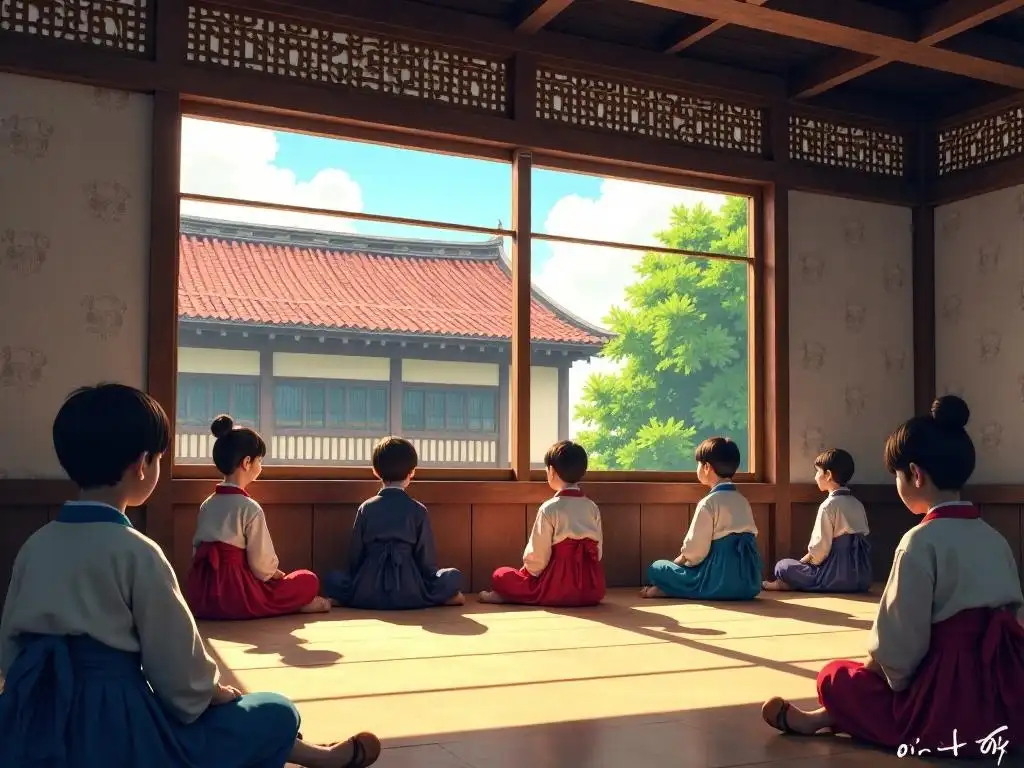
Welcome to Feudal Japan History, where we invite you to embark on a fascinating journey through the intricate tapestry of Japan’s feudal era. Delve into the transformative Tokugawa Shogunate education reforms, a pivotal moment that reshaped society and cultivated a new class of enlightened citizens. What were the driving forces behind these reforms, and how did they alter the landscape of education and culture in feudal Japan? Uncover the answers as we explore the profound impact of this historical turning point. Your adventure into the depths of Japan's rich political history begins here—let's dive deeper together!
- Introduction to the Tokugawa Shogunate’s Educational Reforms
- Historical Context of Educational Reforms in the Tokugawa Era
- Key Educational Reforms Initiated by the Tokugawa Shogunate
- The Goals of the Tokugawa Shogunate Education Reforms
- Impact of Educational Reforms on Japanese Society
- Challenges and Limitations of the Educational Reforms
- Conclusion: The Legacy of the Tokugawa Shogunate’s Educational Reforms
- Further Reading on Tokugawa Shogunate Education Reforms
-
Frequently Asked Questions
- What were the main goals of the Tokugawa Shogunate's education reforms?
- How did the Tokugawa Shogunate influence educational access?
- What subjects were emphasized in the educational reforms?
- How did these reforms impact social structure during the Tokugawa era?
- What legacy did the Tokugawa education reforms leave on modern Japan?
- Final Reflection: The Enduring Legacy of Tokugawa Shogunate Education Reforms
- Unlock the Power of Knowledge: Join the Conversation!
Introduction to the Tokugawa Shogunate’s Educational Reforms
The Tokugawa Shogunate, which ruled Japan from 1603 to 1868, marked a significant turning point in the nation’s history, particularly regarding its educational landscape. During this era, the shogunate implemented a series of educational reforms aimed at fostering a new class of informed citizens capable of contributing to society and governance.
These reforms were not merely an attempt to enhance literacy; they were part of a broader strategy to stabilize and control a nation that had experienced centuries of upheaval and warfare. By examining the Tokugawa Shogunate's education reforms, we can gain insight into how these changes shaped Japan’s cultural and societal structures, laying the groundwork for modern education in the country.
Overview of the Tokugawa Shogunate
The Tokugawa Shogunate emerged after a prolonged period of civil strife known as the Sengoku period, during which various clans vied for power. Founded by Tokugawa Ieyasu, the shogunate established a centralized feudal system that brought relative peace and stability to Japan. This era is characterized by a strict social hierarchy, where the samurai class held significant power, while peasants, artisans, and merchants had defined roles.
Under the Tokugawa regime, the government emphasized Confucian ideals, promoting moral education and civic responsibility. The establishment of a structured educational system was seen as essential for maintaining order and ensuring loyalty among the populace. Various educational institutions, such as terakoya (temple schools), emerged, catering primarily to the children of samurai and wealthier merchants.
The Tokugawa Shogunate's approach to education reflected its overarching goals of social control, economic stability, and cultural development. The reforms were instrumental in creating a literate and skilled citizenry, which ultimately contributed to the shogunate's longevity.
Importance of Education in Feudal Japan
Education during the Tokugawa era was not just a privilege for the elite; it began to permeate various strata of society. The shogunate recognized that a well-educated populace could foster social harmony and economic growth.
Key aspects of education during this period included:
- Promotion of Confucianism: The shogunate endorsed Confucian teachings, which emphasized moral integrity, respect for authority, and the importance of education as a means to cultivate virtuous citizens.
- Rise of Common Schools: The establishment of terakoya allowed commoners to receive basic education, focusing on reading, writing, and arithmetic. This marked a significant shift in access to education, breaking down previous barriers.
- Cultural Development: Education also included the study of arts, literature, and philosophy, promoting a cultural renaissance that produced notable works in literature and the arts during the Edo period.
- Economic Implications: An educated workforce was essential for the burgeoning market economy. Skills in commerce, trade, and agricultural management became increasingly important as Japan's economy began to thrive.
Overall, the educational reforms initiated by the Tokugawa Shogunate were a pivotal element of its governance, influencing not just the political landscape but also the social and cultural fabric of Japan. These reforms laid the groundwork for a literate and capable society that would eventually play a critical role in Japan's modernization efforts in the Meiji era and beyond.
Historical Context of Educational Reforms in the Tokugawa Era
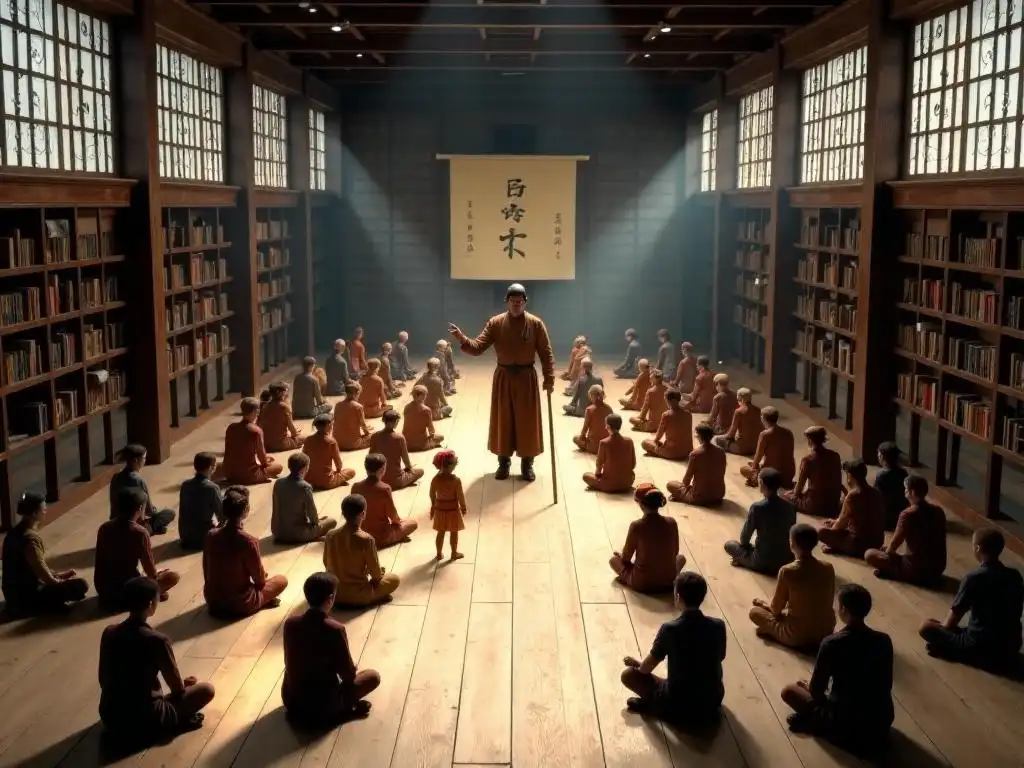
The Tokugawa Shogunate, which ruled Japan from 1603 to 1868, was a period of significant political stability and economic growth known as the Edo period. During this time, the need for a well-educated populace became increasingly apparent, particularly as the shogunate sought to solidify its control and promote a unified national identity.
The educational reforms initiated by the Tokugawa Shogunate were influenced by various factors, including:
- Political Stability: The consolidation of power under the Tokugawa clan allowed for a more structured approach to governance, necessitating an educated class to manage affairs and maintain order.
- Economic Growth: As commerce flourished, there was a rising demand for literate merchants and skilled workers. This economic shift required an educational system that could cater to the needs of a burgeoning economy.
- Cultural Developments: The Edo period saw a flourishing of arts and culture, which necessitated an educated society capable of appreciating and engaging with these developments.
These factors set the stage for the Tokugawa Shogunate's educational reforms, aimed at creating a new class of citizens that could contribute to the stability and prosperity of the nation.
The Tokugawa period was characterized by a rigid social hierarchy, which consisted of four primary classes:
- Samurai: The warrior class, who held the highest social status and served as the ruling elite.
- Farmers: Considered the backbone of the economy, farmers produced food and resources vital for sustenance.
- Artisans: Skilled craftsmen who created tools, clothing, and other goods essential for daily life.
- Merchants: Despite their wealth, merchants occupied the lowest social status due to their non-productive nature. However, their importance grew with the rise of commerce.
The educational reforms of the Tokugawa Shogunate aimed at addressing the needs of these classes, particularly the samurai, who required education for administrative roles, and the emerging merchant class, which necessitated literacy and numeracy skills to thrive in a commercial economy.
Pre-existing Educational Practices Before the Reforms
Before the Tokugawa education reforms, Japan had a fragmented educational landscape, heavily influenced by Confucian values. Key elements included:
- Temple Schools: Education was primarily provided by Buddhist temples, where monks taught reading, writing, and religious texts. These schools catered mainly to the elite and samurai class.
- Private Tutors: Wealthy families often employed private tutors to educate their children, focusing on classical literature and martial arts.
- Confucian Academies: Influenced by Chinese educational practices, these academies promoted Confucian values and ethics, primarily targeting the samurai class.
- Limited Access: Generally, education was not accessible to the lower classes, particularly farmers and laborers, leading to a lack of widespread literacy and skills necessary for economic participation.
Recognizing the limitations of these pre-existing practices, the Tokugawa Shogunate sought to create a more inclusive and systematic educational framework that would foster a literate and skilled populace, essential for the stability and prosperity of the era.
Key Educational Reforms Initiated by the Tokugawa Shogunate
Establishment of Han Schools and Their Role
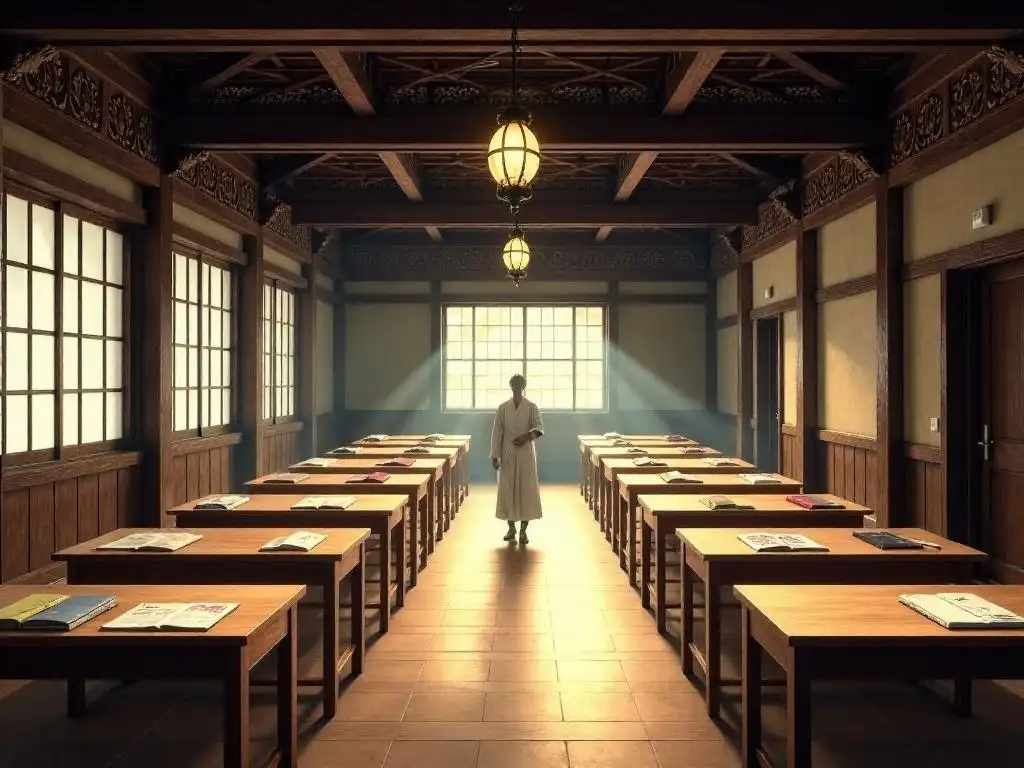
The Tokugawa Shogunate introduced a network of Han schools (藩校, hankō) as a crucial element of its educational reforms. These schools were established across various domains (han), primarily to educate the samurai class and their children. The Han schools served multiple purposes, including:
- Training Samurai: The primary focus was to cultivate future leaders who could uphold the values of loyalty and governance.
- Promoting Local Governance: By educating samurai in their respective domains, the shogunate aimed to foster a sense of responsibility toward local governance and administration.
- Uniformity in Education: The shogunate sought to standardize education across regions, which helped in disseminating Tokugawa ideology and principles.
These institutions emphasized a curriculum that included military strategy, literature, history, and Confucian teachings. For instance, notable Han schools like the Shōheikō in Mito and the Jishūkan in Takamatsu became renowned for their rigorous academic standards and produced influential scholars and leaders.
Introduction of Confucian Ideals in Education
The incorporation of Confucian ideals into the educational system was another pivotal reform by the Tokugawa Shogunate. The philosophy of Confucianism stressed moral integrity, social harmony, and respect for authority, which aligned closely with the shogunate's goals of stability and hierarchical order. Key aspects include:
- Curriculum Focus: Confucian texts such as the Analects and The Great Learning were integral parts of the curriculum, promoting ethical governance and personal conduct.
- Moral Education: Emphasis was placed on character development and the cultivation of virtues such as filial piety, loyalty, and righteousness, which were seen as essential for maintaining societal order.
- Scholarship and Examination: The shogunate encouraged the establishment of exam systems based on Confucian principles, where students would be tested on their knowledge of Confucian texts and their ability to apply these teachings in governance.
Through these educational reforms, the Tokugawa Shogunate aimed to create a class of citizens who were not only literate but also imbued with the moral and ethical values essential for sustaining the feudal order.
Creation of the Terakoya System for Commoners
The Terakoya system (寺子屋) represented a significant leap in making education accessible to commoners during the Tokugawa period. These informal schools were often established in temples and were primarily aimed at providing basic literacy and numeracy skills to children of farmers, merchants, and artisans. Key features of the Terakoya system include:
- Community-Based Education: Terakoya were typically run by local teachers, providing a sense of community involvement in the education of children.
- Curriculum: The curriculum included reading, writing, basic mathematics, and moral teachings, with an emphasis on practical knowledge that could be applied in everyday life.
- Social Mobility: By educating commoners, the Tokugawa Shogunate sought to create a more informed citizenry that could contribute to the economy and society. This fostered a sense of loyalty and cohesion among the lower classes.
The Terakoya system played a crucial role in increasing literacy rates during the Tokugawa era, contributing to a more educated populace that would eventually influence Japan's transition into the modern era. The legacy of these educational reforms can still be seen today in Japan's contemporary educational landscape.
The Goals of the Tokugawa Shogunate Education Reforms
Promoting Loyalty and Obedience Among Citizens
One of the primary goals of the Tokugawa Shogunate education reforms was to instill a sense of loyalty and obedience among the populace. This objective stemmed from the shogunate's desire to maintain stability and control over the fractured political landscape of feudal Japan. To achieve this, the government emphasized the teaching of Confucian values, which underscored respect for authority, filial piety, and loyalty to one's superiors.
The educational curriculum was designed to promote these values through various means:
- Confucian Texts: Schools incorporated the study of Confucian classics, emphasizing moral education that highlighted duties to family and state.
- Local Governance: The shogunate encouraged the formation of local communities that engaged in loyalty pledges to their lords. Educational institutions served as venues for these pledges, reinforcing the bond between the samurai and their daimyō.
- Ceremonial Practices: Regular ceremonies and rituals were established within educational settings to cultivate a sense of duty and allegiance among students, thereby ensuring that these values permeated daily life.
This systematic approach to education aimed to produce not only obedient subjects but also individuals imbued with a strong sense of national identity, ultimately contributing to the social harmony that the Tokugawa regime sought to achieve.
Fostering a New Class of Educated Samurai
The Tokugawa Shogunate recognized the importance of a literate and knowledgeable samurai class in maintaining its power. As the political landscape shifted from warfare to governance, the need for samurai who were not only warriors but also educated administrators became paramount. The education reforms were thus directed towards nurturing a new class of educated samurai who could effectively manage the complexities of governance.
Key aspects of this educational shift included:
- Curriculum Expansion: While martial skills remained essential, the curriculum expanded to include literature, philosophy, and economics. This broader educational focus equipped samurai with the necessary skills to engage in civil administration and local governance.
- Establishment of Domain Schools: Many daimyō established their own schools to educate samurai and their children. These institutions operated under the principles of the Tokugawa reforms, combining traditional martial training with scholarly pursuits.
- Merit-Based Advancement: The reforms encouraged a meritocratic approach within the samurai class, allowing individuals to rise through the ranks based on their educational achievements rather than solely on lineage. This shift fostered a new ethos where intelligence and capability were valued.
By fostering an educated samurai class, the Tokugawa Shogunate aimed to create a ruling elite capable of maintaining order and effectively governing the country, thus securing its long-term stability.
Encouraging Civic Responsibility and Participation
Another critical goal of the Tokugawa education reforms was to promote civic responsibility and active participation in community life. The shogunate understood that a well-informed citizenry was essential for fostering social cohesion and a sense of responsibility towards the state.
Several initiatives were implemented to encourage civic engagement:
- Promotion of Local Governance: The education system emphasized the role of local governance, teaching students about their rights and responsibilities within their communities. This approach instilled a sense of ownership and accountability among citizens.
- Civic Duties in Education: Schools incorporated lessons on civic duties, encouraging students to engage in community service and participate in local decision-making processes. These activities aimed to connect education with practical applications in society.
- Cultural Events and Discussions: Educational institutions often hosted cultural events, debates, and discussions that encouraged students to express their views and engage with societal issues. This practice aimed to cultivate critical thinking and active citizenship.
Through these reforms, the Tokugawa Shogunate sought to create a citizenry that was not only loyal and obedient but also actively engaged in the governance and betterment of their communities, thus ensuring a stable and harmonious society.
Impact of Educational Reforms on Japanese Society
Changes in the Samurai Class and Their Education
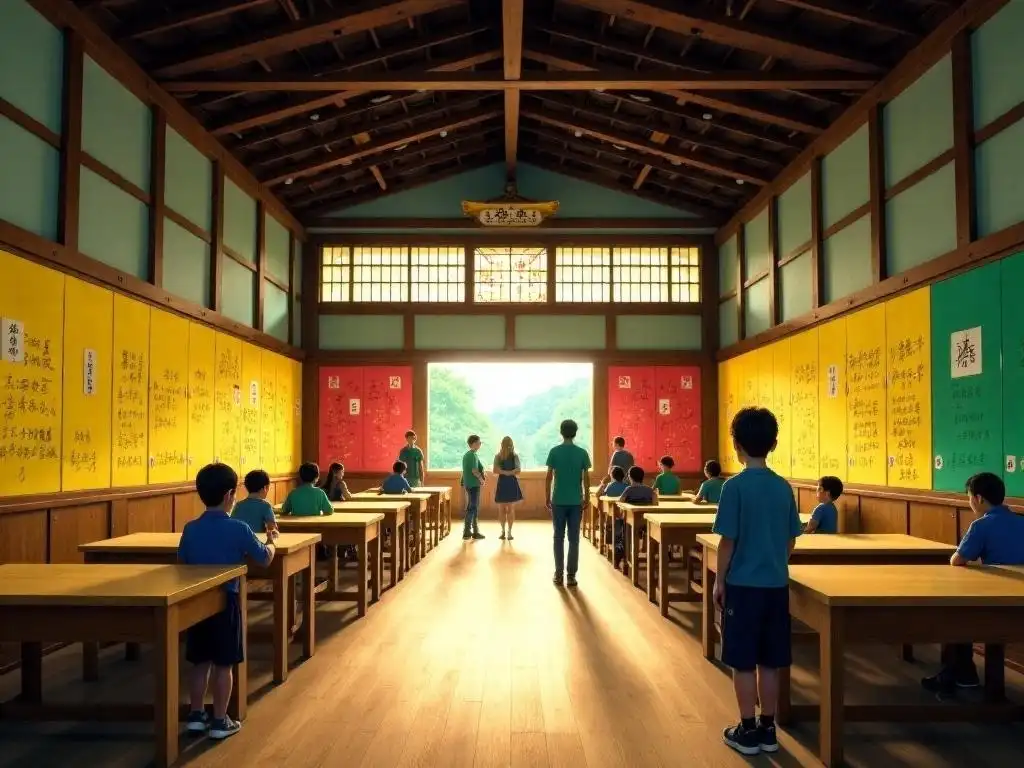
The Tokugawa Shogunate’s education reforms had a profound impact on the samurai class, which was traditionally viewed as the ruling elite of Japan. These reforms emphasized the importance of education, particularly in Confucian thought, which shaped the ethical and moral framework for samurai conduct.
One significant change was the establishment of han schools (藩校, hankō), which were created within the domains to provide education to samurai and their families. These institutions focused on subjects such as literature, history, and martial arts, and were designed to produce well-rounded individuals capable of serving their lords effectively. The curriculum often included:
- Confucian ethics
- Poetry and literature
- Military strategy
- Calligraphy and arts
This educational structure helped to cultivate a sense of duty and loyalty among samurai, reinforcing their role as protectors of the realm. Moreover, as education became more accessible, the samurai class began to diversify their roles beyond military leadership, contributing to governance, administration, and even cultural pursuits.
Rise of the Merchant Class and Access to Education
With the rise of the merchant class during the Tokugawa period, education reforms began to extend beyond the samurai. The Edo period saw a significant shift in the societal structure, where merchants gained wealth and influence. Recognizing the importance of literacy and practical knowledge for economic success, merchants sought access to education.
The Tokugawa Shogunate implemented measures that led to the establishment of terakoya (寺子屋), or temple schools, which provided basic education to children from various classes, including the merchant class. These schools taught reading, writing, and arithmetic, making education more inclusive.
The rise of merchant education can be summarized as follows:
- Increased Literacy: By the end of the Tokugawa period, literacy rates among commoners, including merchants, had risen significantly.
- Cultural Exchange: Merchants began to engage in cultural activities, leading to a more vibrant economy and a shift in societal values.
- Economic Empowerment: Knowledge gained through education allowed merchants to negotiate better trade deals and manage their businesses more effectively.
This shift not only empowered the merchant class but also facilitated the emergence of a new social order where economic prowess began to rival the traditional samurai authority.
Long-term Effects on Japanese Culture and Society
The educational reforms instituted during the Tokugawa Shogunate laid the groundwork for significant societal changes that would resonate well beyond the feudal era. One of the most notable long-term effects was the evolution of a more educated populace, which contributed to the cultural flowering of Japan.
Key long-term impacts include:
- Cultural Renaissance: The increased access to education led to a flourishing of arts, literature, and philosophy, often referred to as the Edo culture. The vibrant ukiyo-e (浮世絵) woodblock prints and kabuki theater emerged during this period, reflecting the broader cultural engagement of society.
- Social Mobility: The reforms began to blur the rigid class distinctions that had characterized earlier periods. With education available to a broader audience, individuals from lower classes could ascend socially and economically, fostering a sense of social mobility.
- Foundation for Modern Education: The educational structures established during the Tokugawa Shogunate laid the foundation for Japan’s modern educational system. The principles of learning and the importance placed on education would carry into the Meiji Restoration, catalyzing Japan's transformation into a modern nation-state.
The Tokugawa Shogunate education reforms not only transformed the samurai and merchant classes but also catalyzed a broader cultural and societal evolution, ultimately paving the way for the modernization of Japan.
Challenges and Limitations of the Educational Reforms

The educational reforms implemented during the Tokugawa Shogunate (1603-1868) aimed to create a more informed and capable citizenry. However, these reforms faced significant challenges and limitations that ultimately influenced their effectiveness and sustainability. Understanding these obstacles provides insight into the complexities of the Tokugawa Shogunate education reforms and their long-term impact on Japanese society.
Resistance from Traditionalist Groups
One of the most significant challenges to the Tokugawa educational reforms was the resistance from traditionalist groups. These factions, including samurai and Confucian scholars, were deeply rooted in the established societal norms and values that emphasized loyalty to the ruling class and adherence to rigid hierarchies.
- Cultural Resistance: Traditionalists viewed the new educational systems, which included the promotion of practical subjects over classical Confucian teachings, as a threat to the cultural fabric of Japan. They argued that the focus on utility undermined the moral and ethical foundations of samurai education, which prioritized virtues such as loyalty and honor.
- Political Opposition: Many traditionalists were aligned with the ruling elite and were concerned that a more educated populace could challenge their authority. They feared that the spread of new ideas could lead to social unrest and political instability, resulting in opposition to reforms that promoted wider access to education.
- Local Variances: The degree of resistance often varied by region. In areas where traditionalist sentiments were particularly strong, local leaders would discourage the implementation of new educational practices, leading to discrepancies in educational access and quality across the country.
Inequalities in Access to Education
Despite the advancements made during the Tokugawa period, significant inequalities persisted in access to education. The structure of the educational system was largely influenced by social class and geographic location:
- Class Disparities: Education during this era primarily served the samurai class, with many schools established to cater specifically to their needs. While some commoners had access to basic literacy and numeracy through temple schools and community initiatives, the depth and quality of education available to them were starkly inferior.
- Urban vs. Rural Divide: The urban centers, such as Edo (modern-day Tokyo) and Osaka, saw a proliferation of schools and educational opportunities compared to rural areas. This disparity meant that while some children received comprehensive education, many others remained illiterate and uninformed, perpetuating cycles of poverty and disenfranchisement.
- Gender Inequality: Educational opportunities for women were severely limited during the Tokugawa era. While some women from samurai families received basic education, the majority of women, particularly those from the peasant class, had little to no access to formal education. This exclusion reinforced gender roles and limited women's contributions to society.
The Decline of the Tokugawa Shogunate and Its Educational Legacy
As the Tokugawa Shogunate faced internal strife and external pressures in the 19th century, the educational reforms began to unravel. This decline had profound implications for the legacy of the Tokugawa education system:
- Crisis of Authority: The inability of the Tokugawa leaders to effectively address growing discontent among the populace, along with the arrival of Western powers, called into question the efficacy of the educational reforms. As social upheaval grew, the traditionalist ideologies that had resisted change became increasingly irrelevant.
- Emergence of New Educational Models: Following the fall of the Tokugawa Shogunate in 1868, Japan underwent a significant transformation, adopting Western-style education systems. This shift was partly a reaction to the limitations of the Tokugawa reforms, as leaders recognized the need for a more equitable and modern approach to education that could compete on a global stage.
- Legacy of Educational Reforms: Despite its limitations, the Tokugawa education system laid the groundwork for future developments in Japanese education. The emphasis on literacy and the establishment of schools contributed to a more educated populace, which would be crucial in Japan's rapid modernization during the Meiji Restoration.
While the Tokugawa Shogunate's educational reforms made strides toward creating a new class of citizens, they were not without significant challenges. Resistance from traditionalist groups, inequalities in access to education, and the eventual decline of the shogunate all played vital roles in shaping the educational landscape of the era and its lasting legacy.
Conclusion: The Legacy of the Tokugawa Shogunate’s Educational Reforms
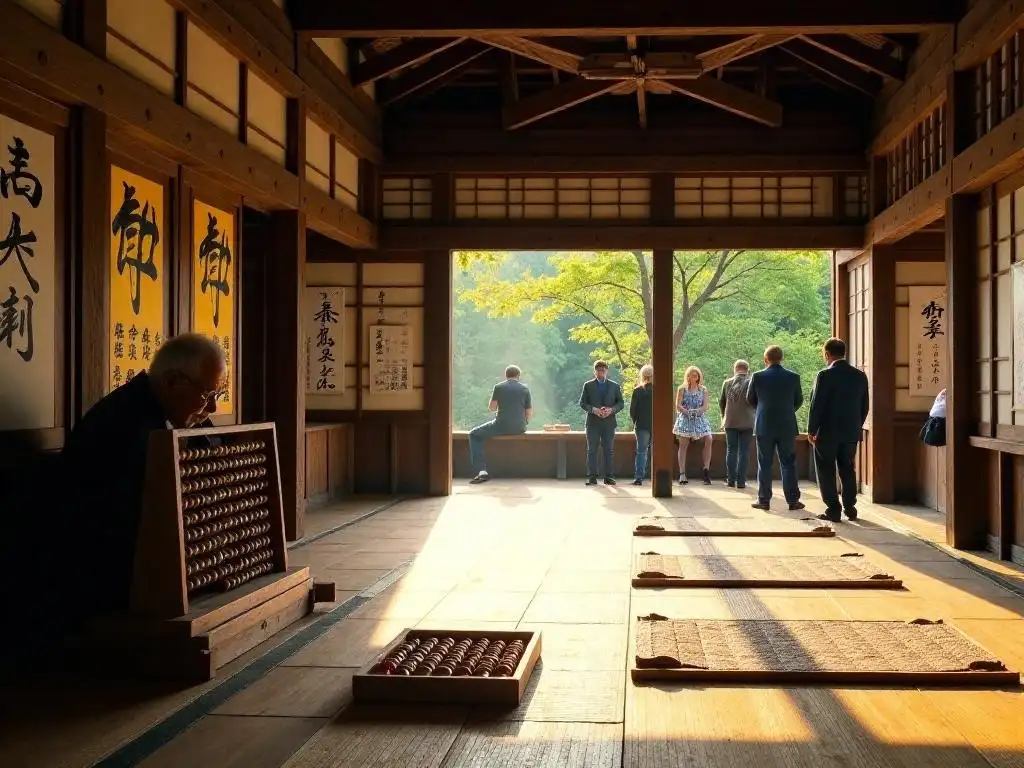
The educational reforms instituted during the Tokugawa Shogunate (1603-1868) had a profound and lasting impact on Japanese society, shaping the nation’s educational landscape for generations to come. By promoting a structured system of education that emphasized moral instruction, practical skills, and social responsibility, the Shogunate not only sought to strengthen the loyalty of its citizens but also to cultivate a new class of educated individuals who could contribute to the stability and progress of Japan.
The legacy of these reforms can be seen in the evolution of modern Japanese education, which retains aspects of the Tokugawa model while adapting to contemporary needs. The establishment of schools focused on Confucian values, ethics, and civic duty laid the groundwork for a national educational framework that values both academic achievement and moral character.
Lasting Impact on Modern Japanese Education
The Tokugawa Shogunate education reforms instilled a cultural respect for education that continues to thrive in modern Japan. One of the most significant outcomes was the establishment of a formal education system that included:
- Confucian Academies: These institutions not only taught reading and writing but also instilled a sense of duty and ethical behavior, which are still emphasized in today's educational philosophy.
- Local Schools: The Shogunate encouraged the development of local schools (terakoya) which provided basic literacy and numeracy skills, contributing to a relatively high literacy rate by the end of the Edo period.
As Japan transitioned into the Meiji era, many of these principles were incorporated into the new educational system, fostering a national identity and promoting modernization. The emphasis on education as a means of societal contribution can be traced back to the Tokugawa reforms, which recognized that an educated populace was essential for the governance and progress of the nation.
| Feature | Tokugawa Era Education | Modern Japanese Education |
|---|---|---|
| Focus | Moral and practical skills | Academic excellence & global competitiveness |
| Structure | Localized and Confucian | Centralized national curriculum |
| Literacy Rate | High by the end of Edo | Near universal literacy |
| Role of Teachers | Community leaders | Professional educators |
| Pedagogical Approach | Ethical and civic-minded | Diverse and inclusive |
Reflection on the Role of Education in Shaping Citizens
The educational reforms of the Tokugawa Shogunate reflect a broader understanding of the role of education in shaping responsible and capable citizens. By instilling virtues such as loyalty, respect, and diligence, the Shogunate aimed to create not just educated individuals but also citizens who would contribute positively to society.
This vision of education as a tool for social cohesion and stability resonates with contemporary discussions about the role of education in fostering civic responsibility. The Tokugawa model emphasized the importance of community ties and ethical behavior, principles that continue to underpin the Japanese education system today.
- Civic Engagement: The education system encourages participation in community activities, reflecting the Tokugawa belief that educated citizens should contribute to societal well-being.
- Moral Development: Emphasis on character education and ethical frameworks mirrors the Confucian teachings that were central to Tokugawa pedagogy.
The Tokugawa Shogunate’s educational reforms laid the foundation for a societal framework that values education not just as a means of personal advancement, but as a cornerstone of national identity and civic duty. The lasting impact of these reforms can be seen in modern Japan’s commitment to creating informed, responsible citizens who can navigate the complexities of contemporary society while upholding the values instilled during the Tokugawa era.
Further Reading on Tokugawa Shogunate Education Reforms
Recommended Books and Articles
To deepen your understanding of the Tokugawa Shogunate education reforms, a selection of insightful books and articles is essential. Here are some highly recommended readings:
- Books:
- "Education in Tokugawa Japan" by Jeffrey P. Mass: This book provides an extensive overview of the educational system during the Tokugawa period, analyzing its structure, curriculum, and impact on society.
- "The Tokugawa World" edited by Gary P. Leupp: This compilation includes various essays discussing the social and educational dynamics of the Tokugawa Shogunate, emphasizing its reformative policies.
- "Learning to Be a Samurai: The Impact of Education on Samurai Culture" by Thomas D. Conlan: Conlan explores how the educational reforms shaped the samurai class, influencing their roles and responsibilities within society.
- Articles:
- "The Role of Confucianism in Tokugawa Education" - This article examines how Confucian principles influenced educational practices and curricula, highlighting the philosophical underpinnings of the reforms.
- "From Samurai to Citizen: The Transformation of Education in Tokugawa Japan" - An insightful piece that delves into the shift in educational focus from martial skills to civic responsibility and ethical governance.
These resources will provide a comprehensive backdrop to the educational landscape of the Tokugawa era, illustrating how reforms paved the way for a new class of citizens.
Key Historical Figures in Tokugawa Education
Understanding the Tokugawa Shogunate education reforms necessitates recognizing the pivotal individuals who influenced these changes. Here are some key historical figures:
- Tokugawa Ieyasu (1543-1616): As the founder of the Tokugawa Shogunate, Ieyasu laid the groundwork for educational reforms by establishing a stable government that prioritized the education of samurai and commoners alike. His policies emphasized moral education and ethical governance.
- Arai Hakuseki (1657-1725): A prominent scholar and advisor to the shogunate, Hakuseki advocated for Confucian ideals in education. His writings emphasized the importance of education for fostering loyalty and civic virtue among the populace.
- Yamazaki Ansai (1619-1682): A Confucian scholar who played a crucial role in promoting Neo-Confucianism within the educational system. His teachings influenced the curriculum in domain schools and helped shape the moral framework of Tokugawa education.
- Mizuno Tadakuni (1794-1864): An influential reformer during the late Tokugawa period, Mizuno implemented educational policies aimed at revitalizing the samurai class's role in governance. His efforts included promoting practical education that aligned with the needs of a changing society.
These figures were instrumental in shaping the educational reforms of the Tokugawa Shogunate, fostering an environment that encouraged a more informed and responsible citizenry. Their contributions continue to be studied for their lasting impact on Japan's educational landscape.
Frequently Asked Questions
What were the main goals of the Tokugawa Shogunate's education reforms?
The main goals were to promote Confucian ideals, ensure loyalty to the shogunate, and create a well-informed citizenry that could contribute to a stable society.
How did the Tokugawa Shogunate influence educational access?
The Tokugawa Shogunate established temple schools and domain schools, which expanded educational access beyond the elite, allowing more commoners to gain an education.
What subjects were emphasized in the educational reforms?
The reforms emphasized Confucian texts, morality, literature, and basic arithmetic, aiming to cultivate a new class of responsible citizens aligned with shogunate values.
The educational reforms led to the rise of a meritocratic class, challenging traditional social hierarchies and promoting social mobility among the educated populace.
What legacy did the Tokugawa education reforms leave on modern Japan?
The reforms laid the groundwork for Japan's modern education system, emphasizing the importance of education in fostering a literate and capable society.
Final Reflection: The Enduring Legacy of Tokugawa Shogunate Education Reforms
The Tokugawa Shogunate's education reforms were not merely a historical footnote; they laid the groundwork for a new class of informed citizens who would shape Japan's future. In today's rapidly changing world, the importance of education as a tool for social mobility and civic responsibility remains as relevant as ever. The lessons learned from the Tokugawa era remind us that education can empower individuals and transform societies, fostering a sense of community and shared purpose that transcends generations.
Cultural and social landscapes are continuously molded by the educational frameworks established in the past. The Tokugawa reforms emphasized the value of knowledge and ethics, creating a society that valued learning and civic duty. This legacy is evident in modern Japan, where education continues to be a cornerstone of national identity and progress. As the philosopher Confucius once said, Education breeds confidence. Confidence breeds hope. Hope breeds peace.
This sentiment echoes the transformative power of education, which was so pivotal during the Tokugawa period and continues to resonate today.
As we reflect on the significance of the Tokugawa Shogunate's education reforms, let us consider how we can apply these lessons in our own lives. How can we contribute to the educational growth of our communities? Whether through mentorship, advocacy for educational equity, or simply fostering a culture of learning within our families, each of us has a role to play. Embrace the spirit of inquiry and responsibility that the Tokugawa reforms championed, and strive to create a brighter future for all.
Unlock the Power of Knowledge: Join the Conversation!
Thank you for diving into the fascinating world of the Tokugawa Shogunate's educational reforms! You’ve uncovered the pivotal changes that shaped a new class of citizens during this transformative era in Japanese history. Now, it's time to take that knowledge further and explore how these lessons can inspire us today.
Here are some actions you can take right now:
- Engage with your local history community: Attend lectures or discussions on educational reforms in history to deepen your understanding and share insights.
- Explore the educational approaches of various historical societies: Research how different cultures have developed civic education and consider the lessons we can draw from them.
- Share your thoughts! Discuss your favorite aspect of the Tokugawa reforms on social media or write a brief article highlighting their relevance in today’s society.
What impact do you think education has on the development of civic responsibility in modern society?