
The Impact of Civil Wars on Shogunate Structures: A Historical Analysis

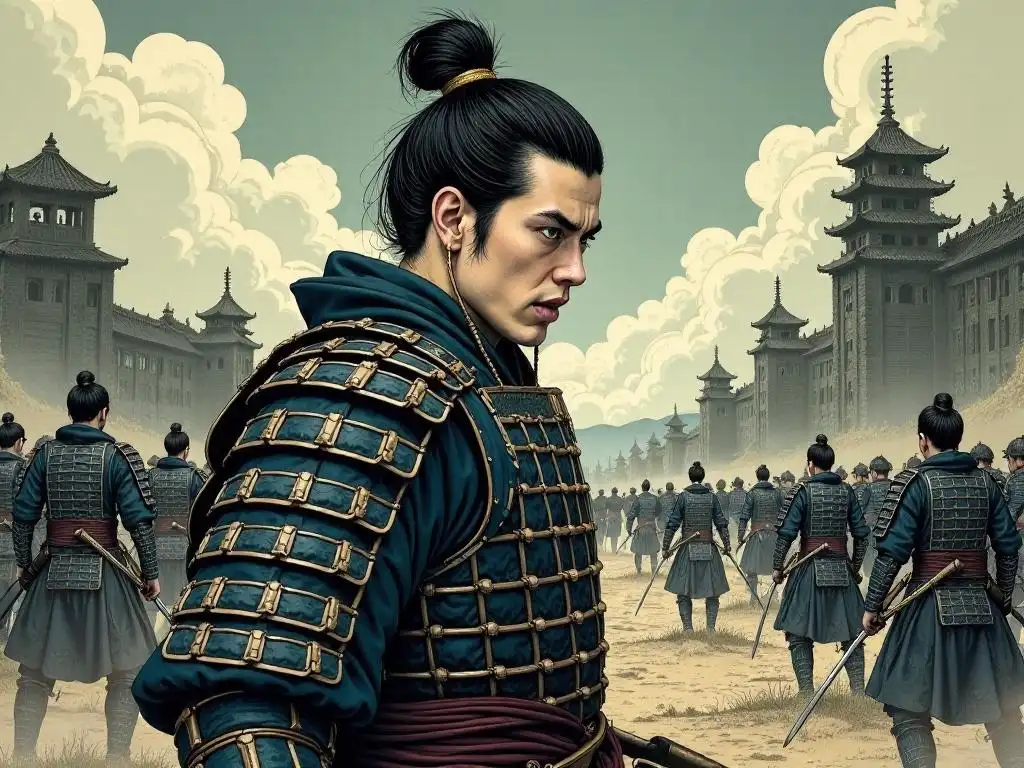
Welcome to Feudal Japan History, where we invite you to embark on a fascinating journey through the intricate tapestry of Japan's feudal era. In our featured article, "The Impact of Civil Wars on Shogunate Structures: A Historical Analysis," we delve deep into the tumultuous civil wars in feudal Japan that reshaped the nation’s political landscape. What drove these conflicts, and how did they influence the power dynamics of the time?
As you explore our expertly crafted content, prepare to uncover the layers of history that continue to resonate in Japan's cultural identity today. Join us in unraveling the complexities of a pivotal period that defined a nation.
Introduction to Civil Wars in Feudal Japan
The era of feudal Japan, spanning from the late 12th century to the 19th century, was marked by a complex tapestry of political intrigue, power struggles, and social transformation. Among the most significant episodes within this period are the civil wars that erupted, fundamentally reshaping the landscape of power and governance.
This article delves into the profound impact of these civil wars on the structures of the shogunate, revealing how internal conflicts not only influenced the rise and fall of various leaders but also altered the very fabric of Japanese society. By examining these tumultuous events, we can gain insights into how civil wars in feudal Japan crafted the political and military frameworks that define the nation’s historical narrative.
Overview of Feudal Japan’s Political Landscape
Feudal Japan was characterized by a decentralized political structure, where power was fragmented among numerous daimyōs (feudal lords) and their samurai vassals. The shogunate, the military government headed by the shōgun, was the dominant force, but its authority was often challenged by rival factions. This intricate web of allegiances and enmities created a fertile ground for civil wars, which often erupted in response to power vacuums or disputes over legitimacy. Understanding this landscape is crucial to grasp the implications of the civil wars that shaped the nation’s history.
- Key Features of Feudal Japan’s Political Structure:
- Shogunate: Central military authority
- Daimyōs: Regional lords with autonomous power
- Samurai: Warrior class serving the daimyōs
- Peasants: The working class, often caught in conflicts
Definition and Importance of Civil Wars in Japanese History
Civil wars in feudal Japan can be defined as armed conflicts between factions within the ruling elite, often fueled by disputes over succession, territory, or political influence. These wars were pivotal in shaping Japan’s historical trajectory, as they not only determined the fate of individual leaders and clans but also influenced the evolution of governance and societal structures. The significance of studying these civil wars lies in their ability to illuminate the underlying tensions and dynamics that characterized the feudal system, providing a clearer understanding of Japan’s political evolution.
Historical Context of Civil Wars in Feudal Japan
To appreciate the impact of civil wars on shogunate structures, it is essential to explore the historical context in which these conflicts arose. The interplay of power, culture, and societal norms played a crucial role in fomenting unrest, leading to several notable civil wars that would leave indelible marks on Japanese history.
Major Civil Wars: A Timeline
Here is a brief timeline highlighting some of the major civil wars that punctuated the feudal era:
| Year | Civil War | Key Outcomes |
|---|---|---|
| 1180-1185 | Genpei War | Rise of the Minamoto clan |
| 1467-1477 | Onin War | Decentralization of power |
| 1573-1600 | Sengoku Period | Unification under Tokugawa Ieyasu |
Each of these conflicts played a vital role in reshaping the political landscape and influencing the structure and authority of the shogunate.
Key Players and Factions in Civil Wars
The civil wars of feudal Japan involved a multitude of factions and key players whose ambitions and rivalries fueled these conflicts. Some of the prominent factions included:
- Minamoto clan: Key players in the Genpei War, leading to the establishment of the Kamakura shogunate.
- Ashikaga clan: Major figures during the Onin War, which marked the beginning of the Sengoku period.
- Tokugawa clan: Ultimately emerged victorious in the Sengoku period, establishing the Tokugawa shogunate.
Understanding these factions and their motivations provides crucial insights into the dynamics of civil wars in feudal Japan, illustrating how personal ambitions could lead to larger societal upheavals.
The Effects of Civil Wars on Shogunate Structures
The civil wars that plagued feudal Japan had profound impacts on the shogunate structures, fundamentally altering the political landscape. These conflicts often arose from power struggles among regional warlords, leading to shifts in authority and governance. As factions vied for control, the shogunates had to adapt to the changing dynamics, which included a reevaluation of alliances, military strategies, and administrative systems. The repercussions of these civil wars were not only immediate but also set precedents for future governance, influencing how power was distributed and exercised throughout Japan.
Disruption of Political Authority
Civil wars in feudal Japan resulted in significant disruption of political authority within shogunates. The central power of the shogun was often challenged by powerful daimyō (feudal lords), leading to a fracturing of control. This decentralization meant that local lords could act independently, undermining the shogunate's authority.
For example, during the Genpei War, the Kamakura Shogunate faced serious threats from rival clans, which not only weakened its position but also encouraged other daimyō to assert their power. The result was a loss of cohesive governance and an escalation of localized conflicts, as each lord sought to expand their influence, often at the expense of the shogun’s authority.
Moreover, the instability caused by civil wars led to a crisis of legitimacy for the shogunate. As military leaders became preoccupied with warfare, governance took a backseat, resulting in administrative inefficiencies. This period of chaos often led to a decline in public trust in the ruling powers, paving the way for new leadership models and the eventual rise of different shogunates.
Changes in Governance and Administration
The civil wars necessitated changes in governance and administration within the shogunates. In response to ongoing conflicts, shoguns were compelled to develop more robust military structures and administrative systems. This often included the establishment of new laws and regulations to manage the complexities of wartime governance. For instance, the Ashikaga Shogunate, emerging from the Nanboku-chō Wars, implemented a more decentralized form of governance, allowing local daimyō more autonomy in exchange for their support against rival factions.
Additionally, the necessity for effective resource management became evident. Shogunates had to ensure that their armies were well-supplied and that the territories under their control were managed efficiently to withstand continuous warfare. This led to innovations in taxation and land management, with shoguns implementing measures to ensure the loyalty of their vassals through economic incentives. The administrative changes enacted during these tumultuous times often had lasting effects, influencing the bureaucratic structures of later periods.
Case Studies of Specific Shogunates
The Kamakura Shogunate: Impact of the Genpei War
The Genpei War (1180-1185) was a pivotal conflict that had lasting implications for the Kamakura Shogunate. It marked the first major civil war in Japan and culminated in the fall of the Taira clan, which significantly altered the balance of power. The victory of the Minamoto clan not only established the Kamakura Shogunate but also emphasized the importance of military prowess in securing political authority.
However, the aftermath of the war saw the shogunate struggling to maintain control over its newly acquired territories. The need to reward loyal samurai with land and titles led to a fragmented political landscape, where the shogunate's authority was challenged by ambitious daimyō. This internal strife ultimately contributed to the shogunate's decline, illustrating how civil wars can reshape power dynamics and governance.
The Ashikaga Shogunate: Lessons from the Nanboku-chō Wars
The Nanboku-chō Wars (1336-1392) were a series of conflicts between the northern and southern courts, which had significant implications for the Ashikaga Shogunate. This prolonged period of civil strife revealed the vulnerabilities of the shogunate’s structure, as it faced challenges not only from rival courts but also from powerful daimyō who sought to exploit the chaos for their own gain.
In response, the Ashikaga shoguns adopted a strategy of decentralization, granting more power to their vassals in a bid to maintain loyalty. However, this strategy had mixed results; while it allowed for a temporary stabilization of the regime, it also led to increased regional autonomy that ultimately weakened central authority. The lessons learned from the Nanboku-chō Wars highlighted the fragile nature of shogunate power in the face of civil unrest.
The Tokugawa Shogunate: Stability Amidst Civil Unrest
In stark contrast to its predecessors, the Tokugawa Shogunate (1603-1868) managed to establish a long-lasting period of stability despite the potential for civil unrest. Following the tumultuous Sengoku period, where numerous civil wars had ravaged the country, Tokugawa Ieyasu implemented a series of policies aimed at consolidating power and ensuring peace.
The shogunate's governance model included a strict class hierarchy and the establishment of a centralized bureaucracy, which helped mitigate the risks associated with local daimyō asserting their independence. Additionally, the implementation of the sankin-kōtai system, which required daimyō to spend alternate years in Edo (modern-day Tokyo), effectively curtailed their ability to rebel and fostered loyalty to the shogunate.
Despite occasional uprisings and discontent, the Tokugawa Shogunate's approach to governance allowed it to maintain control over Japan for over two centuries, showcasing how a well-structured response to civil unrest can lead to prolonged stability within a shogunate.
Societal Implications of Civil Wars on Shogunate Structures
The civil wars in feudal Japan, particularly during the Sengoku period, significantly altered the societal landscape and reshaped the structures of the shogunate. These conflicts not only influenced the political dynamics but also had profound implications for various social classes, especially the samurai and the peasantry.
Impact on Samurai Class and Their Roles
The civil wars directly transformed the samurai class, which was traditionally viewed as the elite warrior class of feudal Japan. With the outbreak of conflict, the role of the samurai evolved from mere feudal retainers to pivotal players in the military and political arenas. As warlords (daimyō) sought to expand their territories, they relied heavily on samurai to lead troops into battle, which in turn amplified the importance of loyalty and martial prowess.
- Rise of New Samurai Clans: The chaos of civil wars allowed lesser-known clans to rise to prominence. For instance, the Takeda and Uesugi clans emerged as significant powers during the Sengoku period, showcasing how conflict could elevate regional warriors.
- Shifts in Social Status: Samurai who proved successful in battles gained wealth and land, while those who failed faced demotion or loss of status. This created a meritocratic element within the samurai ranks, where valor and success in war directly impacted one’s standing.
- Changing Codes of Conduct: The bushido code, emphasizing honor and loyalty, became more pronounced during this time. As samurai fought for their daimyō, the ideals of loyalty were heavily romanticized, leading to a cultural shift that emphasized honor above life itself.
Influence on Peasantry and Common People
The civil wars also had a profound impact on the peasantry and common people, who were often caught in the crossfire of these conflicts. The repercussions of warfare were felt deeply in rural communities, leading to significant changes in their social and economic conditions.
- Economic Disruption: Battles often ravaged agricultural lands, leading to famine and economic instability. The common folk faced increased taxation to fund military campaigns, which exacerbated their suffering and led to widespread discontent.
- Peasant Uprisings: The hardships faced by peasants sometimes culminated in revolts against local lords or samurai. These uprisings were a response to oppressive taxation and the expropriation of land and resources.
- Shifts in Land Ownership: As daimyō gained territory through warfare, land ownership patterns shifted. Many peasant families found themselves displaced or forced to work as tenant farmers, altering traditional agrarian structures.
Cultural Consequences of Civil Wars in Feudal Japan
The cultural legacy of civil wars in feudal Japan is equally significant, influencing art, literature, and the collective memory of the Japanese people. The tumultuous times fostered a rich tapestry of cultural expressions that reflected the experiences and emotions of those living through conflict.
Artistic and Literary Reflections of War
The turmoil of civil wars inspired a wave of artistic and literary works that captured the spirit of the times. These creations not only provided commentary on the conflicts but also served as a means of processing the societal upheaval.
- Nihon No Gekiga (Japanese War Literature): Authors began to document the experiences of soldiers and civilians alike, often portraying the futility and tragedy of war. Works like "The Tale of the Heike" encapsulated the struggles of the samurai while reflecting the transient nature of life.
- Visual Arts: Artists created paintings and woodblock prints that depicted battles, samurai valor, and the suffering of civilians. These works often romanticized the samurai’s role while highlighting the devastation wrought upon society.
- Theatrical Representations: Kabuki and Noh theater flourished during this period, with plays often centered around historical conflicts. These performances reinforced cultural narratives surrounding honor, loyalty, and the consequences of war.
Preservation of Historical Memory
As civil wars reshaped the landscape of feudal Japan, they also played a crucial role in the preservation of historical memory. The narratives constructed during and after these conflicts continue to influence Japan's cultural identity.
- Historical Accounts: Chroniclers and historians documented events surrounding the civil wars, ensuring that the struggles and triumphs of various clans were remembered. This record-keeping provided a foundation for Japan's national identity.
- Mythologizing Heroes and Events: Figures such as Oda Nobunaga and Toyotomi Hideyoshi became legendary, their exploits celebrated in folklore and popular culture. These stories served to inspire future generations and instill a sense of pride in the samurai tradition.
- Cultural Festivals: Modern Japan continues to honor its historical battles through festivals and reenactments, reflecting a collective memory that acknowledges both the glory and the devastation of the civil wars.
The civil wars in feudal Japan not only shaped the political structures of the time but also left an indelible mark on its society and culture. The implications for the samurai and peasantry, along with the cultural reflections of these tumultuous times, continue to resonate in Japan's historical narrative today.
Conclusion: The Lasting Legacy of Civil Wars on Shogunate Structures
The civil wars in feudal Japan, particularly the Genpei War, the Onin War, and the Sengoku period, fundamentally reshaped the shogunate structures and the political landscape of the nation. These conflicts not only determined the rise and fall of various clans but also instigated significant changes in governance, military organization, and social hierarchies. The outcome of these civil wars highlighted the fragility of centralized power and the potential for regional autonomy, leading to a complex interplay between local and national authorities that characterized Japan's political evolution.
The legacy of these civil wars is evident in the enduring influence of military leaders and samurai culture in Japanese society. The emergence of the samurai class as both warriors and bureaucrats became a hallmark of the shogunate system. Furthermore, the lessons learned from these conflicts laid the groundwork for future governance strategies, including the importance of loyalty and the need for alliances in maintaining political stability.
Summary of Key Findings
- Shifts in Power Dynamics: Civil wars prompted significant shifts in power, often resulting in the rise of new shogunal families while dismantling established ones.
- Military Innovations: The need for effective combat strategies during conflicts led to innovations in military tactics and technologies, which altered the nature of warfare in Japan.
- Societal Transformations: The wars facilitated changes in the social structure, increasing the prominence of the samurai class and altering the roles of peasants and merchants within the feudal hierarchy.
- Enduring Political Structures: The outcomes of civil wars influenced the formation of political alliances and the establishment of regional governments, affecting the long-term governance of Japan.
Implications for Understanding Japan’s Political History
The civil wars in feudal Japan are critical to understanding the broader context of Japanese political history. They illustrate how internal conflict can lead to significant restructuring of governance and society. The rise of the shogunate system, characterized by military rule and feudal loyalty, can be traced back to the power struggles and territorial disputes that emerged during these tumultuous periods.
Moreover, the analysis of civil wars highlights the necessity of understanding local power dynamics and the role of regional leaders in shaping national policies. The intricate relationships between warlords, their retainers, and the common populace reflect the complexities of loyalty and governance in feudal Japan. This understanding is essential for comprehending how Japan transitioned from a fragmented feudal society to a more centralized state under the Tokugawa shogunate.
Future Research Directions on Civil Wars in Feudal Japan
Future research on the civil wars in feudal Japan should focus on several key areas:
- Comparative Studies: Analyzing the civil wars in Japan alongside similar conflicts in other regions could yield insights into common patterns of political transformation and societal change.
- Regional Perspectives: Detailed studies on specific regions during the civil wars can provide a more nuanced understanding of how local dynamics influenced broader national trends.
- Cultural Impacts: Investigating the cultural ramifications of civil wars, particularly in literature, art, and philosophy, could enrich our understanding of the societal shifts that occurred in response to these conflicts.
- Long-term Consequences: Exploring the long-term effects of these civil wars on Japan’s political, social, and economic structures can help elucidate the foundations of modern Japanese governance.
By delving into these areas, scholars can further illuminate the multifaceted impacts of civil wars on the shogunate structures, enhancing our overall comprehension of Japan's feudal era and its historical significance.
- Introduction to Civil Wars in Feudal Japan
- Historical Context of Civil Wars in Feudal Japan
- The Effects of Civil Wars on Shogunate Structures
- Case Studies of Specific Shogunates
- Societal Implications of Civil Wars on Shogunate Structures
- Cultural Consequences of Civil Wars in Feudal Japan
- Conclusion: The Lasting Legacy of Civil Wars on Shogunate Structures
Frequently Asked Questions
What were the primary causes of civil wars in feudal Japan?
The primary causes of civil wars in feudal Japan included political power struggles among daimyos, territorial disputes, and the collapse of central authority during periods like the Sengoku period.
How did civil wars influence the structure of the shogunate?
Civil wars significantly reshaped the shogunate structures by leading to power shifts among the ruling families and impacting the feudal hierarchy, ultimately contributing to the rise of the Tokugawa shogunate.
What role did samurai play during these civil wars?
The samurai were crucial as they acted as warriors for various daimyos, often shifting loyalty based on political alliances and contributing to the military strategies that defined the outcomes of civil conflicts.
Can you explain the impact of civil wars on Japanese culture?
The civil wars had a profound impact on Japanese culture, fostering a sense of national identity, influencing art, literature, and the development of bushido, the way of the warrior.
How did civil wars in feudal Japan end?
The civil wars in feudal Japan largely concluded with the unification efforts of powerful leaders like Oda Nobunaga and Toyotomi Hideyoshi, culminating in the establishment of the Tokugawa shogunate in the early 17th century.
Final Reflection: Understanding the Legacy of Civil Wars in Feudal Japan
The exploration of civil wars in feudal Japan reveals not only the tumultuous nature of this historical period but also its profound impact on the evolution of shogunate structures. As we reflect on the intricate dynamics of power struggles, it becomes evident that these conflicts shaped not only the political landscape but also the cultural identity of Japan. The lessons learned from these civil wars resonate today, reminding us of the fragility of peace and the enduring consequences of conflict.
The influence of civil wars extends beyond mere historical events; they have left an indelible mark on Japan's cultural and social fabric. The narratives of loyalty, betrayal, and resilience that emerged from these turbulent times continue to inspire art, literature, and modern interpretations of leadership. As the historian John W. Hall aptly stated, The past is never dead. It's not even past.
This quote encapsulates the ongoing relevance of these historical conflicts, as they inform contemporary discussions about governance, societal values, and the importance of unity in the face of division.
As we conclude this analysis, I invite you to reflect on the lessons of civil wars in feudal Japan and consider their implications in your own life. How can the stories of resilience and transformation inspire you to navigate challenges in your personal or professional journey? Let us honor the past by applying its wisdom to foster understanding and cooperation in our own communities, ensuring that the echoes of history guide us toward a more harmonious future.
Unveil the Lessons of Our Past!
Thank you for diving into our exploration of the impact of civil wars on shogunate structures in feudal Japan. Your interest not only enriches your understanding of this pivotal era but also connects you to the broader narrative of history. Now, it's time to take action and apply what you've learned!
Here are a few steps you can take to deepen your engagement:
- Join our community discussion: Share your thoughts and reflections on how these historical events resonate with today's world.
- Explore related articles: Delve deeper into specific shogunates or civil wars that intrigued you—there’s always more to uncover!
- Spread the knowledge: Share this article with friends or on social media, sparking conversations about history that matter.
As you reflect on the resilience and adaptation of structures during times of turmoil, consider this: How can understanding these historical shifts help us navigate conflicts in our own lives today?