
The Role of the Tokugawa Shogunate in Shaping Japan’s Modern Identity

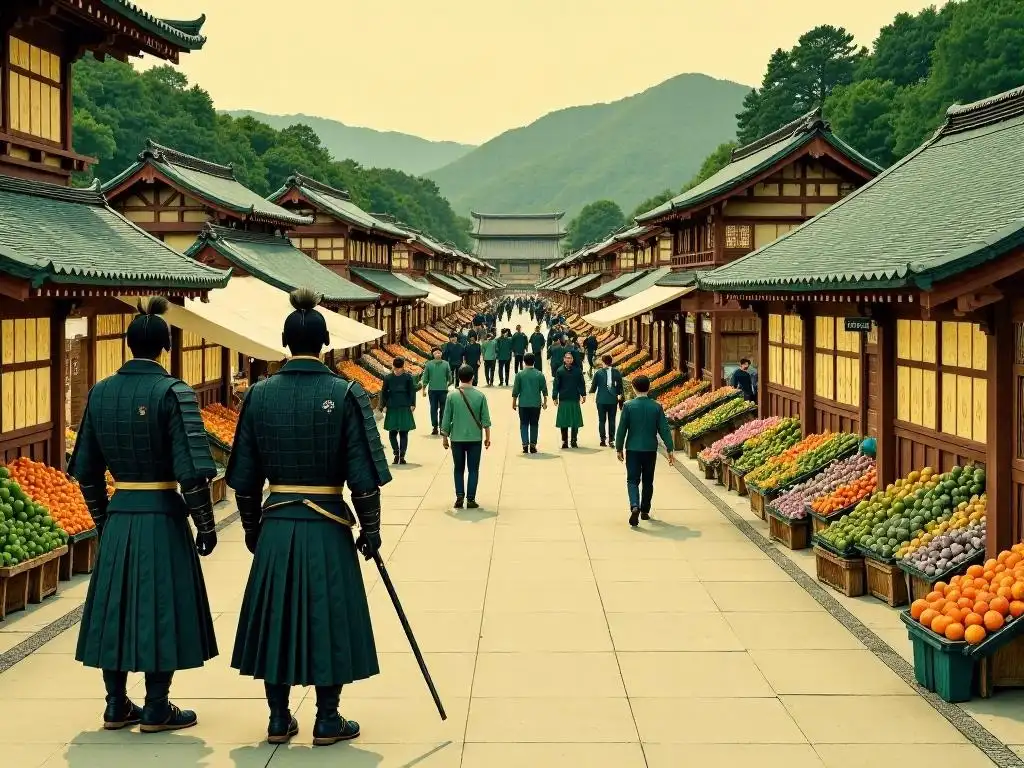
Welcome to Feudal Japan History, where we invite you to journey through the intricate tapestry of Japan's feudal era. In this exploration, we delve deep into the Tokugawa Shogunate and its profound impact on shaping Japan’s modern identity. What transformations occurred during this pivotal period, and how did they influence the nation we know today? Join us as we unravel the complexities of political history, culture, and societal changes that defined an era. Your adventure into the past begins now—read on to uncover the secrets of this fascinating chapter in history!
Introduction to the Tokugawa Shogunate
The Tokugawa Shogunate, which reigned from 1603 to 1868, stands as a pivotal period in Japanese history that not only defined the political landscape of the time but also laid the groundwork for Japan’s modern identity. Emerging from the chaos of civil wars, the Tokugawa Shogunate established a centralized feudal system that significantly influenced Japan's social, cultural, and economic structures.
The legacy of this era continues to resonate in contemporary Japan, shaping its political philosophies and cultural norms. This article aims to explore the Tokugawa Shogunate's impact on Japan, delving into its governance, key figures, and the societal changes it fostered during its tenure.
Overview of the Tokugawa Shogunate Era
The Tokugawa era, also known as the Edo period, marked a time of relative peace and stability following centuries of conflict. Under the leadership of Tokugawa Ieyasu, the shogunate implemented policies that promoted economic growth, cultural development, and social order. The strict class system established during this time categorized society into distinct ranks, influencing everyday life and interactions among the populace. Despite its rigid structure, the period fostered a rich cultural environment, leading to the flourishing of arts, literature, and philosophy, which would later become integral to Japan's identity.
Key Figures in the Tokugawa Period
Several influential figures emerged during the Tokugawa Shogunate, each playing a critical role in shaping the policies and direction of the era.
- Tokugawa Ieyasu: The founder of the shogunate, Ieyasu's strategic acumen and military prowess solidified his power and set the foundation for a lasting regime.
- Tokugawa Hidetada: Ieyasu's son, Hidetada, continued his father's policies and worked towards stabilizing the shogunate's authority.
- Mitsukuni Tokugawa: A significant patron of the arts and scholarship, he contributed to cultural advancements during the period.
These leaders, among others, not only influenced the political landscape of their time but also helped to cultivate a sense of Japanese identity that persists to this day.
The Tokugawa Shogunate's Political Framework
The governance structure established by the Tokugawa Shogunate was a defining characteristic of the era, influencing Japan’s political dynamics for centuries to come.
Structure of Tokugawa Governance
The Tokugawa Shogunate operated under a complex hierarchical system that centralized power in the hands of the shogun while maintaining a feudal structure. The shogun was the supreme military leader, supported by a council of advisors known as the Shitsuji. Below them were the daimyō, powerful feudal lords who governed various provinces, each responsible for local administration and defense. This decentralized governance allowed for regional autonomy while ensuring loyalty to the shogunate.
The Role of the Shogunate in Japanese Centralization
One of the most significant impacts of the Tokugawa Shogunate was its role in centralizing power in Japan. Through a series of policies, including the Sankin-kōtai system, which required daimyō to spend alternating years in Edo (modern-day Tokyo), the shogunate effectively controlled the feudal lords and reduced their power. This system not only reinforced loyalty to the shogunate but also facilitated economic and cultural exchange, further integrating the nation.
Impact of the Shogunate on Feudal Hierarchies
The Tokugawa Shogunate profoundly affected Japan's feudal hierarchies, reinforcing and redefining social classes. The rigid class structure categorized people into four main groups: samurai, farmers, artisans, and merchants. This stratification influenced social mobility, economic activity, and cultural production. While the samurai were at the top, the shogunate's policies also allowed for the rise of the merchant class, who gained wealth and influence, thereby altering traditional power dynamics within society.
Through these mechanisms, the Tokugawa Shogunate not only shaped political governance but also laid the foundations for the modern social fabric of Japan, with echoes of its influence still present in today's society.
Economic Changes Under the Tokugawa Shogunate
The Tokugawa Shogunate, which ruled Japan from 1603 to 1868, implemented various economic changes that significantly influenced the development of Japanese society and its modern identity. One of the most critical aspects of these changes was the establishment of a stable and structured economic environment that allowed for agricultural, trade, and industrial growth. The shogunate's policies aimed to centralize power and manage resources effectively, which laid the groundwork for Japan's transition from a feudal society to a more modern nation.
Agricultural Reforms and Their Effects on Society
Agriculture was the backbone of the Tokugawa economy, and the shogunate introduced several reforms to enhance productivity and stability. One significant reform was the promotion of crop rotation and new farming techniques, which increased rice production — the staple food and currency of the period.
Key effects of these agricultural reforms included:
- Increased Food Security: With more reliable harvests, famine became less frequent, contributing to a growing population.
- Social Stratification: The rise of wealthier farming families began to shift the traditional class system, as landowners gained more influence and power.
- Urbanization: Surplus production led to increased trade and the growth of towns and cities, marking the beginning of a more market-oriented economy.
These changes played a crucial role in altering the social fabric of Japan, fostering the emergence of a merchant class that would later influence cultural and economic developments.
Trade Policies: Sakoku and Its Implications
The Tokugawa Shogunate is well-known for its sakoku (locked country) policy, which severely restricted foreign trade and contact with the outside world for over two centuries. Enacted in the 1630s, sakoku aimed to prevent the influence of Christianity and foreign powers, ensuring the shogunate's control over Japan.
Implications of the sakoku policy included:
- Limited Foreign Influence: The policy created a unique insular culture, as Japan developed independently from Western influences.
- Controlled Trade: Only select Dutch and Chinese traders were allowed limited access to specific ports, which helped maintain the shogunate's power while still facilitating some economic exchange.
- Emergence of Domestic Markets: With limited foreign trade, local markets flourished, prompting the growth of commerce and the merchant class, which played a vital role in Japan's economic transformation.
While sakoku restricted Japan's international engagement, it also allowed for the cultivation of a distinct Japanese identity that would later be pivotal during the Meiji Restoration.
Economic Stability and Growth During the Tokugawa Era
The Tokugawa period is often characterized by economic stability and growth, primarily due to the shogunate's effective governance and strategic policies. The establishment of a unified currency and standardized weights and measures facilitated trade and commerce across the nation.
Notable aspects of this economic stability included:
- Infrastructure Development: Improvements in transportation networks, including roads and bridges, enabled more efficient movement of goods and people.
- Urban Growth: Major cities like Edo (now Tokyo), Osaka, and Kyoto became centers of commerce, culture, and learning, contributing to a burgeoning urban society.
- Rise of the Merchant Class: As trade flourished, a wealthy merchant class emerged, which began to challenge the traditional feudal hierarchy, eventually influencing social and political reforms.
This economic environment fostered creativity and innovation, setting the stage for Japan's modernization in the late 19th century.
Cultural Developments Influenced by the Tokugawa Shogunate
The Tokugawa Shogunate not only shaped Japan's economy but also its cultural landscape. With a focus on stability and control, the shogunate encouraged the development of arts, literature, and education, which significantly influenced Japanese identity.
The Rise of Edo Culture
Edo culture, named after the capital city, became a defining characteristic of the Tokugawa period. This culture was marked by a blend of traditional Japanese values and the influences of urbanization and commerce.
Key features of Edo culture included:
- Theater and Performance Arts: The rise of kabuki and bunraku (puppet theater) captivated audiences and reflected societal themes and critiques.
- Fashion and Lifestyle: The merchant class's wealth led to the emergence of new fashion trends and consumer culture, influencing everyday life.
- Culinary Developments: The flourishing of food culture, with the establishment of restaurants and specialty foods, played a crucial role in shaping social interactions.
Edo culture transformed Japan's cultural identity, promoting a sense of pride and unity among its people.
Arts and Literature During the Tokugawa Period
The Tokugawa era witnessed remarkable developments in arts and literature, with a focus on both traditional forms and new genres. The shogunate's patronage of the arts led to a flourishing of creative expression that reflected the complexities of Japanese life.
Prominent developments included:
- Ukiyo-e Prints: These woodblock prints depicted scenes of everyday life, landscapes, and kabuki actors, becoming iconic representations of Japanese art.
- Literary Works: The period saw the emergence of notable literary figures such as Matsuo Bashō, who popularized haiku, and the rise of novels like "The Tale of Genji," which explored themes of love and society.
- Cultural Festivals: Various festivals and events celebrated local traditions, arts, and performances, fostering community spirit and cultural exchange.
The artistic and literary advancements during this period contributed significantly to Japan's cultural heritage, influencing generations to come.
Education and the Spread of Confucianism
Education was a cornerstone of the Tokugawa Shogunate, reflecting Confucian ideals that emphasized moral integrity, social harmony, and the importance of knowledge. The shogunate established a system of schools and academies to promote these values among the samurai and merchant classes.
Key aspects of educational developments included:
- Confucian Thought: The teachings of Confucius became central to education, shaping the ethical framework of society and governance.
- Literacy Rates: Increased access to education led to higher literacy rates among the populace, facilitating the spread of ideas and cultural practices.
- Public Education: The establishment of terakoya (temple schools) allowed commoners to access basic education, fostering a more informed society.
These educational reforms not only solidified Confucian values but also contributed to the intellectual awakening that would eventually challenge the feudal order and pave the way for modernization in Japan.
The Tokugawa Shogunate's Influence on Japanese Society
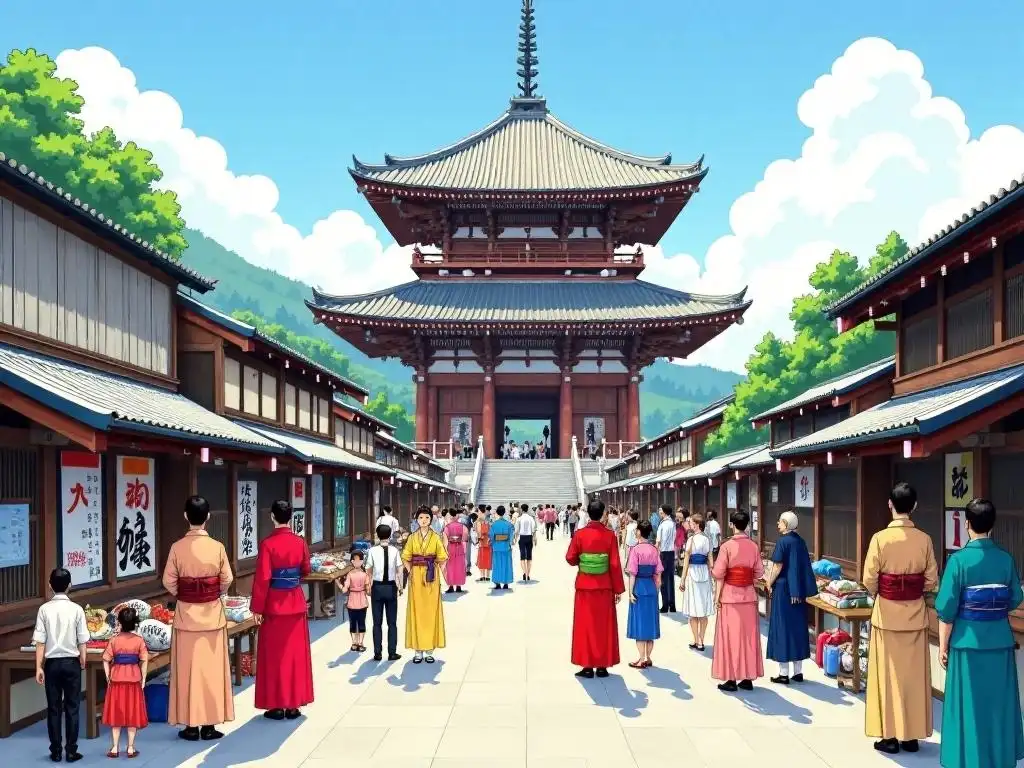
The Tokugawa Shogunate, which ruled Japan from 1603 to 1868, profoundly influenced the country's social fabric and cultural identity. This period, known as the Edo period, was marked by relative peace and stability, which allowed for significant developments in Japanese society. The Tokugawa regime instituted a rigid class system that structured social interactions and roles, fostering distinct cultural expressions that continue to resonate in modern Japan.
The Shogunate's policies also emphasized the importance of education and the arts, leading to a flourishing of literature, theater, and visual arts. This cultural renaissance contributed to a unique Japanese identity characterized by a blend of traditional values and emerging modern influences. The interplay between governance, social organization, and cultural production during the Tokugawa era laid the groundwork for Japan's transition into the modern age.
Social Classes and Structure Under Tokugawa Rule
Under Tokugawa rule, Japanese society was stratified into a hierarchical class system, often referred to as the "four divisions of society":
- Samurai: The warrior class, which held significant political and military power, serving as the ruling elite and enforcers of the Shogunate's policies.
- Farmers: Considered the backbone of society, farmers were respected for their role in producing food, which was vital for the population's sustenance.
- Artisans: Skilled craftsmen who created goods and services essential for daily life, artisans contributed to the economy and cultural identity through their trades.
- Merchants: Though often viewed with disdain, merchants gained wealth and influence during the Edo period, playing a crucial role in the economic landscape.
This rigid structure not only defined social interactions but also influenced the cultural landscape, as each class contributed uniquely to society's development. The Tokugawa Shogunate's regulation of social classes fostered a sense of order and identity that shaped the collective consciousness of the Japanese people.
The Role of Samurai in Shaping Modern Identity
The samurai played a pivotal role in shaping Japan's modern identity, transcending their initial military function to become symbols of loyalty, honor, and discipline. The Bushido code, a moral framework guiding samurai behavior, emphasized virtues such as bravery, integrity, and respect. This code not only influenced the samurai's conduct but also permeated broader Japanese society, impacting contemporary values and ethics.
Throughout the Tokugawa period, samurai transitioned from warriors to bureaucrats and scholars, engaging in governance and cultural pursuits. This evolution fostered a rich intellectual environment, leading to the development of philosophies and arts that underscored national identity. Even after the fall of the Tokugawa Shogunate, the legacy of the samurai continued to resonate in Japan's cultural narratives, contributing to a collective understanding of honor and integrity in modern Japanese identity.
Women’s Roles and Representation in Tokugawa Society
During the Tokugawa period, women's roles were largely confined to the domestic sphere, with social expectations emphasizing obedience and support of their husbands and families. However, this era also saw women actively participating in various aspects of society, including commerce and education.
While the legal framework restricted women's rights, particularly in terms of property ownership and inheritance, many women found ways to exert influence, particularly among the merchant class. Women played crucial roles in managing family businesses and were often integral to the economic success of their households.
Culturally, women were represented in literature and art, revealing complex narratives that challenged the stereotypical views of femininity. The emergence of onnagata (male actors portraying female characters) in kabuki theater also highlighted the nuances of gender representation. These dynamics laid the foundation for the evolving roles of women in Japan, illuminating a path toward greater representation and rights in the modern era.
The Decline of the Tokugawa Shogunate
The decline of the Tokugawa Shogunate was a gradual process influenced by both internal and external factors. As Japan entered the 19th century, the Shogunate faced mounting pressures from various quarters, leading to significant political and social upheaval.
Factors Leading to the Fall of the Shogunate
Several key factors contributed to the decline of the Tokugawa Shogunate:
- Economic Strain: The rigid class system and the burden of taxation on farmers led to widespread dissatisfaction and unrest among the peasantry. Economic hardships were exacerbated by natural disasters, leading to famine and increased social discontent.
- Western Pressure: The arrival of Commodore Perry in 1853 marked a turning point, as Western powers pressured Japan to open its borders for trade. The Shogunate's inability to effectively respond to these external threats diminished its authority and credibility.
- Rise of Nationalism: The growing sentiment for a unified Japan led to the emergence of movements that sought to dismantle the feudal system. Samurai and other disaffected groups began to rally against the Shogunate, culminating in a series of uprisings.
The Meiji Restoration: A Shift in Japanese Identity
The Meiji Restoration in 1868 marked a watershed moment in Japan's history, signifying the end of the Tokugawa Shogunate and the beginning of a new era characterized by rapid modernization and Westernization. The restoration was driven by the desire to restore imperial rule and transform Japan into a modern nation-state capable of competing on the global stage.
During this period, Japan underwent significant political, social, and economic reforms, including the abolition of the feudal class system and the establishment of a parliamentary government. The emphasis on industrialization and education led to profound changes in Japanese society, fostering a new sense of identity that embraced both traditional values and modern ideals.
This shift in identity laid the groundwork for Japan's emergence as a major world power, fundamentally altering its relationship with the international community and shaping its trajectory in the 20th century.
Legacy of the Tokugawa Shogunate in Modern Japan
The legacy of the Tokugawa Shogunate continues to influence modern Japan in various ways. The cultural, social, and political frameworks established during this era have left an indelible mark on contemporary Japanese society. The samurai ethos, with its emphasis on honor and loyalty, remains a significant component of Japan's national identity.
Furthermore, the Tokugawa period's emphasis on education and the arts has fostered a rich cultural heritage that persists in modern Japanese literature, theater, and visual arts. The social structures and class distinctions, though transformed, still echo in some aspects of Japanese society today.
In essence, the Tokugawa Shogunate played a crucial role in shaping Japan's modern identity, creating a complex interplay between tradition and modernity that continues to define the nation. The lessons learned during this period serve as valuable insights into Japan's ongoing evolution in a rapidly changing world.
Conclusion: The Lasting Impact of the Tokugawa Shogunate on Japan’s Modern Identity
The Tokugawa Shogunate, which reigned from 1603 to 1868, has left an indelible mark on Japan’s modern identity. Its influence extends beyond political structures and governance, reaching into cultural, social, and economic domains. The era of the Tokugawa Shogunate established a foundation that shaped the trajectory of Japan’s development as a nation in the modern world. Understanding this impact is crucial to appreciating how historical governance has informed contemporary Japanese society.
Summary of Key Contributions
The Tokugawa Shogunate's contributions to Japan's identity are multifaceted:
- Political Stability: The shogunate implemented a strict class system and centralized power, which brought about an unprecedented period of peace known as the Pax Tokugawa. This stability fostered economic growth and allowed culture to flourish.
- Cultural Development: The period saw the emergence of unique Japanese art forms, literature, and theater, such as Kabuki and Ukiyo-e. These cultural expressions have become synonymous with Japanese identity.
- Economic Transformation: The shogunate promoted agrarian policies that led to increased agricultural output, while trade networks expanded, laying the groundwork for Japan's later industrialization.
- Isolationist Policies: The Sakoku (closed country) policy limited foreign influence, which helped preserve Japanese culture and identity during a time when Western powers were expanding globally.
These contributions collectively helped in forging a distinct Japanese identity that balances tradition with modernity.
Reflection on the Shogunate's Role in Contemporary Japanese Culture
Even today, the legacies of the Tokugawa Shogunate are evident in various aspects of Japanese life. The social hierarchy established during this era, though transformed, still resonates within modern societal structures. Festivals celebrating traditional arts and the preservation of historical sites underscore a cultural continuity that links contemporary Japan to its feudal past.
Moreover, concepts of loyalty, honor, and community, which were emphasized during the Tokugawa period, continue to influence Japanese values. The shogunate's approach to governance and its cultural policies have also laid the groundwork for Japan's unique blend of modernization and tradition, which is a defining characteristic of its national identity.
References
Recommended Reading on the Tokugawa Shogunate
- "The Tokugawa World" by James L. McClain - This book provides a comprehensive overview of the Tokugawa period, discussing various aspects of life under the shogunate.
- "Tokugawa Japan: The Cultural Roots of Modern Japan" by John W. Dower: - Dower explores how the cultural developments during the Tokugawa period have shaped modern Japanese identity.
- "The Making of Modern Japan" by David J. Lu - This text examines the transition from feudalism to modernity, providing context for the Tokugawa Shogunate's role in this transformation.
Notable Scholars and Works on Feudal Japan
- Eiko Ikegami: Her work, "The Taming of the Samurai: Honorific Individualism and the Making of Modern Japan," delves into the societal changes during the Tokugawa era that influenced modern Japan.
- Mikiso Hane: In "Modern Japan: A Historical Survey," Hane offers insights into the Tokugawa period and its implications for contemporary society.
- Tetsuo Najita: His essays on the political philosophy of the Tokugawa Shogunate provide a nuanced understanding of its governance and ideological legacy.
These readings and scholars provide a deeper exploration of the Tokugawa Shogunate’s enduring impact, contributing to a richer understanding of Japan's historical narrative.
- Introduction to the Tokugawa Shogunate
- The Tokugawa Shogunate's Political Framework
- Economic Changes Under the Tokugawa Shogunate
- Cultural Developments Influenced by the Tokugawa Shogunate
- The Tokugawa Shogunate's Influence on Japanese Society
- The Decline of the Tokugawa Shogunate
- Conclusion: The Lasting Impact of the Tokugawa Shogunate on Japan’s Modern Identity
- References
Frequently Asked Questions
What was the Tokugawa Shogunate?
The Tokugawa Shogunate was a feudal regime in Japan that lasted from 1603 to 1868. It established a centralized government and enforced strict social order, significantly shaping Japan's political landscape.
How did the Tokugawa Shogunate impact Japan's culture?
The Tokugawa Shogunate fostered a unique culture characterized by art, literature, and theater. This era saw the rise of popular culture, including kabuki and ukiyo-e, influencing Japan’s cultural identity.
What changes did the Tokugawa Shogunate bring to Japanese society?
The Shogunate implemented a rigid class system, dividing society into four main classes: samurai, farmers, artisans, and merchants. This structure created a stable society but also limited social mobility.
How did the Tokugawa Shogunate influence Japan's economy?
Under the Tokugawa Shogunate, Japan experienced a period of economic growth and urbanization. Trade flourished, and cities expanded, leading to the development of a commercial economy that laid the groundwork for modern Japan.
What was the legacy of the Tokugawa Shogunate in Japan's history?
The legacy of the Tokugawa Shogunate is profound, establishing a foundation for Japan’s modern identity. Its policies and cultural developments influenced Japan's transition to a modern state during the Meiji Restoration.
Final Reflection: The Enduring Legacy of the Tokugawa Shogunate's Impact on Japan
The Tokugawa Shogunate's influence on Japan is not merely a chapter in history; it is a foundational pillar that continues to shape the nation's identity today. From the establishment of a centralized government to the promotion of cultural practices, the Shogunate's policies laid the groundwork for modern Japanese society. As we navigate the complexities of contemporary Japan, it becomes increasingly clear that understanding this historical period is essential to grasping the nuances of its current cultural and social dynamics.
The Tokugawa era fostered a unique blend of tradition and innovation, which resonates deeply within Japan's cultural landscape. This period of relative peace and stability allowed for the flourishing of arts, literature, and philosophy, creating a rich tapestry that informs Japan's identity today. As the renowned historian John W. Hall once said, The Tokugawa period was a time of great cultural flowering, and its legacy continues to inspire and influence Japanese society.
This ongoing influence serves as a reminder of how historical contexts can shape present realities and future possibilities.
As we reflect on the lessons of the Tokugawa Shogunate, let us consider how we can apply these insights to our own lives. Embrace the balance between tradition and progress, recognizing that our identities are shaped by the past while being open to the possibilities of the future.
Take a moment to ponder how the values and practices established during this pivotal period can inspire your own journey. By understanding and appreciating the Tokugawa Shogunate's impact on Japan, we can foster a deeper connection to our own histories and identities, ultimately guiding us toward a more enriched and thoughtful existence.
Unveil Japan’s Modern Identity Today!
Thank you for immersing yourself in the fascinating history of the Tokugawa Shogunate! You’ve uncovered how this pivotal era shaped Japan’s modern identity, and now it’s time to take meaningful action based on what you've learned.
Here are some steps you can take to deepen your understanding and connect with this vibrant history:
- Visit a local museum or cultural center that showcases Japanese history, allowing you to explore artifacts from the Tokugawa period.
- Engage with your community by sharing insights from this article or hosting a discussion about the Tokugawa era with friends or fellow history enthusiasts.
- Dive deeper by reading a well-regarded book or watching an insightful documentary that covers the Tokugawa Shogunate in greater detail.
What aspect of Japan’s transformation during the Tokugawa Shogunate intrigues you the most? How do you think it continues to influence Japan today? Let's discuss!