
The Rise of the Samurai: A Comparative Analysis with European Knights

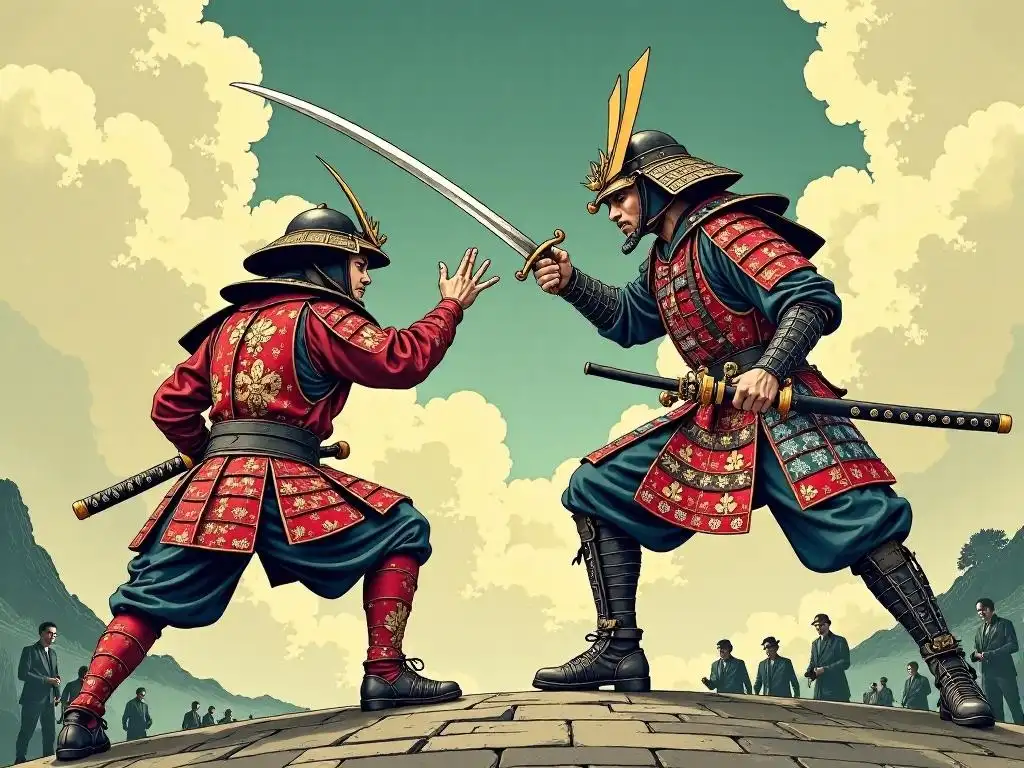
Welcome to Feudal Japan History, where we embark on a fascinating journey through the intricate tapestry of Japan’s feudal era. Have you ever wondered how the legendary samurai stacks up against the formidable European knights? In our featured article, "The Rise of the Samurai: A Comparative Analysis with European Knights," we dive deep into the political, cultural, and societal nuances that defined these two iconic warrior classes.
Prepare to uncover the striking similarities and profound differences that shaped their legacies. Join us as we unravel the stories that forged a unique chapter in history, inviting you to explore further into the world of feudal Japan.
Introduction to the Samurai and European Knights
The rise of the samurai in Japan and the emergence of European knights during the medieval era represent two of history's most iconic warrior classes. Both groups not only played pivotal roles in their respective societies but also shaped the political and cultural landscapes of their times.
This article aims to provide a comprehensive analysis of the samurai class and European knights, exploring their origins, societal roles, and the historical contexts that defined their existence. By examining the similarities and differences between these two warrior classes, we can gain a deeper understanding of their contributions to feudal systems and their lasting legacies in modern culture.
Overview of the Samurai Class in Feudal Japan
The samurai were a military nobility in feudal Japan, emerging around the 12th century as a distinct class. They were known for their strict code of conduct, known as bushido, which emphasized loyalty, honor, and martial prowess. Originally serving as armed retainers for powerful landowners, samurai evolved into a powerful social class with significant political influence.
Key characteristics of the samurai class include:
- Warrior Ethos: Samurai were trained in various martial arts and were expected to excel in battlefield tactics.
- Cultural Contributions: Beyond warfare, samurai contributed to arts and culture, influencing Japanese literature, philosophy, and aesthetics.
- Feudal Allegiance: Their loyalty to their daimyo (feudal lords) was paramount, often leading to conflicts and rivalries within regions.
With the unification of Japan in the 17th century, the samurai's role transformed from military leaders to bureaucrats, but their cultural significance endured, making them a symbol of Japanese heritage.
Introduction to European Knights in the Medieval Era
In medieval Europe, knights emerged as a crucial component of the feudal system, primarily during the 9th to 15th centuries. They were heavily armored cavalrymen who were granted land in exchange for military service to a lord. The code of chivalry, which encompassed ideals of bravery, honor, and respect for women, defined the knightly class.
Key aspects of European knights include:
- Feudal Obligations: Knights were bound by oaths of loyalty to their lords, often serving as both warriors and landholders.
- Training and Pageantry: The path to knighthood involved rigorous training and ceremonies, including the ritual of dubbing.
- Cultural Influence: Knights participated in tournaments and were depicted in literature, shaping the romanticized view of chivalric life.
Knights played a vital role in the political and military affairs of medieval Europe, and their legacy continues to influence modern concepts of honor and nobility.
Historical Context of the Samurai vs European Knights
To better understand the samurai vs European knights comparison, it is essential to explore the historical contexts that shaped their development. Both classes arose in response to the needs of their societies, influenced by various factors, including warfare, politics, and cultural ideologies.
Emergence of the Samurai in Japan's Feudal System
The samurai class emerged during a period of political fragmentation in Japan, marked by the rise of powerful clans and the need for military protection. The Heian period (794-1185) saw the rise of the shogunate, a military government that consolidated power among the samurai. Key events during this time include:
- Genpei War (1180-1185): A pivotal conflict between the Taira and Minamoto clans that ultimately led to the establishment of the Kamakura shogunate.
- The Mongol Invasions (1274 & 1281): The samurai's successful defense against Mongol forces solidified their status as elite warriors.
This era set the stage for the samurai's influence over Japanese politics and culture, leading to a legacy that would endure for centuries.
The Rise of Knights in Medieval Europe
In medieval Europe, the rise of knights coincided with the fragmentation of the Roman Empire and the need for localized defense. The feudal system, which became prevalent around the 9th century, allowed lords to grant land to vassals in exchange for military service. Significant developments include:
- Carolingian Empire (8th-9th centuries): Established a form of feudalism that laid the groundwork for the knightly class.
- Crusades (1096-1291): A series of religious wars that not only increased the prestige of knights but also contributed to the spread of chivalric ideals.
This period was characterized by the intertwining of warfare, politics, and culture, leading to the establishment of a distinct knightly identity.
Key Historical Events Impacting Samurai and Knights
Both the samurai and knights faced transformative events that influenced their roles in society:
| Event | Samurai | Knights |
|---|---|---|
| Genpei War | Established the shogunate | N/A |
| Mongol Invasions | Proved samurai military prowess | N/A |
| Crusades | Limited direct impact | Enhanced knightly prestige |
| Rise of centralized power | Transition to bureaucratic roles | Gradual decline in military importance |
Understanding these historical contexts allows us to appreciate the nuanced differences and similarities between the samurai and European knights, as well as the ways in which their legacies continue to resonate in contemporary discussions of honor, loyalty, and martial tradition.
The social structures surrounding the Samurai in Japan and European Knights were complex and deeply rooted in their respective cultures. While both groups emerged during feudal periods and played significant roles as military elites, the societal frameworks that supported them differed greatly.
The Role of Samurai in Japanese Society
The Samurai were not merely warriors; they occupied a crucial position in the Japanese social hierarchy. Emerging in the late Heian period (794-1185), the Samurai initially served as armed retainers for the nobility. As Japan transitioned into the Kamakura period (1185-1333), they began to consolidate power, becoming the ruling class. Their roles included:
- Military Service: Samurai were expected to protect their lords and lands, engaging in warfare when necessary.
- Land Management: Many Samurai were granted land in return for their military service, which they managed and cultivated.
- Cultural Patronage: Samurai also played a role in the arts and culture, patronizing poets, artists, and craftsmen, thus influencing the cultural landscape of Japan.
The Samurai were bound by a strict code of conduct known as Bushido, which emphasized loyalty, honor, and personal discipline, shaping their identities within society.
The Role of Knights in European Society
In contrast, European Knights arose from the feudal system that emerged in the early Middle Ages. They were heavily armored cavalrymen who served powerful lords. Their roles included:
- Military Service: Knights were primarily warriors, serving in battles and on campaigns, often gaining land and titles as rewards for their loyalty and combat prowess.
- Vassalage: Knights operated within a system of vassalage, where they pledged loyalty to a lord in exchange for land (fief) and protection.
- Judicial and Administrative Duties: Many Knights also held judicial responsibilities and were involved in local governance, acting as enforcers of their lord's will.
Knights adhered to the chivalric code, which highlighted values such as bravery, honor, and courtesy, particularly towards women and the weak.
Comparison of Social Hierarchies and Feudal Obligations
The social hierarchies of Samurai and Knights shared similarities but also significant differences.
Samurai:
- Hierarchy: Samurai were part of a more rigid and centralized hierarchy in Japan, where loyalty to the shogun and emperor was paramount.
- Obligations: They had obligations not only to their immediate lords but also to the broader state, reflecting a sense of service to the nation.
Knights:
- Hierarchy: The feudal system in Europe was more decentralized, with numerous lords and vassals, leading to a fragmented power structure.
- Obligations: Knights had personal obligations primarily to their immediate lords, often leading to conflicts of loyalty among competing feudal lords.
Cultural Aspects of Samurai and European Knights
Cultural elements played a significant role in shaping the identities of Samurai and Knights, influencing their behaviors, societal roles, and legacies.
The Code of Bushido: Principles of the Samurai
Bushido, or "the way of the warrior," was the ethical code that guided Samurai conduct. Key principles included:
- Loyalty: Samurai were expected to demonstrate unwavering loyalty to their lord.
- Honor: Personal honor was paramount; failing to uphold one's honor could lead to seppuku (ritual suicide).
- Courage: Samurai were taught to face danger with bravery, and to be prepared to sacrifice their lives for their lord and their ideals.
Bushido influenced not only martial practices but also the cultural and spiritual life of the Samurai, promoting a philosophy that extended beyond the battlefield.
Chivalry: The Code of European Knights
The chivalric code governed the behavior of Knights, embodying ideals of noble conduct. Core elements included:
- Honor: Like the Samurai, Knights placed great importance on maintaining their honor and reputation.
- Valour: Courage in battle was essential, and Knights were often celebrated for their heroic deeds.
- Protection of the Weak: Knights were expected to protect those less able to defend themselves, including women, children, and the poor.
Chivalry not only influenced military conduct but also shaped the social and cultural expectations of Knights, intertwining their identities with ideals of nobility and gallantry.
Cultural Significance of Samurai and Knights in Their Respective Societies
The Samurai and Knights emerged as cultural icons in their societies, symbolizing ideals of martial prowess, loyalty, and honor.
- Samurai: In Japan, the Samurai came to be revered as embodiments of national identity, with their values influencing Japanese culture, literature, and even modern martial arts. Their legacy persists in contemporary Japan, where they are often romanticized in media.
- Knights: Similarly, Knights have become central figures in European folklore and literature, often romanticized in stories of gallant deeds and quests. Their legacy shaped concepts of nobility and honor in European culture, influencing everything from literature to the modern concept of chivalry.
Both Samurai and Knights represent the valor and ethos of their respective societies, contributing to the enduring fascination with these warrior classes in history.
Military Strategies and Tactics: Samurai vs European Knights
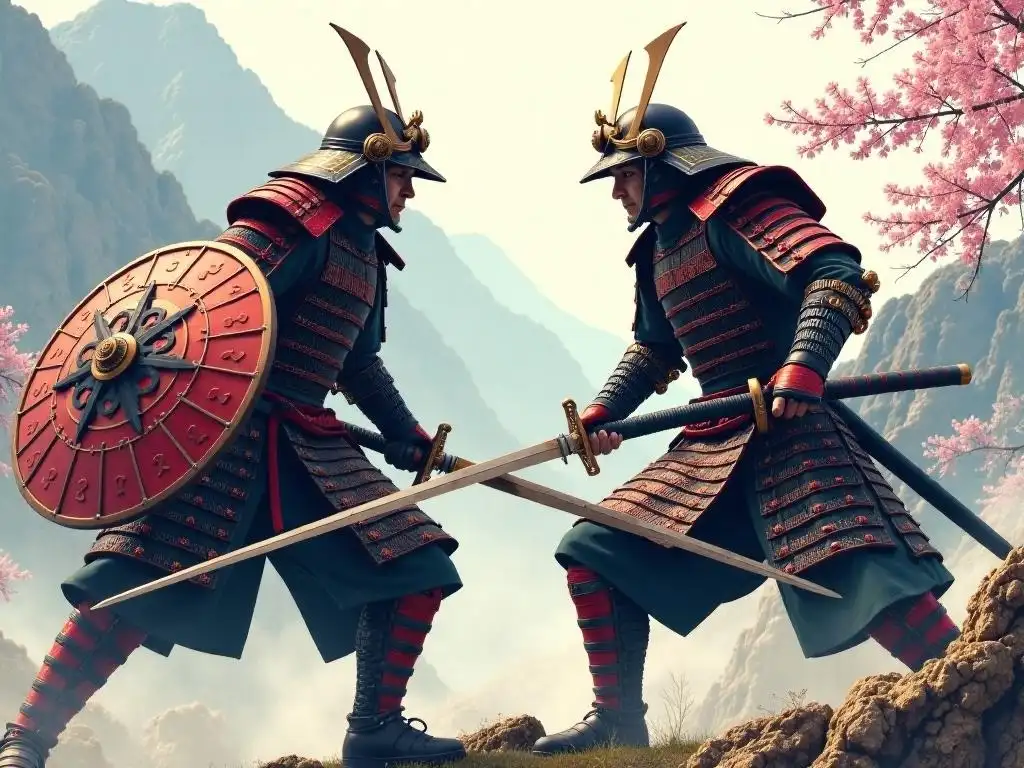
The military strategies and tactics employed by Samurai and European Knights reveal significant differences influenced by their respective cultural and historical contexts. Both warrior classes were pivotal in shaping their nations' military landscapes, but their approaches to warfare were distinct.
Training and Combat Techniques of Samurai Warriors
Samurai warriors underwent rigorous training from a young age, often starting as apprentices in a martial arts tradition called "Bujutsu." This training encompassed various combat techniques, including swordsmanship, archery, and horseback riding. The "Kenjutsu," the art of the sword, was paramount, with the katana being both a weapon and a symbol of honor. Samurai were also trained in tactics and strategy, often studying historical battles and teachings from military texts like "The Book of Five Rings" by Miyamoto Musashi.
Samurai combat techniques emphasized agility, precision, and the philosophy of "killing with one blow." This approach was complemented by a deep understanding of Zen Buddhism, which influenced their mindset in battle, promoting calmness and focus. The use of armor, such as the "do" (chest armor) and the "kabuto" (helmet), was designed to facilitate movement and provide protection while allowing for swift combat maneuvers.
Military Tactics Employed by European Knights
European Knights, often associated with the feudal system, were heavily armored cavalrymen who played a crucial role in medieval warfare. Their training varied but typically included jousting and hand-to-hand combat, focusing on mounted techniques. Knights were often part of a larger feudal army and operated under a system of chivalry, which dictated not only combat behavior but also social conduct.
The tactics employed by knights revolved around mounted charges and the use of heavy cavalry to break enemy lines. The "hammer and anvil" tactic was prevalent, where knights would engage the enemy while infantry units flanked them. The use of siege warfare became increasingly important as castles and fortified structures dominated the landscape, leading to the development of specialized siege engines and tactics.
Comparative Analysis of Warfare Styles
When comparing the warfare styles of Samurai and European Knights, several key differences emerge. Samurai were often more fluid and adaptable in their combat approach, favoring individual skill and rapid maneuvers. Their tactics included ambushes and stealth, reflecting a deeper connection to the terrain and the element of surprise.
In contrast, European Knights relied heavily on armor and the strength of their cavalry in organized formations. Their approach to battle was often more rigid, focusing on discipline and the strength of numbers. While both warrior classes valued honor and prowess in combat, the Samurai's emphasis on personal skill and strategy contrasted with the Knights’ reliance on chivalric codes and feudal loyalty.
Weapons and Armor: A Comparative Examination
The weapons and armor of Samurai and European Knights are emblematic of their respective cultures and technological advancements. Both classes utilized a variety of arms and protective gear, which evolved significantly over time.
Traditional Weapons of the Samurai
The primary weapon of the Samurai was the katana, known for its sharpness and craftsmanship. The katana's design allowed for quick draws and lethal strikes, making it an ideal weapon for the Samurai's combat style. Other traditional weapons included the wakizashi (a shorter sword), the tanto (dagger), and the naginata (a polearm), each serving distinct purposes on the battlefield.
Samurai also used bows, particularly the yumi, which was long and asymmetrical, providing greater range and power. The art of archery was highly respected, with Samurai often demonstrating their skills during ceremonies and competitions. Additionally, the use of firearms, such as matchlocks, began to emerge in the late feudal period, adding a new dimension to Samurai warfare.
Armaments and Armor of European Knights
European Knights were renowned for their heavy armor, which evolved from chainmail to full plate armor by the late medieval period. This armor provided substantial protection but also required considerable strength and training to maneuver effectively. Key components included the helm, breastplate, gauntlets, and greaves, which were often adorned with heraldic symbols.
Knights typically wielded a variety of weapons, including longswords, battle axes, and lances for mounted combat. The lance was particularly significant during tournaments, where knights showcased their skills in jousting. The introduction of crossbows and firearms during the late medieval period began to change the dynamics of warfare, leading to adaptations in armor design to counter these threats.
Evolution of Combat Gear: A Side-by-Side Comparison
The evolution of combat gear for Samurai and European Knights illustrates the technological advancements and changes in warfare strategies over time. Samurai armor, while protective, prioritized mobility, allowing warriors to move swiftly in battle. The use of lighter materials, such as leather and iron, combined with intricate designs, facilitated both protection and agility.
In contrast, European Knights' armor became progressively heavier, offering greater protection against increasingly powerful weaponry. The transition from chainmail to plate armor was a response to the need for defense against swords and crossbows. However, this weight also limited mobility, leading to the development of strategies that capitalized on formations and teamwork rather than individual agility.
The comparative analysis of weapons, armor, and tactical approaches highlights the unique adaptations each class made in response to their environments and the evolving nature of warfare. Understanding these differences sheds light on the rich history of the Samurai and European Knights, showcasing their roles in shaping their respective societies.
Conclusion: The Legacy of Samurai and European Knights
The legacy of the samurai and European knights extends far beyond their respective historical eras, influencing modern culture and societal structures in profound ways. Both warrior classes were emblematic of their cultures, representing ideals of honor, loyalty, and martial prowess. Their contributions to governance, military strategy, and cultural identity continue to resonate today, shaping perceptions of nobility and the concept of the warrior.
Lasting Impact on Modern Culture
The samurai and knights have left enduring marks on modern culture, from literature and film to martial arts and fashion. In Japan, the samurai ethos is celebrated through various art forms, including manga, anime, and cinema, often romanticizing their code of honor (Bushido) and their roles as protectors of the realm. Iconic films like "Seven Samurai" and "The Last Samurai" have popularized these figures globally, creating a lasting fascination with their lifestyle and principles.
Conversely, European knights have similarly influenced Western narratives, often depicted in chivalric romances, fairy tales, and modern media. The image of the knight in shining armor persists in popular culture, symbolizing bravery and justice. Their legacy is also evident in the ceremonial aspects of modern military and state functions, where vestiges of knightly traditions are retained, such as the Order of the Garter in England and various honors in other European countries.
The Influence of Samurai and Knights on Contemporary Society
In contemporary society, the values associated with samurai and knights continue to be relevant. Concepts of honor, loyalty, and courage are upheld in various professional and personal spheres. For instance, martial arts, particularly disciplines like Kendo and Aikido, draw from samurai traditions, promoting discipline and respect among practitioners. Similarly, the chivalric code inspires modern ethical frameworks in leadership and personal conduct, emphasizing integrity, respect, and service.
Moreover, the fascination with the samurai and knights has led to the establishment of numerous historical reenactments and festivals, allowing people to engage with this heritage actively. Events such as the "Battle of the Nations" and Japanese sword exhibitions serve as platforms for exploring these historical narratives, fostering a deeper understanding of their roles in shaping modern identities.
Final Thoughts on the Comparative Analysis of Samurai vs European Knights
In summation, the comparative analysis of samurai and European knights reveals a complex interplay of cultural values, social structures, and historical contexts. While they emerged from distinct backgrounds, the samurai and knights shared similarities in their warrior ethos and societal roles, contributing to the governance and cultural fabric of their respective regions.
Understanding their legacies offers valuable insights into how historical figures continue to shape contemporary ideals and practices. The exploration of "Samurai vs European Knights" not only highlights their differences but also underscores the universal themes of honor, loyalty, and the pursuit of justice that resonate across cultures and time.
- Introduction to the Samurai and European Knights
- Historical Context of the Samurai vs European Knights
- Social Structure: Samurai vs European Knights
- Cultural Aspects of Samurai and European Knights
- Military Strategies and Tactics: Samurai vs European Knights
- Weapons and Armor: A Comparative Examination
- Conclusion: The Legacy of Samurai and European Knights
- What factors contributed to the rise of the samurai in Japan?
- How do samurai and European knights differ in terms of training and skills?
- What role did social class play in the lives of samurai and knights?
- How did the code of conduct for samurai compare to that of European knights?
- What cultural influences shaped the ethos of the samurai and knights?
Frequently Asked Questions
What factors contributed to the rise of the samurai in Japan?
The rise of the samurai was influenced by political instability, the need for military protection, and the cultural emphasis on loyalty and honor during the feudal era.
How do samurai and European knights differ in terms of training and skills?
While both samurai and European knights underwent extensive training, samurai were often trained in martial arts and strategic warfare, whereas knights focused on chivalric values and mounted combat.
Both samurai and knights belonged to the warrior class, but samurai held a higher status in Japan's feudal hierarchy, often serving as advisors and landowners compared to knights, who were typically vassals.
How did the code of conduct for samurai compare to that of European knights?
The code of conduct for samurai, known as Bushido, emphasized honor, loyalty, and self-discipline, while knights followed the Code of Chivalry, which stressed bravery, courtly behavior, and protection of the weak.
What cultural influences shaped the ethos of the samurai and knights?
The samurai were influenced by Zen Buddhism and Confucianism, which promoted ideals of self-control and loyalty, while European knights were shaped by Christianity and feudal loyalty, emphasizing faith and nobility.
Final Reflection: The Enduring Legacy of Warriors
The exploration of the Samurai and European Knights reveals not just a historical rivalry but a profound connection to the values of honor, loyalty, and martial prowess that resonate in today's society. As we navigate a world increasingly defined by conflict and competition, understanding the principles that guided these warriors can inspire us to cultivate our own sense of integrity and purpose. The lessons from their legacies are timeless, reminding us that the spirit of the warrior transcends mere combat; it embodies the pursuit of excellence in every facet of life.
The cultural impact of the Samurai and European Knights continues to shape our narratives, from literature to film, and even in our modern-day ideals of heroism. Their stories reflect the complexities of duty and sacrifice, influencing how we perceive bravery and honor in contemporary contexts.
As noted by historian John Keegan, > “The warrior ethos is not just a relic of the past; it is a living tradition that informs our understanding of courage and commitment.” The ongoing fascination with these figures illustrates our collective yearning for role models who embody strength and virtue, even in an era of rapid change.
As we reflect on the rich histories of the Samurai and European Knights, let us embrace the lessons they impart about resilience and honor. Consider how you can apply these principles in your own life, whether in personal challenges or professional endeavors. The call to action is clear: strive to embody the virtues of these warriors, fostering a spirit of integrity and dedication in your daily pursuits. By doing so, we not only honor their legacies but also pave the way for a future where these timeless values continue to thrive.
Unveil the Legacy: Explore the Samurai and Knights Today!
Thank you for diving into the fascinating world of samurai and knights with us! Your interest in their rich histories has unlocked a deeper understanding of these legendary warriors. Now, it’s time to take your journey further and engage with this incredible heritage.
Here are a few steps you can take right now:
- Dive deeper: Explore the philosophical principles of Bushido and their parallels with chivalry in Europe. Understanding these values can enrich your perspective on honor and duty.
- Join the conversation: Share your thoughts and insights on our community forum. Connect with fellow history enthusiasts and discuss the impact of these warriors on modern culture.
- Experience history: Visit a local museum or exhibition dedicated to feudal Japan or medieval Europe. Engaging with artifacts in person can foster a deeper appreciation for their legacies.
What aspect of the samurai or knights do you find most intriguing, and how does it resonate with today’s values? We invite you to share your thoughts below!