
The Samurai's Influence on Modern Japanese Identity and Culture

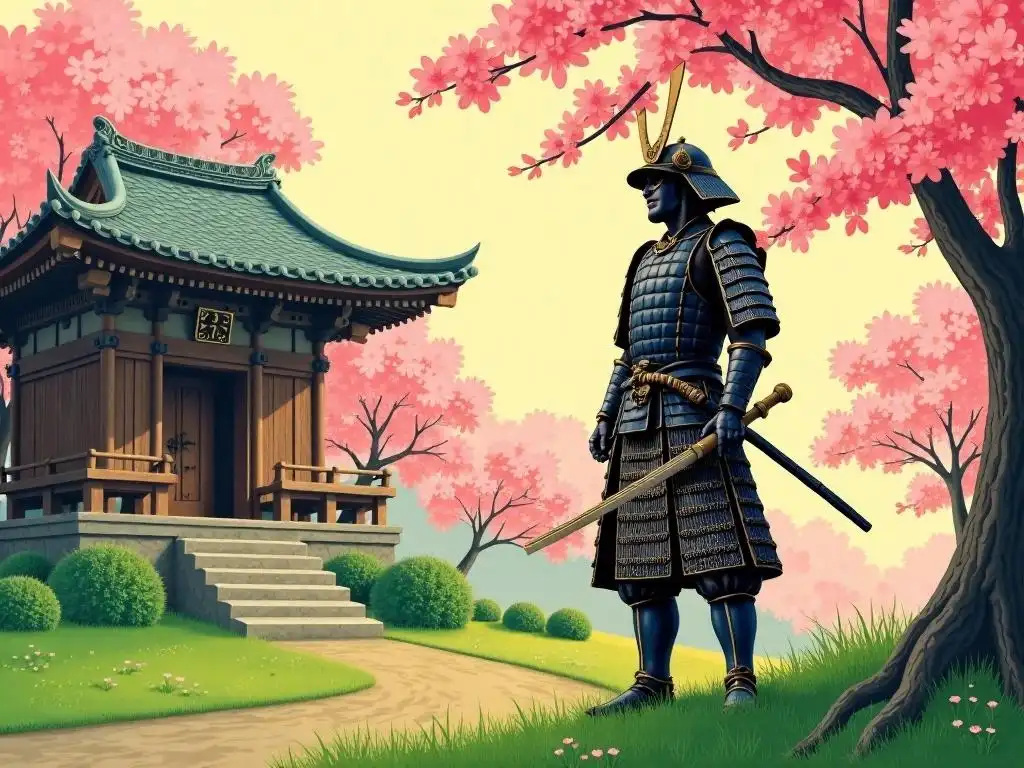
Welcome to Feudal Japan History, where we invite you to embark on an extraordinary journey through the rich tapestry of Japan's feudal era. Here, we delve into the profound impact of the samurai on Japanese culture, revealing how these legendary warriors shaped the very identity of modern Japan. Discover the intricate connections between honor, duty, and artistry that continue to resonate in today’s society. Are you ready to unlock the secrets of the samurai and explore their enduring legacy? Dive into our latest article, "The Samurai's Influence on Modern Japanese Identity and Culture," and let the adventure begin!
The samurai, a warrior class that emerged during Japan's feudal era, has left an indelible mark on the nation's identity and culture. This article delves into the profound impact of the samurai on modern Japanese society, exploring their historical significance, cultural contributions, and the enduring legacy of their values, aesthetics, and philosophies.
The samurai are not merely figures of the past; they embody ideals that resonate through contemporary Japan, influencing everything from social conduct to artistic expression. By examining the samurai's role in shaping Japanese culture, we can gain a deeper understanding of how this storied class continues to inspire and define the nation's character today.
Introduction to Samurai and Their Role in Japanese History
The samurai, often romanticized and revered, were a pivotal element of Japan’s feudal system from the late 12th century until the Meiji Restoration in the 19th century. As elite warriors, they served as retainers to powerful lords (daimyōs), playing crucial roles in military campaigns and governance. The rise of the samurai class was marked by the establishment of a code of honor and conduct that distinguished them from other social classes. This structure not only defined their professional duties but also shaped their personal identities, influencing their relationships with society and each other.
The samurai's role extended beyond warfare; they were also influential in politics, culture, and the economy. Their education often included the arts, philosophy, and literature, which cultivated a rich cultural framework that would impact the broader societal norms. The complex interplay between the samurai's martial prowess and intellectual pursuits contributed to a distinctive Japanese ethos that continues to resonate in modern times.
Understanding the Samurai's Cultural Significance
The cultural significance of the samurai is multifaceted, encompassing a rich tapestry of values, aesthetics, and philosophies that have endured through centuries. From their ethical code to their influence on art and literature, the samurai have shaped not only Japan's historical landscape but also its contemporary cultural identity.
The Samurai's Code: Bushido and Its Impact on Japanese Values
At the heart of samurai culture lies Bushido, the "Way of the Warrior," a moral code that emphasizes virtues such as loyalty, honor, courage, and self-discipline. This code has profoundly impacted Japanese values, instilling a sense of responsibility and social duty that permeates various aspects of life in Japan today.
- Loyalty: The samurai's unwavering loyalty to their lord has become a significant virtue in Japanese society, influencing personal relationships and business ethics.
- Honor: The concept of honor, central to Bushido, encourages individuals to act with integrity and to uphold their reputation, a belief still prevalent in modern Japanese culture.
- Courage: Courage, both physical and moral, remains an admired quality, inspiring individuals to face challenges with resolve.
The principles of Bushido continue to resonate, as they are often invoked in discussions about leadership, teamwork, and personal conduct in contemporary Japan.
The Aesthetic Influence of Samurai on Japanese Art and Literature
The samurai's influence extends beyond moral and ethical frameworks; it profoundly shaped Japan's artistic and literary expressions. Their ethos is reflected in various art forms, including:
- Martial Arts: The samurai's combat techniques evolved into modern martial arts, which are practiced widely today, embodying the physical and spiritual discipline of the samurai.
- Visual Arts: Samurai imagery is prevalent in traditional Japanese painting and woodblock prints, often depicting scenes of valor, honor, and the beauty of the warrior's lifestyle.
- Literature: The samurai's experiences and philosophies have inspired countless works of fiction and poetry, shaping narratives that explore themes of loyalty, sacrifice, and the human condition.
Through these artistic expressions, the samurai's legacy continues to influence contemporary Japanese culture, reinforcing the deep-seated values that originated in the feudal era.
The samurai's impact on Japanese culture is profound and enduring, shaping a national identity that intertwines historical legacy with modern practices and beliefs.
The Samurai's Impact on Modern Japanese Identity
The samurai, historically regarded as the warrior class of feudal Japan, have left an indelible mark on the modern Japanese identity. Their values, code of ethics, and cultural representations continue to resonate within contemporary society, shaping everything from moral perspectives to artistic expressions. The samurai's emphasis on loyalty, honor, and discipline has transcended time, becoming integral to Japan's national ethos. This influence can be observed in various aspects of modern life, from the business world to interpersonal relationships, where the samurai's principles often serve as a guiding framework.
Cultural Symbols and Their Evolution
Cultural symbols associated with the samurai, such as the katana (sword), the kimono, and the emblematic family crests (mon), have evolved over time but still hold significant meaning in Japan today. The katana, once a practical weapon, is now a prominent symbol of craftsmanship and artistry, often displayed in homes or used in traditional martial arts. Similarly, the kimono, which was a staple of samurai attire, is worn during special occasions, reflecting the enduring legacy of this warrior class.
Moreover, the samurai's cultural significance has been amplified through media portrayals—films, anime, and literature that romanticize their lives and ideals. These representations contribute to a collective memory that shapes national identity, promoting values such as perseverance and respect for tradition. Events like the annual festivals honoring samurai history also serve to reinforce these cultural symbols, inviting both locals and tourists to engage with Japan's rich heritage.
The Influence of Samurai Traditions on Japanese Society Today
Samurai traditions have permeated various facets of modern Japanese society. For example, the principles of bushido, or the "way of the warrior," continue to influence ethical standards in business practices and leadership styles. This code emphasizes virtues such as integrity, courage, and compassion, which are increasingly valued in contemporary corporate environments.
In the realm of martial arts, disciplines like kendo, iaido, and judo draw directly from samurai techniques and philosophies. These practices not only promote physical fitness but also instill discipline and mental fortitude among practitioners. Furthermore, the samurai's emphasis on education and self-improvement is mirrored in modern Japan's educational aspirations, where respect for knowledge and continuous learning is paramount.
Comparisons: Samurai Influence vs. Other Historical Influences on Japanese Culture
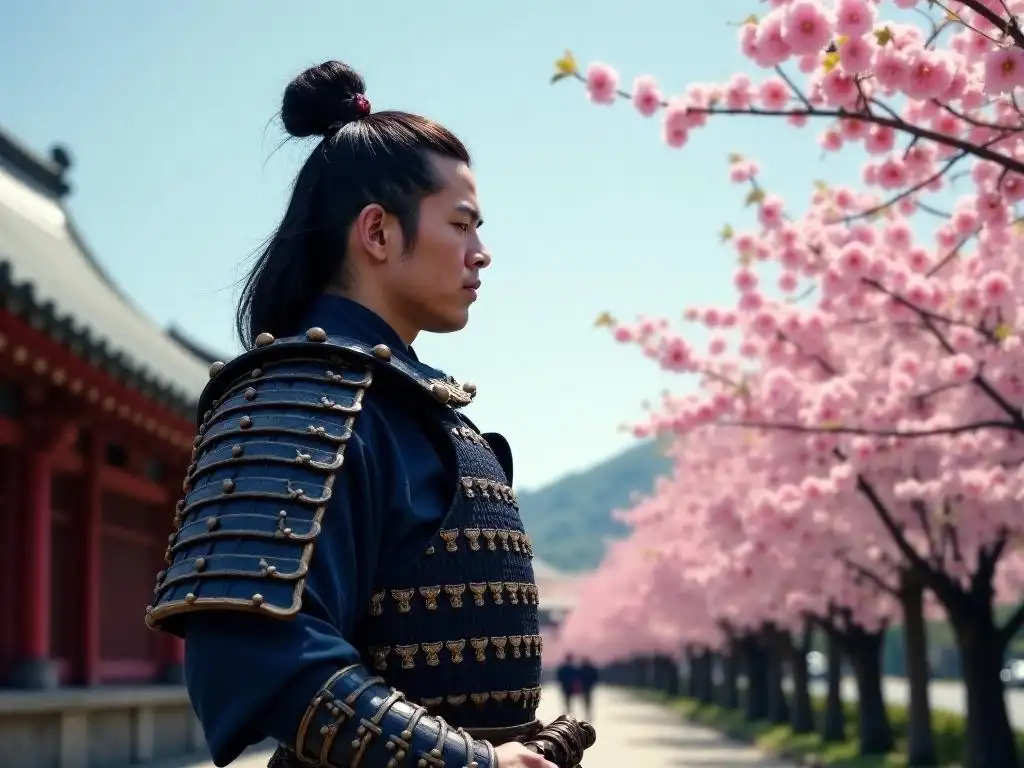
The samurai's impact on Japanese culture can be juxtaposed with other historical influences, such as the role of the warrior monk or the teachings of Buddhism. While each of these elements contributes uniquely to Japan's cultural tapestry, the samurai stand out for their distinctive approach to ethics and honor.
The Samurai vs. The Warrior Monk: Contrasting Influences on Japanese Identity
The samurai and the warrior monk (such as the Yamabushi) both played significant roles in shaping Japanese identity, yet their influences diverge in many ways. Samurai were primarily rooted in the feudal system and military service, embodying the ideals of loyalty and discipline within a hierarchical society. In contrast, warrior monks often combined martial prowess with spiritual pursuits, emphasizing enlightenment and meditation alongside combat.
This contrast highlights a duality in Japanese identity: the samurai represent the martial strength and loyalty to one's lord, while the warrior monks symbolize the quest for inner peace and enlightenment. Together, these influences offer a comprehensive understanding of the complexities within Japanese culture, showcasing how different forces have historically shaped societal values.
Global Perspectives: Samurai vs. Western Knights
When comparing the samurai to their Western counterparts, such as knights, several parallels and divergences emerge. Both classes were characterized by a code of conduct—bushido for the samurai and chivalry for the knights—emphasizing honor and loyalty. However, the samurai's focus on self-discipline and personal sacrifice often contrasted with the knight's obligation to feudal lords and the church.
Additionally, the samurai's relationship with the arts and philosophy was more pronounced than that of knights, who were primarily warriors. While knights often engaged in tournaments and battles for glory, samurai culture emphasized the cultivation of arts such as tea ceremony, poetry, and calligraphy, integrating aesthetic appreciation into their warrior ethos.
This comparison not only highlights the unique characteristics of each warrior class but also illustrates how the samurai's impact on Japanese culture is a blend of martial prowess and cultural sophistication, distinguishing them in the global historical narrative.
Challenges to the Samurai Legacy in Contemporary Japan
The legacy of the samurai class, while celebrated and romanticized, faces several challenges in contemporary Japan. As the nation progresses into the 21st century, the once-revered ideals of loyalty, honor, and martial prowess are often questioned in light of modern values and societal changes. The samurai, historically seen as the epitome of ethical conduct and discipline, now exists in a context where such attributes are interpreted differently.
One significant challenge is the shift towards a more individualistic society, where collective values traditionally associated with the samurai, such as loyalty to a lord or community, are increasingly viewed as outdated. Additionally, the rapid globalization and Western influence on Japanese culture have led to a reassessment of the samurai's role in shaping national identity. While many still admire the samurai ethos, there is a growing discourse that critiques the applicability of ancient values in a modern, pluralistic society.
Moreover, the commercialization of samurai culture, through media and merchandise, often dilutes the profound historical significance of the samurai legacy. This commodification can lead to a superficial understanding, where the complexities of samurai life and their ethical dilemmas are overshadowed by a simplistic heroic narrative, posing a challenge to preserving the authentic samurai heritage.
Critiques of the Romanticized Samurai Image
The romanticized image of the samurai is often scrutinized for its oversimplifications and inaccuracies. Popular culture, including films, anime, and literature, frequently portrays samurai as noble warriors, embodying virtues like honor and bravery. However, this depiction can obscure the harsh realities of samurai life, including the brutalities of warfare and the rigid social hierarchies in which they operated.
Critics argue that such romanticization leads to a sanitized version of history that ignores the darker aspects of the samurai's role in feudal Japan, such as their involvement in oppression and violence against peasantry and rival clans. This idealization can foster a problematic nostalgia that overlooks the complexities and moral ambiguities faced by samurai, reducing them to mere archetypes of honor and valor.
Furthermore, this romanticized portrayal can contribute to a nationalistic sentiment that seeks to glorify the past without critically engaging with the historical context. As Japan grapples with its identity in a globalized world, the challenge remains to balance admiration for the samurai legacy with a nuanced understanding of their actual historical impact.
The Future of Samurai Influence on Japanese Culture
Looking ahead, the influence of the samurai on Japanese culture is likely to evolve rather than diminish. As contemporary society continues to grapple with its historical roots, there is potential for the samurai ethos to be reinterpreted in ways that align with modern values. Concepts such as bushido, the way of the warrior, can be adapted to promote ideals of discipline, resilience, and ethical leadership in various fields, including business and personal development.
Moreover, the resurgence of interest in traditional arts, martial arts, and historical reenactments indicates a sustained appreciation for samurai culture. Educational initiatives that focus on the historical contributions of the samurai can foster a deeper understanding of their significance beyond mere folklore, allowing future generations to engage with this aspect of their heritage thoughtfully.
As Japan continues to navigate its identity amidst globalization, the samurai legacy may serve as a source of inspiration for cultural fusion, blending traditional values with contemporary practices. This dynamic interplay offers a pathway for the samurai's influence to remain relevant, adapting to the changing social landscape while still honoring the profound historical roots they represent.
Conclusion: The Enduring Legacy of Samurai in Modern Japan
The samurai’s impact on Japanese culture is both profound and multifaceted. While contemporary challenges and critiques of their romanticized image pose hurdles, the enduring legacy of the samurai continues to shape modern Japanese identity. Their values, stories, and historical significance remain ingrained in the cultural fabric of Japan, influencing everything from literature and art to business ethics and personal values.
As society evolves, the interpretation and representation of the samurai will likely adapt, ensuring that their essence is preserved while accommodating modern sensibilities. The challenge lies in maintaining a balance between honoring this rich heritage and engaging with it critically, allowing future generations to appreciate the samurai not just as legendary figures of the past, but as integral contributors to Japan's ongoing cultural narrative. The samurai, thus, remain a powerful symbol of resilience, honor, and complexity within the ever-changing landscape of modern Japan.
- Introduction to Samurai and Their Role in Japanese History
- Understanding the Samurai's Cultural Significance
- The Samurai's Impact on Modern Japanese Identity
- Comparisons: Samurai Influence vs. Other Historical Influences on Japanese Culture
- Challenges to the Samurai Legacy in Contemporary Japan
- Conclusion: The Enduring Legacy of Samurai in Modern Japan
- What is the significance of the Samurai in Japanese culture?
- How did Samurai values influence modern Japanese society?
- In what ways has the image of the Samurai evolved in contemporary media?
- What role do Samurai play in Japan's national identity?
- How does understanding Samurai culture enhance our appreciation of Japanese history?
Frequently Asked Questions
What is the significance of the Samurai in Japanese culture?
The Samurai were not just warriors; they represented honor, discipline, and loyalty, shaping Japan's societal values and identity.
How did Samurai values influence modern Japanese society?
The values of the Samurai, such as courage, respect, and integrity, continue to impact Japanese culture, including business ethics and education.
In what ways has the image of the Samurai evolved in contemporary media?
Today, the Samurai are often depicted in films, literature, and art, symbolizing heroism and tradition, while also reflecting modern themes of conflict and identity.
What role do Samurai play in Japan's national identity?
The Samurai are seen as a symbol of Japan's rich history and are integral to the national identity, representing a blend of tradition and modernity.
How does understanding Samurai culture enhance our appreciation of Japanese history?
Exploring Samurai culture provides insights into Japan's feudal system, social structure, and the philosophies that shaped the nation's development over centuries.
Final Reflection: The Enduring Legacy of the Samurai in Modern Japan
The samurai's influence on Japanese culture remains profoundly relevant today, as their values of honor, discipline, and resilience continue to shape the national identity. In a world that often feels chaotic and fragmented, the samurai ethos serves as a guiding light, reminding us of the importance of integrity and commitment to one's principles. The samurai's impact on Japanese culture is not merely a relic of the past; it is a living legacy that informs contemporary social norms and artistic expressions.
Culturally, the samurai have left an indelible mark on various aspects of Japanese life, from literature and cinema to martial arts and fashion. Their stories inspire a sense of pride and unity among the Japanese people, fostering a connection to their rich history. As noted by historian John W. Hall, The samurai are not just figures of the past; they are symbols of a cultural identity that continues to resonate in modern Japan.
This ongoing influence highlights the samurai's role as cultural icons, bridging the gap between tradition and modernity.
As we reflect on the samurai's impact on Japanese culture, let us consider how we can embody their values in our own lives. I invite you to explore the principles of honor, loyalty, and perseverance that the samurai exemplified, and think about how these can inform your actions and decisions today. By embracing these ideals, we not only honor the legacy of the samurai but also contribute to a more meaningful and connected existence in our own communities. The lessons of the samurai are timeless; it is up to us to carry them forward into the future.
Embrace the Spirit of the Samurai Today!
Thank you for exploring the captivating world of the samurai and their lasting influence on modern Japanese identity and culture. You’ve gained insights into their discipline and honor, which continue to shape contemporary Japan. Now, it’s your turn to connect with this rich legacy!
Here are a few actions you can take right now to deepen your understanding and appreciation of the samurai’s influence:
- Join a local martial arts class to experience the principles of discipline and respect that the samurai embodied.
- Explore classic samurai films or literature to see how their stories continue to resonate today, inspiring your thoughts and perspectives.
- Share this article with friends or family to spread awareness of the samurai's fascinating culture and values.
As you reflect on what you’ve learned, consider this: In what ways can the values of discipline and honor practiced by the samurai inspire you in your daily life?