
Women Writers of Feudal Japan: Voices from the Shadows

Welcome to Feudal Japan History! Embark on a journey through the captivating tapestry of Japan's feudal era, where every thread tells a story of resilience, creativity, and influence. In our featured article, “Women Writers of Feudal Japan: Voices from the Shadows,” we delve into the remarkable lives and works of women authors who emerged from the confines of their time, illuminating the rich cultural landscape of their era. Discover how these voices, often overlooked, shaped literary traditions and societal narratives. Are you ready to uncover the hidden gems of feudal Japan? Dive in and let the exploration begin!
- Women Authors in Feudal Japan: An Overview
- Key Themes in the Writings of Women Authors in Feudal Japan
- Notable Women Writers of Feudal Japan
- Literary Forms and Genres Explored by Women Authors
- The Legacy of Women Authors in Feudal Japan
- Challenges Faced by Women Writers in Feudal Japan
- Conclusion
- Frequently Asked Questions
- Final Reflection: Unearthing the Voices of Women Authors in Feudal Japan
- Unveil the Power of Women’s Words: Take Action Today!
The literary landscape of feudal Japan is often overshadowed by the towering figures of male authors and warriors who shaped its history. However, beneath the surface, a rich tapestry of women authors in feudal Japan emerged, whose voices and narratives provide a unique perspective on the cultural, social, and political dynamics of their time.
This article seeks to illuminate the significant contributions of these women writers, exploring their roles in society and the historical context that influenced their literary endeavors. By examining the works and lives of these authors, we can better appreciate the depth and diversity of Japanese literature during the feudal era, highlighting how these voices have often remained in the shadows yet are integral to understanding Japan's cultural heritage.
Understanding the Role of Women in Feudal Japanese Society
In feudal Japan, the societal roles of women were complex and varied significantly depending on their social class and geographical location. Women were often expected to adhere to strict norms related to family, duty, and obedience, yet many found ways to express their individuality and intellect through writing.
- Social Structure: Women in the samurai class, for instance, had different responsibilities compared to those in merchant or peasant families. While samurai women were often tasked with managing households and maintaining family honor, they also played a crucial role in educating their children, particularly in the arts and literature.
- Cultural Expectations: Despite societal constraints, many women became prolific writers, utilizing poetry and prose to communicate their thoughts, emotions, and experiences. The concept of “mono no aware”, or the pathos of things, deeply influenced female writers, allowing them to convey profound sentiments about transient beauty and human relationships.
- Support and Scholarship: The rise of education for women during certain periods allowed for increased literacy rates among females, fostering an environment where women could engage with literature and express their creativity. Many women were educated in the arts of calligraphy and poetry, leading to an emergence of distinct literary voices.
The Historical Context of Women's Literature in Japan
The historical context of women's literature in feudal Japan is essential to grasping the nuances of their contributions. From the Heian period (794-1185) to the Edo period (1603-1868), women navigated a landscape shaped by Confucian ideals, war, and shifting political power.
- Heian Period Influences: During the Heian period, the court culture flourished, and women such as Murasaki Shikibu, author of The Tale of Genji, left indelible marks on Japanese literature. This era saw women writing in Japanese (kana) rather than classical Chinese, allowing them to explore personal and emotional themes.
- Edo Period Developments: The Edo period brought about a new wave of literacy and publishing, with women writers like Seiwa no Shōnagon and Izumi Shikibu gaining prominence. The rise of ukiyo-e (pictures of the floating world) also influenced literature, as it depicted the lives of women and their experiences in urban settings.
- Censorship and Challenges: Despite their talent, women authors often faced censorship and societal pushback. The prevailing patriarchal norms limited their visibility in literary circles, yet many found ways to publish and disseminate their works, often using pseudonyms to navigate societal restrictions.
The exploration of women writers in feudal Japan reveals a dynamic interplay between societal roles, cultural expectations, and historical contexts. These authors not only contributed to the literary canon but also offered insights into the lives and struggles of women during a transformative period in Japanese history.
The literature produced by women authors in feudal Japan encompasses a rich tapestry of themes that reflect the complexities of their societal roles, personal experiences, and cultural contexts. These themes often resonate with contemporary issues, highlighting the timelessness of their insights. This section delves into the key themes prevalent in their writings, providing a deeper understanding of their contributions to Japanese literature.
Love and Relationships in Women’s Literature
Women authors in feudal Japan frequently examined the intricacies of love and relationships, often conveying their sentiments through poetry and prose. The concept of mono no aware, or the "pathos of things," is a recurring motif, reflecting the transient nature of love and beauty.
- Romantic Relationships: Many works explore the nuances of romantic love, often portraying the emotional turmoil and societal constraints surrounding relationships. For instance, the Genji Monogatari (The Tale of Genji), though authored by a male, influenced many female writers who shared similar themes of love's fragility.
- Family Dynamics: The relationships between women and their families, especially mothers and daughters, are portrayed with depth. Female authors often highlighted the expectations placed on women within familial structures, revealing the conflict between personal desires and societal obligations.
- Friendship and Solidarity: Bonds between women, often depicted in the context of shared experiences, reflect a sense of solidarity in navigating a patriarchal society. These friendships serve as a source of emotional support and creative inspiration.
This exploration of love and relationships underscores the emotional depth and complexity that women authors brought to their narratives, enriching the literary landscape of feudal Japan.
The Influence of Nature and Spirituality
The connection between nature and spirituality is another prominent theme in the writings of women authors during this era. Nature often serves as a backdrop for personal reflection and emotional expression.
- Nature Imagery: Many women writers employed vivid imagery of seasonal changes and landscapes to symbolize emotions and life stages. The cherry blossom, for instance, is a powerful symbol of beauty and transience, mirroring the fleeting nature of life and love.
- Spiritual Reflection: Spirituality, influenced by Shinto and Buddhist beliefs, permeates their writings. Women authors often explored themes of inner peace, the divine, and existential contemplation, using nature as a means to connect with the spiritual realm.
- Cultural Significance: The reverence for nature in Japanese culture allowed women to articulate their thoughts and feelings in a way that resonated deeply with readers. This connection often reflects a broader understanding of the human experience within the natural world.
This thematic exploration highlights how women authors utilized their intimate relationship with nature and spirituality to express their thoughts and emotions, contributing to a unique literary voice in feudal Japan.
Gender and Identity in Feudal Japanese Literature
The exploration of gender and identity is a crucial theme in the writings of women authors, who often challenged societal norms through their narratives.
- Societal Expectations: Many female writers addressed the limitations imposed on women in feudal society, using their works to critique gender roles and advocate for greater agency. This is evident in works that depict women as complex characters with desires and ambitions beyond their prescribed roles.
- Personal Identity: The quest for personal identity is a recurring theme, as women writers navigated their own experiences of self-discovery in a male-dominated world. Their narratives often reflect a struggle for voice and recognition, making their works a powerful testament to their resilience.
- Cultural Impact: The writings of women authors not only reflect their personal experiences but also contribute to a broader conversation about gender and identity in Japanese culture. Their unique perspectives challenge traditional narratives and provide insight into the multifaceted nature of femininity during this era.
By examining these themes, it becomes evident that women authors in feudal Japan played a pivotal role in shaping the literary discourse, offering profound insights into the human condition through the lenses of love, nature, spirituality, gender, and identity. Their voices, often overshadowed in historical narratives, are essential to understanding the cultural history of feudal Japan.
Notable Women Writers of Feudal Japan
The feudal era of Japan, spanning from the late 12th century to the early 17th century, was a period marked by shifting power dynamics, social hierarchies, and cultural flourishing. Among the many cultural achievements of this time, the contributions of women writers stand out, offering unique perspectives and insights into the society of their day. Women authors in feudal Japan played a crucial role in shaping literature and preserving cultural narratives, often navigating societal constraints to share their voices and experiences through written works.
Sei Shonagon: The Pillow Book and Its Cultural Impact
Sei Shonagon, a court lady during the Heian period, is best known for her work The Pillow Book ( Makura no Soshi), a collection of essays, lists, and anecdotes that provide a vivid portrayal of court life. Written around the year 1000, this text is both a personal reflection and a social commentary, blending poetry and prose in a highly original format.
Literary Style and Themes
The Pillow Book is characterized by its wit, playful observations, and a keen sense of aesthetics. Shonagon’s writing often reflects her appreciation for beauty, nature, and the fleeting moments of life. She categorizes her thoughts into lists—such as “Things that Make the Heart Beat Faster” and “Things that are Boring”—which not only showcase her creativity but also highlight the values and preferences of her contemporary society.
Cultural Impact
The cultural impact of Shonagon’s work is immense. Her keen observations and stylistic innovations have influenced countless writers and artists throughout the centuries. The text remains a vital source for understanding the Heian court's social dynamics, gender roles, and cultural practices. Shonagon’s voice, full of personality and insight, continues to resonate with readers today, making her a pivotal figure in Japanese literature.
Murasaki Shikibu: The Tale of Genji and Its Legacy
Murasaki Shikibu, another prominent figure from the Heian period, is celebrated as the author of The Tale of Genji ( Genji Monogatari), often regarded as the world's first novel. Composed in the early 11th century, this work is a monumental achievement in narrative fiction, offering a rich tapestry of courtly life and the complexities of human relationships.
Narrative Structure and Themes
The Tale of Genji follows the life and loves of Hikaru Genji, a nobleman, exploring themes of love, loss, and the impermanence of life. Shikibu’s narrative style is marked by its psychological depth and intricate character development, allowing readers to experience the emotional nuances of her characters. Through Genji's story, Shikibu delves into the roles and expectations of women in feudal Japan, revealing their struggles and aspirations.
Legacy and Influence
The legacy of Murasaki Shikibu extends far beyond her own time. The Tale of Genji has inspired a multitude of adaptations in various forms, including theater, art, and modern literature. The work is studied not only for its literary merit but also for its insights into the socio-political landscape of the Heian period. Shikibu’s ability to weave complex narratives with profound themes has cemented her place as a foundational figure in Japanese literature and a trailblazer for women authors in feudal Japan.
While Sei Shonagon and Murasaki Shikibu are often highlighted, several other women writers contributed significantly to the literary landscape of feudal Japan. Their works, though less known, offer valuable insights into the lives and thoughts of women during this era.
Akazome Emon: Contributions and Significance
Akazome Emon was a contemporary of Shonagon and Shikibu, known for her narrative work The Tale of the Heike ( Heike Monogatari), which recounts the fall of the Taira clan during the Genpei War (1180-1185). Although her authorship is debated, her contributions to this epic tale reflect the collective memory of the time.
Her portrayals of women, particularly in the context of war and loss, provide a poignant commentary on the roles women played in a tumultuous period. Akazome Emon’s narratives often highlight the emotional resilience of women, making her an important figure in the exploration of gender roles in feudal Japan.
Izumi Shikibu: Works and Themes
Izumi Shikibu, another notable figure, was known for her waka poetry, remarkable for its emotional depth and exploration of love and longing. Her poetry often reflects personal experiences and intimate feelings, showcasing the complexities of romantic relationships in a patriarchal society.
Her works invite readers to consider the inner lives of women during the feudal era, challenging the conventional narratives that often overlook their perspectives. The lyrical beauty of Izumi Shikibu's poetry remains influential, resonating with audiences for its timeless themes of love, loss, and the human condition.
The contributions of these women authors in feudal Japan not only enriched the literary tradition of their time but also paved the way for future generations of writers. Their voices, often overshadowed by their male counterparts, continue to inspire and resonate in contemporary discussions of gender and literature.
The literary contributions of women authors in feudal Japan are characterized by a rich tapestry of genres and forms that reflect their unique perspectives and experiences. Despite the constraints of a patriarchal society, these writers found ways to express their voices through various literary mediums, encompassing diaries, poetry, and fiction. This section delves into the specific literary forms that women authors engaged with during this era.
Diaries and Memoirs: Personal Narratives
Diaries and memoirs served as vital outlets for women writers in feudal Japan. These personal narratives often provided intimate glimpses into their daily lives, thoughts, and emotions, allowing them to articulate their experiences in a society that often marginalized their voices.
- Candid Reflections: Women like Sei Shonagon, author of The Pillow Book, utilized diaries to document their observations of court life, relationships, and nature. Her work is characterized by a series of lists, essays, and anecdotes that reveal the complexities of court dynamics.
- Historical Context: Memoirs such as those by Murasaki Shikibu, who penned The Tale of Genji, also showcase the intricacies of personal relationships and societal expectations. These texts not only serve as historical documents but also as profound literary works that explore themes of love, loss, and social hierarchy.
"A diary is a form of self-expression, a way to reclaim one's narrative amidst societal constraints."
Through these personal narratives, women writers were able to navigate their identities and assert their presence in a predominantly male literary landscape.
Poetry: The Art of Tanka and Haiku
The poetic forms of tanka and haiku flourished during the feudal era, and women authors played a crucial role in their development.
- Tanka: This 31-syllable format allowed for emotional depth and complexity. Women poets often used tanka to express feelings of love, longing, and melancholy.
- Haiku: While haiku became more prominent later, women contributed significantly to its evolution, employing nature as a motif to convey deeper emotions and philosophical reflections.
Notable Women Poets
- Akazome Emon: Known for her poignant tanka, Emon's work often explored themes of nature and personal sorrow, providing insight into the emotional landscape of her time.
- Chiyo-ni: A celebrated haiku poet, Chiyo-ni's verses are distinguished by their simplicity and profound observation of the natural world, encapsulating moments of beauty and transience.
| Poet | Notable Work | Themes |
|---|---|---|
| Akazome Emon | Various Tanka | Love, Nature, Melancholy |
| Chiyo-ni | Haiku Collections | Nature, Transience |
"Poetry gave women a voice when the spoken word was often silenced."
Women’s poetry not only enriched the literary landscape of feudal Japan but also provided a means of personal expression and emotional release.
Fiction: Novels and Stories by Women Writers
Fictional narratives crafted by women authors in feudal Japan represent a significant contribution to the literary canon of the era. These works often blend the boundaries between reality and imagination, reflecting the authors' observations of court life and societal norms.
- The Tale of Genji: Often regarded as the world’s first novel, this masterpiece by Murasaki Shikibu explores the life and loves of Hikaru Genji, offering profound insights into the human condition and the roles of women in society.
- The Tale of the Heike: While often attributed to male authors, women contributed to the oral traditions that shaped these narratives, weaving in perspectives that highlighted female resilience amidst the chaos of war.
Themes in Women’s Fiction
- Gender Dynamics: Many stories examined the constraints placed on women, revealing the struggles and agency of female characters within the rigid societal structure.
- Emotional Depth: The exploration of love, betrayal, and loyalty emerged as central themes, allowing women authors to delve into the complexities of human relationships.
| Work | Author | Themes |
|---|---|---|
| The Tale of Genji | Murasaki Shikibu | Love, Court Life, Gender Roles |
| The Tale of the Heike | Various Contributors | War, Female Resilience |
"Through fiction, women navigated the labyrinth of societal expectations, creating worlds where their voices could resonate."
Women authors in feudal Japan utilized diaries, poetry, and fiction as powerful tools for self-expression and cultural commentary. Their literary endeavors not only enriched the cultural landscape of the time but also paved the way for future generations of writers.
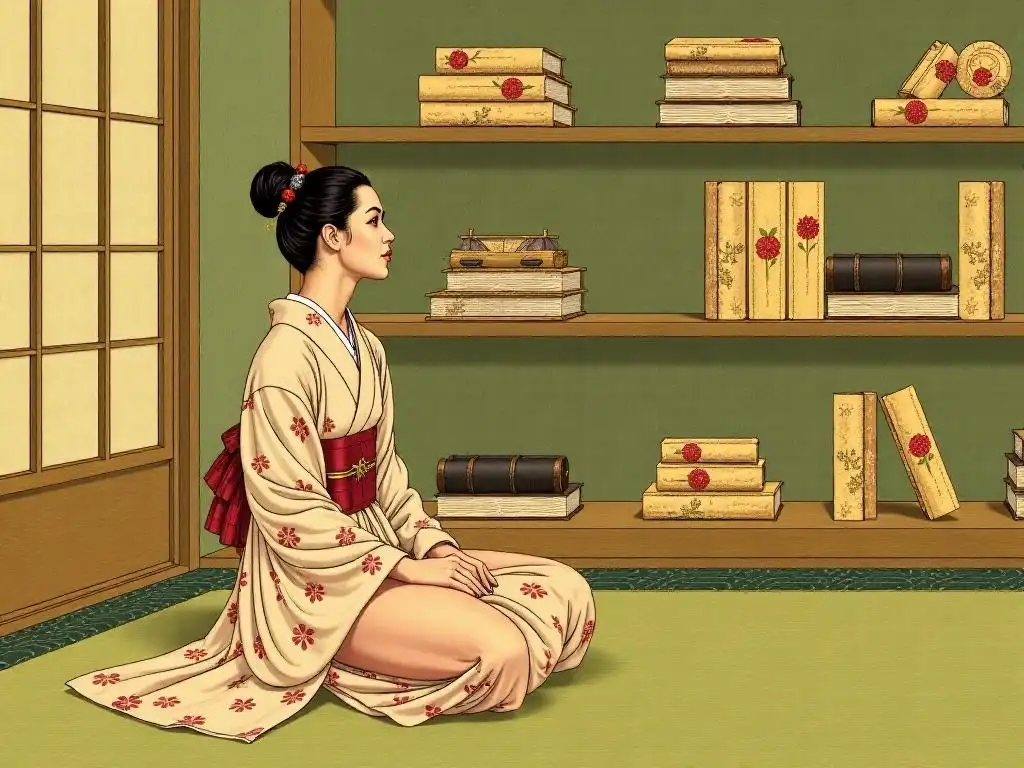
The legacy of women authors in feudal Japan is a rich tapestry woven through centuries of literary expression, culture, and societal norms. Women writers, often relegated to the margins of historical narratives, played a crucial role in shaping the literary landscape of their time. Their works provide insights into the lives, struggles, and triumphs of women in a patriarchal society that frequently overlooked their contributions.
Influence on Modern Japanese Literature
The influence of women authors in feudal Japan resonates deeply in modern Japanese literature. Their pioneering works laid the groundwork for future generations of writers, particularly in exploring themes of identity, emotion, and the human experience.
- Narrative Techniques:
- Women writers employed unique narrative styles that emphasized personal voice and perspective. This approach can be seen in the works of contemporary authors who similarly prioritize individual experiences.
- Example: The use of diary formats and epistolary styles by women such as Sei Shonagon and Murasaki Shikibu has inspired modern storytelling methods in Japan.
- Themes of Feminism and Identity:
- The themes explored by early women authors, including the struggle for autonomy and the complexities of gender roles, have become central to contemporary feminist literature in Japan.
- Case Study: The writings of Tomiko Inoue and her reflections on societal expectations echo in the works of modern female authors who confront similar issues.
- Cultural Narratives:
- The folklore and historical narratives shaped by these women writers have influenced contemporary cultural expressions, including film and theater.
- Notable Mention: The resurgence of interest in traditional Japanese stories often references the foundational works of women authors, showcasing their enduring legacy.
Recognition and Rediscovery in Contemporary Times
In recent years, there has been a notable shift towards recognizing and rediscovering the contributions of women authors in feudal Japan. This resurgence is marked by academic research, literary translations, and cultural initiatives aimed at bringing these voices to the forefront.
- Academic Reexamination:
- Scholars are increasingly acknowledging the significance of women writers, re-evaluating historical texts, and placing them within the broader context of Japanese literature.
- Research Findings: Studies highlight the innovative narrative techniques and thematic depth found in works by authors such as Akazome Emon, contributing to a more nuanced understanding of feudal literature.
- Literary Translations:
- Translations of key texts have made these works more accessible to a global audience, allowing contemporary readers to engage with the voices of women authors from feudal Japan.
- Impact: English translations of classics like The Tale of Genji have introduced international readers to the complexities of female perspectives within these narratives.
- Cultural Events and Recognition:
- Festivals, exhibitions, and literary awards dedicated to women writers have emerged, celebrating their contributions and fostering a renewed interest in their works.
- Example: Events focusing on women in literature, such as the annual Women’s Literature Festival in Japan, spotlight the historical and contemporary significance of these authors.
The legacy of women authors in feudal Japan is not merely a historical footnote but a vital part of Japan's literary heritage. Their influence continues to shape the literary landscape, and ongoing recognition and rediscovery efforts ensure that these voices resonate in both historical and contemporary contexts.
Challenges Faced by Women Writers in Feudal Japan
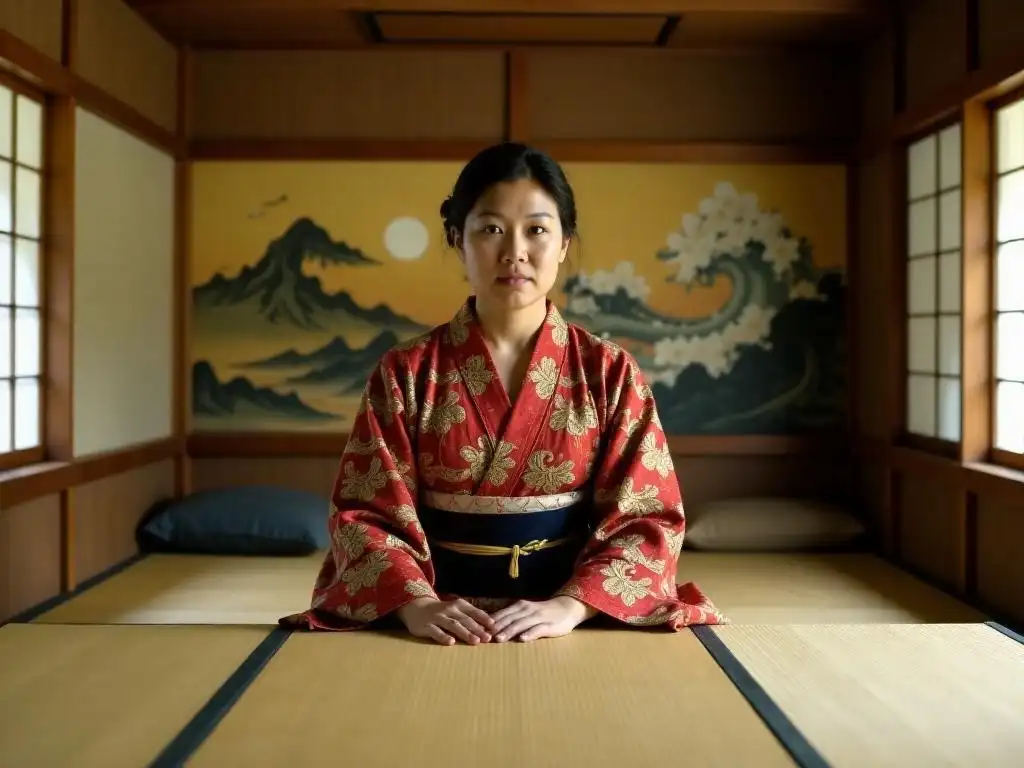
The literary contributions of women during the feudal era of Japan, while significant, were often overshadowed by the prevailing societal norms and limitations imposed upon them. These challenges were manifold, influencing both the production and recognition of their works.
Societal Constraints and Limitations
Women authors in feudal Japan faced a plethora of societal constraints that deeply affected their ability to write and publish their works. These restrictions stemmed from traditional Confucian values, which emphasized male authority and the subservience of women. Key factors included:
- Restricted Education: Education for women was often limited to household management and moral instruction. Access to formal education was rare, and when available, it focused more on domestic skills than literary pursuits. This lack of education directly impacted their ability to write and engage with literary traditions.
- Cultural Expectations: Women were typically expected to adhere to strict roles within the family and society, prioritizing marriage and motherhood over personal ambitions. This cultural expectation often relegated their literary aspirations to the background, as writing was viewed as an activity that could distract from their primary duties.
- Limited Access to Resources: The availability of writing materials and the means to publish were restricted. Women often had to rely on male relatives or patrons to access these resources, which could limit their creative expression and independence.
- Censorship and Control: Even when women managed to write, their works were often subject to censorship. Content that challenged societal norms or portrayed women in a strong light was frequently suppressed, leading to self-censorship or altered narratives.
The Struggle for Recognition in a Male-Dominated Literary Scene
In addition to societal constraints, women writers in feudal Japan faced a significant struggle for recognition in a literary scene dominated by men. This struggle manifested in various ways:
- Marginalization of Women's Voices: Many women authors were not taken seriously by their male counterparts or by literary critics. As a result, their contributions were often overlooked or dismissed as inferior. The literary canon of the time was predominantly male, which meant that women's works were frequently excluded from discussions of literary merit.
- Anonymity and Pseudonyms: To navigate the challenges of a male-dominated literary environment, many women chose to publish their works anonymously or under pseudonyms. This strategy, while allowing them some degree of freedom, also contributed to the erasure of their identities and legacies, making it difficult for future generations to recognize their contributions.
- Support Networks: Despite these obstacles, some women found ways to support each other through literary salons and informal gatherings. These networks provided a platform for sharing ideas and fostering creativity, although they were often limited in scope and visibility.
- Posthumous Recognition: Many women authors only gained recognition after their deaths, as scholars and historians began to reevaluate the contributions of women in feudal Japan. This posthumous acknowledgment often highlighted the importance of their works in understanding the cultural and literary landscape of the time.
The challenges faced by women writers in feudal Japan were deeply rooted in societal norms and a male-dominated literary scene. Despite these obstacles, their voices emerged from the shadows, contributing uniquely to the rich tapestry of Japan's literary history. Their struggles and resilience offer valuable insights into the broader cultural dynamics of the feudal era.
Conclusion
The literary contributions of women authors in feudal Japan represent a significant yet often overlooked aspect of Japan's cultural history. From the Heian period (794-1185) to the Edo period (1603-1868), women utilized poetry, prose, and diaries to articulate their experiences and perspectives in a male-dominated society. These authors not only navigated the societal constraints imposed upon them but also carved out distinct literary identities that challenged the norms of their time.
Key Figures and Their Works
Women like Murasaki Shikibu, author of The Tale of Genji, and Sei Shonagon, known for The Pillow Book, stand out as pivotal figures in this literary landscape. Their works provide insights into the courtly life of the Heian era, blending personal reflections with cultural observations.
Moreover, in the Edo period, writers such as Yoshida Kenko and Ishikawa Takuboku highlighted the contributions of women through both their own writings and their advocacy for female authorship. These women often wrote in kana, the phonetic script that allowed them to express their thoughts and emotions freely, distinguishing their works from those of their male counterparts who predominantly wrote in classical Chinese.
Reflections on Gender and Literature in Historical Context
The examination of women authors in feudal Japan invites deeper reflections on the intersection of gender and literature. During this period, societal expectations often relegated women to the domestic sphere, yet many defied these limitations through their writings. Their works serve as a testament to the resilience and creativity of women, illuminating the complexities of their lives and the intricate web of relationships within their families and communities.
Literary Expression Amidst Constraints
Despite facing significant barriers, women authors employed various literary forms to express their individuality. The use of diary writing became particularly popular among women, allowing them to document personal experiences and emotions in a manner that transcended the constraints of their social roles.
Additionally, the rise of the ukiyo-zōshi, or "floating world" novels, in the Edo period provided another platform for women to explore themes of love, loss, and identity. These narratives often included female protagonists who navigated the challenges of their times, reflecting broader societal issues while simultaneously affirming women's voices in literature.
Legacy and Influence
The legacy of women authors in feudal Japan continues to resonate today, as their narratives challenge modern readers to reconsider historical gender dynamics. Their ability to articulate personal and collective experiences amidst societal constraints underscores the importance of diverse voices in literature. As we explore their contributions, we not only gain insights into the past but also recognize the ongoing relevance of women's perspectives in shaping cultural narratives.
The literary achievements of women authors during feudal Japan offer a rich tapestry of voices that deserve recognition and appreciation. Their works remain vital to understanding the complexities of Japanese culture and history, providing a window into the lives and thoughts of women who, despite their marginalization, left an indelible mark on Japan's literary heritage.
Frequently Asked Questions
Women authors in feudal Japan contributed significantly to literature, often expressing their thoughts and experiences through poetry and prose, despite societal constraints.
How were women's writings received during the feudal era?
The writings of women were often undervalued or overlooked, yet some works gained recognition, highlighting the talent and insight of female authors.
What genres did women writers explore in feudal Japan?
Women writers often explored genres such as diaries, narratives, and poetry, allowing them to express their personal and social experiences creatively.
Notable women authors include Sei Shonagon and Murasaki Shikibu, who are known for their influential works like "The Pillow Book" and "The Tale of Genji."
How did cultural norms affect women writers in feudal Japan?
Cultural norms often limited women's access to education and publishing, yet many found ways to write and share their voices, often in secret or through patronage.
The exploration of women authors in feudal Japan reveals a rich tapestry of creativity and resilience that resonates powerfully in today's world. As we navigate a landscape still grappling with gender inequality, the stories and contributions of these women remind us of the strength found in the written word. Their voices, once silenced by societal constraints, now echo with urgency, urging us to recognize the profound impact of diverse narratives in shaping our cultural heritage.
The influence of these women writers extends far beyond their historical context, challenging us to reconsider the narratives we uphold in our contemporary society. Their works serve as a testament to the enduring spirit of women who dared to express themselves in a time of oppression. As we reflect on their legacy, we are reminded of the words of the poet Matsuo Bashō: The journey of a thousand miles begins with one step.
This quote encapsulates the importance of every woman's voice, no matter how small, in contributing to the larger narrative of history and culture.
As we close this exploration, I invite you to reflect on the lessons learned from these remarkable women. Consider how their courage to write against the odds can inspire your own journey—whether in literature, activism, or personal expression. Let us honor their legacy by amplifying the voices that continue to emerge from the shadows, ensuring that every story is told and every author is celebrated. Your engagement with these narratives can be a powerful step toward fostering a more inclusive and equitable future.
Unveil the Power of Women’s Words: Take Action Today!
Thank you for joining us on this journey through the dynamic voices of women writers in feudal Japan. We hope you’ve gained valuable insights into their resilience and creativity, uncovering stories that inspire and resonate even today. Now, let's honor their legacy by taking meaningful actions!
- Explore further: Dive into the works of these remarkable authors. Reading selected pieces from women writers of feudal Japan will help you truly appreciate their craft and unique perspectives.
- Share the knowledge: Discuss what you’ve learned with friends or on social media. Use your voice to amplify the narratives of these influential women!
- Join a community: Engage with local or online groups focused on women’s literature and history. Together, let’s celebrate the profound impact of these writers!
What do you believe is the most significant lesson we can learn from the women writers of feudal Japan? Share your thoughts and let’s inspire one another!