
Commodore Perry: The Face of American Expansionism in the East

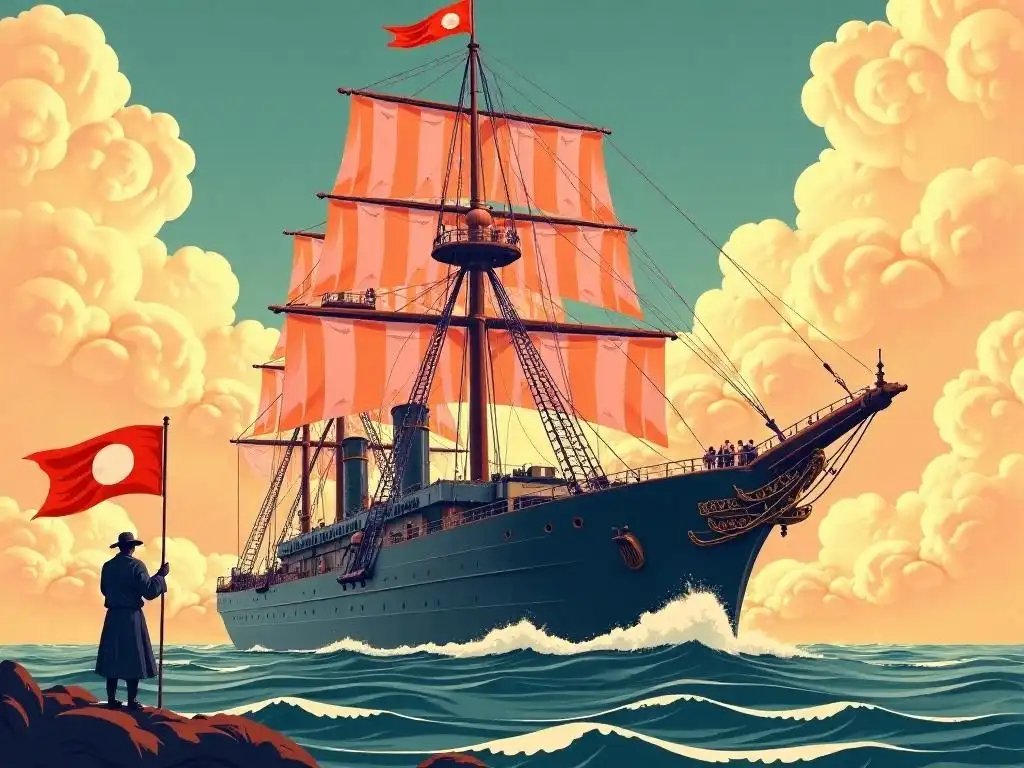
Welcome to Feudal Japan History, where we invite you to journey through the intricate tapestry of Japan’s feudal era. In our featured article, "Commodore Perry: The Face of American Expansionism in the East," we delve into the profound historical impact that Commodore Perry had on Japan, reshaping foreign relations and igniting a pivotal shift in the nation's destiny. What were the lasting effects of his arrival, and how did it alter the course of Japanese society?
Join us as we uncover the layers of this fascinating narrative and explore the cultural and societal transformations that followed. Your adventure into the depths of Japan's rich history begins now!
Commodore Matthew Perry's arrival in Japan during the mid-19th century marked a pivotal moment in the history of Japanese foreign relations and American expansionism in the East. As a key figure in the opening of Japan to the outside world, Perry's actions and the subsequent treaties fundamentally altered Japan's trajectory, leading to a rapid transformation of its societal, economic, and political landscapes.
This article delves into Perry's historical impact on Japan, exploring the complexities of his mission, the cultural exchanges that ensued, and the lasting repercussions of his engagement in Japanese affairs. Through a comprehensive exploration of these themes, we aim to provide an in-depth understanding of how Commodore Perry became a symbol of American imperial ambitions and a catalyst for Japan's modernization.
Background of Commodore Perry's Mission
Perry's expedition to Japan in 1853 was not merely a naval show of force; it was the culmination of growing American interests in Asia and the need for new markets and coaling stations for naval vessels. The context of his mission encapsulates a broader narrative of American expansionism, driven by industrial growth and the desire for trade.
- American Interests in Asia: The early 19th century saw an increasing demand for Asian goods, particularly tea and silk. American merchants recognized Japan’s potential as a lucrative market.
- The Role of the U.S. Navy: Perry, commanding a fleet of "black ships," represented the might of the U.S. Navy, which underscored the seriousness of his mission. His arrival was a stark reminder of Western powers' growing influence in Asia.
The Arrival in Japan
The arrival of Commodore Perry in Edo Bay in July 1853 was met with a mix of curiosity and apprehension. His ships, powered by steam, stood in stark contrast to the traditional Japanese vessels of the time.
- Initial Encounters: Despite the initial tensions, Perry's diplomatic approach involved careful negotiation and an understanding of Japanese culture. He presented gifts to the Japanese, aiming to foster goodwill.
- Impact on Japanese Society: Perry's arrival challenged Japan's isolationist policies, prompting a re-evaluation of its stance towards foreign nations. The sight of his technologically advanced ships sparked intrigue and fear among Japanese officials.
The Treaty of Kanagawa
Perry's efforts culminated in the signing of the Treaty of Kanagawa in 1854, which marked the beginning of formal diplomatic relations between Japan and the United States.
- Key Provisions of the Treaty: The treaty established the rights of American citizens in Japan, opened two ports for trade, and set the stage for further foreign influence.
- Consequences for Japan: This agreement not only ended Japan's isolation but also set a precedent for subsequent treaties with other Western powers, leading to a significant shift in Japan's foreign relations.
Long-term Historical Impact
The repercussions of Commodore Perry's actions extended far beyond his initial mission.
- Modernization of Japan: The opening of Japan to the West initiated a period of rapid modernization and reform known as the Meiji Restoration, fundamentally altering the socio-economic fabric of Japanese society.
- American Expansionism: Perry’s mission exemplified the broader theme of American expansionism, establishing the United States as a formidable presence in the Pacific region.
The impact of Commodore Perry on Japan was profound and multifaceted, intertwining aspects of diplomacy, cultural exchange, and historical transformation. This article will further explore these dimensions, providing insights into one of the most significant events in Japan's transition from isolation to engagement with the world.
- Background of Commodore Perry's Mission
- The Arrival in Japan
- The Treaty of Kanagawa
- Long-term Historical Impact
Introduction to Commodore Perry and His Role in Japan
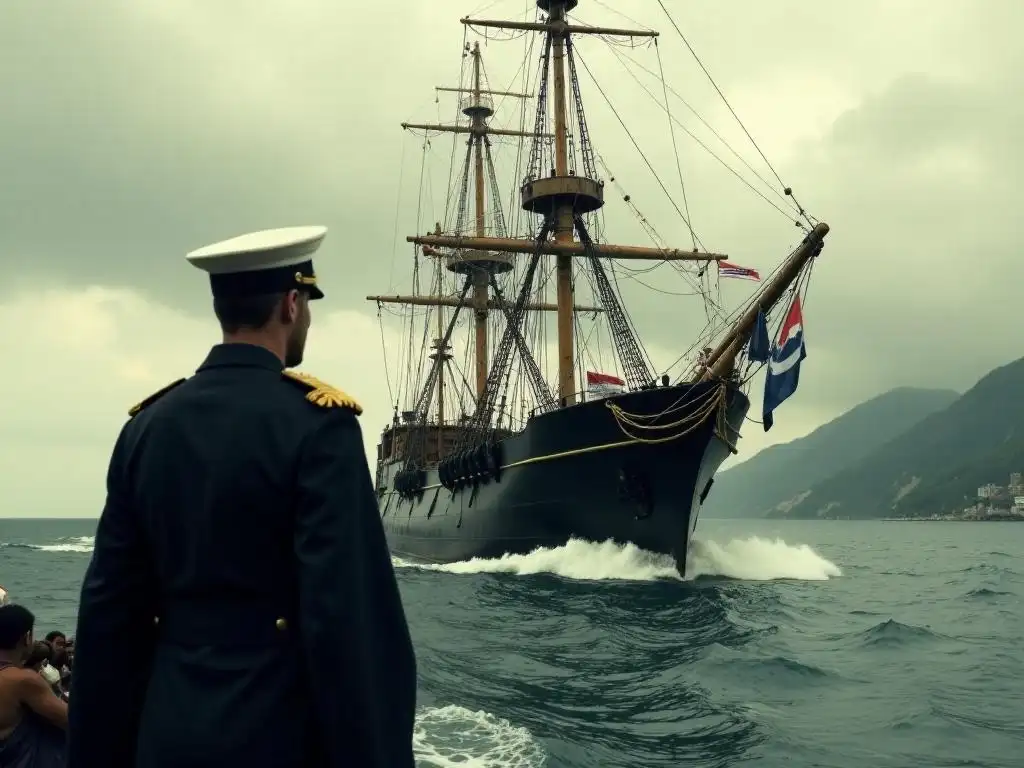
The arrival of Commodore Matthew Perry in Japan in 1853 marked a pivotal moment in the nation's history, initiating the end of over two centuries of self-imposed isolation. This section delves into Perry's background and the implications of his expedition, shedding light on how his actions not only altered Japan's trajectory but also served as a symbol of American expansionism in the East.
Overview of Commodore Matthew Perry’s Background
Commodore Matthew Perry was born on April 10, 1794, in South Kingston, Rhode Island. He came from a naval family; his brother, Oliver Hazard Perry, was a celebrated naval officer in the War of 1812. Matthew Perry graduated from the United States Navy's apprenticeship program and quickly distinguished himself as a capable officer.
Perry's career was marked by a series of notable assignments, including:
- War of 1812: He served on various ships during the conflict, gaining valuable experience in naval warfare.
- West Indies: His early tours in the Caribbean helped him understand the dynamics of naval power and diplomacy.
- Scientific Expeditions: Perry's participation in scientific surveys, such as the 1835 expedition to the Pacific, fostered his interest in international relations and the potential for expanding American influence overseas.
By the time he was appointed to lead the expedition to Japan, Perry had accumulated significant experience in diplomacy and military strategy. His mission was primarily to establish trade relations with Japan, which had been closed to foreign nations since the Sakoku period began in the 17th century.
Significance of Perry’s Expedition to Japan
Perry's expedition, often referred to as the "Black Ships" due to the appearance of his steam-powered vessels, was significant for several reasons:
- End of Isolation: Perry's arrival forced Japan to confront the realities of Western technological advancement and military power. The Treaty of Kanagawa, signed in 1854, ended Japan's isolationist policies and established trade agreements with the United States.
- Cultural Exchange: The expedition initiated a profound cultural exchange between Japan and the United States. It introduced Western ideas, technology, and customs to Japanese society, leading to significant transformations in various sectors, including industry, education, and military organization.
- Catalyst for Modernization: Perry's mission acted as a catalyst for Japan's Meiji Restoration in 1868, during which Japan underwent rapid modernization and industrialization. This period saw the transformation of Japan into a major world power, shifting from feudalism to a centralized government and embracing Western innovations.
- Geopolitical Implications: Perry's actions also had broader geopolitical implications. The opening of Japan to American trade marked the beginning of increased Western engagement in Asia, influencing the dynamics of regional power and trade relations.
Commodore Perry's expedition is a cornerstone in understanding the historical impact of American expansionism in Japan. It not only facilitated the end of Japan's isolation but also set the stage for a series of transformations that would shape the nation's future and its role on the world stage.
The Historical Context of Commodore Perry’s Arrival in Japan
Japan’s Isolationist Policies Before Perry
Before the arrival of Commodore Perry in 1853, Japan was characterized by a strict isolationist policy known as sakoku (鎖国), which translates to "locked country." This policy, instituted during the Edo period (1603-1868), effectively sealed Japan off from foreign influence for over two centuries. The Tokugawa shogunate implemented sakoku to maintain social order and political stability, fearing that foreign interactions could lead to unrest and the spread of Christianity.
Under sakoku, Japan allowed limited trade only with select countries, notably the Dutch and the Chinese, through the port of Nagasaki. The Dutch were permitted to trade under strict regulations, which included the prohibition of missionary activities. This controlled interaction led to a unique form of Japanese culture, blending limited foreign influences with indigenous traditions.
Key Aspects of Japan’s Isolationist Policies:
- Trade Limitations: Only Dutch and Chinese merchants were allowed to engage in trade, and even then, it was heavily regulated.
- Cultural Homogeneity: The isolation fostered a rich development of Japanese arts, literature, and philosophy, largely free from external pressures.
- Social Stability: The shogunate aimed to prevent the social upheaval experienced in Europe due to Enlightenment ideas and revolutions.
However, by the mid-19th century, internal and external pressures began to challenge these isolationist policies, setting the stage for Commodore Perry's significant historical impact on Japan.
The Global Climate of Expansionism in the 19th Century
The 19th century marked an era of intense expansionism and imperialism, particularly among Western powers seeking new markets and resources. This period was defined by several critical factors that influenced global relations and set the stage for Commodore Perry's mission to Japan.
- Industrial Revolution: The technological advancements from the Industrial Revolution created a demand for new markets to sell goods and access raw materials. Western nations, particularly the United States, sought to expand their influence beyond their borders.
- Manifest Destiny: In the United States, the ideology of Manifest Destiny fueled the belief that Americans were destined to expand across the continent and beyond. This mindset contributed to the desire to establish trade relations in Asia, particularly in Japan, which was viewed as a gateway to markets in China.
- Geopolitical Rivalries: European powers were competing for colonial dominance, and nations like Britain, France, and Russia were eager to strengthen their foothold in Asia. The competition for influence created a climate where the U.S. sought its share of power and trade in the region.
- Naval Power: The expansion of naval capabilities allowed countries to project power across oceans. The United States, under the leadership of President Millard Fillmore, recognized the need for a strong naval presence in the Pacific, prompting the deployment of Commodore Perry's fleet to Japan.
The convergence of these factors created an environment ripe for change, ultimately leading to Commodore Perry's arrival, which would drastically alter Japan's historical trajectory and open the nation to the wider world. Perry's mission was not merely a diplomatic endeavor but also a reflection of the broader trends of the time, where expansionism and the pursuit of trade became paramount in shaping international relations.
Commodore Perry's Mission to Japan
Commodore Matthew Perry’s mission to Japan in the mid-19th century marked a pivotal moment in the history of U.S.-Japan relations and significantly influenced Japan's trajectory into the modern world. Arriving in 1853, Perry was tasked with a dual mission: to open Japan to American trade and to establish diplomatic relations. This endeavor was driven by the United States' growing interest in Asian markets, particularly in light of the lucrative opportunities presented by trade in tea, silk, and other commodities.
Perry’s expedition is often seen as a manifestation of American expansionism, illustrating how the United States sought to project its influence across the Pacific. The arrival of Perry's "Black Ships," as they were termed due to their black hulls, was both a military and cultural shock to Japan, which had maintained a policy of sakoku (closed country) for over two centuries. This section delves into the specific objectives and the composition of Perry’s fleet, which played a crucial role in this historical encounter.
Objectives of Perry’s Expedition
The objectives of Perry's expedition were multifaceted, reflecting both geopolitical and economic motivations. Here are the primary aims:
- Establish Trade Relations: The foremost objective was to secure a treaty that would allow American ships to trade in Japanese ports. The U.S. sought to gain access to markets that were previously closed to foreign powers, hoping to import goods such as silk and tea while exporting American products.
- Protect American Interests: The United States aimed to ensure the safety of American sailors and whalers who traversed the Pacific. Reports of shipwrecks and mistreatment of American citizens in Japanese waters underscored the need for a formal agreement that would provide protection and legal recourse.
- Introduce Western Technology and Culture: Perry's mission was not solely about trade; it also included the introduction of Western technology and culture to Japan. By showcasing advanced naval power and technology, Perry hoped to persuade Japanese leaders of the benefits of engaging with the West.
- Geopolitical Strategy: The expedition aligned with broader U.S. expansionist policies of the era, which sought to establish American presence in the Pacific region. This was particularly significant in the context of increasing European interest in Asia and the need for the U.S. to assert its influence.
- Curb Russian Expansion: Another less discussed aim was to counteract Russian territorial ambitions in the Pacific. By establishing a foothold in Japan, the U.S. could also serve as a counterbalance to Russian interests in the region.
These objectives culminated in the signing of the Treaty of Kanagawa in 1854, a landmark agreement that opened Japan to the West and set the stage for future relations.
Perry’s naval fleet, known for its impressive size and technological sophistication, was a critical factor in the success of his mission. Here are the key components of the fleet:
- Four Warships: The fleet consisted of four ships:
- USS Powhatan: The flagship, a steam frigate equipped with the latest in naval technology.
- USS Mississippi: Another steam frigate, showcasing the United States' naval capabilities.
- USS Saratoga: A sailing frigate that represented traditional naval power.
- USS Plymouth: A smaller sailing sloop that supported the larger vessels.
- Steam and Sail Technology: The mix of steam-powered and sailing vessels highlighted the transition in naval warfare during this period. The presence of steamships allowed for greater maneuverability and speed, which was crucial in showcasing American naval power to the Japanese.
- Crew Composition: The fleet was manned by approximately 600 officers and sailors, many of whom were skilled in various trades, including shipbuilding and navigation. This diverse skill set was essential for the fleet's operations and interactions with Japanese officials.
- Armament: Perry's ships were heavily armed with cannons and other weaponry, which functioned as both a means of defense and a demonstration of power. This armament was a critical factor in persuading Japanese leaders of the need to engage with the U.S. diplomatically.
- Supplies and Provisions: The fleet was well-stocked with supplies, including food, medicine, and other necessities, allowing Perry to sustain his crew during the expedition and demonstrate the logistical capabilities of the U.S. Navy.
The combination of these elements not only represented American military might but also signaled a new era in Japan's foreign interactions, ultimately leading to profound changes within the country. Perry's successful expedition set in motion a series of events that would reshape Japan and its place within the global community.
The First Encounter: Perry's Arrival in Tokyo Bay
Details of Perry’s Landing in 1853
In July 1853, Commodore Matthew Perry led a fleet of four ships, known as the "Black Ships," into Tokyo Bay, marking a pivotal moment in Japan's history. The arrival of Perry was not just an ordinary naval visit; it represented the first significant contact between Japan and the United States after over two centuries of self-imposed isolation under the Tokugawa shogunate.
Perry's fleet consisted of the steam-powered frigates USS Mississippi and USS Plymouth, along with two smaller vessels, USS Saratoga and USS Vincennes. The choice of steam-powered ships underscored the technological advancements of the West, contrasting sharply with Japan's traditional wooden sailing vessels. Upon arriving, Perry displayed a show of naval strength, anchoring his ships and sending a letter from President Millard Fillmore to the Japanese emperor, which outlined the U.S. desire for trade and diplomatic relations.
The landing itself was carefully orchestrated. Perry initially sent a small contingent ashore to deliver the letter, but the Japanese were unprepared for such a diplomatic overture. The reception was cautious yet curious, as the Japanese officials had not encountered such a direct challenge to their isolationist policies. The event set the stage for what would become a complex negotiation process over the following years.
Initial Reactions from Japanese Officials
The initial reactions from Japanese officials upon Perry's arrival were a mix of apprehension, confusion, and intrigue. The Tokugawa shogunate was taken aback by the sudden appearance of the American fleet, as they had maintained a policy of sakoku, or closed country, to limit foreign influence.
Key Reactions:
- Shock and Concern: Many officials expressed alarm at the sight of the "Black Ships." The shogunate feared that this incursion could lead to military confrontation, given the advanced technology of Perry's steamships and artillery.
- Cautious Diplomacy: Despite their apprehensions, Japanese leaders understood the need for a diplomatic response. They were aware that the world was changing, and ignoring the West could jeopardize their sovereignty. Thus, they began to engage in discussions about how to respond to the American demands.
- Internal Debate: Within the government, there was significant debate regarding how to handle Perry. Some officials advocated for a strong military response to assert Japan's sovereignty, while others recognized the potential benefits of trade and technology exchange. This internal conflict would continue to shape Japan's foreign policy in the years to come.
As negotiations progressed, the impact of Commodore Perry's arrival became clear. His mission not only opened Japan to the West but also initiated a series of events that would lead to the end of the shogunate and the eventual modernization of Japan. The consequences of Perry's visit would resonate throughout Japanese society, influencing everything from foreign relations to cultural exchanges for generations to come.
The Negotiations: Commodore Perry and the Tokugawa Shogunate
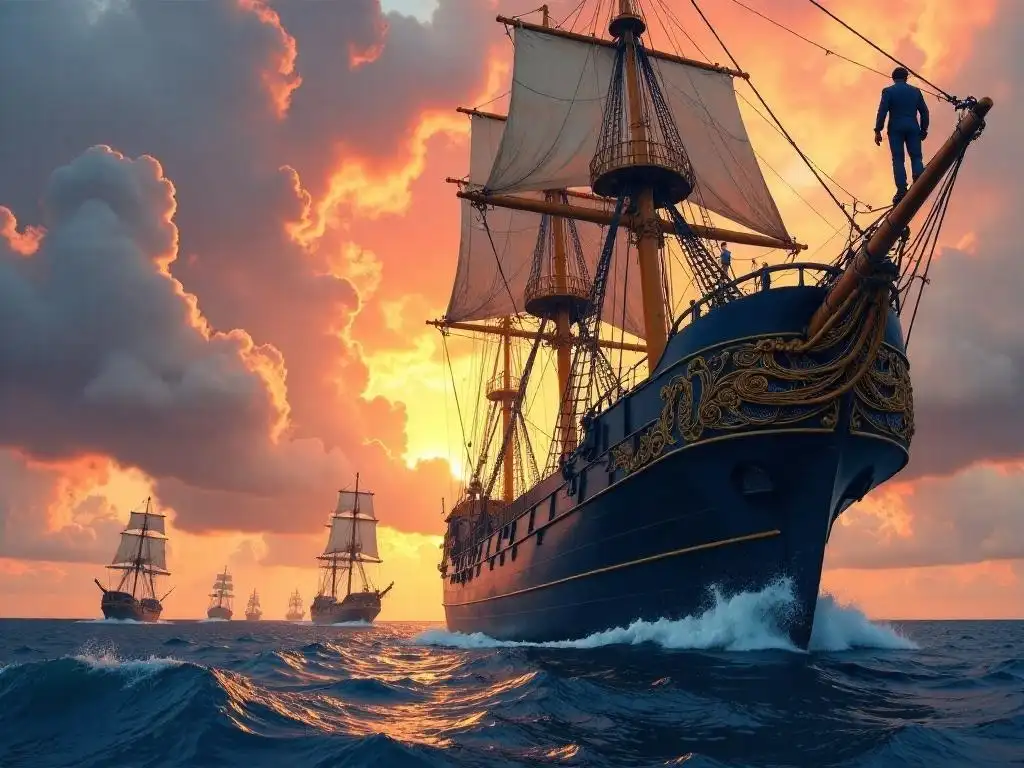
The negotiations between Commodore Matthew Perry and the Tokugawa Shogunate marked a pivotal moment in Japan's transition from isolation to engagement with the Western world. In the mid-19th century, Japan had maintained a policy of sakoku (closed country), limiting foreign influence and trade. However, the increasing presence of Western powers compelled Japan to reconsider its stance.
Perry's arrival in 1853 with his "Black Ships" was a direct challenge to this isolationist policy. His mission was not merely to open Japan to trade but also to establish diplomatic relations, which would ultimately reshape Japan's foreign policy and societal structure. The Tokugawa Shogunate, facing internal strife and external pressure, was in a precarious position, struggling to maintain control over a rapidly changing landscape.
Key Events in the Negotiation Process
The negotiation process unfolded through several key events that highlighted the tension between Perry's demands and the Shogunate's traditional values:
- Initial Arrival (1853):
- Commodore Perry arrived in Uraga Bay on July 8, 1853, with four warships, signaling American military might.
- Perry presented a letter from President Millard Fillmore, urging Japan to open its ports to American ships for trade and provisions.
- Japanese Response:
- Initially, the Shogunate was hesitant and sought to delay negotiations, reflecting Japan's long-standing isolationist policies.
- However, the Shogunate recognized the need to respond to Perry's demands due to fear of military confrontation.
- Subsequent Visit (1854):
- In February 1854, Perry returned with a larger fleet, reinforcing his position.
- The ensuing negotiations were marked by a combination of diplomatic talks and displays of naval power, illustrating the imbalance in military capabilities.
- Cultural Exchange:
- During this period, there were moments of cultural exchange, as Perry's crew interacted with Japanese officials, leading to increased curiosity about Western technology and customs.
- Finalizing Agreements:
- The negotiations culminated in the signing of the Treaty of Kanagawa in March 1854, which marked a significant shift in Japan's foreign relations and initiated a new era of engagement with the West.
The Treaty of Kanagawa: Terms and Implications
The Treaty of Kanagawa, signed on March 31, 1854, established the framework for Japan's interactions with Western powers. Several key terms and implications emerged from this treaty:
- Opening of Ports: The treaty allowed American vessels to enter the ports of Shimoda and Hakodate for supplies and trade, breaking Japan's isolationist barriers.
- Protection of Shipwrecked Sailors: The agreement mandated that shipwrecked American sailors be treated with care and assistance, reflecting a commitment to humane treatment.
- Establishment of a Consulate: The treaty permitted the establishment of an American consulate in Shimoda, marking a formal diplomatic presence in Japan.
Implications for Japan:
- The Treaty of Kanagawa set a precedent for other Western nations to negotiate similar treaties, leading to a series of "unequal treaties" that significantly impacted Japan's sovereignty.
- It marked the beginning of the end for the Tokugawa Shogunate, as internal dissent grew among those opposed to foreign influence and modernization.
- The treaty catalyzed Japan's modernization efforts, ultimately leading to the Meiji Restoration in 1868, when Japan sought to strengthen itself against Western powers.
Commodore Perry's negotiations with the Tokugawa Shogunate and the subsequent Treaty of Kanagawa were crucial in reshaping Japan's historical trajectory, transitioning the nation from isolation to a new era of international relations. This moment not only altered Japan's foreign policy but also initiated profound changes within its society and governance.
Commodore Perry's Japan Historical Impact
Short-term Effects on Japanese Society and Politics
The arrival of Commodore Matthew Perry in 1853 marked a pivotal moment in Japanese history, initiating the end of over two centuries of self-imposed isolation under the Tokugawa shogunate. Perry's expedition, aimed at opening Japan to American trade, had immediate repercussions on Japanese society and politics that reverberated throughout the nation.
- Opening of Japan to the West:
- Perry's display of military might, showcased by his "Black Ships," compelled Japanese leaders to reconsider their isolationist policies. The subsequent Treaty of Kanagawa in 1854 established formal diplomatic relations between Japan and the United States, opening two ports for American ships and allowing for limited trade. This marked a significant shift in Japanese foreign policy.
- Political Fragmentation:
- The sudden influx of foreign influence and pressure left many Japanese officials divided. Some advocated for modernization and engagement with the West, while others clung to the traditional values and isolationist policies. This internal conflict contributed to the rise of factions within the government, leading to instability and political fragmentation.
- Cultural Exchange and Adaptation:
- The introduction of Western ideas and technologies began to infiltrate Japanese society. As a reaction to Perry's arrival, Japan saw a surge in interest in Western science, military technology, and industrial techniques. This cultural awakening laid the groundwork for Japan's rapid modernization in the following decades.
- Rise of Nationalism:
- The perceived threat from foreign powers, exemplified by Perry's forceful approach, ignited a sense of nationalism among the Japanese populace. Citizens began to rally around the idea of preserving Japan's sovereignty and cultural identity, setting the stage for the Meiji Restoration in 1868.
Long-term Implications for U.S.-Japan Relations
The impact of Commodore Perry's expedition extended far beyond the immediate changes in Japanese society. The seeds planted during this period would grow into a complex relationship between Japan and the United States, characterized by both cooperation and conflict.
- Economic Ties:
- Following the initial treaty, economic relations between the two nations flourished. The United States became one of Japan's largest trading partners, leading to increased commerce and cultural exchanges. This economic interdependence would shape the diplomatic engagements between the countries for decades.
- Military Alliances and Tensions:
- As Japan modernized and strengthened its military capabilities in the late 19th century, it emerged as a formidable power in the region. The relationship with the United States evolved into one of both alliance and rivalry, particularly as Japan expanded its influence in East Asia. The signing of the Treaty of Portsmouth in 1905, which ended the Russo-Japanese War, solidified Japan’s status as a world power and underscored its strategic relationship with the U.S.
- Cultural Exchange and Mutual Influence:
- The initial interactions spurred by Perry's arrival fostered a continued exchange of cultural values, art, and technology. This mutual influence has persisted, evident in various aspects of modern Japanese and American culture, from cuisine to entertainment.
- Historical Reflection and Revisionism:
- In contemporary discourse, the legacy of Commodore Perry is often revisited, with differing perspectives on imperialism, colonialism, and diplomatic relations. The historical narrative surrounding Perry’s impact invites ongoing discussions about sovereignty, cultural identity, and international relations in a modern context.
Commodore Perry's expedition was a catalyst for profound transformations in Japan, setting the stage for a complex, dynamic relationship with the United States that continues to evolve in the 21st century.
The Cultural Exchange Triggered by Perry's Expedition

Commodore Matthew Perry's arrival in Japan in 1853 marked a significant turning point in the cultural landscape of the nation. His expedition not only opened Japan to the West but also initiated a complex exchange of ideas, customs, and technologies that would reshape Japanese society and culture. This section delves into how Perry's expedition acted as a catalyst for cultural exchange, focusing on the introduction of Western technology and the subsequent changes in Japanese society.
Introduction of Western Technology and Ideas
The arrival of Commodore Perry's black ships in Tokyo Bay heralded the beginning of a new era for Japan, as it faced the undeniable influence of Western technology and ideas. Perry's mission was primarily to establish trade relations, but it inadvertently led to a profound cultural exchange.
- Technological Advancements:
- Steam Power: One of the most immediate impacts was the introduction of steam-powered vessels, which revolutionized maritime transportation. Japan, which had relied on traditional sailing ships, recognized the advantages of steam technology for both military and commercial purposes.
- Telegraphy: The introduction of the telegraph system allowed for faster communication, which was crucial for both domestic governance and international relations. This technology laid the groundwork for modern communication infrastructure in Japan.
- Western Education and Science:
- Curriculum Changes: The influence of Western thought led to reforms in the educational system. Schools began to incorporate Western sciences, mathematics, and philosophy into their curricula, fostering a new generation of educated Japanese who were familiar with global advancements.
- Cultural Institutions: Western-style museums and libraries were established, serving as repositories for new knowledge and cultural artifacts. This shift facilitated a broader understanding of international cultures and histories.
- Cultural Exchange:
- Arts and Literature: The exposure to Western literature and art forms influenced Japanese artists and writers. The adoption of perspective in painting and the introduction of new literary styles marked a departure from traditional forms, creating a unique blend of Eastern and Western aesthetics.
- Fashion and Lifestyle: Western fashion began to permeate Japanese society, with many adopting Western clothing styles, which symbolized modernity and progress. This shift was not merely superficial but reflected deeper societal changes in perceptions of identity and status.
Commodore Perry's expedition was instrumental in introducing a plethora of Western technologies and ideas that would significantly alter the trajectory of Japanese development.
Changes in Japanese Society Due to Foreign Influence
The cultural exchange initiated by Perry's expedition brought about substantial changes in Japanese society, influencing social structures, values, and practices in various ways.
- Political Reforms:
- End of Isolationism: The forced opening of Japan led to the end of the Tokugawa shogunate's isolationist policies. This shift resulted in a political upheaval that ultimately gave rise to the Meiji Restoration in 1868, marking the transition from feudal rule to a more centralized government.
- Modernization Efforts: Faced with the need to compete globally, Japan undertook extensive modernization reforms, adopting Western political and legal systems. This included the establishment of a constitution and the creation of a parliamentary system.
- Social Changes:
- Class Dynamics: The rigid class structure of feudal Japan began to erode as new economic opportunities emerged. Merchants, who had previously held a lower social status, gained wealth and influence, challenging traditional hierarchies.
- Urbanization: The influx of Western goods and ideas spurred urban growth. Cities like Tokyo began to modernize, becoming centers of commerce and culture, which attracted rural populations seeking new opportunities.
- Cultural Shifts:
- Changing Values: The introduction of Western ideals of individualism and democracy began to influence Japanese societal values. Traditional collective values associated with feudal loyalty started to be reassessed, leading to a more individualistic mindset among the populace.
- Religious and Philosophical Exchange: Western philosophies and religions, such as Christianity, began to find a foothold in Japan. This created a dynamic environment where traditional beliefs were both challenged and reinterpreted.
Through these changes, Japan embarked on a path of rapid modernization and cultural transformation, ultimately positioning itself as a significant player on the world stage. The legacy of Commodore Perry's expedition is thus reflected in the profound and lasting impact it had on Japanese society and culture.
The Legacy of Commodore Perry in American Expansionism
The legacy of Commodore Matthew Perry in American expansionism is both profound and multifaceted. His expeditions to Japan in the mid-19th century not only marked a pivotal moment in U.S.-Japan relations but also served as a significant catalyst for America's broader imperial ambitions in Asia. Perry's arrival in Japan in 1853, accompanied by a display of military might, symbolized the United States' determination to assert its influence beyond its continental borders. This event underscores how Perry's actions fed into the larger narrative of American expansionism during this era.
Perry's legacy can be viewed through the lens of economic interests, cultural exchange, and military strategy. His mission was not purely diplomatic; it was deeply intertwined with the expansion of American trade opportunities in the Pacific. By compelling Japan to open its ports to U.S. ships, Perry enabled the establishment of trade routes that would prove crucial for American merchants seeking new markets in Asia. The Treaty of Kanagawa, signed in 1854, laid the groundwork for these economic relations and set a precedent for future diplomatic engagements.
Furthermore, Perry's expedition is often cited as a critical moment in Japan’s modernization. The forced interaction with the West sparked a series of reforms that would eventually transform Japan into a formidable industrial power. This transformation was not merely a reaction to Perry's actions but a significant shift in Japan's self-perception and its place in the world, reflecting how American expansionism indirectly influenced global dynamics.
Perry as a Symbol of Manifest Destiny
Matthew Perry embodies the concept of Manifest Destiny, a belief that the United States was destined to expand its territory and influence across the globe. His endeavors in Japan are often viewed as an extension of this ideology, which had driven American policies throughout the 19th century. The notion that the U.S. had a divine right to spread democracy and capitalism was a powerful motivator for Perry and his contemporaries.
Perry's use of military force to achieve diplomatic ends aligns with the aggressive pursuit of national interests that characterized Manifest Destiny. The "Black Ships", as Perry's vessels were known, represented not only military strength but also America's readiness to impose its will on nations that resisted Western influence. This approach was justified under the belief that bringing Western civilization to "lesser" nations was a moral obligation.
Moreover, Perry's arrival in Japan can be seen as a precursor to later American interventions in Asia, reflecting a continuity in the use of military power to secure economic and political aims. This legacy of expansionism continues to resonate in contemporary discussions about American foreign policy and its implications for international relations.
Comparisons with Other Expansionist Movements in History
When comparing Commodore Perry's expedition to other historical expansionist movements, several key parallels and contrasts emerge. One significant comparison can be drawn with the Louisiana Purchase in 1803, where the United States expanded its territory through diplomatic negotiations and land acquisition. Both events reflect a desire to broaden American influence, yet Perry's approach involved direct military confrontation, showcasing a different facet of expansionism.
Another relevant comparison is the Spanish-American War of 1898, which similarly involved the use of military force to achieve territorial gains. Just as Perry's actions opened Japan to American influence, the outcomes of the Spanish-American War resulted in the U.S. acquiring territories like Puerto Rico, Guam, and the Philippines, further establishing its presence in the Pacific.
| Aspect | Commodore Perry in Japan | Spanish-American War | Louisiana Purchase |
|---|---|---|---|
| Method of Expansion | Military Diplomacy | Military Confrontation | Diplomatic Negotiation |
| Primary Motivations | Trade and Influence | Territorial Gain | Land Acquisition |
| Outcome | Treaty of Kanagawa | U.S. Territorial Expansion | Doubled U.S. Territory |
Commodore Perry's historical impact in Japan is emblematic of a broader pattern of American expansionism. His legacy as a symbol of Manifest Destiny serves to illustrate the motivations and methods employed by the United States in its quest for influence during the 19th century. Understanding Perry's role within this context not only sheds light on Japanese history but also provides valuable insights into the complex dynamics of U.S. foreign relations.
Conclusion: Commodore Perry's Enduring Influence on Japan
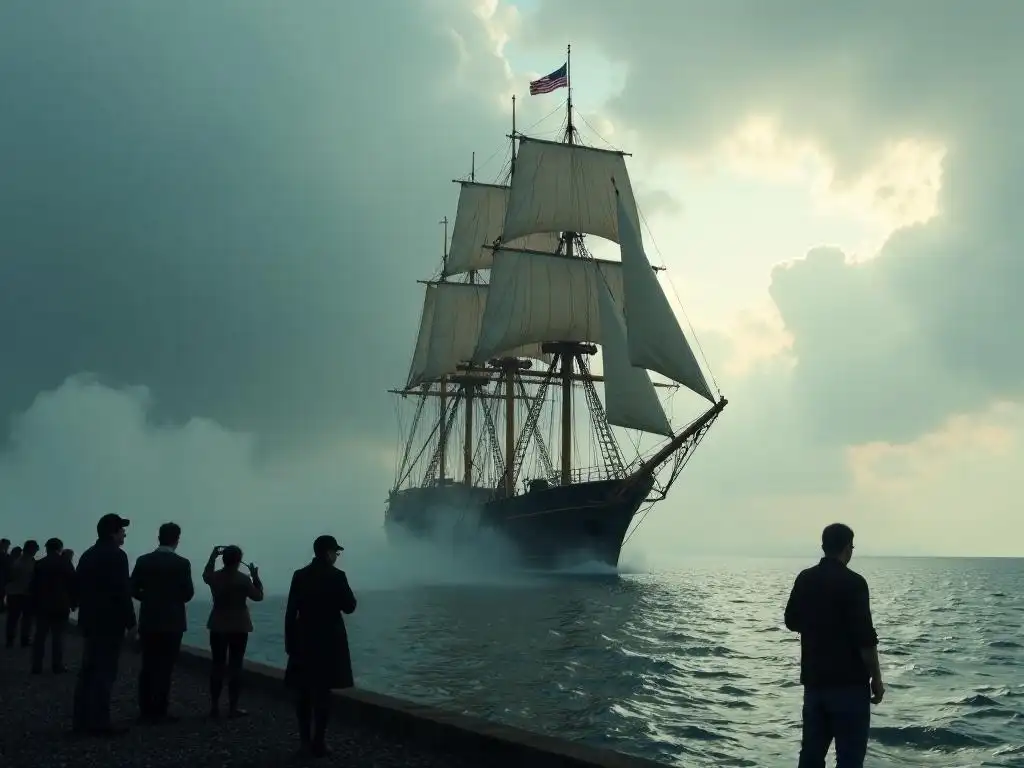
The arrival of Commodore Matthew Perry in Japan in 1853 marked a pivotal moment in the nation’s history, setting into motion a series of events that would transform the country from a secluded feudal society to a modern state. Perry's expedition was not merely a military endeavor; it was a catalyst for profound change in Japan's political, economic, and cultural landscapes. The impact of Perry's actions has reverberated throughout Japanese history, influencing its trajectory in the centuries that followed.
Reflection on Perry's Role in Japan's Transformation
Commodore Perry's role in Japan's transformation cannot be overstated. His approach, which combined diplomacy with the implicit threat of military force, forced Japan to confront the realities of global politics. The signing of the Treaty of Kanagawa in 1854 was a watershed moment that ended Japan's isolationist policies and opened its ports to American trade. This treaty laid the groundwork for future agreements with other Western nations, ultimately leading to the rapid modernization of Japan during the Meiji Restoration.
Perry's arrival also sparked significant cultural shifts within Japan. The influx of foreign ideas and goods began to challenge traditional Japanese values and practices. The exposure to Western technologies and philosophies prompted a reevaluation of Japan’s own societal structures. For instance, the introduction of steamships and telegraph systems revolutionized communication and transportation, laying the foundation for Japan’s industrialization.
Moreover, Perry is often credited with igniting a sense of nationalism among the Japanese people. The initial shock of foreign intrusion galvanized efforts to preserve Japanese sovereignty and culture while simultaneously adopting beneficial Western innovations. This duality became a defining characteristic of Japan's response to Western influence, shaping its identity in the modern era.
Final Thoughts on Commodore Perry's Historical Impact
The historical impact of Commodore Perry on Japan is multifaceted and enduring. His actions not only dismantled centuries of isolation but also set Japan on a path of rapid modernization and engagement with the world. The opening of Japan to international trade and influence paved the way for significant economic growth, military expansion, and cultural exchanges that continue to resonate today.
As modern Japan reflects on its history, Commodore Perry’s legacy serves as a reminder of the complexities involved in foreign relations. His arrival was a turning point that prompted Japan to navigate the delicate balance between embracing change and preserving its unique cultural heritage. The repercussions of Perry's expedition are evident in Japan's ongoing evolution as a nation that skillfully blends tradition with modernity.
Ultimately, Commodore Perry's historical impact on Japan underscores the intricate interplay between diplomacy and power, shaping the future of a nation that would emerge as a formidable player on the global stage.
References
Suggested Readings on Commodore Perry and Japan's Feudal Era
-
"Commodore Perry in the Land of the Shogun" by Rhoda Blumberg
This book provides an engaging narrative of Commodore Perry's expedition to Japan, exploring the cultural encounters and the historical significance of his actions during the feudal era.
-
"The Opening of Japan: Commodore Perry and the Black Ships" by John E. Wills Jr.
Wills delves into the broader implications of Perry’s arrival in Japan, discussing the geopolitical motives behind American expansionism and its effects on Japan's isolationist policies.
-
"Perry's Expedition: A Historical Analysis" by John W. Dower
This work offers a comprehensive examination of Perry’s expedition, analyzing the implications it had on Japan's transition from feudalism towards modernization.
-
"Japan's Transition to Modernity: A Historical Perspective" by Patricia Tsurumi
Tsurumi's book contextualizes the events surrounding Perry's arrival within the larger narrative of Japan's shifts from a feudal society to a modern state.
-
"The United States and Japan: A History from the 1850s to the Present" by James L. McClain
This historical overview covers the evolution of U.S.-Japan relations, including detailed accounts of Perry's influence on Japanese society and governance.
Additional Resources for Understanding U.S.-Japan Relations
-
The National Archives: Commodore Matthew Perry's Expedition
This resource provides original documents and firsthand accounts from Perry's expedition, offering insights into the diplomatic and military strategies employed.
-
The Japan Society: Educational Resources on U.S.-Japan Relations
The Japan Society offers various educational materials, including articles, podcasts, and webinars that explore the complex history between the United States and Japan.
-
Library of Congress: Commodore Perry and the Opening of Japan
A collection of primary sources, maps, and photographs related to Perry’s arrival in Japan, useful for researchers and historians focusing on this pivotal moment.
-
"U.S.-Japan Relations: A Brief History" by the Council on Foreign Relations
This article outlines the key events in U.S.-Japan relations, providing a concise overview of how Commodore Perry's actions set the stage for future interactions.
-
The Asia-Pacific Journal: Japan Focus
This scholarly journal features articles that analyze Japan’s historical and contemporary relations with the United States, including the impact of Perry’s expedition on Japanese society.
Frequently Asked Questions
What was Commodore Perry's main objective in Japan?
Commodore Perry aimed to open Japan to American trade and establish diplomatic relations, ending over two centuries of isolationist policies.
How did Commodore Perry's arrival affect Japan's society?
Perry's arrival in 1853 led to significant societal changes, including the eventual end of the Tokugawa shogunate and the beginning of Japan's modernization and industrialization.
What was the Treaty of Kanagawa?
The Treaty of Kanagawa, signed in 1854, marked the end of Japan's isolation, establishing trade relations and allowing American ships to use Japanese ports.
How did the Japanese respond to Perry's expedition?
The Japanese were initially hesitant but eventually recognized the necessity of engaging with the Western world, leading to a period of rapid transformation in Japanese society.
What is the long-term impact of Perry's expedition on Japan?
Perry's expedition is often seen as a catalyst for Japan's transition from feudalism to a modern state, influencing its political, economic, and cultural development well into the 20th century.
Final Reflection: The Lasting Legacy of Commodore Perry's Encounter with Japan
The historical impact of Commodore Perry's expedition to Japan resonates profoundly in today's global landscape, highlighting the complexities of American expansionism and its far-reaching consequences. Perry's arrival in 1853 marked a pivotal moment not only for Japan but also for the United States, as it opened the door to a new era of international relations and trade. This encounter serves as a reminder of how one individual's actions can shape the course of nations and influence the trajectory of history.
The cultural and social ramifications of Perry's mission continue to unfold, illustrating the intricate dance between diplomacy and imperialism. The exchange initiated by Perry led to Japan's transformation from isolation to engagement with the world, influencing its modernization and emergence as a global power. As historian John Dower aptly noted, The encounter with the West was not merely a clash of cultures but a complex interplay of adaptation and resistance.
This observation underscores the ongoing dialogue between nations, where historical encounters like Perry's still inform contemporary discussions on globalization and cultural exchange.
As we reflect on the lessons from Commodore Perry's journey, let us consider our own roles in fostering understanding and cooperation in an increasingly interconnected world. I invite you to think critically about how history shapes our present and future interactions. Embrace the opportunity to learn from the past, recognizing that each of us can contribute to a more harmonious global community by promoting dialogue, respect, and collaboration across cultures.
Unleash Your Curiosity About Commodore Perry!
Thank you for diving into the captivating story of Commodore Perry and his pivotal role in American expansionism in the East. We hope you gained valuable insights and a deeper understanding of this historical figure's impact on Japan and international relations!
Now, it’s time to take the next steps in your exploration of this fascinating topic. Here are a few actions you can take right away:
- Read more! Delve into our extensive articles about Japan's feudal era to uncover more about the cultural and political shifts sparked by Perry's arrival.
- Join the discussion! Share your thoughts in the comments section below and connect with fellow history enthusiasts. What aspect of Perry’s expedition intrigued you the most?
- Explore beyond! Look into other key figures of the period and their contributions—consider how their actions resonate with today’s geopolitical landscape.
What surprising connections can you draw between Commodore Perry’s journey and contemporary international relations?