
The Role of Women in Tokugawa Politics: Influence Behind the Scenes

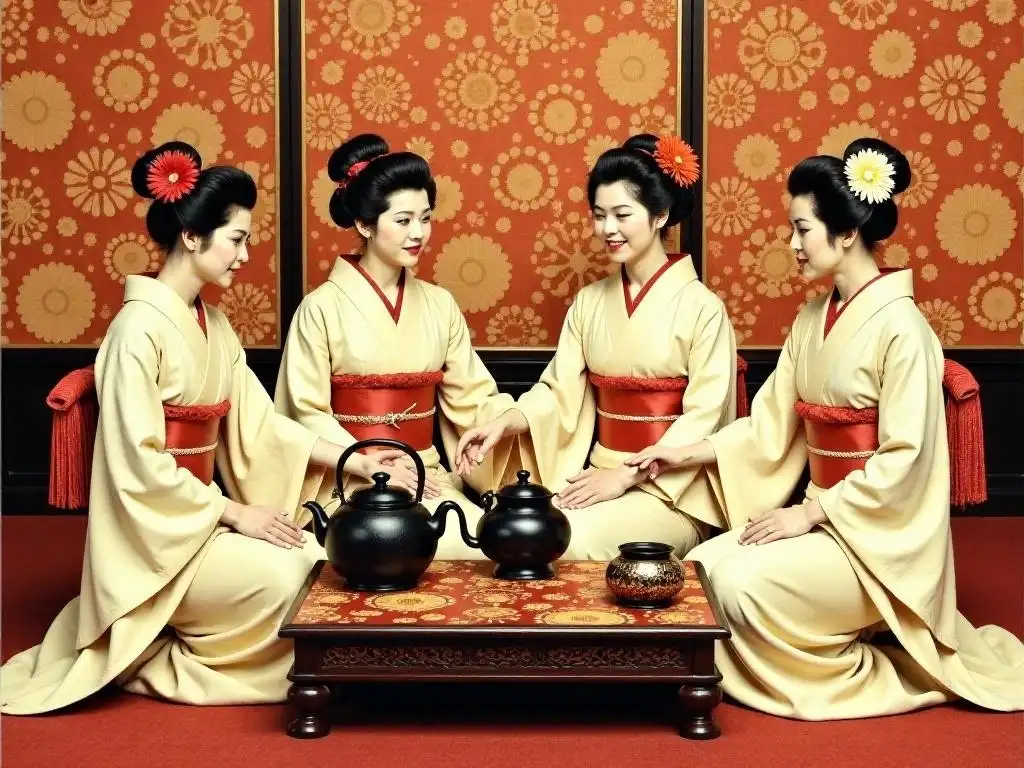
Welcome to Feudal Japan History, where we delve into the rich tapestry of Japan’s feudal era, uncovering the hidden narratives and influential figures that shaped history. Today, we invite you to explore the captivating role of women in Tokugawa politics, a topic often overshadowed yet crucial to understanding the dynamics of power during this transformative period. Discover how these remarkable women wielded influence behind the scenes, challenging the perceptions of their time. Are you ready to unearth the untold stories that lie within? Dive in and let the journey begin!
Introduction to Women in Tokugawa Politics
The role of women in Tokugawa politics is a fascinating yet often overlooked aspect of Japan's feudal history. While the Tokugawa Shogunate (1603-1868) is typically characterized by its male-dominated political structures, women played crucial roles that shaped the political landscape behind the scenes. From influential figures in the imperial court to wives of powerful samurai, women's involvement in governance and decision-making processes was both subtle and significant. This article aims to delve into the complexities of their influence, examining how women navigated a patriarchal society to assert their presence in political matters.
Overview of the Tokugawa Shogunate
The Tokugawa Shogunate, established by Tokugawa Ieyasu, marked a period of relative peace and stability known as the Edo Period. It was characterized by strict social hierarchies, a rigid class system, and isolationist foreign policies. During this era, power was concentrated in the hands of the shogun, while the emperor's role became largely ceremonial. Despite this, the intricate relationships between the ruling class and their families often allowed women to wield influence indirectly.
- Key Features of the Tokugawa Shogunate:
- Centralized Feudalism: Power was held by the shogun while daimyos governed local domains.
- Social Order: The samurai class held the highest status, followed by farmers, artisans, and merchants.
- Cultural Flourishing: The Edo Period saw advancements in art, literature, and theater, which also reflected women's roles and perspectives.
Importance of Women’s Roles in Feudal Politics
Understanding the roles women played during the Tokugawa era is crucial for a comprehensive view of feudal politics. Women influenced decisions through marriage alliances, family connections, and their roles as mothers and caretakers of the household. Their ability to negotiate, manage resources, and maintain familial ties often positioned them as key players in political maneuvering.
- Influential Roles of Women:
- Marriage Alliances: Women were often married into powerful families, solidifying political connections.
- Patronage of Arts and Culture: Women supported cultural endeavors that also served to enhance their family's status.
- Mothers of Successors: As mothers, women had a direct influence over the education and upbringing of future leaders.
Historical Context of Women in Tokugawa Japan
To fully grasp the impact women had in Tokugawa politics, it is essential to explore the historical context of their lives during this period. The social hierarchies and legal frameworks in place significantly shaped their roles and opportunities.
Social Hierarchies and Gender Roles in the Edo Period
The Edo Period was defined by a strict social hierarchy that dictated the roles and expectations of women. While women of the samurai class enjoyed more privileges than those in the lower classes, they were still confined to traditional roles that emphasized domesticity and obedience.
- Social Class and Women:
- Samurai Women: Often educated and trained in the arts, they managed household affairs and were expected to support their husbands' political ambitions.
- Merchant Women: Engaged in trade and business, they played a crucial role in economic stability but faced societal constraints.
- Peasant Women: Worked alongside men in the fields, contributing to the family's sustenance while adhering to traditional gender roles.
Legal Status of Women in Tokugawa Society
The legal framework governing women during the Tokugawa era restricted their rights and autonomy. Women were largely viewed through the lens of their familial relationships, which dictated their legal status and societal standing.
- Key Legal Aspects:
- Inheritance Laws: Women often had limited rights to inherit property, which was typically passed down to male heirs.
- Marriage Contracts: Arranged marriages were common, and women's rights within marriage were often subordinate to their husbands.
- Limited Political Agency: Despite their influence, women were excluded from formal political positions, navigating power through informal channels.
The nuanced roles of women in Tokugawa politics reveal a complex interplay between gender, power, and societal norms. As we explore the various dimensions of their influence, it becomes clear that their contributions were vital to the political fabric of feudal Japan.
Key Figures: Influential Women in Tokugawa Politics
The Tokugawa period, spanning from 1603 to 1868, was marked by a rigid social hierarchy and strict gender roles. However, women played pivotal roles behind the scenes, influencing political decisions and alliances. Notably, several key figures emerged as influential players within this male-dominated society. Their contributions often went unrecognized in traditional historical narratives but were crucial in shaping the political landscape of the time.
Women like Lady Kasuga, who navigated the political intricacies of the Tokugawa Shogunate, exemplified the significant impact women could have. Additionally, figures such as Lady Sūgen-in and Lady Oi were instrumental in forging alliances that would affect the course of history. Their influence stemmed not just from their familial connections but also from their ability to engage in the political discourse of the era.
Prominent Women in the Tokugawa Era
During the Tokugawa era, several women held considerable sway in political matters, often through their relationships with powerful men. Lady Kasuga, the wife of Tokugawa Ieyasu, was one of the most prominent figures, known for her intelligence and political acumen. She played a vital role in the upbringing of her son, the second shōgun, Tokugawa Hidetada, and was instrumental in shaping his political views.
Lady Sūgen-in, the wife of Tokugawa Iemitsu, was another influential figure. She was known for her involvement in court politics and her ability to foster relationships among the daimyōs (feudal lords). Furthermore, Lady Oi, the wife of Tokugawa Yoshinobu, used her position to influence her husband's decisions, particularly during the turbulent times leading to the Meiji Restoration.
These women, among others, exemplified how women in Tokugawa politics utilized their positions to navigate complex political landscapes, often acting as intermediaries and advisors.
Case Study: Lady Kasuga and Her Political Influence
Lady Kasuga stands out as a remarkable example of a woman who wielded significant political influence during the Tokugawa period. As the wife of Tokugawa Ieyasu, the founder of the Tokugawa Shogunate, she was deeply involved in the political machinations of her husband's reign. Her influence was particularly pronounced in the education and upbringing of her son, Tokugawa Hidetada, who succeeded Ieyasu as the second shōgun.
Lady Kasuga's political acumen was evident in her ability to form alliances through marriage and kinship. She understood the importance of consolidating power and ensured that her family maintained strong ties with other influential clans. This strategic maneuvering not only secured her family's position but also stabilized the shogunate during its formative years.
Moreover, Lady Kasuga's role extended beyond familial obligations; she was an advisor and confidante to her husband, providing him with insights and counsel on various political matters. Her legacy is a testament to the critical roles women played in shaping the political landscape of the Tokugawa era, often from behind the scenes.
Mechanisms of Influence: How Women Shaped Tokugawa Politics
Women in the Tokugawa period utilized various mechanisms to exert influence within the political sphere. Their power often lay in informal networks, family politics, and their roles as mediators. Although they lacked formal political authority, their contributions were vital in navigating the intricate web of Tokugawa politics.
Informal Networks and Political Alliances
Women often operated through informal networks that allowed them to exert influence in a subtle yet effective manner. These networks were formed through familial ties, friendships, and social gatherings. Women could forge alliances that would benefit their families and clans, acting as intermediaries between powerful men.
For instance, marriages were strategic tools used to solidify alliances between different clans. Women, by marrying into influential families, could create bonds that would enhance their family’s political standing. This practice not only cemented relationships but also allowed women to engage in political discourse, influencing decisions that extended beyond their immediate households.
Women as Mediators and Negotiators
In a society where direct political participation was largely reserved for men, women often served as mediators and negotiators in conflicts and disputes. Their roles as wives, mothers, and daughters positioned them uniquely within their families and clans, allowing them to leverage their relationships for political gain.
Women were frequently called upon to mediate between rival factions or to negotiate terms during conflicts. Their perceived neutrality in some cases made them effective negotiators, as they could navigate sensitive issues without the burden of political rivalry. This ability to mediate was crucial in maintaining harmony within the often fractious political landscape of the Tokugawa period.
The Role of Women in Family Politics and Succession
Family politics played a significant role in the Tokugawa political structure, and women were central to these dynamics. Women were key figures in ensuring the continuity of political power through their roles in family succession. By producing heirs, they secured their family’s legacy and influence in the shogunate.
Women’s involvement in family politics extended to managing household affairs and maintaining alliances with other families. They often orchestrated marriages and alliances that would bolster their family's political standing. The decisions made by women regarding marriage and family ties had far-reaching implications, influencing the power dynamics of the Tokugawa Shogunate.
Women in Tokugawa politics, though not formally recognized, played essential roles in shaping the political landscape through their influence, negotiation skills, and familial ties. Their contributions remind us that the political history of the Tokugawa period is incomplete without acknowledging the significant impact of women behind the scenes.
Cultural Representation of Women in Tokugawa Politics
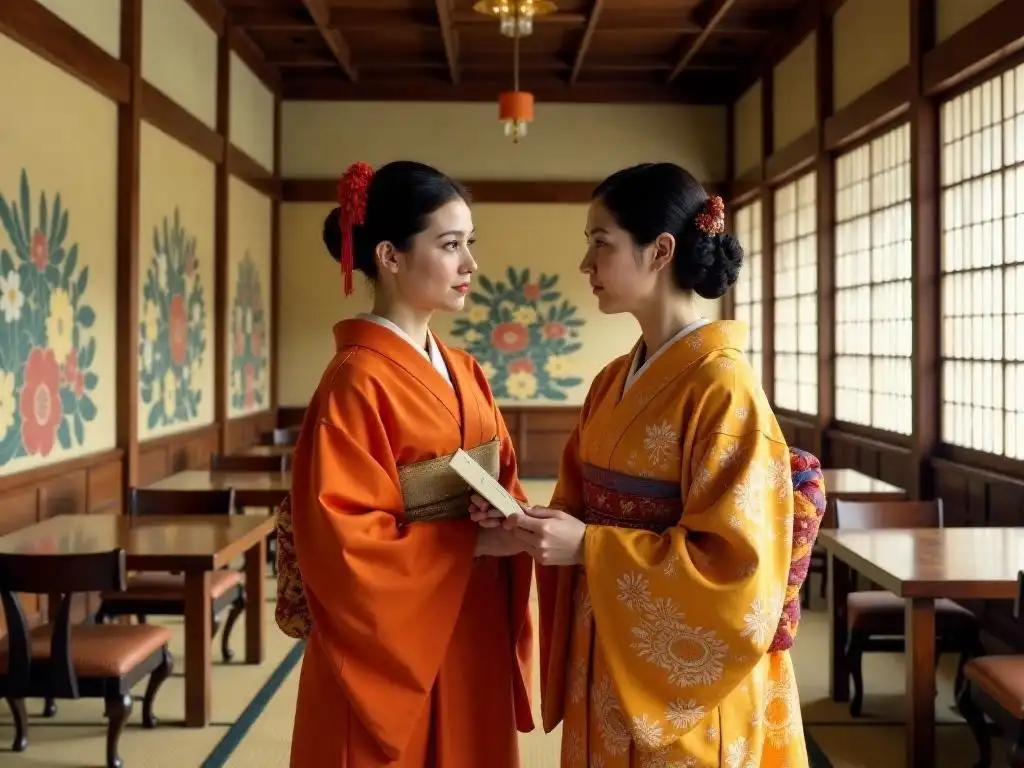
The cultural representation of women during the Tokugawa period (1603-1868) reflects a complex interplay between societal expectations and the nuanced roles women played in the political landscape. While the dominant narrative often portrays women as confined to domestic spheres, various forms of art and literature reveal their significant, albeit indirect, influence on political matters.
Women were often depicted in literature, theater, and visual arts, showcasing their roles not just as mothers and wives but as pivotal figures in maintaining familial and clan loyalties. The concept of "onnagata" in kabuki theater, where male actors portrayed female roles, exemplifies how women's identities were constructed in public consciousness, often emphasizing their emotional and moral capacities. Such representations highlighted women's capabilities in diplomacy and negotiation, suggesting an underlying recognition of their influence in political contexts, despite societal constraints.
Additionally, the portrayal of historical figures such as Oeyo (the mother of Tokugawa Iemitsu) illustrates how women navigated the political landscape, sometimes wielding power through their relationships with male leaders. This cultural lens invites a deeper understanding of women's roles in Tokugawa politics, emphasizing their influence as active participants behind the scenes rather than passive observers.
Literature and Art Depicting Women’s Influence
Literature and art from the Tokugawa period offer rich insights into the roles women played in shaping political dynamics. Works such as "The Tale of Genji" and various ukiyo-e (floating world pictures) portray women in ways that reflect their social power and influence. These narratives often highlight women as advisors and strategists, suggesting that their experiences and insights were valued in political decision-making.
Moreover, women's writing flourished during this time, with figures like Sei Shonagon and Murasaki Shikibu illustrating the intellectual contributions of women. These literary works, while often framed within romantic or domestic contexts, subtly assert women's agency in influencing their surroundings and the men in power.
Artistic representations, including the portraits of noblewomen, further emphasize their significance. These artworks often depicted women in elaborate clothing and settings, symbolizing their roles as cultural custodians and influencers within the political sphere. This interplay between literature and art serves to reinforce the idea that women were integral to the fabric of Tokugawa society, impacting political outcomes through their relational dynamics and cultural contributions.
Historical Narratives and Their Impact on Understanding Women’s Roles
Historical narratives surrounding the Tokugawa period have often marginalized women's contributions, framing them primarily within the confines of domesticity. However, recent scholarship has begun to reassess these narratives, revealing the multifaceted roles women played in politics. By examining primary sources, including diaries, letters, and accounts from the period, historians have uncovered instances where women exercised power as intermediaries, often influencing decisions made by male leaders.
These revised interpretations challenge the traditional understandings of Tokugawa politics, illustrating that women's roles were not merely supportive but were essential to the political landscape. For instance, the influence of women in the context of marriage alliances and family politics was crucial in maintaining power dynamics within and between clans.
Furthermore, the recognition of women's contributions in historical narratives fosters a more inclusive understanding of Tokugawa politics, encouraging a broader appreciation of how gender dynamics shaped political institutions and practices. This shift in perspective not only enriches the field of political history but also underscores the importance of reevaluating women's roles in historical contexts.
Challenges Faced by Women in Tokugawa Politics
Despite their influence, women in Tokugawa politics faced significant challenges that limited their participation and visibility in formal political structures. These challenges were deeply rooted in the societal norms and expectations of the time, which often relegated women to subordinate roles.
Societal Expectations and Limitations
Societal expectations during the Tokugawa period emphasized a strict adherence to gender roles, where women were largely expected to fulfill domestic duties as wives and mothers. This patriarchal framework constrained their ability to engage directly in political affairs. Women of the samurai class, while often educated and capable, faced societal pressures that prioritized their roles within the home over any political aspirations.
Moreover, the Confucian ideals that dominated Tokugawa society reinforced the notion of women's inferiority, dictating that their primary purpose was to support their male counterparts. As a result, their contributions were often overlooked or undervalued in historical records, perpetuating the narrative of male dominance in politics.
The education system also reflected these limitations, as women were often taught skills relevant to household management rather than political strategy or governance. This lack of formal political training further hindered their ability to participate in the political arena, despite their potential influence as advisors or intermediaries.
Resistance and Obstacles to Political Engagement
While societal norms imposed significant limitations on women, there were instances of resistance and attempts to engage politically. Some women navigated the constraints of their roles by leveraging their connections to powerful men, using their familial ties to influence decisions indirectly. For example, women in the Tokugawa court often acted as advisors to their husbands or fathers, negotiating alliances and decisions that affected their clans.
However, these efforts were frequently met with obstacles. The patriarchal structure of Tokugawa society often discredited women's contributions, viewing their involvement as inappropriate or unwelcome. Additionally, the societal backlash against women who sought to assert political agency created a formidable barrier to their participation.
The existence of secretive networks among women, particularly in the context of the geisha and courtesan communities, also illustrated their resilience. These women often wielded significant influence in political matters through their relationships with powerful men, showcasing an alternative form of political engagement that operated outside conventional structures.
While women in Tokugawa politics faced substantial challenges, their influence persisted through cultural representations and personal agency, revealing a complex landscape of political engagement that warrants further exploration.
Conclusion: The Lasting Impact of Women in Tokugawa Politics
The role of women in Tokugawa politics, while often overshadowed by their male counterparts, left a profound impact on the political landscape of feudal Japan. Women's influence in this era was multifaceted, encompassing familial, economic, and social dimensions that often intersected with political authority. Women wielded power not necessarily through direct political engagement but through their relationships, strategic marriages, and the management of domestic spheres, which were crucial for maintaining alliances and ensuring political stability.
As the Tokugawa period progressed, the nuances of women's roles began to evolve, reflecting broader societal changes. Women such as the wives of daimyō and influential courtesans demonstrated how political maneuvering could extend beyond the public sphere. The legacy of these women is evident in the ways they shaped political narratives and contributed to the governance structures of their time, often acting as intermediaries who could influence decisions and maintain harmony within the ruling elite.
Legacy of Women’s Political Influence in Feudal Japan
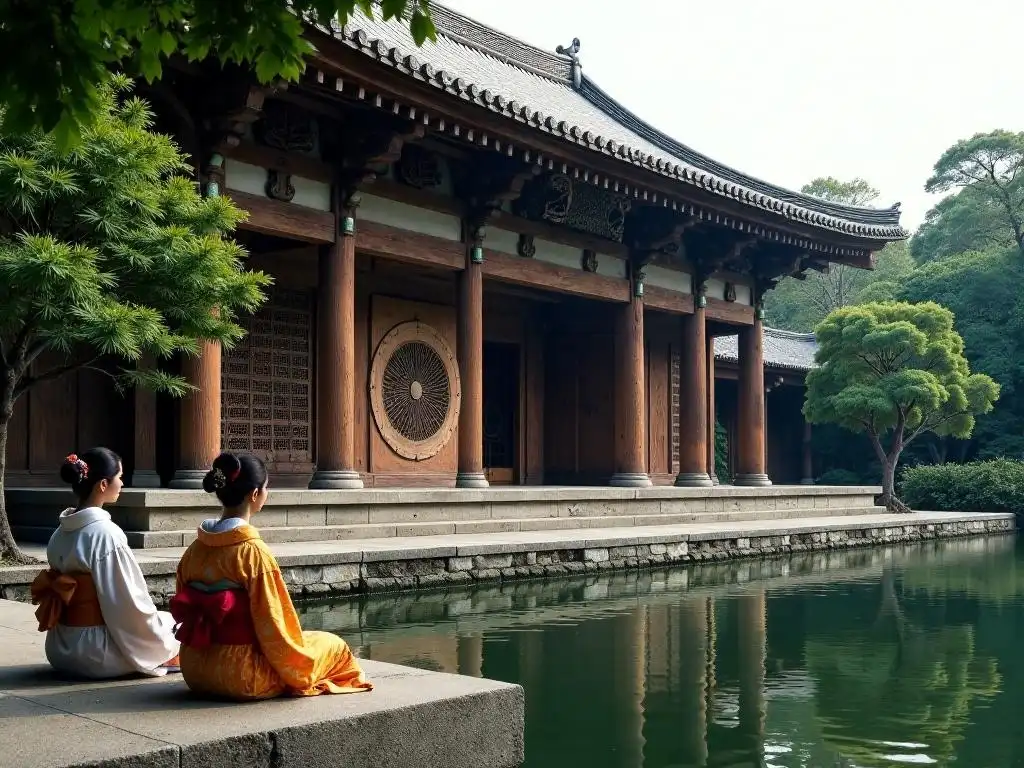
The legacy of women's political influence during the Tokugawa period is marked by their ability to navigate and negotiate power within a patriarchal society. Although women were largely excluded from formal political roles, their contributions were significant in maintaining the fabric of feudal governance. For instance, through strategic marriages, women could forge alliances that were vital for the political stability of their families and clans.
Moreover, women often played critical roles in the management of household affairs, which included economic decisions that could influence political alliances. As custodians of family lineage and wealth, women were crucial in preserving their family’s status and influence. Historical accounts reveal that women, particularly within samurai families, were educated in political matters, enabling them to advise their husbands and sons effectively.
The documentation of women's roles in Tokugawa politics has been limited, yet emerging scholarship is beginning to illuminate their contributions and the complexities of their influence. This growing body of work underscores the importance of recognizing women's agency in historical narratives, challenging the traditional views that often render them invisible in the annals of political history.
Reflections on Gender and Power in Historical Context
Reflecting on the interplay between gender and power during the Tokugawa period invites a deeper understanding of the societal structures that governed feudal Japan. The Tokugawa Shogunate's rigid hierarchies reinforced male dominance, yet women found ways to exercise power and influence within these confines. This contradiction highlights the fluidity of power dynamics, where women, despite their marginalized status, were able to leverage their roles in the household and community to affect change.
The examination of women’s roles in Tokugawa politics also raises questions about the broader implications of gender as a category of analysis in historical studies. It challenges historians to reconsider the definitions of power and influence, expanding them beyond formal political participation to include the subtler, yet equally impactful, forms of agency exercised by women. By exploring these dimensions, we gain insight into how gender shaped not only the political landscape of feudal Japan but also the very fabric of its cultural and societal norms.
Further Reading on Women in Tokugawa Politics
To gain a more profound understanding of the roles women played in Tokugawa politics, a variety of literature exists that delves into both primary sources and scholarly interpretations. The following resources are invaluable for exploring this topic further:
Recommended Books and Articles
- Women and Power in the Tokugawa Period by [Author Name] - This book provides a comprehensive look at how women navigated the political landscape during the Tokugawa era, including case studies of influential women.
- Gender and Power in the Japanese History by [Author Name] - This work discusses the broader implications of gender dynamics in Japanese history, including the Tokugawa period, highlighting the roles women played.
- The Invisible Hand: Women’s Influence in Tokugawa Politics by [Author Name] - This article explores specific instances of women's political maneuvering and their impact on historical events.
Suggested Academic Journals and Research Papers
- The Journal of Japanese Studies - This journal frequently publishes articles on gender studies and political history, including research focused on women's roles in Tokugawa Japan.
- Gender and History - An academic journal that features papers examining the intersection of gender and historical events, often including studies related to feudal Japan.
- The Asian Studies Review - This journal publishes research articles that cover various aspects of Asian history, including the political influence of women during the Tokugawa era.
These resources provide a solid foundation for anyone interested in exploring the nuanced roles women played in Tokugawa politics and their enduring legacy in the historical narrative of Japan.
- Introduction to Women in Tokugawa Politics
- Historical Context of Women in Tokugawa Japan
- Key Figures: Influential Women in Tokugawa Politics
- Mechanisms of Influence: How Women Shaped Tokugawa Politics
- Cultural Representation of Women in Tokugawa Politics
- Challenges Faced by Women in Tokugawa Politics
- Conclusion: The Lasting Impact of Women in Tokugawa Politics
- Legacy of Women’s Political Influence in Feudal Japan
- Reflections on Gender and Power in Historical Context
- Further Reading on Women in Tokugawa Politics
- What was the role of women in Tokugawa politics?
- How did women exert influence during the Tokugawa period?
- Were there any notable women in Tokugawa politics?
- Did women hold any formal political positions during the Tokugawa era?
- How did the role of women in Tokugawa politics compare to earlier periods in Japan?
Frequently Asked Questions
What was the role of women in Tokugawa politics?
Women in Tokugawa politics played an important role behind the scenes, often influencing decisions through their relationships with male leaders and their involvement in family politics.
How did women exert influence during the Tokugawa period?
Women exerted influence primarily through marriages, which were strategic for alliances, and by acting as advisors to their husbands and sons in political matters.
Were there any notable women in Tokugawa politics?
Yes, several women, such as Oeyo and Tachibana no Hime, were influential figures who navigated the political landscape and wielded significant power within their families and domains.
Did women hold any formal political positions during the Tokugawa era?
No, women did not hold formal political offices, but they played crucial roles in shaping political outcomes through informal channels and personal relationships.
How did the role of women in Tokugawa politics compare to earlier periods in Japan?
Compared to earlier periods, women's roles in Tokugawa politics became more restricted in formal settings, yet their influence continued to be felt through informal and familial networks.
Final Reflection: The Unseen Power of Women in Tokugawa Politics
The exploration of women's roles in Tokugawa politics reveals a profound truth: their influence, though often overlooked, was instrumental in shaping the political landscape of their time. Today, as we navigate discussions around gender equality and representation, it becomes increasingly evident that understanding the past is crucial for fostering a more inclusive future. The stories of these women remind us that power can manifest in various forms, often quietly yet significantly, challenging the traditional narratives of history.
The impact of women in Tokugawa politics extends far beyond their immediate historical context; it resonates within contemporary discussions about women's agency and leadership. The intricate networks of influence that women established during this era serve as a testament to their resilience and strategic acumen. As historian Susan B. Glancy aptly noted, Behind every powerful man, there often lies a woman whose influence shapes the very foundations of his authority.
This observation underscores the importance of recognizing the contributions of women, not only in Tokugawa Japan but in all spheres of society, as we continue to strive for equality and representation.
As we reflect on the lessons from the past, let us embrace the call to action: acknowledge and celebrate the contributions of women in all areas of life, including politics. Each of us has the power to amplify voices that have been historically marginalized and to advocate for a future where everyone, regardless of gender, can influence the world around them.
Take a moment to consider how you can contribute to this ongoing dialogue, whether through education, advocacy, or simply by sharing stories that highlight the vital roles women have played throughout history. Together, we can ensure that the legacy of women in Tokugawa politics—and beyond—continues to inspire and empower future generations.
Unveil the Influence: Take Action Now!
Thank you for exploring the fascinating world of Tokugawa politics with us! Your curiosity about the profound impact women had during this era is a valuable step toward understanding the complexities of history. Now, let’s transform that interest into action and deeper engagement.
- Join our community: Subscribe to our newsletter for exclusive insights, in-depth articles, and updates on topics that keep history alive!
- Share your thoughts: Spread the word by sharing this article with friends and on social media, igniting conversations about how women’s roles have shaped nations throughout history.
- Explore further: Enhance your understanding by reading additional recommended materials on female influences in history and consider visiting local libraries or museums that focus on Japanese history.
What surprised you most about the role of women in Tokugawa politics? We’d love to hear your thoughts in the comments below!