
Shogunate Succession: The Dynamics of Power Transfer in Feudal Japan


Welcome to Feudal Japan History, where we invite you to embark on a journey through the intricate tapestry of Japan’s feudal era. In our featured article, “Shogunate Succession: The Dynamics of Power Transfer in Feudal Japan,” we delve into the fascinating mechanisms that governed political authority and the shifting sands of power during this tumultuous period. What were the unspoken rules that dictated loyalty and betrayal?
How did the samurai navigate the complexities of allegiance? Join us as we unravel these compelling narratives and explore the profound impact they had on Japan’s cultural and societal landscape. Your exploration of feudal Japan’s rich history begins here—dare to dive deeper!
- Introduction to Feudal Japan Power Transfer
- Historical Context of Shogunate Succession
- Mechanisms of Power Transfer in the Shogunate
- Case Studies of Notable Shogunate Successions
- Challenges and Conflicts During Power Transitions
- Cultural Implications of Power Transfer
- Conclusion: The Legacy of Feudal Japan Power Transfer
- Frequently Asked Questions
- Final Reflection: The Enduring Legacy of Power Transfer in Feudal Japan
- Uncover the Legacy of Power: Take Action Today!
Introduction to Feudal Japan Power Transfer
Feudal Japan, spanning from the late 12th century to the mid-19th century, was marked by a complex hierarchy where power dynamics played a crucial role in shaping the nation’s historical narrative. At the heart of this era was the shogunate system, a form of military government led by shoguns who wielded significant authority, often overshadowing the emperor.
Understanding the mechanisms of feudal Japan power transfer is vital for grasping how power was negotiated, contested, and ultimately passed down through generations. This article delves into the intricate processes of succession within the shogunate, examining the cultural, political, and societal implications of these transitions, which were often fraught with conflict and rivalry.
Overview of the Shogunate System
The shogunate system in feudal Japan was a sophisticated political structure that established military leaders, known as shoguns, as the de facto rulers of the country. This system began with the Kamakura shogunate in 1185, followed by the Ashikaga and Tokugawa shogunates, each marking distinct phases in Japan's political evolution.
- Key Features of the Shogunate System:
- Military Authority: Shoguns held military power and commanded samurai, enforcing law and order.
- Land Control: The shogunate governed vast lands, redistributing them among loyal vassals to maintain allegiance.
- Cultural Influence: The era saw significant cultural developments, including the rise of Zen Buddhism, tea ceremonies, and traditional arts.
The shogunate's authority was often legitimized through the emperor's symbolic role, creating a dual system of governance where the emperor was revered but politically sidelined. This intricate relationship between the shogun and the emperor underscores the foundational dynamics of power within feudal Japan.
Importance of Power Transfer in Feudal Japan
The transfer of power within the shogunate was a pivotal aspect of feudal Japan’s political landscape, influencing not only the immediate governance but also the broader societal structure. Understanding this transfer is essential for several reasons:
- Political Stability: Successful power transitions were crucial for maintaining stability within the shogunate, often preventing civil strife and insurrections.
- Rivalries and Conflicts: Succession disputes frequently led to power struggles, such as the Onin War, which highlighted the fragility of authority and the constant threat of rebellion.
- Cultural Legacy: The methods of power transfer, whether through hereditary succession or strategic alliances, have left a lasting cultural imprint, shaping Japan’s historical narratives and societal values.
The dynamics of power transfer in feudal Japan are not merely a historical curiosity but a lens through which we can examine the complexities of governance, loyalty, and cultural evolution during a transformative period in Japanese history. Understanding these dynamics is crucial for appreciating the broader implications of power within the context of feudal Japan.
Historical Context of Shogunate Succession

Understanding the dynamics of power transfer within the shogunate system requires a comprehensive look at the historical context that shaped these transitions. The feudal era of Japan, spanning from the late 12th century until the mid-19th century, was marked by a complex interplay of military, political, and social factors that influenced how power was acquired, maintained, and transferred among the ruling elite.
The Emergence of the Shogunate in Japan
The emergence of the shogunate can be traced back to the late Heian period (794-1185), when the imperial court's authority began to wane in the face of rising military power among the samurai class. The term "shogun," originally a title for a military commander, became synonymous with political power as the samurai gained influence.
- Minamoto no Yoritomo: The establishment of the Kamakura shogunate in 1192 by Minamoto no Yoritomo marked a pivotal moment in Japanese history. Yoritomo's victory in the Genpei War (1180-1185) against the Taira clan allowed him to consolidate power and establish a military government, or bakufu, that operated independently of the emperor.
- Feudal Structure: The shogunate implemented a feudal structure where land was granted to vassals in exchange for military service. This system created a network of loyalty and obligation that was critical in maintaining the shogun's power.
- Political Legitimacy: The shogunate’s legitimacy was often reinforced through the emperor's endorsement. Although the emperor held a ceremonial position, the shogun wielded real power, leading to a unique dual authority that characterized feudal Japan.
The emergence of the shogunate set the stage for successive power transfers, as the balance of power fluctuated between rival clans and factions.
Key Historical Periods Affecting Power Transfer
Several key historical periods significantly influenced the dynamics of power transfer within the shogunate system:
- Kamakura Period (1185-1333):
- The first shogunate established a precedent for military governance. Power transfers often occurred through warfare, with the Kamakura shogunate facing challenges from both internal factions and external threats, such as the Mongol invasions (1274 and 1281).
- Muromachi Period (1336-1573):
- Marked by the Ashikaga shogunate, this era saw the rise of regional warlords (daimyō) who began to assert their independence. Power transfers became more fragmented, leading to the Warring States period (Sengoku period), characterized by continuous conflict among various daimyō.
- Edo Period (1603-1868):
- Under the Tokugawa shogunate, Japan experienced relative peace and stability. The system of alternate attendance (sankin-kōtai) required daimyō to spend time in Edo, effectively controlling their power and ensuring loyalty. The transfer of power during this period was often negotiated through marriages, alliances, and the careful management of relationships among the ruling elite.
- Meiji Restoration (1868):
- The fall of the Tokugawa shogunate led to the Meiji Restoration, a significant shift in power dynamics as imperial rule was restored. This marked the end of feudal Japan and the transfer of authority back to the emperor, fundamentally altering the political landscape.
The historical context of shogunate succession reveals a pattern of power transfer deeply rooted in Japan's feudal structure, military alliances, and social hierarchies. Understanding these elements is crucial for analyzing the complexities of feudal Japan power transfer and the implications it had on the nation's history.
Mechanisms of Power Transfer in the Shogunate
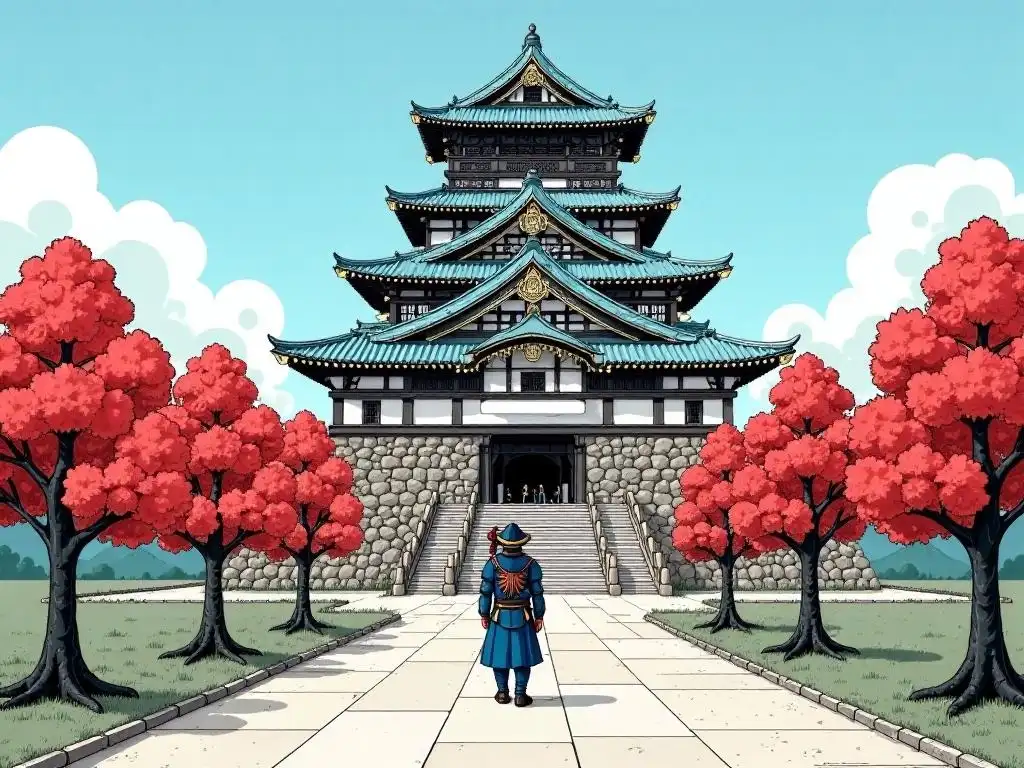
The transfer of power during the shogunate era in feudal Japan was governed by a complex set of mechanisms that ensured the continuity and stability of leadership. These mechanisms were influenced by various factors, including inheritance practices, political alliances, and the role of the imperial court. Understanding these dynamics is crucial to grasping how power was maintained and transferred within the shogunate system.
Inheritance Practices Among Samurai Families
Inheritance practices played a pivotal role in the succession of power among samurai families. The concept of primogeniture, where the eldest son inherits the family estate and position, was commonly practiced, ensuring a clear line of succession. However, this practice was not without its complications:
- Adoption: In many cases, samurai families would adopt a son to secure an heir, especially if biological heirs were deemed unfit or if the family lacked male descendants. This practice allowed families to choose leaders who were perceived as capable, regardless of blood relation.
- Multiple Wives: Samurai often had multiple wives and concubines, leading to potential disputes over which son would inherit. These disputes could result in factionalism within the clan and affect the overall stability of the shogunate.
- Retainers and Vassals: The loyalty of retainers and vassals was critical in supporting the chosen heir. A well-respected and supported heir could maintain power without significant challenges, while a less favored heir might face opposition from within the clan.
The inheritance practices among samurai families were not merely about bloodlines but involved strategic decisions aimed at maintaining power and influence within the feudal hierarchy.
Role of Political Alliances in Succession
Political alliances significantly influenced the dynamics of power transfer in feudal Japan. These alliances were often forged through marriages, treaties, and military cooperation. Key aspects include:
- Marriage Alliances: Strategic marriages between powerful clans helped solidify alliances and secure loyalty. For example, the marriage of a daughter of a prominent clan to the heir of another clan could strengthen ties and ensure mutual support during succession crises.
- Coalition Building: Clans often formed coalitions to support a particular candidate for shogunate leadership. These coalitions could shift over time, depending on the political landscape and the perceived strengths of potential leaders.
- Military Support: The backing of powerful military leaders was essential for any heir to establish authority. A candidate without military support risked being challenged by rival factions. This military dimension often determined the success of power transfers during turbulent times.
Political alliances were not static; they evolved based on shifting loyalties, ambitions, and external pressures, often reshaping the landscape of feudal Japan power transfer.
Influence of the Imperial Court on Power Dynamics
The imperial court played a significant role in shaping the power dynamics of the shogunate, albeit indirectly. While the emperor held a ceremonial position, his influence was crucial in legitimizing the shogunate's authority. Consider the following points:
- Legitimization of Power: The shogunate often sought the emperor's approval to legitimize their rule. This relationship was vital, as it provided a veneer of legitimacy to the shogun's authority, allowing them to govern with the perceived blessing of the imperial lineage.
- Court Politics: The shifting allegiances within the imperial court could impact the shogunate's stability. Factions within the court sometimes supported rival shoguns or challenged the ruling shogunate, making court politics a central battleground in power struggles.
- Cultural Influence: The imperial court also influenced cultural and religious practices that shaped the identity of the samurai and their leaders. This cultural dimension could reinforce loyalty to the shogunate or provoke dissent, thereby affecting the power transfer mechanisms.
The interplay between the imperial court and the shogunate was complex, with both institutions influencing each other's legitimacy and power dynamics. Understanding this relationship is essential to comprehending the broader context of feudal Japan power transfer.
Case Studies of Notable Shogunate Successions

The Kamakura Shogunate: Minamoto no Yoritomo's Legacy
The Kamakura Shogunate, established in 1185, marked a pivotal shift in the power dynamics of feudal Japan. The founder, Minamoto no Yoritomo, emerged victorious after a protracted struggle against the Taira clan. His rise is a classic example of feudal Japan power transfer, as he transitioned from a noble warrior to the first shōgun, effectively centralizing power in the hands of the samurai.
Yoritomo's legacy is characterized by several key elements:
- Establishment of Governance: He established the shōgunate in Kamakura, setting up a system of governance that granted power to the military elite while maintaining a façade of imperial authority.
- Influence of the Samurai Class: His rule signified the rise of the samurai class as the principal military and political force in Japan, reshaping societal structures.
- Succession Strategies: Yoritomo's own succession plan was influenced by the need for stability. He appointed his sons as successors, notably Minamoto no Yoriie, but faced challenges as rival factions within the clan emerged.
Yoritomo's death in 1199 led to a power struggle that highlighted the fragility of succession, as Yoriie's reign was marked by conflict and eventual usurpation by regents. This illustrates that the dynamics of power transfer in feudal Japan were often tumultuous and fraught with internal discord.
The Ashikaga Shogunate: The Rise and Fall of Ashikaga Takauji
The Ashikaga Shogunate, which began in 1336, was founded by Ashikaga Takauji, who initially supported the imperial court but later turned against it, leading to the establishment of a new shōgunate. Takauji's rise is a compelling case study in feudal Japan power transfer, showcasing the complexities of loyalty and rebellion.
Key aspects of Takauji's ascent include:
- Military Strategy: His military prowess enabled him to seize power from the Kamakura Shogunate. The Battle of Kamakura showcased his tactical skills and the shifting allegiances among the samurai.
- Political Maneuvering: Takauji's ability to navigate the political landscape was evident in his alliances with various clans and his strategic marriages, which helped solidify his power.
- Succession Issues: After Takauji's death in 1358, his son Ashikaga Yoshiakira succeeded him. However, the shogunate soon faced challenges from rival factions and internal dissent, leading to a fragmented power structure. The lack of a clear succession plan contributed to the eventual decline of the Ashikaga Shogunate.
The Ashikaga era exemplifies how the dynamics of power transfer were not only influenced by military conquests but also by the intricate web of alliances and familial ties that characterized feudal Japan.
The Tokugawa Shogunate: Ieyasu's Strategic Succession Plan
The Tokugawa Shogunate, established in 1603 by Tokugawa Ieyasu, represents one of the most stable periods in feudal Japan, largely due to Ieyasu’s meticulous approach to succession. Unlike his predecessors, Ieyasu implemented a strategic plan to ensure a smooth transfer of power, which greatly influenced the longevity of the Tokugawa regime.
Key elements of Ieyasu's succession strategy include:
- Adoption of Heir Apparents: Ieyasu adopted his grandson and other promising leaders from allied clans, ensuring loyalty and stability within the shōgunate.
- Centralization of Power: He created a system that centralized authority under the shōgun, while allowing regional daimyōs to maintain a degree of autonomy, thus balancing power across various factions.
- Establishing Clear Lines of Succession: Ieyasu explicitly designated his son Tokugawa Hidetada as his successor, embedding a clear line of succession that would be followed by subsequent leaders.
The careful planning of succession during the Tokugawa Shogunate ensured that the power transfer processes were largely smooth, allowing for over 250 years of relative peace, known as the Edo Period. This era underscores how strategic foresight in succession planning can significantly impact the stability and continuity of governance in feudal Japan.
Challenges and Conflicts During Power Transitions

Internal Struggles: The Role of Rival Clans
The transfer of power in feudal Japan was rarely a smooth process; it was often marked by intense internal struggles among rival clans. These clans were not only powerful military factions but also held significant political influence. The most notable examples include the Minamoto and Taira clans during the late Heian period, whose conflicts culminated in the Genpei War (1180-1185). This war was pivotal in establishing the first shogunate, yet it exemplified the violent struggles that characterized clan rivalries.
Rival clans frequently engaged in strategic marriages, alliances, and betrayals to bolster their positions. For instance, the Hojo clan managed to consolidate power by acting as regents for the Kamakura shogunate while simultaneously undermining the authority of the Minamoto. These internal conflicts often led to a decentralized power structure where multiple clans vied for dominance, complicating the succession process.
Moreover, the Ashikaga shogunate faced significant challenges from the Ouchi and Hosokawa clans, which further destabilized the political landscape. Each clan's quest for power not only impacted the shogunate's authority but also created a culture of distrust and violence that permeated feudal society. The ongoing power struggles and shifting alliances played a crucial role in shaping the dynamics of feudal Japan power transfer, making the resolution of succession a complex affair.
External Pressures: Influence of Foreign Powers
The influence of foreign powers significantly affected the power transfer dynamics in feudal Japan. Throughout various periods, particularly during the late medieval era, external forces such as the Mongol invasions (1274 and 1281) posed serious threats to Japan's sovereignty. The necessity to unite against a common external enemy often temporarily overshadowed clan rivalries, creating brief alliances among previously opposing factions. However, the aftermath of such invasions also exacerbated internal conflicts as clans sought to assert dominance in the face of perceived weakness or incompetence in leadership.
Additionally, the arrival of European powers during the 16th century introduced new elements of competition and conflict. The Portuguese and Spanish, through trade and missionary activities, influenced local politics, creating tensions between traditional power structures and newly emerging interests. The Christian daimyos, for instance, often found themselves at odds with the established Buddhist factions, leading to civil unrest and complicating the shogunate's authority during succession.
These external pressures highlighted the vulnerabilities within the shogunate system, as political leaders struggled to maintain stability amid foreign influence. The resultant conflicts not only shaped the immediate power dynamics but also laid the groundwork for future shifts in governance, illustrating the multifaceted nature of feudal Japan power transfer.
The Impact of Civil Wars on Succession Dynamics
Civil wars played a pivotal role in shaping the succession dynamics within feudal Japan. The Nanboku-chō period (1336-1392), known for its intense civil strife between the Northern and Southern Courts, exemplified how civil wars could disrupt traditional power structures. The conflict resulted in significant loss of life and resources, weakening the authority of the ruling shogunate and opening avenues for rival factions to challenge existing power holders.
Moreover, the Sengoku period (1467-1615), often referred to as the "Age of Warring States," saw numerous civil wars and power struggles among regional warlords (daimyos). During this time, succession within the shogunate became increasingly fraught, as ambitious daimyos like Oda Nobunaga and Toyotomi Hideyoshi rose to prominence. The resulting chaos created opportunities for power transfer that were often marked by betrayal and violence.
The outcomes of these civil wars frequently resulted in the reconfiguration of alliances and the rise and fall of clans, reshaping the political landscape of feudal Japan. The resolution of disputes through warfare often determined not only who would rule but also the legitimacy of that rule, as victors imposed their narratives on the history of succession. Thus, civil wars served as both a catalyst and a consequence of the ongoing struggles for power, profoundly influencing the dynamics of feudal Japan power transfer.
Cultural Implications of Power Transfer

The dynamics of power transfer during the feudal era in Japan were not solely political; they were deeply intertwined with cultural elements that shaped the very fabric of society. Understanding these cultural implications provides valuable insights into the motivations behind shogunate succession and the social hierarchies that defined this period.
The Role of Bushido in Shogunate Succession
Bushido, the "way of the warrior," served as a moral code for the samurai class and played a significant role in shaping the politics of power transfer within the shogunate. This ethical framework emphasized virtues such as loyalty, honor, and discipline, which were paramount in the relationships between lords and vassals.
- Loyalty and Allegiance: Loyalty was not only expected but demanded. Samurai were bound by their allegiance to their daimyō (feudal lord), and this loyalty often dictated their actions during power transitions. For instance, during the Kamakura period, the transfer of power from Minamoto no Yoritomo to his successors was heavily influenced by the loyalty of the samurai who followed him, demonstrating the importance of trust and allegiance in maintaining stability during succession.
- Rituals and Ceremony: The samurai adhered to various rituals that reinforced loyalty. For example, the practice of seppuku (ritual suicide) was sometimes employed to preserve honor in cases of betrayal or failure to serve one's lord faithfully. Such acts underscored the seriousness of loyalty and the consequences of power transfer failures.
- Cultural Transmission: Bushido also facilitated the transmission of cultural values across generations. The ethos of loyalty and honor became embedded in the samurai’s identity, influencing how they approached power struggles and successions. This cultural inheritance ensured that the principles of Bushido remained central during transitions, affecting how new leaders were accepted or rejected.
Influence of Religion and Spirituality on Power Dynamics
Religion and spirituality had a profound influence on the political landscape of feudal Japan, particularly in the context of power transfer. The interplay between religious beliefs and political authority shaped the legitimacy of rulers and their right to govern.
- Shinto and Imperial Authority: The indigenous Shinto religion played a crucial role in legitimizing the power of the shogunate. The belief in kami (spirits) and the divine ancestry of the emperor reinforced the notion that the shogun governed with the support of the divine. This relationship was crucial during transitions of power, as new shoguns often sought to affirm their legitimacy through rituals and ceremonies that invoked Shinto deities.
- Buddhism's Influence: Buddhism also shaped the political landscape of feudal Japan. The establishment of Buddhist temples often coincided with the rise of powerful clans. For instance, during the Ashikaga shogunate, the support of influential Buddhist sects helped legitimize the shogunate's authority. Moreover, religious leaders often served as mediators during succession crises, offering guidance and spiritual legitimacy to emerging power holders.
- Spirituality and Governance: The integration of spirituality into governance resulted in a unique blend of political and religious authority. The perception of a ruler's divine favor could significantly influence their ability to maintain control. For example, a shogun deemed to have lost the favor of the kami might face challenges to their authority, prompting shifts in loyalty among samurai and daimyō.
The cultural implications of power transfer during feudal Japan were deeply rooted in the codes of conduct followed by the samurai, as well as the religious beliefs that permeated society. The intertwining of Bushido with loyalty and the influence of Shinto and Buddhism on political authority created a complex framework that shaped the processes of succession throughout Japan's feudal history.
Conclusion: The Legacy of Feudal Japan Power Transfer
The dynamics of power transfer during the feudal era in Japan have left an indelible mark on the nation's political landscape. The intricate systems of succession within the shogunate not only shaped the governance of the time but also set the stage for the political structures that would follow. Understanding these transfers of power provides insight into how modern Japanese politics has been influenced by its historical roots.
Lasting Impacts on Modern Japanese Politics
The power transfer mechanisms of feudal Japan, particularly during the shogunate era, established foundational precedents for governance, authority, and political legitimacy. Some of the lasting impacts include:
- Centralization of Power: The shogunate system centralized authority under the shogun, which has echoed through modern political frameworks. This centralization can be seen in the way the Japanese government operates today, with a focus on a strong executive branch.
- Role of the Military: The samurai class's influence during the feudal period established military power as a significant element in governance. This legacy persists in Japan’s Self-Defense Forces, reflecting a continued respect for military authority in political matters.
- Political Alliances: The strategic marriages and alliances formed during the feudal period laid the groundwork for political relationships in contemporary Japan. The intricate web of alliances among political leaders today can trace its roots back to these historical practices.
- Crisis Management: The shogunates often dealt with crises through war and diplomacy, a practice that modern politicians utilize. The ability to navigate national crises, whether through military action or negotiations, reflects techniques honed during the feudal era.
These impacts showcase how the power transfer methods of feudal Japan are not merely relics of history but are actively woven into the fabric of Japan’s present-day political identity.
Reflection on the Historical Significance of Shogunate Succession
The succession of power within the shogunate was characterized by both conflict and continuity, illustrating the complexities of leadership in a feudal society. Several key points highlight its historical significance:
- Conflict and Rivalry: Succession disputes often led to significant conflicts, such as the Genpei War (1180-1185), which established the first shogunate under the Kamakura period. These rivalries underscored the importance of legitimacy and the need for a stable lineage, which were critical for maintaining social order.
- Cultural Integration: The shogunates were not only political entities but also cultural ones that influenced art, literature, and philosophy. The transition of power often involved cultural patronage, impacting the cultural developments that shaped Japan's identity.
- Legal Frameworks: The establishment of legal codes and governance structures during the shogunate laid the groundwork for modern laws. The codification of laws and administrative practices during these transitions provided a model for contemporary governance.
- Legacy of Leadership: The methods of leadership observed during the shogunate era, including the balance between power and responsibility, continue to resonate in modern political discourse. Contemporary leaders often reflect on historical precedents when navigating their roles.
The study of feudal Japan power transfer, particularly through the lens of shogunate succession, reveals a complex interplay of power, culture, and politics that continues to inform Japan's modern political landscape. Understanding these dynamics is essential for appreciating the historical context of contemporary governance in Japan.
Frequently Asked Questions
What was the role of the shogunate in feudal Japan?
The shogunate was a military government that held significant power over Japan, controlling the samurai class and influencing political decisions during the feudal era.
How did power transfer occur between shoguns?
Power transfer in the shogunate often involved hereditary succession, where leadership passed from father to son, but could also occur through political alliances or forced abdications.
What were the main factors influencing shogunate succession?
Key factors included military strength, political alliances, and the support of powerful clans, which all played critical roles in determining who would succeed the shogun.
How did the samurai class impact power dynamics in feudal Japan?
The samurai class was pivotal in shaping the political landscape, as they were both military leaders and landowners, often influencing power transfer decisions through loyalty and rebellion.
What were the consequences of power struggles in feudal Japan?
Power struggles often led to civil wars, shifts in alliances, and changes in ruling families, significantly affecting Japan's political stability and cultural development during the feudal period.
Final Reflection: The Enduring Legacy of Power Transfer in Feudal Japan
The dynamics of power transfer in feudal Japan are not just historical curiosities; they resonate deeply with contemporary issues of leadership and governance. As we navigate a world marked by rapid change and uncertainty, understanding the intricacies of how power was transferred in the past offers invaluable insights into the mechanisms of authority and legitimacy that continue to shape our societies today. The lessons from feudal Japan remind us that power is often a double-edged sword, wielded with both responsibility and consequence.
Cultural and social landscapes are profoundly influenced by the narratives of power transfer, shaping our perceptions of leadership and authority. The historical context of shogunate succession reveals the delicate balance between ambition, loyalty, and the quest for stability. As we reflect on these dynamics, we can see echoes of this struggle in modern political arenas. > “History is not a burden on the memory but an illumination of the soul.” This quote emphasizes the importance of learning from our past, as the stories of feudal Japan continue to inform our understanding of power dynamics today.
As you ponder the themes of this article, I invite you to reflect on your own experiences with leadership and authority. Consider how the lessons of feudal Japan can inspire you to approach power transfer in your own life, whether in personal relationships, community involvement, or professional settings. Embrace the opportunity to learn from history, recognizing that the way we manage transitions of power can lead to either conflict or harmony. Let the legacy of feudal Japan guide you in fostering a more thoughtful and responsible approach to leadership in your own journey.
Uncover the Legacy of Power: Take Action Today!
Thank you for exploring the intricate dynamics of power transfer in feudal Japan! We hope you gained valuable insights into the complexities of shogunate succession. Now it’s time to broaden your understanding and connect with others who share your enthusiasm for history.
Here are a few ways you can deepen your exploration:
- Dive Deeper: Read another article that highlights the lesser-known shoguns and their significant impact on Japan’s history.
- Join the Conversation: Engage with our community forum—we’d love to hear your thoughts and questions!
- Spread the Knowledge: Share this article with friends or on social media to spark discussions about Japan's captivating feudal era.
What aspect of shogunate succession intrigues you the most, and how does it influence your understanding of power in history?