
The Role of Material in Martial Arts Gear: A Detailed Buying Guide

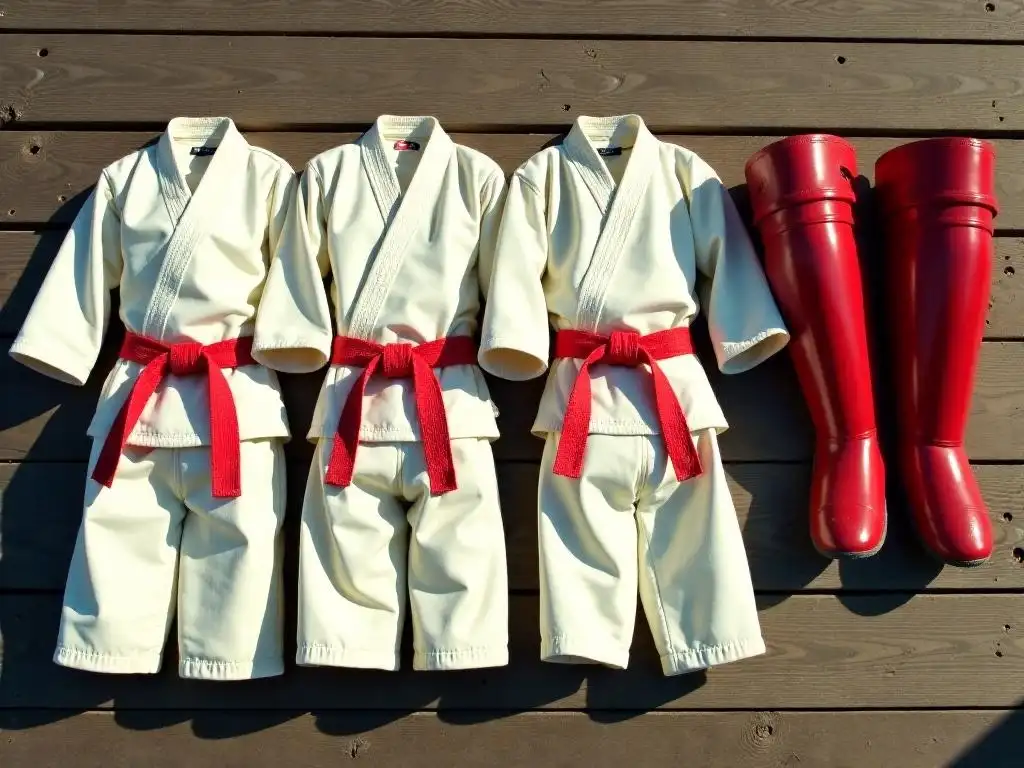
Welcome to Feudal Japan History, where we invite you to embark on a fascinating journey through the captivating era of feudal Japan. Discover the intricate tapestry of historical, cultural, and societal elements that shaped this remarkable period. In this edition, we delve into the essential Martial Arts Gear Buying Guide, exploring how the choice of materials can significantly influence your practice.
Are you curious about what makes the perfect gear for martial arts? Join us as we unpack the pivotal role of material in your training and equip yourself with the knowledge to make informed choices. Your adventure begins here!
- Introduction to Martial Arts Gear Buying Guide
- Types of Martial Arts Gear and Their Materials
- Key Factors to Consider When Buying Martial Arts Gear
- Recommendations for Top Martial Arts Gear Based on Material
- Conclusion: Making an Informed Decision in Your Martial Arts Gear Buying Guide
- Additional Resources for Martial Arts Enthusiasts
- Frequently Asked Questions
- Final Reflection: The Essential Nature of Material in Martial Arts Gear
- Elevate Your Training: Transform Your Gear Today!
Introduction to Martial Arts Gear Buying Guide
The world of martial arts is as diverse as the techniques and philosophies it embodies. As practitioners, whether novice or expert, understanding the nuances of martial arts gear is essential for both performance and safety. This comprehensive buying guide aims to delve into the pivotal role that material plays in martial arts equipment, helping enthusiasts make informed decisions when selecting their gear.
From traditional uniforms to protective equipment, the right material can significantly affect comfort, durability, and overall effectiveness in training and competition. By exploring various types of martial arts gear and the materials used in their construction, this guide will equip you with the knowledge necessary to choose the right equipment tailored to your specific martial art and personal needs.
Understanding the Importance of Material in Martial Arts Equipment
The material used in martial arts gear is a crucial factor that can influence not only performance but also the longevity of the equipment. Different martial arts require unique gear that must withstand the rigors of training and sparring. Here are some key considerations regarding materials:
- Durability: High-quality materials can withstand frequent use and physical contact, reducing the likelihood of wear and tear.
- Comfort: The right fabric can enhance comfort, allowing for greater mobility and reducing the risk of injury.
- Protection: Protective gear, such as pads and helmets, need to be made from materials that can effectively absorb impact and safeguard against injuries.
- Breathability: Materials that allow air circulation can keep practitioners cool during intense training sessions.
To illustrate the importance of material, consider the difference between cotton and polyester in martial arts uniforms. While cotton offers breathability, polyester is often more durable and resistant to wear, making it a better choice for rigorous training.
Overview of Different Types of Martial Arts Gear
Martial arts gear encompasses a wide range of equipment, each designed for specific purposes and crafted from various materials. Below is an overview of common types of martial arts gear and the materials typically used:
- Uniforms (Gi):
- Cotton: Offers comfort and breathability, ideal for traditional practices.
- Polyester: Provides durability and moisture-wicking properties, suitable for intensive training.
- Protective Gear:
- Foam Padding: Commonly used in headgear and body protectors for impact absorption.
- Leather: Often used for high-quality shin guards and gloves due to its durability.
- Training Equipment:
- Mats: Made from vinyl or foam, essential for safe practice and sparring.
- Bags: Heavy-duty materials like canvas or synthetic fibers are preferred for durability.
- Footwear:
- Martial Arts Shoes: Typically made from lightweight fabrics with rubber soles for grip and flexibility.
By understanding the different types of martial arts gear and the materials used in their construction, you can make informed choices that will enhance your training experience and performance in the dojo or on the mat.
Types of Martial Arts Gear and Their Materials
Traditional Martial Arts Uniforms (Gi)
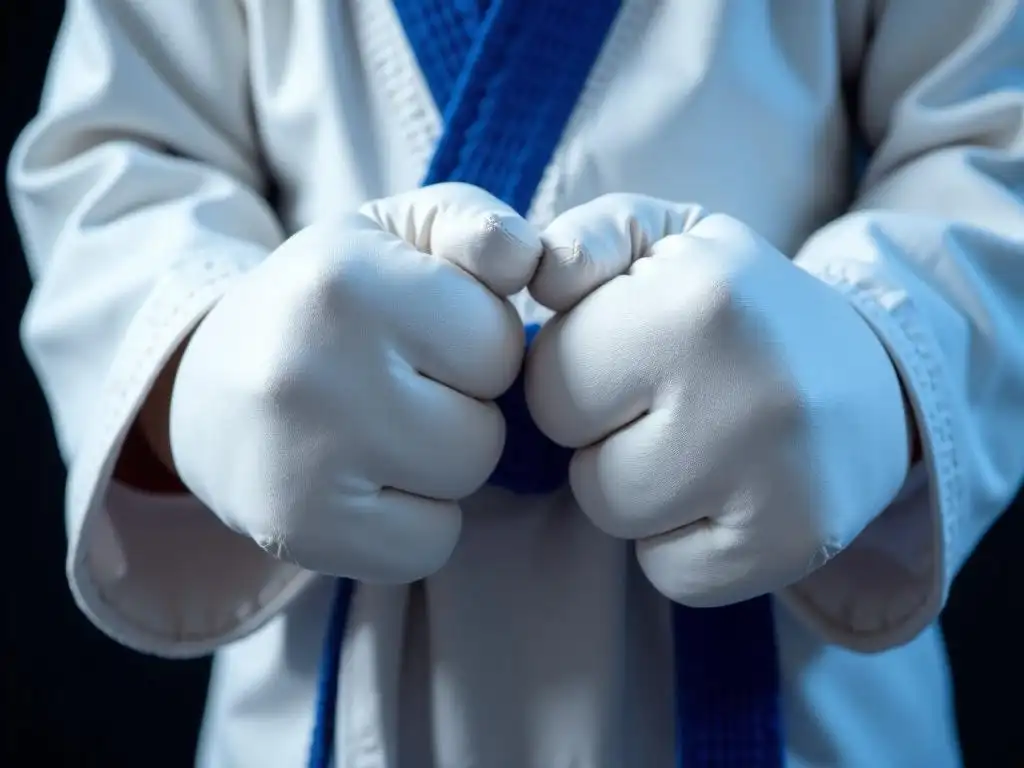
The Gi is the traditional uniform worn by practitioners of many martial arts, including Judo, Karate, and Aikido. The material used in a Gi can significantly influence performance, comfort, and even the practitioner's experience during training and competition.
Cotton vs. Polyester: Which Fabric is Best for Your Gi?
When choosing a Gi, one of the most critical decisions revolves around the fabric. The two primary materials used are cotton and polyester.
- Cotton:
- Breathability: Cotton is renowned for its breathability, making it comfortable for extended training sessions.
- Softness: Over time, cotton becomes softer with washing, enhancing comfort.
- Traditional Appeal: Many purists prefer cotton for its traditional aesthetic and feel.
- Durability: However, cotton can wear out faster than synthetic alternatives, especially under rigorous training conditions.
- Polyester:
- Durability: Polyester is generally more durable and resistant to tearing and fading, making it ideal for intense training.
- Moisture Wicking: This fabric often features moisture-wicking properties, keeping practitioners dry and comfortable.
- Cost-Effective: Polyester options tend to be more affordable, making them a popular choice for beginners.
Ultimately, the choice between cotton and polyester depends on personal preference, training intensity, and budget considerations.
The Benefits of Lightweight vs. Heavyweight Fabrics
When selecting a Gi, practitioners must also consider the weight of the fabric.
- Lightweight Gi:
- Flexibility: Lightweight Gi is perfect for fast-paced martial arts like Taekwondo, where quick movements are crucial.
- Comfort in Heat: These uniforms are ideal for training in hot weather or for athletes who sweat profusely.
- Less Restrictive: They allow for greater freedom of movement, enhancing performance.
- Heavyweight Gi:
- Durability: Heavyweight Gi offers increased durability, making them suitable for grappling arts like Judo.
- Traditional Look: The thicker fabric provides a more traditional appearance and is often favored in competitions.
- Better for Control: In some martial arts, the weight can assist in grappling situations, providing better handling and control.
Choosing between lightweight and heavyweight Gi ultimately depends on the martial art practiced and the preferred training environment.
Protective Gear
Protective gear is essential in martial arts to minimize the risk of injury during sparring and competitions. The materials used in protective equipment can greatly impact safety, comfort, and effectiveness.
Materials Used in Sparring Gear: Foam, Leather, and Synthetic Options
Sparring gear is typically made from three types of materials, each with its own advantages and disadvantages:
- Foam:
- Lightweight: Foam is a popular choice due to its lightweight nature, allowing for ease of movement.
- Shock Absorption: It offers excellent shock absorption, reducing the impact of strikes.
- Variety of Densities: Available in varying densities, foam can be tailored for specific forms of sparring.
- Leather:
- Durability: Leather is renowned for its durability and ability to withstand heavy use.
- Comfort: Over time, leather gear molds to the shape of the user, providing a customized fit.
- Aesthetic Appeal: Many practitioners appreciate the classic, professional look of leather gear.
- Synthetic Options:
- Cost-Effective: Synthetic materials are often more affordable than leather while offering decent protection.
- Water Resistant: These materials can be resistant to moisture and easier to clean.
- Varied Performance: The performance of synthetic materials can vary widely, so it’s essential to choose high-quality options.
How Material Affects Durability and Comfort in Protective Equipment
The choice of material in protective gear not only influences durability but also affects overall comfort:
- Durability: High-quality materials tend to last longer, which is crucial for practitioners who train frequently. For instance, leather gear can endure years of use with proper care, while lower-grade foam may degrade quickly.
- Comfort: The fit and feel of protective gear can enhance or hinder performance. Foam gear, while lightweight, might not offer the same level of comfort and protection as leather. Conversely, well-fitted leather can provide both durability and comfort but may require a breaking-in period.
The material of martial arts gear plays a pivotal role in enhancing the training experience, impacting factors such as comfort, durability, and overall performance. Practitioners should carefully consider these elements when making their purchasing decisions, ensuring they choose gear that best suits their individual needs and preferences.
Training Weapons
Training weapons are essential tools in martial arts, serving both as practice instruments and as means to develop skills, techniques, and overall combat readiness. These weapons can include a variety of items, such as swords, staffs, knives, and more, each with specific purposes in different martial arts styles. The choice of training weapons often depends on the martial art being practiced, the level of expertise, and personal preferences.
The materials used in the construction of training weapons significantly influence their effectiveness, durability, and safety. As martial artists engage in repetitive training, the quality and type of material can affect how well they can execute techniques and how safely they can practice with others. Understanding the distinctions between various materials is vital for selecting the right training weapons that suit an individual’s training goals and safety requirements.
Wood vs. Synthetic Materials: Choosing the Right Training Weapons
When it comes to training weapons, two primary material categories often come into play: wood and synthetic materials. Each has its advantages and disadvantages that can impact a martial artist's training experience.
- Wooden Training Weapons:
- Authenticity: Wooden weapons, such as bokken (Japanese wooden swords) or bo staffs, provide a traditional feel and are often preferred for their authenticity in styles like Kendo, Aikido, and Filipino martial arts.
- Weight and Balance: Wood generally offers a weight and balance that mimics that of metal weapons, allowing practitioners to develop muscle memory effectively.
- Durability: While wooden weapons can be durable, they are susceptible to splintering and breaking under extreme stress or improper handling.
- Synthetic Training Weapons:
- Safety: Many synthetic weapons are designed with safety in mind, often featuring softer edges and flexible materials that reduce the risk of injury during practice.
- Durability: Synthetic materials, such as fiberglass or high-density foam, are less likely to break compared to wood, making them ideal for intense training sessions.
- Cost-Effectiveness: Synthetic training weapons often come at a lower price point and may require less maintenance than their wooden counterparts.
Choosing between wood and synthetic materials ultimately depends on the practitioner's goals, the martial art being studied, and the level of contact practiced. Each material type has its place in training, and many martial artists find value in using both for different aspects of their training regimen.
The Impact of Material Quality on Performance and Safety
The quality of the material used in training weapons plays a critical role in both performance and safety. High-quality materials can enhance training outcomes by providing the right balance, weight, and feel, which are essential for developing skills accurately.
- Performance:
- Weight Distribution: A well-crafted training weapon with proper weight distribution allows martial artists to perform techniques more effectively. Poorly balanced weapons can hinder practice and lead to the development of bad habits.
- Grip and Control: The material quality also affects how a weapon feels in hand. High-quality grips provide better control and reduce slippage during training, enhancing overall performance.
- Safety:
- Injury Prevention: Weapons made from inferior materials may break more easily, potentially causing injury to the user or training partner. High-grade materials, particularly in synthetic options, are designed to absorb impact and reduce the likelihood of accidents.
- Durability under Stress: Quality materials provide durability, ensuring that the weapon can withstand rigorous training without compromising safety. This is especially important when practicing techniques that involve strikes or contact.
Selecting martial arts training weapons made from high-quality materials—whether wood or synthetic—is crucial for enhancing performance while ensuring safety during practice. Martial artists should carefully consider these factors when choosing their training gear to optimize their training experience.
Key Factors to Consider When Buying Martial Arts Gear
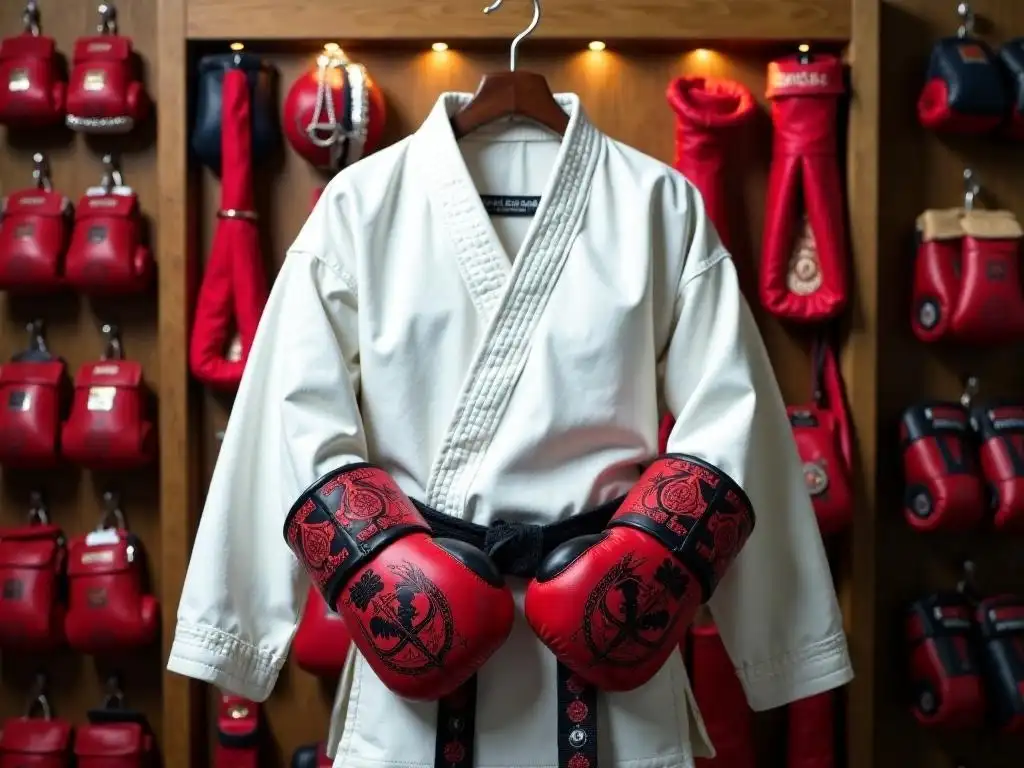
When selecting martial arts gear, several key factors come into play that can significantly influence your training experience and overall performance. Understanding these factors is essential for making informed purchasing decisions that cater to your specific needs and preferences. Here are the primary considerations:
- Material Quality: The type of material used in martial arts gear is crucial for both performance and safety. High-quality materials not only last longer but also provide better protection and comfort during practice.
- Fit and Comfort: Proper fit is vital to ensure unrestricted movement. Martial arts gear should allow for flexibility and ease of movement, which can be influenced by the material's properties.
- Purpose of Use: Different martial arts have varying gear requirements. For instance, a gi used in judo may differ significantly in material and design from a karate uniform or a taekwondo dobok.
- Care and Maintenance: Some materials require special care and handling. Understanding how to maintain your gear can prolong its lifespan and performance.
Importance of Material Quality in Performance and Safety
The quality of materials used in martial arts gear directly impacts both performance and safety. High-performance gear tends to incorporate advanced fabric technologies that enhance flexibility, breathability, and moisture-wicking capabilities. For example, synthetic materials such as polyester blends offer durability and resistance to wear while remaining lightweight.
Conversely, lower-quality materials can compromise safety during training. For instance, poorly constructed protective gear may fail to absorb impact effectively, increasing the risk of injury. Thus, investing in quality materials not only enhances your training experience but also ensures you are adequately protected against potential accidents.
- Breathability: Gear that allows for airflow helps maintain a comfortable body temperature, reducing the risk of overheating during intense training sessions.
- Impact Resistance: Protective gear, such as shin guards or headgear, should be made from high-quality foam or gel materials to absorb shocks effectively.
- Durability: Quality materials resist tearing and wear, which is particularly critical in high-contact martial arts.
Understanding Different Weaves and Their Impacts on Durability
The weave of the fabric used in martial arts gear can significantly affect its durability and performance. Common weaves include:
- Single Weave: This lighter, less expensive option is suitable for beginners but may not withstand rigorous training over time.
- Double Weave: A more durable option, double weave fabric offers greater resistance to tearing and is ideal for more advanced practitioners.
- Ripstop: This weave incorporates a reinforcement technique that prevents tearing and is excellent for high-impact martial arts.
Each weave has its own set of benefits and drawbacks. For example, while a single weave gi may be comfortable and lightweight, it may not provide the longevity required for regular use. On the other hand, a double weave gi can be heavier but offers superior durability and protection.
Price vs. Quality: How Material Influences Cost
When evaluating martial arts gear, it's crucial to balance price and quality. While high-quality materials often come at a premium price, they can offer significant benefits that justify the investment.
| Material Type | Price Range | Durability | Best Use |
|---|---|---|---|
| Cotton | Low to Medium | Moderate | Traditional martial arts uniforms |
| Polyester Blend | Medium | High | Versatile training and competition gear |
| Ripstop Fabric | Medium to High | Very High | High-impact martial arts |
| Synthetic Leather | Medium to High | High | Protective gear |
Opting for cheaper alternatives may seem appealing initially, but the long-term costs associated with frequent replacements can outweigh the savings. A well-made piece of gear can provide years of service, enhancing your training and performance over time.
Understanding the interplay between material quality, weave types, and pricing will empower you to make informed decisions when purchasing martial arts gear. Prioritize quality to enhance both your training experience and safety on the mat.
Recommendations for Top Martial Arts Gear Based on Material
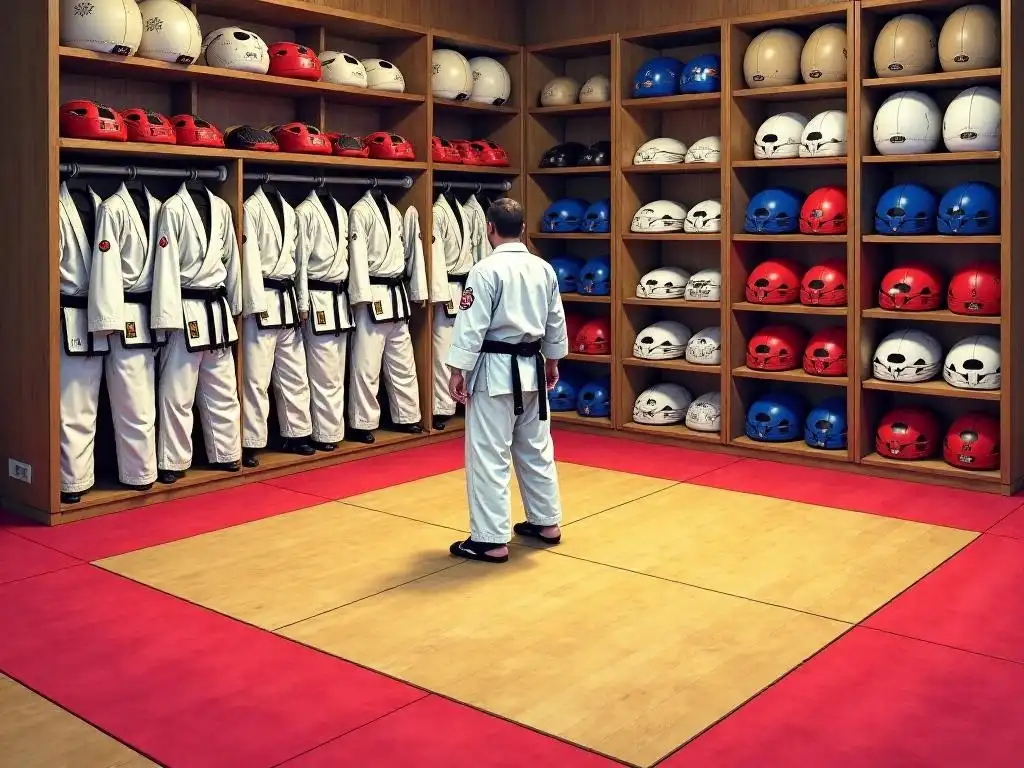
Best Martial Arts Gi Based on Fabric Type
When it comes to selecting a martial arts gi, the fabric type plays a crucial role in performance, comfort, and durability. Here are some of the best options based on fabric type:
- Cotton Gi
- Pros: Breathable and comfortable, cotton gi are ideal for beginners. They are soft against the skin and allow for a full range of motion.
- Cons: They can shrink when washed and may require more maintenance to keep them looking crisp.
- Recommendation: The Fuji Sports Classic Gi offers a great balance of comfort and durability, making it a favorite among practitioners.
- Polyester-Cotton Blend
- Pros: This fabric offers the best of both worlds: the breathability of cotton and the durability of polyester. It is less prone to wrinkling and shrinking.
- Cons: Some may find it less breathable compared to 100% cotton options.
- Recommendation: The Hayabusa Pro Gi is highly regarded for its moisture-wicking properties and durability.
- Ripstop Fabric
- Pros: Known for its resistance to tearing and ripping, ripstop fabric is excellent for grappling martial arts. It provides a lightweight feel while maintaining strength.
- Cons: It may not have the same softness as cotton.
- Recommendation: The Venum Contender Gi is a popular choice among jiu-jitsu practitioners for its strength and lightweight design.
- Canvas Gi
- Pros: Extremely durable and designed for heavy training, canvas gi provide excellent protection during rigorous sparring sessions.
- Cons: They can be heavier and less flexible than other fabric types.
- Recommendation: The Koral Classic Gi is favored for its durability and longevity in tough training environments.
Best Protective Gear Made from High-Quality Materials
Protective gear is essential in martial arts to ensure safety during training and competition. Here are some top recommendations based on material quality:
- Foam Padding
- Pros: Lightweight and shock-absorbing, foam padding is commonly used in headgear and body protectors. It offers a good balance of comfort and protection.
- Cons: May wear down over time and require replacement.
- Recommendation: The RDX Head Guard is made of high-quality foam, providing excellent protection without compromising visibility.
- Gel Padding
- Pros: Gel-infused materials offer superior shock absorption and comfort, making them ideal for high-impact training.
- Cons: Gel padding can sometimes be bulkier than foam options.
- Recommendation: The Everlast Gel Training Gloves are a standout for their cushioning and comfort during extended use.
- Synthetic Leather
- Pros: Durable and easy to clean, synthetic leather is often used in shin guards and gloves. It’s designed to withstand wear and tear while providing a professional appearance.
- Cons: Less breathable than fabric options, which may lead to overheating during intense workouts.
- Recommendation: The Fairtex Shin Guards combine synthetic leather with a robust design, making them popular among fighters.
- High-Density Foam
- Pros: Offers exceptional protection for high-impact training and sparring, particularly in chest and body protectors.
- Cons: Can be heavier and may restrict movement if not properly fitted.
- Recommendation: The Century Heavy Bag is known for its high-density foam, ensuring safety during intense training sessions.
Best Training Weapons by Material Type
Choosing the right training weapons is essential for developing skills while minimizing injury risk. Below are recommendations based on material type:
- Wooden Weapons
- Pros: Traditional and widely used in various martial arts, wooden weapons offer a realistic training experience. They are durable and provide good feedback during practice.
- Cons: Can be heavy and may cause injury if proper techniques are not followed.
- Recommendation: The Aikido Bokken is a classic choice, known for its balance and craftsmanship.
- Foam Training Weapons
- Pros: Lightweight and safe, foam weapons are perfect for beginners and children. They reduce the risk of injury during sparring.
- Cons: They may not provide the same tactile feedback as wooden or metal weapons.
- Recommendation: The Sparring Foam Nunchaku is designed for safety while allowing practitioners to learn techniques effectively.
- Metal Weapons
- Pros: Offering more realism and weight, metal weapons are useful for advanced practitioners. They simulate the feel of actual combat.
- Cons: Higher risk of injury and require careful handling.
- Recommendation: The Katana Practice Sword is an excellent choice for those looking to enhance their skills with a realistic training tool.
- Plastic Training Weapons
- Pros: Affordable and lightweight, plastic weapons are suitable for introductory training and can withstand heavy use.
- Cons: They may lack realism and durability compared to other materials.
- Recommendation: The Plastic Bo Staff is a great entry-level option for students learning basic techniques.
By carefully considering the materials used in martial arts gear, practitioners can make informed choices that enhance their training experience and safety.
Conclusion: Making an Informed Decision in Your Martial Arts Gear Buying Guide
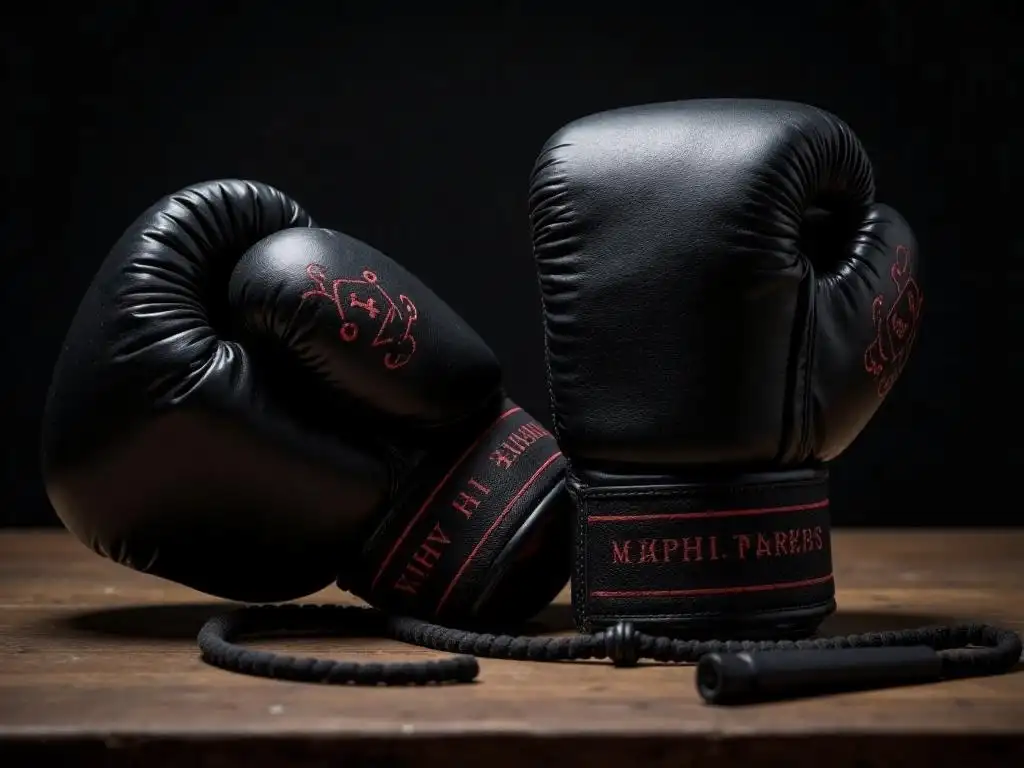
As you navigate the complex landscape of martial arts gear, understanding the significance of material choices is crucial in making an informed decision. The right gear not only enhances your training experience but also ensures safety and longevity. By considering the various materials available for different types of martial arts equipment, you can select gear that aligns with your specific needs, style, and budget.
Recap of Key Material Considerations
When evaluating martial arts gear, it’s essential to keep the following material characteristics in mind:
- Durability: Look for materials that withstand wear and tear over time. For instance, synthetic fibers like polyester and nylon are often used in uniforms and training gear due to their resilience.
- Comfort: The gear should feel good during practice. Cotton blends are popular for their breathability and softness, making them ideal for extended training sessions.
- Protection: Protective gear, such as shin guards or headgear, should be made of materials that offer a balance between flexibility and impact resistance. Common choices include high-density foam and polycarbonate.
- Weight: Lighter materials can enhance mobility, while heavier options may provide better protection. For example, vinyl is often used in gloves for its durability without adding excessive weight.
- Moisture-wicking properties: Training can be intense, and materials that wick away sweat, such as polyester blends, can keep you dry and comfortable throughout your workout.
Here’s a quick table summarizing these key material considerations:
| Material | Durability | Comfort | Protection | Weight | Moisture-wicking |
|---|---|---|---|---|---|
| Cotton | Moderate | High | Low | Heavy | Low |
| Polyester | High | Moderate | Moderate | Light | High |
| Nylon | High | Moderate | Moderate | Light | Moderate |
| Vinyl | High | Low | High | Light | Low |
| Foam | Moderate | Moderate | High | Varies | Low |
Encouragement to Test Gear Before Purchase
Before committing to a purchase, it is highly recommended to test gear whenever possible. This hands-on approach allows you to assess the fit, comfort, and overall feel of the equipment. Here are some practical tips for testing martial arts gear:
- Visit Local Stores: If feasible, go to a physical store to try on different types of gear. Pay attention to how it fits and moves with your body.
- Check for Returns and Exchanges: When buying online, ensure the retailer has a clear return policy. This way, if the gear doesn’t meet your expectations, you can easily exchange it for something that does.
- Ask for Recommendations: Speak with instructors or fellow practitioners about their experiences with different brands and materials. Personal insights can guide you toward better choices.
- Participate in Demos: Some stores or martial arts studios may offer demo days where you can test gear in action. Take advantage of these opportunities to get a feel for the equipment.
Making an informed decision when it comes to martial arts gear requires careful consideration of materials and personal testing. By being diligent in your research and hands-on assessments, you can find the right gear that enhances your training experience and supports your martial arts journey.
Additional Resources for Martial Arts Enthusiasts
Links to Trusted Retailers for Martial Arts Gear
When it comes to purchasing martial arts gear, selecting the right retailer can significantly influence your training experience. Below are some trusted retailers that specialize in quality martial arts equipment:
- Martial Arts Superstore
- Offers a wide range of gear for various disciplines, including karate, judo, taekwondo, and more.
- Specialties: Uniforms, protective gear, and training equipment.
- Website: Martial Arts Superstore
- Century Martial Arts
- Known for their durable gear and training aids, perfect for both beginners and seasoned practitioners.
- Specialties: Focus mitts, kicking pads, and martial arts weapons.
- Website: Century Martial Arts
- Title Boxing
- Although primarily focused on boxing, they offer excellent gear applicable to martial artists.
- Specialties: Boxing gloves, punching bags, and fitness accessories.
- Website: Title Boxing
- Amazon
- A convenient option with a vast selection of martial arts gear, often with customer reviews to help guide your choices.
- Specialties: Affordable prices and wide variety.
- Website: Amazon Martial Arts Gear
- Local Martial Arts Schools
- Many schools sell gear directly or can recommend trusted suppliers, allowing you to support local businesses while ensuring quality.
Suggested Reading on Martial Arts History and Techniques
To deepen your understanding of the historical and technical aspects of martial arts, consider exploring the following resources:
-
"The Book of Five Rings" by Miyamoto Musashi
This classic text by the legendary swordsman provides profound insights into strategy and martial philosophy.
-
"A History of Japanese Martial Arts" by Donn F. Draeger
This comprehensive book covers the evolution of martial arts in Japan, highlighting key figures and styles.
-
"The Tao of Jeet Kune Do" by Bruce Lee
Bruce Lee’s seminal work offers a blend of martial arts philosophy and practical techniques, emphasizing personal expression in martial practice.
-
"Martial Arts in the Modern World"
This anthology explores how martial arts have adapted to contemporary society while retaining traditional values.
-
"The Essence of Budo: Samurai Philosophy for Modern Times" by Tomita Tetsuzan
This book delves into the philosophical underpinnings of various martial arts, making it a valuable read for practitioners looking to understand the deeper meanings behind their training.
These resources not only enhance your knowledge but also provide context for the gear you choose, deepening your appreciation for the martial arts journey.
Frequently Asked Questions
What materials are commonly used in martial arts gear?
The most common materials include cotton, polyester, and leather. Each material has its unique properties that cater to different training needs and comfort levels.
How should I choose martial arts gear based on my training style?
When selecting gear, consider your training style. For instance, karate practitioners may prefer lightweight and breathable fabrics, while judo athletes might need thicker, more durable materials for grappling.
Why is the material important in martial arts gear?
The material affects not only the durability and comfort of the gear but also its performance during training. Choosing the right material can enhance your movement and protection.
Are there specific brands known for quality martial arts gear?
Yes, brands like Mizuno, Adidas, and Everlast are renowned for their high-quality martial arts gear. These brands often focus on material innovation to ensure optimal performance.
How can I ensure the gear fits properly?
To ensure a proper fit, always refer to the size chart provided by the manufacturer. Consider trying gear on or ordering from a retailer with a good return policy to find the best fit for your needs.
Final Reflection: The Essential Nature of Material in Martial Arts Gear
Understanding the significance of material in martial arts gear is more relevant now than ever. As practitioners seek to enhance their performance and safety, the right equipment becomes a critical factor in their training and competition. The materials used in gear not only affect durability and comfort but also influence the overall experience of martial artists, making it imperative to choose wisely. In a world where quality can make all the difference, the right gear can elevate a martial artist's journey.
Culture and community in martial arts are deeply intertwined with the gear we choose. The materials we select for our uniforms, gloves, and protective equipment reflect our commitment to the discipline and respect for tradition. As we continue to evolve in our practices, the importance of understanding these materials grows. The gear we wear is not just a shield; it is an extension of our spirit.
This ongoing dialogue about gear not only shapes our training but also fosters a sense of belonging within the martial arts community, bridging generations of practitioners.
As you reflect on your own martial arts journey, consider how the right gear can empower you to reach new heights. Take a moment to evaluate your current equipment and think about how it aligns with your goals and values. Whether you are a seasoned practitioner or just starting, remember that investing in quality gear is investing in yourself. Embrace the lessons learned from this guide and let them inspire you to make informed choices that will enhance your practice and honor the art you love.
Elevate Your Training: Transform Your Gear Today!
Thank you for exploring our comprehensive guide on the essential role that materials play in martial arts gear. We hope you found valuable insights to enhance your training experience and enable you to make informed decisions about your practice. Now it’s time to take the next step and elevate your martial arts journey.
Here’s how you can get started:
- Revamp Your Gear: Take a moment to evaluate your current equipment and **consider investing in high-quality materials** that will enhance your performance and ensure your safety.
- Explore & Research: Visit specialized stores or online platforms to discover the latest innovations in martial arts gear. **Compare options and find the perfect fit for your style! **
- Share Your Knowledge: Connect with fellow martial arts enthusiasts. **Engage in conversations** about gear choices and experiences—your insights could inspire someone else's journey!
What aspect of martial arts gear do you believe has the most significant impact on performance?