
The Role of Rice in the Samurai Economy: More than Just a Staple


Welcome to Feudal Japan History, where we invite you to embark on a captivating journey through the intricate tapestry of Japan's feudal era. Here, you’ll uncover the profound connections between the samurai economy and rice, revealing how this staple food shaped not just livelihoods, but the very fabric of society itself. Why was rice so much more than mere sustenance for the samurai?
Dive into our latest article, “The Role of Rice in the Samurai Economy: More than Just a Staple,” and discover the hidden layers of economic dynamics that fueled this legendary warrior class. Your exploration of history begins now—let curiosity lead the way!
Introduction to the Samurai Economy and Rice
The samurai economy of feudal Japan was a complex system intricately linked to agriculture, culture, and social hierarchy. Central to this economy was rice, a staple food that held far more significance than mere sustenance. Rice served as a symbol of wealth, power, and social status, shaping the lives of samurai and peasantry alike.
Understanding the multifaceted role of rice in this historical context offers a comprehensive insight into how it influenced not just the economy, but also the societal structures of feudal Japan. This article will explore the vital connection between rice and the samurai economy, delving into its historical significance and cultural implications.
Overview of the Samurai Economy in Feudal Japan
The samurai economy emerged during the Kamakura period (1185-1333) and continued to evolve until the Edo period (1603-1868). It was characterized by a feudal system where land ownership and agricultural production dictated wealth and power. The samurai class, composed of warriors and nobility, relied on the agricultural output of their vassals, primarily peasants, to sustain their status and lifestyle.
- Land Ownership: The samurai were granted control over land, which they administered and protected in exchange for loyalty and military service.
- Taxation System: Peasants paid taxes in rice, which was the primary currency of the samurai economy, reinforcing the connection between agriculture and wealth.
- Military Obligations: The economy was also driven by the need to support military campaigns, where resources, including rice, were crucial for provisioning troops.
Rice not only sustained the samurai but also facilitated trade and commerce, creating a dynamic economic landscape in feudal Japan.
Significance of Rice in Japanese Culture and Society
Rice in Japan transcended its role as a basic food item; it was deeply embedded in the cultural and spiritual life of the people.
- Cultural Symbolism: Rice is often associated with prosperity and fertility in Japanese culture. Festivals, rituals, and ceremonies frequently celebrate rice as a sacred crop.
- Social Hierarchy: The quality and quantity of rice produced were indicators of social status, with samurai enjoying higher quality rice than commoners.
- Religious Importance: Rice is integral to Shinto practices, where it is used in offerings to deities, symbolizing the connection between the land and the divine.
The reverence for rice within Japanese culture highlights its significance beyond mere economic value, reinforcing its role as a cornerstone of Japanese identity.
Historical Context of Rice in the Samurai Economy
To fully grasp the importance of rice in the samurai economy, it is essential to examine the agricultural foundations and the socio-political implications of rice production.
The Agricultural Foundations of Feudal Japan
Agriculture, particularly rice cultivation, was the backbone of feudal Japan's economy. The introduction of wet rice farming techniques enabled more efficient production, which in turn supported larger populations and the growth of towns.
- Irrigation Systems: Advanced irrigation methods allowed for increased rice yields, which were crucial for sustaining the samurai class and their retainers.
- Rural Communities: Peasant communities were organized around rice farming, creating a labor force that was vital for agricultural output.
- Seasonal Cycles: The agricultural calendar dictated the rhythm of life, with planting and harvesting seasons shaping both economic and social activities.
Rice farming established a foundation for the entire feudal system, linking the samurai to the peasantry in a cycle of dependency and mutual obligation.
Rice as a Measure of Wealth and Power
In feudal Japan, rice was not only a dietary staple but also a critical measure of wealth and power. The amount of rice a samurai could command was indicative of their status within the feudal hierarchy.
- Koku: This unit of measurement represented the amount of rice needed to feed one person for a year and became a standard for assessing wealth.
- Land and Taxation: Land ownership was quantified in koku, with samurai ranks often determined by the amount of rice their lands produced.
- Political Alliances: The distribution of rice during times of famine or war could influence political power dynamics, as the samurai who controlled rice supplies wielded significant influence.
The economic implications of rice were profound, as it directly impacted the social structures and power relations within feudal Japan, solidifying its role as a cornerstone of the samurai economy.
Rice Production and Distribution in the Samurai Era
During the samurai era, rice was not only a fundamental food source but also a key driver of the economy. The production and distribution of rice were intricately linked to the social and political structures of feudal Japan. The cultivation of rice was predominantly carried out in the fertile plains, especially in regions like the Kanto and Kansai. These areas benefitted from the favorable climate and abundant water supply, allowing for substantial rice yields.
The distribution of rice was organized through a network of regional markets, where rice was sold, traded, and transported. Local farmers would often sell their surplus rice to merchants, who then transported it to cities or to other provinces. The movement of rice was regulated by the samurai class, who imposed rules regarding trade routes and market practices to ensure that rice remained a stable and valuable commodity. The system provided a consistent supply of rice to both urban centers and military garrisons, thus solidifying its role in the samurai economy.
Farming Techniques and Innovations in Rice Cultivation
The samurai era saw significant advancements in farming techniques that greatly enhanced rice production. Traditional methods of cultivation were improved through innovations such as:
- Irrigation Systems: The development of complex irrigation systems allowed for more efficient water management, ensuring rice fields received adequate water regardless of rainfall.
- Crop Rotation: Farmers began to implement crop rotation practices, alternating rice with legumes and other crops to maintain soil fertility and reduce pests.
- Seed Selection: The careful selection of rice seeds led to the cultivation of varieties more resistant to disease and better suited to local climates, resulting in higher yields.
- Tools and Equipment: The introduction of improved farming tools, such as the iron plow, enhanced productivity by making tilling and planting more efficient.
These innovations not only increased rice production but also reflected the samurai's strategic view of agriculture as a means to bolster their economic power.
The Role of Daimyos in Rice Production and Management
Daimyos, the powerful feudal lords, played a crucial role in the management of rice production within their domains. They were responsible for overseeing the agricultural practices of their vassals and ensuring that rice was cultivated efficiently. The daimyos established policies to regulate rice production, including:
- Land Management: They allocated land for rice cultivation and enforced laws that governed land use among their samurai and peasant populations.
- Labor Supervision: Daimyos oversaw the labor force, ensuring that farmers met production quotas, which were critical for maintaining their own power and status.
- Resource Allocation: They provided farmers with necessary resources, such as seeds and tools, in exchange for a share of the harvest, typically a percentage of the rice produced.
This hierarchical structure not only facilitated effective rice production but also reinforced the daimyos' economic and political authority over their territories.
Economic Impacts of Rice on Samurai Class
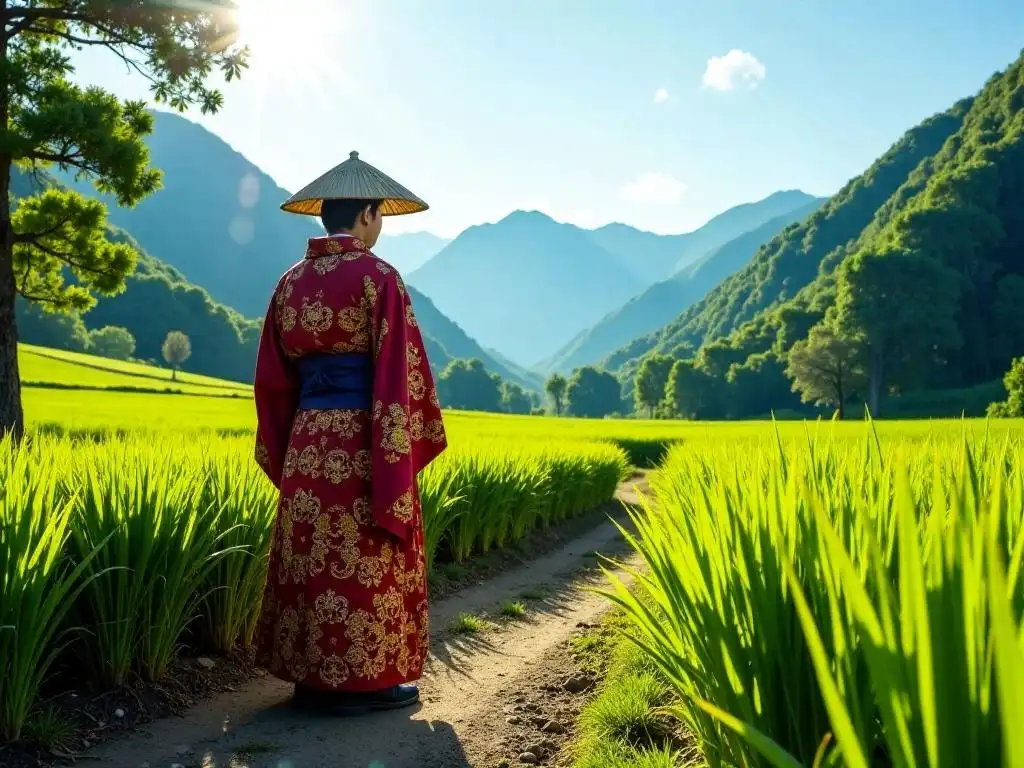
The samurai class was deeply intertwined with the economic dynamics of rice. As landowners and warriors, samurai relied on rice not just for sustenance, but as a cornerstone of their wealth and status. The accumulation and management of rice directly influenced their power and influence within the feudal system.
Rice as Currency: The Koku System Explained
In the samurai economy, rice functioned as a form of currency. The koku, a unit of measurement equivalent to the amount of rice needed to feed one person for a year, became the standard for assessing wealth and taxation. This system allowed for:
- Wealth Measurement: The koku system provided a clear metric for measuring the wealth of daimyos and samurai, with more koku indicating greater status and resources.
- Feudal Obligations: Samurai were often compensated with stipends measured in koku, which determined their social standing and military responsibilities.
- Economic Stability: By using rice as a currency, the samurai economy maintained a level of stability, as rice was a widely accepted commodity with intrinsic value in both local and regional markets.
The koku system was pivotal in establishing the economic framework that supported the samurai class throughout the feudal era.
Taxation and Tribute: Rice’s Role in the Samurai Economy
Rice also played a critical role in the taxation systems of feudal Japan. The collection of rice as tribute was a fundamental aspect of the samurai economy, impacting both local communities and the broader political landscape. Key aspects included:
- Tribute System: Local farmers were required to pay taxes in rice, which were then collected by the daimyos. This tribute system ensured a steady supply of rice to support the samurai class and maintain their military power.
- Redistribution of Resources: Collected rice was often redistributed among the samurai and their retainers, reinforcing loyalty and service in exchange for sustenance and economic security.
- Economic Leverage: Rice taxation allowed daimyos to exert control over their territories, as the ability to provide or withhold rice directly impacted the livelihoods of their subjects.
In essence, rice was not merely a staple food; it was the backbone of the samurai economy, shaping the social and political structures of feudal Japan.
Rice was not merely a staple food in feudal Japan; it played a vital role in the cultural and social fabric of samurai life. As the primary agricultural product, it was intricately linked to the identity and status of the samurai class. The samurai, who were the military elite, regarded rice as a symbol of prosperity and a marker of social hierarchy. A samurai's wealth was often measured by the amount of rice they could produce or control. This connection established rice as a central element of the samurai economy.
Moreover, rice cultivation and consumption were deeply interwoven with various social practices and traditions. For instance, rice was often featured in ceremonial meals, reinforcing social bonds and hierarchy during gatherings. The act of sharing rice carried connotations of loyalty and respect, essential values in samurai culture. Furthermore, the cultivation and harvest of rice were communal activities that fostered collaboration among samurai and their vassals, strengthening their relationships and sense of duty.
Rice in Rituals and Festivals: Cultural Significance
Rice held profound significance in the rituals and festivals of feudal Japan. It was not only a food source but also a sacred symbol of life and fertility. Many Shinto rituals involved rice offerings to deities, highlighting its importance in spiritual practices. These offerings were believed to ensure bountiful harvests and prosperity for the samurai and their domains.
Festivals such as the Inaho Matsuri, celebrated the rice harvest and were characterized by vibrant ceremonies filled with music, dance, and the sharing of rice dishes. During these events, samurai leaders would often showcase their wealth and power through lavish feasts centered around rice. The inclusion of rice in these rituals underscored its status as a sacred commodity, reinforcing the connection between agricultural success and spiritual well-being.
In addition, rice was often used in traditional sake production, further emphasizing its cultural significance. Sake, made from fermented rice, was a crucial element in samurai ceremonies, serving as a communal drink that symbolized unity and camaraderie among warriors.
Daily Life of the Samurai: Rice as a Dietary Staple
In the daily lives of samurai, rice was the cornerstone of their diet. It provided the necessary carbohydrates and energy for the physically demanding lifestyle of the warrior class. Samurai typically consumed rice in various forms, including steamed rice, rice porridge, and rice cakes, often accompanied by vegetables and fish, which complemented their meals nutritionally.
The preparation and consumption of rice also reflected the samurai's disciplined approach to life. The meticulous process of washing, soaking, and cooking rice was viewed as an art form, demonstrating attention to detail and respect for the ingredients. This culinary discipline mirrored the samurai's philosophical ideals, where every aspect of life was approached with seriousness and dedication.
In addition to its nutritional value, rice was often used in social gatherings, where samurai would share meals to reinforce alliances and friendships. The act of eating together was a crucial part of samurai culture, emphasizing loyalty and mutual respect among warriors.
The Decline of the Samurai Economy and Rice's Role
As Japan transitioned from the feudal era to the modern age, the traditional samurai economy began to decline, and the role of rice within it evolved significantly. The socio-political changes during the Meiji Restoration, along with modernization efforts, transformed the agricultural landscape and the economic foundations that had sustained the samurai class for centuries.
Factors Leading to the Decline of Rice as Economic Backbone
Several factors contributed to the decline of rice as the economic backbone of the samurai economy. The Meiji Restoration in 1868 marked a significant shift, as the new government sought to modernize Japan's economy and military. This transition led to the dismantling of the feudal system, which had been heavily reliant on rice production and distribution.
The introduction of Western agricultural techniques and crops diminished the prominence of rice farming. As Japan opened its borders to international trade, the demand for diverse agricultural products increased, leading to a shift in focus away from rice. Moreover, the population growth and urbanization during this period strained agricultural production, making it challenging to maintain the rice economy that had once supported the samurai class.
Additionally, the rise of a cash-based economy decreased the reliance on rice as a medium of exchange. The samurai, who had traditionally received stipends in rice, found themselves grappling with the economic realities of a changing society where currency became the preferred method of transaction.
Transition from Samurai Economy to Modern Japan
The transition from the samurai economy to modern Japan was marked by significant changes in agricultural practices, social structures, and economic paradigms. With the decline of the samurai class, rice lost its status as the primary economic asset. Instead, a more diversified agricultural economy began to emerge, focusing on various crops and industrialization.
In contemporary Japan, rice remains a cultural staple and is celebrated in various forms, but its role in the economy has shifted dramatically. While it is still produced and consumed widely, rice is now part of a broader agricultural system that includes various products and industries, from technology to manufacturing.
The legacy of rice in the samurai economy continues to influence Japanese culture today. Festivals, rituals, and culinary traditions surrounding rice persist, serving as reminders of its historical significance. As Japan evolves, the connection between rice and its feudal past remains a cherished aspect of its cultural heritage, illustrating how the samurai economy and rice were intertwined in shaping the nation's identity.
Conclusion: The Lasting Legacy of Rice in the Samurai Economy

The significance of rice in the samurai economy extends far beyond mere sustenance; it is a cornerstone of Japanese culture and identity that has shaped historical narratives and social structures. Rice was not only a staple food but also served as a form of currency and a measure of wealth, influencing land ownership and the power dynamics among the samurai class and the peasantry. The rice economy created a complex web of relationships, where the samurai, as landowners, relied on the agricultural productivity of their vassals to maintain their status and military obligations.
This legacy is evident in the cultural practices that arose around rice cultivation and consumption. Festivals, rituals, and agricultural techniques have been passed down through generations, reflecting rice's deep-seated importance in Japanese society. The samurai's management of rice transformed it into a symbol of prosperity and stability, further embedding it into the socio-political fabric of feudal Japan. The cultivation of rice became a reflection of the samurai's ethos, embodying values such as diligence, honor, and the connection to the land.
Reflection on the Cultural Importance of Rice in Japanese History
Rice has long been revered in Japan, not only as a food source but also as a cultural icon. Its historical role as a staple food has fostered a unique relationship between the Japanese people and their land, shaping various aspects of their cultural identity. In ancient times, rice was associated with the divine; rice paddies were viewed as sacred spaces, and rituals centered on rice planting and harvesting were conducted to ensure bountiful yields.
In the context of the samurai, rice was more than sustenance; it was a critical marker of social status and power. The samurai were expected to protect and manage the land, which included overseeing rice production. This connection elevated rice to a position of reverence, influencing art, poetry, and literature throughout Japanese history. Traditional practices, such as the tea ceremony, often emphasize the importance of rice and its role in fostering social bonds and cultural expression.
Final Thoughts on the Samurai Economy and Its Impact on Modern Japan
The samurai economy, with rice at its core, laid the groundwork for many aspects of modern Japanese society. The intricate systems of agriculture, trade, and social hierarchy established during the feudal era have evolved but retain echoes of their historical roots. Rice continues to be a staple in contemporary Japanese cuisine, symbolizing not only nourishment but also cultural continuity.
Understanding the samurai economy and its reliance on rice provides valuable insights into Japan's historical development and cultural practices. The legacy of rice, as a vital economic resource, has transcended its practical applications, influencing social structures and cultural traditions that persist today.
The samurai's approach to rice cultivation and management offers lessons in sustainability, community engagement, and respect for the land, which resonate in modern agricultural practices and societal values in Japan. The relationship between rice and the samurai is a testament to the enduring impact of historical economies on contemporary life, making it clear that rice is indeed more than just a staple; it is a symbol of Japan's rich heritage.
- Introduction to the Samurai Economy and Rice
- Historical Context of Rice in the Samurai Economy
- Rice Production and Distribution in the Samurai Era
- Economic Impacts of Rice on Samurai Class
- Cultural and Social Aspects of Rice in Samurai Life
- The Decline of the Samurai Economy and Rice's Role
- Conclusion: The Lasting Legacy of Rice in the Samurai Economy
- Reflection on the Cultural Importance of Rice in Japanese History
- Final Thoughts on the Samurai Economy and Its Impact on Modern Japan
Frequently Asked Questions
What was the significance of rice in the samurai economy?
Rice was a central element of the samurai economy, serving not only as a staple food but also as a form of currency and a measure of wealth.
How did the samurai class influence rice production?
The samurai class implemented land reforms and established rice taxes, which increased the efficiency of rice production and ensured their economic power.
What role did rice play in samurai culture?
Rice was deeply embedded in samurai culture, symbolizing prosperity and status, and was an essential part of various rituals and ceremonies.
How did the feudal system affect rice distribution?
The feudal system created a hierarchical structure where rice was distributed based on social class, with samurai receiving a significant share as part of their land grants.
What were the economic consequences of rice in feudal Japan?
The reliance on rice led to economic stability but also vulnerability to crop failures, impacting the entire societal structure and leading to uprisings in times of scarcity.
Final Reflection: The Enduring Legacy of Rice in the Samurai Economy
The intricate relationship between rice and the samurai economy remains profoundly relevant today, illustrating how a simple staple can shape social structures and cultural identities. As we navigate an increasingly complex world, understanding the historical significance of rice not only enriches our knowledge of the past but also highlights the enduring impact of agricultural practices on societal development. The samurai economy, with rice at its core, serves as a powerful reminder of how essential resources can dictate power dynamics and cultural values.
The influence of rice in the samurai economy extends beyond mere sustenance; it has woven itself into the very fabric of Japanese culture and identity. The reverence for rice is evident in rituals, traditions, and even language, showcasing its role as a symbol of prosperity and stability. Rice is life,
a saying that resonates deeply within Japanese society, encapsulates the profound connection between this grain and the people who have cultivated it for centuries. The legacy of rice continues to shape contemporary discussions around food security, sustainability, and cultural heritage, reminding us of the importance of preserving our agricultural roots.
As we reflect on the lessons from the samurai economy, let us consider how we can apply these insights in our own lives. Take a moment to appreciate the resources that sustain you and recognize the historical narratives that shape our present.
Whether it’s advocating for sustainable agricultural practices or embracing the cultural significance of food in your community, each action contributes to a larger tapestry of understanding and respect for our shared history. Embrace the wisdom of the past as we move forward, ensuring that the lessons learned from the samurai economy and its relationship with rice continue to inspire future generations.
Unlock the Secrets of the Samurai Economy Today!
Thank you for diving into the fascinating world of the samurai economy with us! You've uncovered how rice was not just a staple, but the beating heart of their society. Now, let's harness this knowledge and take action to further explore this captivating history.
- Dive deeper into your research: Visit your local library or explore online resources to find unique materials on feudal Japan and its economy. You'll uncover stories that will enrich your understanding and appreciation!
- Share your insights: Discuss what you've learned with friends or in online communities. Engaging others will deepen your comprehension and may inspire new discussions.
- Explore related topics: Investigate various aspects of samurai life, such as agriculture, trade, or social hierarchy, to broaden your perspective on this dynamic era.
What aspect of the samurai economy intrigues you the most, and how will you explore it further? We eagerly await your thoughts in the comments!