
Martial Arts as Education: The Discipline Behind the Sword

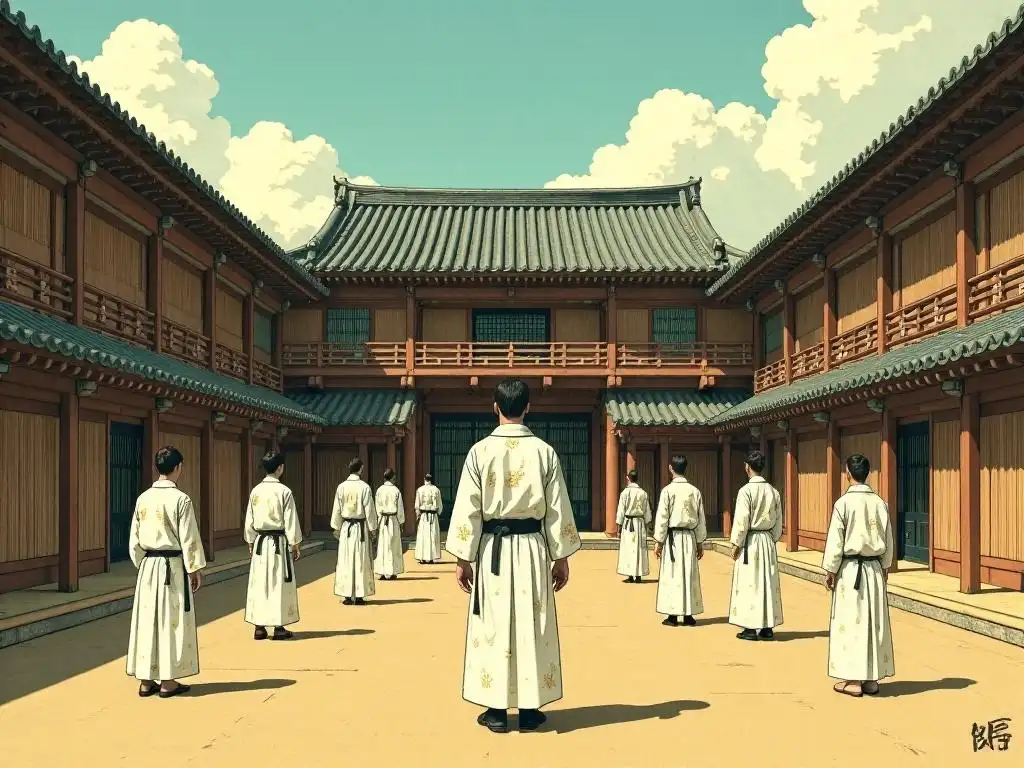
Welcome to Feudal Japan History, where we invite you to embark on a journey through the captivating tapestry of Japan’s feudal era. Here, you will uncover the profound impact of martial arts education in Japan, a discipline that shaped not only warriors but the very fabric of society. Dive into our featured article, "Martial Arts as Education: The Discipline Behind the Sword," and discover how the rigorous training of the samurai transcended mere combat, instilling values of honor, respect, and perseverance. Prepare to explore the intricate layers of history that define this remarkable period—your adventure awaits!
- Introduction to Martial Arts Education in Japan
- Historical Context of Martial Arts Education
- Cultural Significance of Martial Arts Education
- Structure of Martial Arts Education
- Benefits of Martial Arts Education
- Challenges in Martial Arts Education
- Conclusion: The Lasting Legacy of Martial Arts Education in Japan
-
Frequently Asked Questions
- What is the historical significance of martial arts in feudal Japan?
- How did martial arts contribute to the education system in feudal Japan?
- What are some key martial arts forms that originated in feudal Japan?
- How did martial arts training evolve after the feudal era?
- What role do martial arts play in modern Japanese education?
- Final Reflection: The Transformative Power of Martial Arts Education
- Embrace the Discipline: Transform Your Journey!
Introduction to Martial Arts Education in Japan
Martial arts education in Japan is a profound and multifaceted subject that delves deep into the historical, cultural, and societal aspects of the nation's feudal era. This exploration reveals how martial arts were not merely a means of combat but also a vital educational system that shaped the character, discipline, and values of its practitioners.
From the rigorous training of samurai to the communal practices of dojo, martial arts served as a cornerstone of personal and social development. Understanding this education system provides insights not only into the martial techniques themselves but also into the broader context of Japanese society during the feudal period, where honor, respect, and discipline were paramount.
Overview of Martial Arts in Japanese History
Martial arts in Japan have a rich and storied history that dates back centuries, evolving alongside the nation's tumultuous social and political landscape. During the feudal era, various forms of martial arts emerged, each with its distinct techniques and philosophies.
- Samurai Training: The samurai, Japan's warrior class, were at the forefront of martial arts education. They practiced techniques such as Kenjutsu (swordsmanship), Iaijutsu (the art of drawing the sword), and Sojutsu (spear fighting), which were integral to their training and lifestyle.
- Influence of Zen Buddhism: The principles of Zen Buddhism heavily influenced martial arts, emphasizing mental discipline and focus. This spiritual aspect transformed martial training into a holistic educational experience, fostering both physical prowess and inner peace.
- Development of Traditional Schools: Various martial arts schools, or ryuha, emerged throughout Japan, each teaching unique styles and philosophies. Notable examples include the Katori Shinto-ryu and the Tenshin Shoden Katori Shinto-ryu, which laid the groundwork for many modern martial arts practices.
As martial arts became more formalized, they also transitioned into systems of education that included not just combat skills but also moral teachings, emphasizing respect, humility, and perseverance.
Importance of Discipline in Martial Arts Training
Discipline is the backbone of martial arts training in Japan, serving as a critical component not only in mastering techniques but also in developing character. This importance can be observed in several key areas:
- Structured Training Regimens: Martial arts training involves rigorous schedules and protocols, teaching students the value of commitment and consistency. Practitioners often engage in repetitive drills to hone their skills, which instills a sense of discipline that extends beyond the dojo.
- Cultivation of Respect: The dojo environment fosters respect for instructors (sensei) and fellow students, creating a culture where discipline is paramount. Bowing at the start and end of each class, for example, is a tradition that reinforces mutual respect and humility.
- Mental Fortitude: The discipline required in martial arts extends to mental training, where practitioners learn to overcome challenges, manage stress, and maintain focus. This mental discipline is crucial not only in martial arts but also in various aspects of life, contributing to personal growth and resilience.
Martial arts education in Japan encapsulates a profound blend of historical significance, cultural values, and the essential discipline that shapes individuals into well-rounded practitioners. It is this intricate relationship between martial arts and education that continues to resonate in contemporary Japanese society, preserving the legacy of the feudal era while adapting to modern contexts.
Historical Context of Martial Arts Education
The Origins of Martial Arts in Feudal Japan
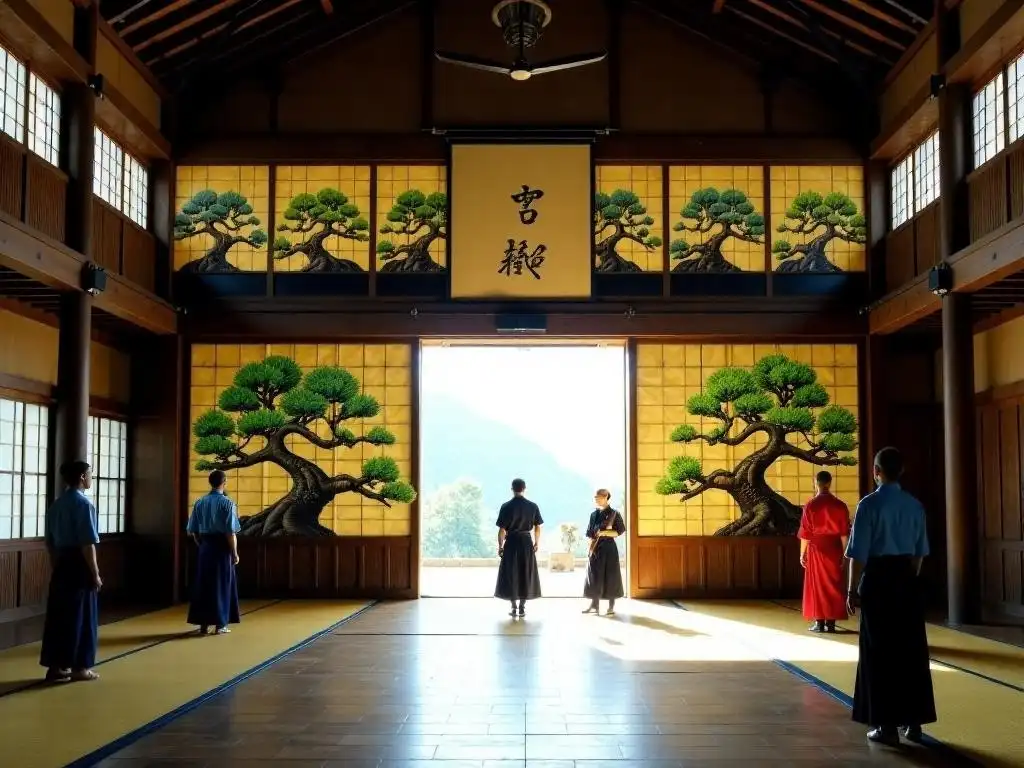
Martial arts in feudal Japan have their roots deeply embedded in the necessity for self-defense, military training, and the cultivation of discipline among warriors. Emerging around the 12th century, these combat practices were initially developed by the samurai class, who were required to master various techniques for warfare. The earliest forms of martial arts, such as Kenjutsu (sword techniques) and Sojutsu (spear techniques), were taught through oral tradition and practical demonstrations, often within the confines of a lord's estate.
The influence of Buddhism and the philosophy of Bushido, the samurai code of conduct, played a pivotal role in shaping martial arts education. These teachings emphasized not only physical prowess but also mental discipline, moral integrity, and respect for life. As a result, martial arts began to evolve into a system of education that encompassed both combat skills and ethical training, laying the groundwork for the martial arts education system that would develop in subsequent centuries.
The Role of Samurai in Shaping Martial Arts Education
The samurai were not only warriors but also educators and philosophers. They recognized the importance of martial arts education in maintaining social order and instilling discipline among the populace. Samurai clans established dojo (training halls) where both noble and common individuals could learn martial arts, reflecting a societal shift toward the formalization of training.
- Key Contributions of Samurai:
- Development of structured training methods.
- Establishment of koryu (traditional schools) to systematize knowledge.
- Promotion of martial arts as a means of personal development and civic responsibility.
The samurai's dedication to martial arts education extended beyond mere fighting techniques; they integrated principles of strategy, psychology, and ethics into their teachings. This holistic approach ensured that students not only learned how to wield a weapon but also understood the philosophy behind their actions, fostering a sense of honor and responsibility.
Evolution of Martial Arts Schools During the Edo Period
The Edo period (1603-1868) marked a significant transformation in martial arts education, characterized by political stability and the rise of the merchant class. During this time, martial arts schools proliferated, and a variety of styles emerged, each with unique techniques and philosophies.
- Notable Developments:
- Formalization of Styles: Schools like Muso Jikiden Eishin-ryu (Iaijutsu) and Itto-ryu (Kenjutsu) became prominent, each emphasizing different aspects of combat training.
- Incorporation of Philosophy: Schools began to integrate more philosophical teachings, often drawing from Zen Buddhism to enhance the mental aspects of training.
- Cultural Exchange: As martial arts became more accessible to the general populace, the exchange of techniques and ideas flourished, leading to the hybridization of styles.
In addition, martial arts education during the Edo period began to include competitions and demonstrations, which helped to popularize the practice and attract new students. The emphasis on discipline, respect, and honor remained central, ensuring that martial arts education continued to serve as a vital component of Japanese culture.
Overall, the evolution of martial arts education in feudal Japan reflects a rich tapestry of historical, cultural, and societal influences, shaping not only the warriors of the time but also the broader Japanese ethos that values discipline and respect in all pursuits.
Cultural Significance of Martial Arts Education
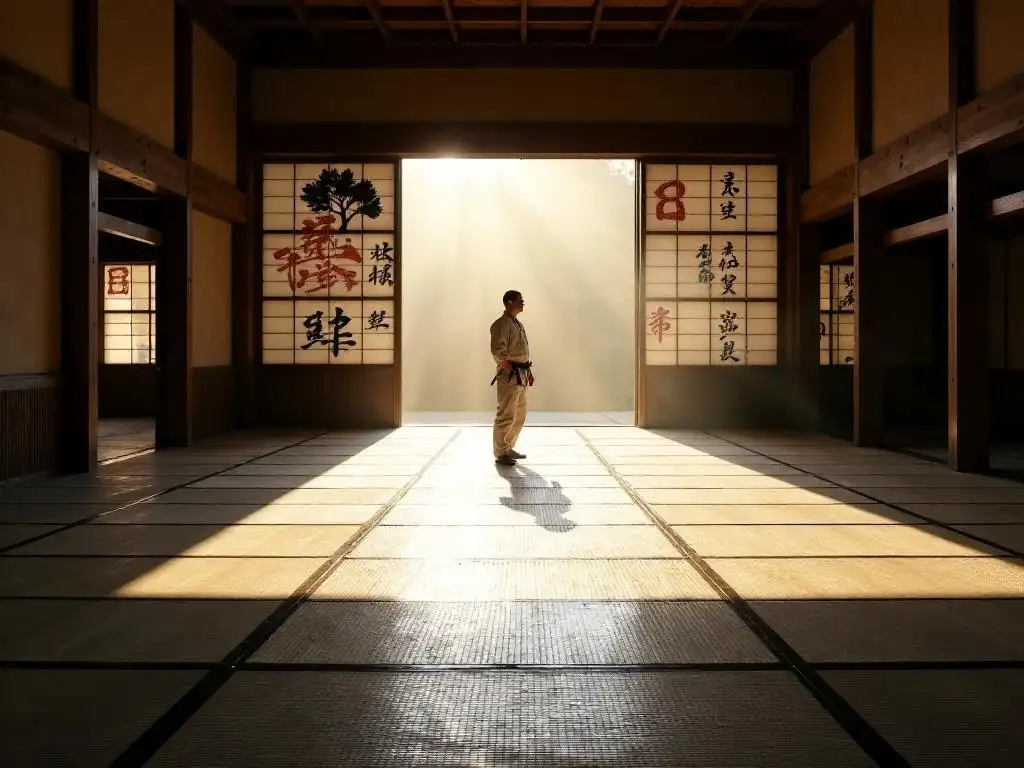
Martial arts education in Japan has long been intertwined with the nation’s cultural ethos, serving not only as a means of physical training but also as a vital component of character development and societal values. This multifaceted approach distinguishes Japanese martial arts from mere combat sports, emphasizing discipline, respect, and self-improvement as core tenets.
The practice of martial arts in Japan has historical roots that stretch back to the samurai class, where training was considered essential for mastering the art of war. However, as society evolved, so did the purpose of martial arts. Today, it is recognized as a holistic educational system that nurtures both mind and body. This dual focus has significant implications for personal development, fostering resilience, focus, and ethical conduct.
Martial Arts as a Tool for Character Development
Martial arts education serves as a powerful tool for character development, instilling core values that transcend the dojo and permeate everyday life. The structured environment of martial arts training promotes the following aspects:
- Discipline: Students learn to adhere to a rigorous training schedule, fostering a sense of responsibility and commitment.
- Respect: Bowing to instructors and fellow students cultivates mutual respect, a fundamental aspect of Japanese culture.
- Perseverance: The challenges faced during training encourage resilience, teaching students to confront and overcome obstacles.
- Self-Control: Practicing martial arts requires students to manage their emotions, particularly in high-pressure situations, enhancing their self-regulation skills.
Through these principles, martial arts education in Japan nurtures well-rounded individuals who can navigate both personal and social challenges effectively.
The Philosophical Foundations of Martial Arts in Japan
The philosophical underpinnings of martial arts in Japan are deeply rooted in traditional values and teachings. Central to this philosophy is the concept of Bushi no nasake (武士の情け), which translates to the "compassion of the warrior." This idea emphasizes:
- Harmony: Martial arts practitioners are taught to seek harmony within themselves and with their surroundings, aligning with the broader cultural appreciation for balance.
- Self-Reflection: Training encourages introspection, allowing students to understand their strengths and weaknesses, crucial for personal growth.
- The Way of the Warrior: Known as Bushido (武士道), the "Way of the Warrior" embodies principles such as loyalty, honor, and courage, shaping not only martial artists but also citizens who contribute positively to society.
These philosophical foundations impart a sense of purpose and direction, influencing how practitioners interact with others and approach life's challenges.
Influence of Zen Buddhism on Martial Arts Training
Zen Buddhism has significantly influenced martial arts training in Japan, providing a spiritual framework that complements physical practice. Key aspects of this influence include:
- Mindfulness: Zen teaches practitioners to be present in the moment, a principle that is vital during martial arts training. This mindfulness enhances focus and performance, helping students react instinctively in combat situations.
- Meditation: Many martial arts schools incorporate meditation practices, allowing students to cultivate mental clarity and emotional stability.
- Non-Attachment: Zen philosophy encourages non-attachment to outcomes, promoting a mindset where practitioners learn to appreciate the journey of training rather than fixating on winning or losing.
The integration of Zen Buddhism into martial arts education fosters a comprehensive approach that enhances both physical prowess and mental acuity, allowing practitioners to develop a profound understanding of themselves and their art.
Martial arts education in Japan is not merely about physical combat skills; it encompasses a rich tapestry of cultural significance, character development, philosophical depth, and spiritual influence. This holistic approach ensures that martial arts remain a vital aspect of Japanese culture, shaping individuals who are disciplined, respectful, and resilient.
Structure of Martial Arts Education
Traditional Dojo: The Heart of Martial Arts Learning
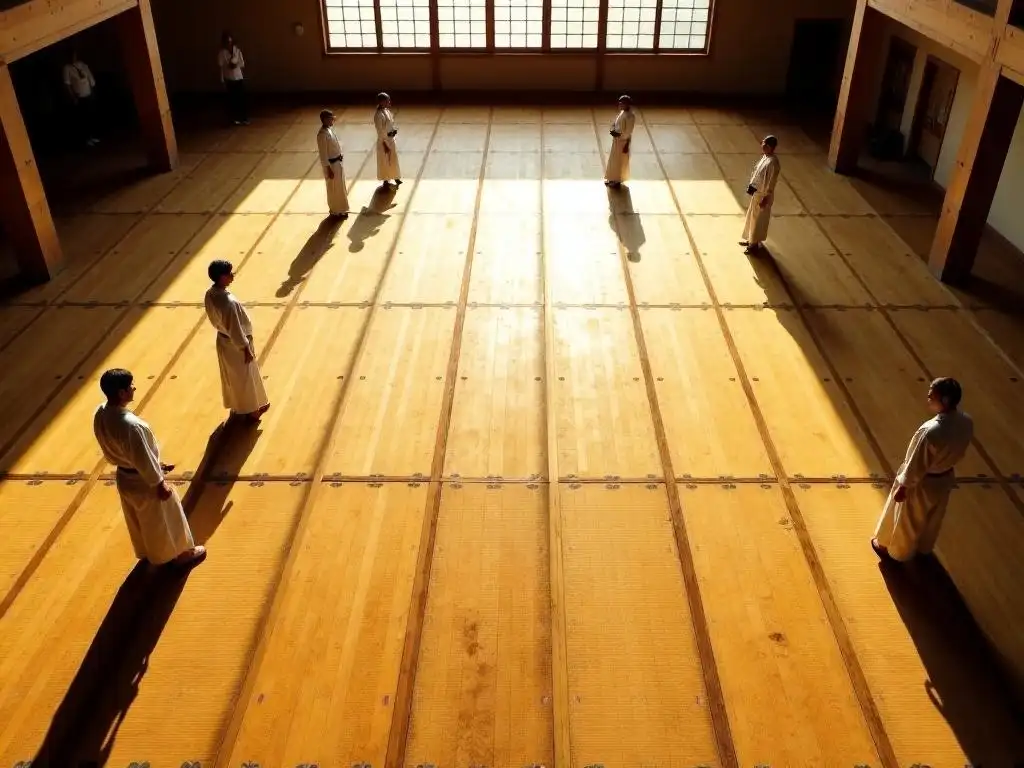
The dojo serves as the fundamental environment for martial arts education in Japan, embodying a unique blend of tradition, discipline, and culture. Originating from the Japanese term dōjō, which translates to "place of the way," the dojo is more than just a training facility; it is a sanctuary where martial artists cultivate their skills and character.
Key Elements of a Dojo
- Physical Layout: A traditional dojo typically features tatami mats, which provide a safe and comfortable surface for training. The layout often includes a designated area for practice and an altar or shrine (usually called shrine to the martial arts gods) where practitioners pay respect to the martial arts heritage.
- Atmosphere of Respect: Upon entering, practitioners must bow to show respect to the dojo and their instructors. This ritual establishes a mindset of discipline and humility, foundational elements of martial arts education.
- Community and Camaraderie: The dojo fosters a sense of belonging among students. Practitioners train together, share experiences, and support one another, creating a tight-knit community aimed at personal and collective growth.
The dojo environment is crucial in teaching martial arts not just as a physical discipline but as a way of life. Students learn values such as respect, perseverance, and self-control, which extend far beyond the training mat.
Curriculum of Martial Arts Training in Japan
The curriculum of martial arts training in Japan is diverse, reflecting the rich tapestry of different styles and philosophies that have developed over centuries. Each martial art has its unique focus, but they all share common educational principles.
Common Components of the Curriculum
- Kihon (Basics): Mastery of fundamental techniques is essential in martial arts education. Students begin with kihon, where they learn basic stances, strikes, and movements. This stage lays the groundwork for more advanced techniques.
- Kata (Forms): Kata involves performing pre-arranged sequences of movements that simulate combat scenarios. This practice enhances muscle memory, precision, and understanding of timing and distancing. Through kata, students also gain insight into the philosophical aspects of their martial art.
- Kumite (Sparring): Sparring is a critical aspect of martial arts education, allowing students to apply their techniques in a controlled environment. It encourages quick thinking and adaptability, as well as the ability to assess one's strengths and weaknesses against an opponent.
- Philosophical Studies: Many martial arts schools incorporate lessons on the history and philosophy of their art, often rooted in Zen Buddhism and samurai culture. This component emphasizes mental discipline and ethical conduct, reinforcing the understanding that martial arts is as much a mental pursuit as a physical one.
The comprehensive curriculum ensures that students not only develop their physical abilities but also cultivate a disciplined mindset, essential for both martial arts practice and life.
The Role of Sensei in Martial Arts Education
In martial arts education, the sensei, or instructor, plays a pivotal role in shaping the learning experience. The relationship between a sensei and their students (often referred to as deshi) is built on mutual respect and trust.
Responsibilities of a Sensei
- Instructor: The primary duty of a sensei is to impart knowledge and skills. They guide students through the intricacies of techniques, correcting mistakes and providing constructive feedback to enhance performance.
- Mentor: Beyond technical instruction, senseis serve as mentors, helping students navigate personal challenges and fostering their growth as individuals. This mentorship often includes discussions on philosophy, ethics, and the broader implications of martial arts training.
- Role Model: Senseis embody the principles of their martial art, serving as living examples of discipline, respect, and humility. Their behavior sets the standard for students, influencing not only their martial arts practice but also their character development.
The sensei-student dynamic is integral to martial arts education in Japan, reinforcing the cultural importance of guidance, respect, and tradition within the martial arts community. This relationship ensures that students are not only trained in fighting techniques but are also nurtured as disciplined individuals.
Benefits of Martial Arts Education
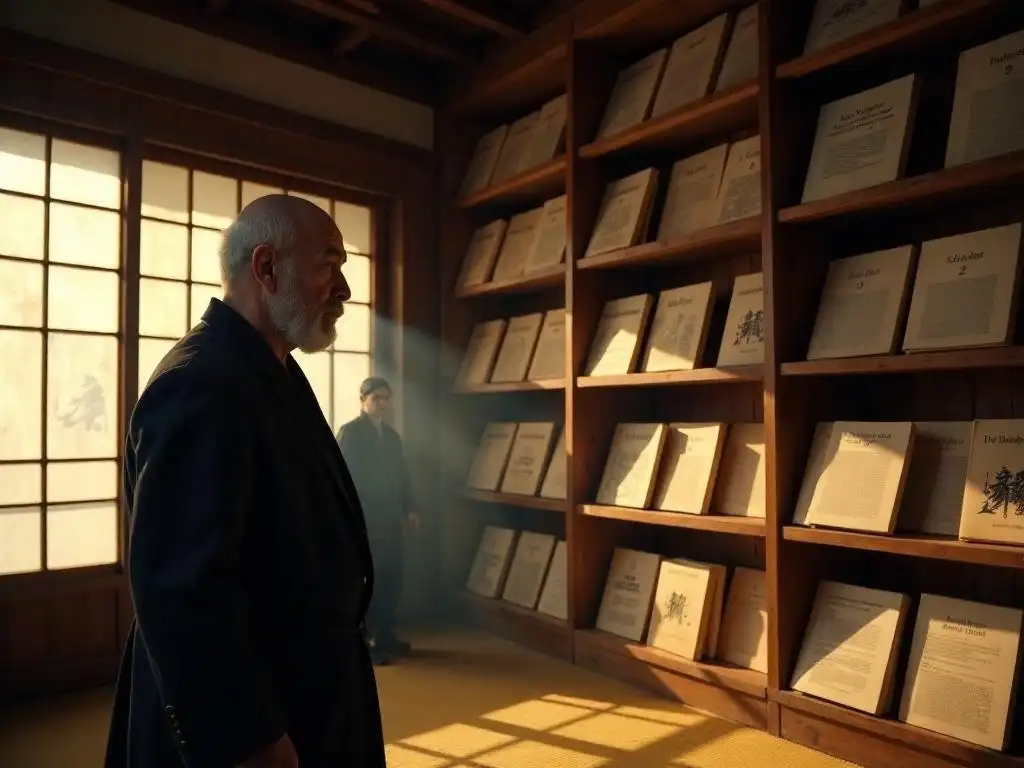
Martial arts education in Japan extends beyond mere combat skills; it encompasses a range of physical, mental, and social benefits that contribute to the holistic development of individuals. Through rigorous training and discipline, practitioners gain invaluable life skills that serve them well both on and off the dojo floor. Below, we explore the various advantages of martial arts education in detail.
Physical Benefits: Health and Fitness
Engaging in martial arts education provides numerous physical benefits that are crucial for maintaining overall health and fitness.
- Cardiovascular Health: Regular training in martial arts significantly improves cardiovascular endurance. Activities such as sparring, kata (forms), and drills elevate the heart rate, promoting better blood circulation and heart health.
- Strength and Flexibility: Practitioners develop increased muscle strength and flexibility through various techniques and movements. The dynamic stances and extensive range of motion required in martial arts help tone muscles and enhance flexibility, reducing the risk of injury.
- Coordination and Balance: Martial arts training emphasizes coordination and balance, which are essential for executing techniques effectively. The practice of complex movements fosters body awareness and improves motor skills.
- Weight Management: Regular engagement in martial arts can aid in weight management. The high-intensity workouts burn calories and help maintain a healthy body composition.
- Self-Defense Skills: Beyond fitness, martial arts education equips practitioners with self-defense skills, enhancing their ability to protect themselves in potentially dangerous situations.
Mental Benefits: Focus and Discipline
Martial arts education is not only about physical prowess; it also cultivates essential mental benefits that contribute to personal growth and character development.
- Enhanced Concentration: The practice of martial arts requires intense focus and concentration. Students learn to block out distractions, which translates into improved attention spans in academic and professional settings.
- Discipline and Self-Control: Training in martial arts instills a sense of discipline. Practitioners must adhere to rigorous training regimens, follow rules, and respect instructors and peers, fostering self-control that can be applied in various life situations.
- Stress Relief: Engaging in martial arts provides an effective outlet for stress relief. The physical activity releases endorphins, creating a sense of well-being and helping to alleviate anxiety and tension.
- Confidence and Self-Esteem: Progressing through the ranks and mastering techniques leads to a boost in confidence and self-esteem. As practitioners achieve their goals, they develop a strong sense of self-worth.
- Problem-Solving Skills: The strategic nature of martial arts requires practitioners to think critically and solve problems quickly, enhancing cognitive flexibility and decision-making abilities.
Martial arts education fosters a strong sense of community and camaraderie among practitioners, enriching their social experiences.
- Building Relationships: Training together creates bonds among students and instructors, fostering friendships and a supportive community. This sense of belonging can be particularly beneficial for young practitioners.
- Teamwork and Cooperation: Many martial arts involve partner drills and group activities, emphasizing the importance of teamwork. Practitioners learn to work collaboratively, developing interpersonal skills that are valuable in all aspects of life.
- Cultural Appreciation: Engaging in martial arts education often involves learning about the rich history and culture of Japan. This cultural immersion promotes respect for diversity and enhances global awareness among practitioners.
- Mentorship Opportunities: Instructors often take on mentorship roles, guiding students not only in martial arts techniques but also in life skills. This mentorship fosters a sense of responsibility and leadership in more advanced practitioners.
- Community Involvement: Many martial arts schools encourage community service and participation in local events, further strengthening community ties and fostering a sense of civic responsibility among practitioners.
Martial arts education in Japan offers a comprehensive range of benefits that extend far beyond physical self-defense. The discipline cultivated through martial arts training fosters health, mental fortitude, and strong social connections, making it a valuable pursuit for individuals of all ages.
Challenges in Martial Arts Education
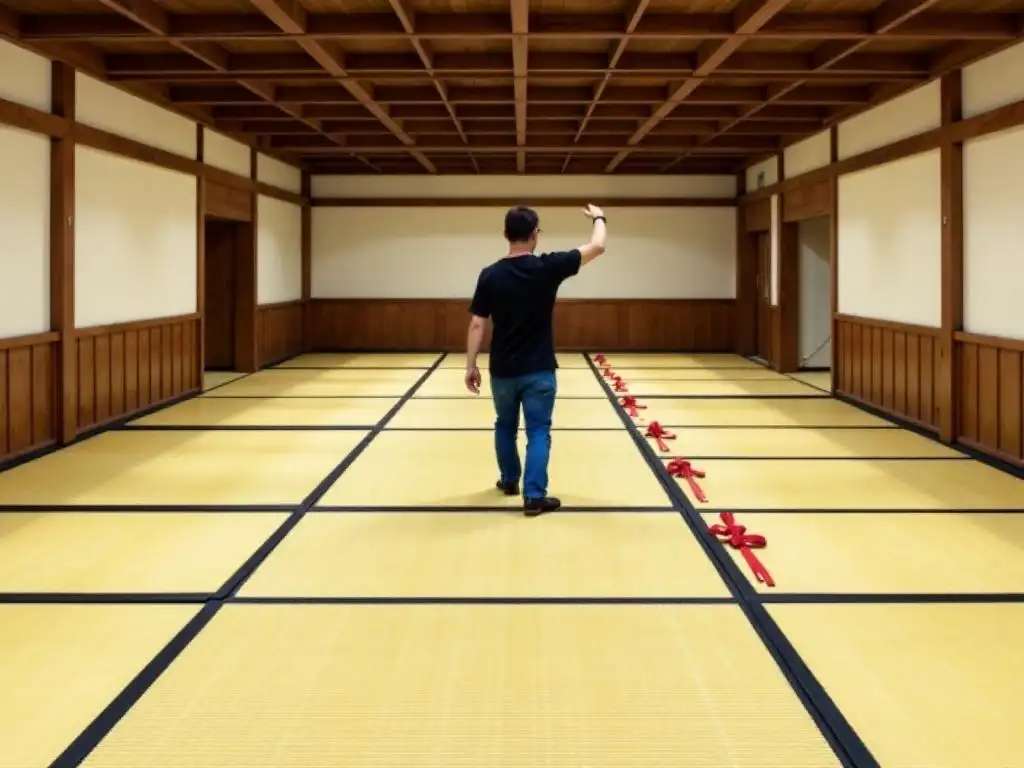
Modernization and Its Impact on Traditional Practices
The modernization of Japan, particularly during the Meiji Restoration and the subsequent Taisho and Showa periods, profoundly affected martial arts education. Traditional practices, which once flourished in secluded dojos, faced challenges from the rapid industrialization and Westernization that characterized this era.
As Japan opened up to the world, martial arts began to incorporate new techniques and philosophies. This shift was both beneficial and detrimental. On one hand, it allowed for the integration of diverse martial disciplines, enriching the traditional practices with fresh perspectives. On the other hand, the essence of traditional martial arts, such as Budo, which emphasizes not only physical prowess but also moral development and discipline, sometimes became diluted.
Moreover, schools began to prioritize competitive aspects over holistic education. The introduction of tournaments and formal grading systems shifted the focus from mastery of the art to achieving ranks and accolades, leading to a perception that martial arts were merely sports. As a result, many practitioners began to lose sight of the original philosophical and ethical tenets that underpinned these ancient practices.
Balancing Tradition with Contemporary Learning Approaches
In the face of modernization, martial arts educators in Japan are now tasked with the delicate balance of preserving tradition while embracing contemporary learning methodologies. This duality can be observed in various dojos across the country, where instructors blend time-honored techniques with modern pedagogical strategies.
Educators are increasingly utilizing technology to enhance the learning experience. For example, video analysis tools allow students to study their techniques closely, promoting self-awareness and improvement. Furthermore, online platforms have made martial arts education more accessible, enabling students from different regions to learn from expert instructors without geographical constraints.
However, the challenge remains to ensure that these modern techniques do not overshadow the core values of martial arts education. Instructors are encouraged to foster an environment where philosophical teachings are as emphasized as physical training. This can involve integrating discussions on ethics, respect, and perseverance into the curriculum, helping students to appreciate the deeper significance of their training.
Addressing Misconceptions About Martial Arts Training
Despite its rich history and cultural significance, martial arts education in Japan is often clouded by misconceptions. A prevalent misunderstanding is that martial arts training solely focuses on combat skills and physical strength. In reality, martial arts education encompasses a broad spectrum of personal development.
Most schools emphasize discipline, respect, and self-control as fundamental components of their training. The rigorous training routines instill a sense of perseverance and resilience, qualities that extend beyond the dojo and into everyday life. For instance, students learn to embrace failure as a stepping stone to success, a lesson that is invaluable both in martial arts and personal endeavors.
Additionally, there is a misconception that martial arts are exclusively for young, physically fit individuals. In truth, many dojos offer programs for practitioners of all ages and skill levels. By adapting training methods to accommodate various needs, martial arts education promotes inclusivity and lifelong learning.
Ultimately, addressing these misconceptions is crucial for fostering a deeper understanding and appreciation of martial arts education in Japan. By educating the public about the comprehensive benefits of martial arts, practitioners can help ensure that these ancient traditions continue to thrive in modern society.
Conclusion: The Lasting Legacy of Martial Arts Education in Japan
The legacy of martial arts education in Japan is profound, impacting not only the individuals who practice these disciplines but also the broader social fabric of Japanese society. This education, rooted in centuries of tradition, has evolved into a multifaceted system that encompasses physical training, mental discipline, and moral development. As we reflect on this legacy, we see how martial arts have transcended their original function of warfare, becoming a vital means of personal growth and cultural identity.
Reflections on the Future of Martial Arts Education
As we look to the future, the role of martial arts education in Japan continues to adapt to contemporary society's challenges and values.
- Integration with Modern Education: Schools are increasingly recognizing the benefits of martial arts as a tool for character development, discipline, and physical fitness. Programs that incorporate martial arts training are gaining traction, fostering a holistic approach to education.
- Globalization of Japanese Martial Arts: The international interest in martial arts, particularly disciplines such as Judo, Karate, and Aikido, has led to a proliferation of schools and practitioners outside of Japan. This globalization prompts a reflection on how traditional practices can be adapted while preserving their core values.
- Technological Advancements: With the rise of digital platforms, martial arts education is now accessible to a wider audience through online classes and virtual training. This innovation presents both opportunities and challenges, as instructors must balance traditional teachings with modern methodologies.
- Cultural Preservation vs. Modernization: There is an ongoing dialogue within the martial arts community about maintaining traditional practices while also embracing change. This balance is crucial in ensuring that the essence of martial arts education is preserved for future generations.
The Enduring Influence of Martial Arts in Japanese Culture
Martial arts have ingrained themselves deeply into the cultural identity of Japan, influencing various aspects of society beyond the dojo.
- Art and Performance: The aesthetics of martial arts have inspired countless artistic expressions, from traditional theater such as Noh and Kabuki to contemporary films and anime. The choreography of martial arts movements often finds its way into these art forms, showcasing the elegance and discipline inherent in their practice.
- Philosophical Foundations: The teachings of martial arts often reflect broader philosophical concepts found in Buddhism, Shintoism, and Confucianism. Values such as respect, humility, and perseverance are integral to both martial arts and Japanese culture, fostering a sense of community and continuity.
- Social Cohesion: Martial arts serve as a unifying force within communities, bringing individuals together in shared practice and mutual respect. Events such as tournaments and exhibitions not only celebrate skill but also reinforce social bonds and cultural pride.
- Influence on Leadership and Governance: Historically, samurai, as practitioners of martial arts, played a significant role in the governance of Japan. The principles of discipline and strategy learned through martial arts have influenced leadership styles and decision-making processes throughout Japanese history.
The discipline behind the sword—martial arts education—has carved a lasting legacy in Japan that continues to evolve while remaining deeply rooted in tradition. As martial arts navigate the complexities of modern society, their educational value and cultural significance ensure they will remain integral to Japan's identity for generations to come.
Frequently Asked Questions
What is the historical significance of martial arts in feudal Japan?
Martial arts were integral to the military training and discipline of samurai, serving not just as a combat skill but also as a means of spiritual and moral education.
How did martial arts contribute to the education system in feudal Japan?
Martial arts emphasized discipline, respect, and honor, which were essential values in the samurai code. These teachings influenced the broader educational practices of the time.
What are some key martial arts forms that originated in feudal Japan?
Prominent martial arts such as Kendo, Judo, and Aikido emerged during this period, each embodying the principles of self-discipline and personal growth.
How did martial arts training evolve after the feudal era?
Post-feudal Japan saw martial arts transition from combat training to more philosophical and sport-oriented practices, focusing on personal development and community engagement.
What role do martial arts play in modern Japanese education?
Today, martial arts continue to be a part of the curriculum in schools, promoting physical fitness, discipline, and cultural heritage among students.
Final Reflection: The Transformative Power of Martial Arts Education
Martial arts education in Japan transcends mere physical training; it embodies a profound journey of personal growth and discipline. In today's fast-paced world, where distractions abound and instant gratification reigns, the principles instilled through martial arts offer a grounding force. The emphasis on respect, perseverance, and self-control not only shapes skilled practitioners but also cultivates responsible citizens who contribute positively to society. The lessons learned on the dojo floor resonate far beyond the mat, reminding us that true strength lies in the mastery of oneself.
Culturally, martial arts have woven themselves into the fabric of Japanese society, influencing everything from traditional values to modern education systems. The discipline and focus required in martial arts training have inspired educational methodologies that prioritize character development alongside academic achievement. As the renowned martial artist Morihei Ueshiba once said, The purpose of training is to tighten up the slack, toughen the body, and polish the spirit.
This sentiment underscores the ongoing impact of martial arts as a holistic educational approach, shaping not just athletes but well-rounded individuals who embody the virtues of diligence and respect.
As we reflect on the significance of martial arts education, let us embrace the call to integrate its teachings into our own lives. Consider how the principles of discipline, respect, and perseverance can enhance your personal and professional journey. Whether you are a practitioner or an observer, the lessons of martial arts invite you to cultivate a mindset of growth and resilience. Take a moment to reflect on your own path and how you can embody the spirit of martial arts in your daily actions, inspiring not only yourself but also those around you.
Embrace the Discipline: Transform Your Journey!
Thank you for diving into the world of martial arts and education with us! By exploring the discipline behind these ancient practices, you've taken a crucial step toward understanding how they can shape modern lives. Now, let's translate that knowledge into action!
- Practice a martial art that resonates with your interests. Joining a local dojo or martial arts school will allow you to experience the benefits of discipline firsthand!
- Share your insights about the importance of martial arts education on social media or with friends. Engaging others can help spread the word and inspire future practitioners!
- Research the philosophies of various martial arts to uncover unique principles and techniques that can enhance your personal growth.
What aspect of martial arts education excites you the most—its physical training, mental discipline, or strategic thinking? We invite you to share your thoughts with us in the comments below!