
The Samurai and Western Military Tactics: A Clash of Cultures

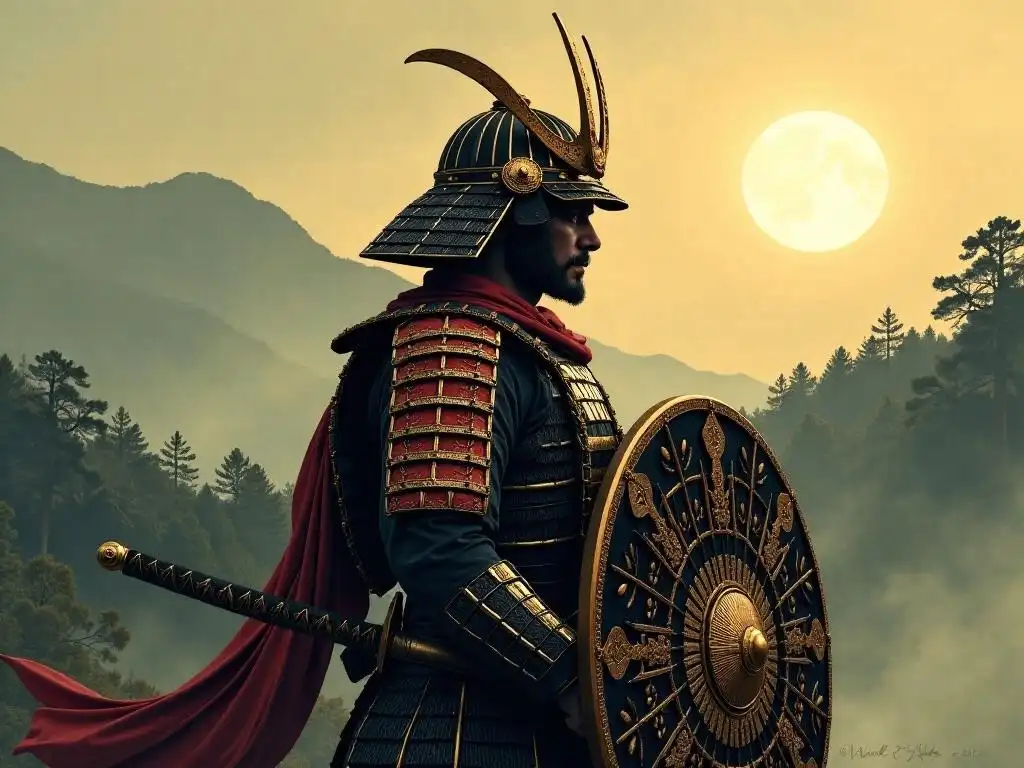
Welcome to Feudal Japan History, where we embark on a captivating journey through the intricate tapestry of Japan's feudal era. In our featured article, "The Samurai and Western Military Tactics: A Clash of Cultures," we delve into the fascinating intersection of Eastern and Western approaches to warfare. Explore how the legendary samurai, with their unique fighting philosophies, stood in stark contrast to Western military strategies.
Prepare to uncover the nuances of honor and discipline that defined an era, and discover how these two worlds collided in ways that shaped history. Your adventure into the heart of feudal Japan begins now—dare to explore further?
Introduction to Samurai and Western Military Tactics
The interplay between samurai warfare and Western military tactics represents a fascinating chapter in the annals of history, particularly in the context of Japan's feudal era. This period was marked not only by internal strife and the pursuit of honor but also by significant external influences that shaped military strategies and cultural exchanges.
As Japan began to engage with Western powers in the late 19th century, the contrast between the disciplined, honor-bound samurai and the rapidly evolving Western military techniques became increasingly pronounced. This article aims to provide a comprehensive comparison of samurai and Western military tactics, examining the intricacies of their methodologies, the historical backdrop that fostered their development, and the profound implications of their interactions.
Overview of Samurai Warfare
Samurai warfare was characterized by a unique blend of martial skill, strategic prowess, and a code of conduct known as Bushido, or "the way of the warrior". The samurai were not merely soldiers; they were elite members of the feudal class who adhered to a strict moral code that dictated their actions on and off the battlefield. Key elements of samurai warfare included:
- Individual Combat: Samurai placed a strong emphasis on personal valor and skill. Duels were common, and the ability to defeat an opponent in single combat was highly regarded.
- Tactical Formations: While individual skill was paramount, samurai also employed tactical formations such as the kisho (a rapid deployment of troops) and naginata (a polearm), which showcased their understanding of battlefield dynamics.
- Psychological Warfare: The samurai often utilized psychological tactics to intimidate opponents, leveraging their reputation and the fear of their legendary status.
Historical Context of Western Military Tactics
In contrast, Western military tactics evolved through a series of transformative phases, influenced by the emergence of gunpowder, the rise of standing armies, and the industrial revolution. Notable aspects include:
- Gunpowder Warfare: The introduction of gunpowder weapons, such as cannons and muskets, drastically altered battlefield dynamics, diminishing the effectiveness of traditional melee combat.
- Unit Cohesion and Discipline: Western armies emphasized the importance of unit cohesion, employing formations such as the line and column to maximize firepower and maintain order during combat.
- Logistics and Strategy: The Western approach to warfare also prioritized logistical support, enabling sustained campaigns through better supply chains and communication systems.
Importance of Comparing Samurai and Western Military Strategies
Understanding the differences and similarities between samurai and Western military tactics is crucial for several reasons:
- Cultural Insights: The comparison reveals underlying cultural values, such as honor and discipline in samurai society versus efficiency and pragmatism in Western military thought.
- Military Evolution: Analyzing these tactics provides a clearer understanding of how military strategies evolve in response to technological advancements and sociopolitical changes.
- Lessons for Modern Warfare: The historical interplay between these two distinct military philosophies offers valuable lessons that continue to resonate in contemporary military studies and international relations.
The Evolution of Samurai Tactics
Origins of Samurai Warfare Techniques
The roots of samurai warfare can be traced back to the Heian period (794-1185), where the samurai emerged as a distinct warrior class. Initially, their techniques were heavily influenced by Chinese martial arts and the need to protect local landowners. Over time, the samurai developed their own unique styles and strategies, characterized by:
- Horseback Combat: Early samurai were skilled horsemen, using speed and mobility to their advantage in battle.
- Swordsmanship: The katana, or Japanese sword, became a symbol of samurai identity, with techniques focusing on swift, decisive strikes.
Key Samurai Weapons and Their Strategic Use
The effectiveness of samurai warfare was greatly enhanced by their mastery of various weapons, each serving specific tactical purposes:
| Weapon | Description | Strategic Use |
|---|---|---|
| Katana | Curved, single-edged sword | Quick slashing and precision in combat |
| Naginata | Polearm with a curved blade | Versatile weapon for both infantry and cavalry |
| Yari | Spear | Effective for thrusting attacks and formations |
Influence of Bushido on Samurai Military Conduct
Bushido, the ethical framework guiding samurai conduct, played a pivotal role in shaping their military strategies. Key principles included:
- Loyalty: A samurai's dedication to their lord influenced strategic decisions and battlefield conduct.
- Honor: The pursuit of honor often dictated the terms of engagement, leading samurai to prefer honorable combat over treachery.
- Self-Discipline: Bushido emphasized mental and physical training, fostering a culture where preparation and skill were paramount in warfare.
The comparison between samurai tactics and Western military strategies reveals a complex tapestry of cultural exchanges and adaptations that continue to resonate in modern discussions of military history and strategy.
Development of Western Military Tactics
The evolution of Western military tactics has been a complex narrative shaped by historical events, technological advancements, and cultural influences. As Western societies transitioned from feudalism to more centralized forms of governance, their military strategies evolved significantly. The incorporation of various civilizations’ warfare techniques, coupled with the development of new technologies, created a unique set of military doctrines in Western warfare.
Historical Background of Western Warfare
Western warfare traces its roots to ancient Greece and Rome, where organized military forces began to take shape. The Greeks introduced the concept of the phalanx, a formation that emphasized tightly packed infantry armed with spears and shields. This was a revolutionary shift from the more individualistic combat styles that preceded it.
With the fall of the Roman Empire, the medieval period saw the rise of feudalism, which heavily influenced military organization. Lords maintained private armies, and warfare often revolved around sieges and battles over territory. The introduction of crossbows and early gunpowder weapons marked a significant turning point, as these innovations began to shift the balance of power on the battlefield.
The Renaissance period brought about further changes. The development of firearms and artillery transformed tactics, leading to the decline of heavily armored knights and the rise of infantry formations that utilized gunpowder technology. The emphasis shifted towards combined arms operations, where infantry, cavalry, and artillery worked in tandem to achieve tactical superiority.
Key Weapons and Innovations in Western Military Tactics
Throughout history, various weapons and innovations have shaped Western military tactics:
- Longbow: Famously used by the English during the Hundred Years' War, the longbow allowed for rapid firing and could penetrate armor at long range.
- Gunpowder: The introduction of gunpowder in the 15th century revolutionized warfare, leading to the creation of cannons and handheld firearms, which changed the dynamics of combat.
- Artillery: Large-caliber weapons became essential in sieges and open battle, allowing for the destruction of fortifications and mass enemy formations.
- Trench Warfare: Developed during World War I, this tactic involved digging defensive positions to protect troops from enemy fire and became a hallmark of modern warfare.
These innovations not only changed how battles were fought but also influenced the strategies employed by military leaders.
Influence of Chivalry on Western Military Strategies
The code of chivalry, which emerged in the Middle Ages, greatly influenced Western military strategies. This code emphasized values such as honor, bravery, and loyalty, shaping the conduct of knights on the battlefield. Chivalric ideals often dictated that battles should be fought honorably, with duels and personal combat being preferred over large-scale slaughter.
As a result, many battles were characterized by a ceremonial aspect, with knights engaging in direct combat to demonstrate their prowess and honor. However, this focus on individual valor sometimes clashed with the emerging need for more pragmatic approaches to warfare as armies began to adopt larger, more coordinated tactics.
Comparative Analysis of Samurai and Western Military Tactics
The comparison between Samurai and Western military tactics reveals distinct differences rooted in the cultural and historical contexts from which they emerged. While both Samurai warriors and Western soldiers exhibited exceptional skill and dedication, their approaches to warfare reflected their unique societal values and military needs.
Strategic Objectives: Samurai vs. Western Forces
Samurai warfare was often driven by personal honor and loyalty to their lord, with battles frequently motivated by the need to uphold one's reputation and fulfill obligations to their feudal overlord. The objective was not only to achieve victory but to do so in a manner that maintained dignity and respect.
In contrast, Western military forces typically operated under a more centralized command structure, prioritizing territorial expansion and political objectives. The strategic goals often revolved around defeating enemy forces decisively and securing land, resources, and power for the state.
Combat Techniques: Direct Confrontation vs. Tactical Maneuvering
Samurai combat techniques emphasized direct confrontation, with a strong focus on individual martial skills. The use of the katana, along with techniques such as Iaijutsu (the art of drawing the sword), highlighted the importance of speed and precision in one-on-one combat scenarios.
Western military tactics, especially from the Renaissance onwards, began to favor tactical maneuvering. The use of formations, flanking movements, and combined arms strategies illustrated a shift towards coordinated efforts that maximized the strengths of different troop types. This allowed Western forces to engage in battles that were less about individual glory and more about collective strategy.
Leadership Styles: Samurai Command vs. Western Military Hierarchies
Samurai leadership was deeply influenced by the bushido code, which emphasized honor, loyalty, and personal responsibility. Samurai commanders often led from the front, inspiring their troops through personal example and martial prowess.
On the other hand, Western military hierarchies developed a more structured command system, particularly evident in the Napoleonic Wars and beyond. Commanders often relied on a chain of command that allowed for strategic planning and execution on a larger scale. This system facilitated complex maneuvers and the ability to adapt to changing battlefield conditions, representing a significant divergence from the more personal leadership styles of the Samurai.
Cultural Influences on Military Strategies
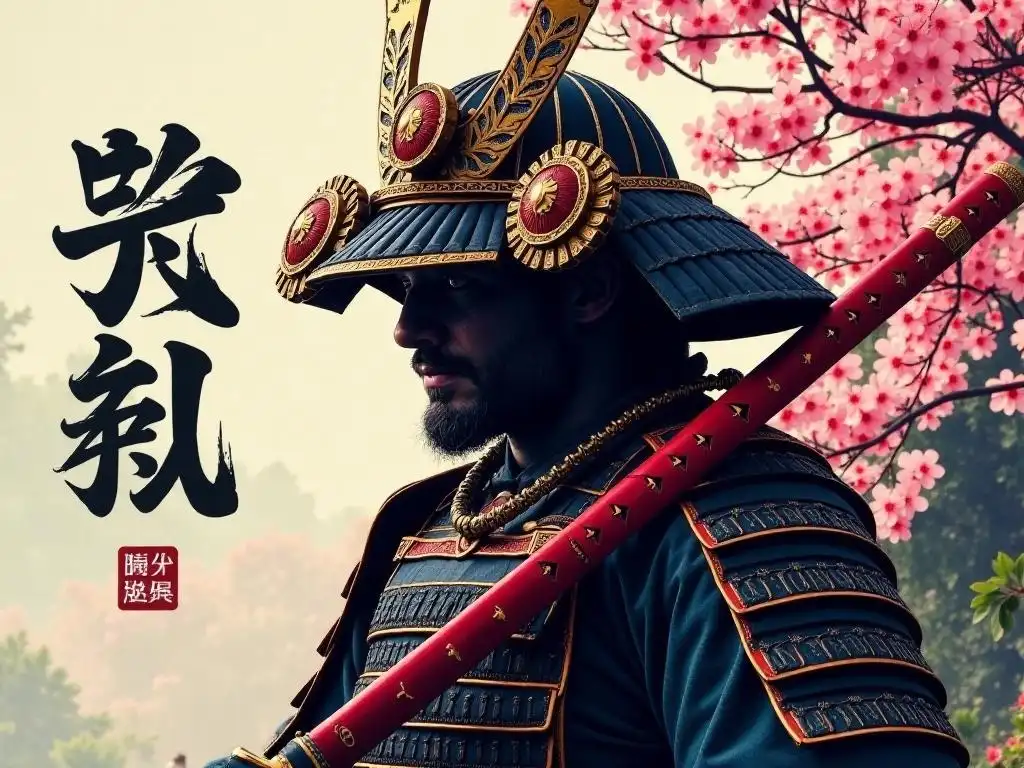
The interaction between the samurai and Western military tactics was deeply influenced by their respective cultural values, beliefs, and traditions. These cultural influences shaped the framework within which each side operated, affecting not only their military strategies but also their societal structures and worldviews. Understanding these cultural nuances is essential to grasp the complexities of military engagements between samurai and Western forces.
Samurai Culture and Its Impact on Warfare
The samurai culture, steeped in the principles of bushido—often translated as "the way of the warrior"—emphasized honor, loyalty, and personal courage. This code influenced samurai warfare, which prioritized individual skill and valor over collective military tactics. Battles were often fought in a manner that showcased the prowess of individual warriors, leading to a focus on one-on-one combat and personal glory.
The samurai's connection to their lords and the land was also significant. They were expected to serve their daimyos (feudal lords) with unwavering loyalty, which meant that military strategies were often dictated by the needs and ambitions of their lords rather than a cohesive national strategy. This hierarchical structure sometimes hampered coordinated military efforts, especially when facing the more unified and strategic approaches of Western forces.
Additionally, the samurai's training in martial arts and strategy was rigorous and lifelong, emphasizing the importance of discipline and skill. However, the insular nature of their society meant that they were often slow to adopt new tactics and technologies, which would later prove to be a disadvantage in encounters with Western military forces.
Western Cultural Values Shaping Military Practices
In contrast, Western military culture during the period of contact with Japan was heavily influenced by Enlightenment ideals, which emphasized rationality, organization, and technological advancement. The Western approach to warfare was characterized by larger, more coordinated units and the use of artillery, gunpowder, and advanced tactics that emphasized logistics and planning.
Values such as efficiency and the importance of chain of command played a crucial role in shaping Western military practices. Unlike the samurai’s focus on individual honor, Western forces often operated with a more pragmatic understanding of warfare, prioritizing the effective deployment of resources and troops. This cultural mindset allowed Western armies to adapt more quickly to new challenges, including the integration of modern technologies into their military strategies.
Moreover, the Western military ethos valued the systematic study of warfare, leading to the development of comprehensive military doctrines. This approach facilitated the implementation of tactics such as flanking maneuvers and the use of combined arms, which were less common in samurai warfare.
The Role of Religion and Philosophy in Military Tactics
Religion and philosophy played significant roles in shaping military tactics for both samurai and Western forces. For the samurai, Shinto and Buddhism influenced their worldview, imparting a sense of duty and a connection to the spiritual realm. This connection often manifested in the samurai’s approach to death and the afterlife, which could lead to bold actions in battle driven by a sense of honor and fate.
Philosophically, the samurai were influenced by Confucian values that emphasized loyalty and hierarchy, shaping their motivations and decisions in warfare. The concept of dying honorably in battle was paramount, often overriding strategic considerations.
In the West, the influence of Christianity and Enlightenment thought also shaped military practices. The moral implications of warfare, influenced by religious doctrine, often dictated the conduct of soldiers. The Western military was also influenced by Enlightenment philosophers such as Sun Tzu and Clausewitz, whose writings emphasized the strategic and psychological aspects of warfare.
Notable Historical Conflicts: Samurai and Western Forces
The encounters between samurai and Western forces were marked by significant conflicts that illustrated the clash of military strategies and cultural values. These historical events not only provide insight into the dynamics of warfare but also reflect the broader interactions between Japan and the West.
Case Study: The Battle of Nagashino
The Battle of Nagashino, fought in 1575, serves as a pivotal example of the clash between samurai warfare and Western military tactics. During this battle, the forces of Oda Nobunaga employed the use of firearms, specifically matchlock guns, to devastating effect against the cavalry charges of the Takeda clan. This marked a significant shift in Japanese warfare, as the samurai had traditionally relied on swords and bows.
Nobunaga's strategy involved the use of fortified positions and the tactical deployment of gunmen in a way that maximized their effectiveness while minimizing the risks posed by cavalry charges. The victory at Nagashino demonstrated the effectiveness of incorporating Western technology and tactics into traditional samurai warfare, leading to a transformation in military practices across Japan.
Case Study: The Arrival of Commodore Perry
The arrival of Commodore Matthew Perry in 1853 marked another significant point of interaction between samurai and Western military forces. Perry's expedition, armed with modern naval technology and a strategic approach to diplomacy, forced Japan to open its ports to Western trade after centuries of isolation.
The encounter highlighted the technological disparity between Japan and the West, as Perry's warships were equipped with steam power and advanced artillery, which were far superior to the wooden ships of the samurai period. This event catalyzed a shift in Japanese military strategy, leading to the Meiji Restoration and a rapid modernization of Japan’s military forces.
Outcomes and Lessons Learned from Samurai-Western Encounters
The encounters between samurai and Western forces yielded critical lessons that shaped Japan's military evolution. The recognition of the need for modernization and adaptation to Western military practices became clear, especially following defeats in subsequent conflicts.
The blending of samurai traditions with Western military tactics led to the establishment of a modern Japanese army, as leaders sought to synthesize the best of both worlds. The lessons learned from battles like Nagashino and the negotiations with Perry underscored the importance of adaptability, technological advancement, and strategic planning in military operations.
Ultimately, the experiences of the samurai in confronting Western military forces contributed to Japan's emergence as a formidable power in the early 20th century, illustrating the profound impact of cultural exchange on the evolution of military strategies.
The Legacy of Samurai and Western Military Tactics
The legacy of the samurai and Western military tactics is a fascinating tapestry woven from the threads of tradition, innovation, and cultural exchange. Historically, samurai were not just warriors but also custodians of a distinctive code of ethics, known as Bushido, which emphasized honor, discipline, and loyalty.
This code influenced their combat techniques, which were characterized by a deep understanding of strategy, psychological warfare, and the use of various forms of weaponry, including swords, bows, and later, firearms. In contrast, Western military tactics during the same period evolved through a series of wars and innovations, notably the emphasis on organized formations and gunpowder weaponry.
The interplay between these two distinct military philosophies laid the groundwork for significant developments in warfare. As Western powers began to engage with Japan in the late 19th century, they introduced new military doctrines and technologies that challenged the traditional samurai approach. The Japanese response to these influences helped shape modern military practices in Japan, leading to a unique synthesis of Eastern and Western methodologies.
Lasting Influences on Modern Warfare
The influences of samurai and Western military tactics on modern warfare are evident in various aspects of military strategy and organization. The samurai's focus on individual skill and adaptability has found its way into contemporary military training programs, where emphasis is placed on the warrior ethos and the importance of personal discipline. This is particularly relevant in special forces training, which often draws on historical techniques of combat and strategy that echo samurai principles.
On the other hand, the structured, hierarchical command and control methods of Western military tactics laid the foundation for modern military organizations worldwide. The integration of technology, strategic planning, and logistics from Western practices has transformed the nature of warfare, making it more systematic and efficient. The blend of these two legacies can be observed in the strategies employed by contemporary militaries, which often combine traditional martial arts techniques with advanced technological capabilities.
Cultural Exchange and Its Impact on Military Practices
Cultural exchange between the samurai and Western military forces has had a profound impact on military practices. The arrival of Westerners in Japan during the Meiji Restoration facilitated the sharing of military knowledge, leading to the modernization of the Japanese army. This exchange involved not just the adoption of firearms and Western tactics but also an understanding of military organization and training methods.
In return, the samurai's unique combat strategies and philosophies influenced Western military thought. Elements of Bushido, particularly the concepts of honor and loyalty, began to permeate discussions about military ethics in the West. Additionally, the romanticized image of the samurai as an elite warrior inspired various Western narratives about honor in warfare, reflecting a mutual fascination that transcended mere military strategy.
Reflections on Samurai Western Military Tactics Comparison in Contemporary Contexts
In contemporary contexts, the comparison between samurai and Western military tactics continues to yield insights into the evolution of warfare. Modern conflicts often highlight the necessity of blending various military doctrines to adapt to new challenges. For instance, guerrilla tactics, which can be traced back to the samurai's strategic use of terrain and mobility, are now commonly employed in asymmetric warfare scenarios around the globe.
Furthermore, the increasing globalization of military training and the rise of multinational forces foster a dialogue between different military traditions. The principles of flexibility, innovation, and cultural respect, rooted in both samurai and Western military practices, are essential for effective collaboration among diverse military forces today.
Conclusion
Summary of Key Findings on Samurai and Western Military Tactics
The exploration of samurai and Western military tactics reveals a rich legacy marked by both conflict and collaboration. Key findings indicate that while samurai tactics emphasized individual skill and a strong ethical framework, Western tactics were rooted in organization and technological advancement. The synthesis of these approaches has played a critical role in shaping modern military strategies.
Implications for Understanding Historical Military Interactions
Understanding the interactions between samurai and Western military tactics offers valuable insights into the historical context of military evolution. It highlights the importance of cultural exchange in shaping military practices and the adaptability required to navigate the complexities of warfare. This historical perspective is essential not only for military historians but also for contemporary military strategists who must consider the influence of diverse traditions.
Final Thoughts on the Clash of Cultures in Warfare
The clash of cultures in warfare between the samurai and Western military tactics reflects a broader narrative of human conflict and cooperation. As warfare continues to evolve, the lessons learned from the historical interactions between these two distinct military traditions remain relevant. By appreciating the unique contributions and philosophies of both, modern militaries can foster a more comprehensive understanding of strategy, ethics, and the art of war. This enduring legacy serves as a reminder of the intricate relationship between culture and military practice throughout history.
- Introduction to Samurai and Western Military Tactics
- The Evolution of Samurai Tactics
- Development of Western Military Tactics
- Comparative Analysis of Samurai and Western Military Tactics
- Cultural Influences on Military Strategies
- Notable Historical Conflicts: Samurai and Western Forces
- The Legacy of Samurai and Western Military Tactics
- Conclusion
Frequently Asked Questions
What were the main characteristics of Samurai tactics?
Samurai tactics emphasized honor, discipline, and individual skill in combat. They utilized unique weapons like the katana and favored techniques that relied on speed and precision.
How do Samurai tactics differ from Western military tactics?
While Samurai tactics focused on individual prowess and honor in battle, Western military tactics were more about organized formations, firepower, and strategic maneuvers. This led to distinct approaches in warfare.
What impact did Western military tactics have on Japan?
The introduction of Western military tactics during the Meiji Restoration significantly transformed Japan's military structure, leading to the modernization of its forces and a shift away from traditional Samurai practices.
How did Samurai view Western military strategies?
Samurai initially saw Western military strategies as foreign and often incompatible with their values of honor and individual combat. However, over time, they recognized the effectiveness of these strategies in warfare.
What is the significance of comparing Samurai and Western tactics?
The comparison highlights the cultural differences in warfare and provides insight into how diverse military philosophies shaped the outcomes of conflicts both in Japan and globally.
Final Reflection: Bridging Cultures Through Military Tactics
The comparison of Samurai and Western military tactics reveals not only the distinct philosophies of warfare but also the enduring relevance of these approaches in today's global landscape. As we navigate an increasingly interconnected world, understanding the historical interplay between these two cultures offers profound insights into modern military strategies and international relations. The lessons drawn from their respective tactics remind us that the art of war is not merely about conflict but also about the values and principles that shape societies.
The influence of Samurai ethos and Western military strategies continues to resonate in contemporary culture, shaping not only military doctrines but also leadership styles and ethical considerations in conflict resolution. The Samurai's code of honor, Bushido, emphasizes loyalty, discipline, and respect, which can be seen mirrored in various modern leadership frameworks. As Sun Tzu wisely stated, In the midst of chaos, there is also opportunity.
This quote encapsulates the essence of both Samurai and Western tactics, highlighting the importance of adaptability and strategic thinking in overcoming challenges.
As we reflect on the lessons from this rich historical tapestry, I invite you to consider how the principles of honor, strategy, and adaptability can be applied in your own life. What can you learn from the Samurai's commitment to their values, and how can you integrate strategic thinking into your personal and professional endeavors? Embracing these lessons not only enriches our understanding of history but also empowers us to navigate the complexities of our modern world with wisdom and purpose.
Unveil the Tactics of the Samurai: Embrace the Clash of Cultures!
Thank you for diving into the rich history of the samurai and Western military tactics! We hope this exploration has ignited your curiosity about how these distinct cultures shaped warfare and influenced one another. Now, let’s take the next step together!
- Dive deeper into the world of samurai by reading our exclusive article on their legendary battle strategies— you might discover fascinating insights that significantly impacted Japan!
- Join our community of history enthusiasts on social media and share your thoughts about the tactics that intrigued you the most— your insights could spark an engaging discussion!
- Challenge yourself by discussing with a friend how these historical tactics might apply to contemporary strategies in leadership or teamwork.
What unique insight or lesson from samurai tactics do you believe can be applied to today’s challenges? Share your thoughts in the comments!