
The Symbolic Use of Props in Noh: More Than Just Stage Elements

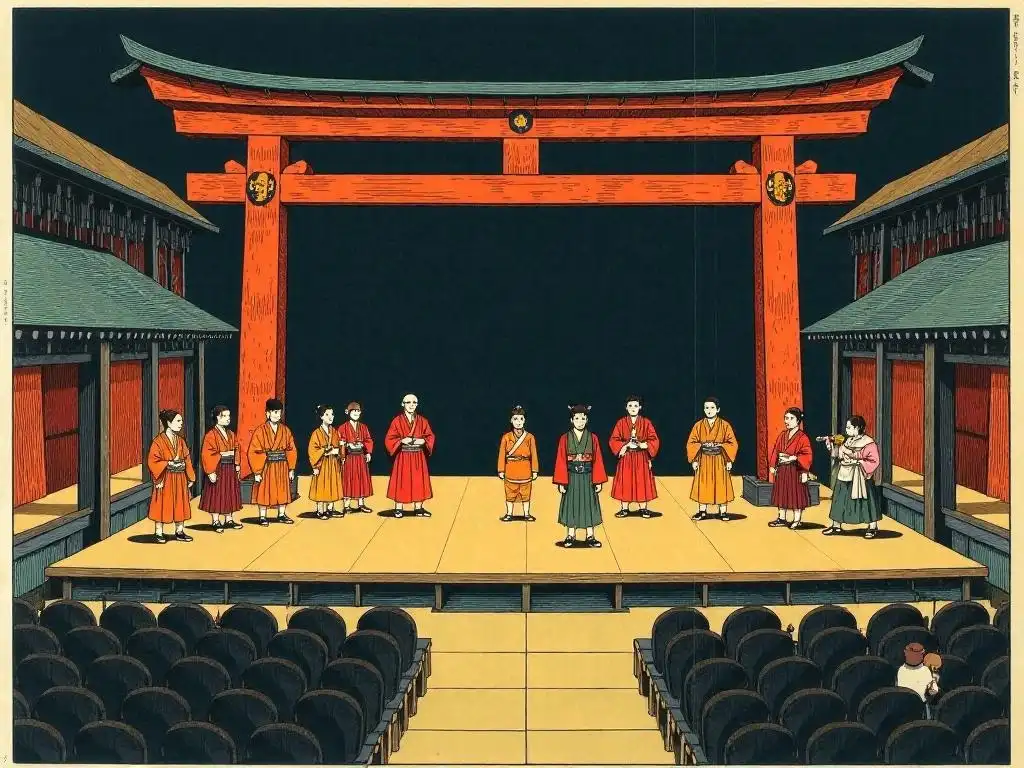
Welcome to Feudal Japan History, where we invite you to embark on a fascinating journey through the intricate tapestry of Japan's feudal era. Here, we delve deep into the cultural and historical nuances that shaped a unique society, and today, we shine a spotlight on the captivating world of Noh theater. Discover the significance of props in Noh, as they represent far more than mere stage elements; they are rich symbols steeped in tradition and meaning.
Are you ready to uncover the layers of artistry and storytelling that define this ancient performance? Join us as we explore the profound connections between art and history!
Introduction to Noh Theater
Noh theater, a venerable form of Japanese performing arts, is steeped in history and rich in symbolism. Originating in the 14th century, it is characterized by its slow, stylized movements, intricate masks, and the profound use of props that contribute significantly to its narratives and themes.
Understanding the significance of Noh theater props requires a deep dive into how these elements transcend mere functional uses, embodying cultural and spiritual meanings that resonate with audiences. This exploration will not only illuminate the artistry involved in Noh performances but also reveal the intricate connections between the props and the overarching themes of life, death, and the human condition that are central to this traditional art form.
Overview of Noh Theater in Japan
Noh theater is one of Japan's oldest theatrical forms, emerging during the Muromachi period. It combines drama, music, and dance, presenting stories based on historical events, literature, and folklore. Central to its performances is the use of stylized gestures and elaborate costumes, which serve to enhance the narrative and emotional depth. The minimalist staging emphasizes the performers' skill and the symbolic nature of the props used. As a reflection of Zen Buddhist aesthetics, Noh seeks to evoke profound emotions and insights rather than deliver straightforward narratives.
Historical Context of Noh Theater Development
The development of Noh theater can be traced back to the 14th century, evolving from earlier forms of entertainment such as sarugaku and kusemai. The art form was significantly shaped by the influence of Kan'ami and his son, Zeami, who established many of the aesthetic principles that still define Noh today.
This period marked the transformation of Noh into a highly refined art, patronized by the samurai class and later integrated into the cultural fabric of Japan. Understanding this historical backdrop is crucial to appreciating how props evolved not just as stage elements but as vital components that carry significant weight within Noh's thematic framework.
Importance of Props in Noh Performances
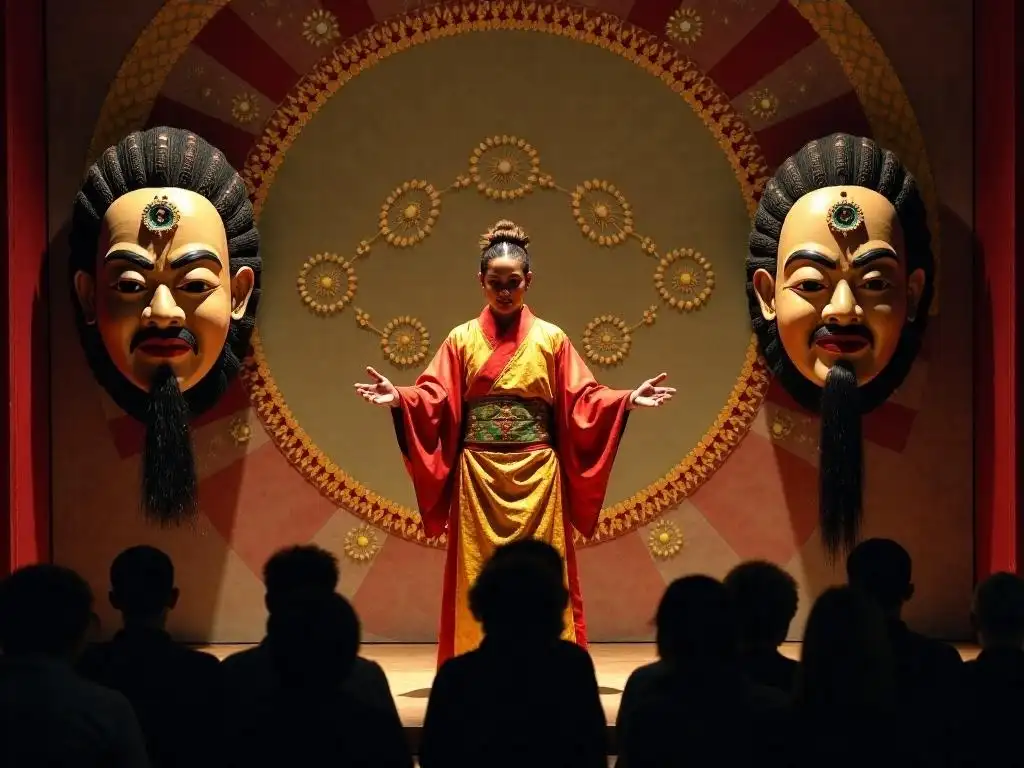
Props in Noh theater are not mere accessories; they are imbued with meaning and are essential in conveying the story's emotional landscape. Each prop is deliberately chosen and utilized to symbolize various concepts, such as the passage of time, the presence of spirits, or the distinction between reality and illusion. This symbolic use of props enhances the audience's understanding of the narrative and deepens the immersive experience of the performance.
The Role of Props in Noh Theater
The role of props within Noh theater is multifaceted, serving both practical and symbolic purposes that are integral to the art form's storytelling technique. As we delve deeper into the significance of these props, we will explore how they function within the context of Noh performances, revealing their essential contribution to the overall experience.
Understanding Noh Theater Props Significance
In Noh theater, props serve as potent symbols that enhance the narrative and evoke emotional responses from the audience. For instance, a simple fan or a ceremonial sword can represent a character's identity, emotions, or destiny. The careful selection and manipulation of these props are reflective of the actors' mastery and deepen the audience's connection to the performance. Moreover, props are often steeped in cultural and historical significance, allowing the audience to engage with the stories on multiple levels.
Types of Props Used in Noh Plays
Noh theater employs a variety of props, each with its distinctive purpose and symbolism. Common types of props include:
- Fans (Tatebana): Used to indicate various emotions or actions, such as anger or longing.
- Masks (Omote): Essential for conveying the character's identity and emotional state.
- Swords (Tachi): Symbolize power and status, often linked to the samurai class.
- Cloths and Drapes: Used to create environments or signify transitions in the narrative.
By understanding these props and their significance, we can appreciate the depth and complexity of Noh theater as a reflection of Japan's rich cultural heritage.
Symbolism Behind Noh Props
Noh theater, a traditional form of Japanese performance art, is characterized by its profound use of symbolism, particularly through its props. These props are not merely tools for storytelling; they embody deeper meanings and cultural references that resonate with the audience. Each item used in a Noh performance is infused with significance, often reflecting themes of nature, spirituality, and the human condition. For instance, the simple use of a fan can represent multiple concepts, such as the passage of time or the dichotomy between reality and illusion.
The symbolic nature of Noh props extends to their colors, shapes, and materials. Different colors can evoke specific emotions or signify various characters and their statuses within the narrative. The careful selection and use of props are integral to the storytelling process, as they create a visual language that communicates the underlying messages of the performance. This intricate symbolism allows Noh theater to convey complex narratives with minimal dialogue, making each prop a vital element in the overall artistic expression.
The Cultural Significance of Noh Props
Noh props hold immense cultural significance within the context of Japanese history and society. Originating in the 14th century, Noh theater was influenced by various aspects of Japanese culture, including Shinto beliefs and the aesthetics of Zen Buddhism. The props used in Noh performances often reflect these cultural roots, serving as a bridge between the spiritual and the material worlds.
For example, the use of masks in Noh is not only a means of character representation but also a reflection of the spiritual beliefs prevalent in Japanese culture. Masks can depict deities, spirits, or historical figures, allowing performers to embody the essence of these characters fully. This connection to spirituality underscores the importance of props in facilitating the audience's understanding and engagement with the themes presented in the play.
Moreover, Noh props also serve to preserve traditional craftsmanship and skills that have been passed down through generations. The meticulous attention to detail and the unique techniques employed in creating these props represent a living cultural heritage, contributing to the ongoing appreciation and respect for Noh theater in contemporary Japan.
How Props Enhance Narrative and Emotion in Noh
The strategic use of props in Noh theater plays a crucial role in enhancing the narrative and emotional depth of the performance. Unlike Western forms of theater that often rely on elaborate staging and dialogue, Noh utilizes a minimalist approach, where each prop carries significant weight in conveying the story.
For instance, a single folding fan might symbolize a character's emotions or intentions, such as longing or despair. As the actor manipulates the prop, subtle movements and gestures add layers of meaning, allowing the audience to grasp the emotional undertones of the scene. This understated yet powerful communication fosters a deeper connection between the performer and the audience, drawing them into the emotional landscape of the narrative.
Furthermore, props can also aid in the pacing and rhythm of the performance. The deliberate movements associated with prop handling contribute to the overall tempo of the play, creating a meditative atmosphere that encourages reflection and contemplation among spectators. This unique interplay between props, movement, and emotion is a hallmark of Noh theater, showcasing its distinct approach to storytelling.
Examples of Symbolic Props in Noh Theater
Several props in Noh theater are emblematic of the genre's rich symbolic language. Here are a few notable examples:
- Fan (Tobira): Often used to signify various emotions and states of being, the fan is a versatile prop that can represent both longing and finality, depending on how it is presented.
- Masks (Omote): Critical for character portrayal, masks embody the essence of the character, allowing the actor to transcend their identity and tap into the spiritual realm.
- Spear (Yari): This prop can symbolize power and authority, often associated with warrior characters, reflecting themes of conflict and honor.
- Woven Cloth (Nuno): Used to represent the passage of time and memory, cloth in Noh can evoke nostalgia, linking the character's past to their present.
These props not only serve practical purposes on stage but also enrich the narrative and emotional experience, reinforcing the interconnectedness of symbolism and storytelling in Noh theater.
The Artistic Craftsmanship of Noh Props
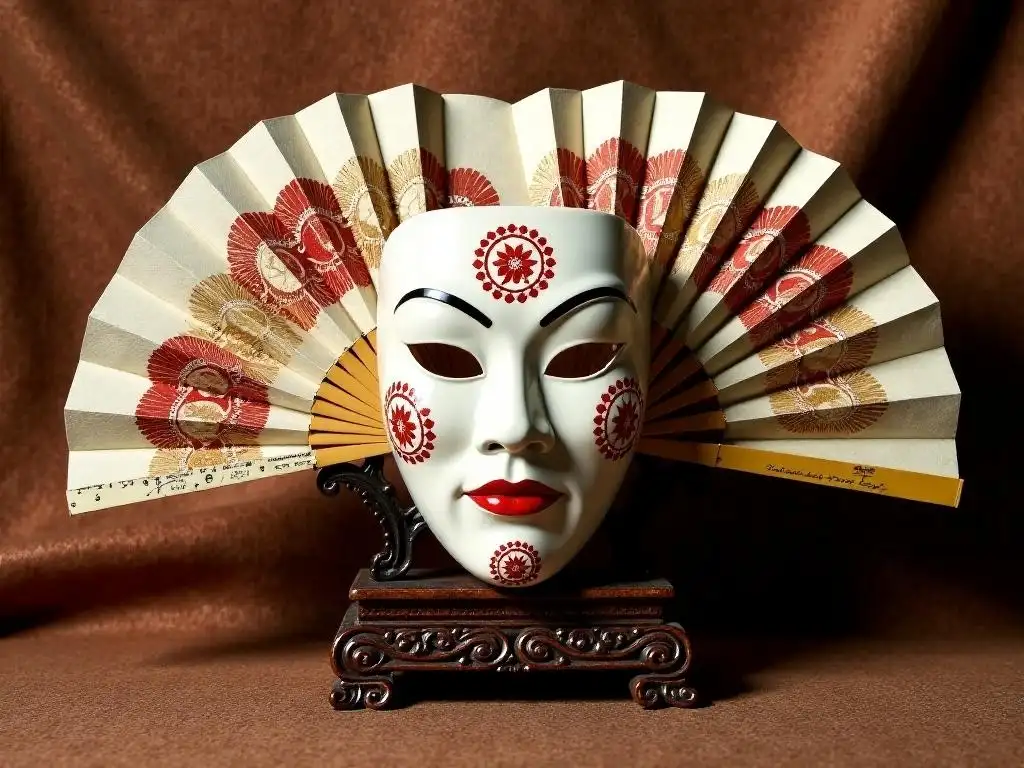
The artistic craftsmanship involved in the creation of Noh props is a testament to the dedication and skill of artisans who specialize in this traditional art form. Each prop is meticulously crafted, reflecting an understanding of both aesthetics and functionality.
The design and construction of Noh props require a deep knowledge of the symbolism associated with each item, as well as an appreciation for the cultural heritage they represent. The result is a range of props that are not only visually stunning but also profoundly meaningful.
The Creation Process of Traditional Noh Props
The creation of traditional Noh props is a labor-intensive process that involves various stages, from conceptualization to final production. Artisans begin by researching the specific requirements of the Noh play, considering the characters, themes, and historical context.
Once a design is established, artisans select appropriate materials and techniques that align with the traditional methods of prop-making. This often includes handcrafting techniques passed down through generations, ensuring that each prop adheres to the standards of authenticity and quality expected in Noh theater.
The final stages of creation involve careful detailing and finishing, which can include painting, lacquering, or embellishing with textiles. This attention to detail enhances the visual and symbolic impact of the props, ensuring they resonate with the audience during performances.
Materials Used in Noh Theater Props
The materials used in Noh theater props are carefully chosen for their symbolic meanings and practical qualities. Common materials include:
- Wood: Often used for masks and larger props, wood is valued for both its durability and its ability to be intricately carved.
- Silk: Frequently used for costumes and fans, silk represents luxury and is associated with high-status characters.
- Paper: Lightweight and versatile, paper is used in various forms, from fans to backgrounds, contributing to the ephemeral nature of the performances.
- Bamboo: Employed in the construction of certain props, bamboo symbolizes resilience and simplicity, aligning with the aesthetic principles of Noh.
Each material is selected not only for its physical properties but also for the cultural connotations it carries, enriching the overall experience of Noh theater and its profound narratives.
The Role of Artisans in Noh Prop Production
Artisans play a vital role in the production of Noh props, serving as custodians of traditional techniques and knowledge. These skilled craftsmen are often specialized in specific materials or types of props, allowing for a level of expertise that is crucial to the authenticity of Noh theater.
The relationship between artisans and performers is collaborative, with ongoing dialogue about the needs of the production informing the crafting process. This partnership ensures that props are not only artistically impressive but also functional and appropriate for the narrative being presented.
Moreover, the work of these artisans preserves the cultural heritage of Noh theater, contributing to the continuity of traditional practices and encouraging future generations to appreciate and engage with this unique form of artistic expression. Through their craftsmanship, artisans help maintain the integrity and significance of Noh theater props, ensuring that they remain vital elements of this revered cultural tradition.
Comparing Noh Props to Props in Other Traditional Japanese Theater
Noh theater, a quintessential element of Japan's cultural heritage, boasts a unique approach to the use of props that distinguishes it from other traditional forms of Japanese theater such as Kabuki and Bunraku. The props in Noh are not merely tools for storytelling but embody deep symbolism and philosophical concepts. They serve as a bridge between the physical and spiritual realms, emphasizing the art's contemplative nature.
In contrast, Kabuki utilizes props in a more dynamic and visually striking manner. Characters in Kabuki wield ornate weapons and elaborate costumes that accentuate their roles and amplify the drama's emotional impact. This theatrical style focuses on vibrant storytelling and energetic performance, often foregoing the subtlety found in Noh. Similarly, Bunraku, which features puppetry, relies on intricate props to enhance the narrative. The puppets themselves are often adorned with elaborate costumes, and the props serve to complement their movements and the story’s emotional depth.
Similarities and Differences in Prop Usage
While all three forms of theater employ props to enhance storytelling, their significance varies greatly.
- Symbolism: In Noh, each prop is laden with meaning, often referencing historical or mythical narratives. For instance, a simple fan can symbolize a character's emotional state or transformation. In contrast, Kabuki props often emphasize visual spectacle over symbolic depth.
- Functionality: Props in Noh are often minimalistic, focusing on evoking emotions through suggestion rather than explicit representation. This can be seen in the use of a single wooden block to represent a mountain or a fan to denote various elements of nature. Conversely, Kabuki and Bunraku utilize a broader array of props to create a more concrete representation of the story, often showcasing elaborate sets and intricate details.
- Performance Style: The use of props in Noh is integrated into the slow, deliberate movements of the performers, which enhances the ritualistic feel of the performance. In Kabuki, the props are often used in quick, dramatic gestures that align with the energetic nature of the performance.
Overall, while there are shared elements in the use of props across these theater forms, Noh's approach emphasizes subtlety and symbolism, reflecting its philosophical underpinnings and artistic intent.
The Influence of Noh Theater on Other Forms of Japanese Theater
Noh theater has profoundly influenced other traditional Japanese theatrical forms, particularly Kabuki. The elegant movements, stylized gestures, and thematic depth of Noh have inspired Kabuki artists, who have incorporated similar elements into their performances. The concept of using props symbolically can be traced back to Noh, where the essence of a character or scene is often conveyed through simple yet profound objects.
Moreover, the performance techniques and aesthetic principles of Noh, such as the concept of yugen (mysterious beauty), have permeated other theatrical expressions, enriching the overall landscape of Japanese performing arts. Kabuki's more vibrant and expressive style often pays homage to Noh's spiritual and philosophical depth, creating a dialogue between the two forms.
In addition, Bunraku puppetry has also been influenced by Noh's emphasis on storytelling and character representation. The careful manipulation of puppets and props in Bunraku can reflect the same reverence for symbolic representation found in Noh, showcasing the interconnectedness of these traditional art forms.
Conclusion: The Lasting Impact of Noh Theater Props
The significance of props in Noh theater extends beyond their physical presence on stage; they are integral to the very essence of the performances. These props encapsulate narratives, evoke emotions, and convey cultural values, establishing a connection between the audience and the performance that transcends time.
Noh Theater Props Significance in Contemporary Cultural Context
In contemporary times, the significance of Noh theater props remains relevant as they continue to symbolize Japan's rich cultural heritage. Modern performances often reinterpret these traditional props, showcasing their versatility and enduring nature. Artists and directors may blend contemporary themes with Noh's symbolic language, allowing for a dialogue between the past and the present.
Additionally, educational initiatives and cultural festivals promote the understanding of Noh's artistic elements, including its props. This ensures that new generations appreciate the depth of meaning behind these objects and their role in Japan's cultural narrative, fostering a greater connection to traditional arts.
The Future of Props in Noh and Their Cultural Legacy
As Noh theater continues to evolve, the future of its props will likely involve innovative interpretations and adaptations. Artists may explore new materials and technologies, merging traditional craftsmanship with modern aesthetics to keep the art form alive and relevant.
Furthermore, as global interest in traditional Japanese arts grows, the props of Noh theater can serve as powerful symbols of cultural identity and continuity. Their legacy lies in their ability to convey complex narratives and emotions, ensuring that they remain a vital component of Japan's cultural landscape for generations to come.
- Introduction to Noh Theater
- Overview of Noh Theater in Japan
- Historical Context of Noh Theater Development
- Importance of Props in Noh Performances
- The Role of Props in Noh Theater
- Symbolism Behind Noh Props
- The Artistic Craftsmanship of Noh Props
- Comparing Noh Props to Props in Other Traditional Japanese Theater
- Conclusion: The Lasting Impact of Noh Theater Props
Frequently Asked Questions
What is Noh theater?
Noh theater is a traditional Japanese performance art that combines drama, music, and dance, known for its stylized movements and minimalist staging.
Why are props important in Noh theater?
Props in Noh theater hold significant symbolic meaning, enhancing the narrative and emotional depth of the performance beyond their physical presence on stage.
How do Noh theater props convey symbolism?
Each prop is carefully chosen to represent specific ideas or emotions, allowing the audience to engage with the underlying themes of the performance through subtle cues.
What are some common props used in Noh theater?
Common props include the fan, which represents various elements, and the mask, used to convey the character’s emotions and status, adding layers to the storytelling.
Where can I learn more about Noh theater and its props?
You can explore expert-driven articles on websites dedicated to Japanese history and culture, which provide in-depth analysis of Noh theater's cultural significance and its props.
Final Reflection: The Profound Significance of Noh Theater Props
The exploration of Noh theater props reveals their essential role in conveying deeper narratives and emotions, making them far more than mere stage elements. In today's world, where visual storytelling has become increasingly dominant, the significance of these props in Noh serves as a reminder of the power of symbolism in art. The intricate design and deliberate placement of each prop not only enhance the performance but also invite audiences to engage with the story on a more profound level, illustrating that every element in a performance can carry weight and meaning.
Culturally, Noh theater props have influenced not only the art of performance but also the broader landscape of Japanese aesthetics and philosophy. The careful craftsmanship and symbolic resonance of these props reflect a rich tradition that continues to inspire contemporary artists and audiences alike. As noted by renowned Noh scholar, In Noh, every object is a vessel of meaning, a bridge between the seen and the unseen.
This observation underscores the ongoing relevance of Noh theater in our modern context, where the intersection of art and meaning remains a vital conversation.
As we reflect on the lessons of Noh theater props, I invite you to consider how symbolism plays a role in your own life. What are the 'props' in your daily experiences that carry deeper meanings? By recognizing and embracing the significance of the elements around us, we can cultivate a richer understanding of our own narratives and the stories we share with others. Let us carry forward the wisdom of Noh, allowing the symbolism in our lives to guide us toward deeper connections and insights.
Dive Deeper into the World of Noh!
Thank you for exploring the intricate world of Noh theater with us! We hope you’ve gained valuable insights into how props transcend mere stage elements to convey rich symbolism and meaning. Now, let’s harness that knowledge and take the next steps in deepening your understanding of this fascinating art form.
Here are some actions you can take today:
- Attend a local Noh performance or explore virtual options to see these symbolic props in action.
- Research the history of a specific prop used in Noh and engage with others by sharing your findings on social media.
- Join a discussion group or forum focused on traditional Japanese arts to share insights and broaden your perspective.
Which prop in Noh theater resonates with you the most, and what significance do you believe it holds?