
Samurai Cinema: A Unique Approach to Learning Kanji and Vocabulary


Welcome to Feudal Japan History, where we invite you to embark on a fascinating journey through the rich tapestry of Japan’s feudal era. Here, history intertwines with culture, and understanding deepens with every click. In our featured article, “Samurai Cinema: A Unique Approach to Learning Kanji and Vocabulary,” discover how the art of film can unlock the beauty of the Japanese language, transforming the way you engage with both kanji and vocabulary. Are you ready to explore the captivating world of samurai cinema and its unexpected role in language learning? Dive in and ignite your curiosity!
- Introduction to Samurai Cinema and Language Learning
- Key Elements of Samurai Cinema Language Learning
- Techniques for Learning Kanji and Vocabulary Through Samurai Films
- Recommended Resources for Learning Japanese Through Samurai Cinema
- Success Stories: Learners Who Mastered Japanese with Samurai Cinema
- Conclusion: Embracing Samurai Cinema for Language Mastery
-
Frequently Asked Questions
- What is Samurai cinema and how does it relate to language learning?
- How can watching Samurai films improve my Japanese vocabulary?
- Are there specific Samurai films recommended for language learners?
- What aspects of Samurai culture can enhance language learning?
- Can I incorporate Samurai cinema into my daily language learning routine?
- Final Reflection: Embracing Samurai Cinema for Language Learning
- Unlock Your Language Potential Through Samurai Cinema!
Introduction to Samurai Cinema and Language Learning
Samurai cinema has long been a captivating genre that not only entertains but also serves as a profound cultural artifact of Japan's feudal era. This unique approach to storytelling encapsulates the rich traditions, ethics, and aesthetics of samurai culture, providing viewers with a visual and emotional connection to Japan's historical narratives. In recent years, educators and language enthusiasts have recognized the potential of samurai films as an innovative tool for language learning, particularly in mastering Kanji and vocabulary.
By immersing oneself in the compelling narratives and dialogue of these films, learners can enhance their understanding of the Japanese language while simultaneously exploring the intricate layers of cultural heritage embedded in each story. This article delves into the synergy between samurai cinema and language learning, offering insights on how these films can be utilized effectively to enrich the Japanese learning experience.
Understanding Samurai Cinema as a Cultural Phenomenon
Samurai cinema, often exemplified by iconic films from directors like Akira Kurosawa and Masaki Kobayashi, represents a significant aspect of Japan's cinematic landscape. These films not only highlight the valor and honor of samurai warriors but also reflect societal values and historical contexts of their times.
- Cultural Significance:
- Samurai films often explore themes of loyalty, sacrifice, and the moral dilemmas faced by warriors.
- They serve as a reflection of Japan's changing societal norms and historical events, particularly during the Edo period and beyond.
- Visual Aesthetics:
- The cinematography and choreography in samurai films are meticulously crafted, providing a visual feast that complements the narrative.
- Iconic scenes, such as duel sequences and battle formations, not only captivate audiences but also provide context for the language used in the dialogue.
Understanding the cultural context of these films is vital for language learners, as it enriches their comprehension of the dialogues and idiomatic expressions used throughout.
The Role of Language in Samurai Films
Language in samurai films serves as a vital vehicle for storytelling, laden with historical and cultural nuances. The dialogue often incorporates traditional Japanese expressions, honorifics, and specific vocabulary that are essential in understanding the samurai ethos.
- Kanji and Vocabulary:
- Samurai films frequently feature Kanji that reflects the samurai's code of conduct, such as 義 (gi) meaning righteousness and 忠 (chuu) representing loyalty.
- Learners can benefit from the exposure to these terms in context, facilitating better retention and understanding.
- Dialogues and Idioms:
- The language used is often formal and poetic, providing learners with insights into the historical context of the era.
- Common phrases and idioms found in samurai cinema can also be practical tools for everyday conversation in modern Japanese.
By engaging with the language presented in samurai films, learners not only enhance their vocabulary but also gain a deeper appreciation of the intricacies of Japanese culture.
Why Use Samurai Cinema for Learning Japanese?
Utilizing samurai cinema as a method for learning Japanese offers unique advantages that traditional methods may not provide. The immersive experience of watching films allows learners to engage with the language in a dynamic and enjoyable way.
- Engaging Learning Environment:
- Samurai films create an engaging learning atmosphere, making vocabulary acquisition more enjoyable.
- The dramatic narratives captivate viewers, encouraging extended viewing and repetition, which are vital for language retention.
- Cultural Immersion:
- Learners gain cultural insights that are essential for understanding the language in context.
- Films can spark discussions about historical events, social norms, and cultural practices, enriching the learning experience.
- Practical Application:
- The language learned through samurai cinema can be directly applicable in real-life conversations, especially in contexts involving Japanese culture and history.
- Engaging with the films fosters a deeper connection to the language, making it more relevant and memorable.
Samurai cinema not only provides entertainment but also serves as a powerful educational tool for those seeking to learn Japanese. By harnessing the rich narratives and cultural contexts of these films, learners can significantly enhance their language skills and deepen their understanding of Japan's feudal heritage.
Key Elements of Samurai Cinema Language Learning
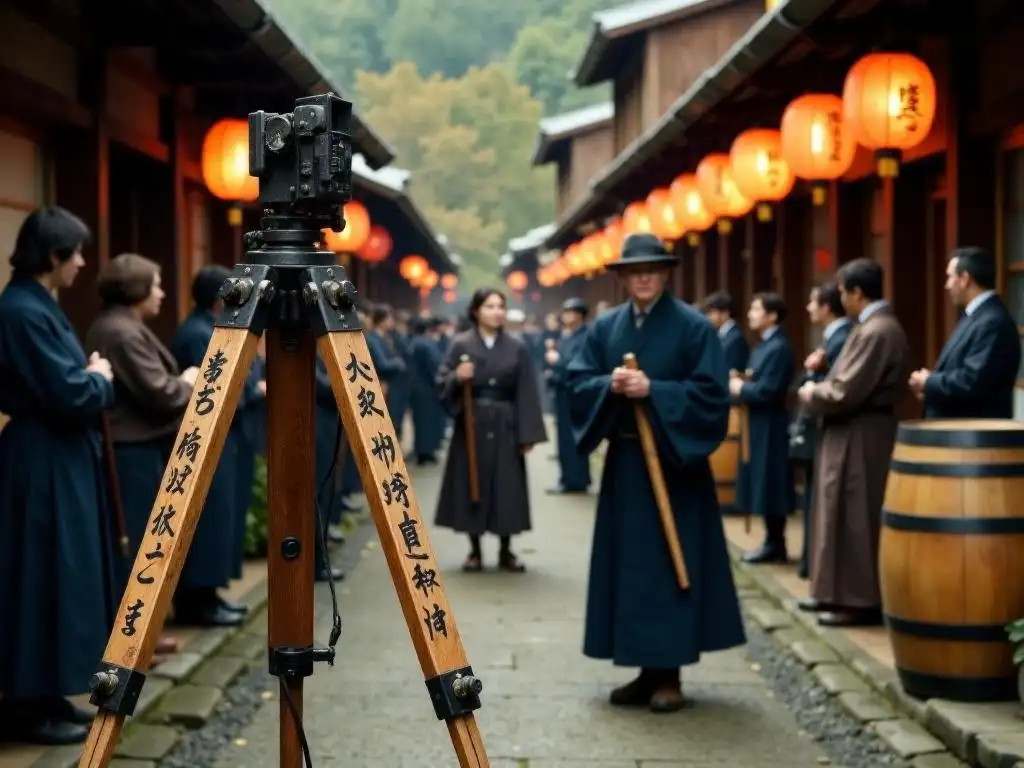
Iconic Samurai Films for Language Acquisition
Samurai cinema is not only a treasure trove of thrilling narratives and stunning visuals but also serves as a rich resource for language learning. By engaging with these films, learners can immerse themselves in authentic Japanese dialogue, cultural nuances, and historical contexts. Here are some iconic films that stand out for their contribution to language acquisition.
Exploring "Seven Samurai" and Its Language Depth
"Seven Samurai," directed by Akira Kurosawa, is a landmark in cinema that showcases a profound depth of language. The film’s dialogue combines formal and colloquial expressions, reflecting the hierarchical structures of feudal Japan.
- Key Language Features:
- Honorifics: The use of honorific language (keigo) in the film provides learners with insights into social hierarchies.
- Contextual Vocabulary: The film includes terms related to warfare, agriculture, and village life, enriching vocabulary in specific contexts.
By analyzing the dialogues, students can observe how language changes in response to social interactions and settings, making it an excellent study tool for understanding both language and culture.
Language Insights from "Rashomon"
"Rashomon," another masterpiece by Kurosawa, offers unique linguistic insights through its multiple perspectives on a single event.
- Language Techniques:
- Narrative Style: The film employs different characters' viewpoints, showcasing variations in language and dialects.
- Descriptive Language: The use of vivid, descriptive language enhances vocabulary related to emotions and perceptions.
This film encourages learners to think critically about the reliability of language and how context can alter meaning, making it a compelling resource for advanced language study.
Vocabulary Lessons from "Harakiri"
"Harakiri," directed by Masaki Kobayashi, provides an intense exploration of samurai ethics and societal issues.
- Key Vocabulary:
- Terminology Related to Bushido: The film is rich in terms that define the samurai code, such as honor, loyalty, and seppuku.
- Colloquial Language: The interactions between characters reveal conversational phrases that can be useful in everyday Japanese.
By focusing on the film’s dialogue, learners can acquire specialized vocabulary while also appreciating the philosophical undertones of the samurai way of life.
Cultural Contexts in Samurai Cinema
Understanding the cultural context is crucial when learning a language through films. Samurai cinema not only entertains but also provides a window into the values, beliefs, and societal norms of historical Japan.
The Importance of Historical Context in Language Learning
The historical setting of samurai films enriches the language learning experience by providing background that informs the dialogues and interactions.
- Cultural Nuances: Language in these films often reflects the societal norms of the Edo period, including class distinctions and gender roles.
- Historical References: Many films incorporate actual historical events or figures, offering learners a deeper connection to the language through context.
By engaging with the historical backdrop, learners can better understand the significance of certain phrases and expressions in their cultural milieu.
How Samurai Films Reflect Japanese Society and Language
Samurai cinema serves as a reflection of the complexities within Japanese society, encapsulating themes of honor, sacrifice, and conflict.
- Social Commentary: Many films critique the samurai way of life, providing insight into the evolving language that accompanies societal change.
- Language Evolution: The portrayal of various social classes in films illustrates how language evolves over time, offering learners a dynamic perspective on vocabulary and usage.
Through samurai films, learners can grasp not only the language but also the intricate tapestry of Japanese culture, making the learning experience both enriching and engaging.
Techniques for Learning Kanji and Vocabulary Through Samurai Films
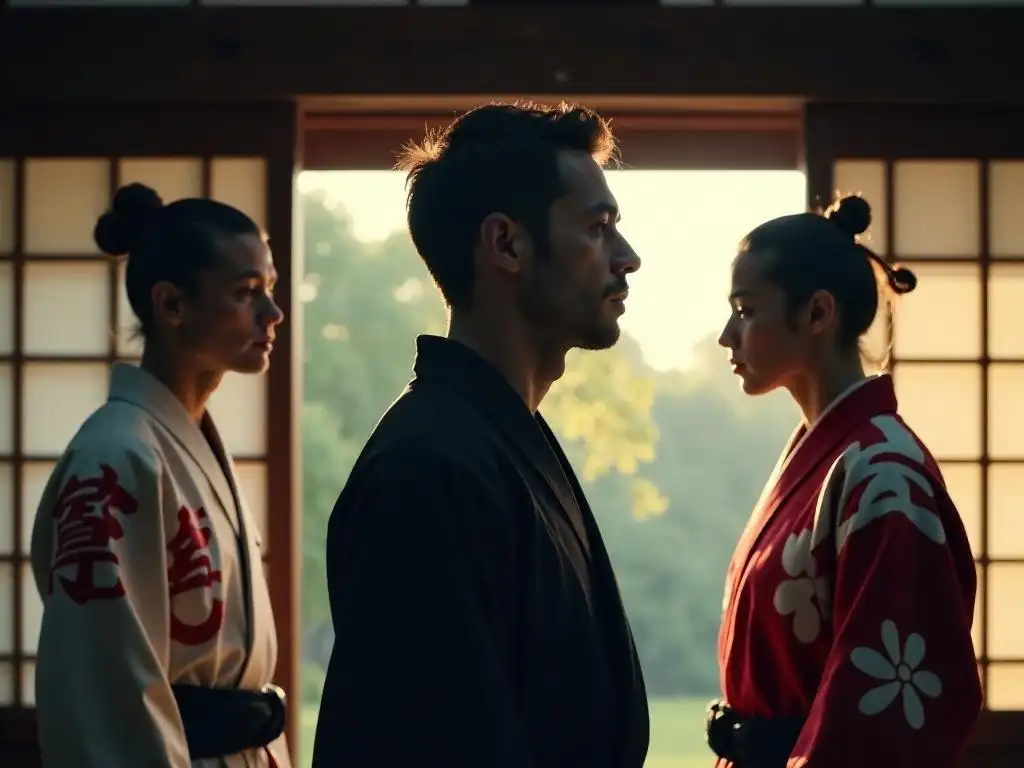
Active Watching: Engaging with Samurai Cinema
Engaging with samurai cinema requires an active viewing approach that goes beyond mere entertainment. This technique encourages learners to immerse themselves in the film's language and cultural context, making the learning process both effective and enjoyable. Here are several strategies to enhance your experience:
- Focused Viewing: Watch the film with the intent to learn. This means pausing frequently to jot down unfamiliar kanji and vocabulary. For instance, if you encounter the word "武士" (bushi - samurai), take a moment to write it down along with its meaning and pronunciation.
- Repetition: Rewatch key scenes that feature significant dialogues. This allows you to hear the pronunciation multiple times and helps reinforce the kanji and vocabulary in your memory.
- Contextual Learning: Observe how characters use specific phrases in different situations. This not only helps in understanding the vocabulary but also provides insight into cultural nuances and social interactions in feudal Japan.
Taking Notes on Kanji and Vocabulary
Taking notes is a crucial part of the learning process. Here are some effective methods:
- Create a Kanji Journal: Dedicate a notebook to kanji learned from films. Write down the kanji, its readings, meanings, and example sentences from the films. This practice helps with retention and recall.
- Visual Aids: Incorporate drawings or images that represent the kanji. For example, for the kanji "刀" (katana - sword), you could draw a simple sword sketch.
- Flashcards: Use flashcards for kanji and vocabulary. Write the kanji on one side and its meaning and example on the other. This method is excellent for quick reviews.
Creating a Vocabulary List from Film Dialogues
Building a vocabulary list directly from film dialogues can significantly enhance your language skills. Here’s how to structure this:
- Scene-by-Scene Compilation: After watching a scene, compile a list of notable words or phrases. For instance, if a character frequently uses the term "忠義" (chuugi - loyalty), add it to your list with context on how it's used.
- Categorization: Organize the vocabulary into themes such as emotions, combat, or honor. This helps to understand and remember vocabulary in context.
- Regular Review: Schedule regular reviews of your vocabulary list. This helps solidify your memory and aids in long-term retention.
Using Subtitles for Effective Learning
Subtitles are an invaluable resource for language learners, especially when watching samurai films. They provide a dual-layer of understanding that can enhance vocabulary acquisition.
Choosing the Right Subtitle Settings for Language Learning
Selecting the appropriate subtitle settings can drastically affect your learning experience. Consider the following:
- Japanese Subtitles: Whenever possible, use Japanese subtitles instead of English. This forces you to engage with the kanji and vocabulary as they are presented in the film, aiding recognition and comprehension.
- Bilingual Subtitles: For beginners, bilingual subtitles can be beneficial. This allows you to see the direct translation while still engaging with the original language text.
- Adjusting Speed: Some streaming platforms allow you to control subtitle speed. Slowing down the dialogue can enhance understanding, especially for complex kanji.
Analyzing Translations in Samurai Films
Analyzing how samurai films translate dialogue can deepen your understanding of both the language and the cultural context. Here are some analysis strategies:
- Compare Translations: Look at different subtitles for the same scene. This can reveal how nuances are translated differently, providing a richer understanding of expression.
- Cultural Context: Reflect on the cultural significance of certain terms. For example, the term "侍" (samurai) carries a historical weight that may not be fully captured in translation. Understanding the cultural implications can enhance your vocabulary.
- Discussion Groups: Join a language learning group focused on samurai films. Discussing translations and their meanings with peers can provide new insights and reinforce your learning experience.
By incorporating these techniques into your study regimen, you can effectively harness samurai cinema as a powerful tool for learning kanji and vocabulary, enriching your understanding of both the language and the rich cultural tapestry of feudal Japan.
Recommended Resources for Learning Japanese Through Samurai Cinema

Online Courses and Platforms for Samurai Film Language Learning
In the modern age of digital education, numerous online courses and platforms offer tailored experiences for learning Japanese through the lens of samurai cinema. These resources provide an engaging way to immerse oneself in the language while simultaneously appreciating the rich cultural heritage depicted in these films.
Udemy: A Comprehensive Learning Resource
Udemy hosts a variety of courses specifically designed for language learners interested in samurai cinema. With user-friendly interfaces and diverse content, learners can choose from beginner to advanced levels. Key features include:
- Video Lectures: Engaging visual content that incorporates clips from iconic samurai films, enabling learners to see language in context.
- Interactive Quizzes: Regular assessments to gauge understanding and retention of vocabulary and kanji.
- Downloadable Resources: Supplemental materials, such as vocabulary lists and kanji charts, which help reinforce learning outside the digital classroom.
Classes like "Learn Japanese Through Samurai Movies" are particularly popular, focusing on dialogues, cultural nuances, and historical contexts, making it a comprehensive resource for language acquisition.
"Japanese Through Cinema": Focused on Samurai Cinema
"Japanese Through Cinema" is an innovative online course that emphasizes learning Japanese via the samurai film genre. This course uniquely intertwines language learning with film analysis, allowing students to explore:
- Cultural Contexts: Understanding the samurai's role in Japanese history and society, which enriches vocabulary acquisition.
- Key Vocabulary: Specific terms and phrases frequently used in samurai films, ensuring learners grasp essential language elements.
- Kanji Recognition: Focus on kanji used in film titles and dialogues, fostering better reading skills and comprehension.
This approach not only builds language skills but also fosters a deeper appreciation for the artistic and cultural significance of samurai cinema.
Books and Guides on Samurai Cinema and Japanese Language
Books and guides serve as invaluable resources for learners who prefer a more traditional approach to study. They often provide in-depth analysis and structured learning paths, making them ideal companions for those exploring the intersection of samurai cinema and language learning.
"Japanese Cinema and Language Learning" – A Must-Read
"Japanese Cinema and Language Learning" is an essential text for anyone interested in the linguistic and cultural dimensions of samurai films. This book offers:
- Historical Insights: A thorough exploration of the evolution of samurai cinema and its influence on Japanese language and culture.
- Language Exercises: Practical exercises that challenge readers to analyze dialogues and scenes, enhancing both comprehension and retention.
- Film Recommendations: Curated lists of samurai films that are particularly beneficial for language learners, providing context for vocabulary usage.
By integrating language learning with film critique, this book enables readers to develop a well-rounded understanding of both the language and the cinematic art form.
"Kanji in Context" – Learning through Cultural Themes
"Kanji in Context" is an innovative resource that focuses on kanji learning through various cultural themes, including samurai cinema. This book presents:
- Thematic Vocabulary: Collections of kanji and vocabulary grouped by themes relevant to samurai films, such as honor, battle, and tradition.
- Contextual Usage: Example sentences from samurai films illustrating how kanji is used in real-life scenarios, enhancing retention and understanding.
- Practice Activities: Engaging exercises that challenge learners to apply their knowledge in creative ways, solidifying their understanding of both kanji and cultural nuances.
This book is particularly effective for learners aiming to integrate language skills with cultural literacy, making it a valuable addition to any samurai cinema enthusiast's library.
By employing these resources, learners can effectively navigate the complexities of the Japanese language while immersing themselves in the captivating world of samurai cinema. Whether through online courses, insightful books, or a combination of both, the journey to mastering Japanese can be a rich and rewarding experience.
Success Stories: Learners Who Mastered Japanese with Samurai Cinema
The intersection of samurai cinema and language learning has created a unique pathway for many individuals seeking to master Japanese. Through engaging narratives, memorable characters, and culturally rich settings, learners have found inspiration and motivation to enhance their language skills. Below, we delve into specific case studies and testimonials from individuals who have successfully navigated this journey.
Case Study: From Film Buff to Fluent Speaker
One compelling example is the story of Emily Thompson, a 28-year-old graphic designer from California. Emily grew up watching samurai films, fascinated by the artistry and historical context. However, it wasn’t until she decided to learn Japanese that she realized the potential of these films as a learning tool.
- Initial Motivation: Emily's interest was piqued after watching Akira Kurosawa’s Seven Samurai. The film's intricate dialogue and cultural nuances inspired her to understand the language better.
- Learning Approach:
- Film Selection: Emily curated a list of samurai films, including classics like Yojimbo and Rashomon.
- Active Watching: She engaged in active watching, pausing scenes to jot down unfamiliar kanji and phrases.
- Supplementary Resources: Alongside her film studies, she utilized language apps and textbooks to reinforce her learning.
- Results: Within two years, Emily achieved conversational fluency. She attributes her progress to the rich vocabulary and context provided by samurai cinema. Key aspects of her learning included:
- Understanding Context: The historical and cultural context of the films helped her grasp idiomatic expressions.
- Kanji Recognition: Repeated exposure to kanji in titles and dialogues aided in recognition and retention.
Emily’s journey exemplifies how a passion for samurai cinema can transform into practical language skills and cultural understanding.
Testimonials from Language Learners Using Samurai Films
Many other learners have echoed Emily’s sentiments, sharing their experiences of mastering Japanese through samurai films. Here are a few testimonials that highlight the effectiveness of this unique approach:
-
Tomoko S., College Student:
"I started watching Harakiri for its story, but I ended up learning so much more! The dialogues were challenging at first, but I found myself picking up vocabulary faster than I expected.”
-
Mark R., Language Enthusiast:
"Samurai films have a way of captivating you. I love how the characters express honor and loyalty; it motivated me to learn the language to understand these nuances."
-
Aisha K., Self-taught Learner:
"Using samurai movies helped me connect with the language. I loved practicing my listening skills with the authentic pronunciation and historical language that many textbooks don’t provide."
These testimonials reinforce the idea that samurai cinema is not just entertainment; it serves as a powerful educational tool that can spark curiosity and facilitate language acquisition. Through engaging stories and cultural immersion, learners are able to build a robust vocabulary and a deeper appreciation for the Japanese language.
Conclusion: Embracing Samurai Cinema for Language Mastery
Samurai cinema offers a unique and immersive approach to language learning, particularly for those interested in the Japanese language. By engaging with films that depict the feudal era, learners are not only introduced to the language but also to the rich cultural and historical contexts that shape it. The visual storytelling in samurai films enhances comprehension, allowing viewers to connect words and phrases with actions and emotions, making the learning experience more memorable.
The intricacies of the language are often highlighted through dialogue steeped in cultural nuances. For instance, formal speech patterns used by samurai can help learners understand the importance of politeness and respect in Japanese communication. Additionally, the use of regional dialects and period-specific vocabulary exposes learners to the diversity of the language, preparing them for real-world conversations beyond the classroom.
The Future of Language Learning Through Film
As technology advances, the integration of film into language learning is likely to become even more sophisticated. Virtual reality and augmented reality could allow learners to step into the world of samurai cinema, participating in scenes and dialogues. Imagine donning a VR headset and finding yourself in a samurai dojo, practicing kanji on a scroll while interacting with characters in real-time! This experiential learning would not only enhance vocabulary retention but also provide a deeper understanding of cultural context.
Moreover, the rise of streaming platforms has made samurai films more accessible than ever. With subtitles and dubbing options available in various languages, learners can choose their preferred mode of engagement while still being exposed to authentic Japanese dialogue. Educators can harness these resources to create dynamic lesson plans that incorporate film analysis, vocabulary building, and cultural discussions, fostering a more holistic approach to language acquisition.
Encouragement to Explore and Learn with Samurai Cinema
To truly benefit from the unique language learning opportunities that samurai cinema offers, learners are encouraged to actively engage with the films. Here are some practical steps to enhance your experience:
- Watch with Subtitles: Start with English subtitles, then transition to Japanese subtitles as you become more comfortable with the language.
- Take Notes: Jot down new vocabulary, phrases, and kanji encountered during viewing. Consider creating flashcards for effective memorization.
- Discuss with Peers: Join a study group or online forum dedicated to samurai cinema. Sharing insights and interpretations can deepen understanding and retention.
- Practice Speaking: Mimic dialogues from the films to improve pronunciation and intonation. This can also boost confidence when speaking Japanese in real-life situations.
By embracing samurai cinema as a language learning tool, you not only enhance your vocabulary and kanji skills but also cultivate an appreciation for the cultural heritage that defines Japan. Dive into the world of samurai films and discover a captivating way to master the language!
Frequently Asked Questions
What is Samurai cinema and how does it relate to language learning?
Samurai cinema refers to films that depict the feudal era of Japan, often featuring samurai characters. These films can serve as a unique tool for language learning by providing context for Kanji and vocabulary in an engaging format.
How can watching Samurai films improve my Japanese vocabulary?
Watching Samurai films helps learners associate words and phrases with visual storytelling. This method enhances retention and understanding of contextual usage, making it easier to memorize Kanji.
Are there specific Samurai films recommended for language learners?
Yes, films like "Seven Samurai" and "Rashomon" are excellent choices. They offer rich dialogue and cultural context, making them ideal for learners looking to expand their vocabulary while enjoying cinematic storytelling.
What aspects of Samurai culture can enhance language learning?
Studying Samurai culture through cinema introduces learners to historical and cultural references. This context not only enriches one’s vocabulary but also provides insights into Japanese societal norms and values.
Can I incorporate Samurai cinema into my daily language learning routine?
Absolutely! Incorporating Samurai cinema by watching films regularly can create a dynamic learning environment. Pairing films with Kanji practice and vocabulary reviews can reinforce language skills effectively.
Final Reflection: Embracing Samurai Cinema for Language Learning
In today's fast-paced world, the intersection of culture and education has never been more significant. Samurai cinema offers a unique lens through which we can engage with the Japanese language, enriching our understanding of Kanji and vocabulary in a way that traditional methods often fail to achieve. By immersing ourselves in the narratives and aesthetics of these films, we not only learn the language but also connect with the cultural nuances that shape it. This approach to language learning is not just innovative; it is essential for fostering a deeper appreciation of the language itself.
The influence of samurai cinema extends beyond mere entertainment; it has become a cultural touchstone that continues to shape our understanding of Japan and its language. As we explore the themes of honor, loyalty, and the human experience depicted in these films, we find ourselves reflecting on our own values and beliefs. The powerful imagery and dialogue serve as a bridge, linking us to the rich tapestry of Japanese culture. Cinema is a matter of what's in the frame and what's out.
– Martin Scorsese. This quote resonates deeply, reminding us that what we choose to engage with shapes our learning journey.
As you consider the lessons from samurai cinema, I invite you to reflect on how you can incorporate this unique approach into your own language learning. Embrace the stories, the characters, and the language as a living entity that evolves with each viewing. Let the films inspire you to delve deeper into the vocabulary and Kanji, transforming your learning experience into an adventure that transcends the classroom. Together, let us honor the legacy of samurai cinema and harness its power to enrich our understanding of the Japanese language and culture.
Unlock Your Language Potential Through Samurai Cinema!
Thank you for diving into the world of Samurai Cinema and discovering its fascinating role in learning Kanji and vocabulary! Armed with fresh insights, it's time to transform your newfound knowledge into action.
Here’s how you can harness the power of Samurai films to elevate your Japanese language skills:
- Start watching a Samurai movie with Japanese subtitles today; pay attention to the Kanji and context!
- Share your favorite film recommendations in the comments below to build a community of fellow learners.
- Join a local or online discussion group dedicated to exploring Japanese cinema and language together.
Which Samurai film will you watch first, and how do you think it will enhance your understanding of Kanji?