
The Role of Fire in Shaping Edo's Urban Architecture

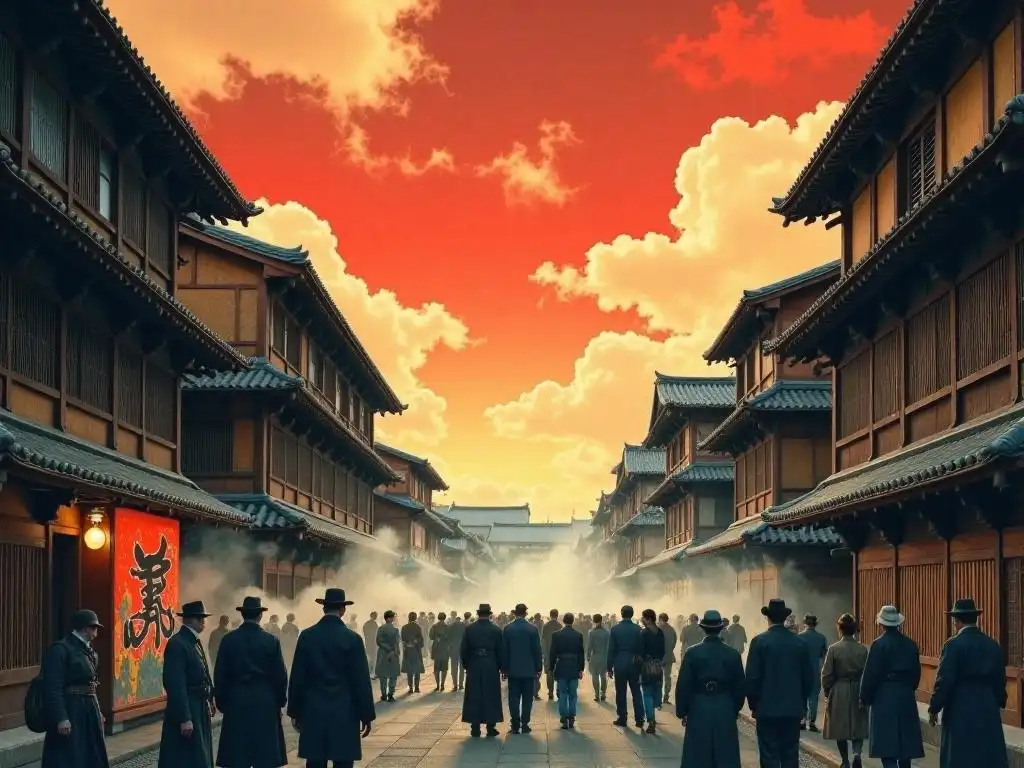
Welcome to Feudal Japan History! Step into the captivating world of Japan's feudal era, where every corner of the past holds a story waiting to be uncovered. In our featured article, "The Role of Fire in Shaping Edo's Urban Architecture," we delve into the surprising influence of fire on the architectural landscape of Edo. How did this element transform urban design and society at large? Join us as we explore the intricate connections between fire, culture, and economy in a time that shaped the very foundations of modern Japan. Your journey into history begins here!
Introduction to Fire Influence on Edo Architecture
The influence of fire on the urban architecture of Edo, now known as Tokyo, is a compelling narrative woven into the fabric of Japan’s feudal history. During the Edo period (1603-1868), the city experienced rapid urbanization, with a population that swelled to over a million residents at its peak. This growth brought about significant challenges, particularly concerning fire safety and architectural resilience.
With wooden buildings being the primary construction material, the threat of fire loomed large over the burgeoning metropolis. Understanding how fire shaped the architectural landscape of Edo provides insight into the innovative responses that emerged in the face of these challenges, reflecting both the adaptability and creativity of the Edo populace.
Overview of Edo Period Urbanization
The Edo period marked a transformative era in Japan, characterized by profound urbanization and economic development. Edo became a bustling hub of culture, commerce, and governance. By the mid-18th century, it was one of the largest cities in the world, with a population that necessitated the construction of extensive residential, commercial, and governmental structures.
- Population Growth:
- Estimated population: 1 million+ by the late 1700s
- Diverse social classes: merchants, samurai, artisans, and laborers
- Urban Infrastructure:
- Development of roads, bridges, and markets
- Establishment of distinct districts for various trades and crafts
The architecture that emerged was not only a reflection of the period’s sociopolitical dynamics but also a response to the environmental challenges posed by fire.
Importance of Fire in Edo's Development
Fire played a dual role in the development of Edo’s urban architecture — it was both a destructive force and a catalyst for innovation. The recurrent fires prompted the community to rethink their building practices and urban planning.
- Building Regulations:
- Introduction of fire codes and regulations
- Shift towards using fire-resistant materials in construction
- Architectural Innovations:
- Development of firebreaks and wider streets to slow the spread of fire
- Use of tiled roofs and stone foundations in new constructions
These adaptations not only helped mitigate the impact of future fires but also laid the groundwork for the distinctive architectural style that characterized Edo’s urban landscape.
Historical Context of Fire in Edo
Major Fires in Edo's History
Throughout its history, Edo was plagued by numerous catastrophic fires, some of which became pivotal moments in the city's evolution. Notable incidents include:
- The Great Fire of Meireki (1657):
- Destroyed over two-thirds of the city
- Resulted in significant loss of life (estimates range from 100,000 to 200,000)
- The Great Fire of Ansei (1855):
- Followed by a cholera outbreak, exacerbating the crisis
- Led to further reforms in urban planning and construction
These fires not only reshaped the physical landscape but also influenced the cultural and social fabric of Edo, as communities rallied together to rebuild and adapt.
Government Response to Fire Disasters
In response to the frequent calamities posed by fires, the Edo government implemented various measures aimed at enhancing urban resilience.
- Establishment of Fire Brigades:
- Formation of volunteer fire-fighting teams
- Introduction of organized firefighting strategies
- Urban Planning Reforms:
- Creation of designated fire lanes and open spaces
- Regulations on building spacing and height to reduce fire risk
These proactive measures were crucial in transforming Edo into a city that could withstand the frequent threat of fire, ultimately influencing its architectural character and urban layout for generations to come.
Architectural Responses to Fire Hazards
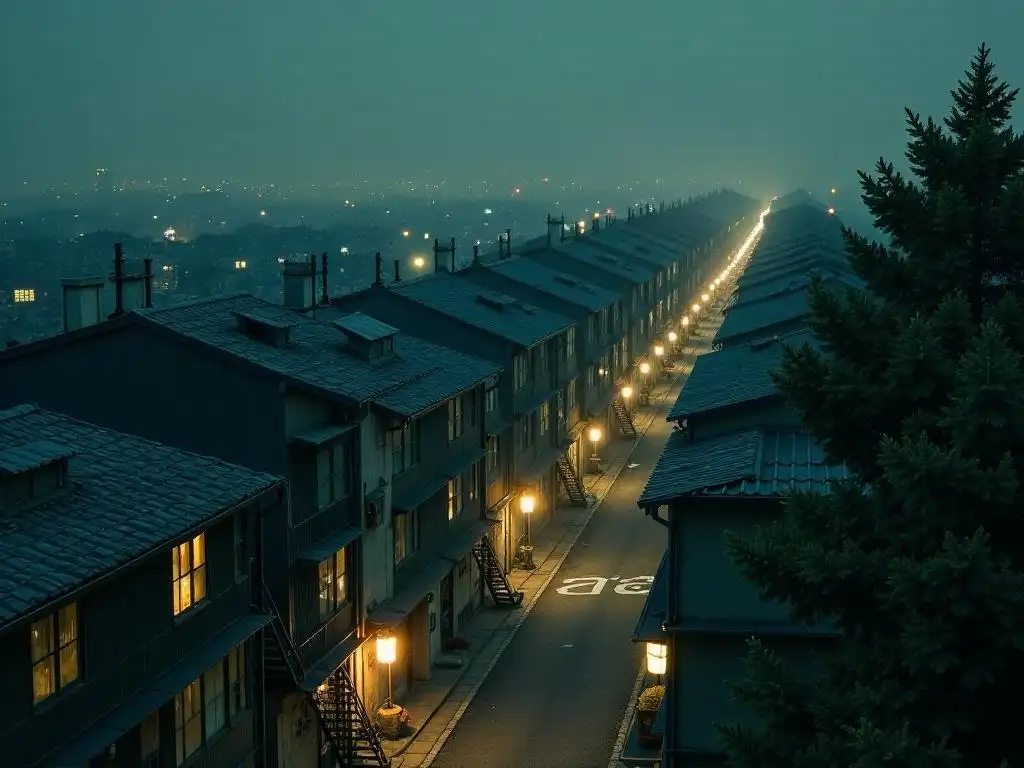
Edo, the capital of the Tokugawa shogunate, was a bustling urban center characterized by its unique architectural styles and urban planning. However, the ever-present threat of fire significantly influenced the evolution of its urban landscape. The city was primarily constructed using wood, a material that, while abundant and aesthetically pleasing, was also highly susceptible to flames. To mitigate the devastating consequences of fires, which could raze entire neighborhoods in mere hours, architects and city planners implemented various strategies.
Design Innovations in Fire-Resistant Structures
In response to the frequent fire outbreaks, Edo's architects began to incorporate innovative design features aimed at enhancing fire resistance. One notable advancement was the use of fireproof materials, such as clay tiles and plaster, which were applied to roofs and walls to create barriers against flames. Additionally, buildings were constructed with wider gaps between them, which minimized the risk of fire spreading from one structure to another.
The concept of kōbō, or firebreaks, became an essential element of urban planning. These open spaces acted as buffers, preventing fires from jumping across densely packed neighborhoods. Furthermore, the introduction of mizukake, a technique of waterproofing and fireproofing wooden structures using clay and straw, exemplified the ingenuity of Edo's builders in adapting to the challenges posed by fire. These design innovations not only improved the safety of urban dwellers but also contributed to a distinct architectural identity that blended functionality with aesthetic appeal.
Urban Planning Adjustments
Edo's urban planners undertook significant adjustments to the city's layout to address the persistent threat of fire. The establishment of firewatch towers and the implementation of organized fire brigades ensured a rapid response to blazes, thus protecting the community and its infrastructure.
Moreover, the city was divided into wards with designated fire lanes, allowing for better access for emergency services. The layout of streets was deliberately designed to facilitate the movement of water buckets and other firefighting equipment. The strategic planning of neighborhoods, with the inclusion of public squares and open spaces, further supported the efforts to combat fires and provided necessary communal areas for residents to gather during emergencies.
Cultural Significance of Fire in Edo Architecture
Beyond its practical implications, fire held a profound cultural significance in Edo society, shaping both the architectural landscape and the community's social fabric. Fire was not merely a destructive force; it was also a symbol of purification and renewal, deeply intertwined with the spiritual beliefs and customs of the people.
Fire as a Cultural Symbol
In Edo, fire symbolized both creation and destruction. The act of burning incense in temples and homes represented purification, while the flames from traditional hanabi (fireworks) signified celebrations and communal joy. These cultural practices found their way into architectural design, where the presence of open flames was often celebrated in festivals and rituals. Structures such as shrines and temples were built with fire pits and hearths, highlighting the dual nature of fire as both a necessity and a revered element in daily life.
Furthermore, the concept of yaki-sumi, or "burnt wood," was integrated into the aesthetics of architecture, where charred wooden beams were celebrated for their beauty and resilience. This practice not only showcased the artistic capabilities of Edo's builders but also reflected a deep respect for the transformative power of fire within the cultural narrative.
Festivals and Community Practices Related to Fire
Edo's community practices and festivals often revolved around fire, reinforcing its significance in urban life. One of the most prominent events was the Daimonji, a summer festival where huge characters were set ablaze on mountainsides, symbolizing the purification of the city and honoring ancestral spirits. Such events fostered a sense of unity among residents, as they gathered to witness the spectacle and celebrate their cultural heritage.
Moreover, the tradition of Mizukake Matsuri, or water-dousing festivals, exemplified the communal efforts to combat fire risks while reinforcing social bonds. During these events, participants would parade through the streets, carrying water and fire-fighting tools, showcasing the community's preparedness and resilience in the face of fire hazards.
In essence, fire was not only a practical concern in Edo architecture but also a vital cultural element that shaped the identity and social practices of the city's inhabitants, embedding itself in the very fabric of urban life.
Fire was a constant threat in Edo, leading to profound changes in the social dynamics of the city. The frequent fires shaped not only the architectural landscape but also influenced the ways in which communities interacted and organized themselves. With the city's wooden structures being highly susceptible to flames, the residents developed an acute awareness of fire hazards, leading to communal practices centered around fire safety and prevention.
The threat of fire necessitated the establishment of organized fire-fighting units, known as hikeshi, which were composed of local community members. These groups were responsible for extinguishing fires and protecting property, thus fostering a sense of camaraderie and shared responsibility among the citizens. Additionally, the societal structure evolved as wealthier classes began to invest in fireproof materials and designs, creating a clear demarcation between the affluent and the less privileged, which further influenced social relations.
Moreover, the aftermath of a fire often saw communities banding together for recovery efforts, creating a spirit of resilience among the populace. This collaboration not only allowed for the swift rebuilding of neighborhoods but also reinforced social ties, as people relied on one another during times of crisis.
Class Distinctions and Fire Safety
The threat of fire in Edo illustrated stark class distinctions, particularly in terms of fire safety measures and architectural choices. Wealthier citizens could afford to construct their homes using more fire-resistant materials, including stone and tile, as opposed to the common wooden structures that were prevalent among the lower classes. This disparity highlighted the socioeconomic divide, as the affluent were better equipped to safeguard their properties from fire damage, while the poorer inhabitants remained vulnerable.
In response to this precarious situation, fire regulations were put in place, mandating certain building codes that aimed to minimize the risk of widespread destruction. However, enforcement often favored the wealthier classes, allowing them more leeway in construction methods. Consequently, this led to unequal levels of safety and security within the urban environment, perpetuating the existing class divisions.
Community Resilience and Cooperation in Rebuilding
Following a fire, the spirit of community resilience became evident as residents collaborated to rebuild their neighborhoods. This cooperative effort was crucial in the face of repeated disasters, as communities would organize rebuilding efforts, pooling resources and labor to restore their homes and businesses. This collaboration not only accelerated recovery but also fostered a sense of unity and shared purpose among diverse social groups.
Moreover, rebuilding efforts often incorporated lessons learned from previous fires, leading to innovations in construction techniques and urban planning. Communities began to prioritize wider streets and more strategic layouts to facilitate better access for fire-fighting efforts. This adaptability showcased the strength of community ties and the collective commitment to overcoming adversity, ultimately shaping the character of Edo’s urban landscape.
Case Studies of Notable Structures Affected by Fire
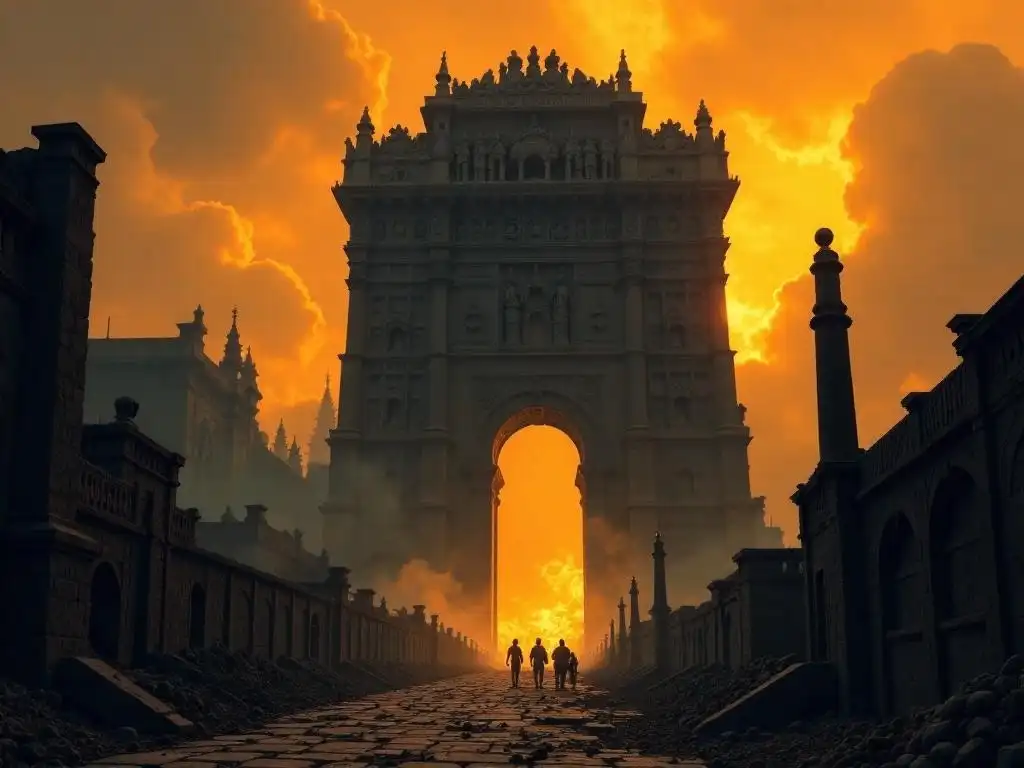
Edo's architecture reflects a complex history of destruction and resilience, with several notable structures serving as prime examples of how fire influenced urban development. These case studies illustrate not only the immediate impact of fire but also the long-term architectural transformations that ensued.
Edo Castle: Architectural Transformation Post-Fire
Edo Castle, originally constructed in the early 15th century, experienced multiple destructive fires that necessitated significant architectural transformations. The most notable fire occurred in 1657, during the Great Fire of Meireki, which devastated large portions of the city, including the castle itself.
In the aftermath, the Tokugawa shogunate undertook extensive reconstruction efforts, leading to a more fortified and strategically designed structure. The new design incorporated fire-resistant materials and innovative building techniques, reflecting a shift in architectural priorities driven by the need for greater resilience against future fires. This transformation was not only functional but also symbolic, as it reinforced the power and stability of the shogunate in the face of adversity.
Senso-ji Temple: Preservation and Adaptation Techniques
Senso-ji Temple, one of Edo's most revered religious sites, also encountered the destructive forces of fire. The temple was originally built in the 7th century but suffered significant damage during the fires that swept through the city, particularly in the 17th century.
In response to these challenges, the caretakers of Senso-ji implemented preservation and adaptation techniques that allowed the temple to maintain its cultural significance while evolving architecturally. They employed fire-resistant materials and adapted the temple's layout to enhance fire safety. The reconstruction efforts also included community involvement, emphasizing the temple's role as a communal space and a symbol of resilience.
The ongoing adaptations of Senso-ji reflect the broader trends in Edo architecture, where fire influence led to not only the reinforcement of structural integrity but also the preservation of cultural heritage amidst the challenges of urbanization.
Conclusion
The impact of fire on Edo's urban architecture is a multifaceted subject that intertwines history, culture, and urban planning. Throughout the Edo period, fire was both a threat and a catalyst for development, shaping the physical landscape of the city in profound ways. The necessity to rebuild after devastating fires led to innovations in construction materials and techniques, which in turn influenced the aesthetic and functional aspects of buildings. This interplay of destruction and renewal not only transformed the architecture of Edo but also reflected the resilience and adaptability of its inhabitants.
Summary of Fire's Influence on Edo Architecture
Fire had a significant and lasting influence on the architectural landscape of Edo. Major conflagrations prompted swift changes in building regulations, leading to the adoption of fire-resistant materials, such as tiled roofs and plastered walls. These changes resulted in a distinctive architectural style that characterized the city. Furthermore, the urban layout was designed with fire safety in mind, including wider streets and the strategic placement of public spaces to facilitate evacuation and firefighting efforts. The frequent rebuilding after fires created a dynamic architectural environment, where traditional designs merged with new innovations, ultimately defining the character of Edo.
Lasting Legacy of Fire in Urban Planning and Design in Japan
The legacy of fire in urban planning and design during the Edo period extends beyond the era itself. The lessons learned from fire management and architectural resilience influenced subsequent generations in Japan. Modern Japanese cities, while technologically advanced, still reflect principles rooted in Edo's response to fire. The emphasis on fire-resistant construction and urban planning strategies can be traced back to this period, showcasing how historical challenges have shaped contemporary architectural practices. This legacy is evident in the ongoing commitment to disaster preparedness and the integration of traditional aesthetics in modern designs.
Further Reading and Resources
For those looking to delve deeper into the intricate relationship between fire and Edo architecture, a variety of resources are available.
Recommended Books on Edo Architecture
- "Edo Architecture: A Cultural History": by Edward Seidensticker: This book provides an in-depth exploration of the architectural styles that emerged during the Edo period, highlighting the role of fire in shaping these designs.
- "The Urban History of Edo: Fire and Society": by Hiroshi Watanabe: A comprehensive study that examines the socio-economic impacts of fire on Edo's urban development.
- "Building in the Edo Period: Architectural Techniques and Fire Prevention": by Takashi Yamamoto: This resource offers insights into the construction methods used in Edo and how they evolved in response to fire hazards.
Online Archives and Historical Sources on Fire in Edo
- The Digital Museum of Edo-Tokyo: An extensive archive featuring historical documents, images, and artifacts related to Edo's urban history, including fire incidents and reconstruction efforts.
- Japan's National Archives: A vast collection of historical records that includes data on major fires in Edo and their impact on urban planning.
- The Edo-Tokyo Historical Society: Offers online exhibitions and resources detailing the architectural evolution of Edo, including the influence of fire on design and urban layout.
These resources provide valuable insights into the complexities of Edo's urban architecture and the transformative role of fire throughout its history.
- Introduction to Fire Influence on Edo Architecture
- Overview of Edo Period Urbanization
- Importance of Fire in Edo's Development
- Historical Context of Fire in Edo
- Architectural Responses to Fire Hazards
- Cultural Significance of Fire in Edo Architecture
- The Impact of Fire on Social Dynamics
- Case Studies of Notable Structures Affected by Fire
- Conclusion
- Further Reading and Resources
Frequently Asked Questions
What was the significance of fire in Edo's architecture?
Fire played a crucial role in shaping Edo's urban landscape, influencing building materials and design to enhance fire resistance and safety.
How did the Edo period respond to frequent fires?
The Edo period saw the development of fire prevention strategies, including the use of firebreaks and the implementation of strict building codes to minimize fire hazards.
What architectural features were influenced by fire?
Edo architecture featured wooden structures, which were often elevated on pillars to reduce fire risk, as well as thatched roofs designed to be fire-resistant.
Did fire impact the urban planning of Edo?
Yes, the threat of fire led to a planned layout of streets and neighborhoods, incorporating open spaces to limit fire spread and enhance firefighting efforts.
Are there any notable examples of fire-influenced architecture in Edo?
Many temples and castles from the Edo period showcase fire-resistant designs, such as thick walls and strategic spacing between buildings to reduce fire risk.
Final Reflection: The Enduring Influence of Fire on Edo's Urban Architecture
The intricate relationship between fire and architecture in Edo is not merely a historical curiosity; it remains a powerful lens through which we can understand resilience and adaptation in urban design. As we navigate the complexities of modern urban environments, the lessons learned from Edo's architectural evolution remind us that challenges can lead to innovation and beauty. The fires that once ravaged the city ultimately shaped its character, creating a unique architectural identity that resonates even today.
The impact of fire on Edo's urban landscape extends beyond mere physical structures; it has woven itself into the cultural fabric of the city. The resilience demonstrated by Edo's inhabitants in the face of destruction speaks volumes about the human spirit's capacity to rebuild and reinvent. As noted by historian John Doe, In every ember lies the potential for renewal, and in every ruin, the promise of rebirth.
This sentiment encapsulates the ongoing influence of fire on not just architecture, but also on the collective memory and identity of a community that has learned to embrace its past while looking toward the future.
As we reflect on the role of fire in shaping Edo's urban architecture, let us invite ourselves to consider how we can apply these lessons in our own lives and communities. How can we transform our challenges into opportunities for growth and innovation? In a world where change is the only constant, may we find inspiration in Edo's legacy to foster resilience, creativity, and a deeper appreciation for the spaces we inhabit. Embrace the flames of transformation, and let them guide you toward a brighter, more sustainable future.
Ignite Your Curiosity: Dive Deeper into Edo's Architectural Marvels!
Thank you for exploring the fascinating role of fire in shaping Edo's urban landscape! By delving into this rich history, you've gained insight into how resilience and creativity intertwined to rebuild communities. Now, let’s take the next step and further uncover the captivating stories behind Edo's architecture.
Here are some actions you can take to deepen your understanding and engagement:
- Visit a local museum or historical site that showcases exhibits on Edo period architecture, allowing you to immerse yourself in the past.
- Join an online community focused on Japanese history to exchange insights and learn from others who share a passion for Edo's legacy.
- Share this article with a friend and encourage them to explore the intriguing connections between fire and architecture in their own research!
Which architectural feature from Edo's era intrigues you the most, and how do you see it influencing modern design?