
Samurai Merchants: The Overlooked Economic Powerhouse of Feudal Japan


Welcome to Feudal Japan History, where we invite you to embark on a fascinating journey through the intricate tapestry of Japan’s feudal era. Delve into the world of samurai merchants, those often-overlooked titans of trade who wielded as much economic power as their warrior counterparts. What drove these merchant-samurai to navigate the delicate balance between honor and commerce?
Join us as we unravel the enigmatic role they played in shaping the economic landscape of feudal Japan. Get ready to uncover the layers of history waiting to be explored in our latest article, "Samurai Merchants: The Overlooked Economic Powerhouse of Feudal Japan." Your adventure into the past begins now!
- Introduction to Samurai Merchants in Feudal Japan
- The Role of Samurai Merchants in the Economy
- Historical Development of Samurai Merchants
- Economic Activities of Samurai Merchants
- Samurai Merchants and Social Status
- The Impact of Samurai Merchants on Feudal Japan
- Conclusion: Reassessing the Role of Samurai Merchants
- Further Reading and Resources on Samurai Merchants
-
Frequently Asked Questions
- What role did samurai merchants play in feudal Japan's economy?
- How did the status of samurai merchants differ from traditional merchants?
- What were the primary goods traded by samurai merchants?
- How did the presence of samurai merchants impact social structures?
- What legacy did samurai merchants leave on modern Japan?
- Final Reflection: The Unseen Legacy of Samurai Merchants
- Unleash the Secrets of Samurai Merchants!
Introduction to Samurai Merchants in Feudal Japan
The narrative of feudal Japan is often dominated by the valor and honor of the samurai class, yet an intriguing layer of this period remains relatively unexplored: the role of samurai merchants. These individuals, who straddled the delicate balance between the martial and economic realms, played a pivotal role in shaping Japan's socio-economic landscape. As the nation transitioned from a predominantly agrarian society to one increasingly engaged in commerce, samurai merchants emerged as key players in this transformation.
This article aims to delve into the multifaceted contributions of samurai merchants, examining their economic strategies, cultural influences, and the broader implications of their activities during the feudal era. By exploring this often-overlooked aspect of Japan's history, we seek to provide a comprehensive understanding of how samurai merchants contributed to the economic powerhouse that feudal Japan became.
Overview of Feudal Japan's Economic Landscape
Feudal Japan, spanning from the late 12th century to the mid-19th century, was marked by a decentralized political structure where power was distributed among various feudal lords, known as daimyōs. The economy during this period was predominantly agrarian, with rice serving as the main currency and staple. However, as the population grew and urbanization began to take root, the economic landscape underwent significant changes.
- Key Features of the Economic Landscape:
- Agriculture-Based Economy: The majority of the population was engaged in rice farming, which was vital for sustenance and trade.
- Emergence of Towns: As commerce flourished, towns began to emerge, serving as centers for trade and cultural exchange.
- Rise of the Merchant Class: While often looked down upon by the samurai class, merchants began to gain wealth and influence, setting the stage for the rise of samurai merchants.
The interaction between these evolving economic conditions and the samurai class created a unique environment where some samurai began to engage in trade and commerce, leading to the rise of the samurai merchant class.
Importance of Samurai Merchants in Historical Context
The existence of samurai merchants represents a fascinating intersection of social classes, where traditional warrior values blended with the practicalities of commerce. These merchants were not merely tradespeople; they were samurai who utilized their status and influence to navigate the complexities of the evolving economy.
- Roles and Contributions:
- Facilitators of Trade: Samurai merchants played a crucial role in facilitating trade routes, connecting rural agricultural areas with urban centers.
- Cultural Exchange: They contributed to cultural exchange by introducing new goods and ideas, enriching the societal fabric of feudal Japan.
- Economic Stability: By engaging in commerce, samurai merchants helped stabilize the economy, particularly during times of conflict when traditional agricultural practices were disrupted.
In essence, the samurai merchant class was instrumental in transforming feudal Japan’s economy, bridging the gap between the warrior ethos and the burgeoning merchant activities, ultimately contributing to a more complex and interconnected society. Understanding their role provides a deeper insight into the economic history of Japan, challenging the conventional narratives surrounding the samurai and their place in history.
The Role of Samurai Merchants in the Economy
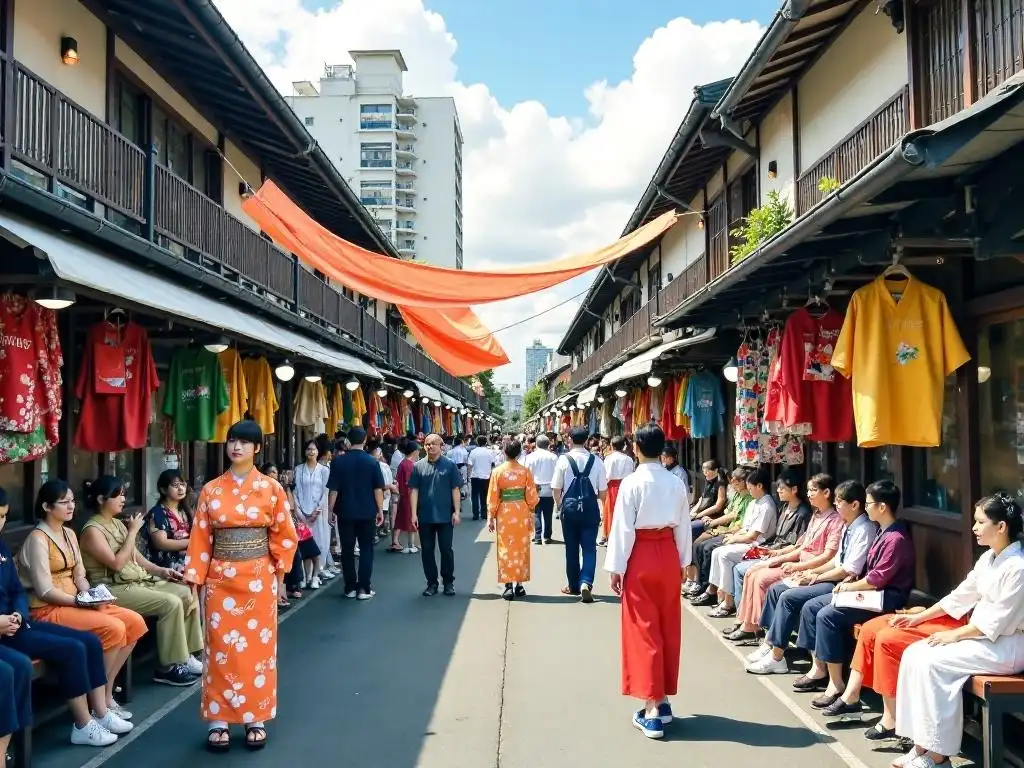
The samurai merchants in feudal Japan represent a fascinating intersection of warrior ethos and economic pragmatism. Unlike the popular image of samurai solely as warriors, they also played a pivotal role in shaping the economic landscape of Japan during the feudal era. Understanding their influence requires an exploration of their definitions, characteristics, comparisons with other merchant classes, and their contributions to both local and national economies.
Definition and Characteristics of Samurai Merchants
Samurai merchants were a unique class within the broader merchant society of feudal Japan. They were samurai by status and often held a dual role as both warriors and traders. This duality allowed them to navigate the complexities of the feudal system while engaging in commerce, particularly during the Edo period (1603-1868).
Key characteristics of samurai merchants include:
- Social Status: Unlike common merchants, samurai merchants retained their noble status, which afforded them certain privileges. They were usually from the lower ranks of the samurai class, often referred to as bushi.
- Economic Activities: Samurai merchants engaged in various trading activities, including the sale of textiles, rice, and luxury goods. They often established trading posts and participated in long-distance trade, connecting regional markets.
- Cultural Influence: Many samurai merchants were also patrons of the arts and culture, contributing to the flourishing of arts such as ukiyo-e (woodblock prints) and kabuki theater during the Edo period.
"The samurai merchants were not just warriors; they were the backbone of the economic system, blending their martial skills with trade."
Comparison with Other Merchant Classes in Feudal Japan
In feudal Japan, the merchant class was stratified, with different tiers based on wealth and social status. Samurai merchants occupied a distinctive position compared to common merchants, such as chōnin (townspeople) and kabu (wealthy traders).
- Social Hierarchy: Samurai merchants enjoyed higher social standing due to their samurai lineage, unlike common merchants who often faced social stigma. This elevated status allowed them to negotiate better trade agreements and secure favorable treatment from local lords.
- Economic Engagement: While common merchants focused primarily on maximizing profits, samurai merchants balanced their economic pursuits with an adherence to bushido, the samurai code of conduct. This often meant prioritizing loyalty and honor over mere profit.
- Risk and Investment: Samurai merchants often engaged in riskier investments, such as financing expeditions or trading ventures. Their access to samurai networks provided them with resources and protection that were generally unavailable to common merchants.
| Feature | Samurai Merchants | Common Merchants |
|---|---|---|
| Social Status | Higher (bushi class) | Lower (often stigmatized) |
| Trading Focus | Diverse goods | Common commodities |
| Cultural Contributions | Arts and culture | Limited cultural impact |
| Risk Tolerance | High | Moderate |
Contribution to Local and National Economies
The contributions of samurai merchants to the local and national economies of feudal Japan were significant and multifaceted. Their involvement in trade not only enhanced economic stability but also fostered cultural exchange.
- Local Economies: Samurai merchants often served as intermediaries between local producers and larger markets. They facilitated the distribution of agricultural products, particularly rice, which was the cornerstone of the Japanese economy. By investing in local businesses and infrastructure, they helped stimulate regional economies.
- National Trade Networks: Through their connections, samurai merchants played a crucial role in developing trade routes across Japan. They participated in national trade fairs and markets, contributing to the growth of a more interconnected economy. This network enabled the flow of goods, ideas, and cultural practices across regions, enhancing national cohesion.
- Financial Innovations: Samurai merchants were instrumental in introducing financial practices such as credit and bills of exchange. These innovations helped streamline trade and facilitated larger transactions, further embedding them within the economic fabric of Japan.
Samurai merchants in feudal Japan were more than just traders; they were influential players in shaping the economic landscape. Their unique position allowed them to blend the ideals of the samurai with the practicalities of commerce, resulting in a powerful economic force that contributed to both local prosperity and national development.
Historical Development of Samurai Merchants

Emergence of Samurai Merchants in the Kamakura Period
The Kamakura Period (1185–1333) marked a significant shift in Japanese society, which laid the groundwork for the emergence of samurai merchants. During this era, the feudal system was firmly established, resulting in a hierarchical society where the samurai class held military power and land. However, as the need for economic stability grew, certain samurai began to engage in trade and commerce, thus evolving into merchants.
Initially, samurai were primarily focused on warfare, but economic pressures and the need for resources led them to explore alternative income sources. The rise of the kanrei (shogunal deputies) enabled some samurai to oversee trade operations, utilizing their political influence and connections. This shift not only provided financial support for samurai families but also contributed to the broader economy, marking the beginning of the samurai merchant class.
During this period, trade routes expanded, and the establishment of markets became prevalent, allowing samurai merchants to engage in various economic activities. They began to invest in agricultural production, craft production, and trade in goods such as textiles, rice, and pottery. The samurai merchants’ involvement in these sectors helped them accumulate wealth and status, further blurring the lines between warrior and trader.
Evolution during the Muromachi and Edo Periods
The Muromachi Period (1336–1573) saw the further consolidation of the samurai merchant class, as trade networks expanded and urbanization took hold. With the rise of castle towns, samurai merchants thrived in these burgeoning urban centers. They not only engaged in commerce but also played essential roles in local governance and community leadership. The samurai merchants began to wield significant economic influence, often acting as intermediaries between the ruling class and commoners.
During the Edo Period (1603–1868), the samurai merchant class experienced a transformation in their economic roles. The Tokugawa shogunate established a rigid social hierarchy, which included a distinct separation between samurai and merchants. However, many samurai still engaged in commercial activities, either through direct trade or by investing in merchant enterprises.
Key developments during this period included:
- Formation of guilds: Samurai merchants began to organize themselves into guilds to enhance their bargaining power and regulate trade practices.
- Investment in agriculture: Many samurai merchants invested in agricultural land, leading to increased productivity and wealth accumulation.
- Cultural patronage: With their newfound wealth, samurai merchants became cultural patrons, supporting the arts, literature, and education, which enriched Japanese culture during the Edo period.
This period solidified the economic power of samurai merchants, allowing them to thrive despite the samurai code of honor that traditionally prioritized martial prowess over commerce.
Case Studies of Prominent Samurai Merchants
Several notable samurai merchants during the feudal era exemplify the economic influence and capabilities of this class. Here are a few prominent examples:
- Ishida Mitsunari (1560–1600): Originally a samurai, Mitsunari leveraged his political connections and military experience to engage in trade and finance. He became known for his strategic alliances and investments, which significantly impacted the socio-economic landscape of his time.
- Mitsui family: The Mitsui family, originally samurai, transitioned into a prominent merchant family during the Edo period. They established a successful trading company that specialized in textiles and later expanded into banking, laying the foundation for modern financial institutions in Japan.
- Sakai Tadao: A lesser-known but influential samurai merchant, Sakai used his military background to develop trade routes and promote agricultural advancements in his region. His efforts contributed to increased commerce and prosperity among local communities.
These case studies illustrate that samurai merchants were not merely traders but pivotal figures in shaping the economic landscape of feudal Japan. Their ability to blend martial skills with commercial acumen allowed them to thrive and become essential contributors to the feudal economy.
Economic Activities of Samurai Merchants
The economic landscape during feudal Japan was not solely dominated by the noble samurai class, but was significantly influenced by a unique group known as samurai merchants. These individuals, often overlooked in historical narratives, played a crucial role in shaping the economy of their time. Their activities spanned various sectors, including trade, agriculture, and finance, which collectively contributed to the prosperity of feudal Japan.
Trade Commodities and Markets
Samurai merchants were actively involved in trade across various regions, dealing in a diverse array of commodities. Key trade goods included:
- Silk and Textiles: Highly sought after, silk was traded extensively both domestically and internationally. Samurai merchants often engaged in the importation of silk from China, which was then sold in local markets.
- Rice: As a staple food, rice was not only vital for sustenance but also served as a currency in trade. Samurai merchants facilitated the distribution of rice from rural producers to urban centers.
- Pottery and Ceramics: These goods, particularly from renowned kilns, were popular among both the samurai and merchant classes, leading to robust trade networks.
- Iron and Weapons: The demand for weapons among samurai led merchants to specialize in the trade of iron and sword-making materials.
Samurai merchants navigated complex market dynamics, often establishing trade routes that linked distant regions. They utilized their social status to gain access to exclusive markets, which allowed them to command higher prices for their goods. They also participated in regional fairs and trade festivals, where they could showcase their wares and expand their networks.
Involvement in Agricultural Production
In addition to trade, samurai merchants played a significant role in agricultural production. Many samurai owned land, which they either cultivated themselves or leased to farmers. This involvement allowed them to:
- Control Supply Chains: By overseeing agricultural production, samurai merchants could ensure a steady supply of goods for their trade activities, reducing reliance on external producers.
- Invest in Agricultural Innovations: Samurai merchants often funded improvements in farming techniques, such as irrigation systems and crop rotation, which boosted yields and profitability.
- Diversify Crops: They encouraged farmers to diversify crops beyond rice, introducing new varieties like millet and barley, which helped stabilize local economies and reduce the risk of famine.
This dual role as both landowners and merchants helped samurai accumulate wealth and further solidified their economic influence.
Financing and Banking Practices
The financial practices of samurai merchants were pivotal in the development of an early banking system in Japan. Their roles included:
- Lending Money: Samurai merchants provided loans to farmers and other traders, often secured by collateral such as land or future crops. This practice enabled many to invest in their businesses or improve agricultural practices.
- Establishing Credit Systems: They developed credit systems that allowed for trade on deferred payments, which facilitated larger transactions and reduced the immediate financial burden on buyers.
- Currency Exchange: Samurai merchants often engaged in currency exchange, particularly during trade with foreign entities. Their knowledge of various currencies and trade practices allowed them to take advantage of fluctuations in market value.
Through these financial activities, samurai merchants not only supported the economy of feudal Japan but also laid the groundwork for more sophisticated economic systems that would evolve in later periods. Their expertise in finance, combined with their trading acumen, enabled them to operate effectively within the complex economic landscape of the time.
The legacy of samurai merchants in feudal Japan is a testament to their significant yet often unrecognized contributions to the economic framework of the era. Their activities in trade, agriculture, and finance illustrate the multifaceted nature of the samurai class and highlight the intricate connections between social status and economic power.

The Dual Identity: Warrior and Merchant
In feudal Japan, the samurai class was primarily viewed as warriors, sworn to uphold honor and loyalty. However, many samurai also engaged in trade, creating a unique dual identity as both warriors and merchants. This blending of roles was not merely a means of economic survival; it reflected the evolving socio-economic landscape of Japan during this period.
The emergence of samurai merchants can be traced back to the Muromachi period (1336–1573), when the rigid class structures began to soften. As the demand for luxury goods increased, particularly in the urban centers, many samurai found themselves investing in commerce. This shift allowed them to leverage their wealth and status to gain economic power, which in turn influenced their social standing.
- Examples of Dual Roles:
- Many samurai invested in rice trading, which was crucial to the economy.
- Some samurai became involved in the silk and textile industries, capitalizing on their connections to regional producers.
This duality created a complex identity for samurai merchants, who often had to navigate the expectations of their warrior class while pursuing profitable ventures.
Perceptions of Samurai Merchants in Society
The societal perception of samurai merchants was multifaceted. On one hand, their engagement in commerce was often seen as a betrayal of the samurai code, which emphasized honor, loyalty, and martial prowess. On the other hand, as they contributed significantly to the economy, their roles gradually gained a level of acceptance.
Positive Perceptions
- Economic Contributors: Samurai merchants were acknowledged for their role in stimulating local economies. Their investments helped develop infrastructure, such as roads and markets, which benefited all classes.
- Cultural Patrons: Many samurai merchants became patrons of the arts and culture, funding the creation of literature, theater, and other cultural expressions.
Negative Perceptions
- Class Blurring: The traditional samurai feared that the merging of warrior and merchant classes would undermine the social hierarchy. This concern was rooted in the belief that engaging in trade diminished the samurai's honor.
- Criticism from Pure Samurai: Some members of the samurai class criticized their peers who entered commerce, labeling them as “money-grubbers” and questioning their loyalty to the samurai ideals.
As a result, samurai merchants often found themselves in a precarious position, balancing their economic endeavors with the cultural expectations of their class.
Conflicts and Resolutions with Traditional Samurai Roles
The intersection of samurai identity and merchant activities led to various conflicts within the feudal structure. Samurai merchants faced challenges from both within their ranks and from the broader societal context.
Common Conflicts
- Honor vs. Profit: Samurai were often torn between the code of honor (Bushido) and the pursuit of profit. Engaging in commerce was sometimes viewed as dishonorable, leading to internal strife among samurai families.
- Tension with Peasants: As samurai merchants sought to maximize profits, they sometimes exploited peasant labor, leading to resentment and conflict. This tension was particularly evident during times of economic hardship when peasants struggled to meet tax demands.
Resolutions
- Redefining Honor: Over time, many samurai merchants began to redefine honor to include their economic contributions. They established a new narrative that framed successful commerce as a means of supporting their communities and upholding their status.
- Support from the Shogunate: The Tokugawa shogunate recognized the importance of trade and often supported samurai merchants, allowing them certain privileges that bolstered their economic activities. This governmental backing helped legitimize their dual roles within society.
The evolution of samurai merchants in feudal Japan illustrates the complexities of social identity during a transformative period. Their ability to navigate the tensions between commerce and honor ultimately contributed to the development of a more dynamic economic landscape in Japan.
The Impact of Samurai Merchants on Feudal Japan

Economic Influence on Feudal Lords and Governance
Samurai merchants in feudal Japan played a pivotal role in shaping the economic landscape of the era. They occupied a unique position that bridged the gap between the warrior class and the burgeoning merchant class. While traditional samurai were primarily associated with military service and land stewardship, these merchants adeptly navigated the complexities of commerce, often leveraging their samurai status to gain trust and influence in trade negotiations.
- Trade Networks: Samurai merchants established robust trade networks that connected various regions of Japan. They facilitated the exchange of goods such as rice, textiles, and luxury items, which were crucial for the sustenance of feudal lords. The ability to control these trade routes allowed them to exert economic influence, ensuring that lords remained dependent on their services.
- Tax Revenue and Land Management: The economic activities of samurai merchants directly impacted the financial stability of feudal lords. By collecting taxes from their trade, they contributed to the wealth of their domains. Furthermore, many samurai merchants invested in land, thus enhancing agricultural productivity and securing additional revenue streams for the samurai class.
- Political Alliances: The strategic alliances formed between samurai merchants and feudal lords were instrumental in maintaining stability during times of conflict. By supporting lords with financial resources and trade goods, these merchants secured their own positions and ensured their influence over local governance. This dynamic relationship often meant that samurai merchants became key players in political decision-making, influencing policies that benefitted both their interests and those of their lords.
Cultural Contributions and Patronage
The contributions of samurai merchants extended beyond economic influence; they were also significant patrons of culture and the arts during the feudal period. Their wealth allowed them to support artists, craftsmen, and cultural initiatives, leading to a flourishing of creativity that would define the era.
- Art and Aesthetics: Samurai merchants played a crucial role in the development of various art forms, including pottery, textiles, and painting. They commissioned works from renowned artisans and thus elevated the status of these crafts. For instance, the tea ceremony, which became an art form in itself, was often sponsored by wealthy samurai merchants who appreciated its cultural significance.
- Literature and Education: The literacy rate among samurai merchants was notably high, and many took on roles as scholars and educators. They contributed to the dissemination of knowledge by establishing schools and libraries, promoting literacy and education among both samurai and commoners. This intellectual engagement helped to preserve and innovate cultural practices, ensuring that Japan's rich heritage was passed down through generations.
- Religious and Spiritual Influence: Many samurai merchants were patrons of religious institutions, funding temples and shrines. Their investments in these places of worship not only served their spiritual needs but also provided economic benefits through increased pilgrimage and tourism. The blending of commerce and spirituality exemplified their multifaceted role in society.
Legacy of Samurai Merchants in Modern Japan
The legacy of samurai merchants continues to resonate in modern Japan, where their influence can be observed in various aspects of contemporary society. Their entrepreneurial spirit and integration of commerce with cultural identity have left an indelible mark on Japan's economic development.
- Business Practices: The samurai merchant ethos—characterized by a blend of loyalty, honor, and strategic acumen—has influenced modern Japanese business practices. Concepts such as "wa" (harmony) and "kizuna" (bonding) reflect the values that these merchants embodied, fostering collaborative and community-oriented approaches in the corporate world today.
- Cultural Heritage: The cultural contributions of samurai merchants are integral to Japan's identity. Many traditional arts and crafts maintained by artisans can be traced back to the patronage of these merchants. Festivals, ceremonies, and artistic expressions that originated in the feudal era continue to thrive, highlighting the enduring influence of this unique class.
- Economic Resilience: The samurai merchant legacy underscores Japan's historical adaptability in the face of economic challenges. Their ability to navigate complex trade environments and establish networks mirrors the globalized economy of today, where Japanese companies continue to excel in international markets.
Samurai merchants in feudal Japan were not merely traders; they were vital economic actors whose influence permeated various facets of society—an impact that resonates in modern Japan, highlighting their essential role in shaping the nation's historical trajectory.
Conclusion: Reassessing the Role of Samurai Merchants

In the study of feudal Japan, the contributions of samurai merchants often remain overshadowed by the more prominent narratives surrounding the samurai's military exploits and governance. However, a closer examination reveals that these samurai merchants played a crucial role in the economic landscape of the era, acting as vital intermediaries between the warrior class and the burgeoning commercial sectors. Their ability to navigate the complexities of trade, finance, and feudal obligations not only enriched their own status but also contributed significantly to the expansion of commerce across the archipelago.
The samurai merchants operated within a unique framework that allowed them to leverage their samurai status for economic gain. By engaging in trade and utilizing their connections, they facilitated the flow of goods, ideas, and cultural practices across regional boundaries. This duality of purpose—military and mercantile—allowed them to maintain their honor while simultaneously participating in the economic growth of feudal Japan.
Summary of Key Findings
- Economic Influence: Samurai merchants significantly influenced the economy of feudal Japan by participating in long-distance trade, managing supply chains, and investing in urban developments.
- Cultural Exchange: Their role as merchants also positioned them as agents of cultural exchange, introducing new goods and ideas that contributed to the rich tapestry of Japanese society during this period.
- Social Mobility: Engaging in commerce allowed some samurai to achieve a level of wealth and status that enhanced their political power and social standing, thus challenging the rigid class structures of the time.
- Impact on Feudal Relationships: The activities of samurai merchants sometimes blurred the lines between the warrior class and the merchant class, leading to new forms of social and economic interactions that reshaped feudal relationships.
- Legacy: The legacy of samurai merchants is evident in the evolution of Japan’s economic practices, laying the groundwork for the more modern trading systems that emerged in later periods.
The Importance of Recognizing Samurai Merchants in Historical Narratives
Recognizing the contributions of samurai merchants is essential for a comprehensive understanding of Japan's feudal economy. Traditional narratives have often underplayed their significance, focusing predominantly on the martial aspects of the samurai class. By integrating the economic activities of samurai merchants into the broader historical discourse, we can achieve a more nuanced comprehension of feudal society.
This acknowledgment also helps to illustrate the complexity of class dynamics during this period. It highlights how economic activity was not solely the domain of the merchant class but was also intricately tied to the samurai's social identity. Furthermore, it prompts a reevaluation of the socio-economic hierarchies that existed, showcasing how the interplay between military and merchant activities enriched feudal Japan's cultural landscape.
The story of samurai merchants in feudal Japan deserves a prominent place in historical narratives. Their role as economic powerhouses not only shaped the markets of their time but also facilitated cultural exchanges that continue to resonate in modern Japan. By reassessing their contributions, we open the door to a richer understanding of Japan's past and its enduring legacy.
Further Reading and Resources on Samurai Merchants
Recommended Books and Articles
-
The Samurai and the Sea: The Maritime World of the Samurai by Andrew W. T. Hurst
This book provides an insightful analysis of the relationship between samurai culture and maritime trade, highlighting the role of samurai merchants in expanding Japan’s economic horizons during the feudal era.
-
Samurai Merchants: The Economic Impact of the Samurai Class by Kiyoshi Takahashi
A comprehensive exploration of how samurai engaged in trade and commerce, this work delves into the dual identity of samurai as both warriors and economic agents, reshaping our understanding of their contributions to feudal Japan's economy.
-
The Merchant and the Samurai: The Rise of the Samurai Merchants in Feudal Japan by Hiroshi Yamamoto
This article examines the socio-economic dynamics between merchants and samurai, shedding light on how these relationships influenced trade practices and the development of a unique merchant class.
-
Warriors and Traders: The Samurai Merchant Class of Japan in the Journal of Japanese Economic History
This peer-reviewed article analyzes the intersections between military power and economic activity, providing a detailed account of samurai merchants' influence on local and national economies.
Online Resources for Continued Learning
-
National Diet Library of Japan
An extensive digital archive that includes historical documents related to samurai, trade practices, and economic policies during the feudal era. This resource is invaluable for researchers seeking primary sources.
-
The Japan Times Archives
Features a collection of articles that discuss the legacy of samurai merchants and their impact on Japan's economic development. This archive provides context and contemporary perspectives on historical trade practices.
-
Japan Society
Offers lectures, webinars, and articles focused on the history of Japan, including the role of samurai in commerce. Their resources are well-curated and include expert insights into the complexities of feudal Japan's economy.
-
Coursera – Japanese History: Samurai and the Modern World
This online course provides an overview of Japanese history, including the economic roles of samurai. It includes modules specifically dedicated to the merchant class and samurai merchants, blending historical analysis with modern interpretations.
-
YouTube – Feudal Japan: A Historical Overview
Various documentaries and lectures available that cover the socio-economic aspects of feudal Japan, including the multifaceted roles of samurai merchants. These visual resources can enhance understanding through engaging narratives and expert interviews.
By exploring these resources, readers can gain a more profound understanding of the economic implications of the samurai merchant class and their lasting influence on Japan's history.
Frequently Asked Questions
What role did samurai merchants play in feudal Japan's economy?
Samurai merchants served as a bridge between the warrior class and commerce, facilitating trade and contributing significantly to the economic development of Japan during this period.
How did the status of samurai merchants differ from traditional merchants?
Unlike traditional merchants, samurai merchants held a unique position due to their noble status, allowing them to engage in trade while retaining their warrior identity.
What were the primary goods traded by samurai merchants?
Samurai merchants primarily traded items such as silk, rice, and weapons, leveraging their connections to access and distribute valuable resources across Japan.
The rise of samurai merchants contributed to a shift in the social hierarchy, as they gained wealth and influence, which challenged the traditional roles of both the warrior and merchant classes.
What legacy did samurai merchants leave on modern Japan?
The economic practices and trade networks established by samurai merchants laid the groundwork for modern Japanese commerce, influencing contemporary business dynamics and social structures.
Final Reflection: The Unseen Legacy of Samurai Merchants
The economic prowess of samurai merchants in feudal Japan is a testament to the intricate interplay between commerce and culture. As we delve into the historical significance of these figures, we uncover a narrative that challenges the traditional view of samurai solely as warriors. Today, their dual role as both protectors and traders resonates with contemporary discussions about the multifaceted identities we all embody in our personal and professional lives. The samurai merchants remind us that strength can manifest in various forms, and their legacy continues to influence our understanding of economic systems and social hierarchies.
The impact of samurai merchants extends far beyond their time, shaping the cultural and social landscape of Japan in ways that are often overlooked. Their ability to navigate the complexities of trade while upholding the samurai code of honor illustrates a unique blend of values that remains relevant today. Commerce is a form of diplomacy, and those who engage in it wield a power that transcends mere currency.
This quote encapsulates the essence of how samurai merchants not only contributed to the economy but also fostered relationships that bridged divides, a lesson that is crucial in our increasingly interconnected world.
As we reflect on the lessons from the lives of samurai merchants, let us consider how we can apply their principles of resilience, adaptability, and integrity in our own lives. Take a moment to think about your unique roles and how they intersect—what strengths can you harness to create a positive impact in your community? By embracing the multifaceted nature of our identities, we can honor the legacy of these remarkable figures and contribute to a richer, more nuanced understanding of our own potential.
Unleash the Secrets of Samurai Merchants!
Thank you for diving into the fascinating world of Samurai Merchants with us! You’ve uncovered the essential role they played in shaping the economy of Feudal Japan. Now, it's time to put that knowledge into action!
Here’s how you can explore further and engage with this captivating topic:
- Join our online community: Connect with fellow history enthusiasts in our forum to discuss insights and share your thoughts on samurai merchants and their legacy.
- Visit your local bookstore or library: Seek out books and resources that delve deeper into the lives of samurai merchants and their significant impact on trade and societal structures.
- Share your newfound knowledge: Consider writing a blog post or sharing this article on social media to raise awareness about this often-overlooked aspect of history!
As you continue your exploration of historical economies, what modern-day lessons can we learn from the trade practices of samurai merchants?